The Complications
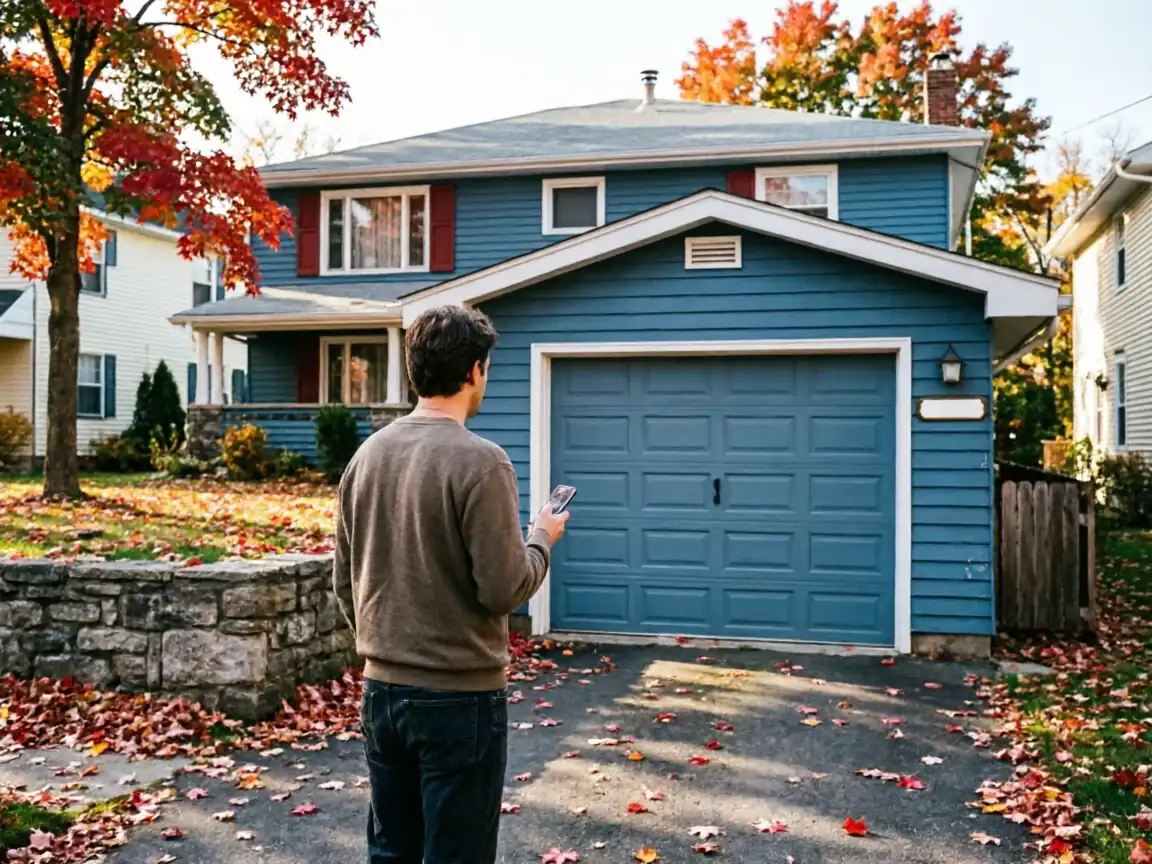
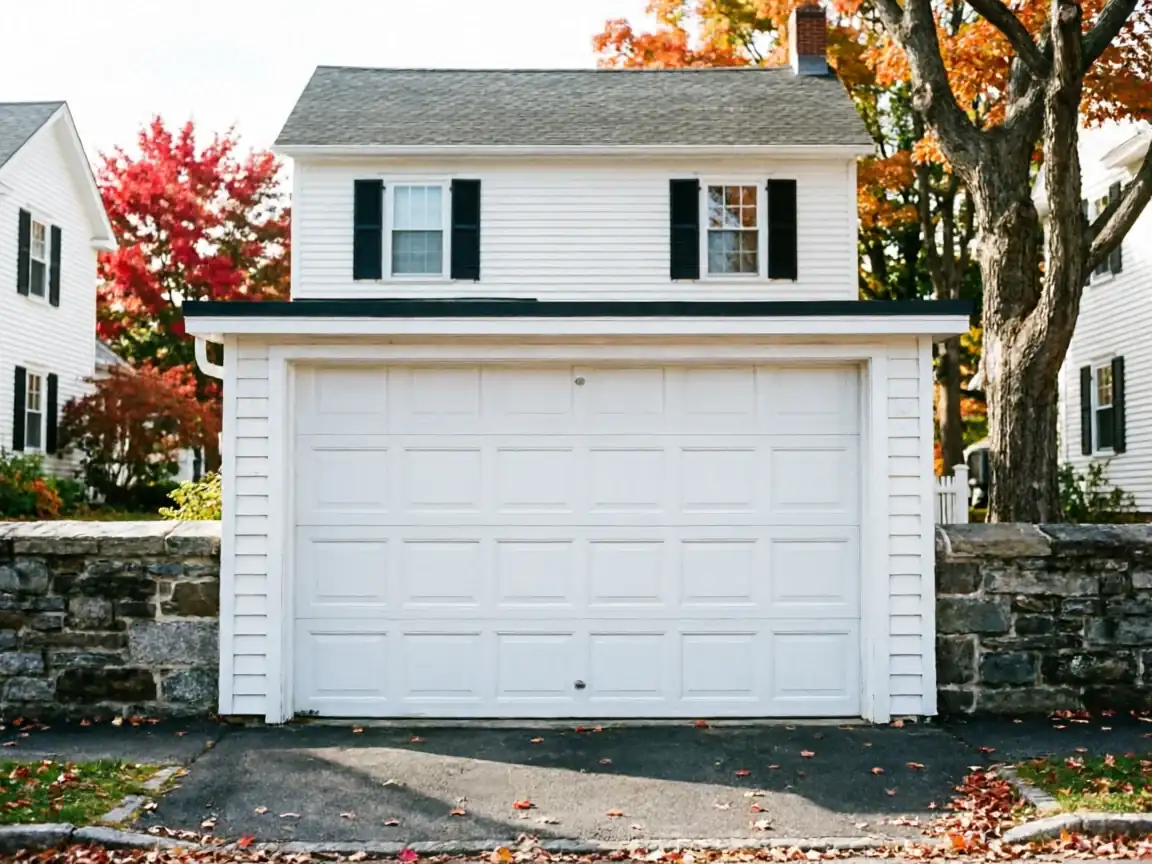
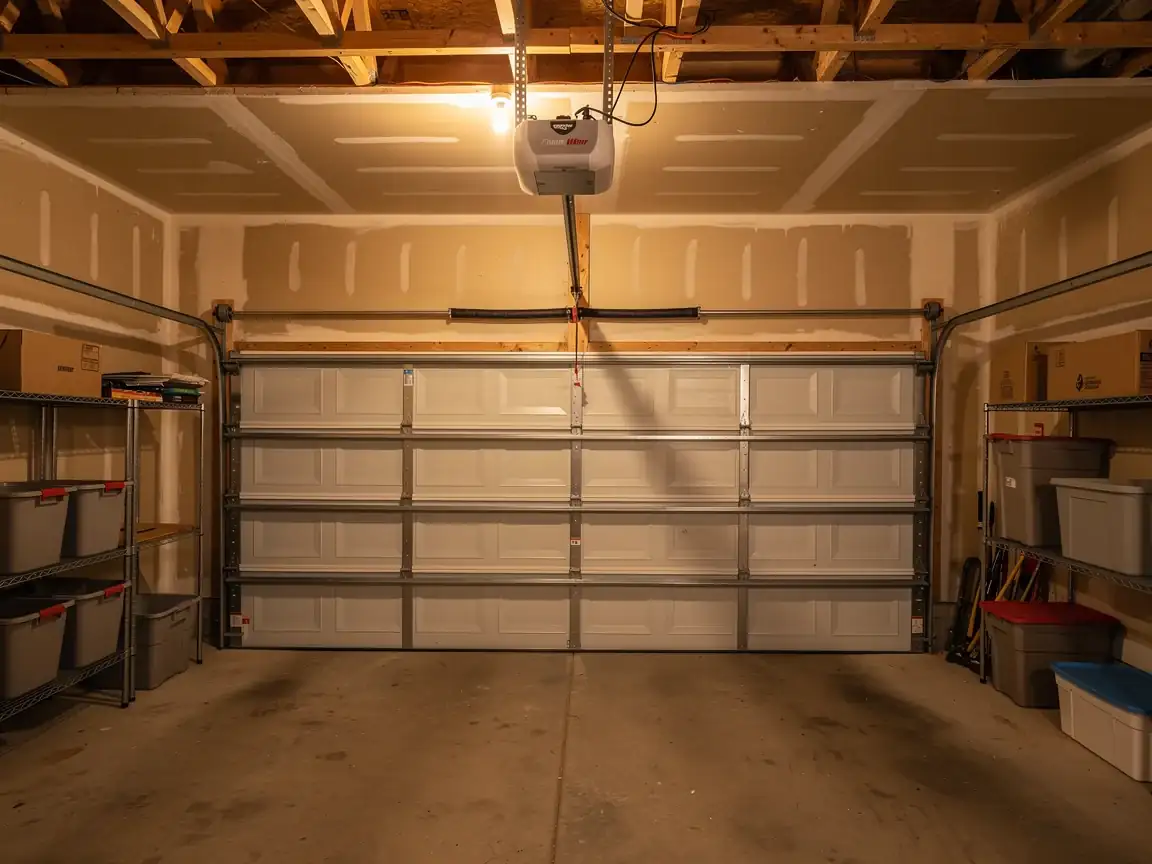
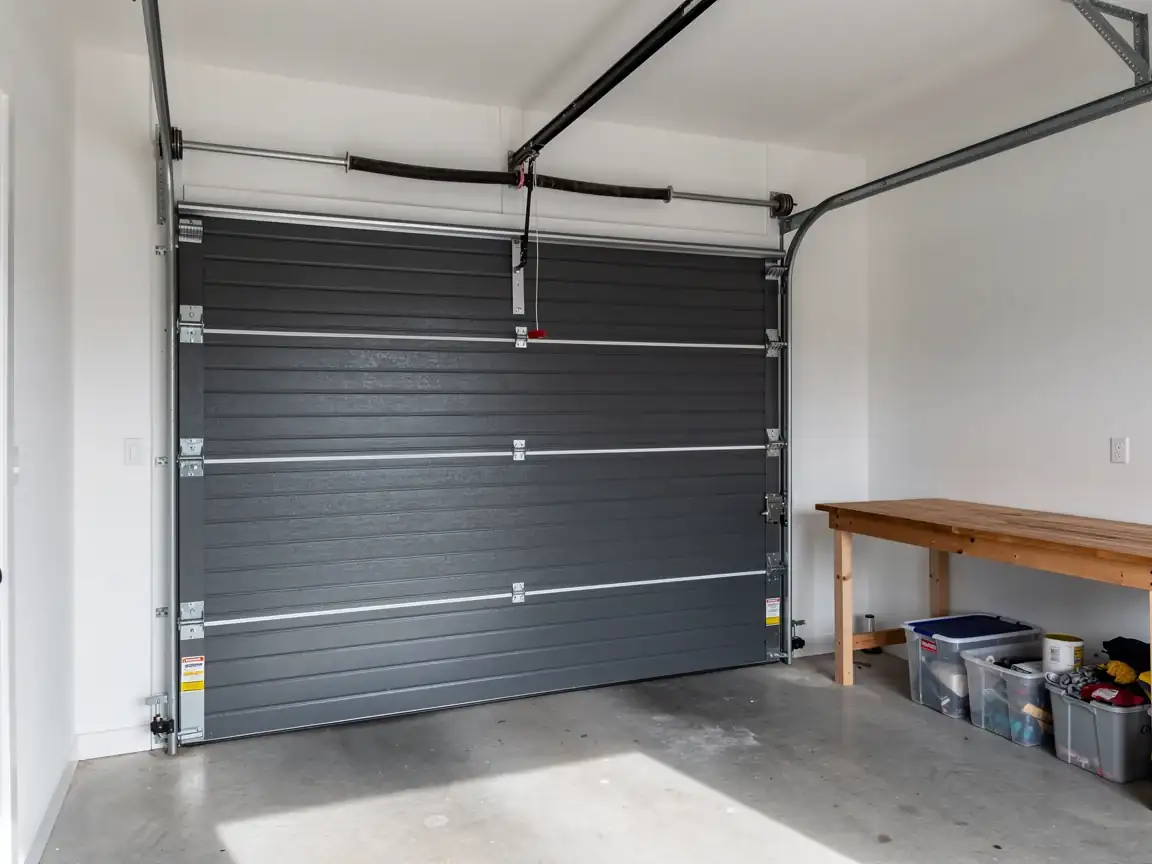
South Kensington is a small pocket as these things go - about 2,836 households, not the sprawling tract you'd find further out toward Wheaton or Colesville. That size matters for spring work because the housing here is tighter in age than the service area average. Where the broader Bethesda territory spans doors put up anywhere from 1938 to 2014, South Kensington's typical house dates to around 1956. That's a full generation before the newer builds mixed into other parts of our coverage, and it means the springs failing on these blocks are more often original-style torsion setups or early replacements on hardware that's been re-wound more than once.
A tight, older neighborhood also means less variety in what we run into. Fewer newer double-door extension setups, more single torsion springs sized for older cable drums and smaller headroom. When a spring lets go here, it's usually not a surprise to the homeowner - it's the second or third one that house has seen.
What Is on the Truck
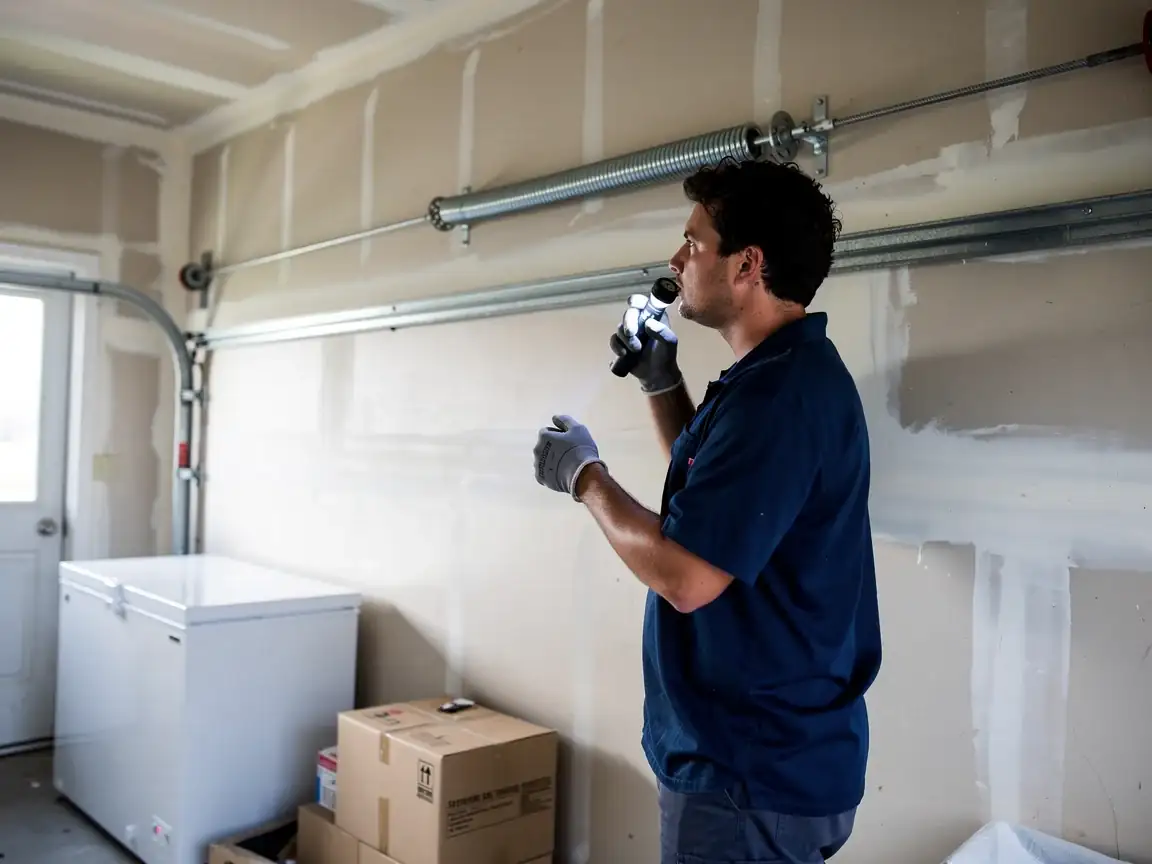
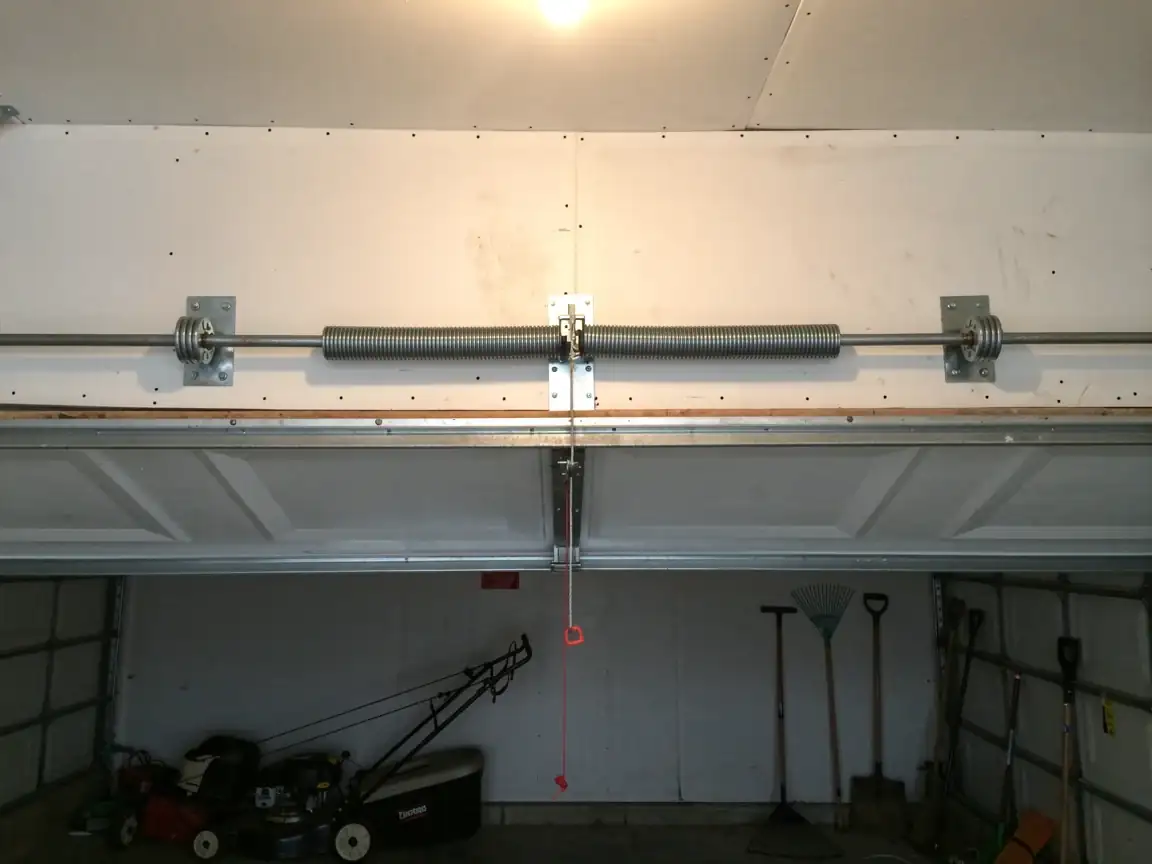
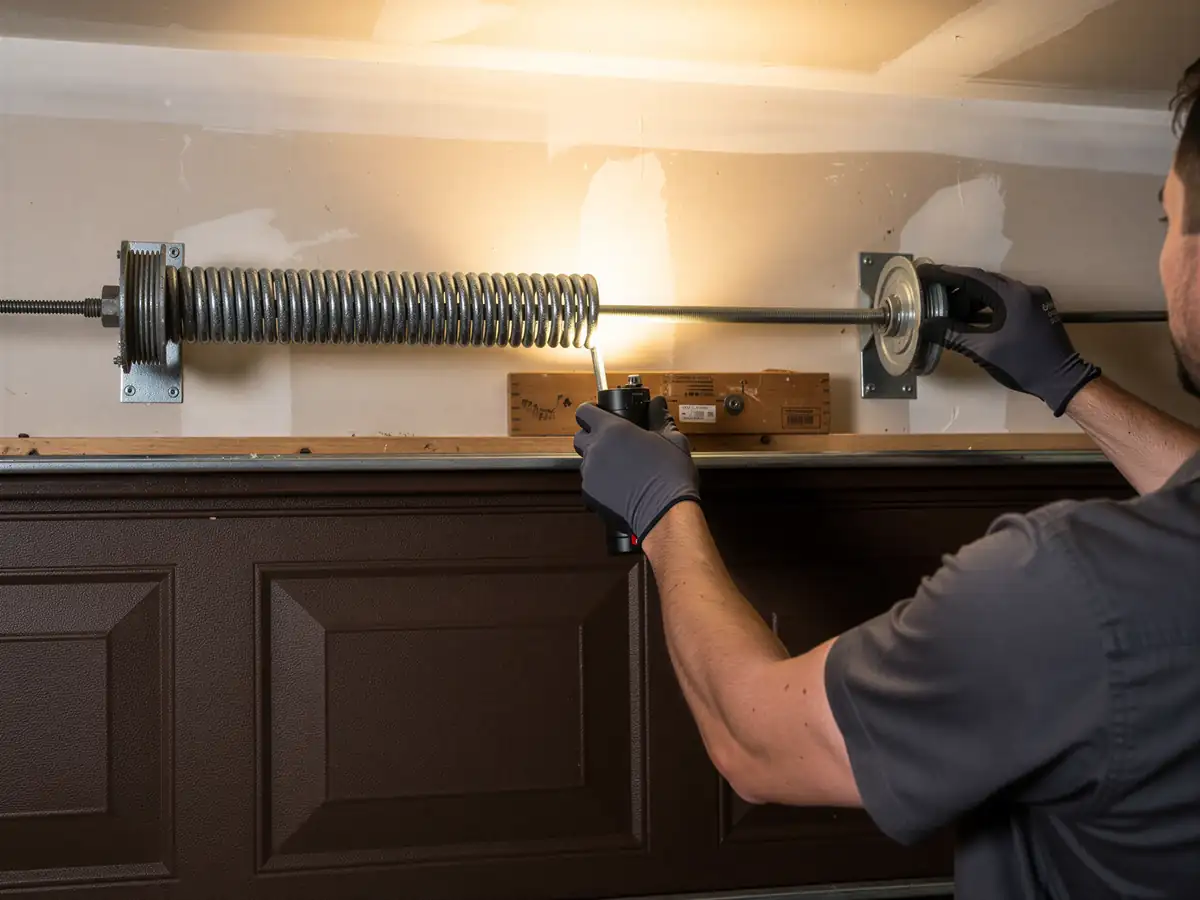
We carry torsion springs in the wire sizes that match 1950s and 60s door openings
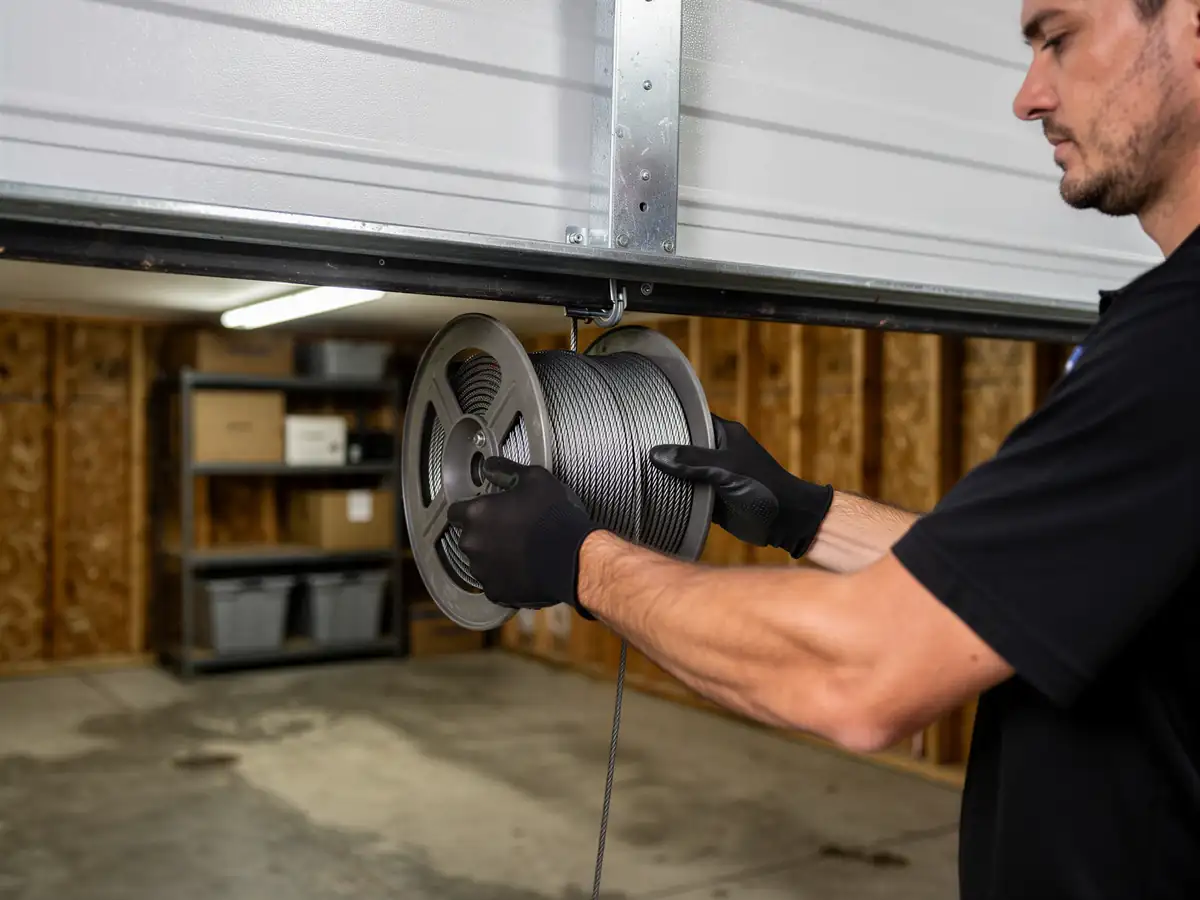
Along with standard extension springs for the handful of houses that still run them. Cable, drums, and bearing plates come along too, since a spring break at this vintage often means the cable has frayed from riding on a worn drum edge for years.
We stock what covers the common cases
If a job calls for something unusual - a discontinued spring size, a specialty bracket for a non-standard opening - that part isn't riding on the truck, and we'll tell you honestly if we need to order it rather than pretend we can finish same-visit. That's the one limitation worth saying plainly: not every spring on every door in this area is a stock item.
The Symptom
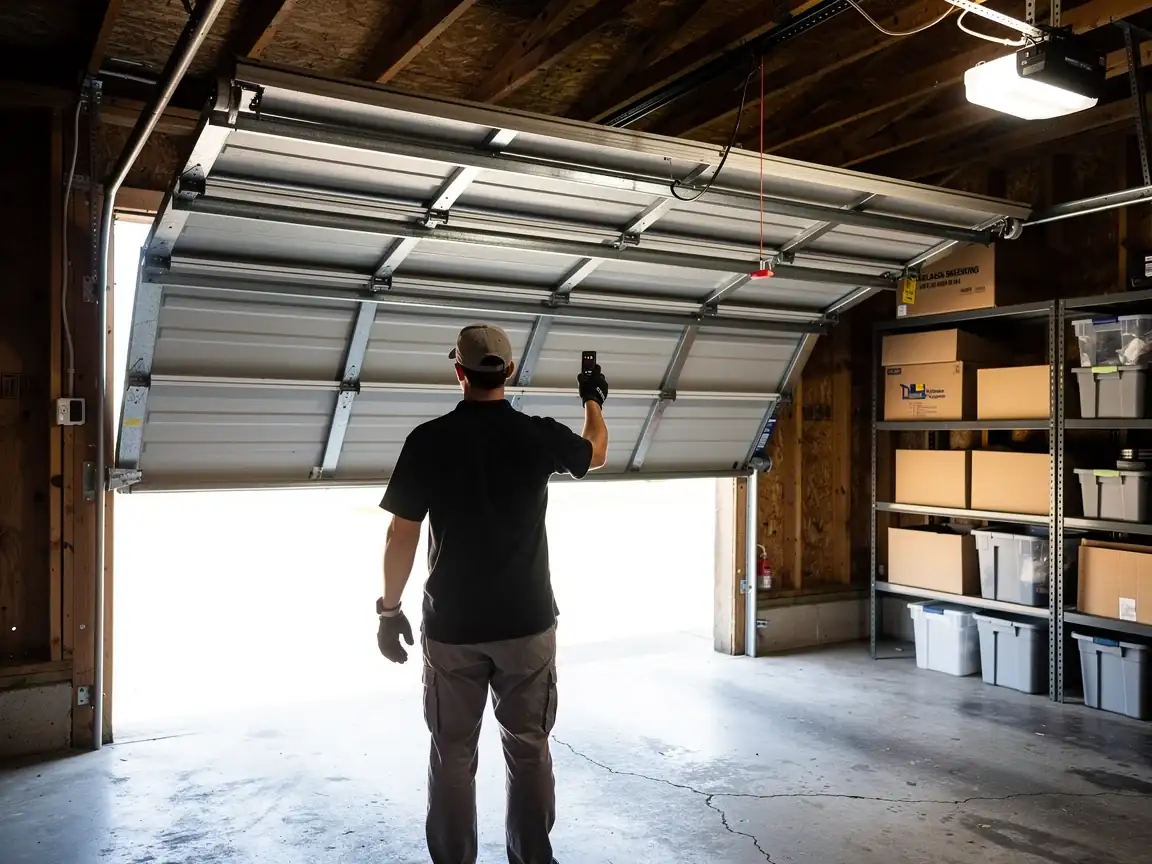
The giveaway on a house from this era is usually sudden silence followed by a door that won't lift, or lifts a few inches and stops. With single torsion springs original to 1950s construction, the metal fatigues after decades of winter cold snaps and summer humidity swings - our region sits in a cold, severe climate band, and that kind of temperature swing shortens spring life compared to milder climates.
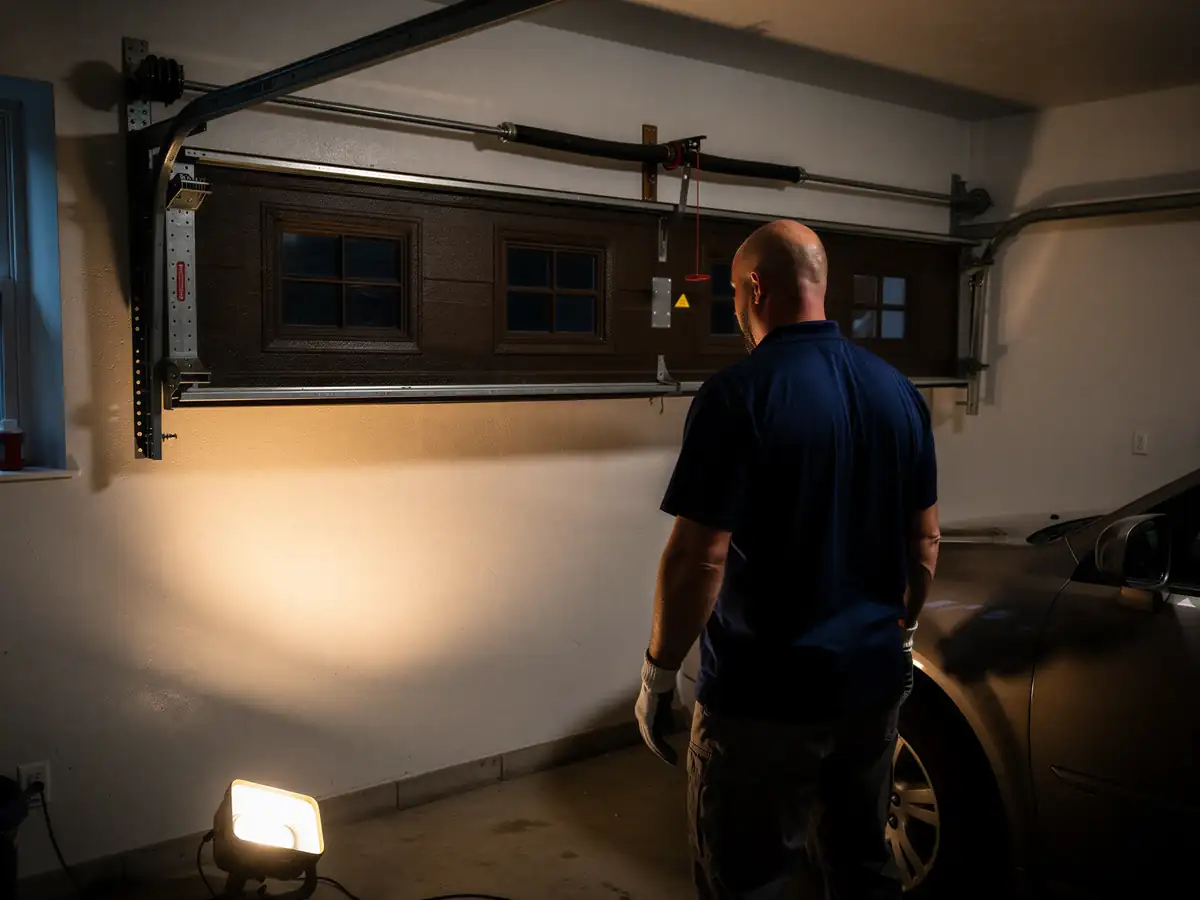
Another pattern: a loud bang from the garage, often heard from inside the house since these older garages tend to sit close to living space. That bang is the spring parting, not the opener failing. The opener will often still run afterward, straining to lift a door it was never meant to lift without spring tension - which is its own way of frying the motor.
Doing It Yourself
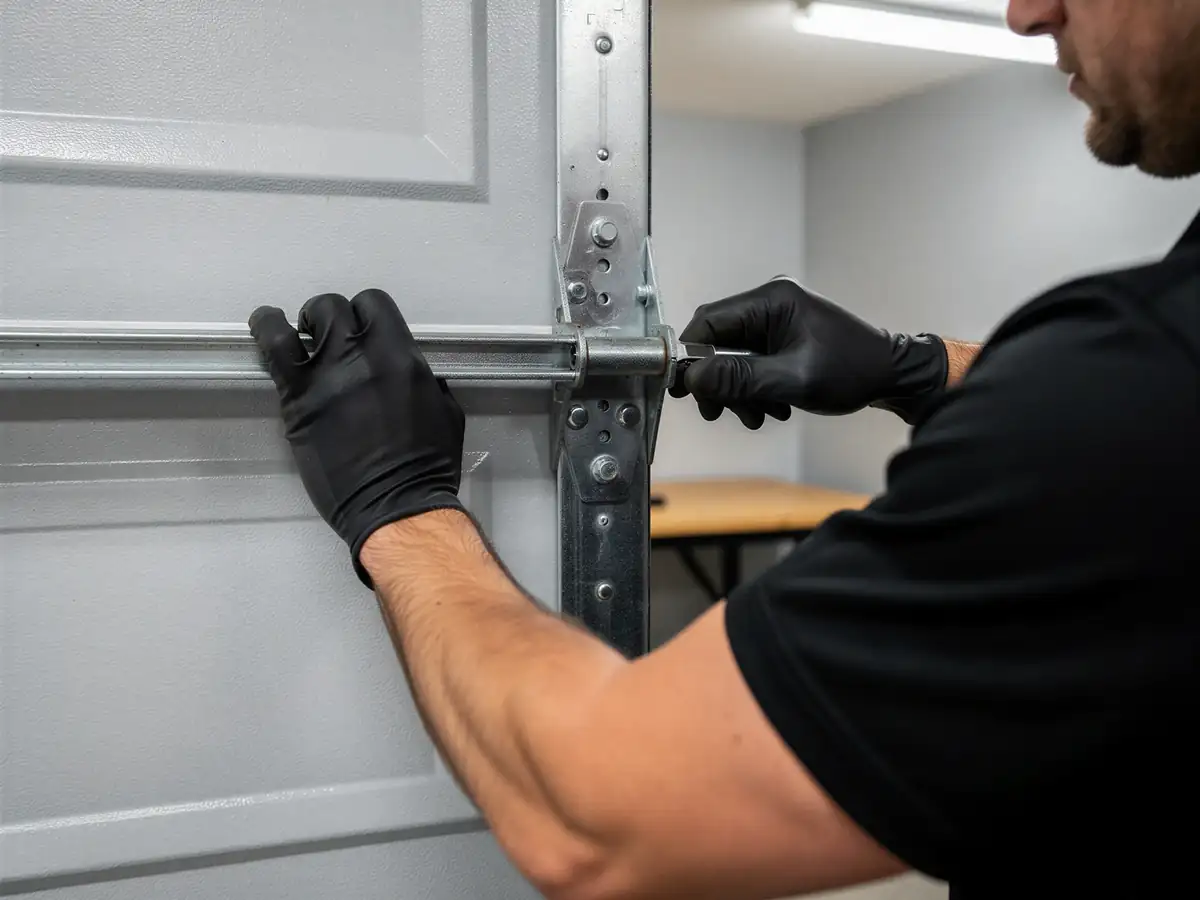
Torsion springs are wound under real tension, and on a 1956-era door the winding cones and center bracket have usually seen enough wear that they don't behave the way a diagram says they should. We don't recommend homeowners attempt the wind-down or re-tensioning themselves. Extension springs are a little more forgiving to inspect, but replacing them without a safety cable in place is still a bad idea on a door this size.
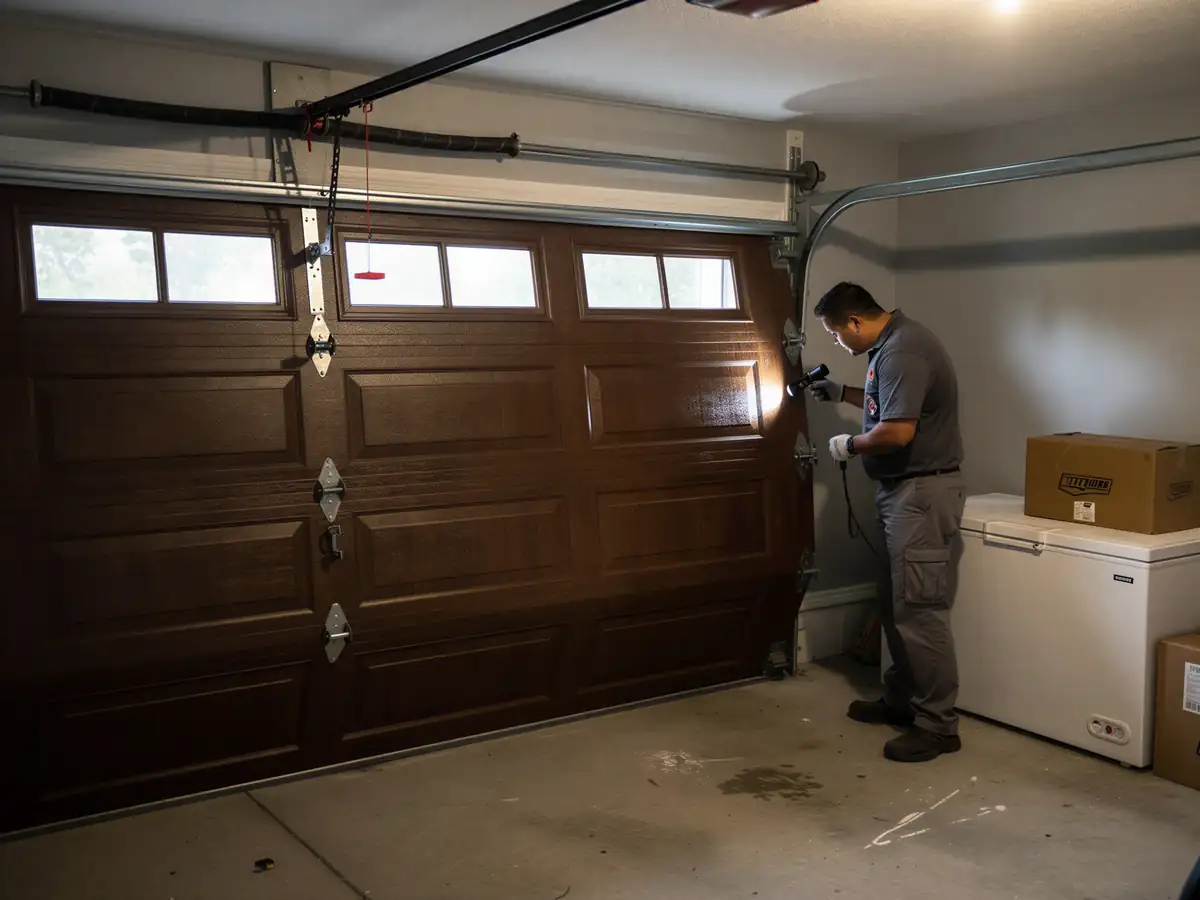
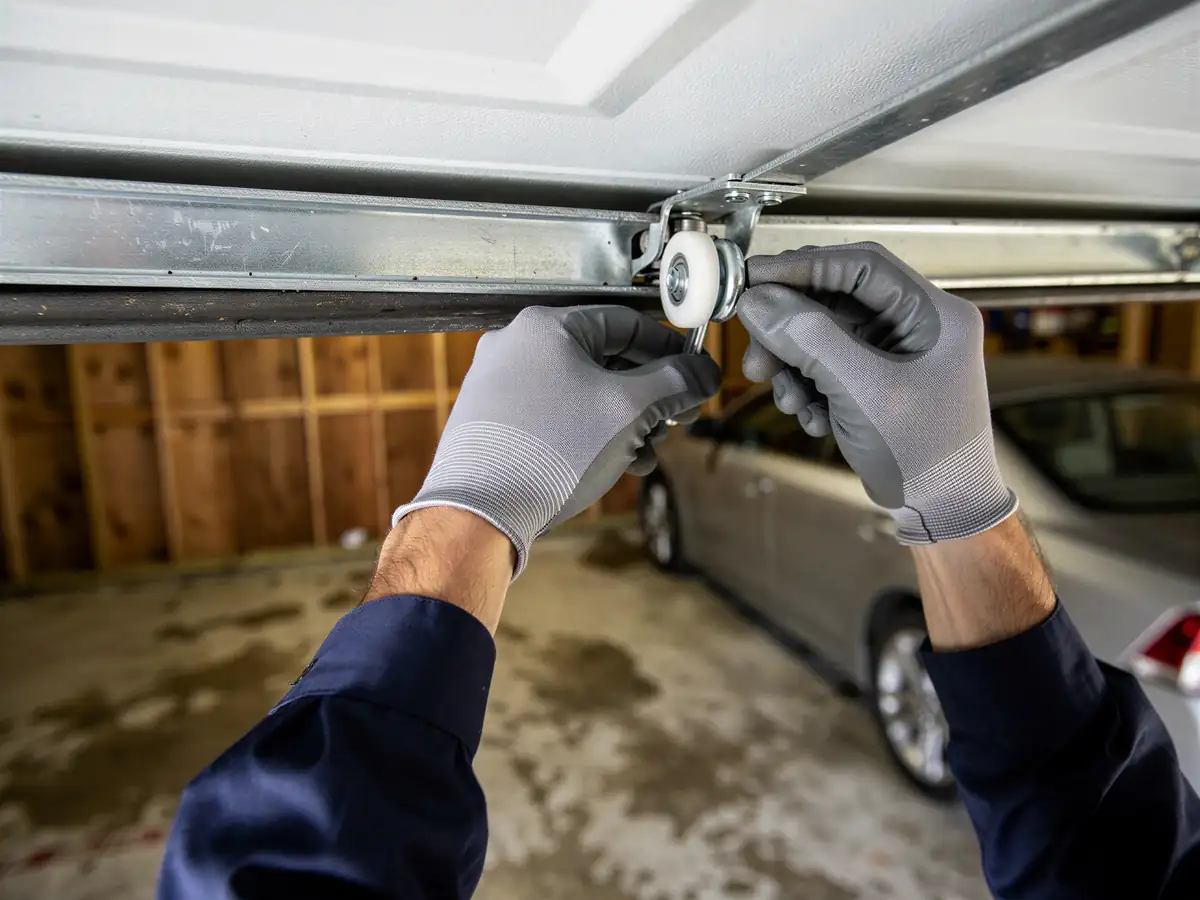
What you can safely do: check whether the door is binding on the track versus failing at the spring, and look at the cable for fraying near the drum. That tells us something useful before we're on-site, even though it's three miles from our Bethesda shop to get here.
Booking a Visit
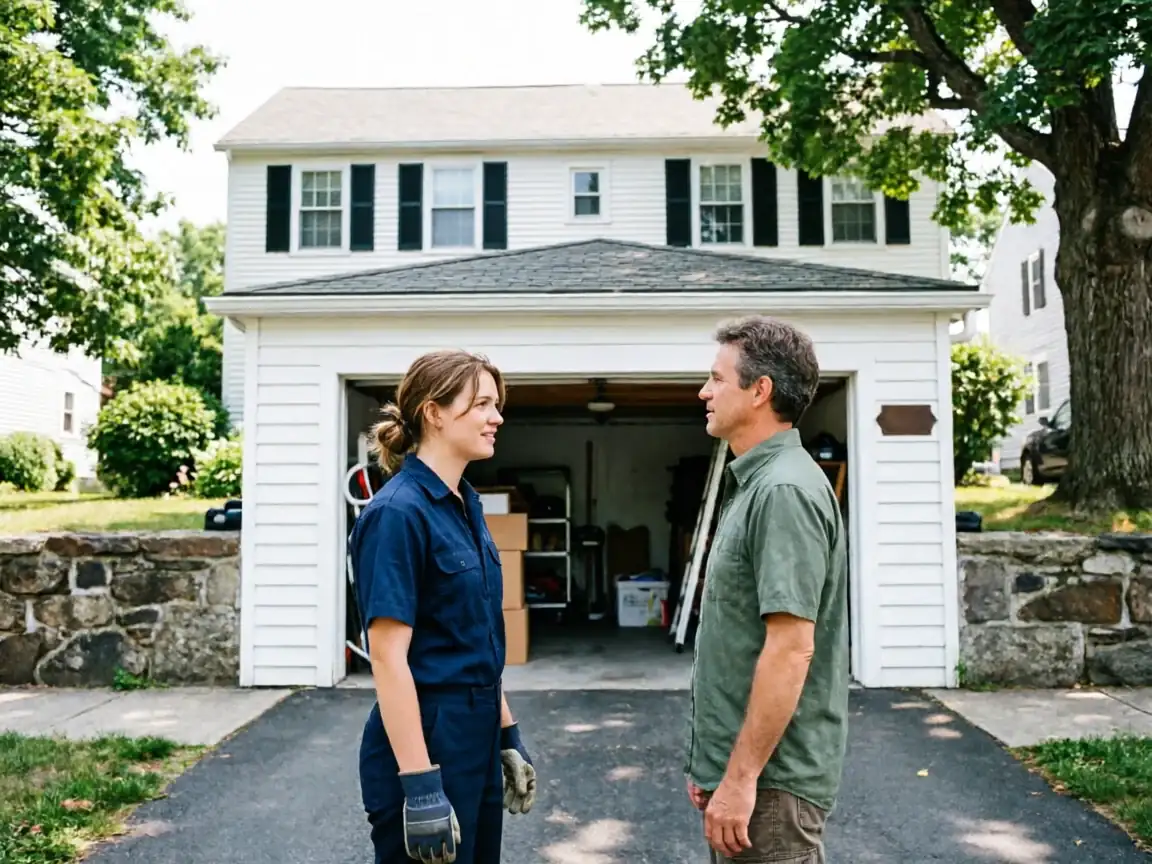
We come out from Bethesda, about 3 miles away, to handle spring jobs across South Kensington
Given the age of the housing stock here - a median income area north of $190,000 but homes that are often older than that income level would suggest elsewhere - we see a fair number of springs original or near-original to the house, not recent replacements.
- 3 miles
Tell us what you heard and what the door is doing now
That narrows down whether it's a torsion or extension setup before we arrive with the right spring on the truck.