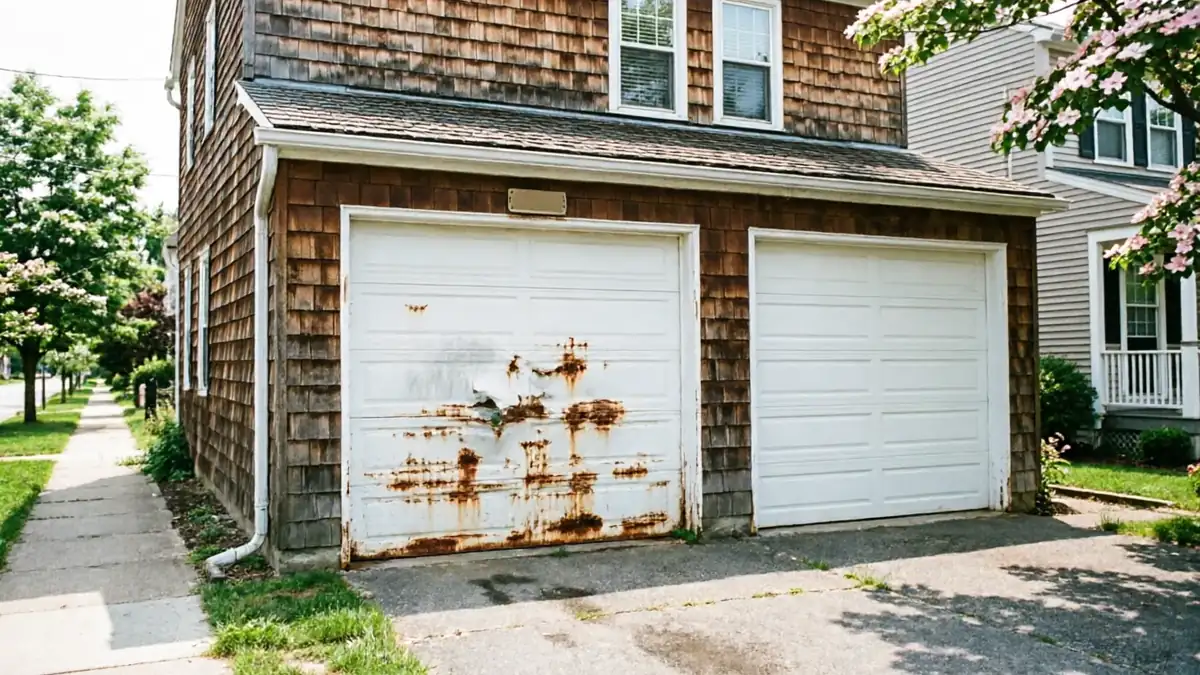
Leaving It Alone
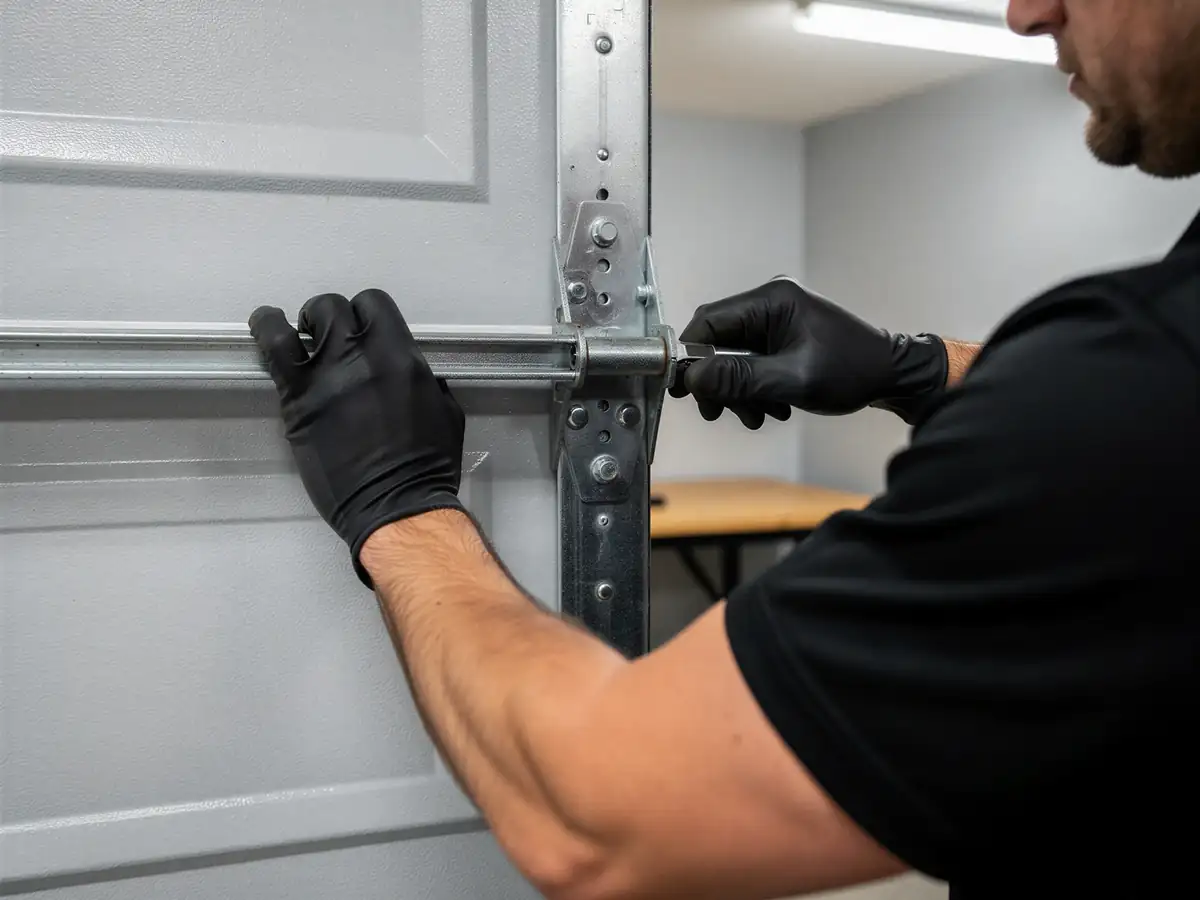
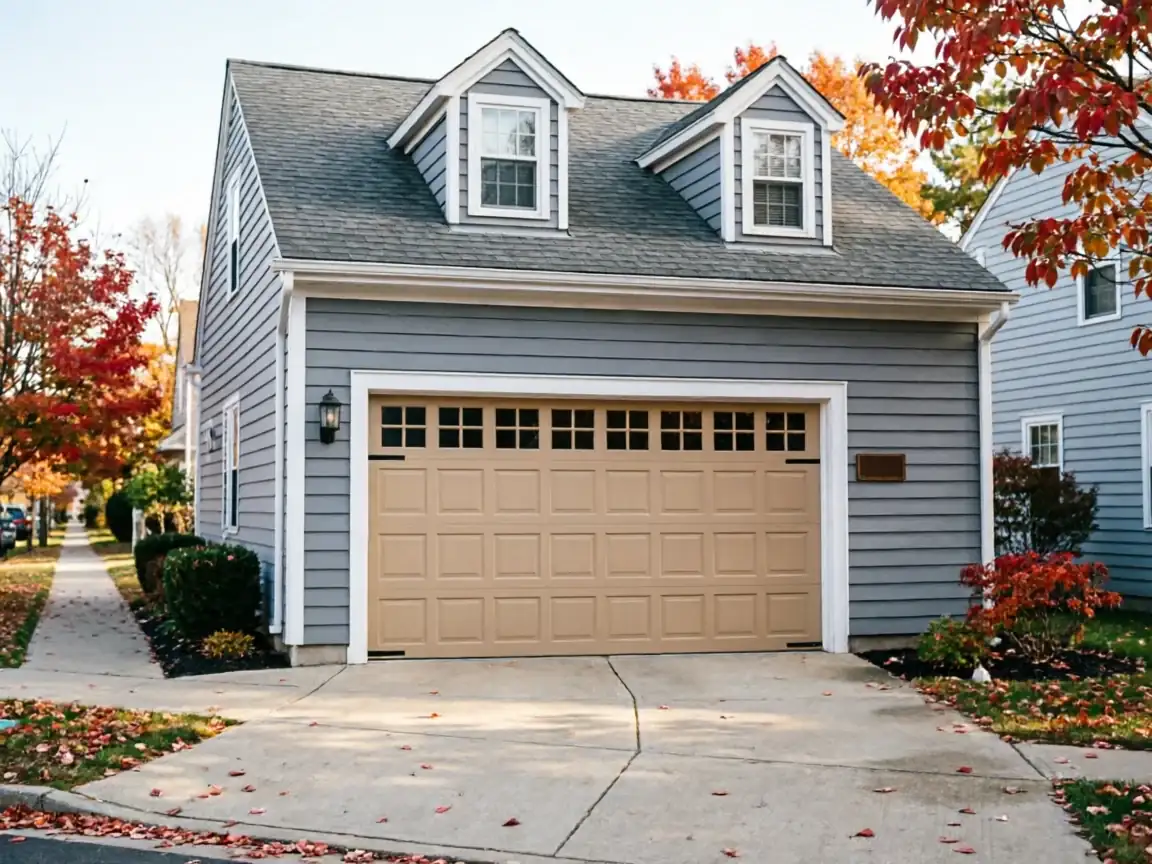
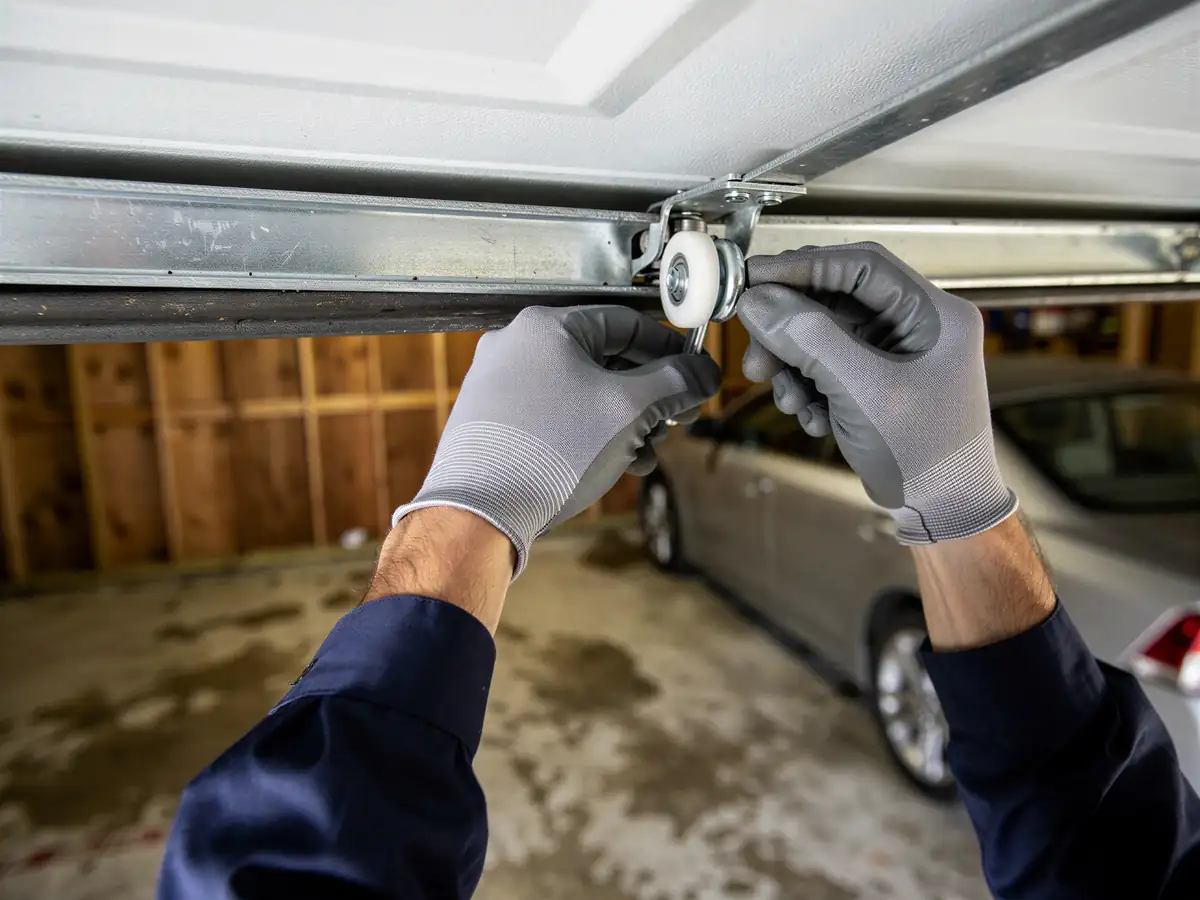
A lot of doors in Bethesda don't need a call at all. If the door is noisy but moving true, if the opener still reverses on contact, and if the springs still have paint on the coils instead of a gap, you can live with it. Lubricating hinges and rollers twice a year is cheap insurance, and tightening the lag screws on the track brackets takes ten minutes. This area's housing stock runs from 1938 up through 2014, with the median build year around 1973, so a lot of garages are original to houses that are now fifty years old. An original door that's been maintained isn't a liability just because it's old. The mistake homeowners make is treating every squeak as a sign the whole unit is dying. It usually isn't. Spend the time on lubrication and visual checks before you spend money on parts.
What Is Going On
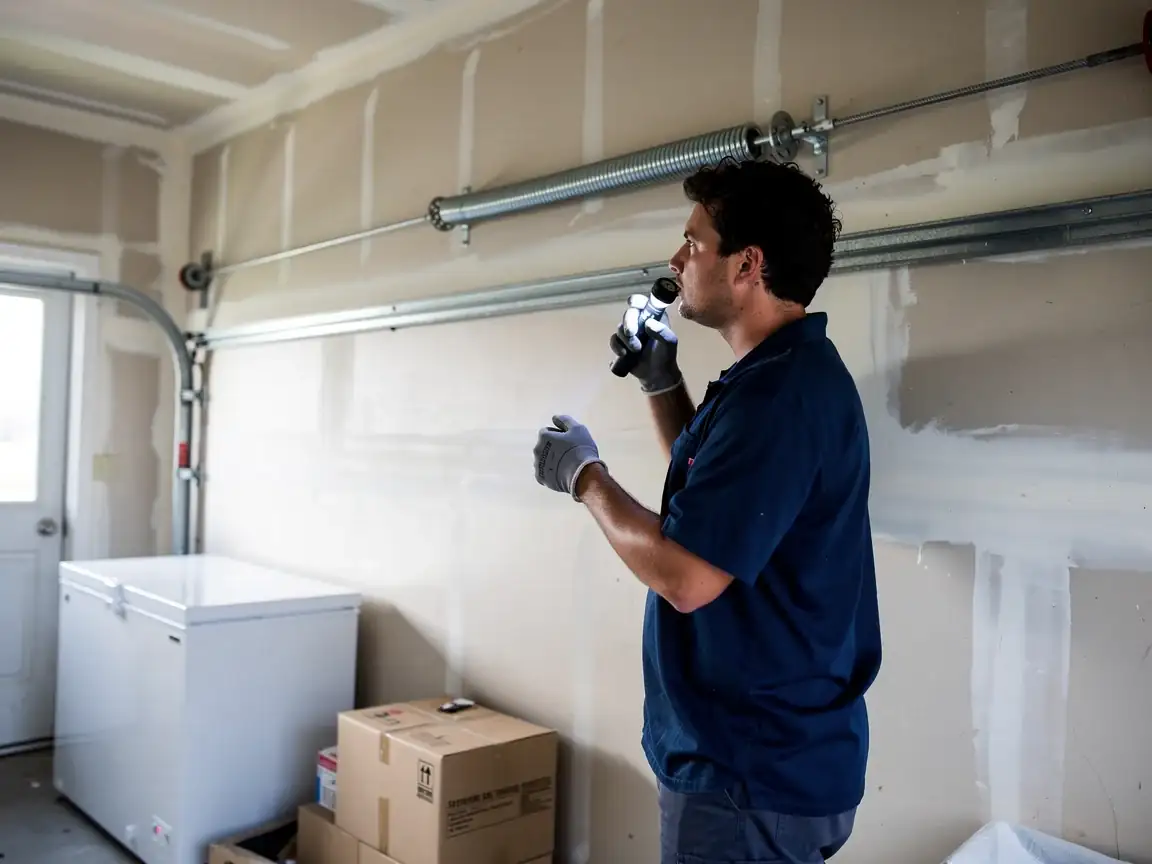
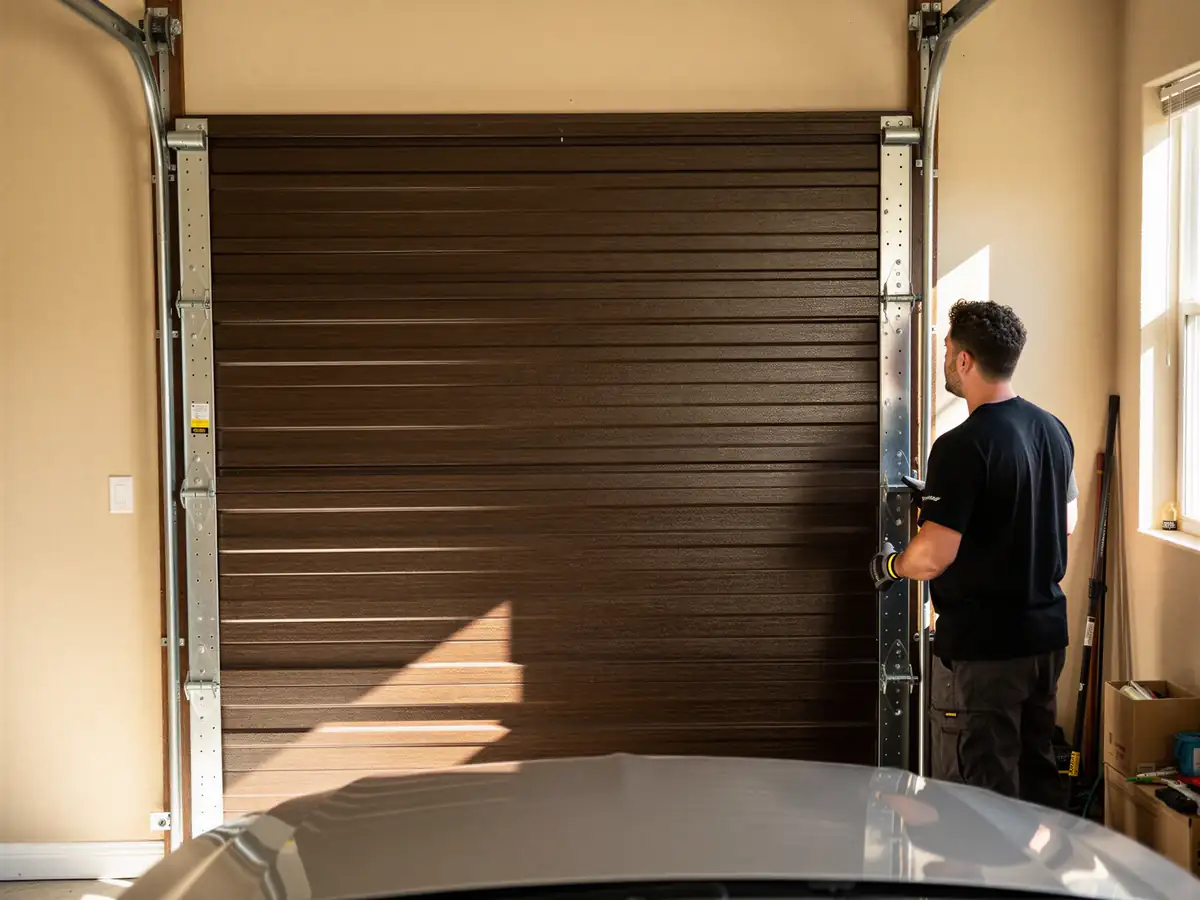
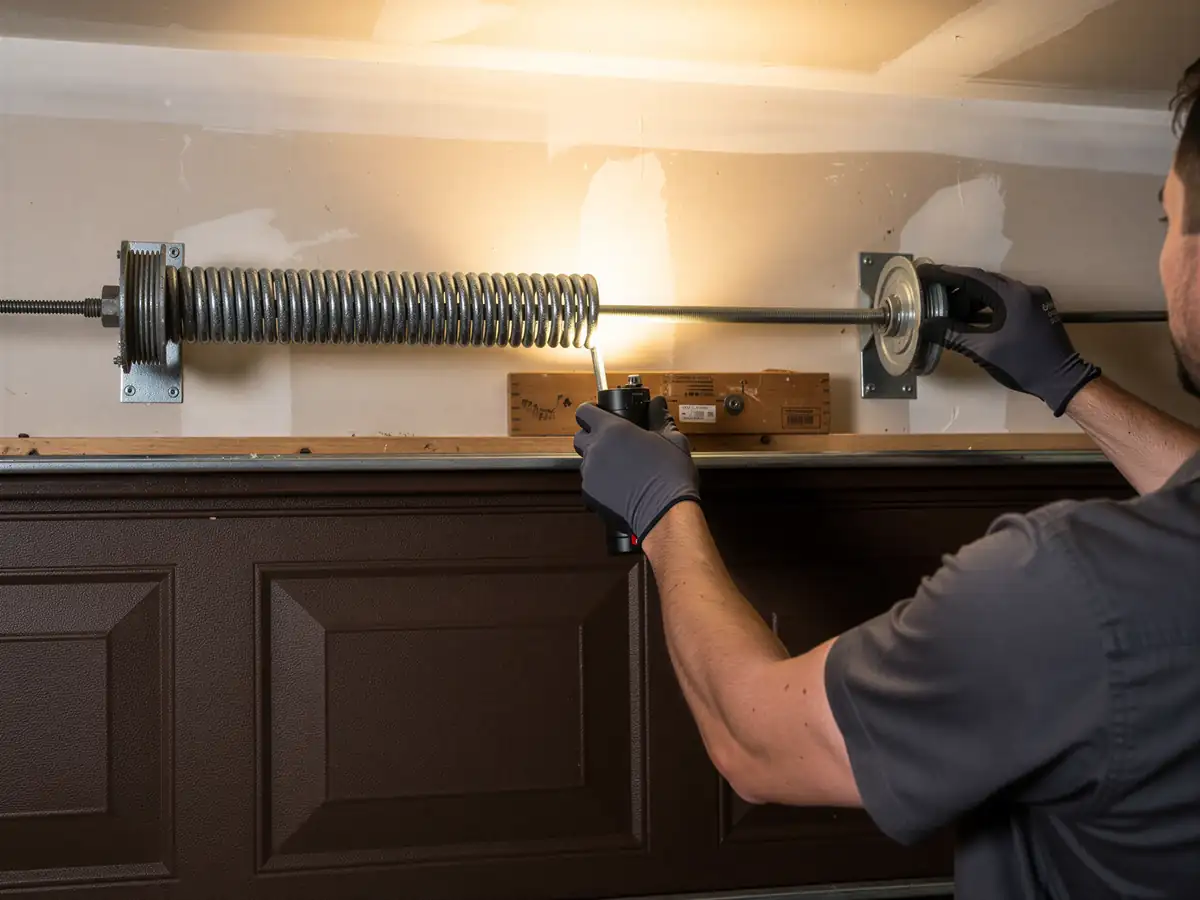
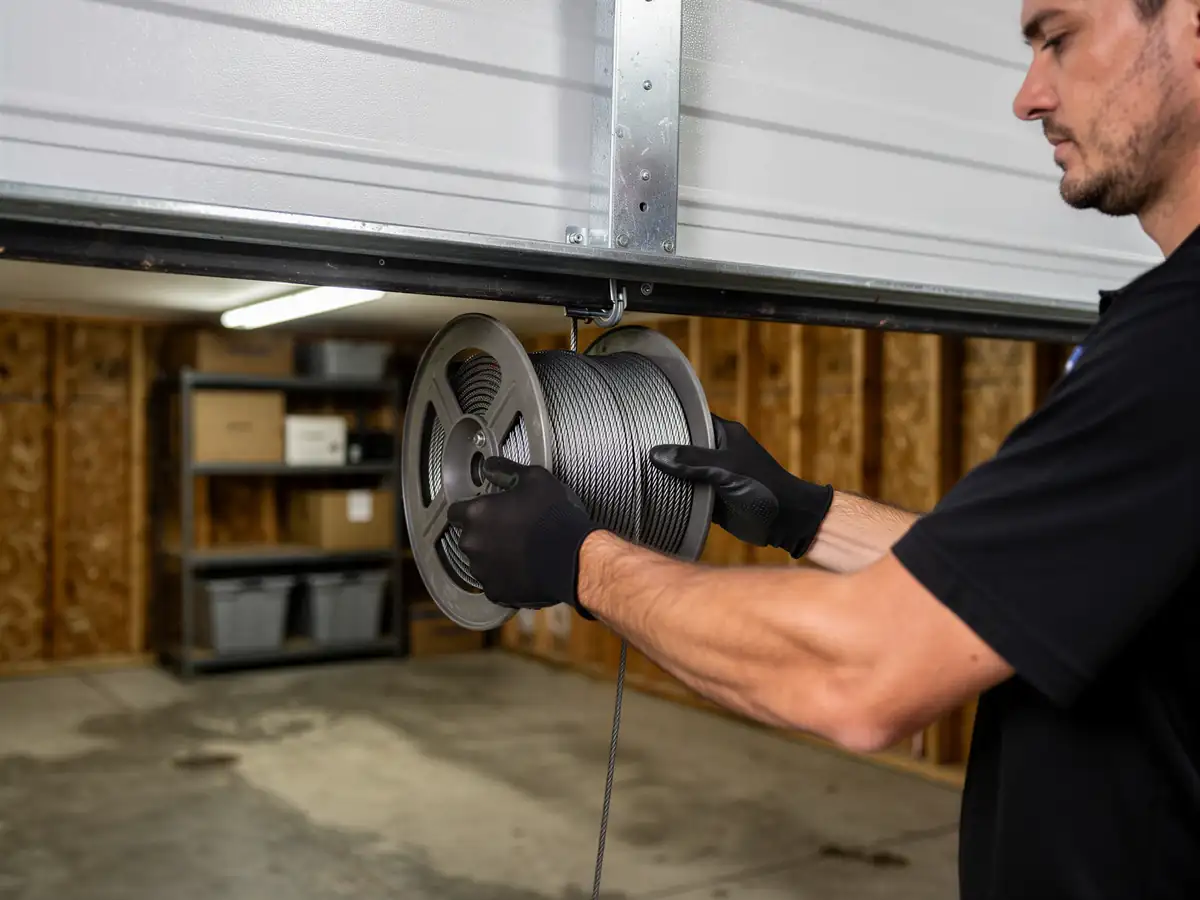
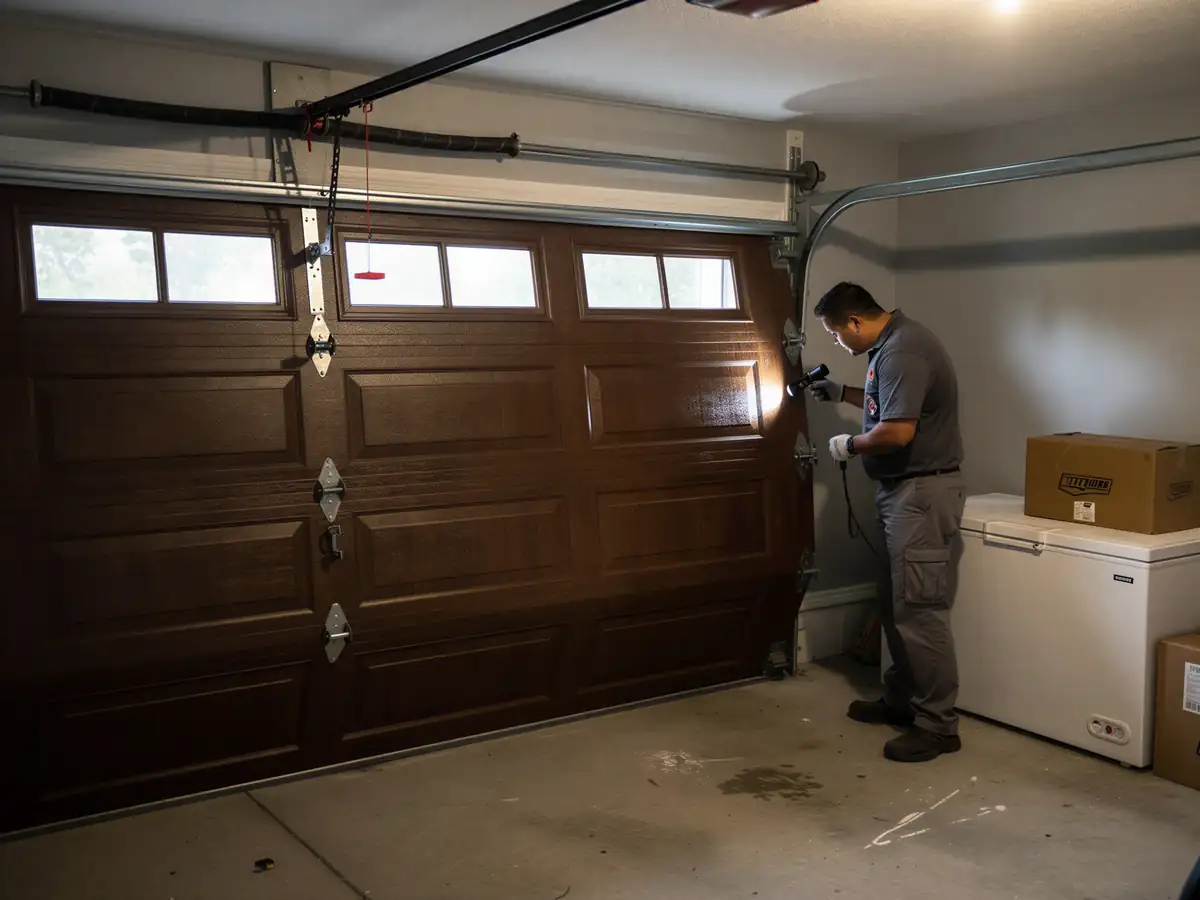
When a door starts acting up, the cause usually traces back to its age bracket. Houses built in this area's earlier decades, closer to the 1938-1973 range, often still have the original torsion spring and sometimes the original track, neither sized for today's heavier insulated panels if a previous owner swapped the door but not the hardware. A door that's binding, dropping unevenly, or reversing for no reason is telling you the lift system and the panel no longer match. On the newer end of the housing stock, built closer to 2014, the usual failure is a worn opener gear or a sensor going out of alignment, not structural fatigue. Knowing which decade your house falls into tells you a lot before a technician ever opens the panel. An unevenly worn cable, a spring with a visible gap in the coil, or a track bent where it meets the header are all signs the fix is bigger than a tune-up.
When It Stops Being a DIY Job
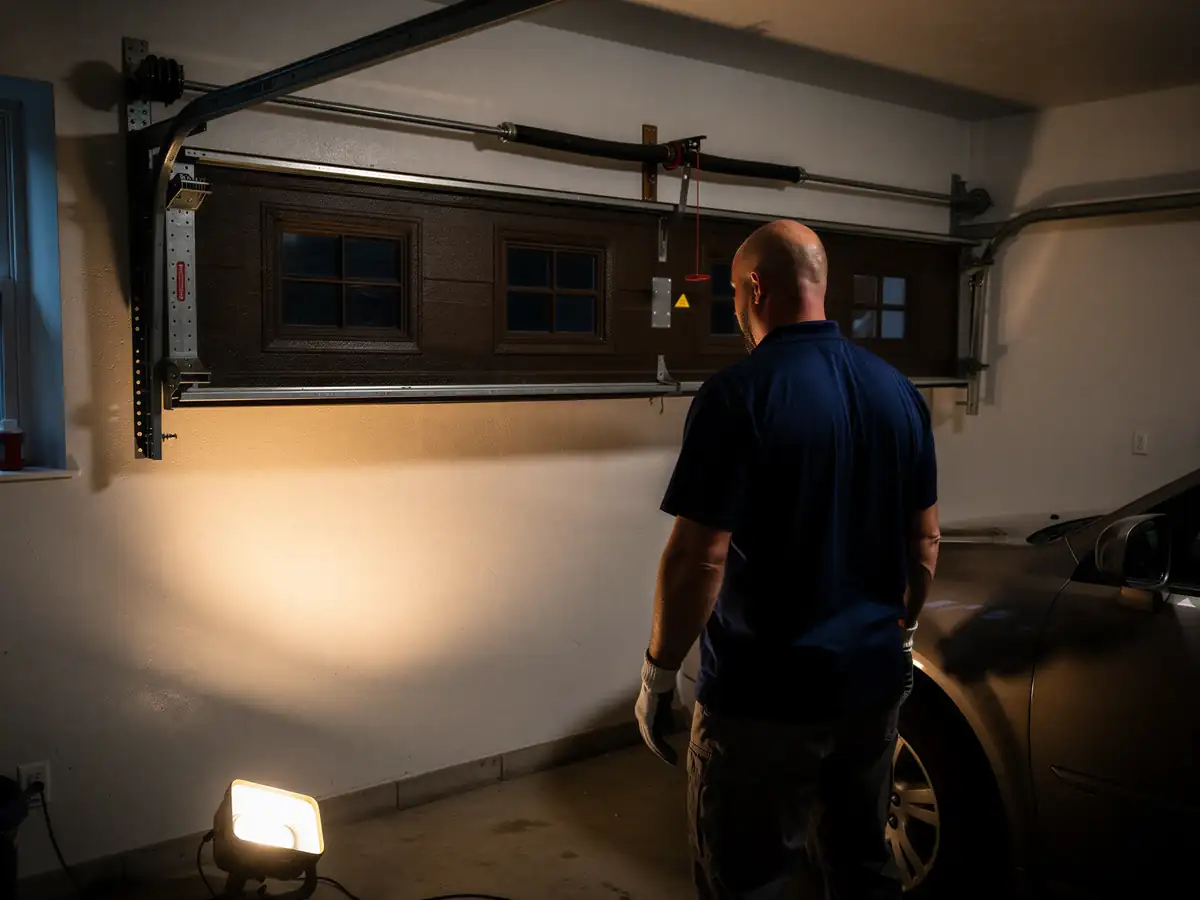
Springs are the line. A torsion spring under tension can break a hand or worse, and on the older hardware common in this area's 1960s-70s housing stock, the springs are often undersized for a panel that's been replaced since. If a cable has frayed, if a spring has a visible gap, or if the door won't stay up on its own, stop and call. We don't recommend DIY spring replacement here, full stop, and we won't talk anyone through it over the phone. On the cost side, if the track is bent, the opener is more than a few years past its sensor issues, and the panel is original to a house from the early part of this area's build range, replacement usually costs less over five years than chasing repairs on a door that's already outlived its hardware's rated life.