What the Housing Means for Your Door
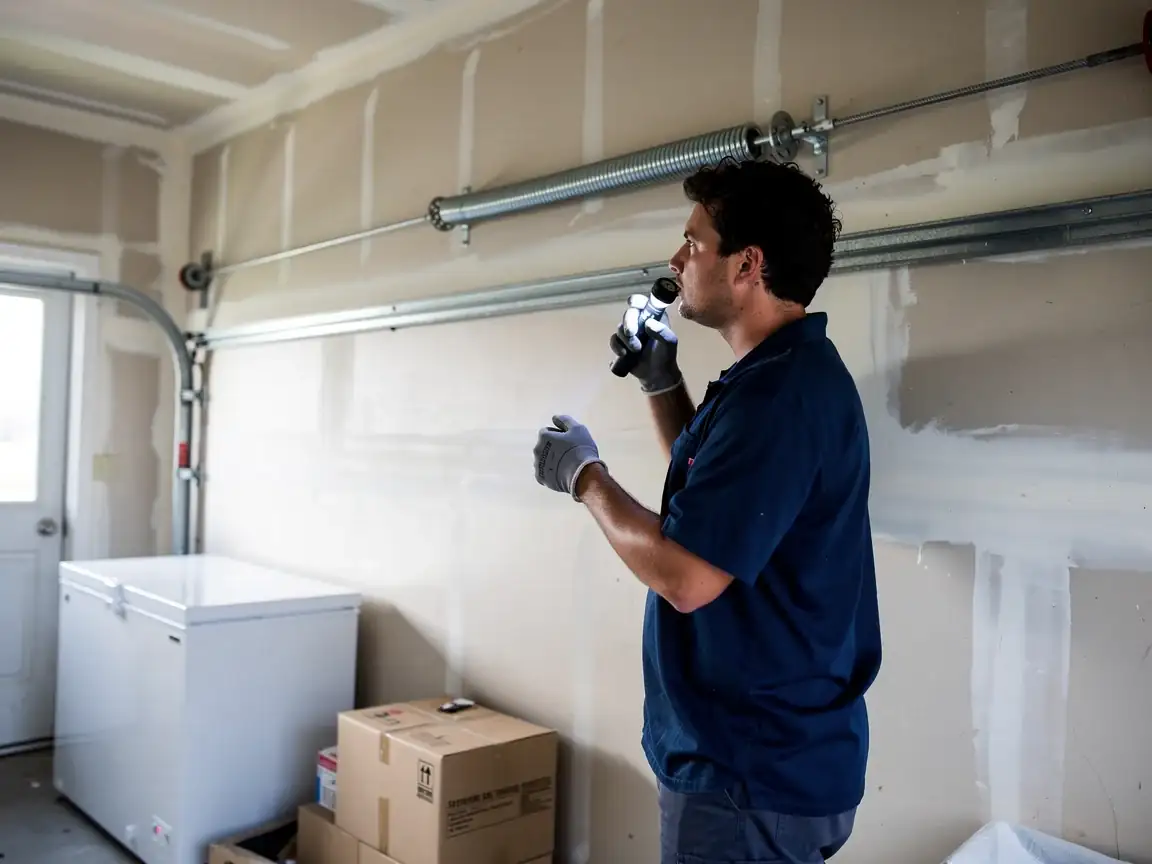
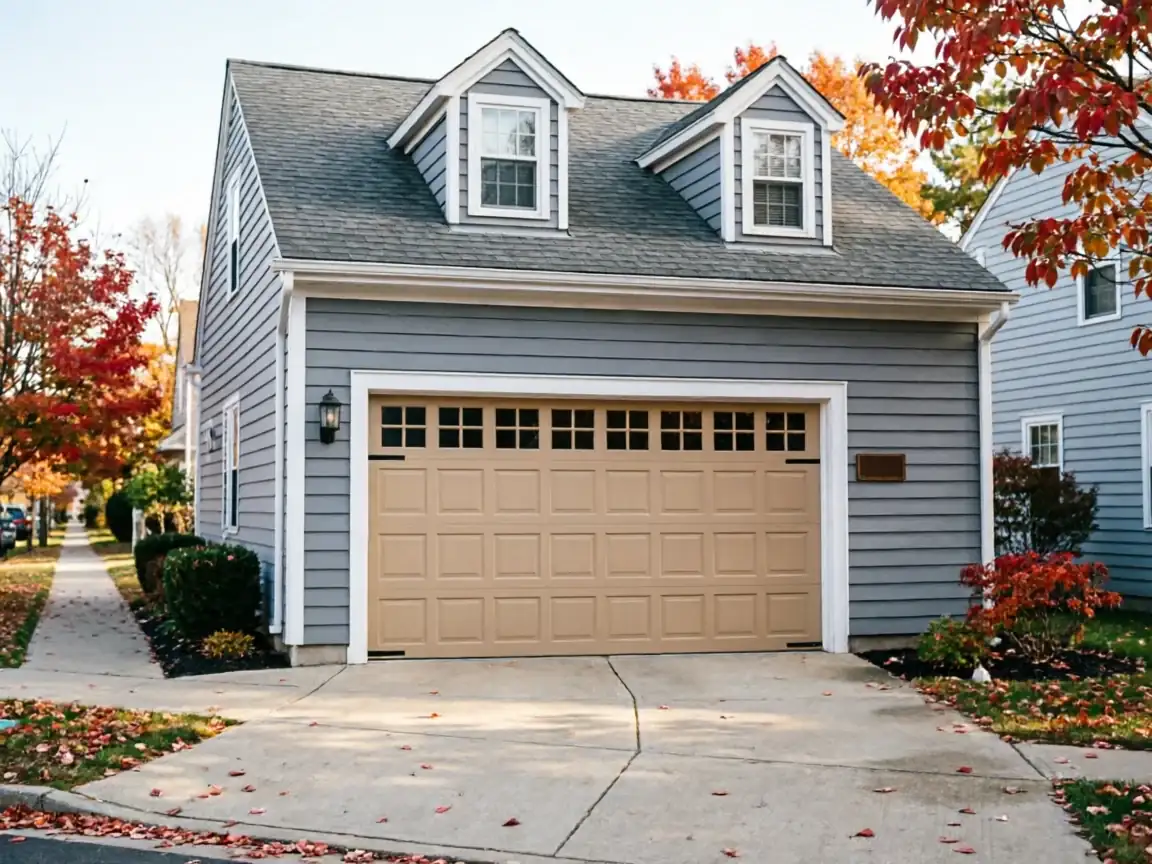
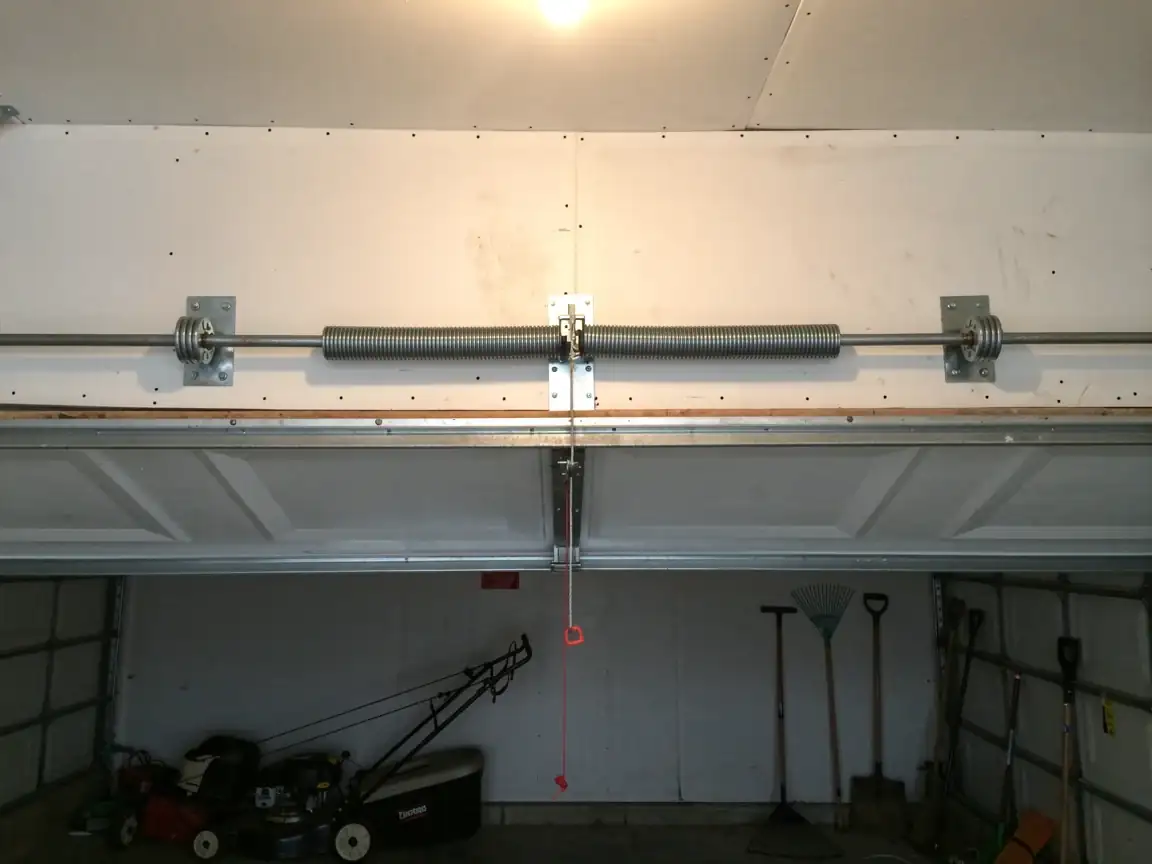
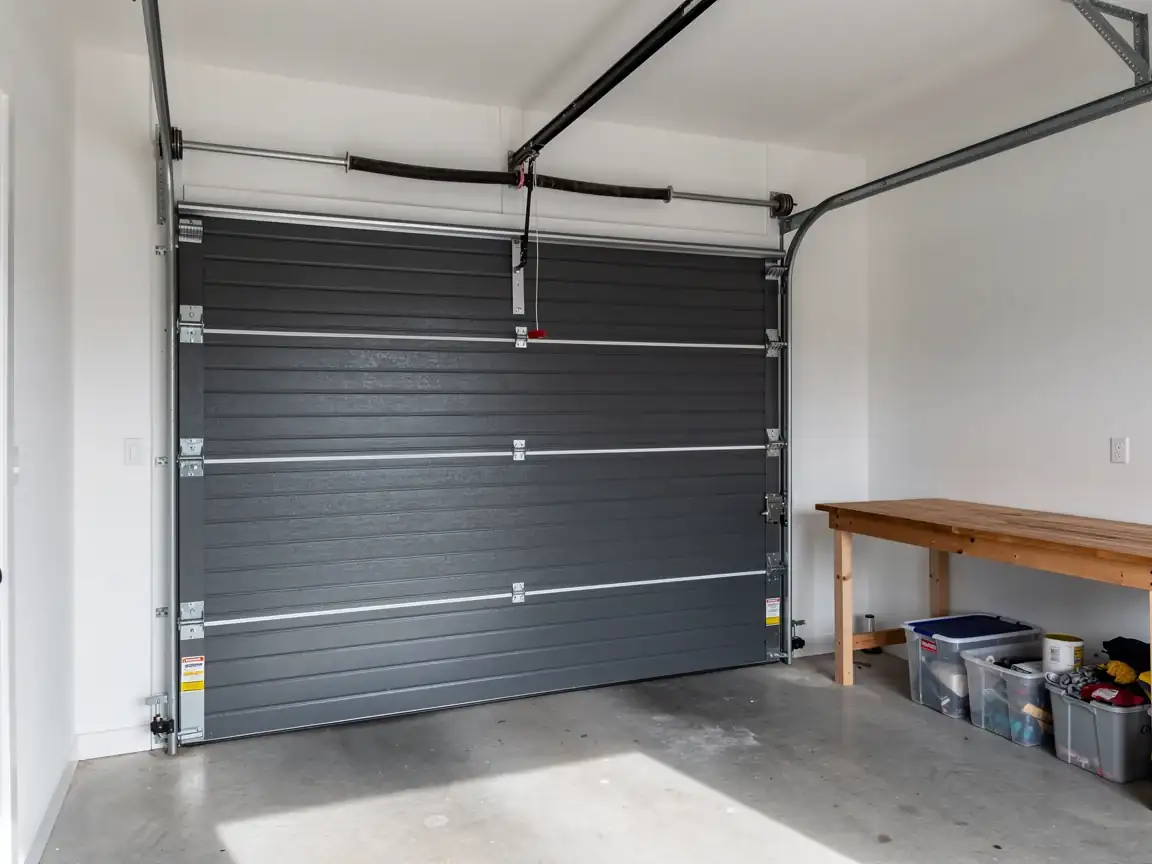
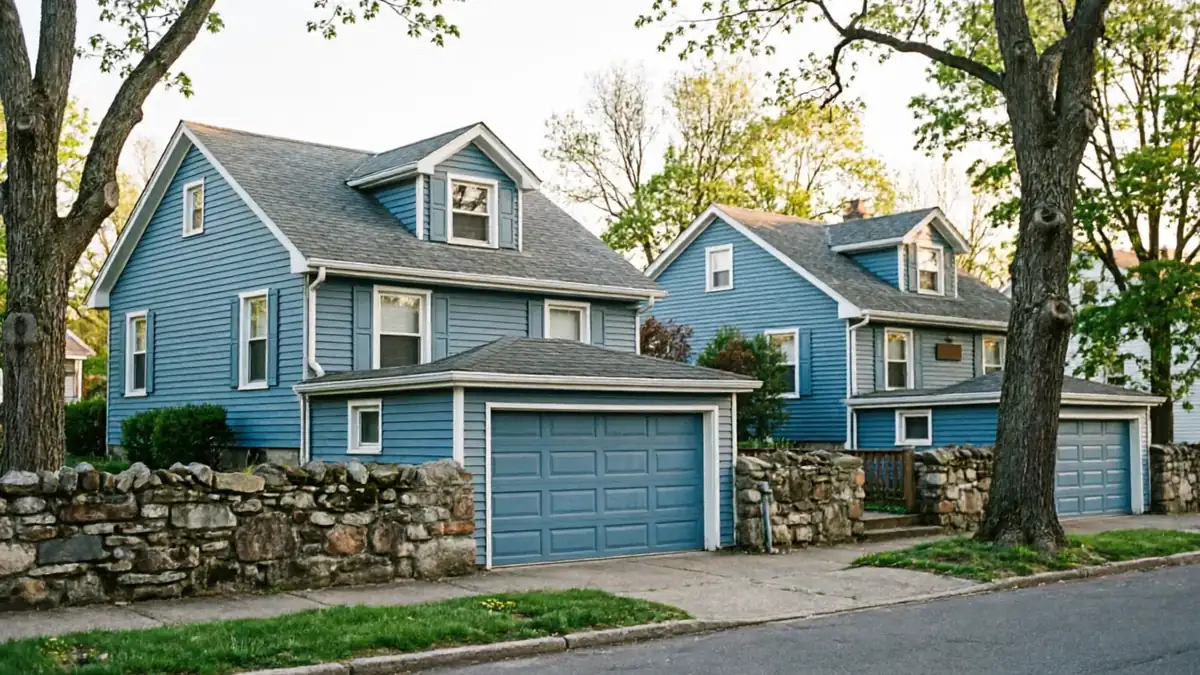
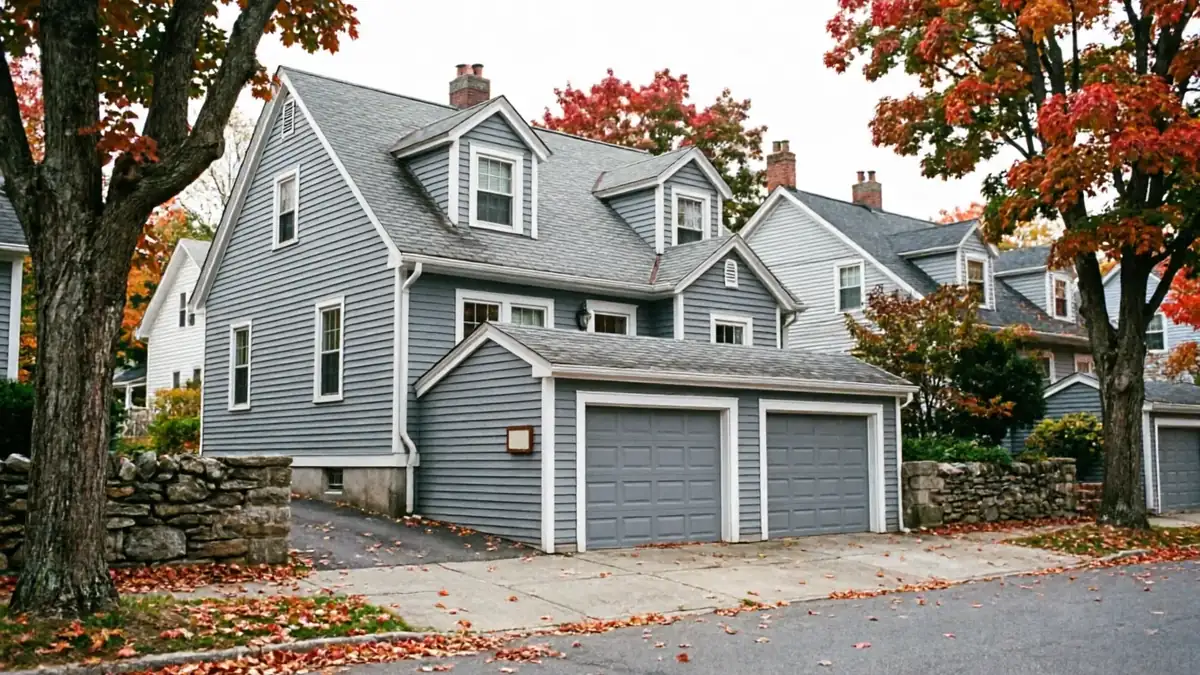
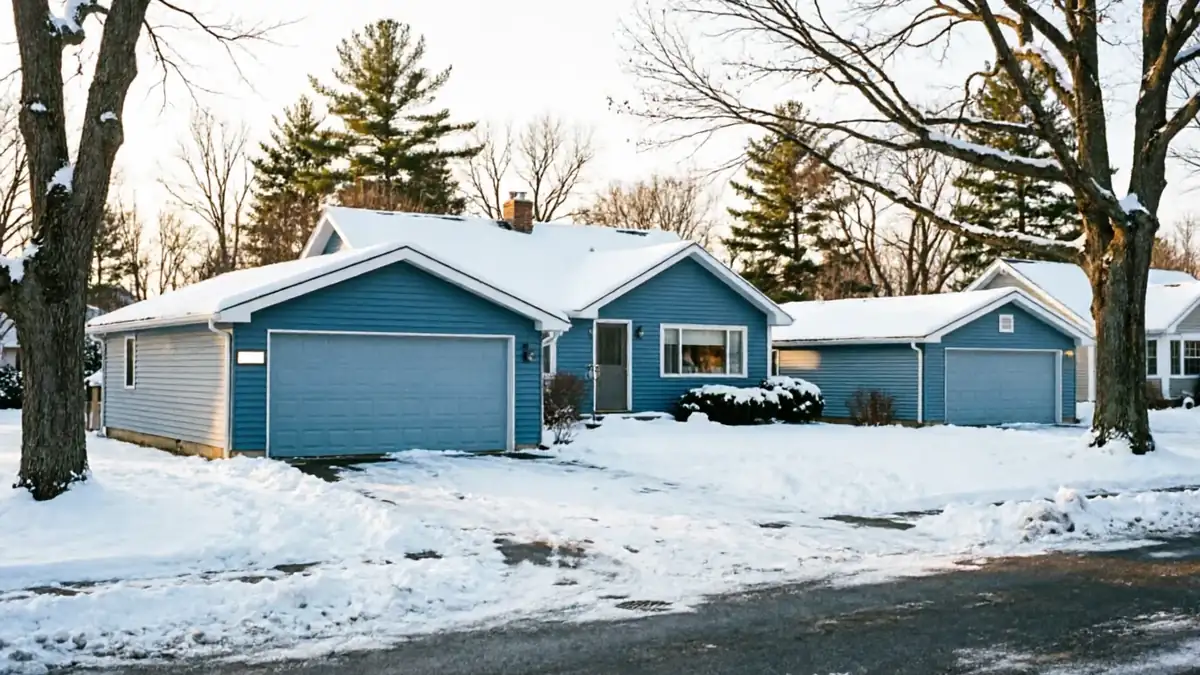
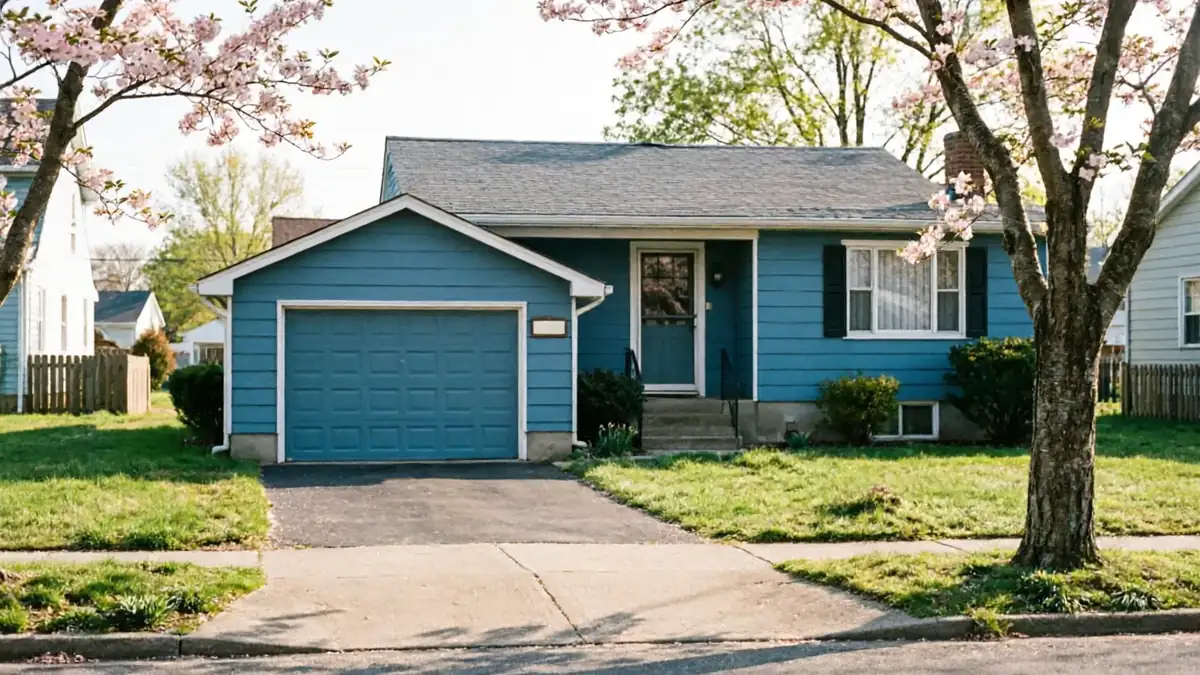
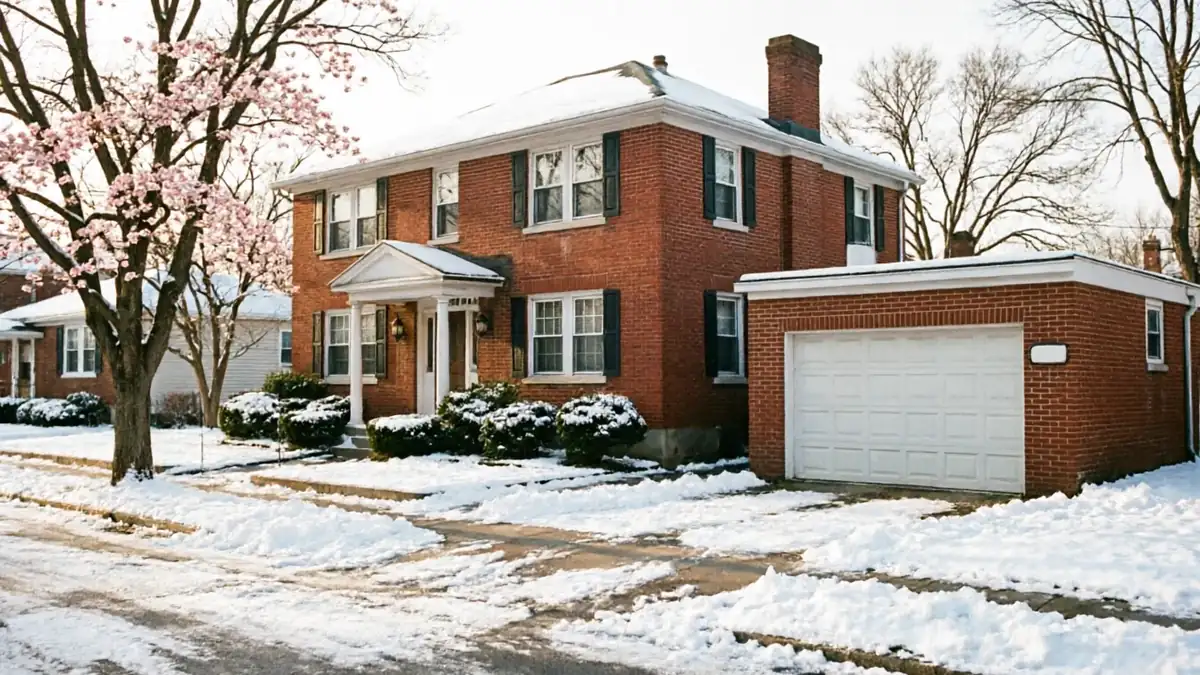
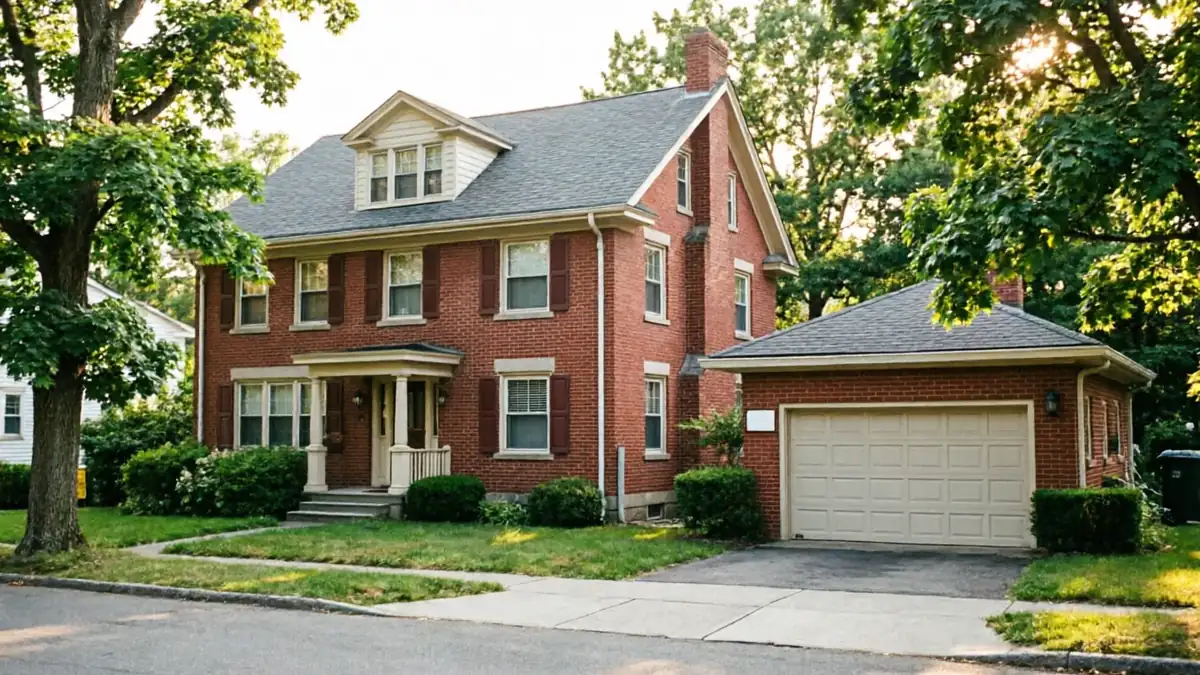
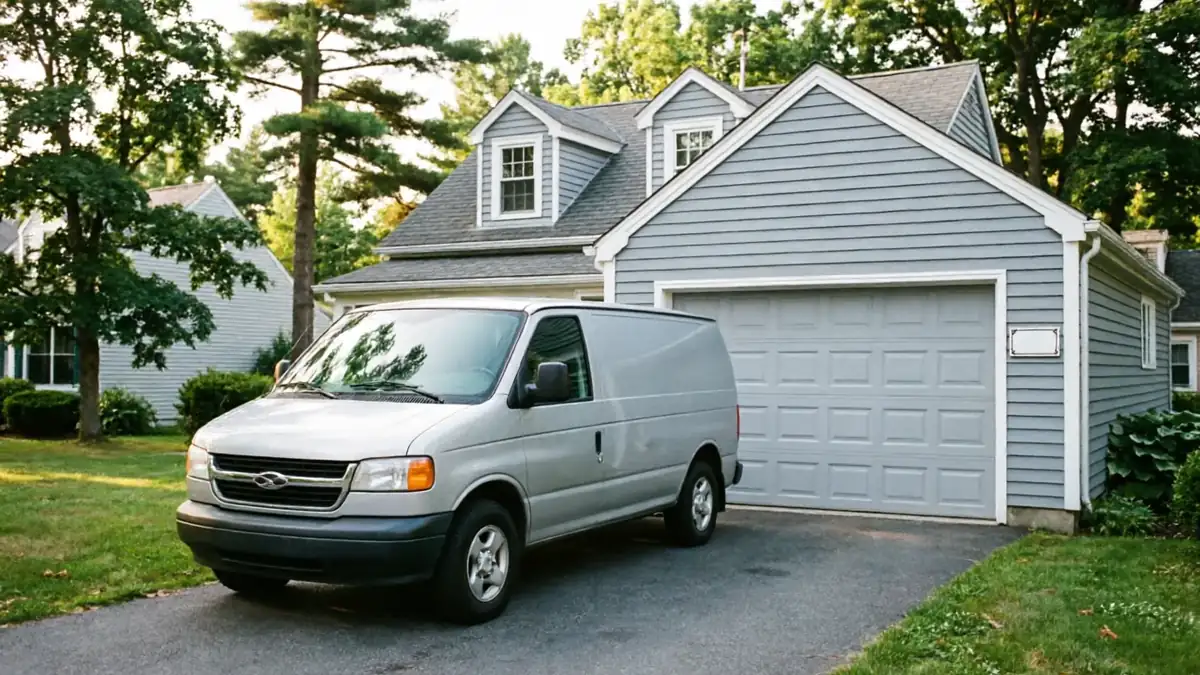
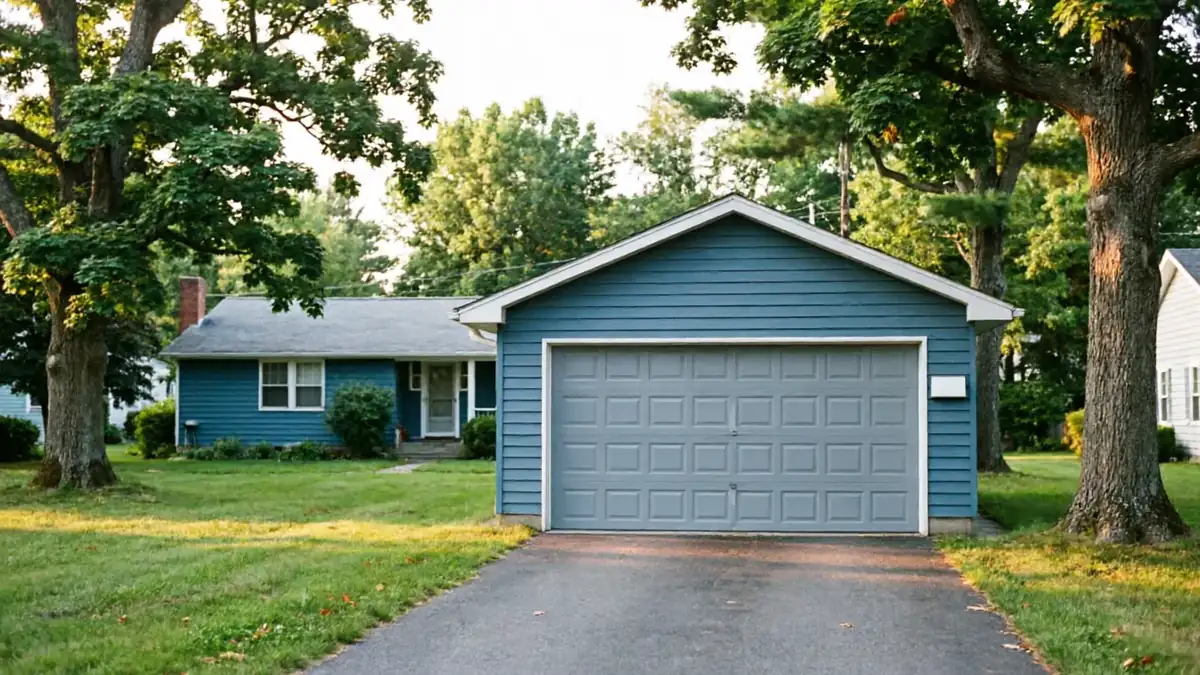
Fort Washington's housing stock centers on 1980, which puts it a good seven years past the median build year across the rest of our coverage area. That gap matters more than it sounds. A house built around 1980 usually came with a steel sectional door on an extension spring system or an early torsion setup, not the older one-piece slab doors you still find on houses from the 1960s and 1970s closer to Bethesda. The openers that went in with these doors, or were added shortly after, were chain-drive units with mechanical limit switches - the kind that drift out of adjustment and start reversing on their own after a few decades. If your house is one of the originals from that era, the track brackets are also likely the older bent-steel style rather than the reinforced brackets used in newer construction. None of this means the door is unsafe, but it does mean a repair call here is more often about worn-out mechanical parts reaching the end of their service life together, rather than one isolated failure. When a spring goes on a door this old, the rollers and cables are usually close behind it.
When We Can Get There
We run out of Bethesda, and Fort Washington sits about 19 miles south of our base. We're straightforward about this: we don't have a depot or a crew stationed in Fort Washington, so a call here means a drive, not a dispatch from around the corner. We don't promise a same-hour arrival for this distance and won't pretend otherwise. What we can do is schedule the trip so the truck arrives with the right spring size and opener parts already loaded, based on what you tell us about the door's age and symptoms - which cuts down on a second trip far more than cutting down on drive time ever could.
The Calls We Get From Here
Winters in this part of Maryland sit in a cold, severe climate band, and that cold is hard on garage door hardware - metal contracts, lubricant stiffens, and torsion springs under tension are more likely to snap on the first truly cold morning of the season than in July. For houses built around 1980, the most common calls we get are broken torsion or extension springs, openers that have started reversing mid-close because the limit switches have drifted, and rollers that have worn enough to make the door jump the track on cold mornings. We don't replace a whole door over a worn weatherstrip or a noisy roller - those are five-minute fixes, and we'll tell you so on the phone rather than running up a bill. If the springs, opener, and track are all failing together, that's usually the sign the whole system has reached the end of its life and replacement is the better spend.