Leaving It Alone
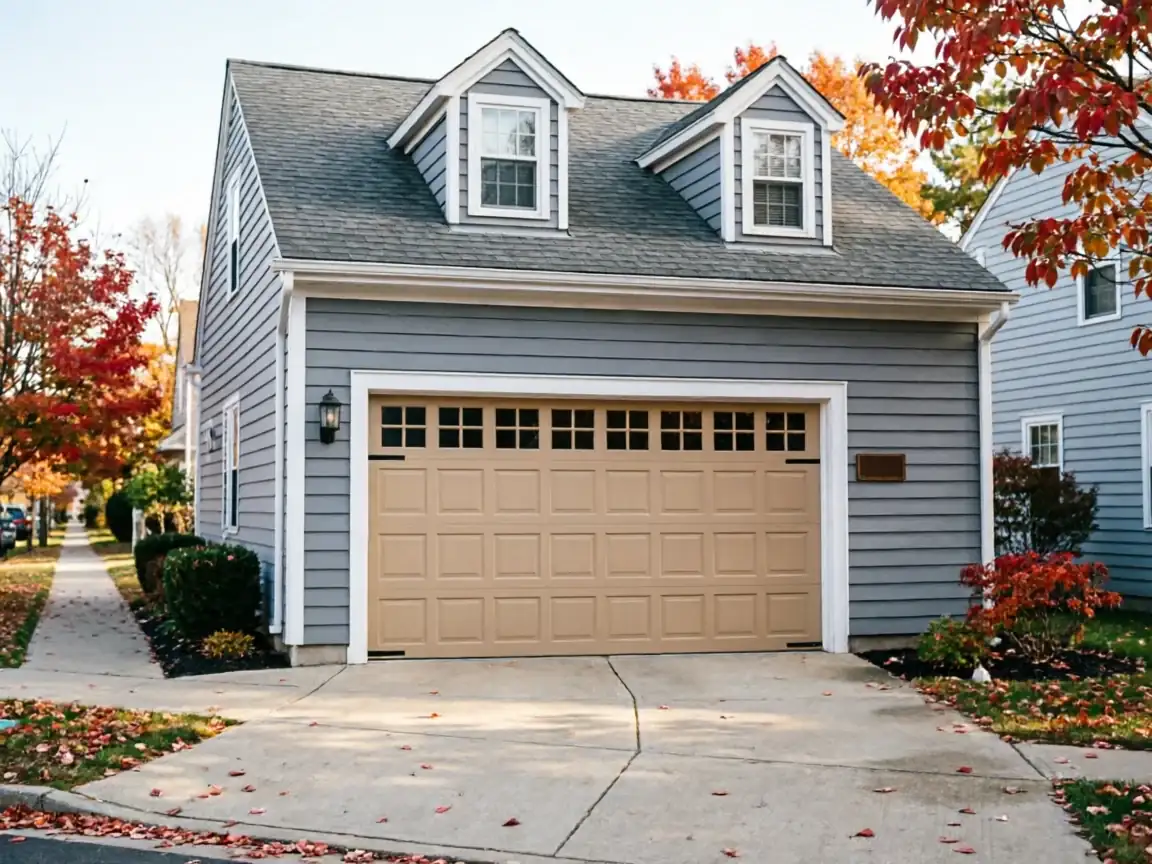
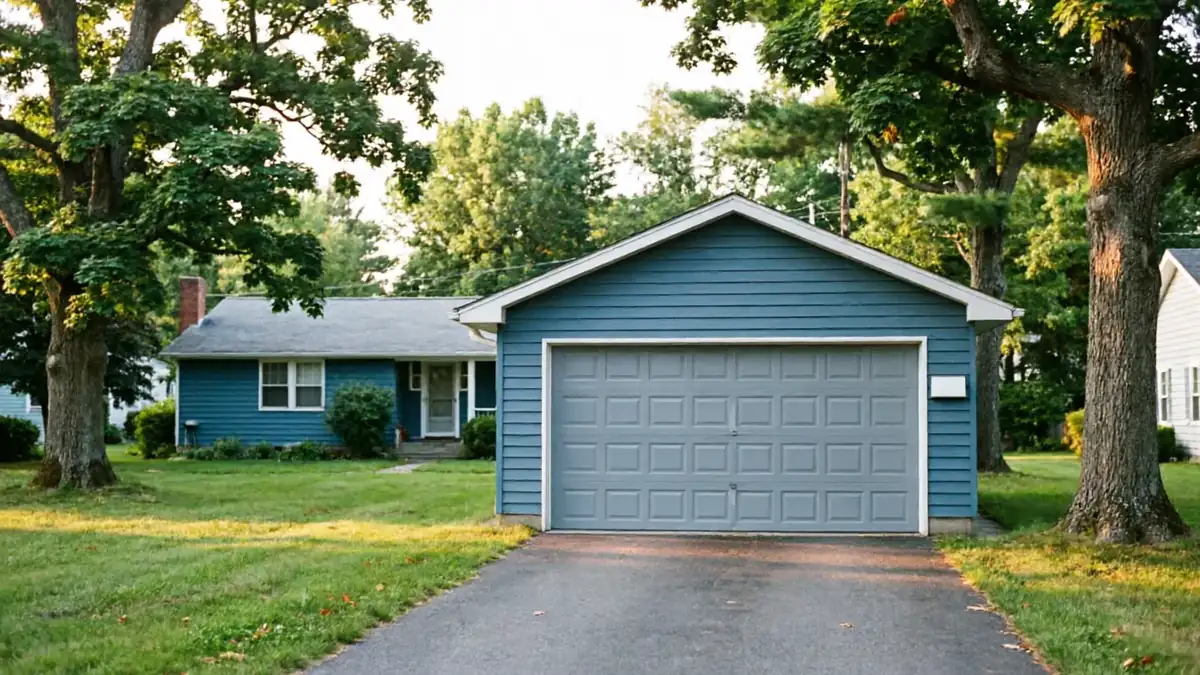
Most garage doors get ignored until they bind or won't close, and for a lot of houses that's fine for a while. But the two garage types common in this area don't fail on the same schedule. A detached garage, common on the older end of the local housing stock from the 1938 to 2014 range, sits on its own slab with no shared wall to the house. An attached garage shares at least one wall with conditioned living space. That difference matters more here than it would somewhere with a mild winter, because the detached unit has nothing keeping the air above freezing when the temperature drops hard. If you've got a detached garage and haven't opened it in a week during a cold stretch, don't assume it's fine just because it was fine in October. The spring, the hinges, and the track hardware all react to sustained cold differently than they do to an overnight dip.
What Is Going On
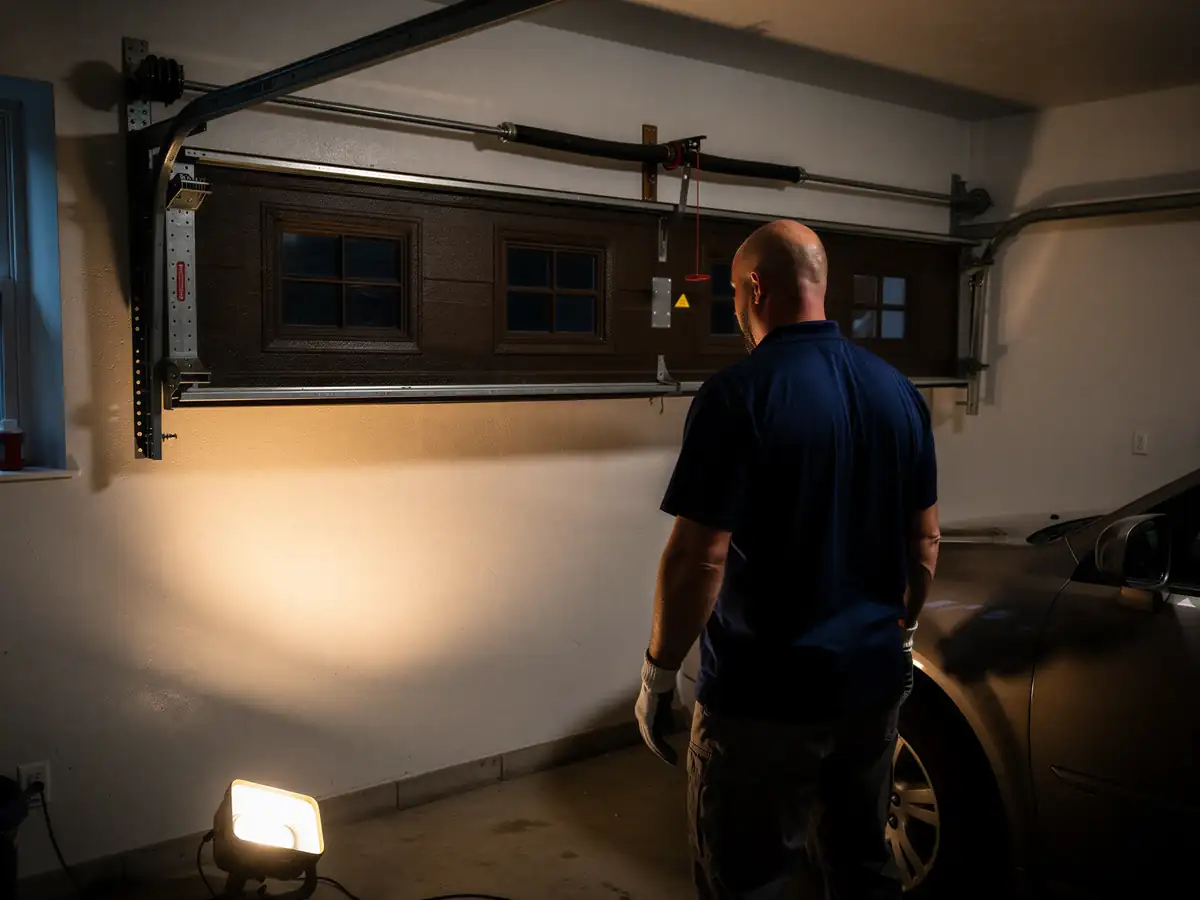
A chunk of the local housing stock dates from the 1960s and 70s, and in that era attached garages were typically framed as part of the house, not added later. That means the garage door opening is tied into the same foundation pour as the living space, which tends to settle evenly over decades. Older detached garages, more common on houses from the earlier part of the 1938 to 2014 range, were often built on a separate footing. Separate footings move independently of the house when the ground freezes and thaws, which is routine in a severe cold climate. That movement doesn't bend the door. It shifts the frame around the door a few millimeters at a time, and eventually the track stops lining up the way it did when it was installed. If you've got a detached garage near Chevy Chase, Kensington, or anywhere a few miles out and the door has started rubbing on one side only, that's usually the frame, not the hardware.
When It Stops Being a DIY Job
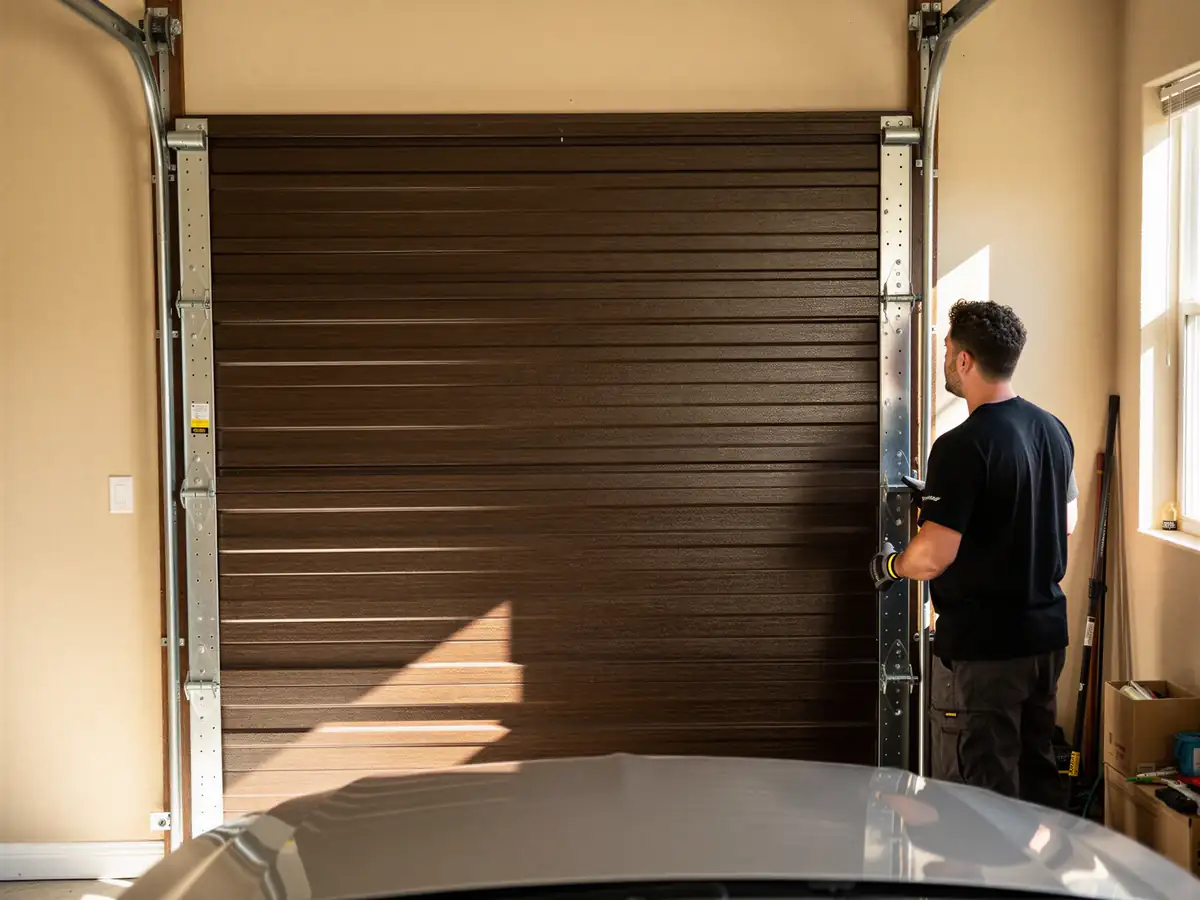
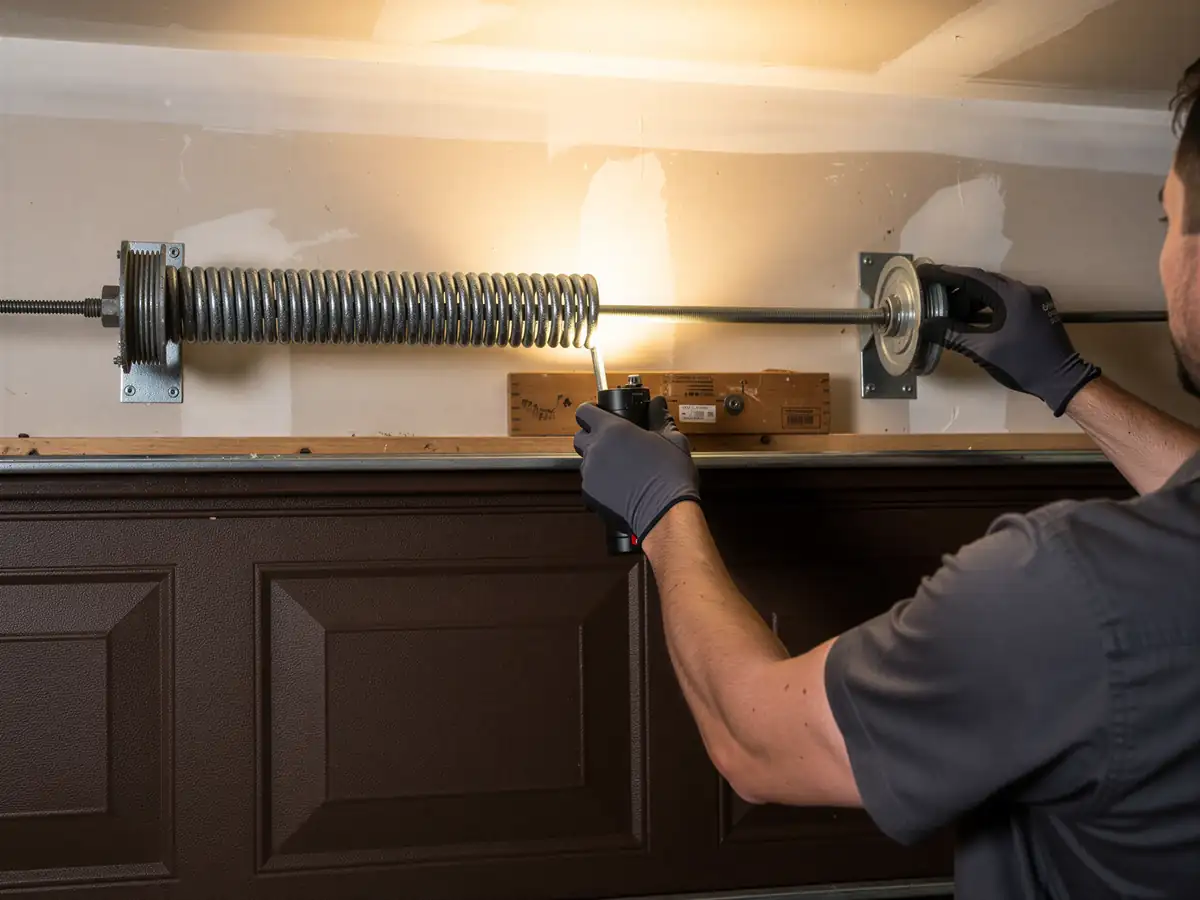
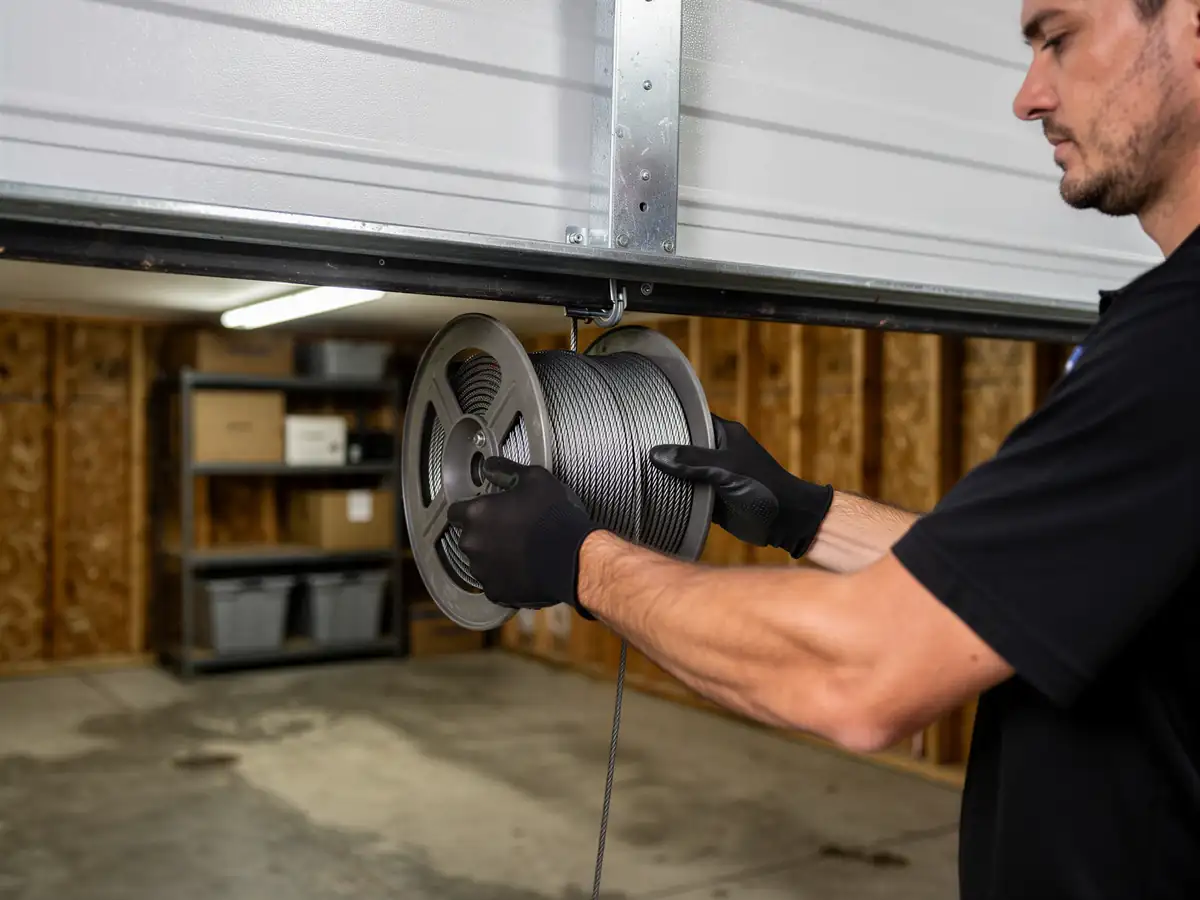
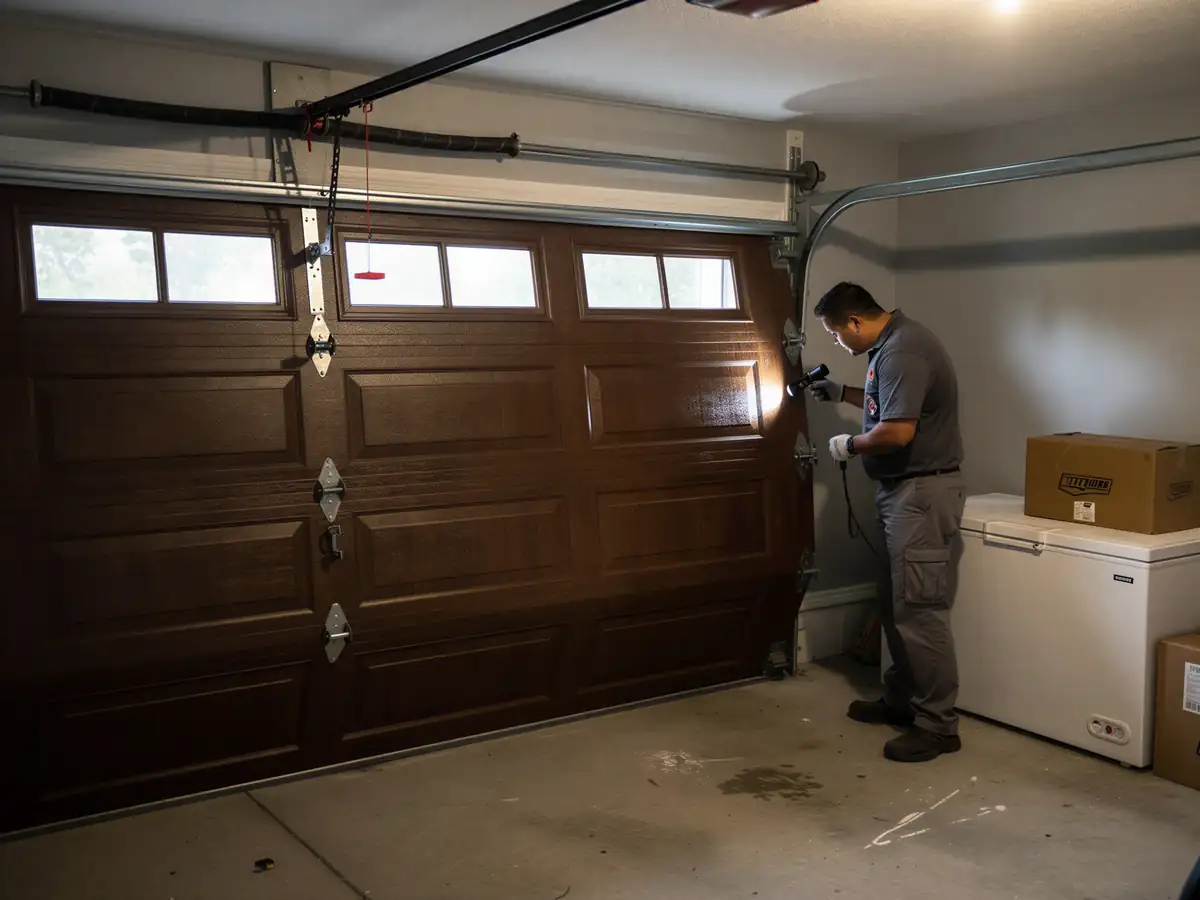
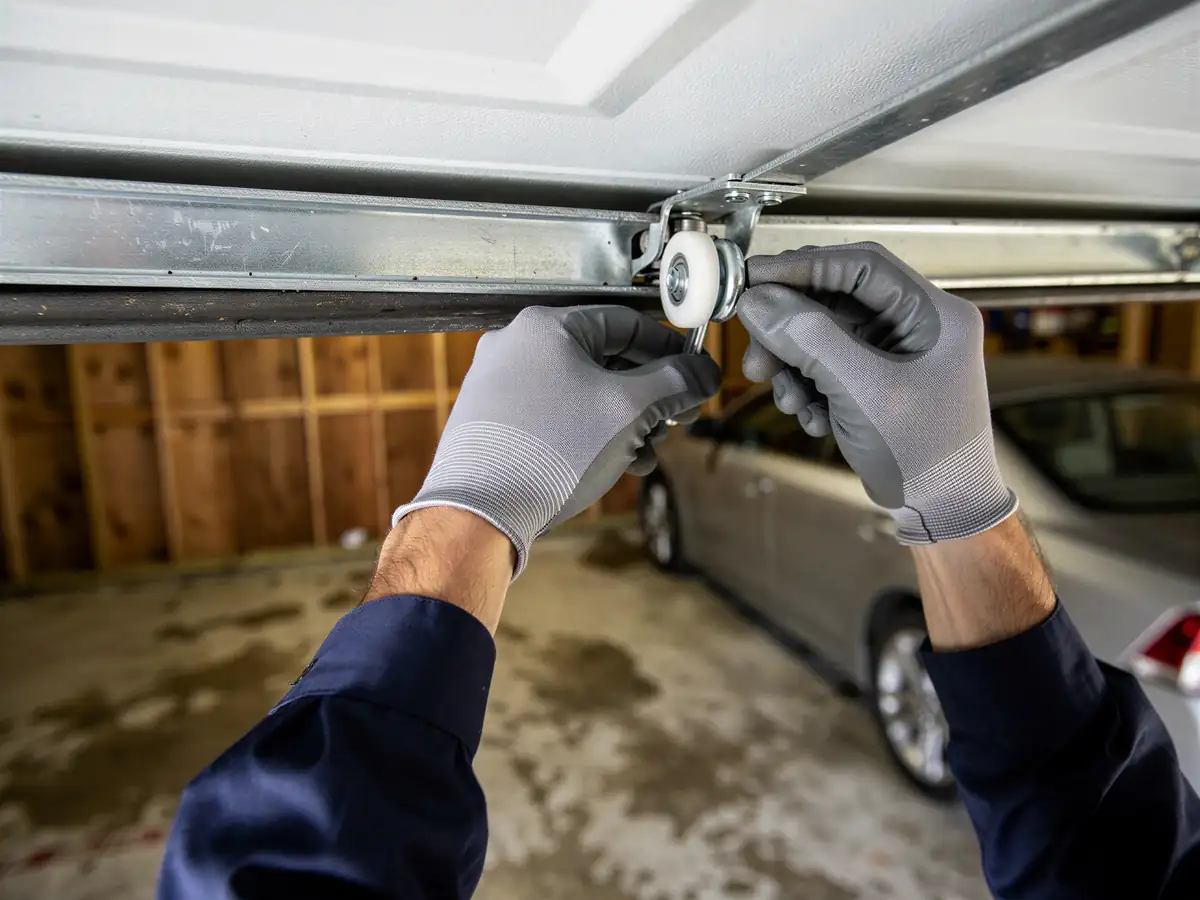
Tightening hinges and clearing track rollers is reasonable work for an owner to do on either type of garage. What isn't reasonable is adjusting spring tension on a cold detached garage door, because a stiff spring under load behaves differently than a warm one, and that's where fingers get caught. It's also not worth chasing a misaligned track with shims if the problem is frost movement in a separate footing - that's a structural issue, not a hardware one, and we don't do foundation work. What we can do is reset the track to the frame as it currently sits, which holds until the next freeze-thaw cycle moves it again. If you're resetting the same door every winter, that's the signal to talk about whether the frame itself needs attention before the door gets touched again.