The Symptom
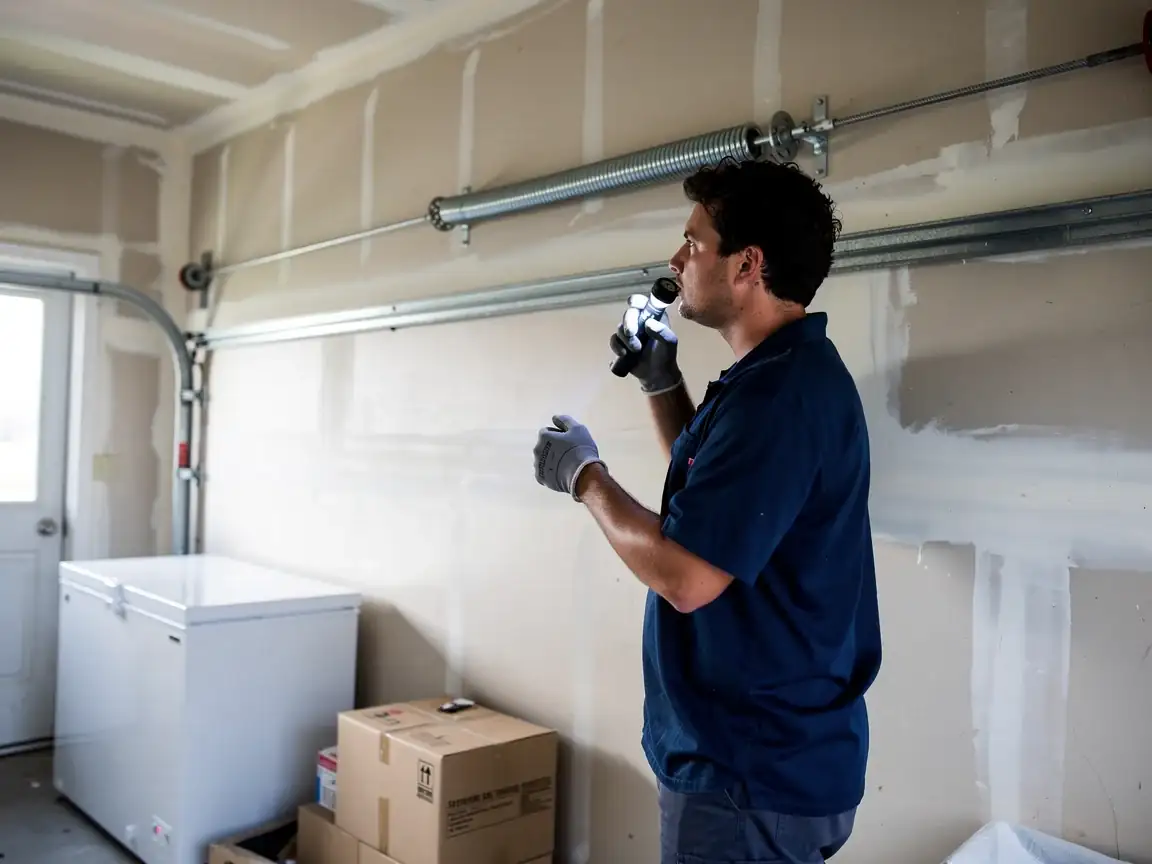
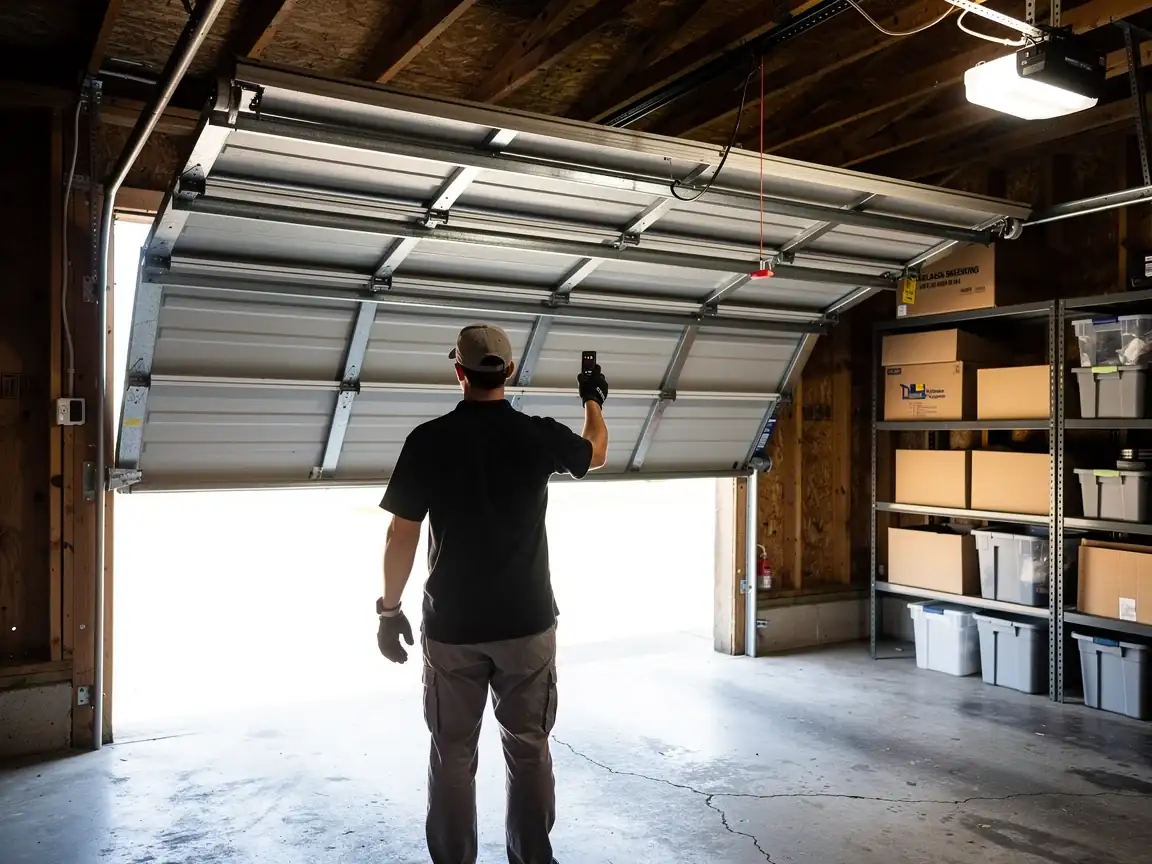
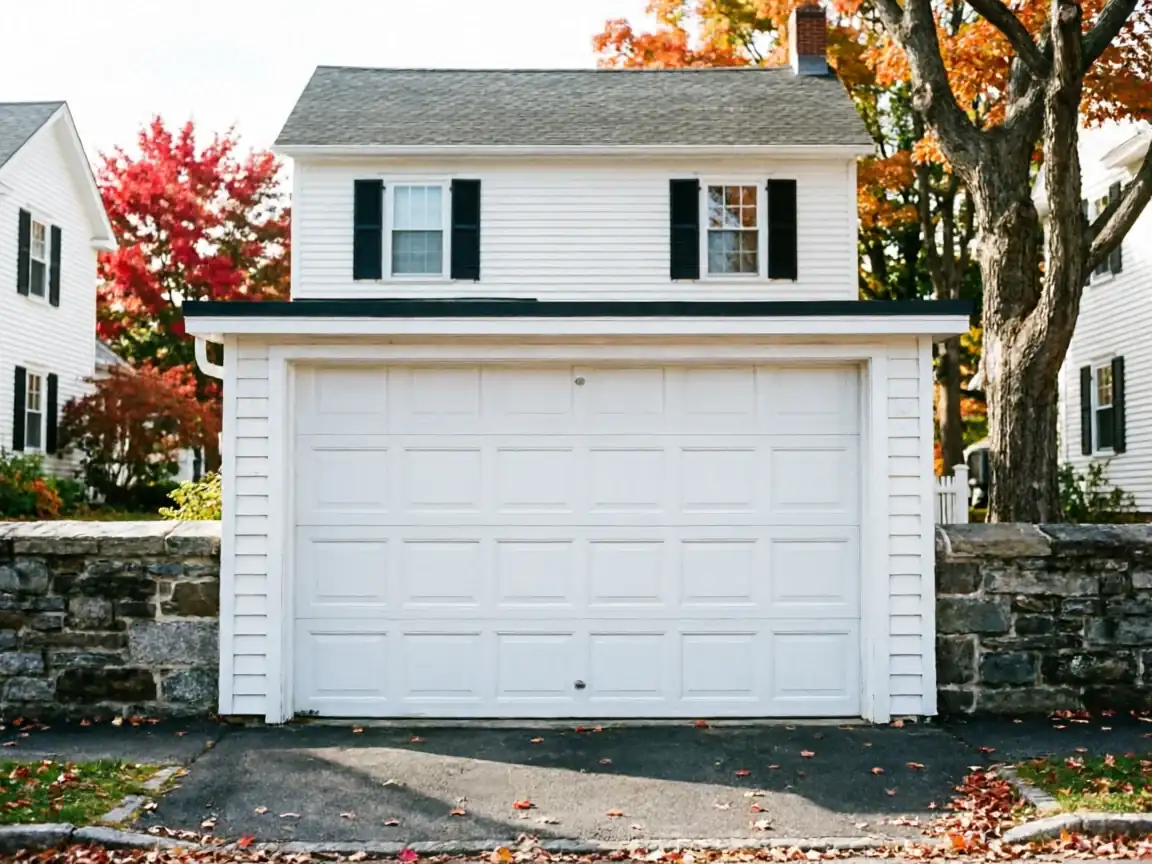
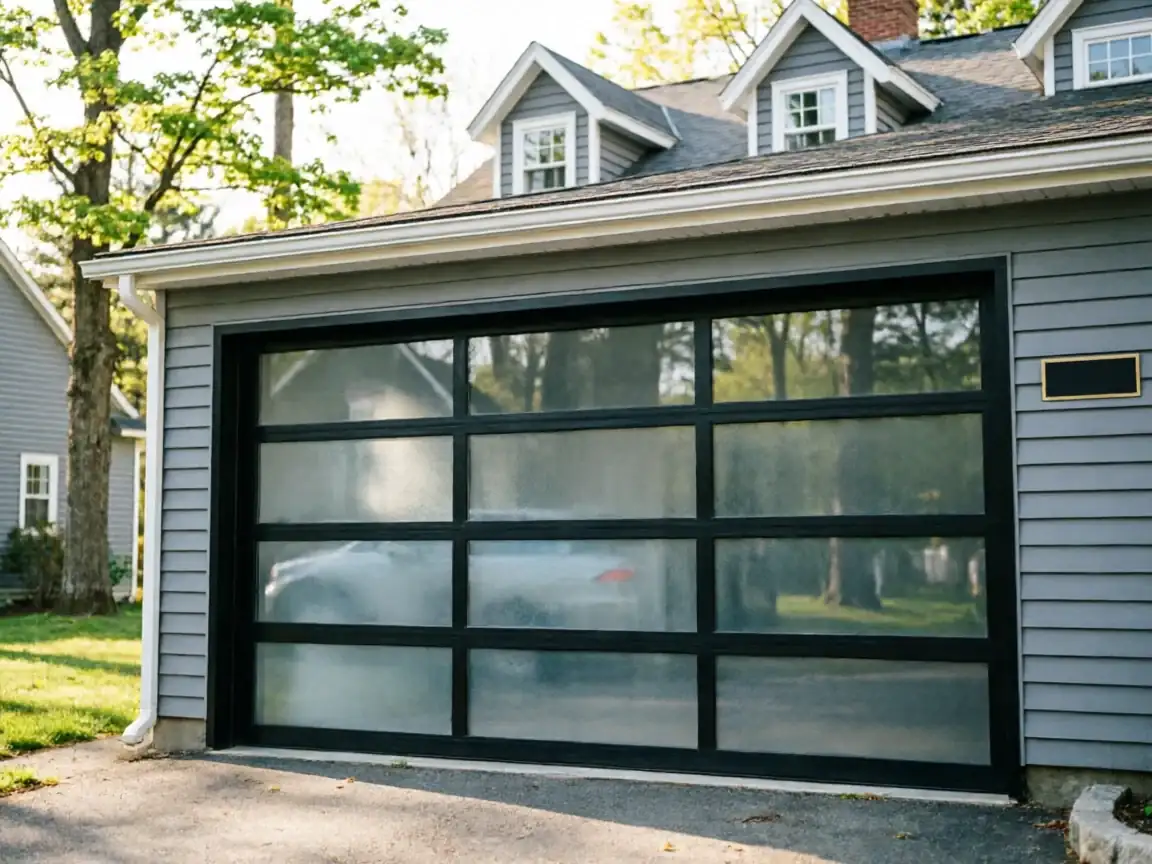
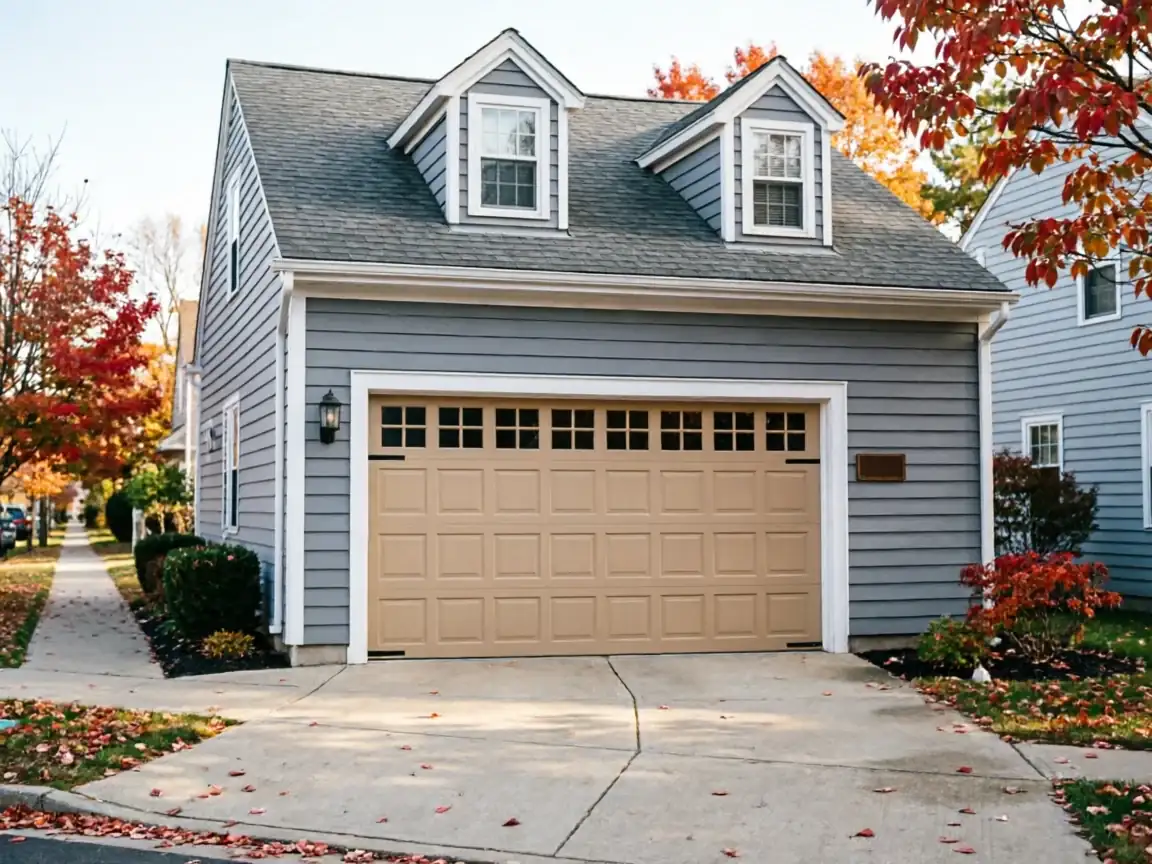
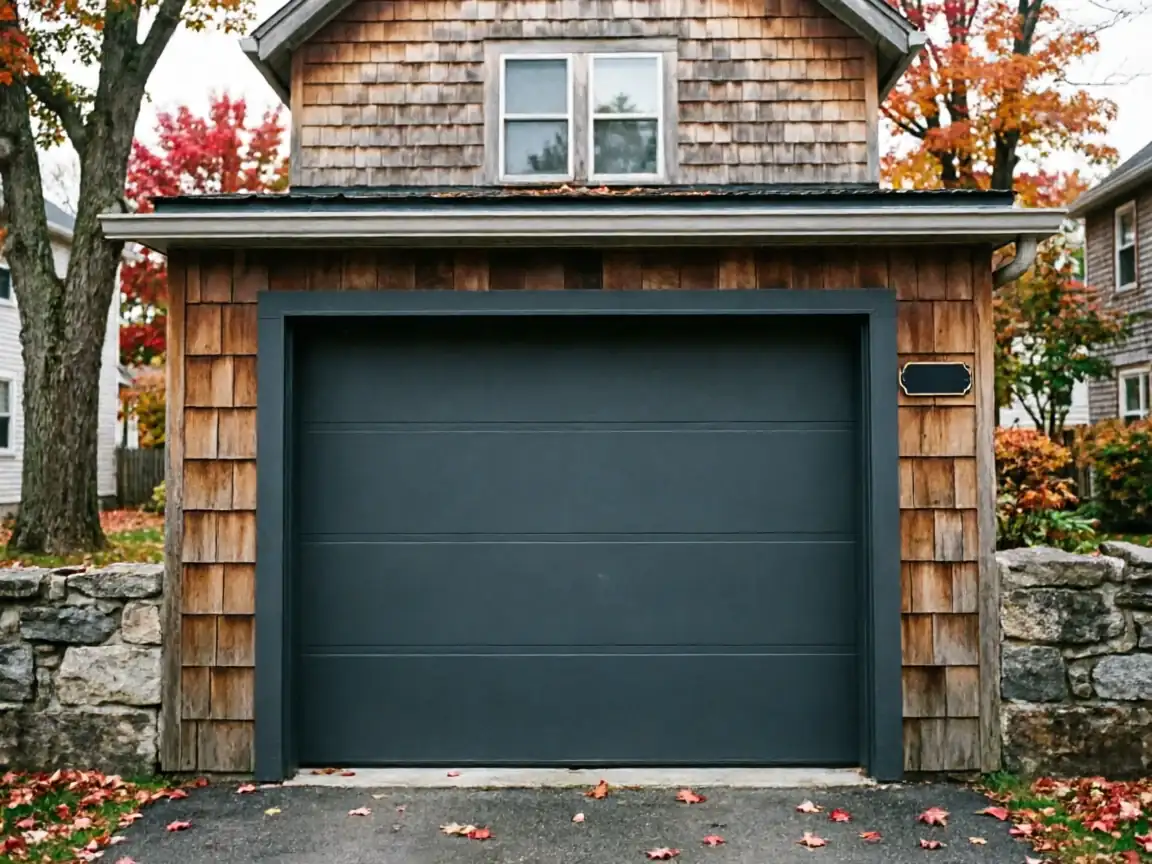
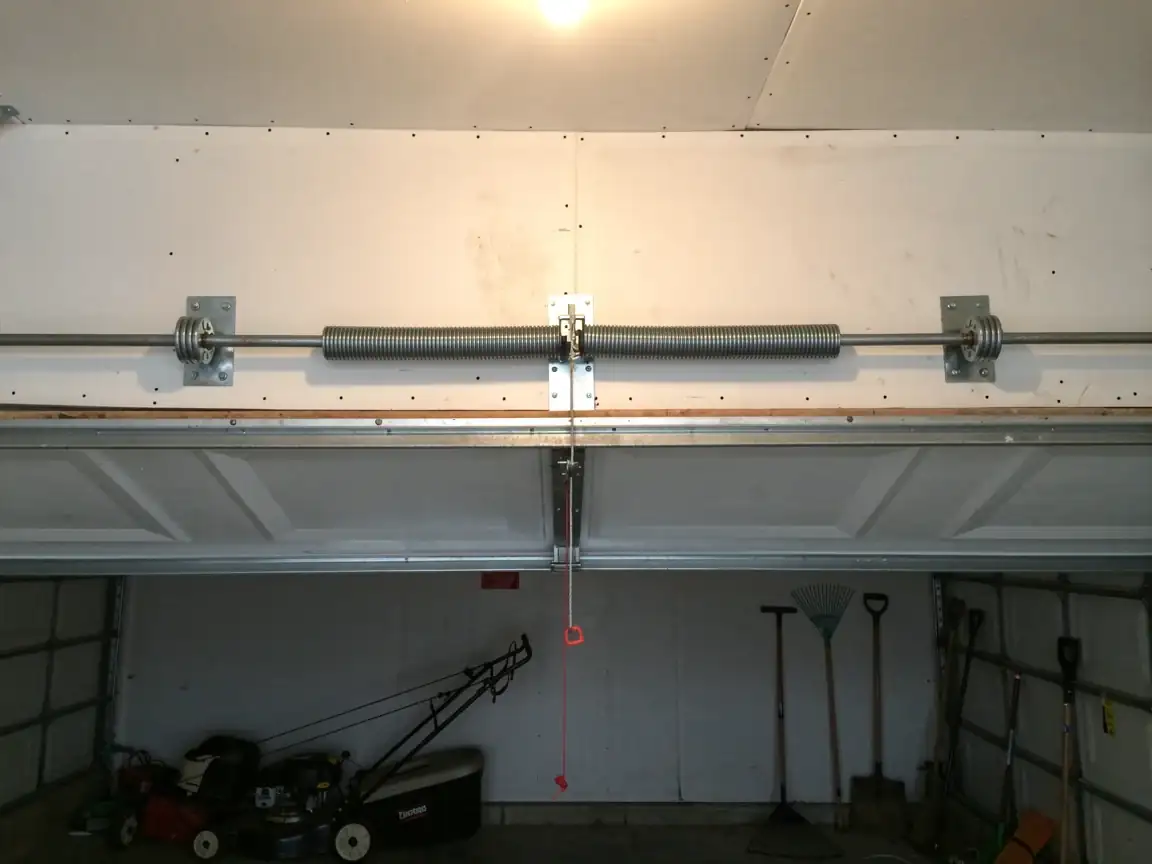
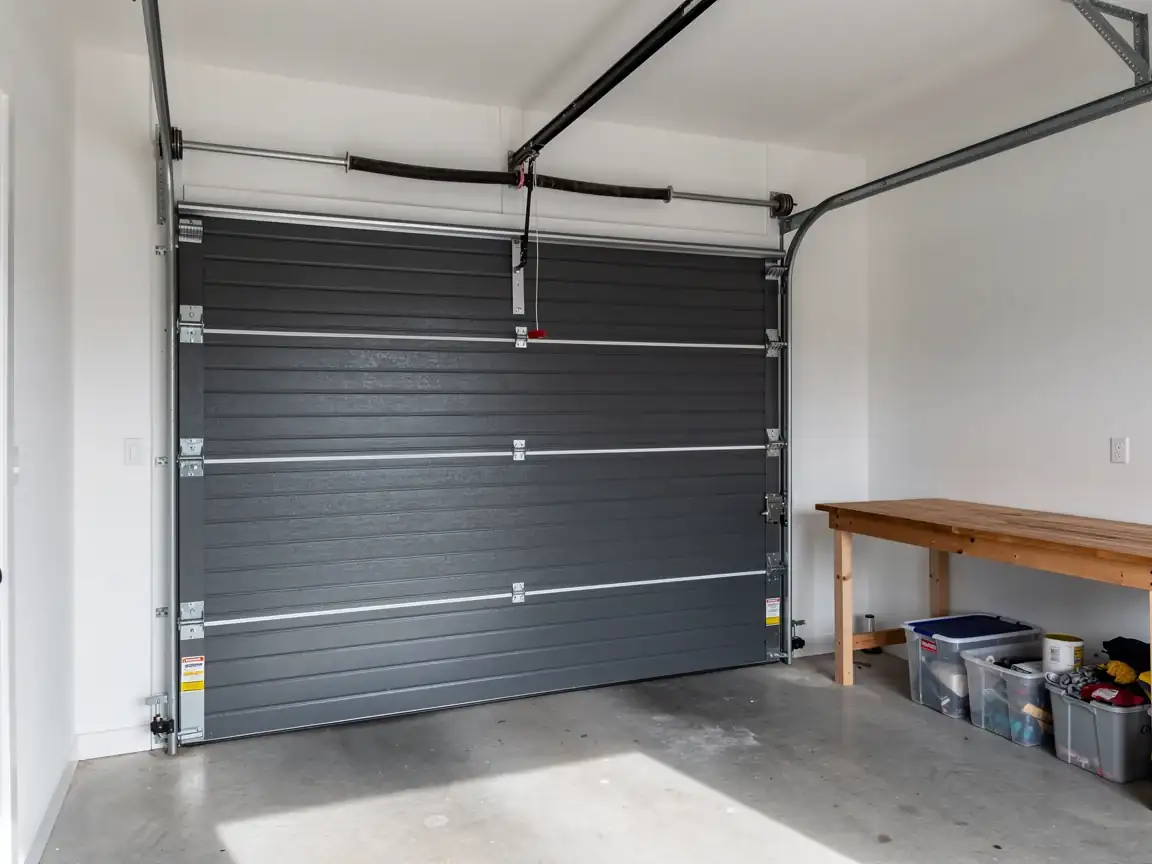
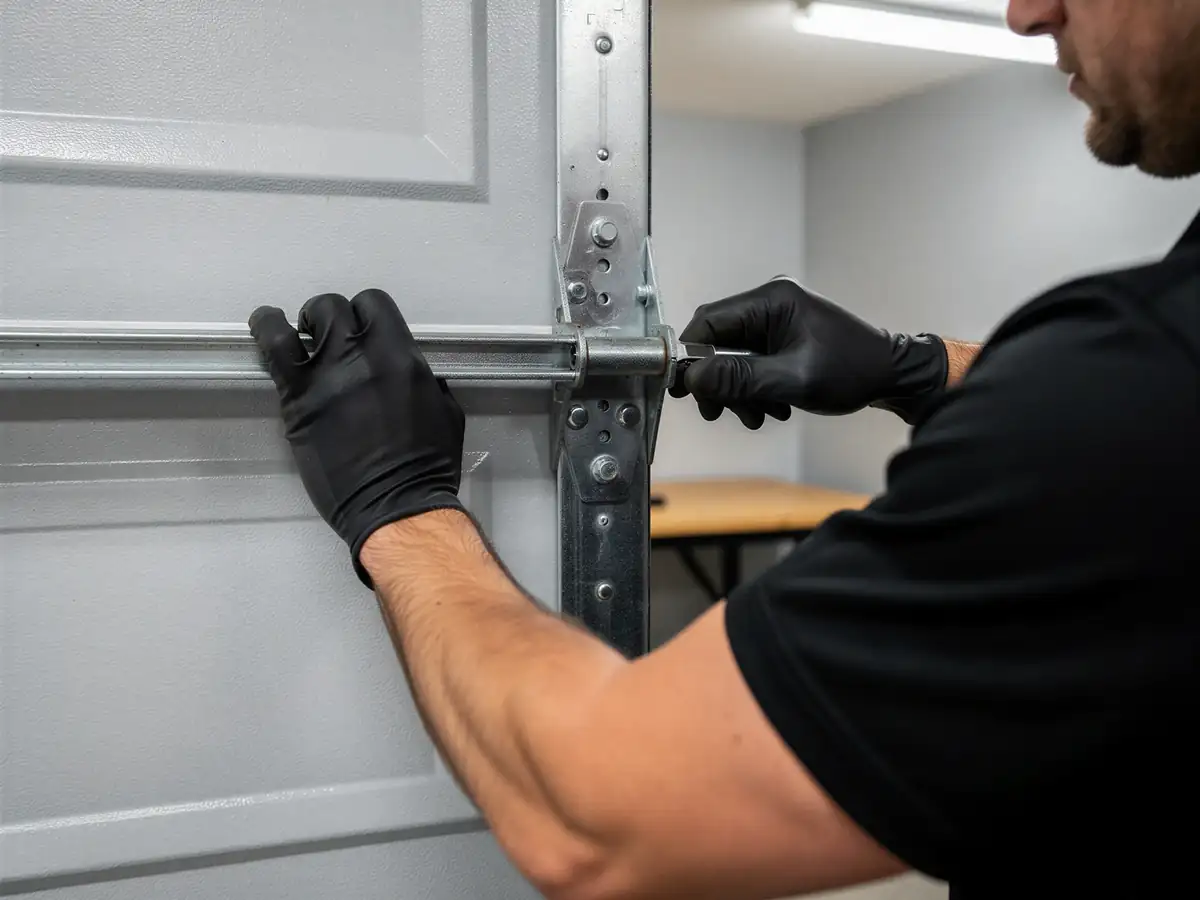
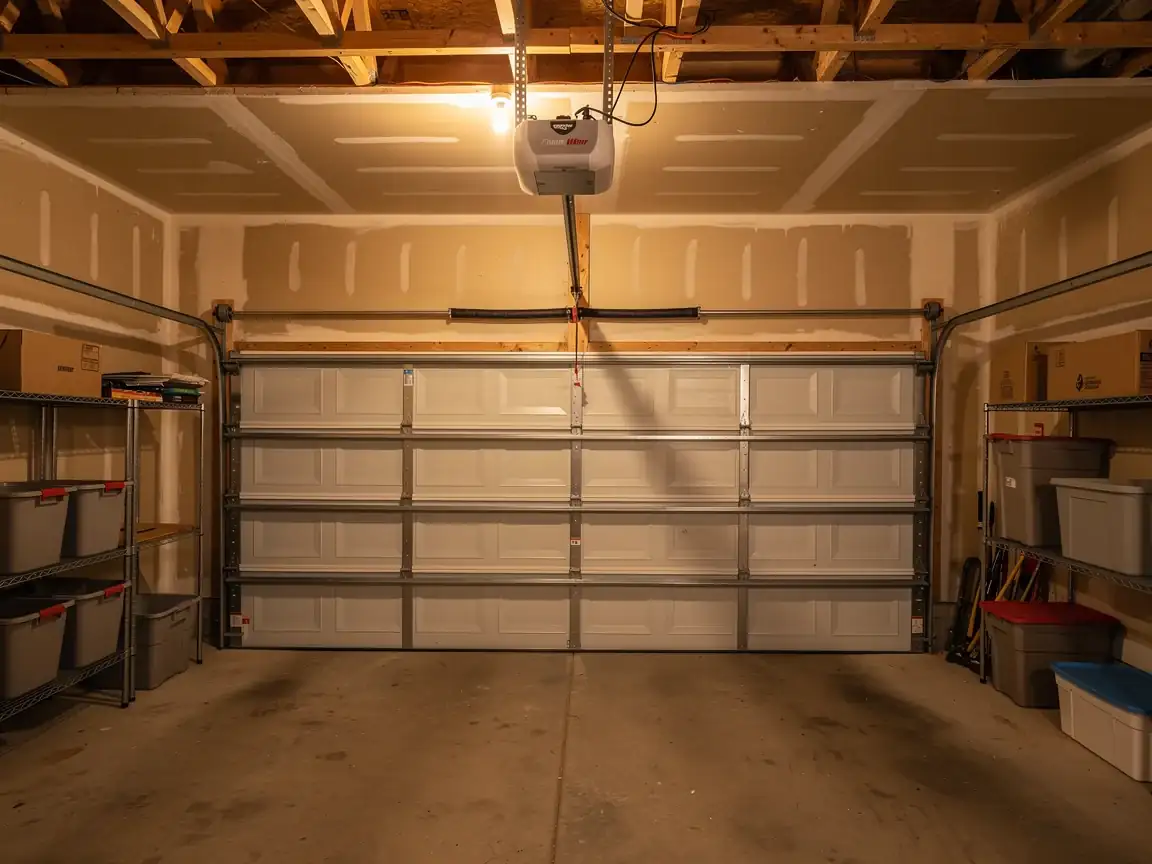
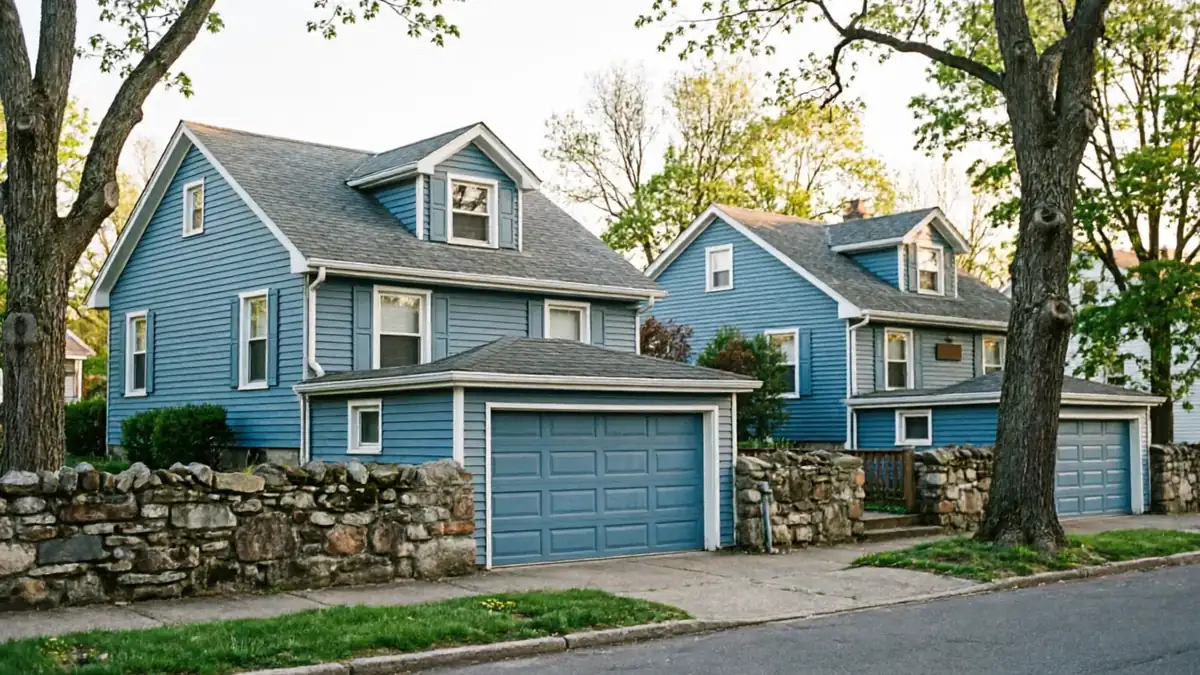
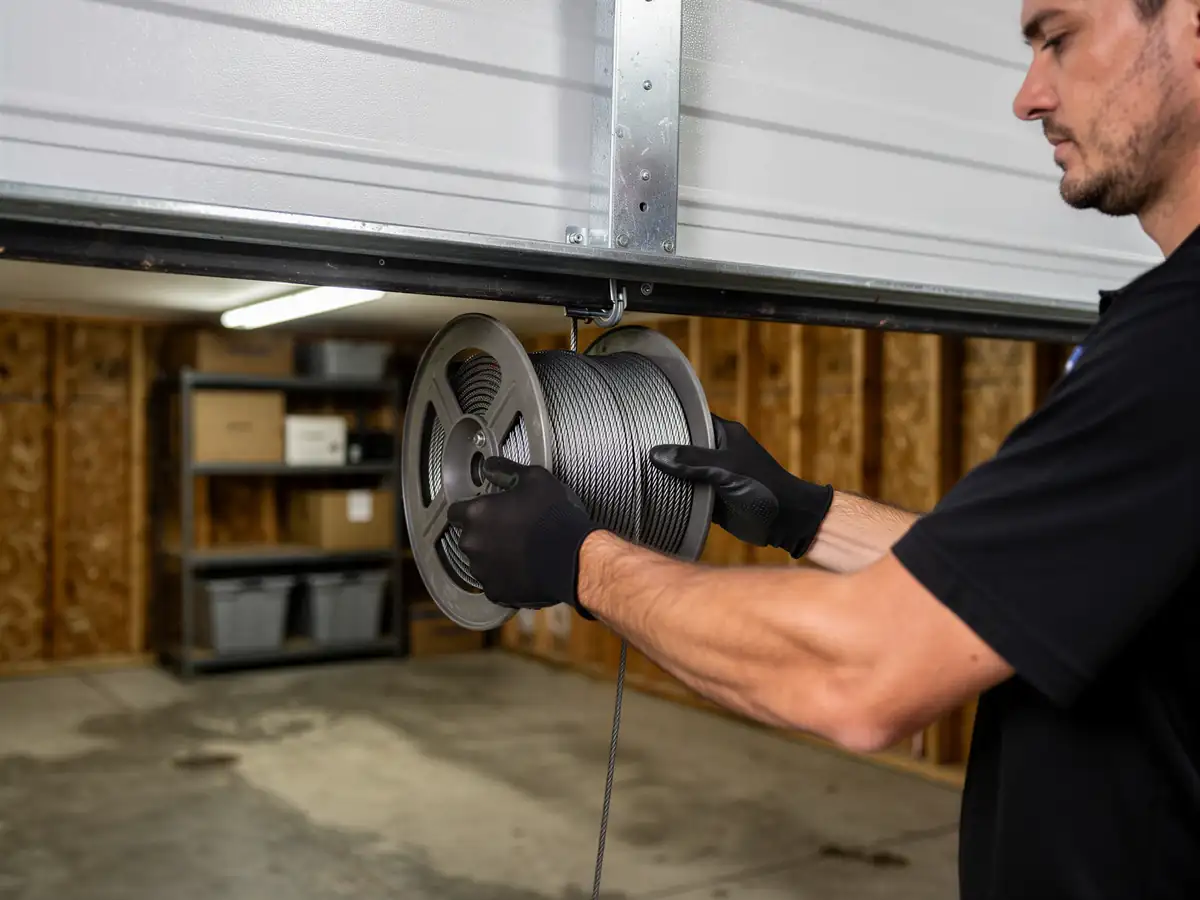
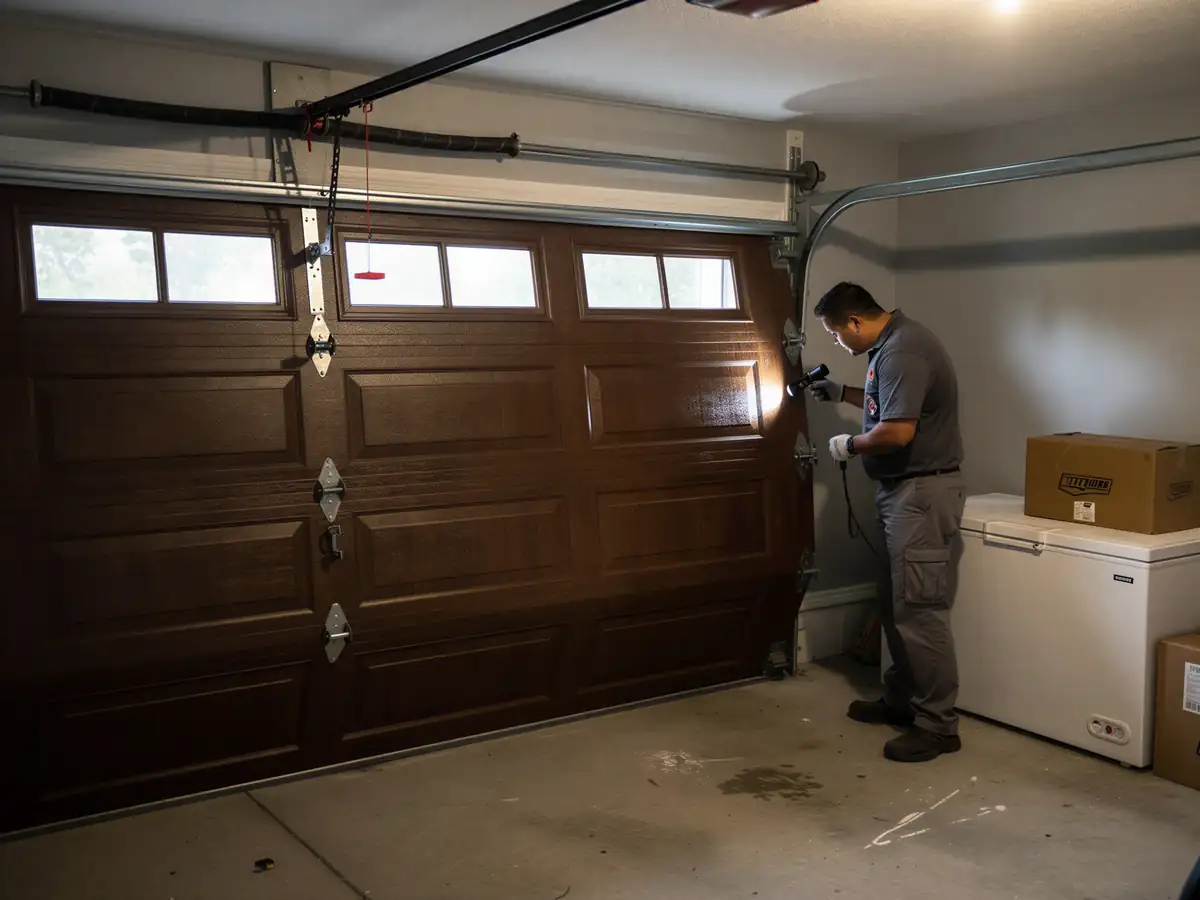
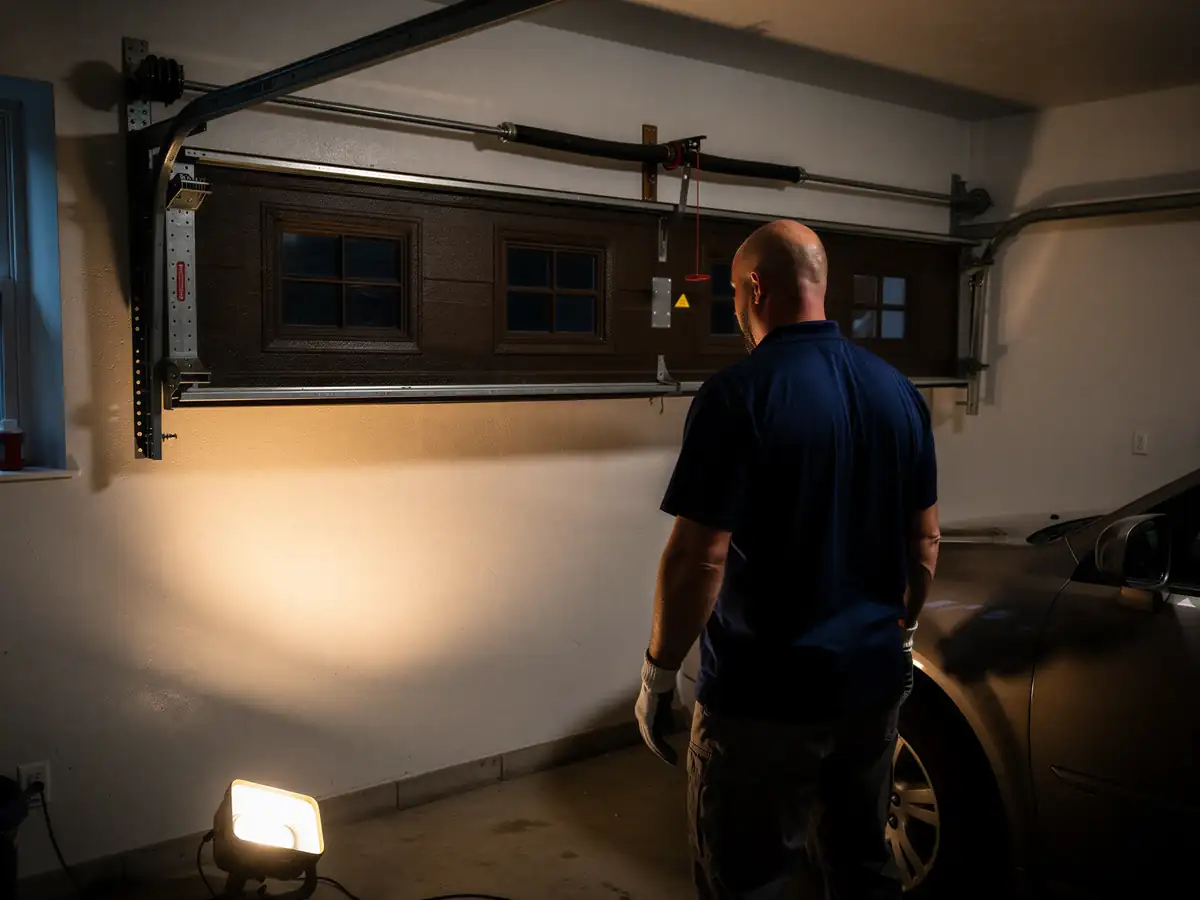
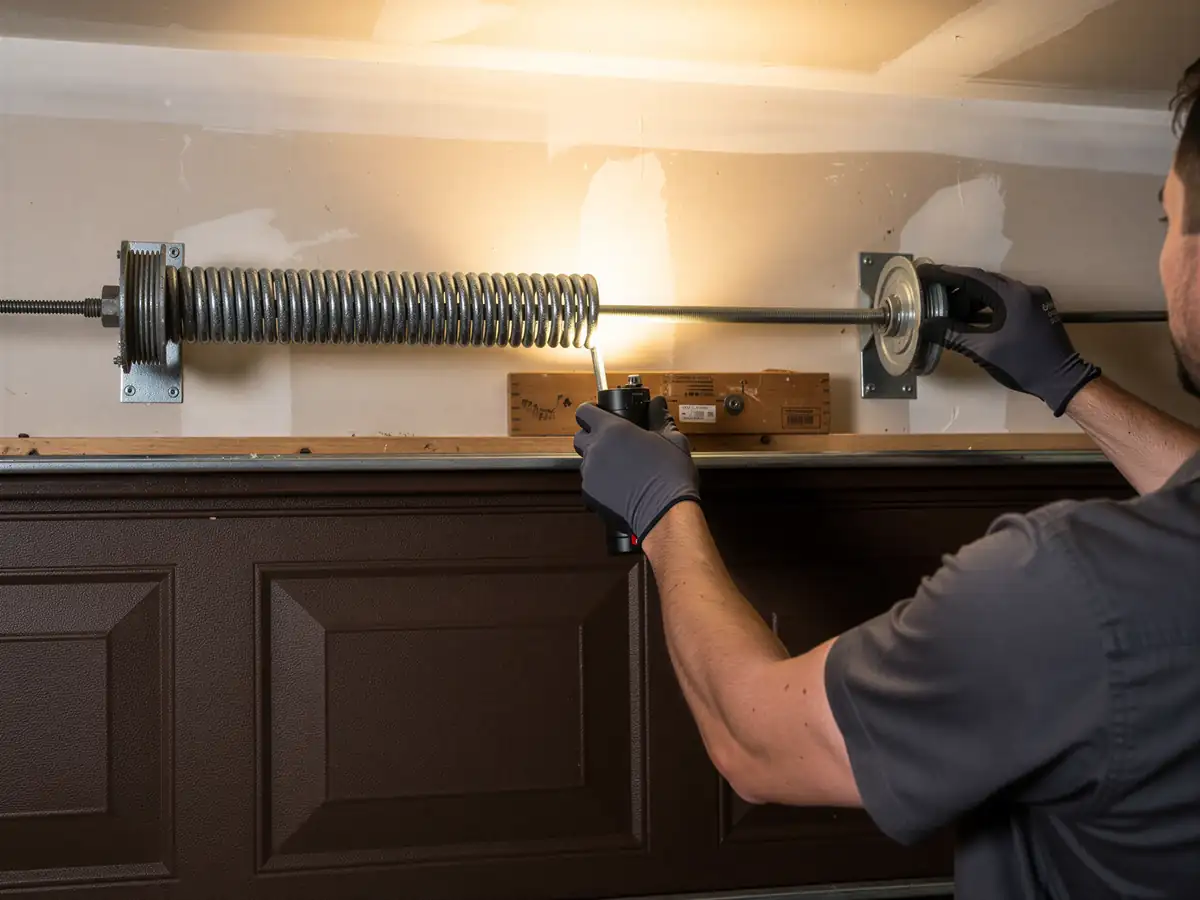
The door won't budge, or it lurches up a few inches and stalls. Sometimes you hear a bang from the garage before any of that happens - that's the spring letting go, usually a torsion spring mounted above the door on a metal shaft. On a double door there are typically two springs working together, and when one snaps, the opener tries to lift the whole weight alone. It strains, the gears inside wear faster, and if you keep hitting the button, you risk burning out the opener motor on top of the spring problem. If the door feels heavy when you lift it by hand with the opener disconnected, that's the same failure starting - the spring is losing tension before it breaks outright. Given the age range of housing stock through this service area, from houses built in the late 1930s through homes finished as recently as the 2010s, we see both the original torsion hardware from the 1960s and 70s wave of construction and newer coil-spring setups on later builds. Either way, the symptom looks the same from the driveway: a door that won't lift, or lifts crooked because only one spring is still holding.
The Cost of This Job
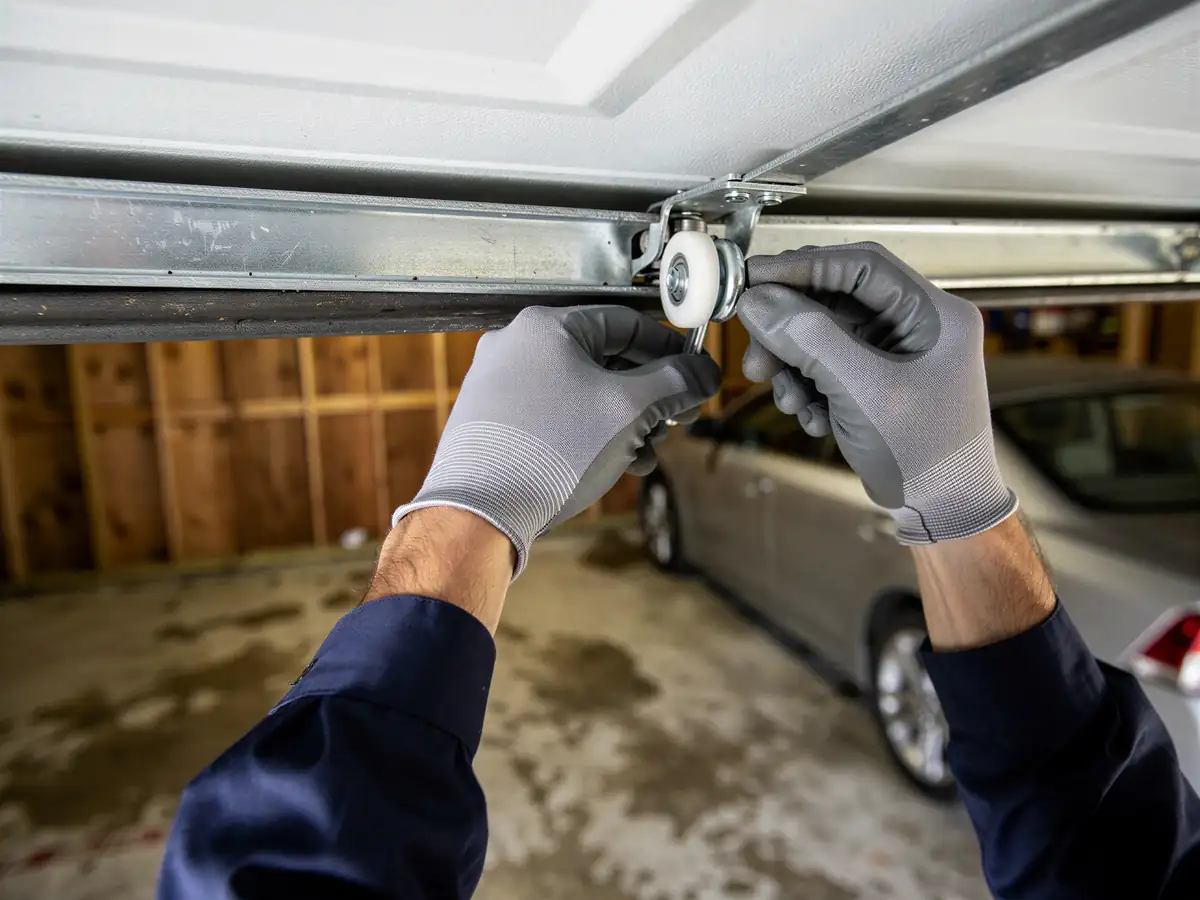
Spring repair cost depends mostly on three things: single or double door, the spring size and cycle rating the door needs, and whether anything else - bearings, cables, the center bracket - is damaged from the same failure. Houses built decades apart in this area often need different spring weights; a heavier insulated door from newer construction needs a stiffer spring than a lighter original door from the 1960s or 70s. We won't quote a number without seeing the door, because guessing low and then adding charges on site is how homeowners get burned, and we're not interested in that. What we can tell you is that replacing both springs on a double door at once, rather than just the broken one, costs less over time than two separate service calls a few months apart.
What Causes It Around Here
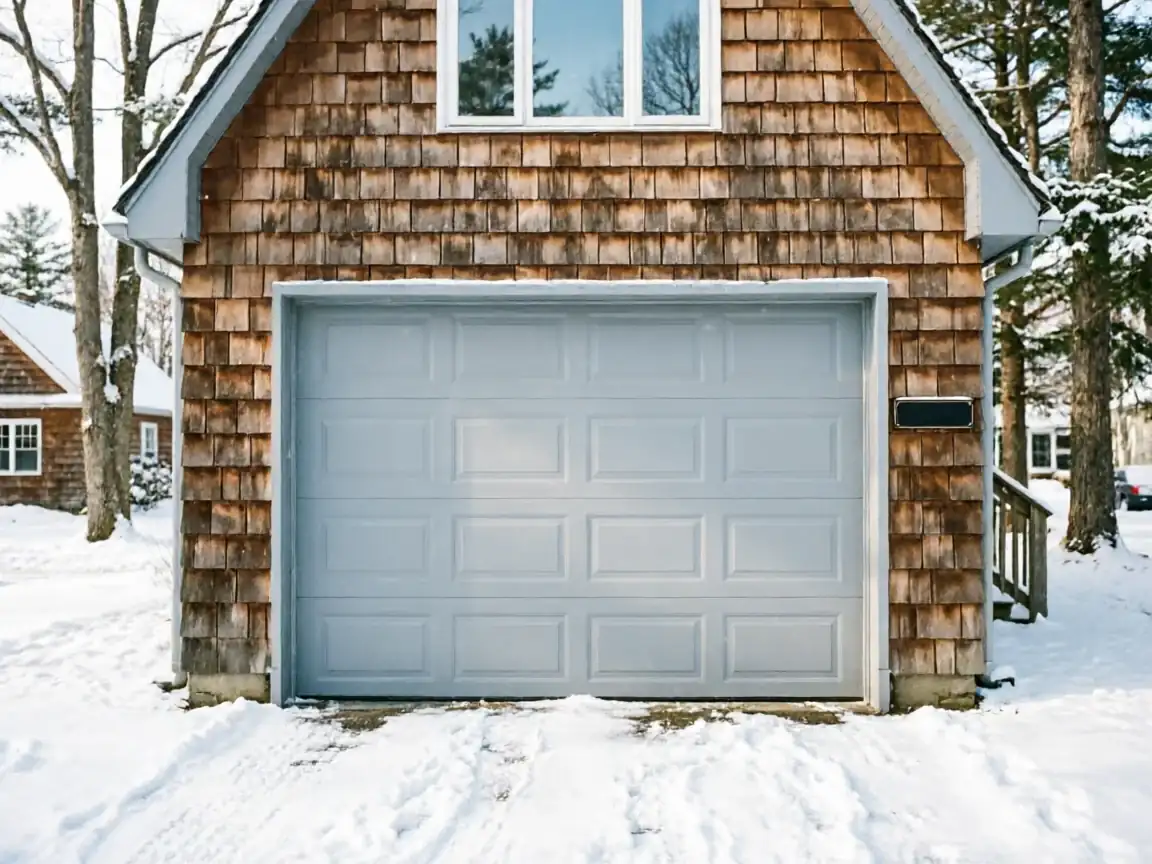
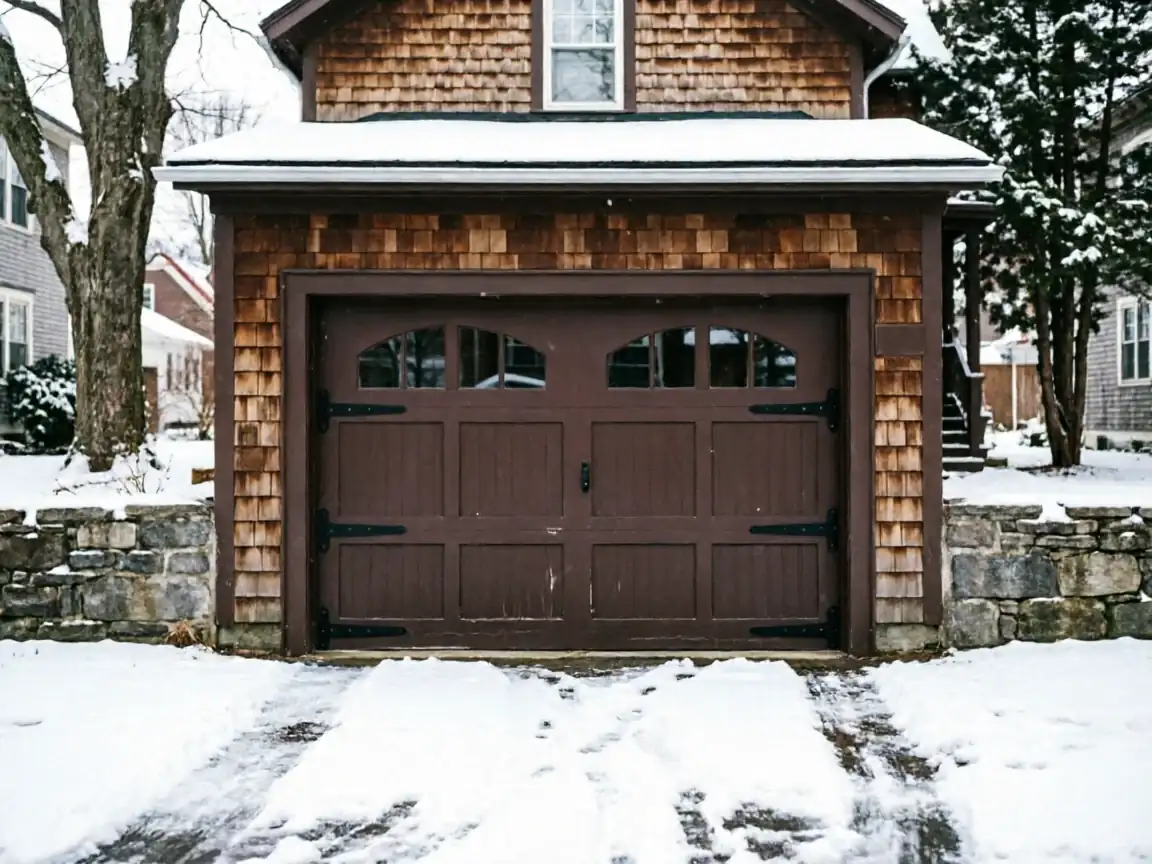
Torsion springs wear out by cycle count, not by calendar age, but cold makes a weak spring fail sooner. This area sits in a cold, severe climate band, and steel contracts in winter - a spring that's already near the end of its life is more likely to snap on a 20-degree morning than in August. Combine that with housing stock largely built in the 1960s and 70s across the named communities in this service area, and you get a lot of original or first-replacement springs that are simply due. A 50-year-old spring on a door that's been opened and closed twice a day for decades has seen tens of thousands of cycles regardless of how well the house has been kept up. Newer homes built more recently in the same area aren't immune either - they just fail on a different schedule, since their springs are rated for current code loads but still wear down with use. The pattern we actually see on service calls is less about one bad batch of hardware and more about the math: older average housing age plus harsh winter temperature swings adds up to springs failing in bunches during the coldest stretches of the year.