Leaving It Alone
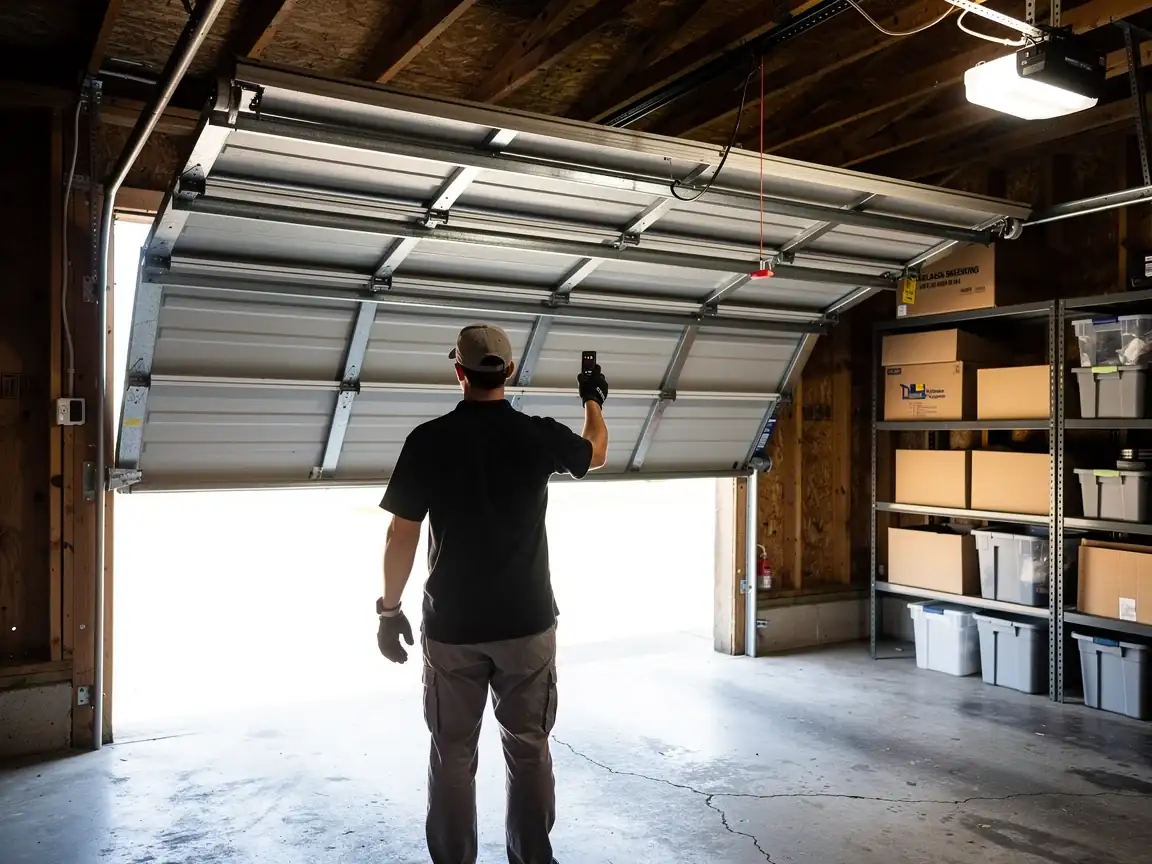
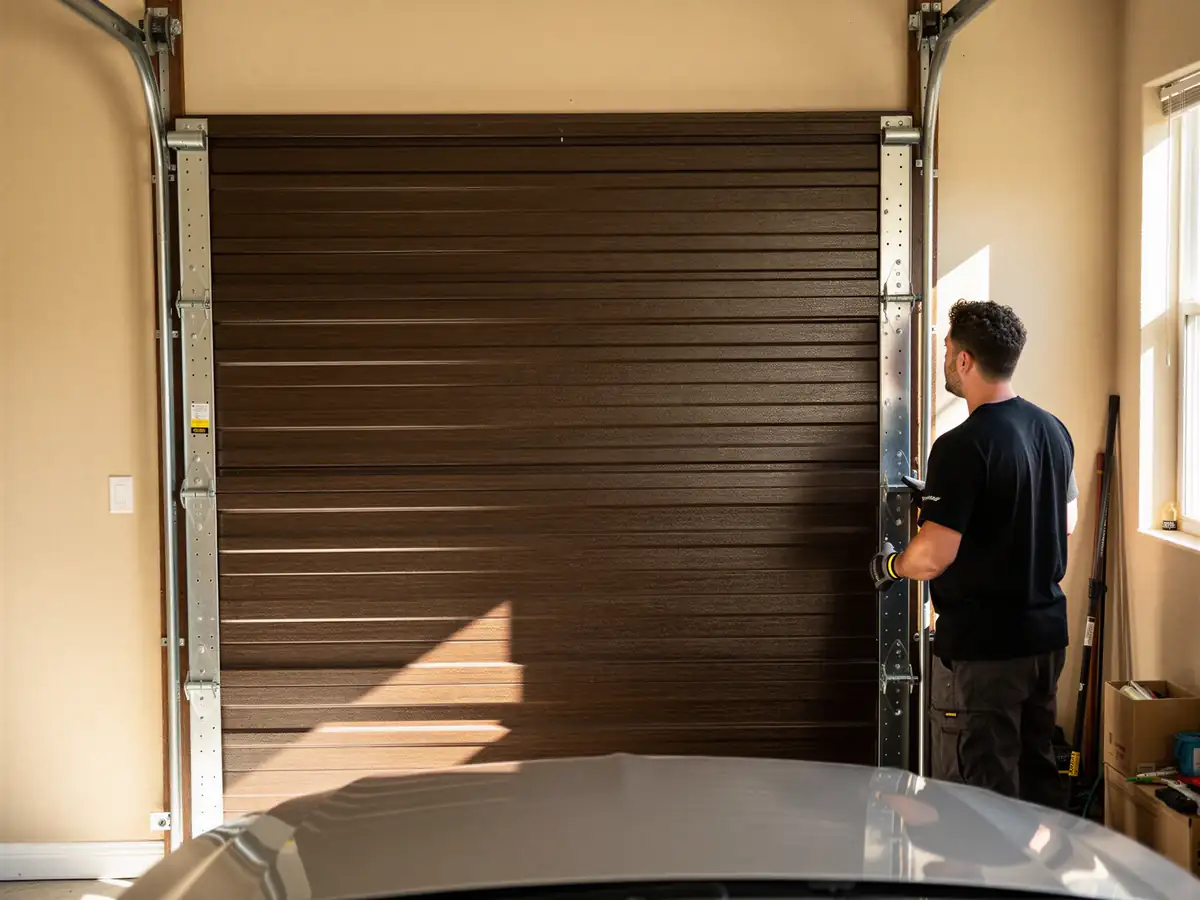
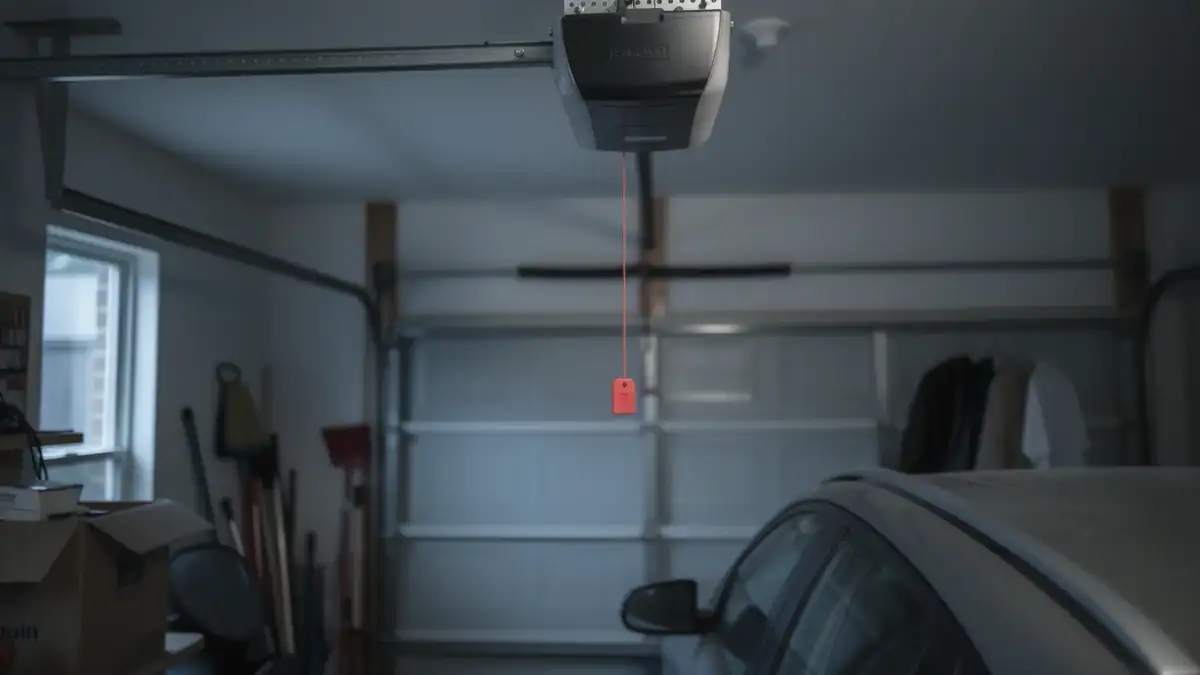
If your power goes out and the opener just sits there dark, that's not usually a reason to call anyone. Across the service area's 139,247 owner-occupied houses, most garages still have a pull-cord manual release hanging from the trolley - the red handle that disconnects the carriage from the chain or belt so you can lift the door by hand. Pull it, lift the door, go about your night. When power comes back, the opener resyncs itself or needs a quick remote re-pair, nothing more. We get calls after every outage from people worried the opener itself died. Most of the time it didn't. It just lost its memory of where the door sits, same as a clock radio after a blackout. Reset it, reprogram the remote, and you're done. The only thing worth checking before you walk away is whether the release cord itself is brittle or frayed - on houses built decades back it's often the original cord, and a snapped release handle at 11pm in a storm is a worse problem than the outage that caused it.
What Is Going On
An opener is a motor, a logic board, and a radio receiver, and only one of those three cares about a power cut directly - the board. The motor doesn't mind being unplugged mid-cycle. The receiver just needs power to listen. The board is what remembers travel limits, safety sensor status, and remote codes, and a hard cut followed by a hard return can scramble or fry it, especially on units installed before battery backup was standard. With housing stretching back to 1938, some of the oldest garages in Bethesda still run openers wired into circuits that predate any kind of dedicated surge protection, which is the setup most likely to lose a board outright rather than just needing a reset. If your opener comes back from an outage and runs the motor but won't respond to the remote, or runs partway and reverses for no visible reason, that's the board, not the sensors. Swapping sensor alignment won't fix a board that got hit by a surge.
When It Stops Being a DIY Job
Call it in when the opener won't take a reset - you've cut power at the outlet, waited, restored it, and the unit still won't learn a remote or hold its travel limits. That's a board failure, and boards on older units are often not worth sourcing individually; a full opener swap is usually the honest answer once a unit from this era loses its logic board. Median household income here is $116,255, which puts a full opener replacement with built-in battery backup within easy reach for most owners facing this choice rather than a stretch - and a battery backup unit is the actual fix for recurring power-cut headaches, not a repeated reset routine. We don't touch household wiring or panel work; if the outage pattern points to a circuit or breaker problem rather than the opener itself, that's an electrician's call, not ours. What we do is diagnose whether the board survived the cut, and replace the unit when it didn't.