Leaving It Alone
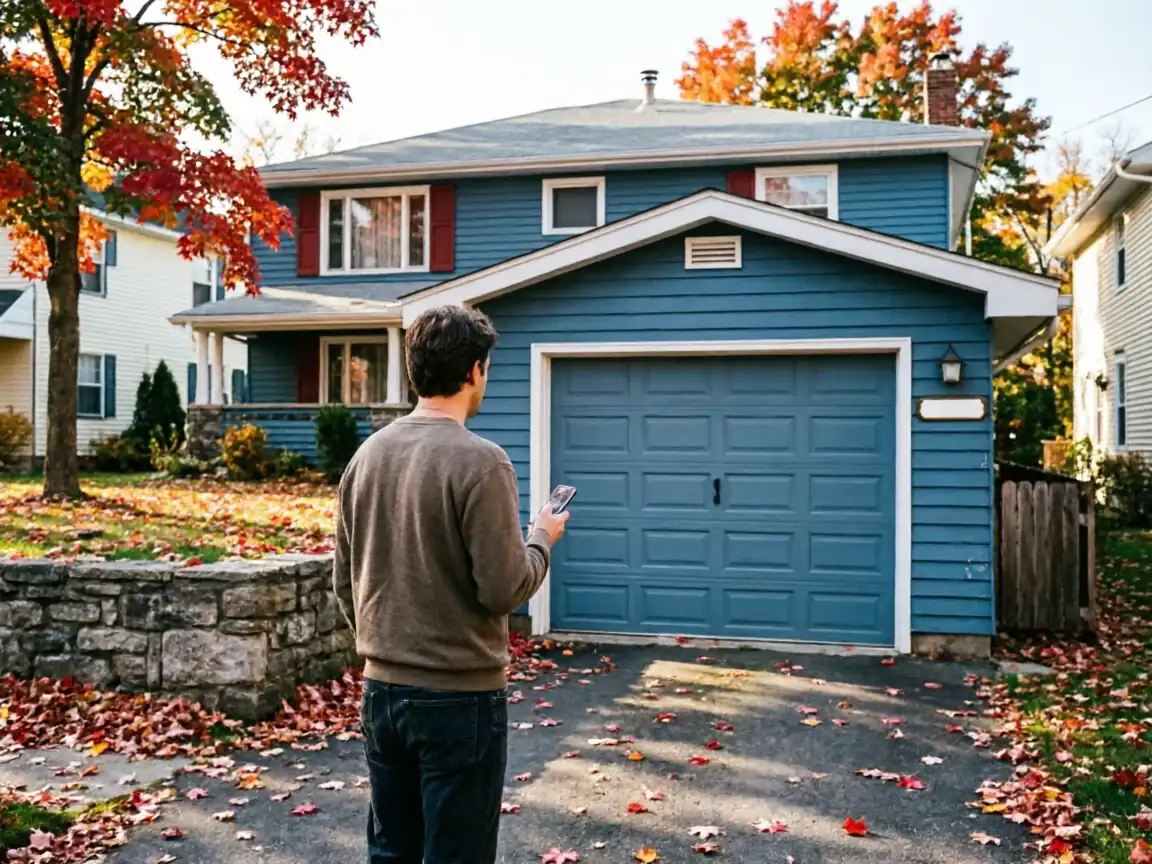
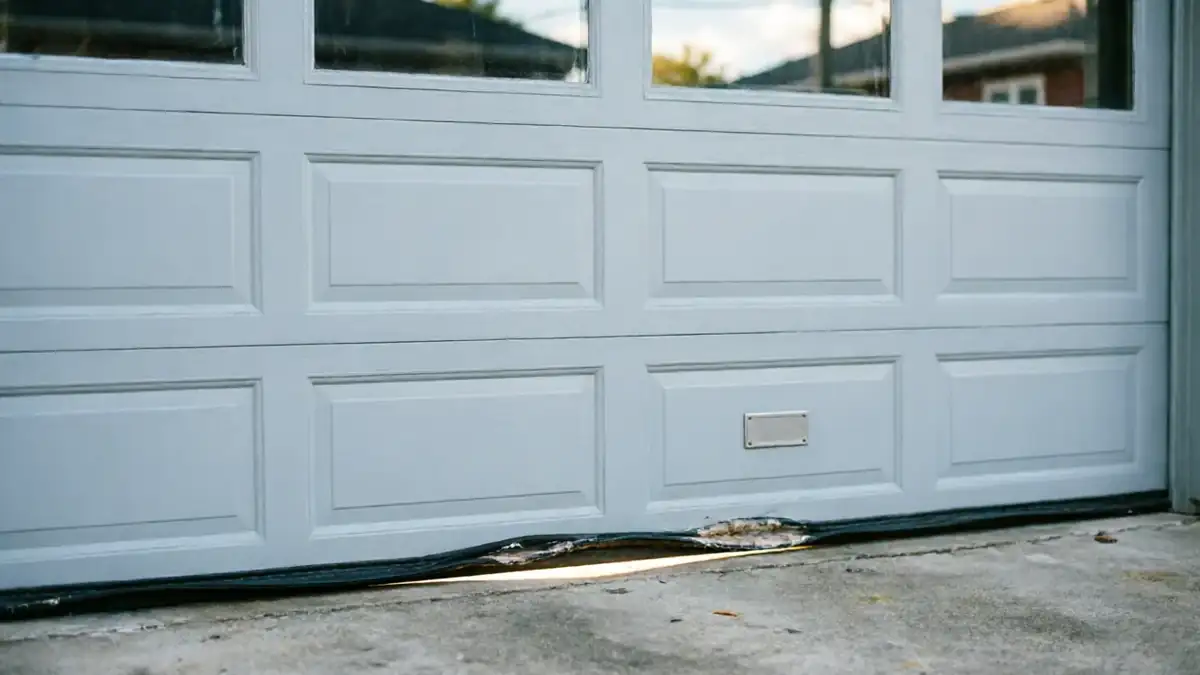
A thin line of cold air along the bottom of a garage door is easy to live with for a season or two. It doesn't trip a breaker or jam the opener, so most owners let it go. That's a reasonable call in a mild climate. It's a worse call here, because this area sits in a severe cold climate band, which means the seal isn't dealing with one or two freezes a year - it's cycling through freeze and thaw on a near-weekly basis for months. Every cycle flexes the rubber or vinyl a little more. What starts as a draught along the bottom seal in December is often a cracked, brittle strip by February that's letting in more than air - meltwater, grit, and enough cold to push your heating bill up every time that door opens. The houses in this area were mostly built between 1938 and 2014, with a lot of the stock going up in the 1960s and 70s, so the seal you're ignoring is probably original-style hardware paired with a replacement strip from whenever the last owner got around to it. Leaving it alone for one winter rarely does lasting damage. Leaving it alone for three or four usually means you're not just replacing a seal anymore - you're dealing with a track or jamb that's taken on moisture.
What Is Going On
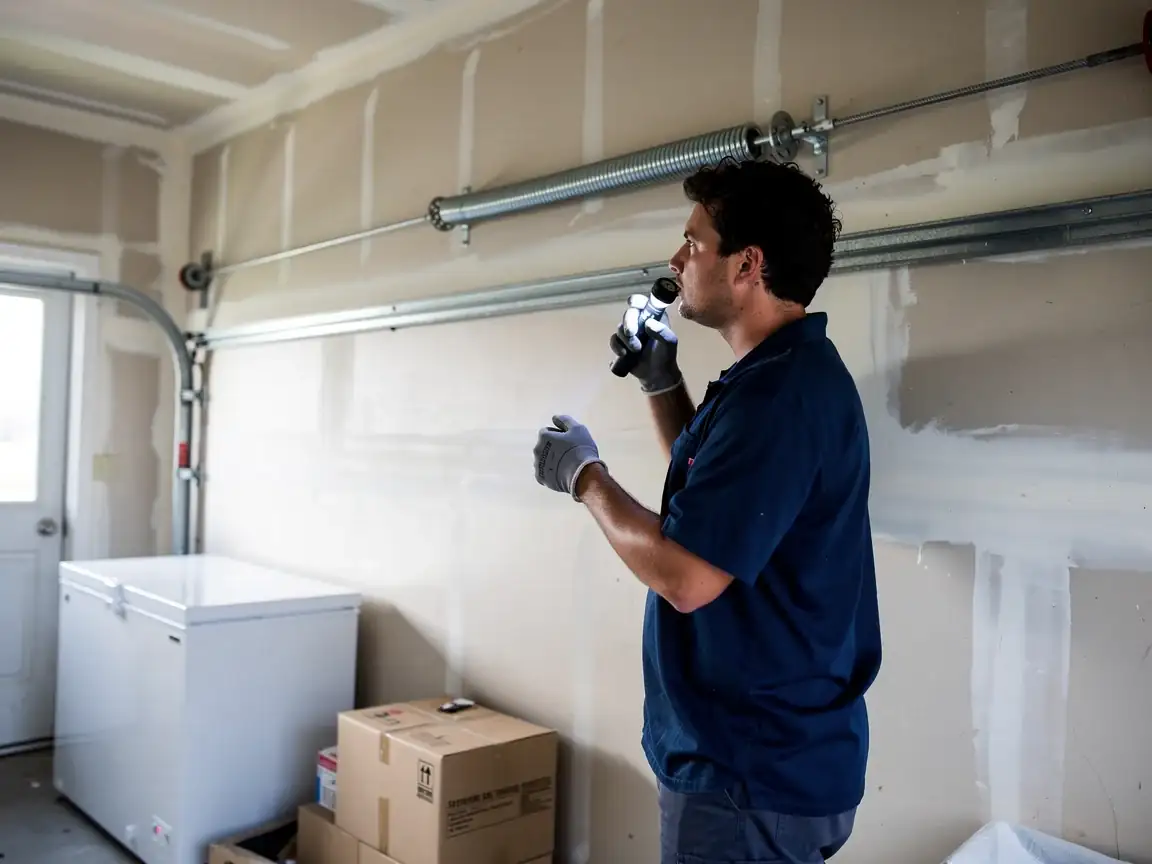
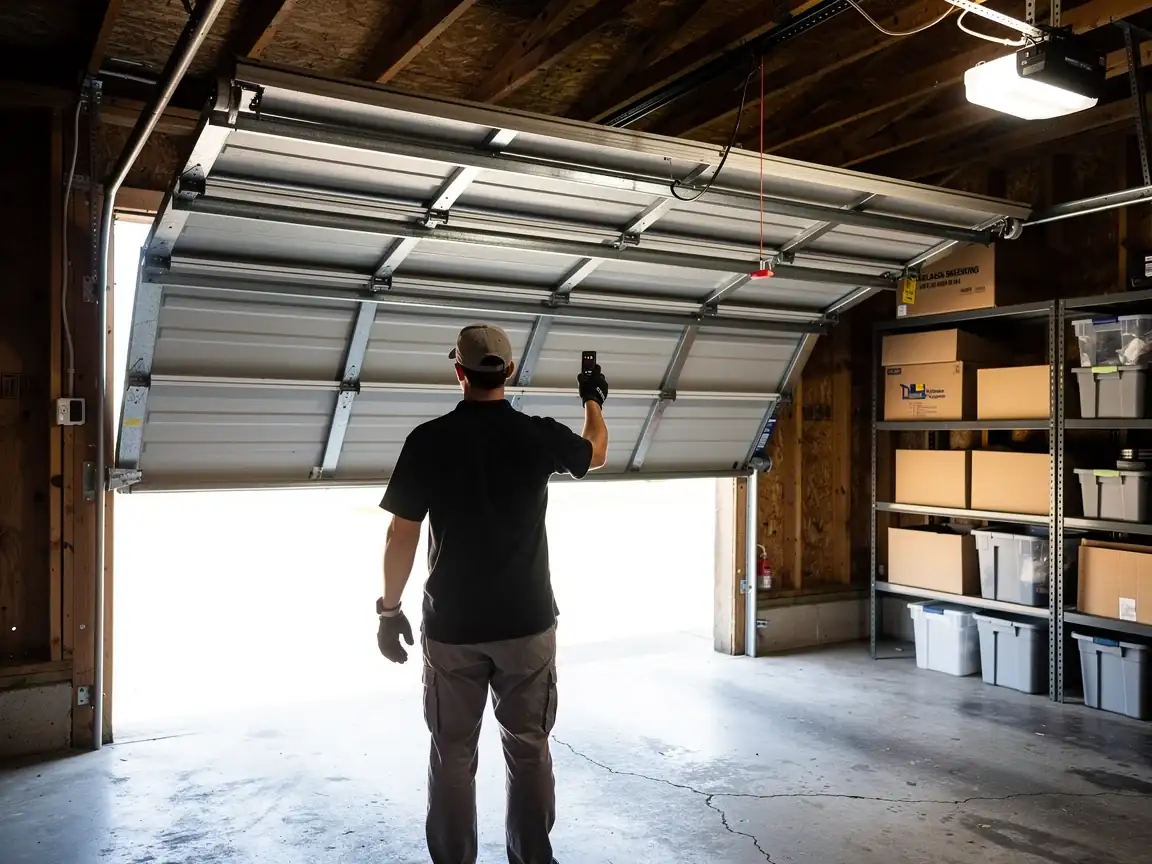
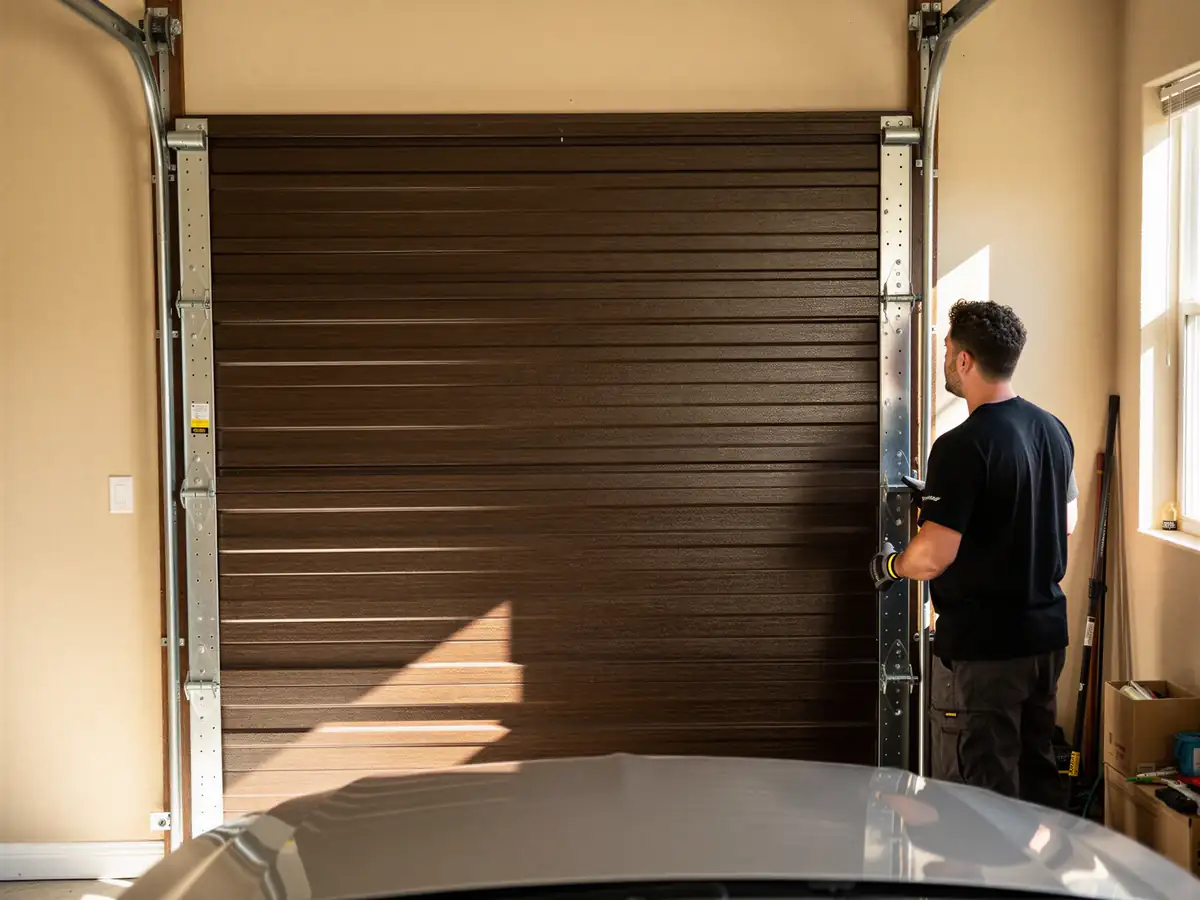
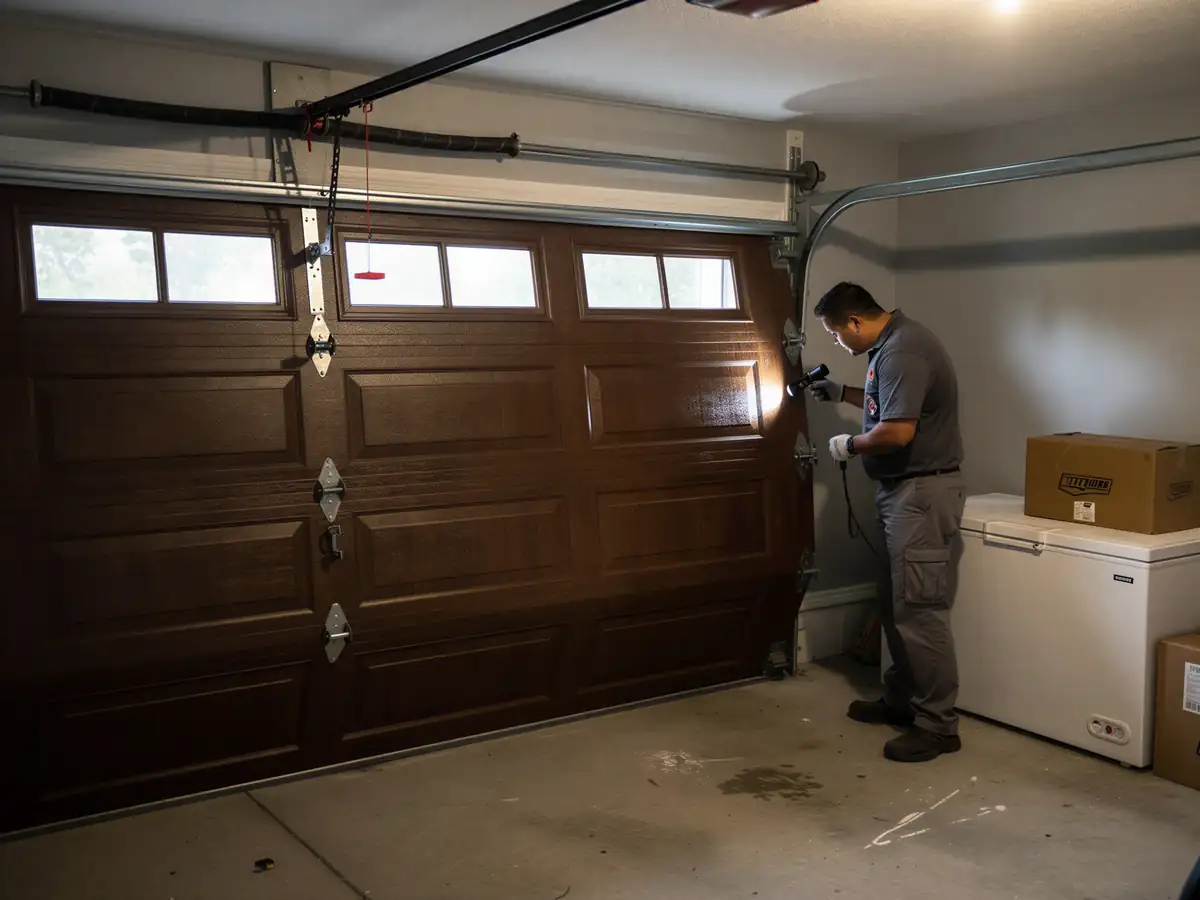
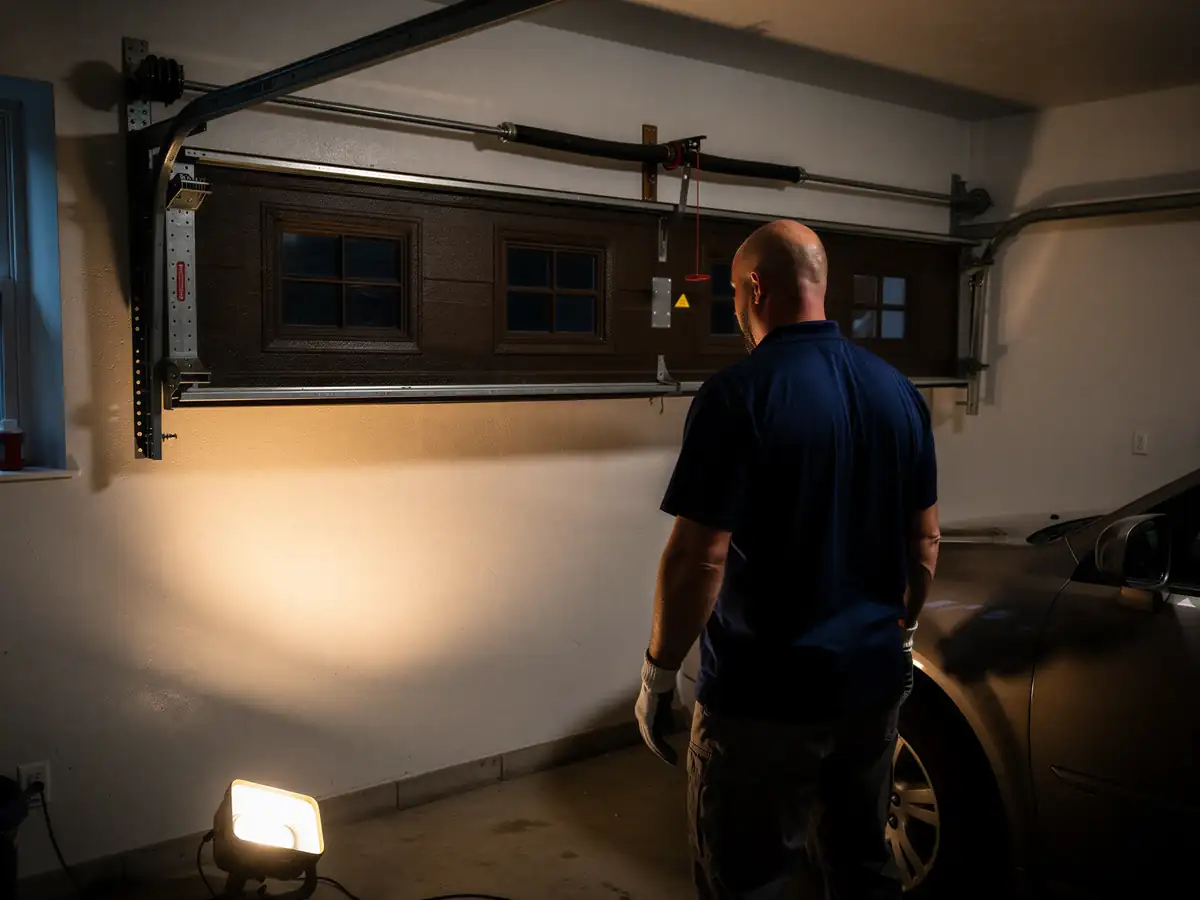
When a door starts letting in a draught, it's almost always one of three things, and the age of the housing stock here points to which one is likely. First, the bottom seal itself has hardened or split - the most common issue on doors from the 1960s-70s era, where original astragal channels are narrower than current sizes and accept a smaller, thinner replacement strip that wears faster. Second, the side and top weatherstripping has pulled away from the jamb, usually because the jamb has moved slightly with eight decades of seasonal expansion in a house built anywhere between 1938 and 2014. Third - and this is the one people miss - the door panel itself has developed a slight bow or the track has drifted out of plumb, so even a brand-new seal can't make full contact anymore. The first two are straightforward fixes. The third means the seal was never the real problem; it's just where the symptom showed up. Given how common the older steel sectional doors are in this area's mid-century housing, a visual check of panel flatness and track alignment is worth doing before buying a new seal kit, because a seal replaced against a warped panel will leak again within a season.
When It Stops Being a DIY Job
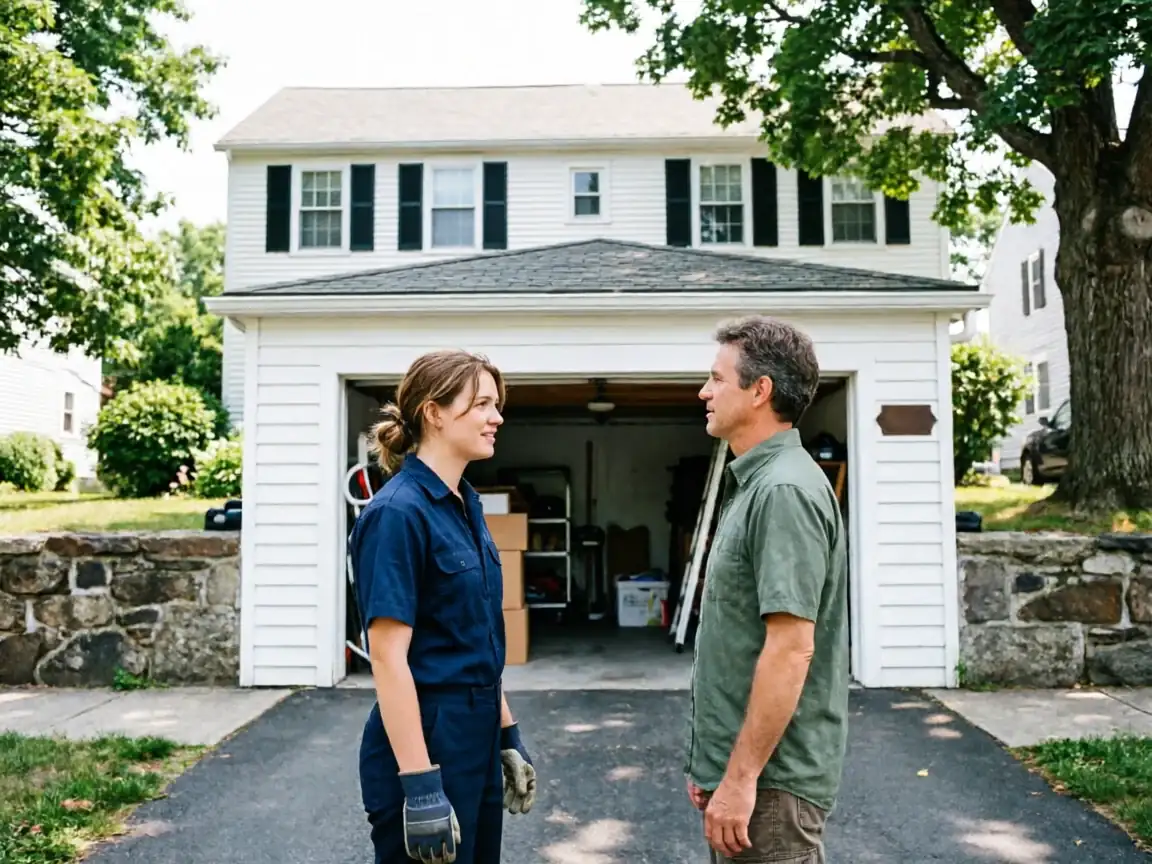
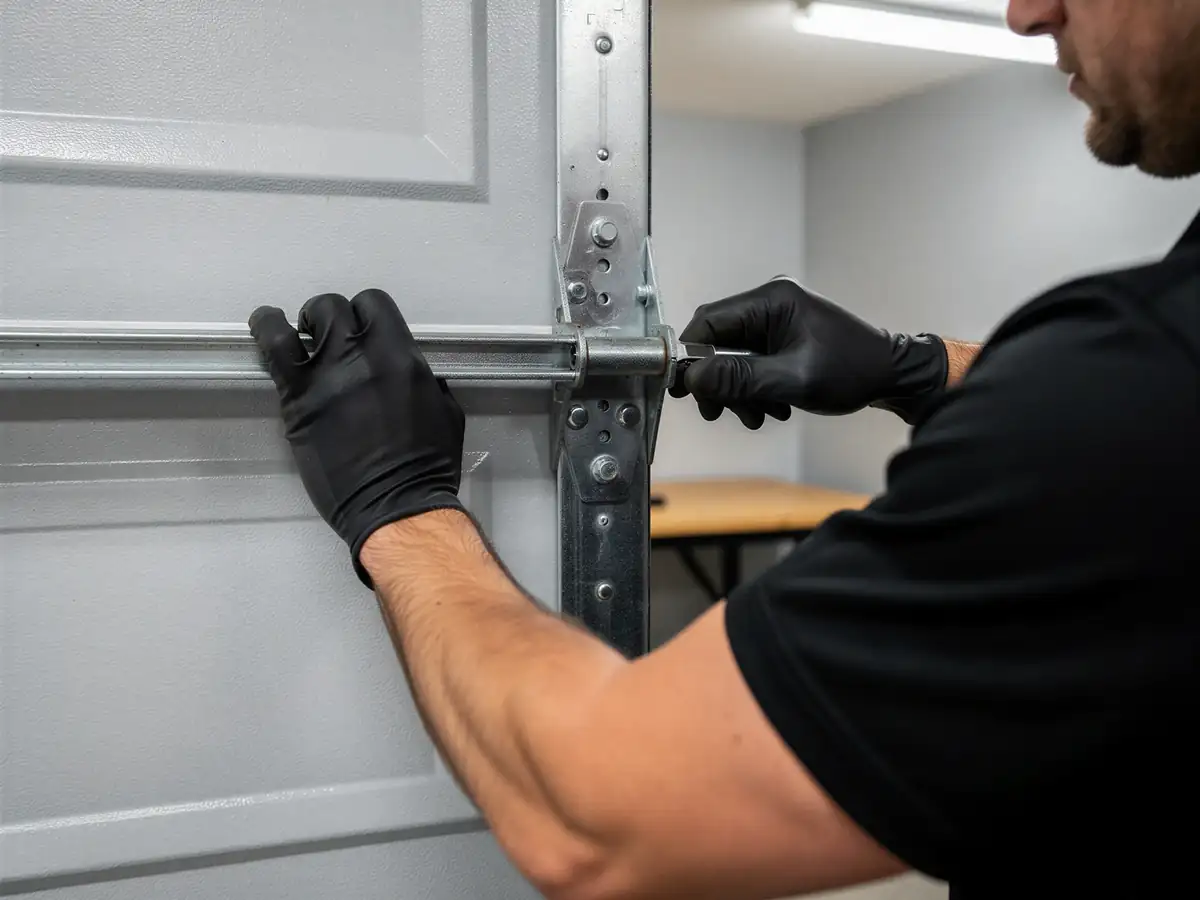
A bottom seal swap is genuinely a weekend job for most owners - pull the old strip from the channel, run a bead of the right replacement through, trim it to width. That part doesn't need a truck in the driveway. What does need a call is anything tied to the track, the jamb, or the panel itself. If the door closes unevenly, if there's daylight visible at one corner but not the other, or if the weatherstripping keeps pulling loose from the same spot no matter how many times it's reset, the frame or the track is out of alignment, and torquing a seal into a crooked gap won't hold through a winter of freeze-thaw cycling. On the older steel doors common to this area's 1960s and 70s housing, a bowed panel usually isn't worth fighting either - the labor to true it up often costs more than replacing the panel section outright, and on a door that old, matching panels aren't always available. That's the honest limit here: we can reseal and realign, but we can't manufacture a discontinued panel out of nothing. If the draught keeps coming back after a proper seal job, the conversation shifts from weatherstripping to whether the door itself is still worth repairing.