Leaving It Alone
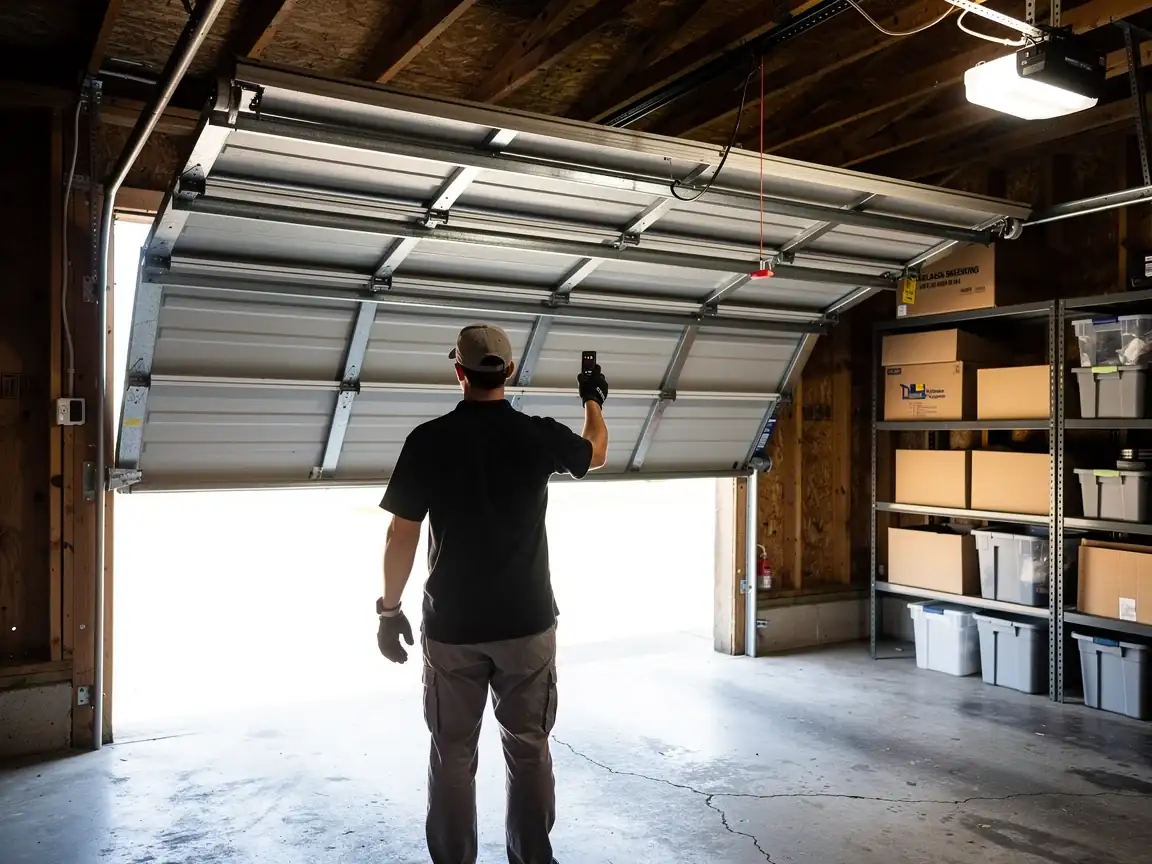
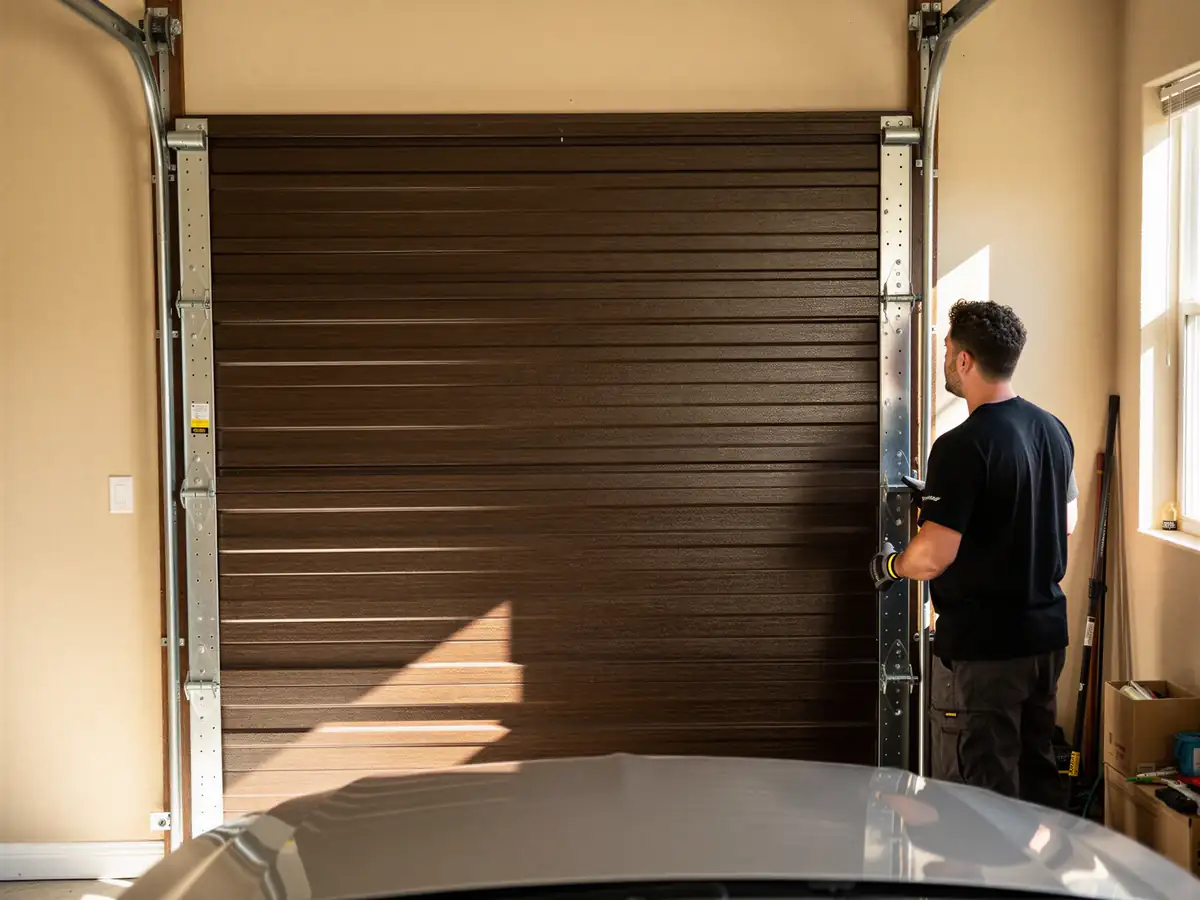
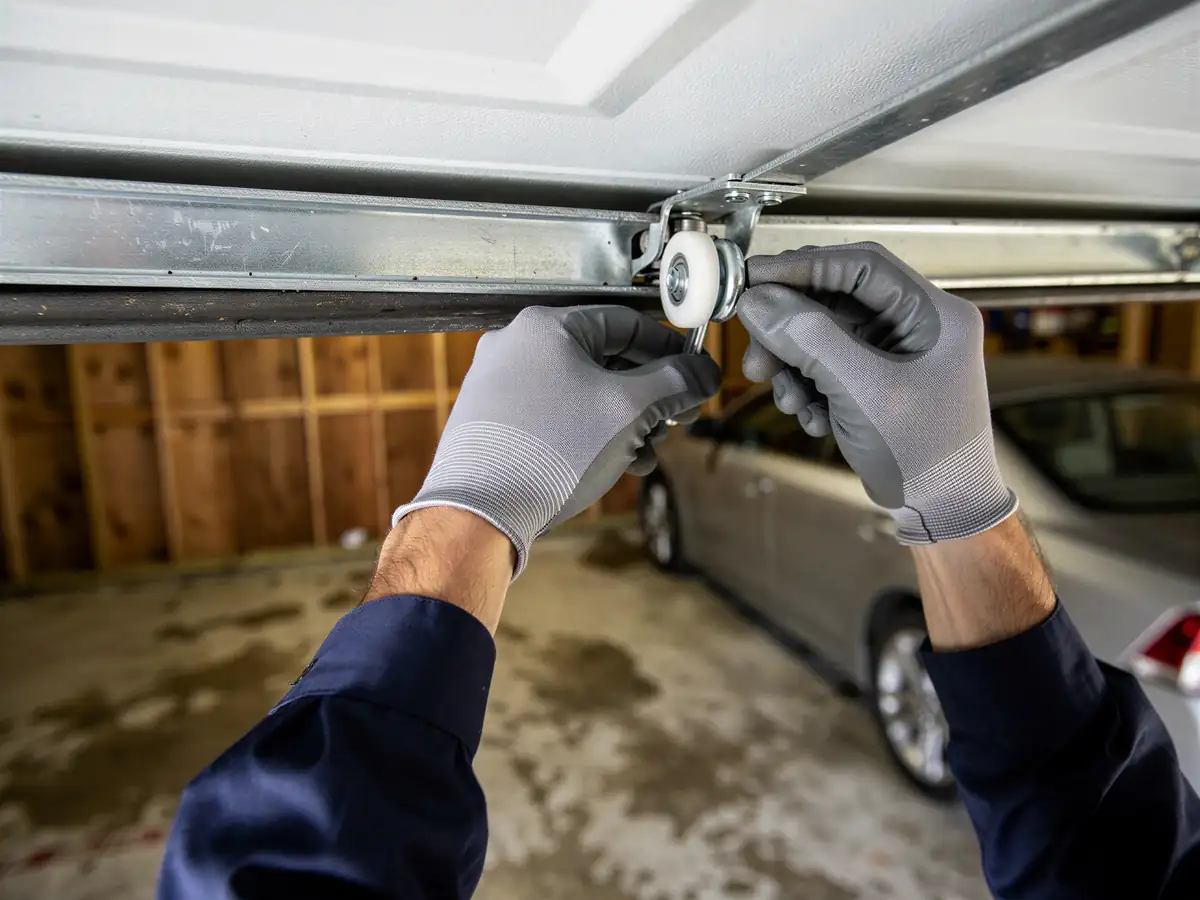
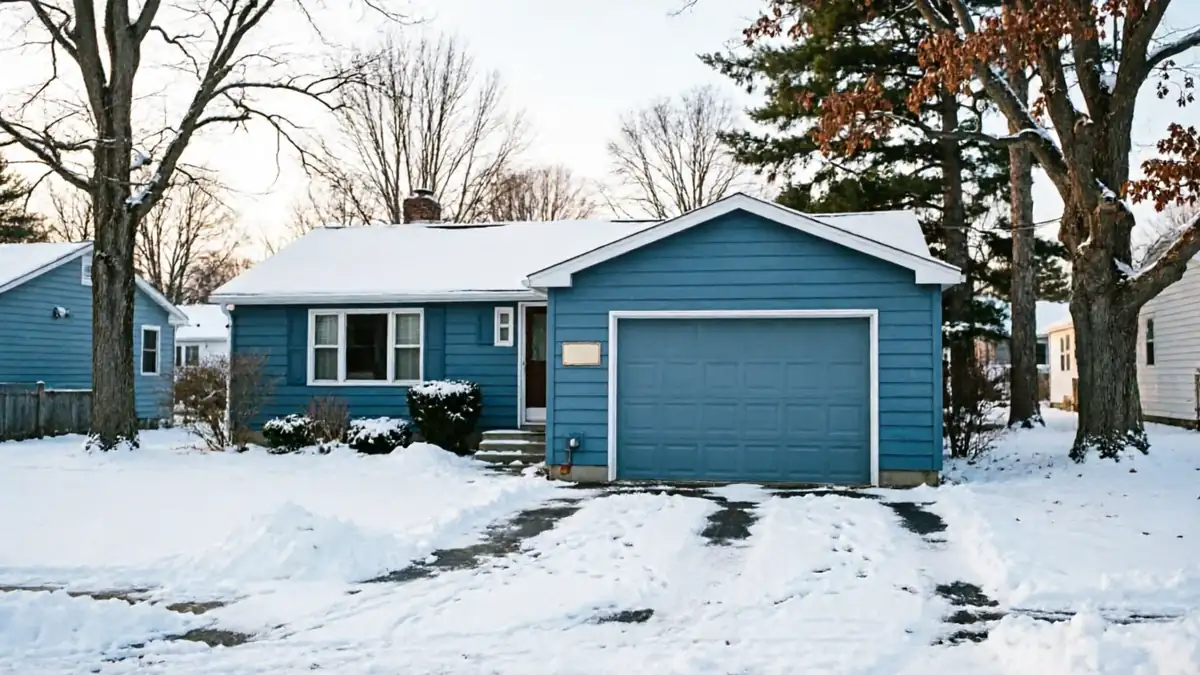
When a torsion spring lets go on a cold morning, the instinct is to prop the door, grab a ladder, and see if you can wind it back yourself. Don't. A wound torsion spring holds enough stored force to break fingers or worse, and that force doesn't change because the weather is bad - if anything, cold steel is less forgiving and more likely to shear rather than bend under a wrench. Leave the door down, leave the opener unplugged so it doesn't try to lift against a dead spring, and leave the spring itself alone. This is one of the few jobs in this trade where "wait for the truck" is the honest answer, not a sales line. A lot of the housing in this service area dates to 1938 through 2014, with the bulk of it going up in the 1960s and 70s, and that generation of door hardware was built for a mild sizing standard, not for the kind of sustained cold this region sees now. Springs sized decades ago were already working closer to their limit than a modern-code spring would be. Pushing a frozen bracket or forcing a stuck roller just adds a second failure to the one you already have.
What Is Going On
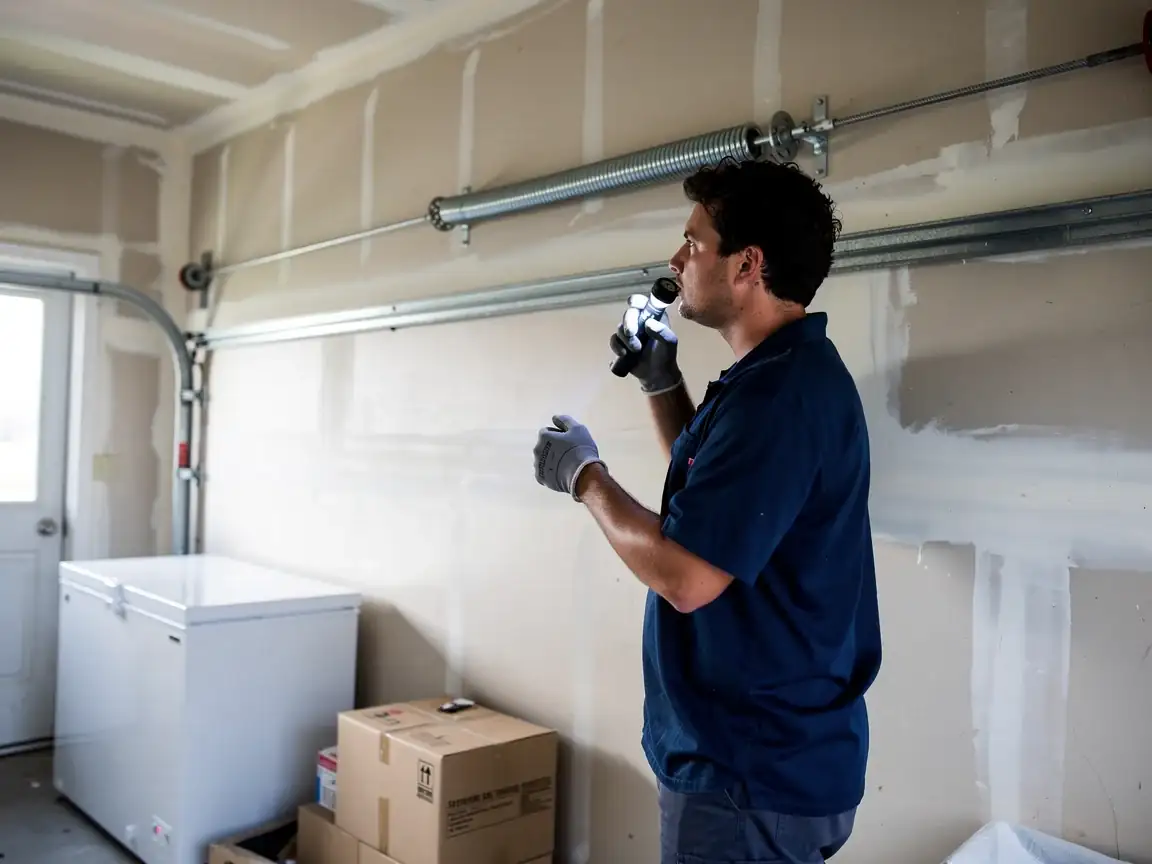
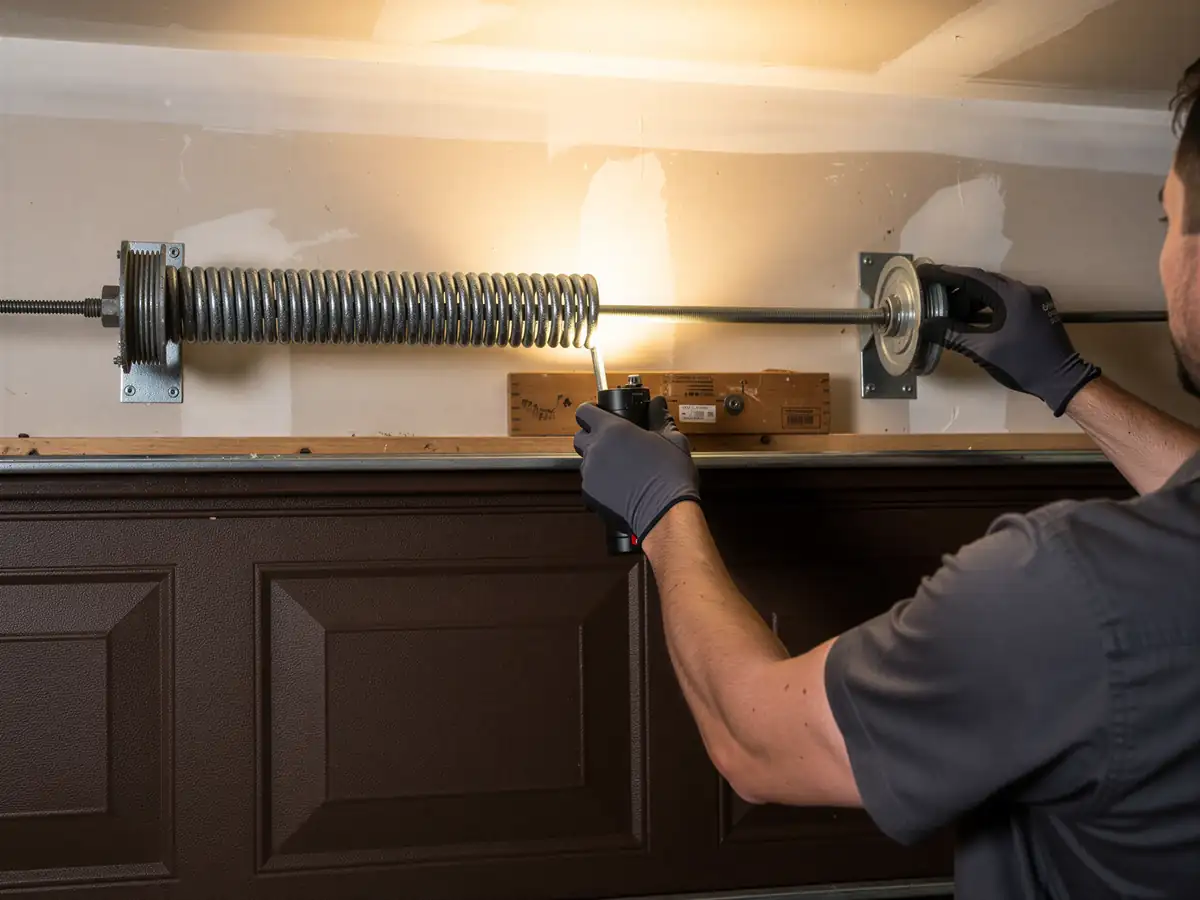
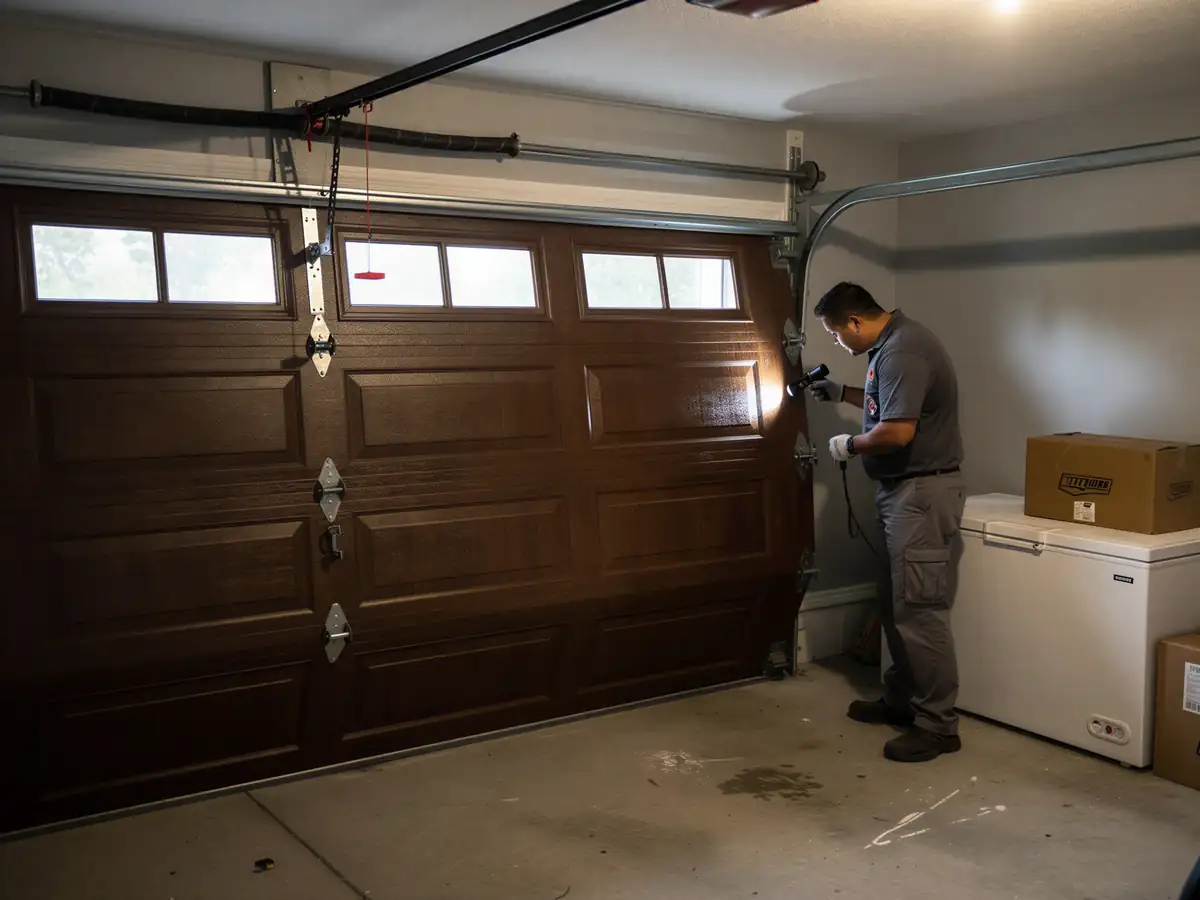
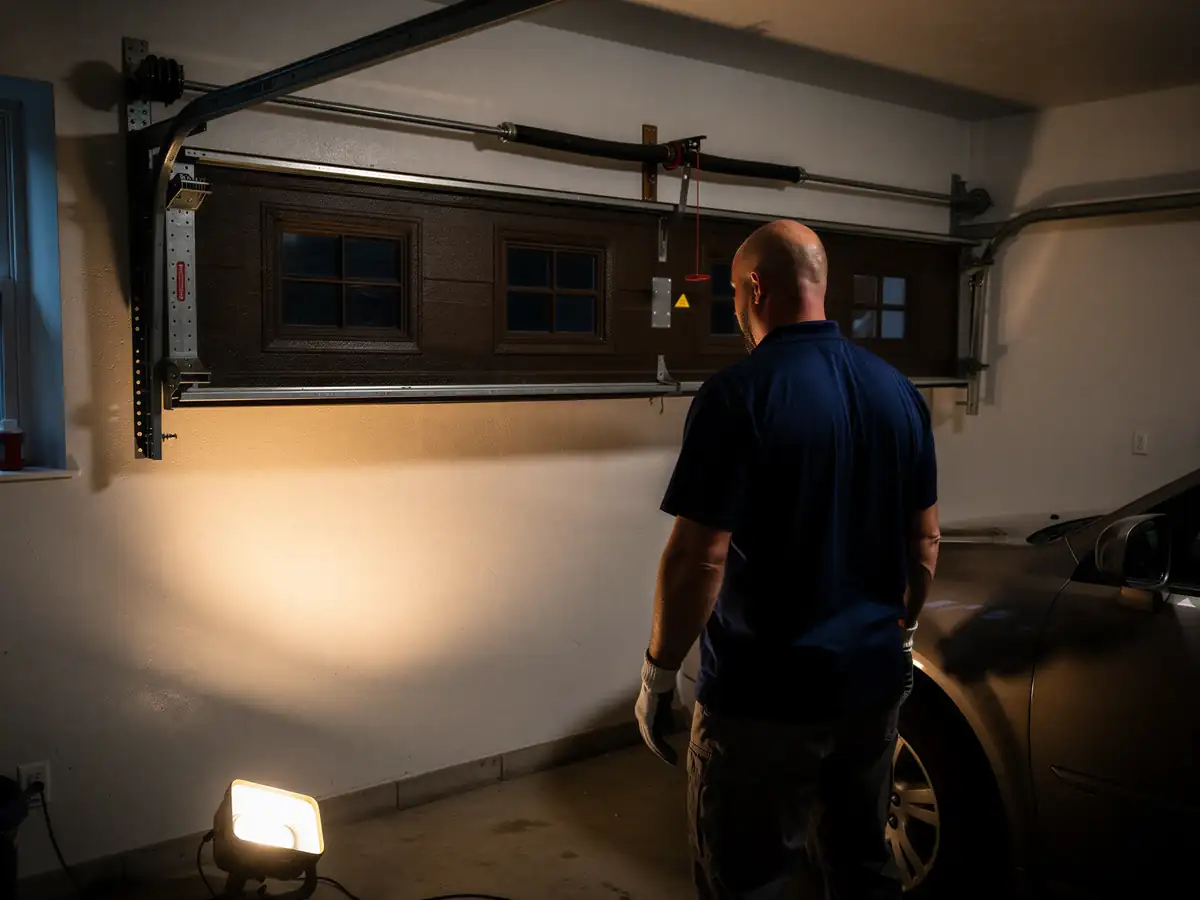
A broken spring on a cold day is almost always a fatigue failure that was going to happen eventually and cold weather picked the date. The coil has a fixed number of cycles in it - open, close, open, close - and that count ticks down faster when the steel goes through bigger daily temperature swings, which is standard for houses here given the climate band this region sits in. On a 1960s or 70s door, that spring may be original or a mismatched replacement, either of which fails the same way: a clean break across one coil, usually near a stress point on the shaft. You'll hear it - a loud pop, sometimes from inside the house - and the door won't lift, or will lift unevenly if it's a two-spring setup and only one side went. Check for a visible gap in the coil before you call anyone; it tells you immediately whether this is a spring job or something else, like a broken cable or a jammed track, which show different symptoms and need different parts.
When It Stops Being a DIY Job
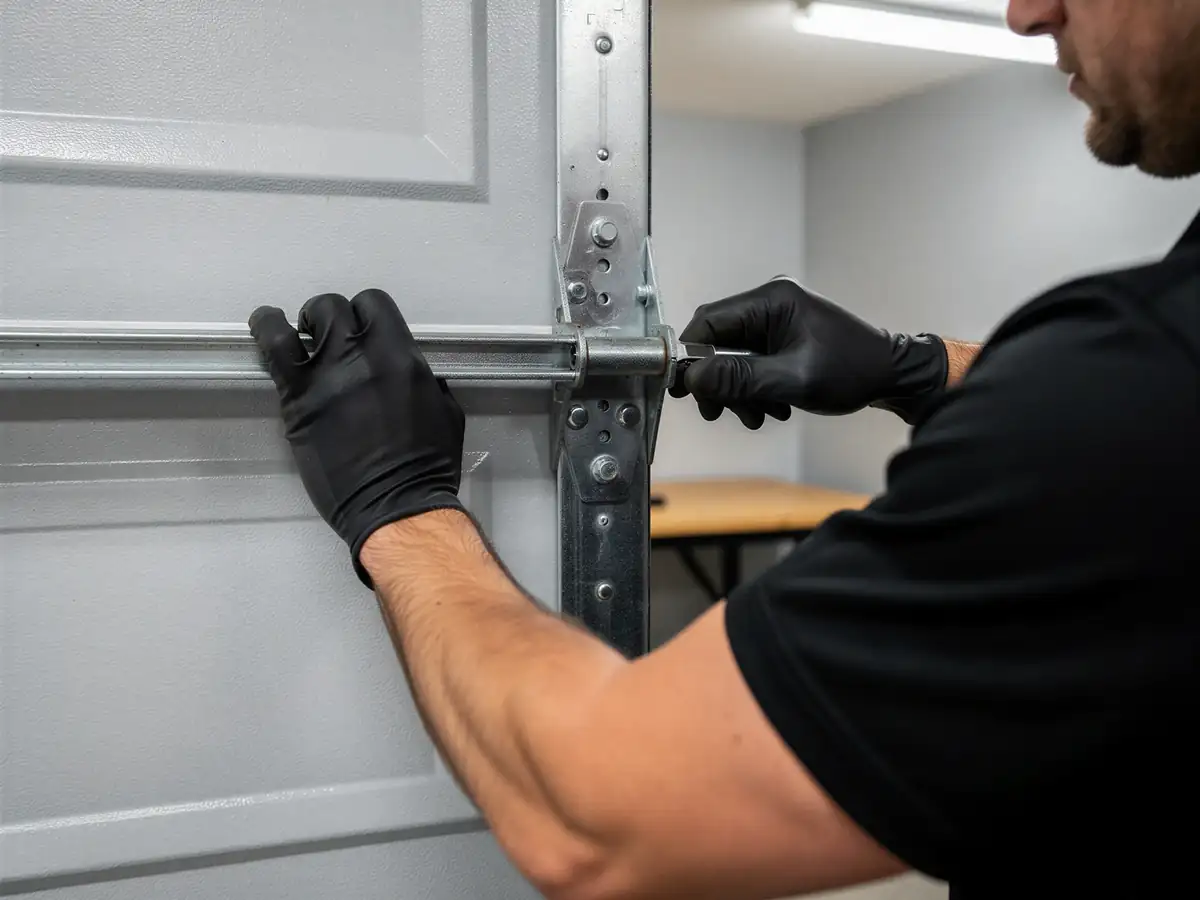
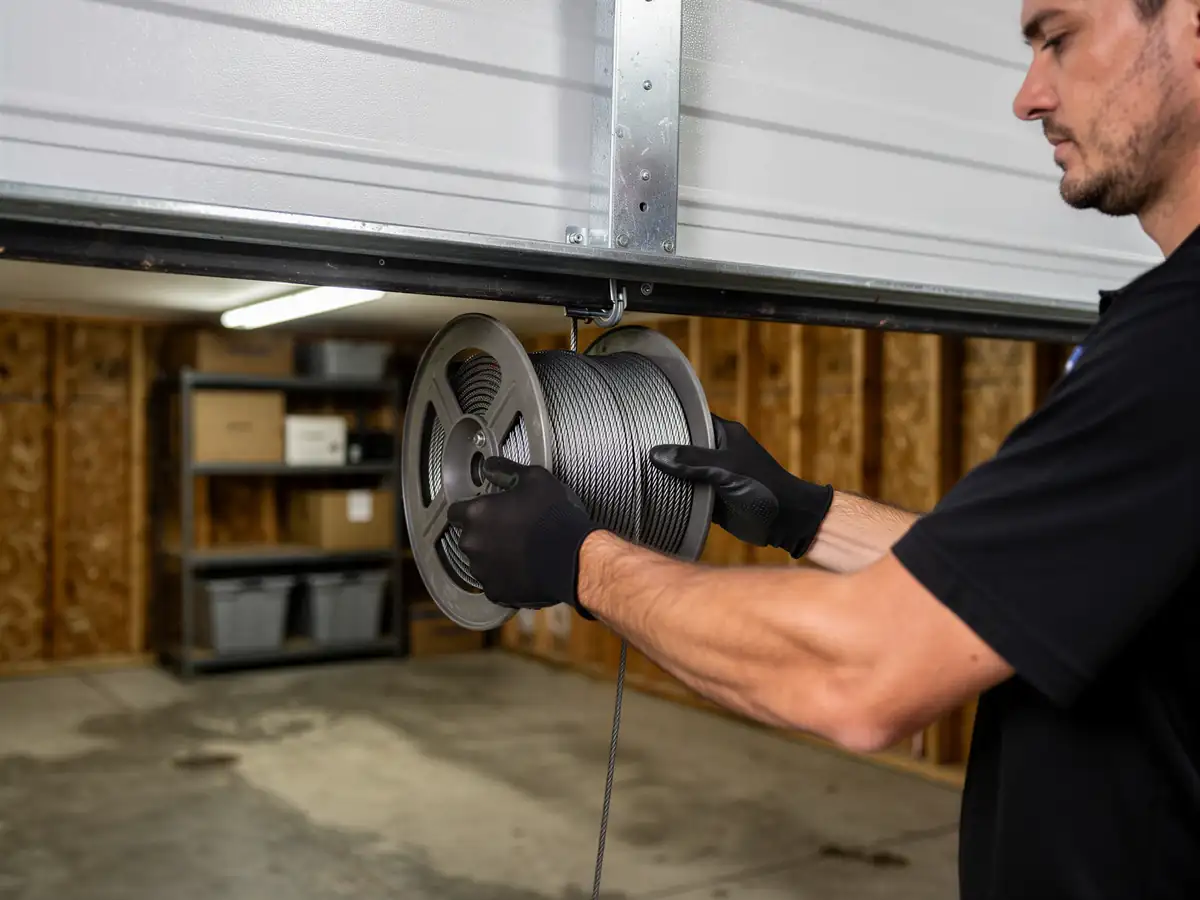
Spring replacement is not a job to learn on your own garage. The tension involved is the same whether the door is five years old or fifty, and a cold-weather break on older hardware often means the mounting bracket, bearing plate, or shaft has also seen enough wear that it needs a look before a new spring goes in - not just a swap of one part. If your home is on the older end of the range here, built well before the 1973 median for this area, there's a decent chance the drum, cable, and track are sized to a standard nobody stocks new parts for anymore, and that changes the job from a quick fix to a partial rebuild. We'll tell you flat out when a repair isn't worth it compared to replacing the whole operating system - we don't stretch a patch job just to avoid the bigger conversation. What we can't do is promise same-day parts for every odd-sized shaft or drum off an older door; some of that hardware has to be sourced, and that's the honest limit on how fast a fix can move, winter or not.