The Symptom
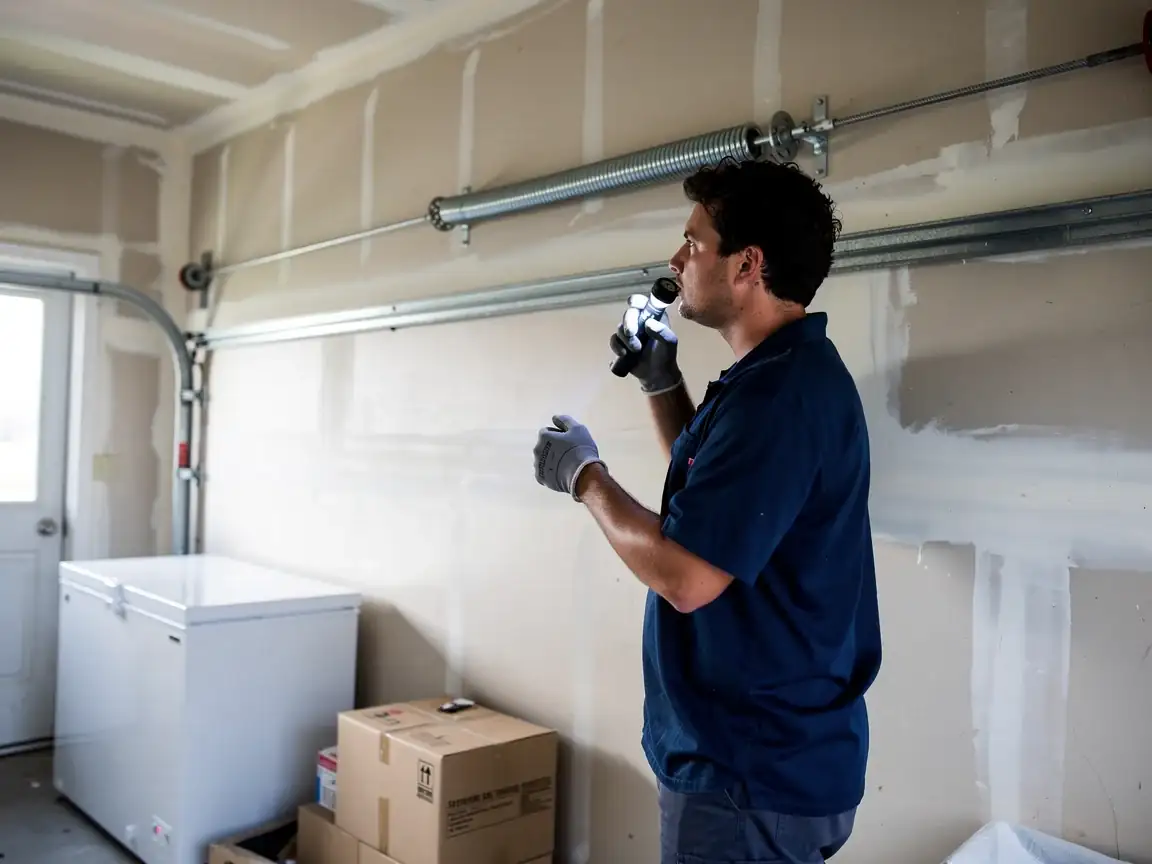
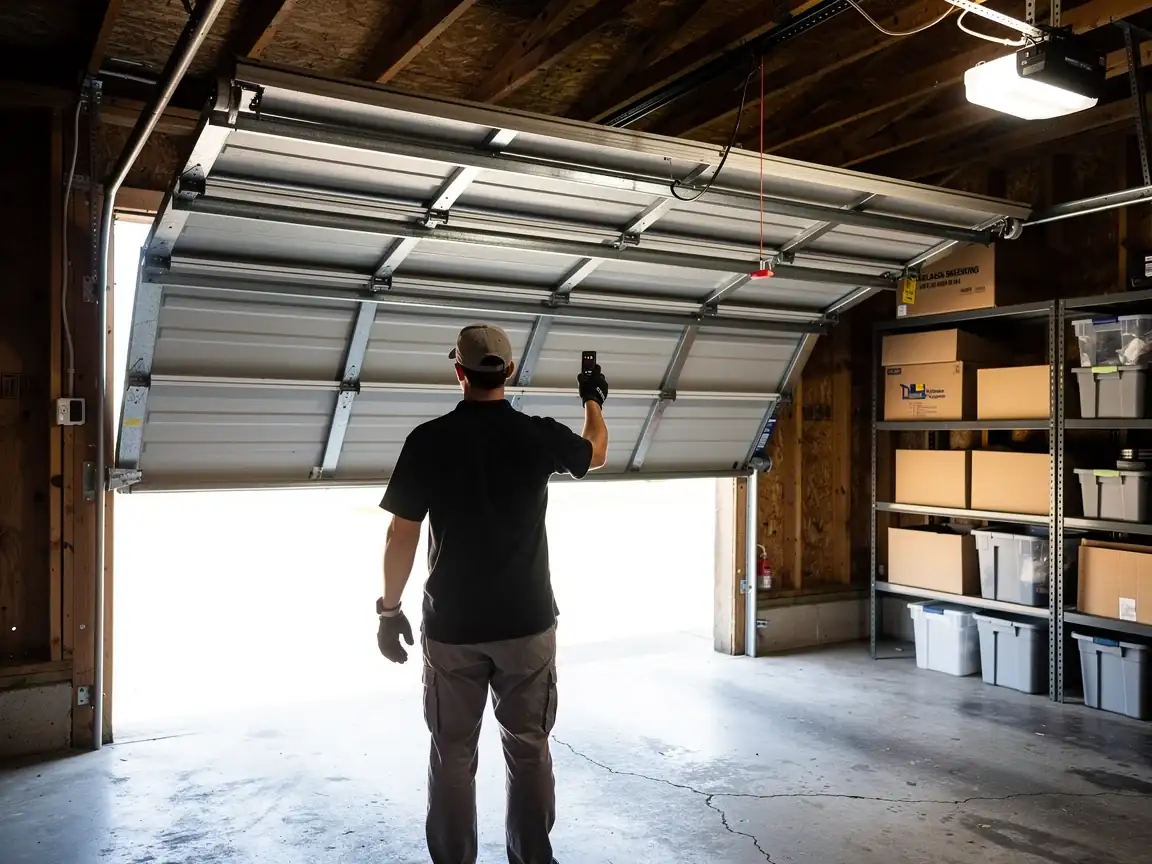
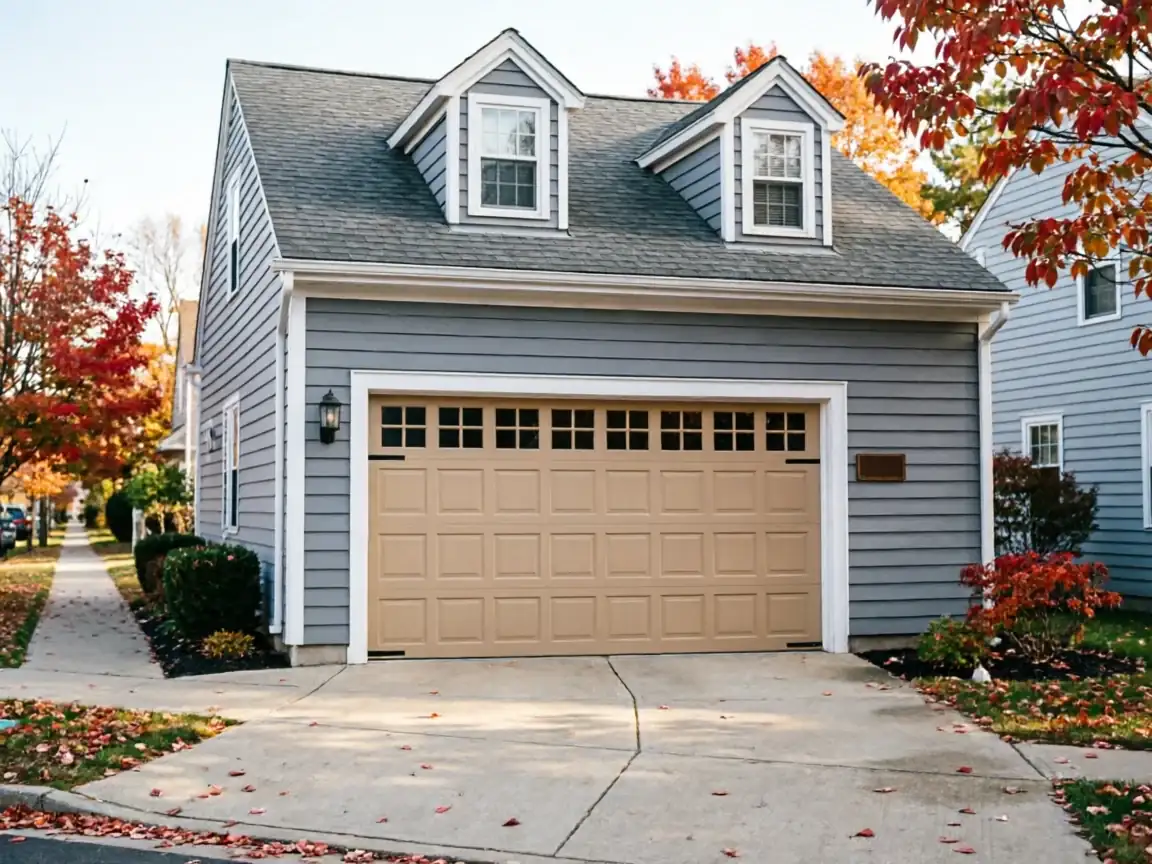
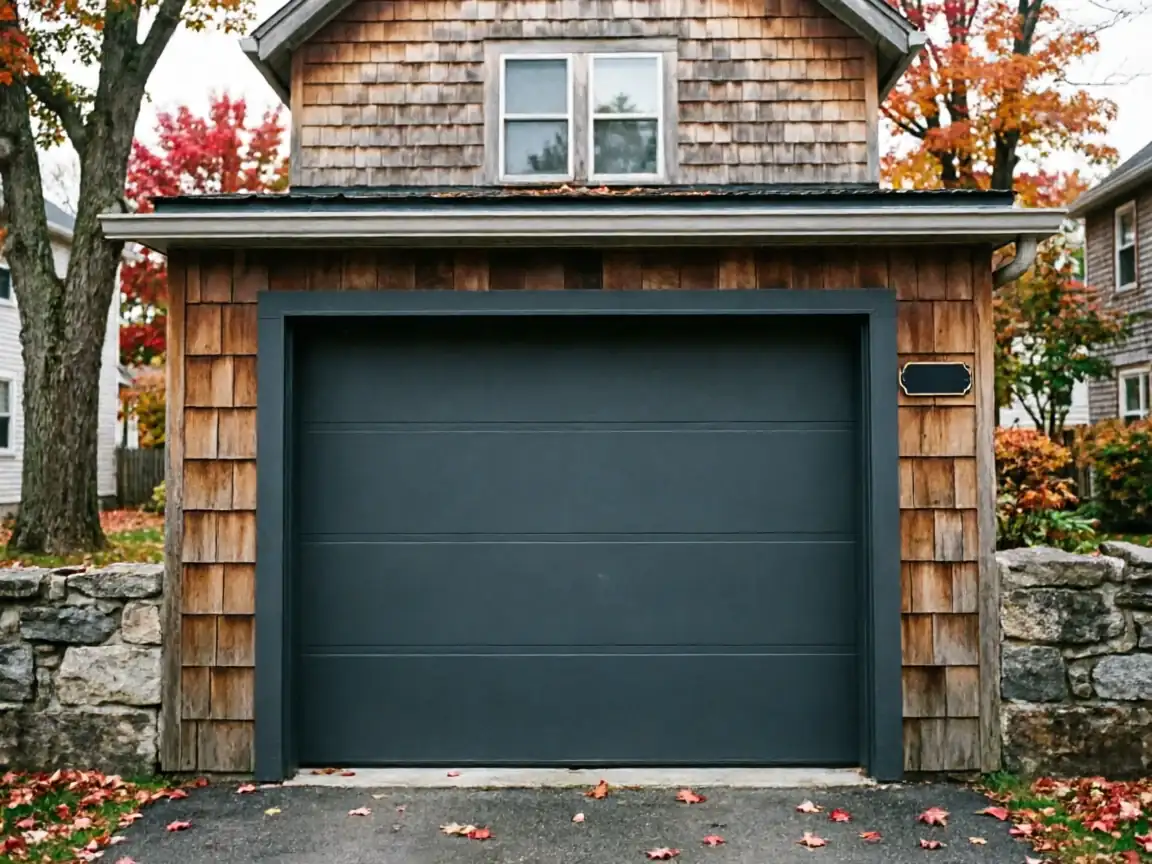
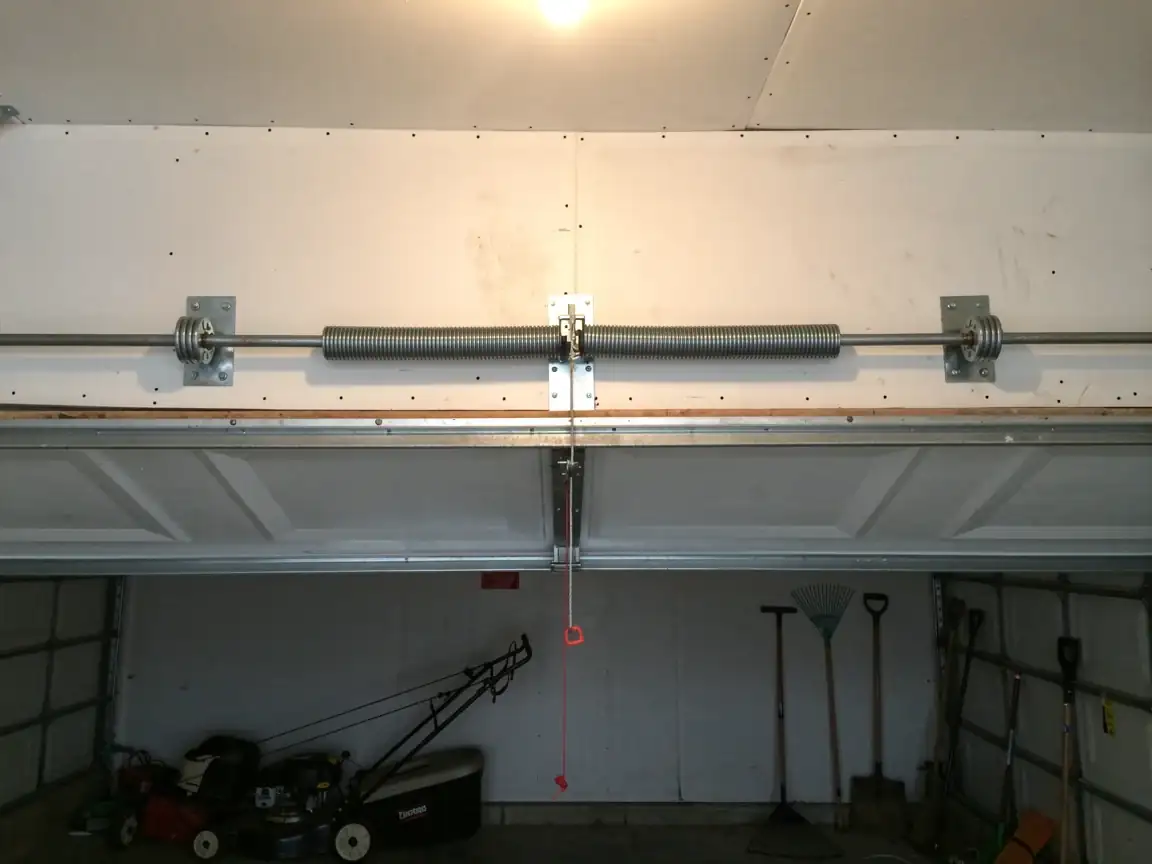
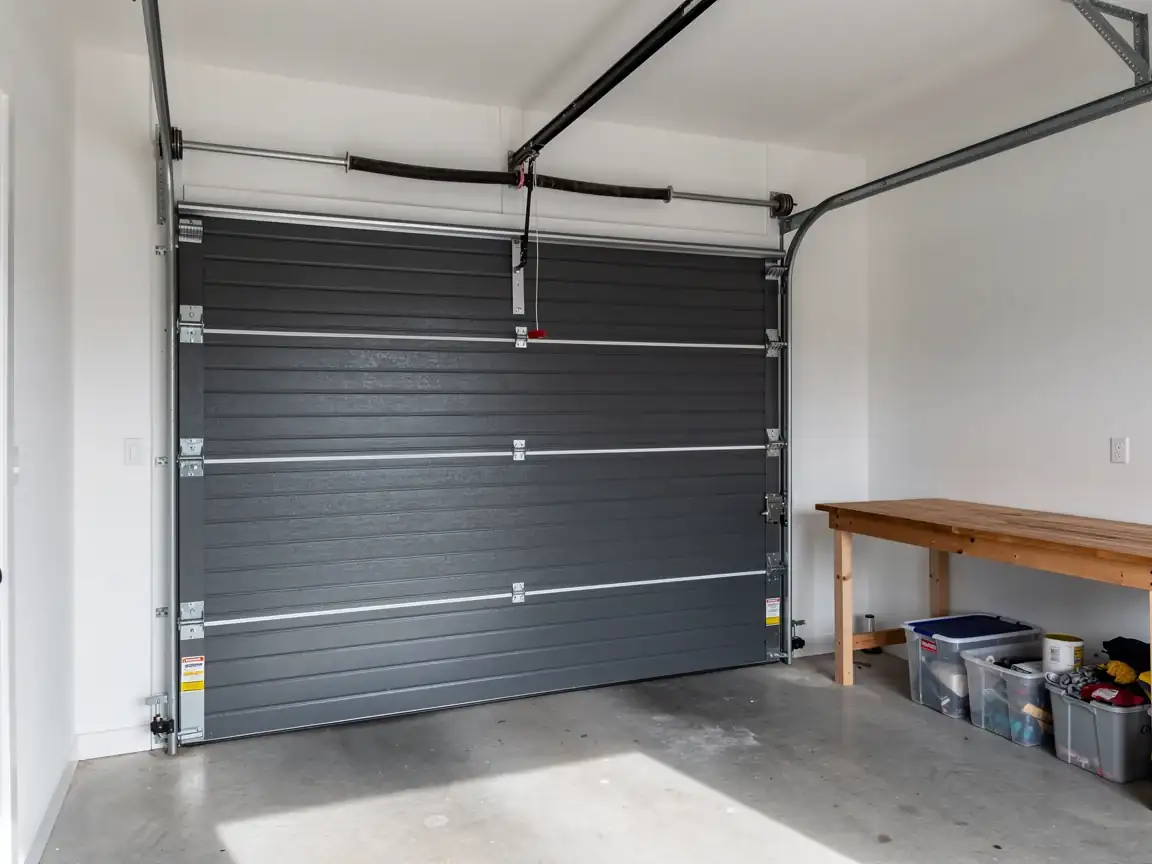
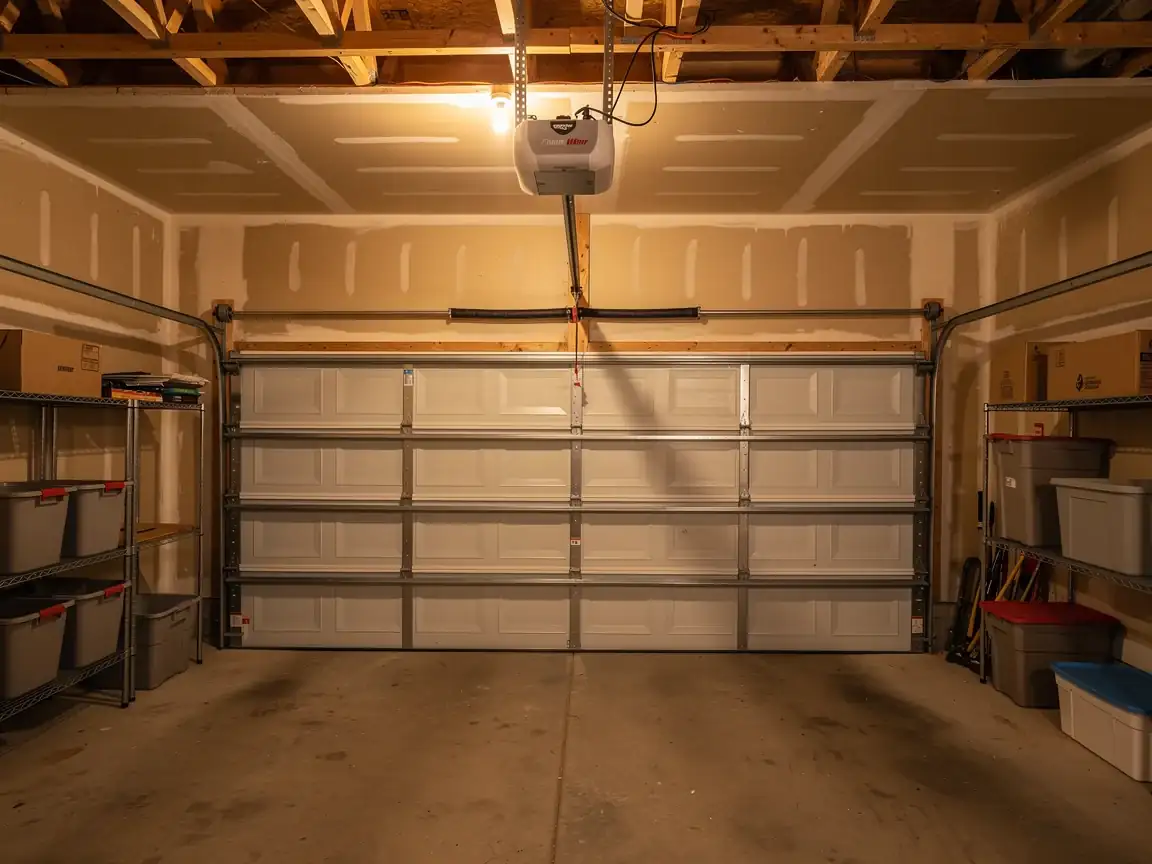
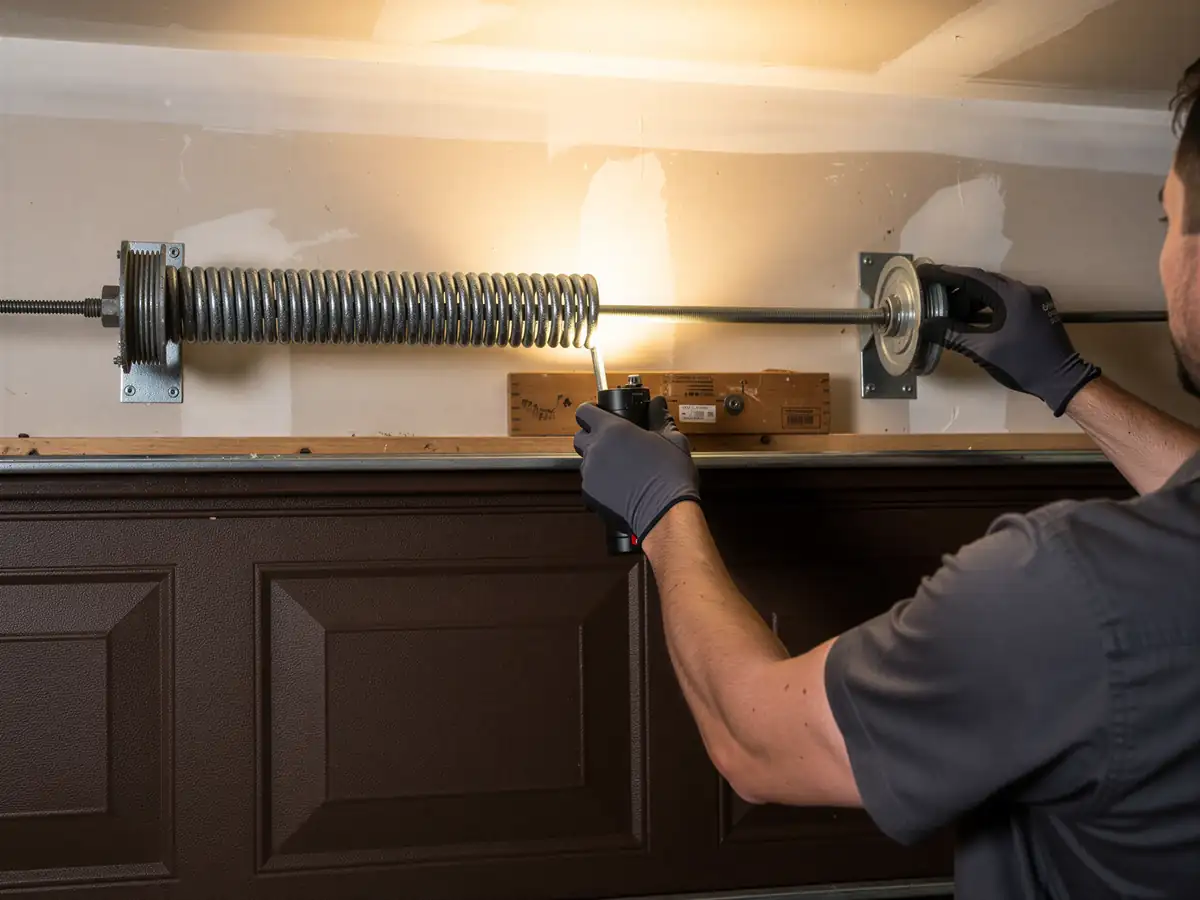
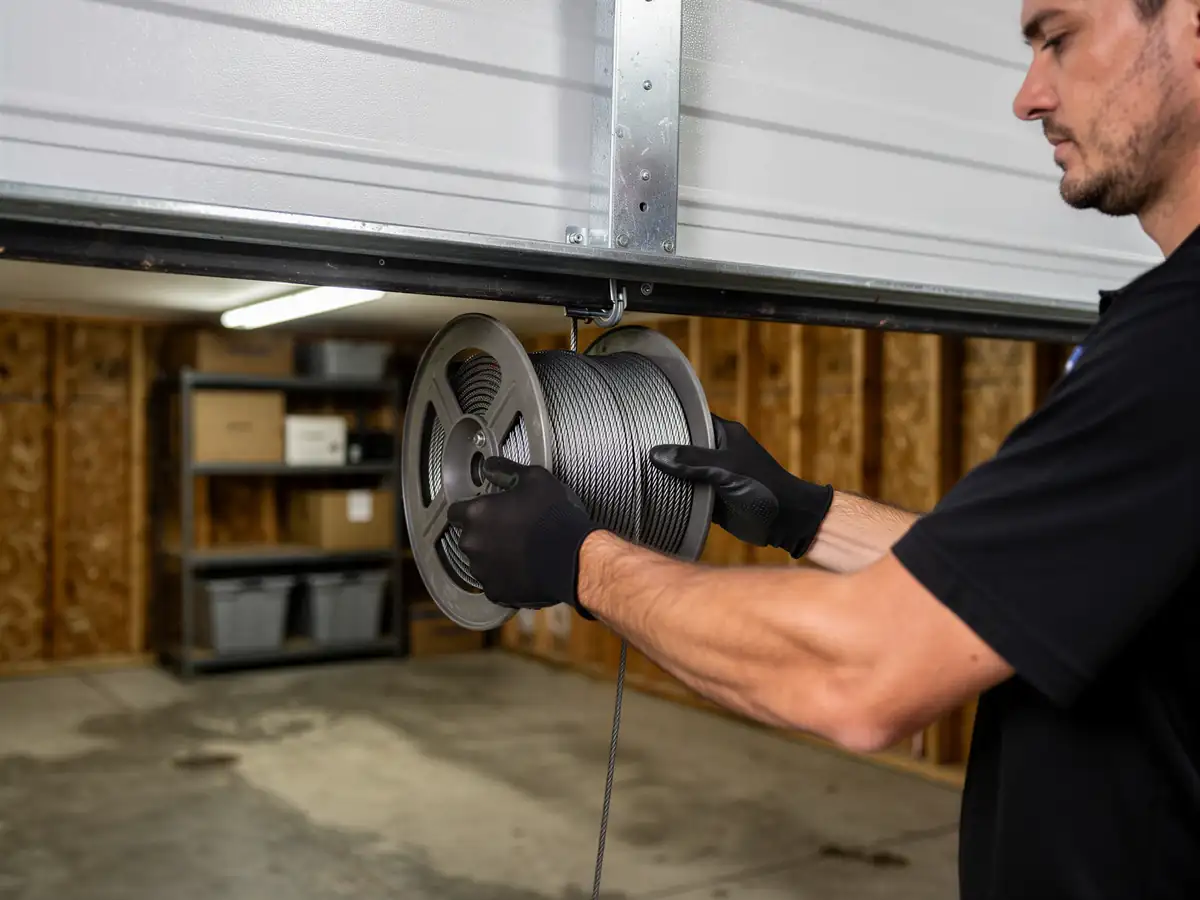
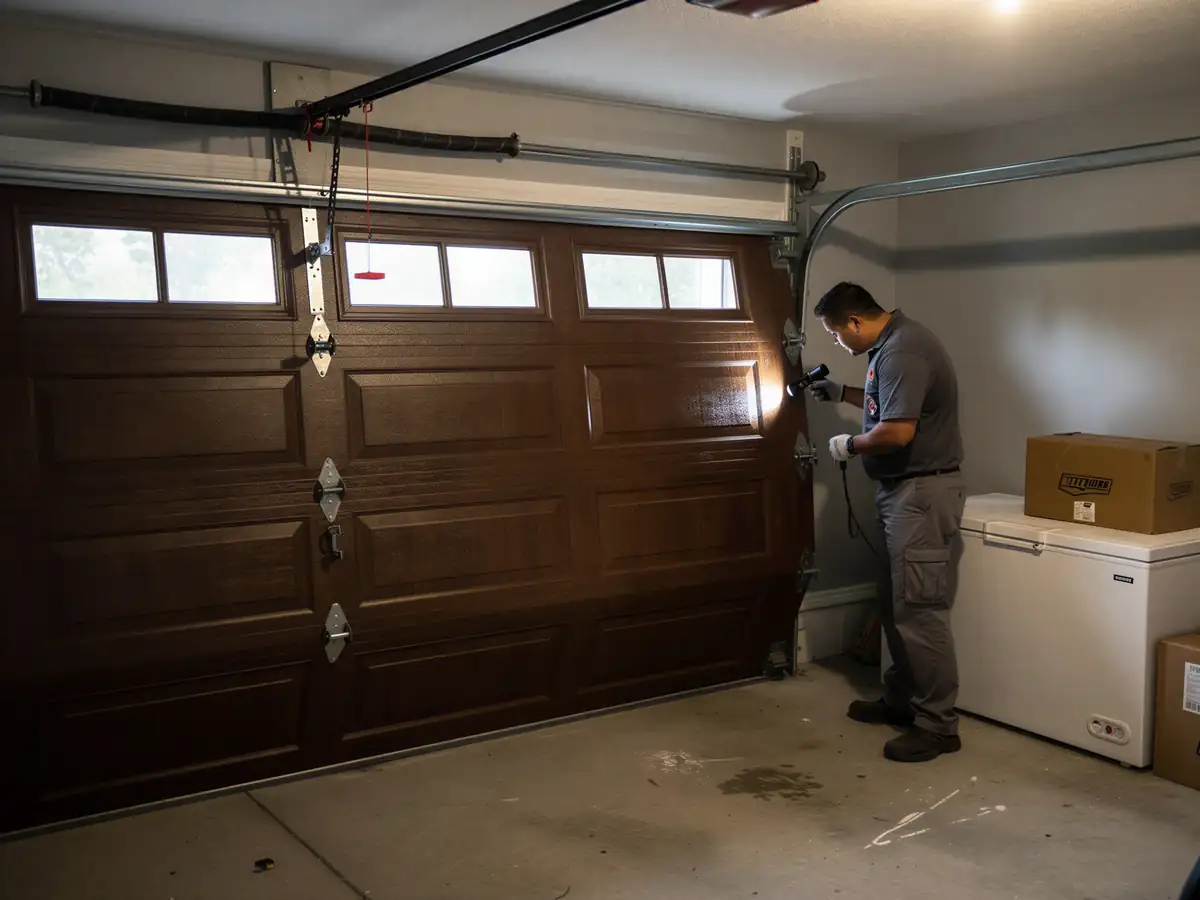
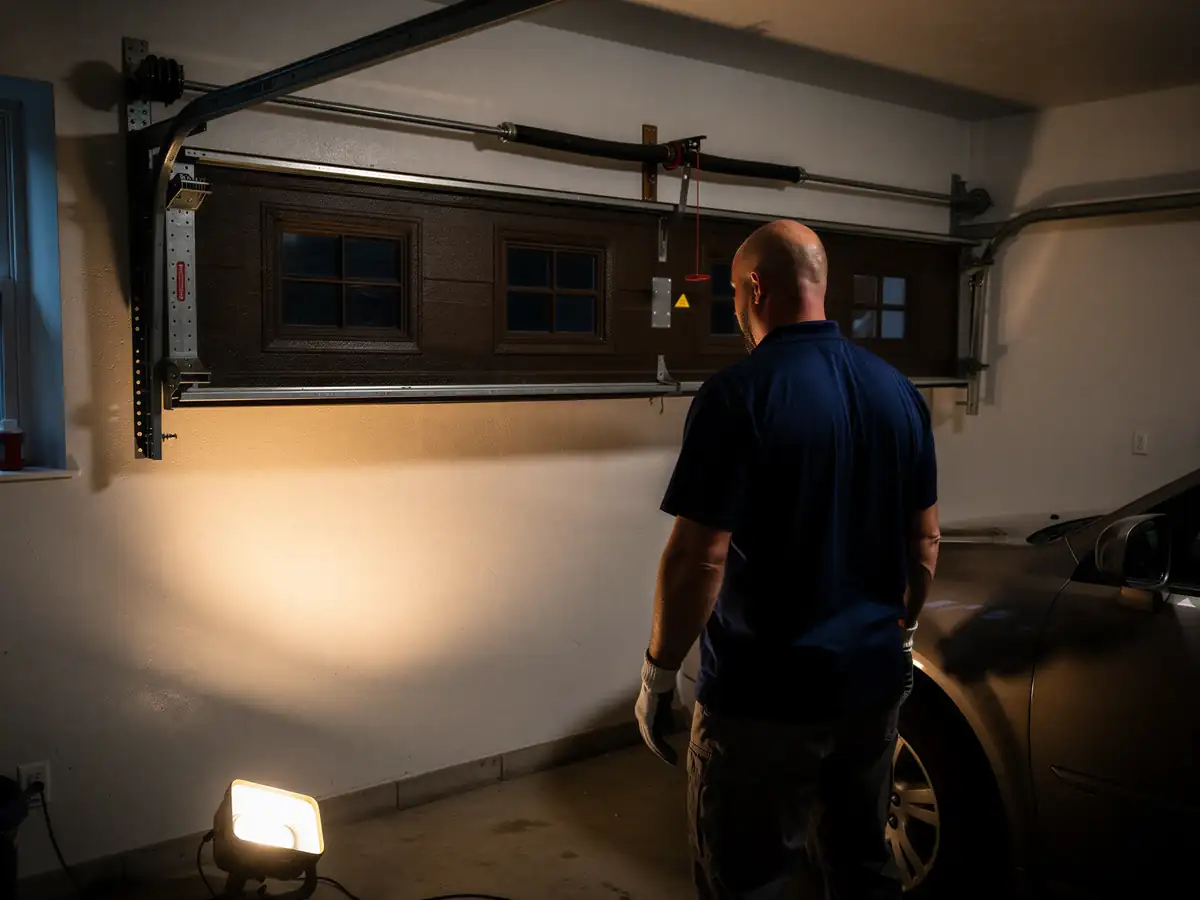
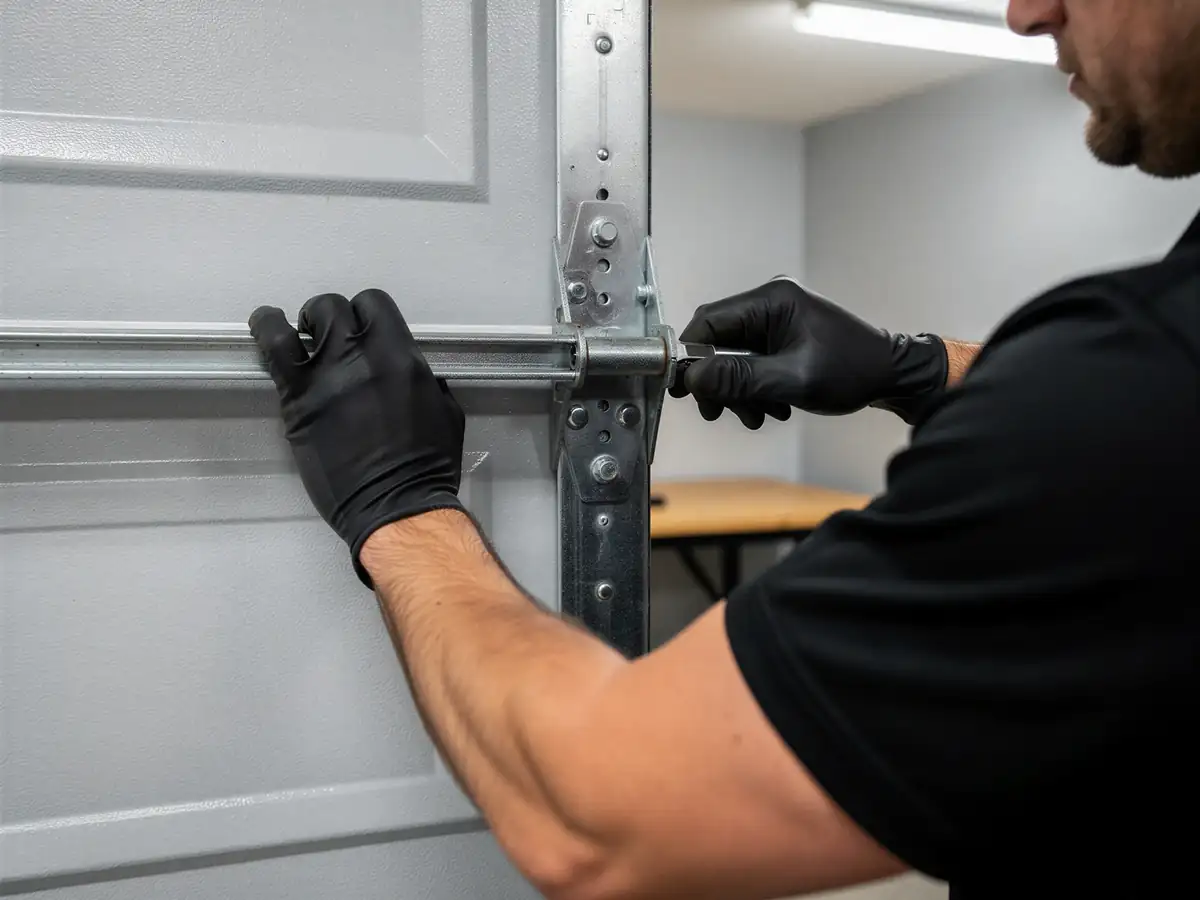
The door won't move, or it starts up and slams back down. Sometimes there's a loud bang from the garage before any of this happens - that's usually the spring letting go. On a double door, the opener may still hum and the light may still blink, but the door itself just sits there, because a torsion spring does most of the lifting work, not the motor. Houses in Bethesda built between 1938 and 2014, with the typical home dating to 1973, means a lot of original torsion springs are now pushing fifty years old. A spring rated for 10,000 cycles gets used twice a day for decades; the math catches up eventually. Less common but related: a cable that's frayed or jumped off its drum, which looks similar from the driveway but is a different repair. If you hear a bang and the door won't budge, don't force it with the opener - that strains the motor and the track mounts both. Shut the opener off at the wall and call it in.
The Cost of This Job
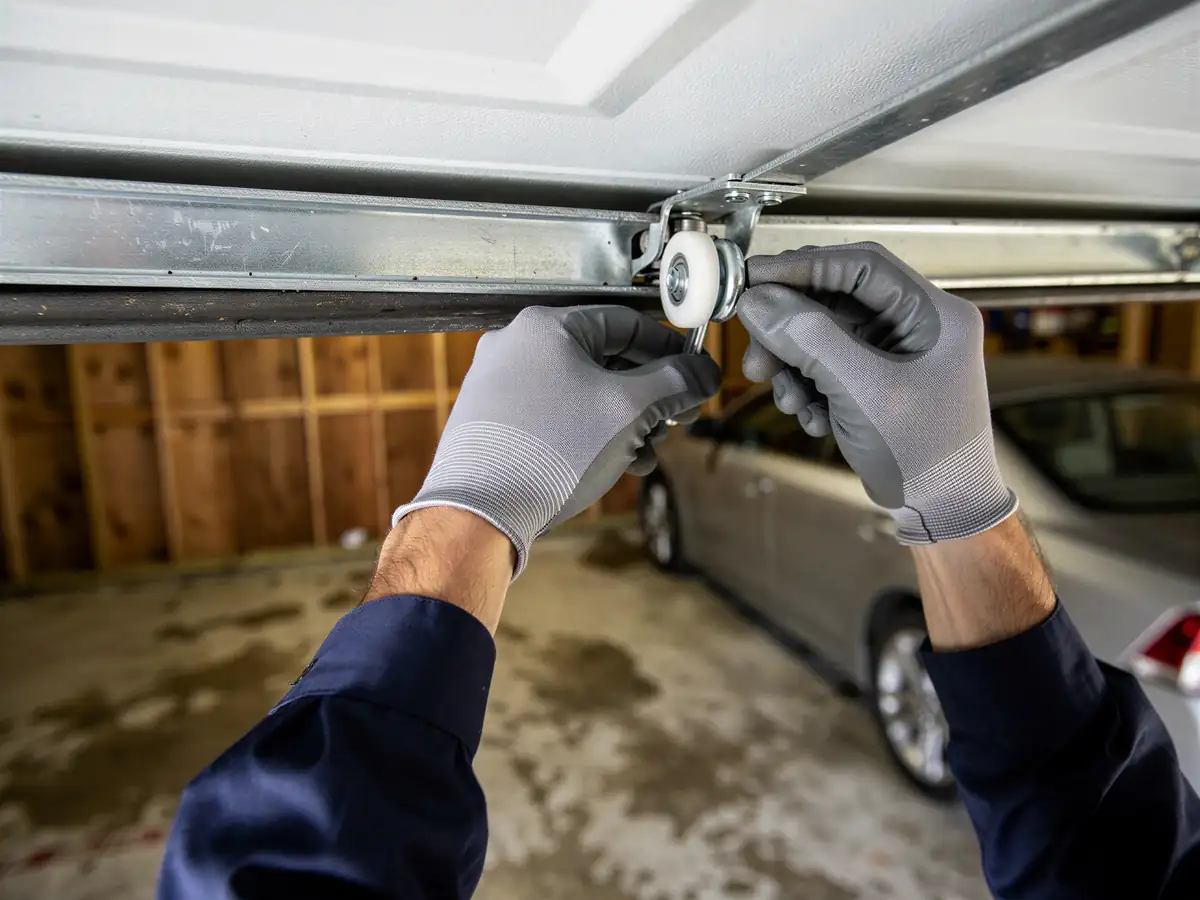
We don't publish a flat number here because spring jobs vary by door weight, spring count, and whether the cables and bearings need to come out at the same time - a single door with one spring is a different job than a heavy insulated double with two. What we can tell you is how most Bethesda owners land on the decision: with 139,247 owner-occupied houses across this service area, a good chunk of them still have the original springs sized for doors built decades before insulated steel doors became standard, and once a spring goes, the cables and rollers are usually close behind on a door that age. Median household income here is $116,255, which is part of why most owners choose a full spring and cable replacement over a patch job when the rest of the hardware is clearly on its way out too - it costs more up front but means you're not back in six months for the cables. We'll give you the real number for your door and your symptoms before any work starts, not a phone estimate.
What Causes It Around Here
Two things working against each other: old hardware and cold weather. Across neighborhoods like Chevy Chase, Brookmont, and Kensington, that 1960s-70s housing stock means doors with steel tracks and torsion springs that have never been swapped since the house was built. Spring steel doesn't fail gracefully - it fatigues gradually over thousands of cycles and then lets go all at once, usually without warning. Bethesda's winters push that failure point closer: cold makes the steel more brittle and less forgiving right as holiday guests and extra car trips mean the door is getting used more than usual. We see the call volume climb every year once temperatures drop and stay down. If your door was last serviced when the house still had its original garage hardware, the spring is older than most of the appliances in the kitchen, and it's worth having it checked before it fails on its own schedule instead of yours.