The Symptom
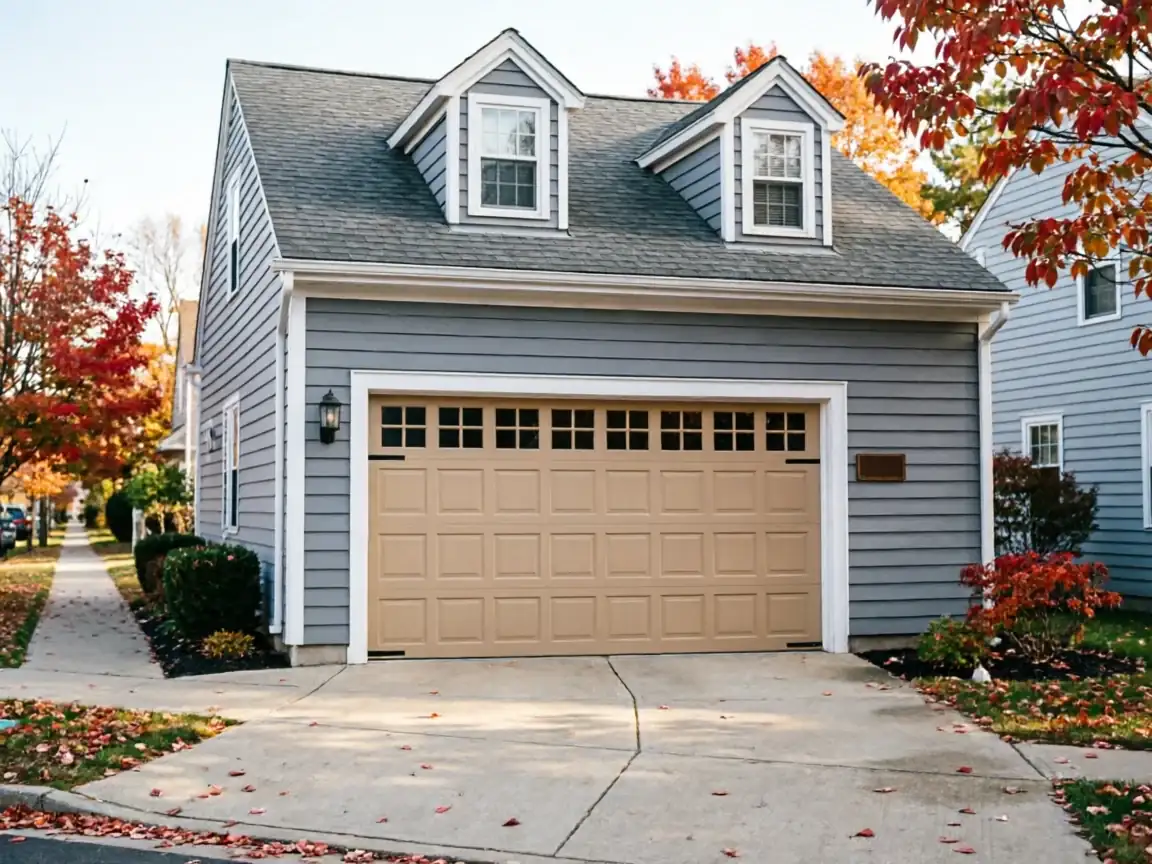
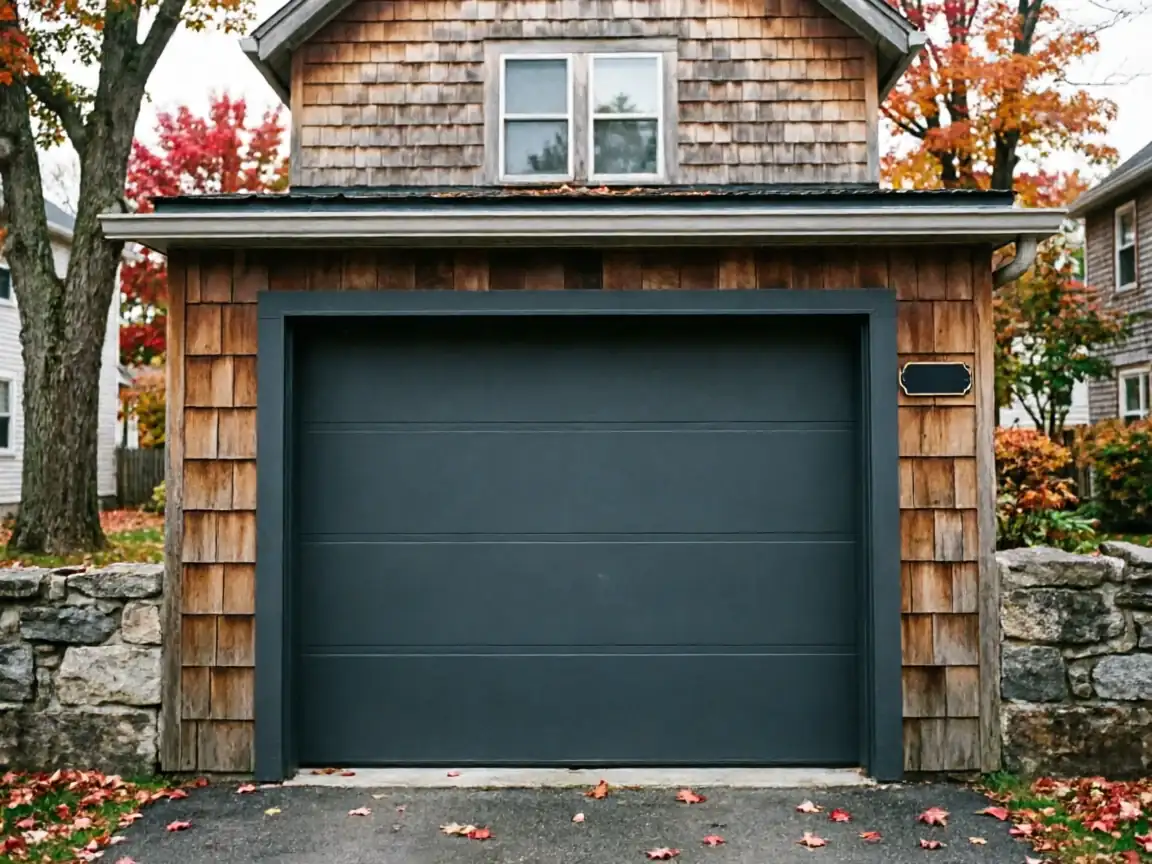
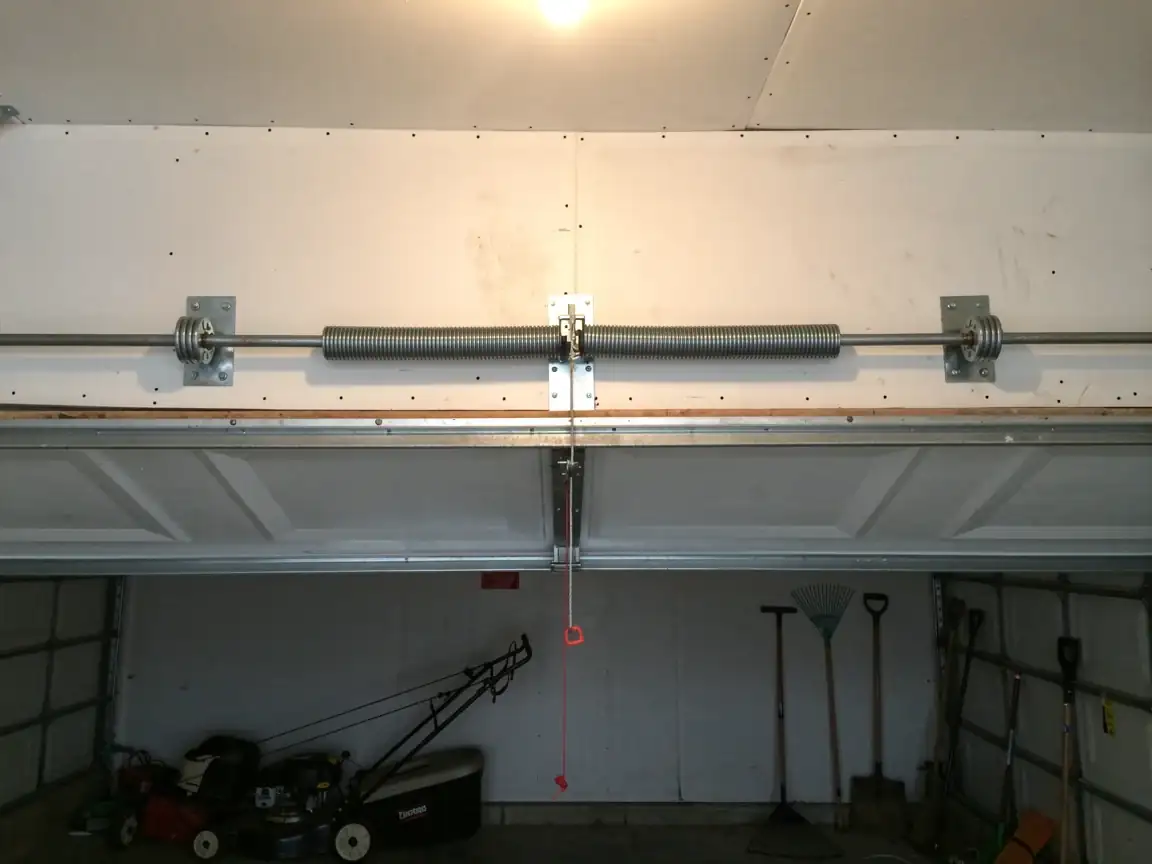
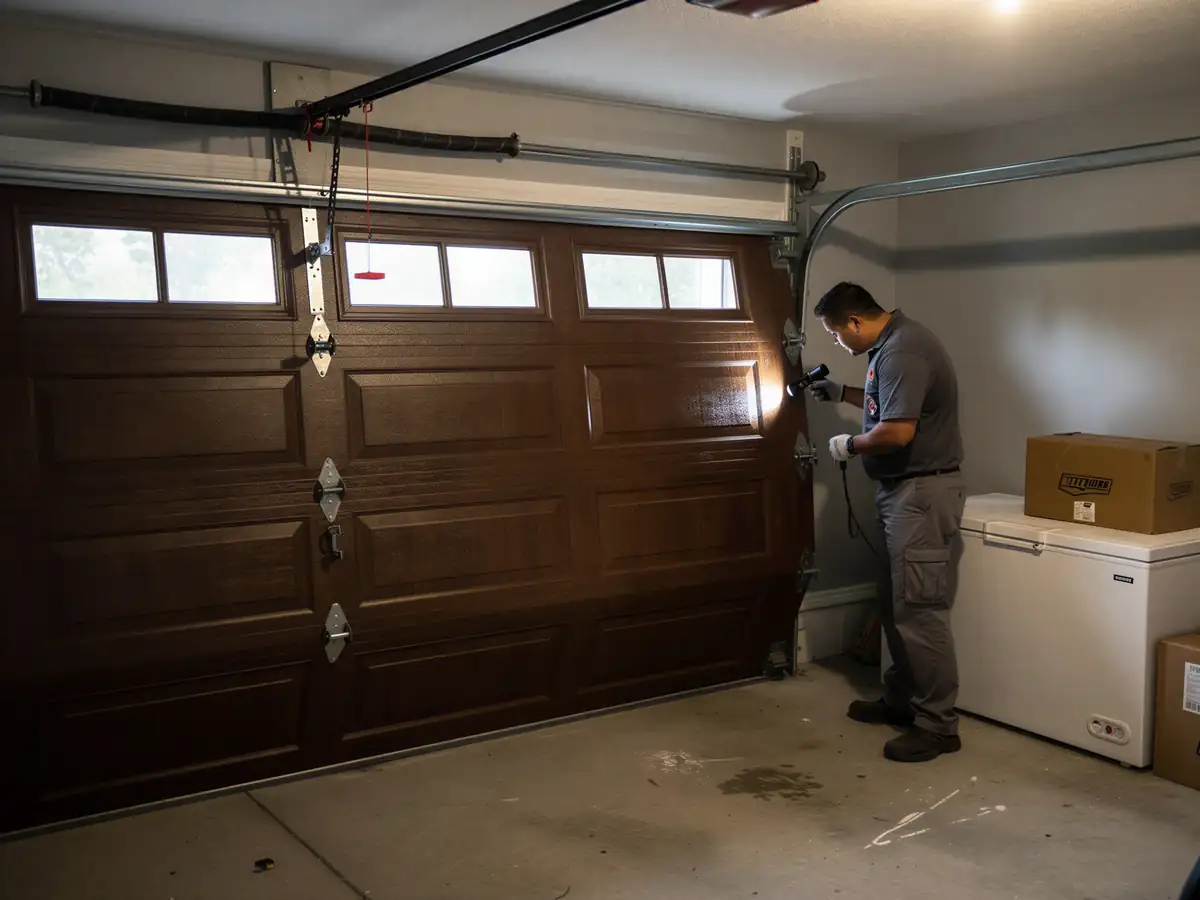
You're not here because the opener clicks funny. You're here because the door itself is done - panels bowed in at the bottom, seams rusted through where the weatherstrip used to seal, or the whole thing racking sideways in the track every time it goes up. On a lot of Bethesda houses, that's not one bad part, it's the door reaching the end of what steel or wood can do after decades outside.
Most houses in this area went up between 1938 and 2014, with the median landing around 1973, so a huge share of the original garage doors are pushing fifty years old. A door that age wasn't built to the insulation or wind-load standards used now, and it shows: cold air leaking around the bottom seal in January, panels that flex visibly in a gust, hardware holes stripped out from one too many spring replacements. If you're patching the same door a third time, that's the symptom that means install, not repair.
How Long It Takes
A straight swap - same size opening, same rough framing, no structural surprises
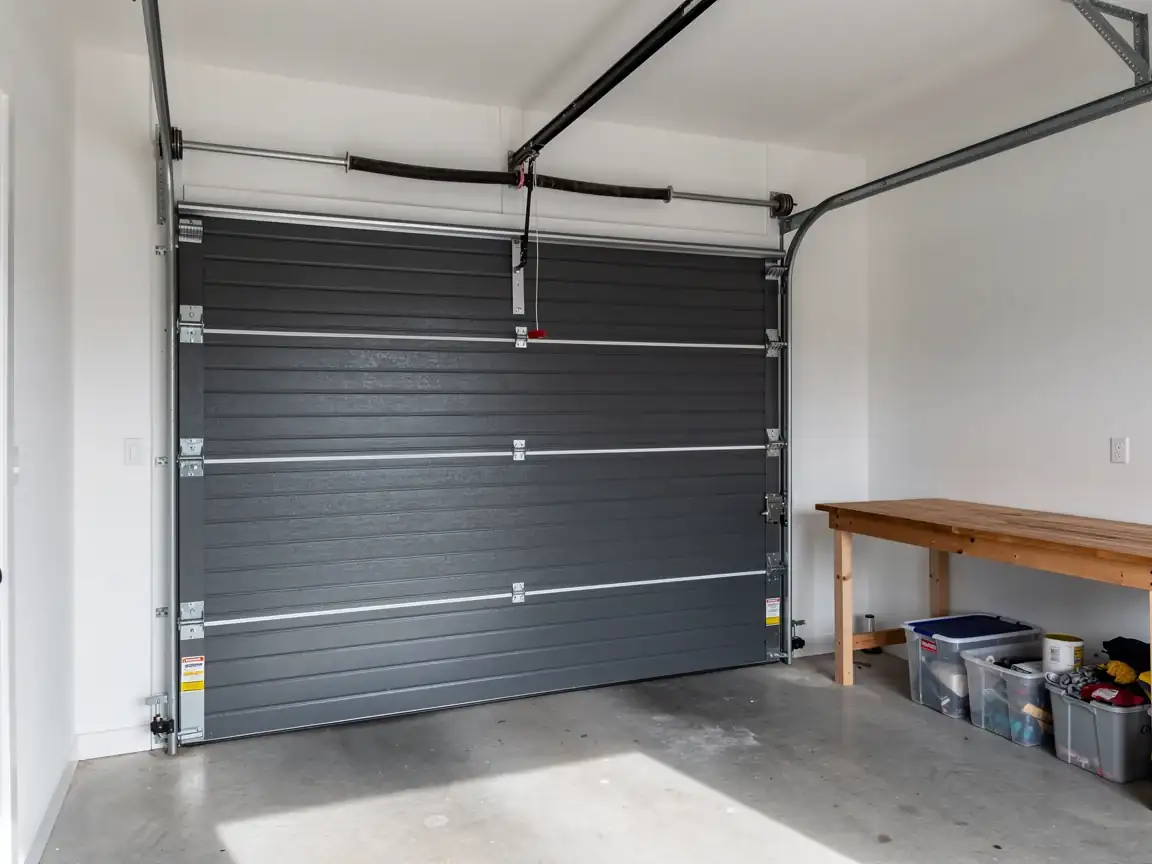
Is usually a one-day job once the door's on the truck. What adds time in Bethesda specifically is what's behind the old door. Houses from the 1960s-70s building stock that make up most of this area often have jambs and headers sized for the doors of that era, which can be narrower or shorter than what current doors and tracks expect.
When that's the case, we're not just hanging a new door, we're rebuilding the frame it sits in
Shimming, re-squaring, sometimes replacing rotted jamb stock before the door ever goes up. That adds a few hours, occasionally a half-day, depending on what we find once the old unit's off the hinges. We won't know which situation you're in until we've got the old door open and can see the framing underneath. That's the one thing we can't quote over the phone.
The Cost of This Job
We're not going to put a number here that doesn't match what you'll actually pay - every opening in this area is a little different, and giving a flat price before seeing the frame would be a guess dressed up as a quote. What we can tell you is what moves the number: door size and material, whether you want insulated panels (worth it, given the cold-winter climate here), and whether the existing jamb needs rework or can be reused as-is.
That last point matters more here than in newer construction. A lot of the housing stock dates to the 1960s and 70s, and original framing on a house that age has usually taken on some moisture damage or settling that a 2020s-built house hasn't had time to develop. If the jamb's solid, the job is simpler and cheaper. If it's soft or out of square, that's additional material and labor before the new door ever goes in. We'll tell you which one you've got before we start, not after.
What Causes It Around Here
Two things stack on top of each other in this area: old doors and cold winters. With housing built between 1938 and 2014 and a median year around 1973, a big share of garage doors here are original or close to it - single-layer steel or old wood doors that were never built with a thermal break. Every winter freeze-thaw cycle works the seams a little looser, and every one after that works them looser still.
Across the neighborhoods we cover - Chevy Chase and Brookmont close in, out through Kensington, Wheaton, and Garrett Park, up to Washington Grove - the bulk of the garage doors date to that same 1960s-70s construction wave. That's not a coincidence of one street, it's the whole area having been built out in roughly the same window. Cold-climate swings crack old seals and warp thin steel panels faster than a mild climate would, which is why the failure shows up as a full door replacement here more often than a simple part swap.