The Symptom
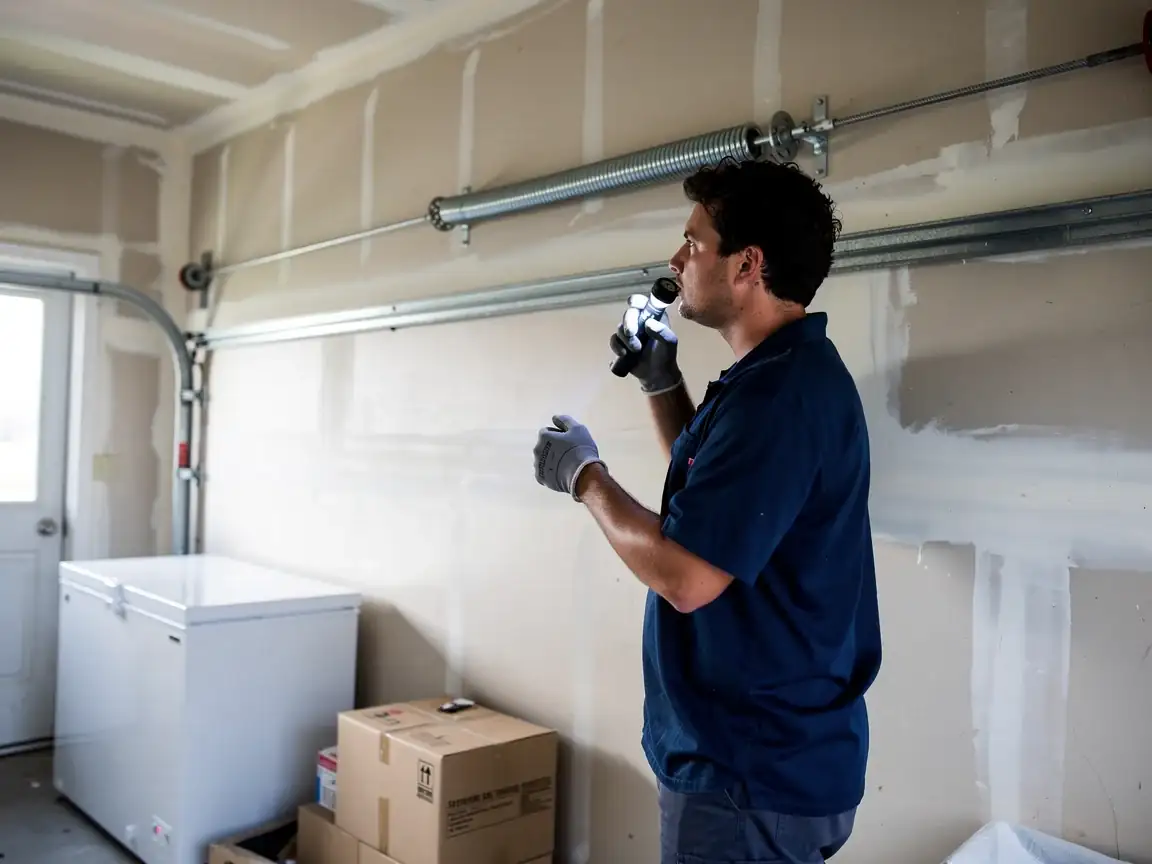
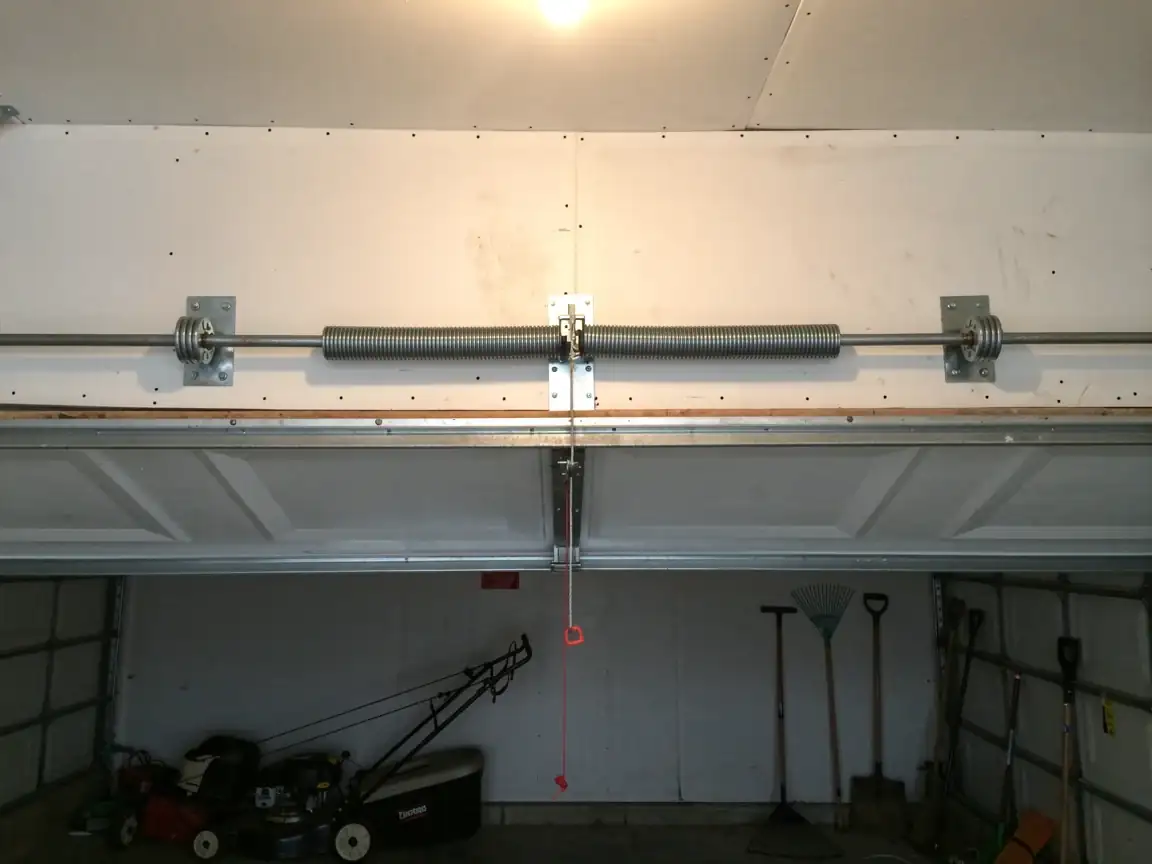
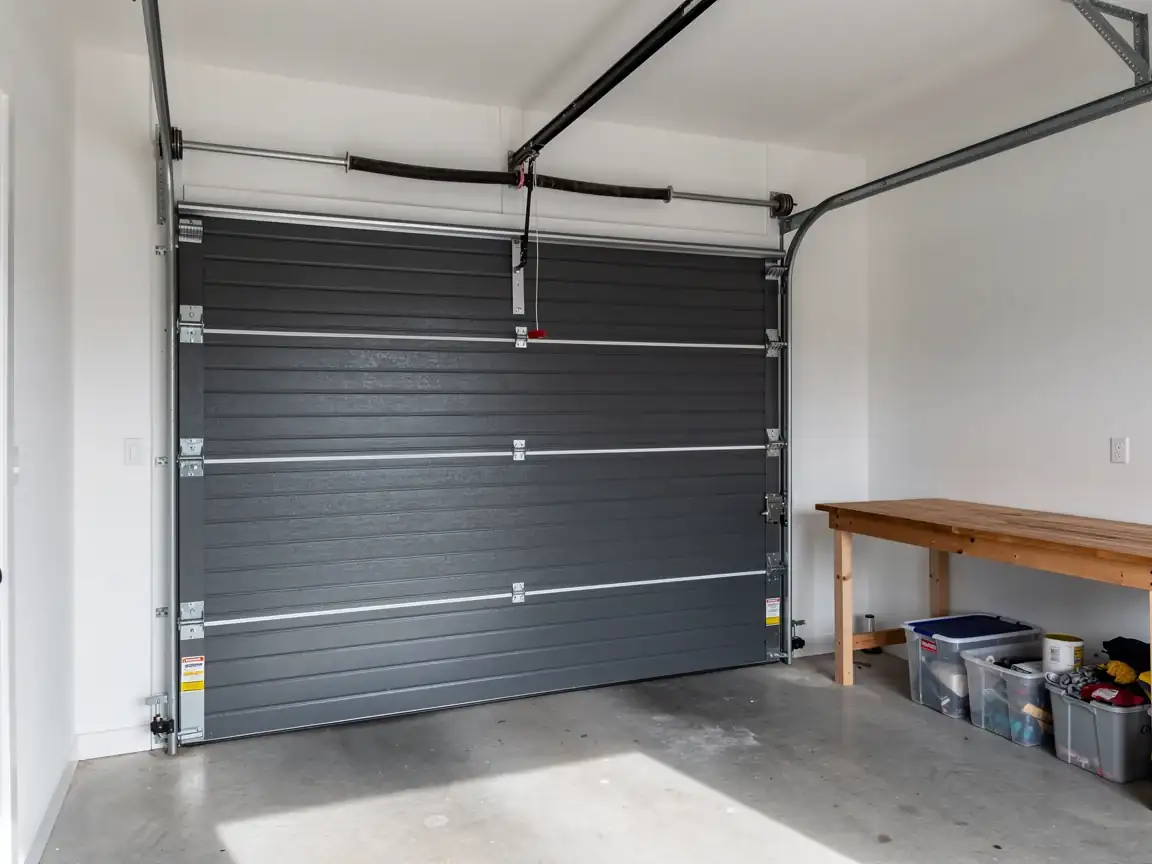
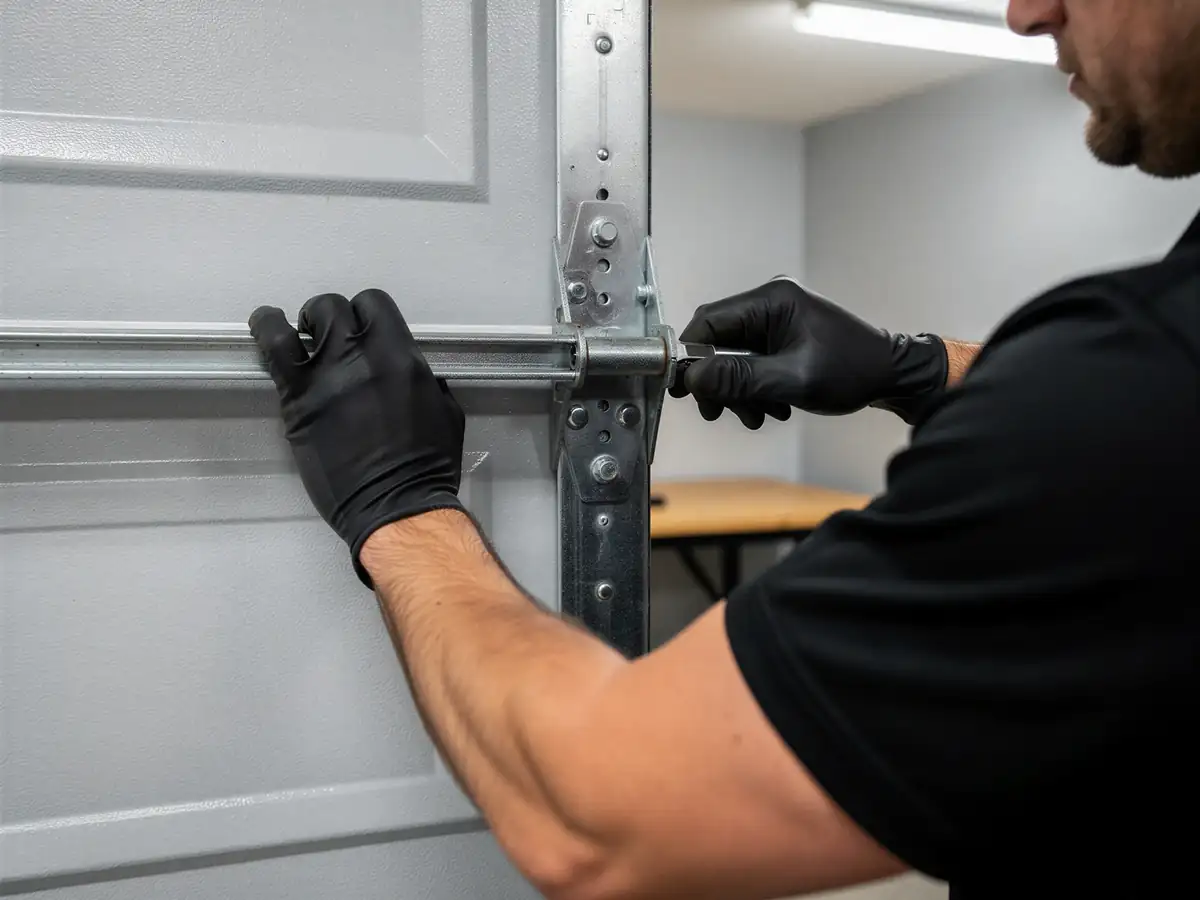
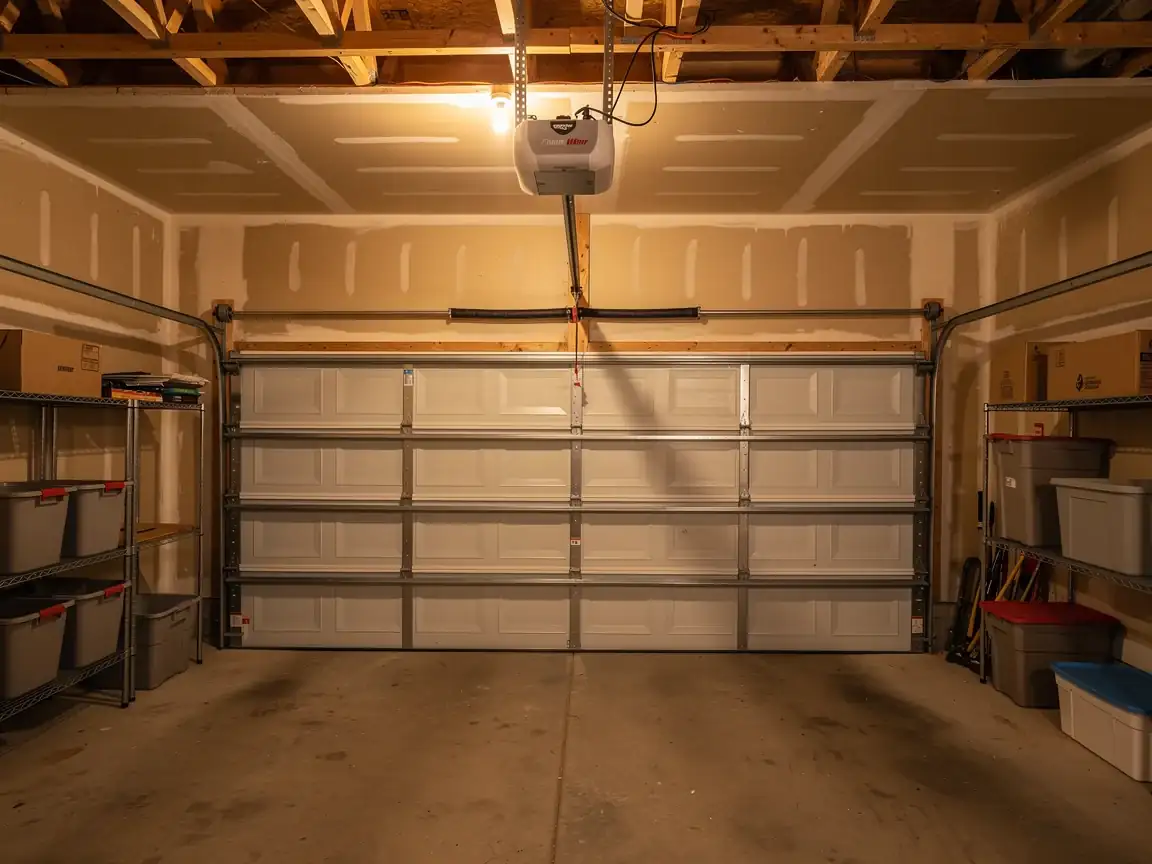
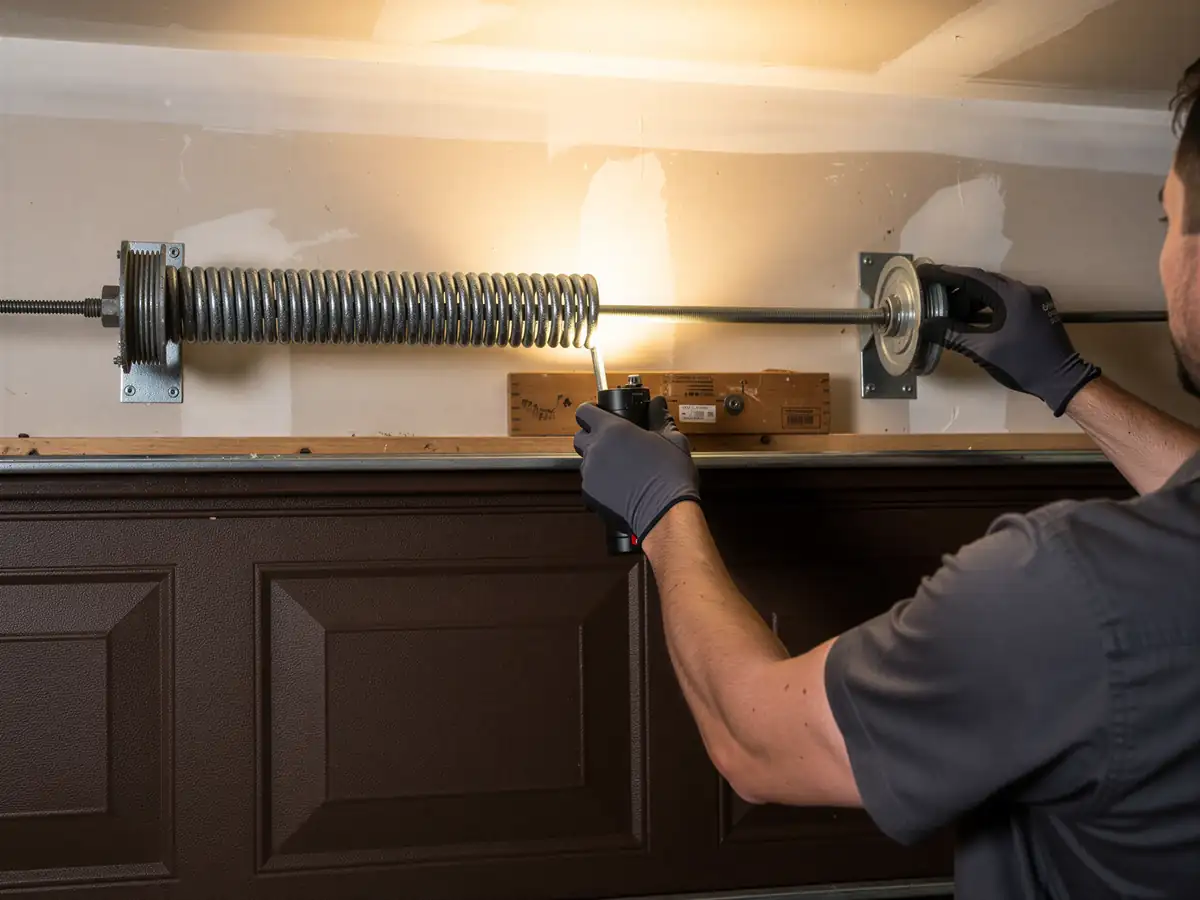
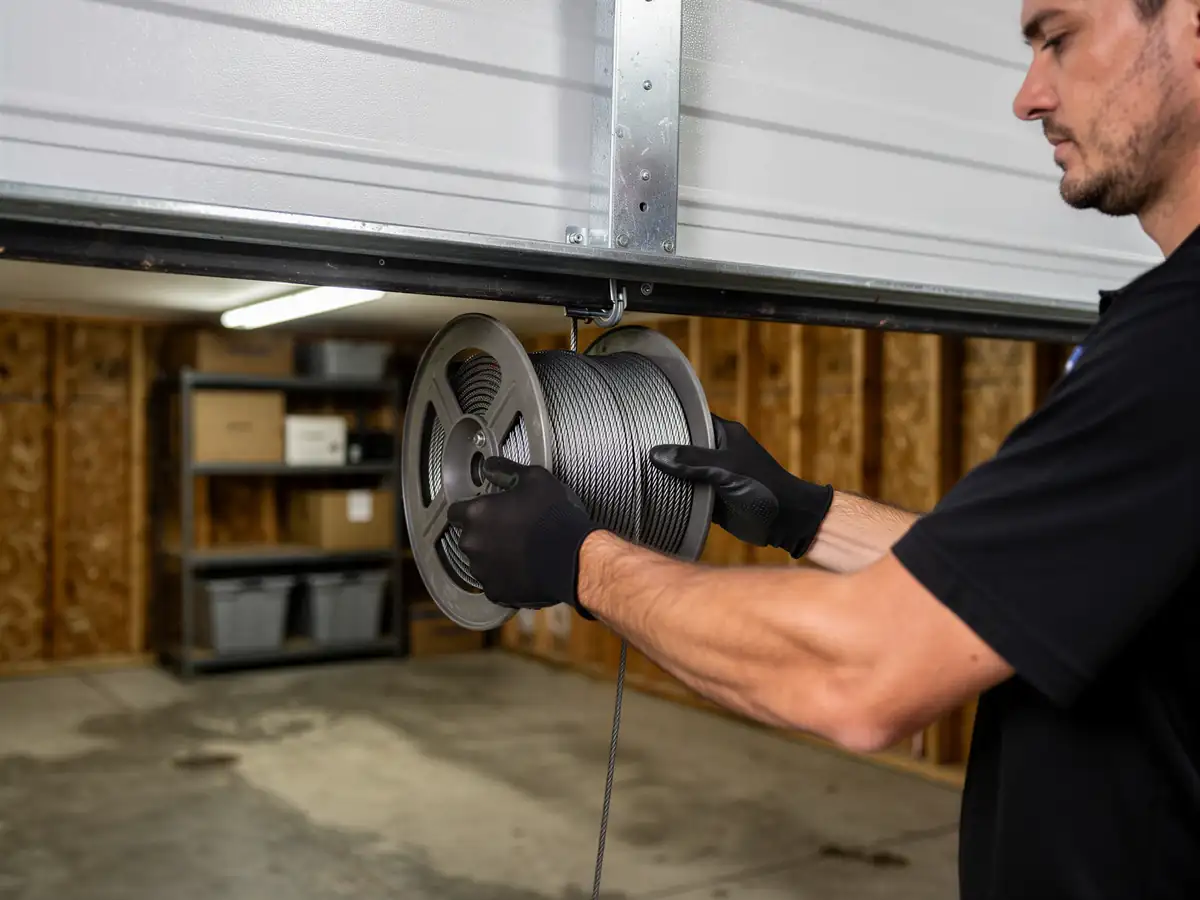
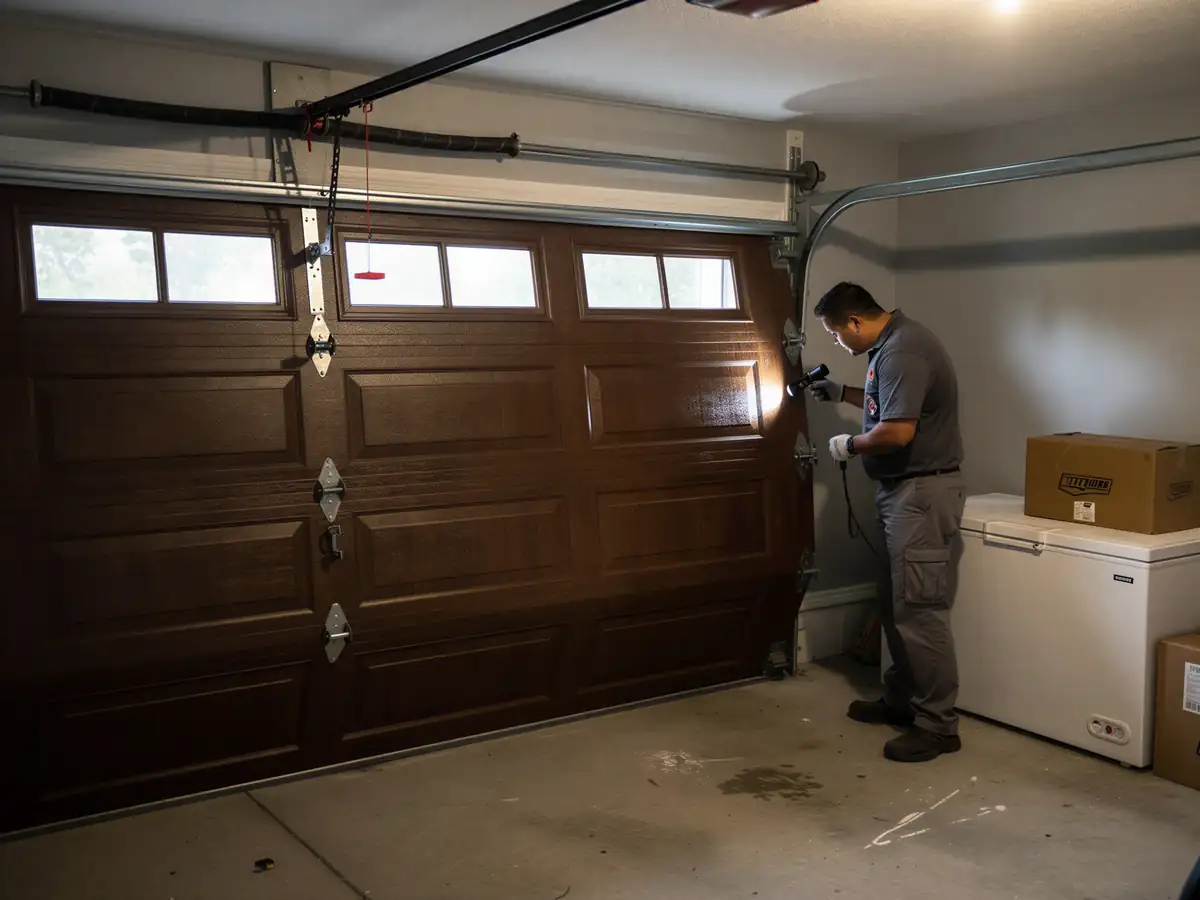
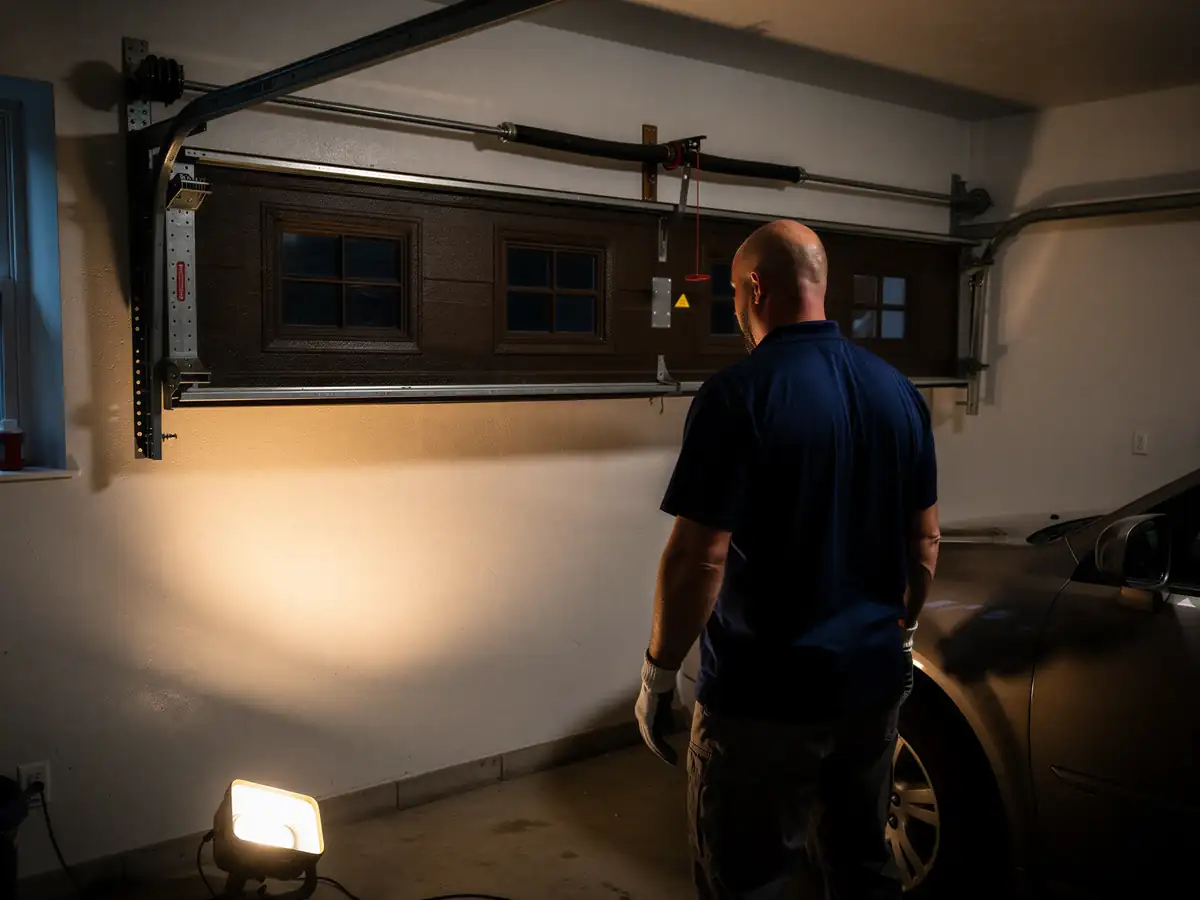
The call we get most is a door that won't move, or one that's moving wrong. A door stuck halfway up usually means a broken torsion spring - you'll hear a bang from the garage sometime before it, often overnight when the temperature drops. A door that reverses right after it touches the floor is a safety sensor or a limit setting, not a spring, and it's a different repair entirely. A door that's heavy to lift by hand, grinding, or hanging crooked on one side points to a cable off the drum or a bent track, not the opener.
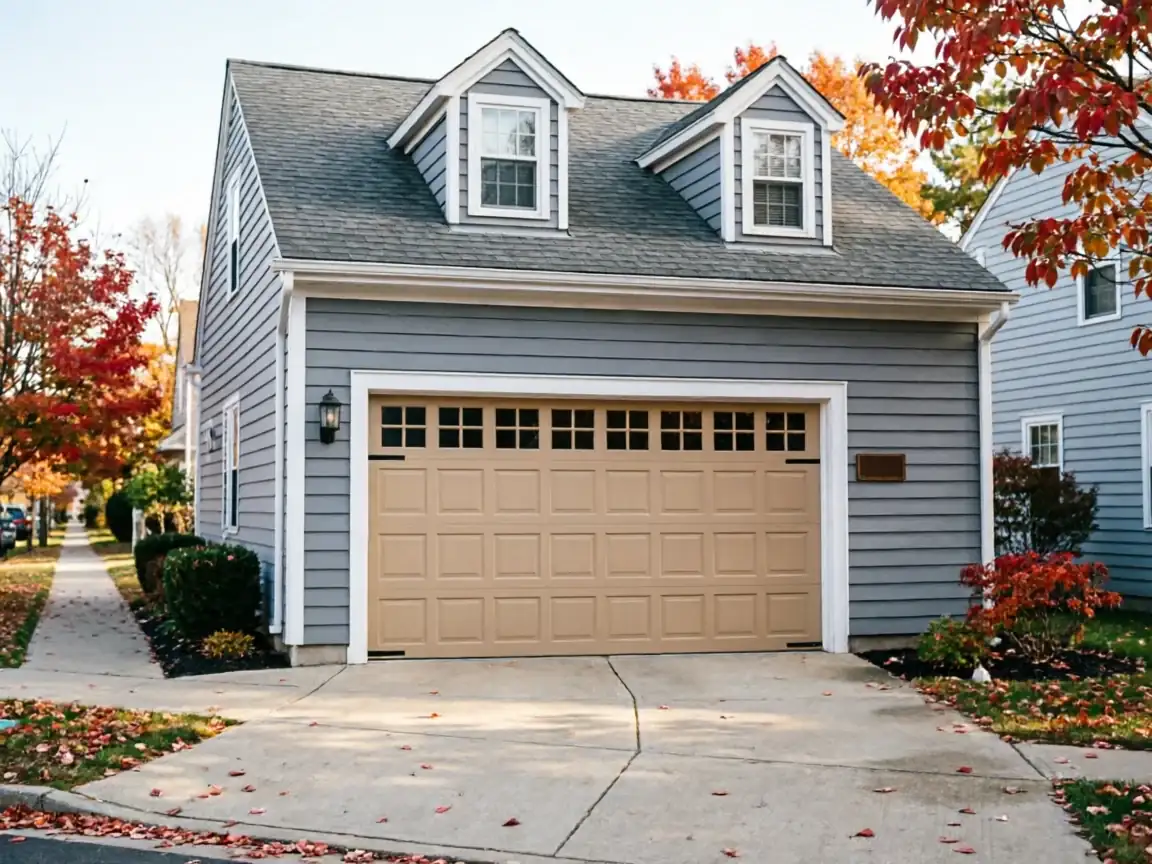
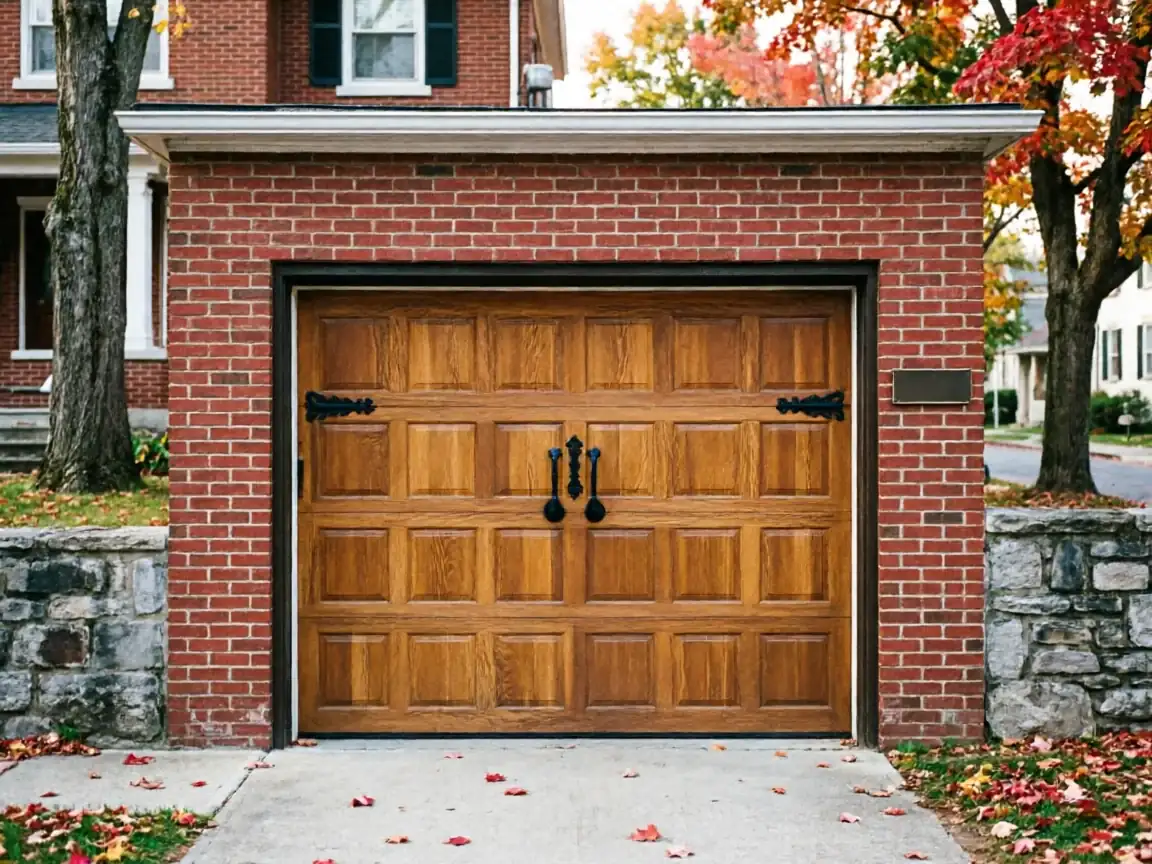
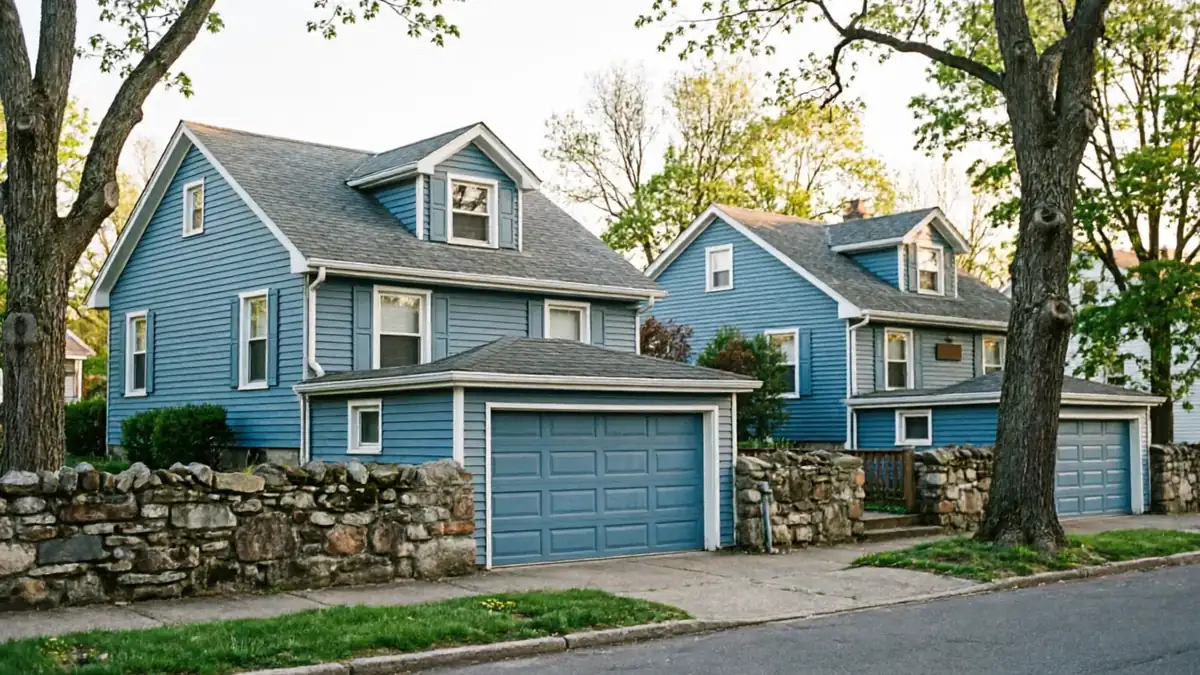
In this market, a lot of these calls trace straight back to the age of the door hardware, not the door itself. Houses here run from 1938 up through 2014, with the bulk of the stock dating to the 1960s and 70s across the towns we work in - Chevy Chase, Kensington, Wheaton, and the rest. A door that age has been cycled tens of thousands of times on springs that were never meant to last forever, and most owners don't know a spring has a rated cycle life until it lets go. If your door is original to a house from that era, treat any new noise as a warning, not a nuisance.
How Long It Takes
A straightforward torsion spring replacement on a standard double door
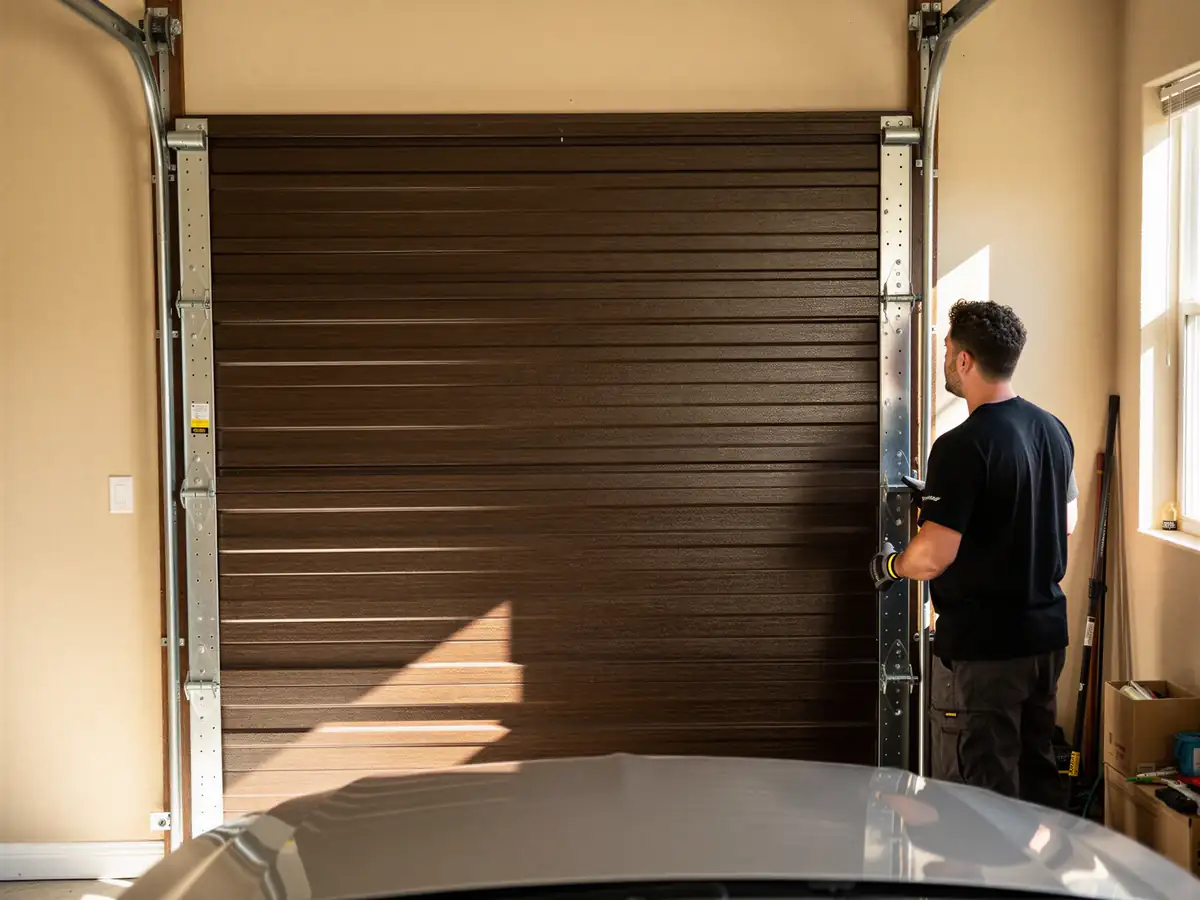
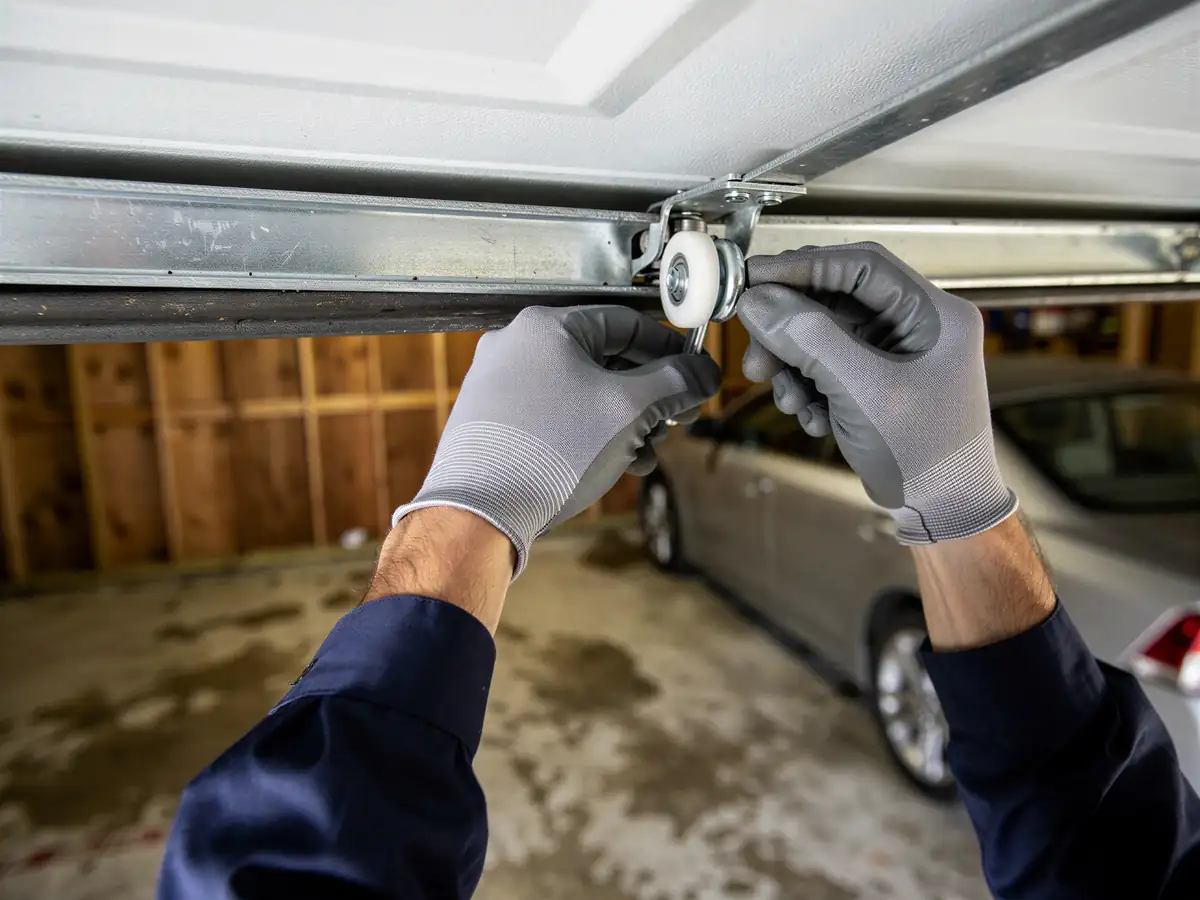
With the right spring already on the truck, usually runs under an hour once the tech is on site. A cable or roller swap is similar. What slows a job down is almost always the hardware itself - 1960s and 70s track systems and some older one-piece doors use mounting hardware and spring sizes that newer trucks don't stock as a matter of course, because the newer standard sizes replaced them decades ago. If your house falls into that older third of the stock, expect the diagnosis to take a few extra minutes while the tech confirms exactly what's on the door before cutting a new spring to match.
Opener issues - a dead circuit board, a stripped gear, a failed logic board
Take longer to diagnose than to fix, because the tech has to rule out the simple stuff (power, remote battery, sensor alignment) before replacing a part. We won't swap an opener board on a guess.
The Cost of This Job
We don't publish a flat number for this job because the two things that drive the price - the spring size and the door weight - vary by door, not by town. A 16-foot double door on an insulated steel panel costs more in spring tension than a single-car wood door, and that difference shows up in the quote before any truck rolls.
What we can tell you is what tends to push a job to the higher end around here: original hardware on a house built before the mid-1970s, when spring and drum sizes weren't yet standardized the way they are now, sometimes means a part has to be matched rather than pulled off the shelf. That's the one honest limitation on same-day work - if your door uses a spring size that isn't common stock, we may need to source it, and we'll tell you that on the phone before we commit to a window, not after we're standing in your driveway.
What Causes It Around Here
Two things matter more here than almost anywhere else: the age of the housing and the climate. This area is rated for a cold, severe winter climate, and steel torsion springs lose tensile flexibility as metal contracts in sustained cold. That's why the loudest bang-and-stop failures cluster on the first hard freeze of the season and again after a deep cold stretch in January - the spring was already near the end of its cycle life, and the cold is what finishes it.
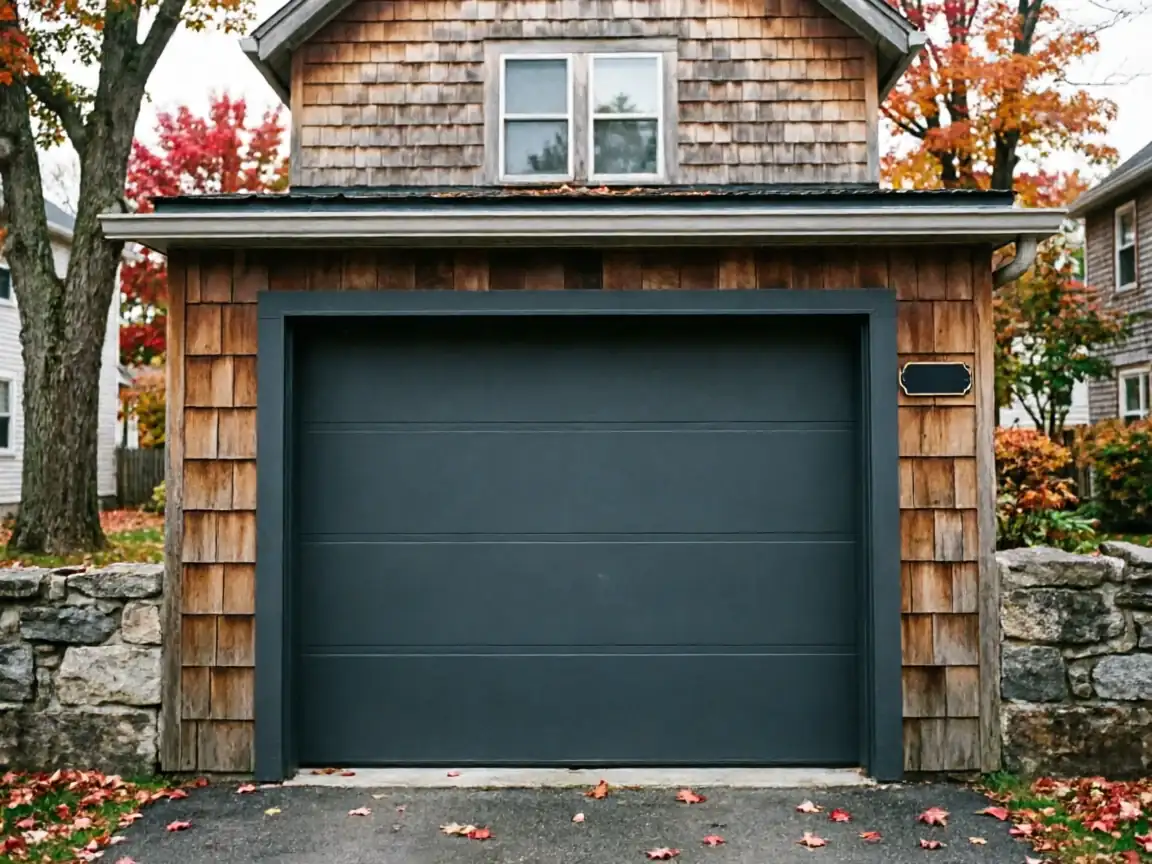
Layer that onto a housing stock where a large share of homes were built in the 1960s and 70s, with a scattering going back to 1938, and you get doors whose hardware has simply aged out. A spring rated for roughly 10,000 cycles doesn't care how well the door was maintained - it fails on a schedule, and a lot of doors in this area are overdue. Original one-piece doors and early sectional doors on side-mounted track also use mounting patterns that differ from what ships on new doors today, which is part of why matching hardware exactly matters more here than it would on newer construction.