The Symptom
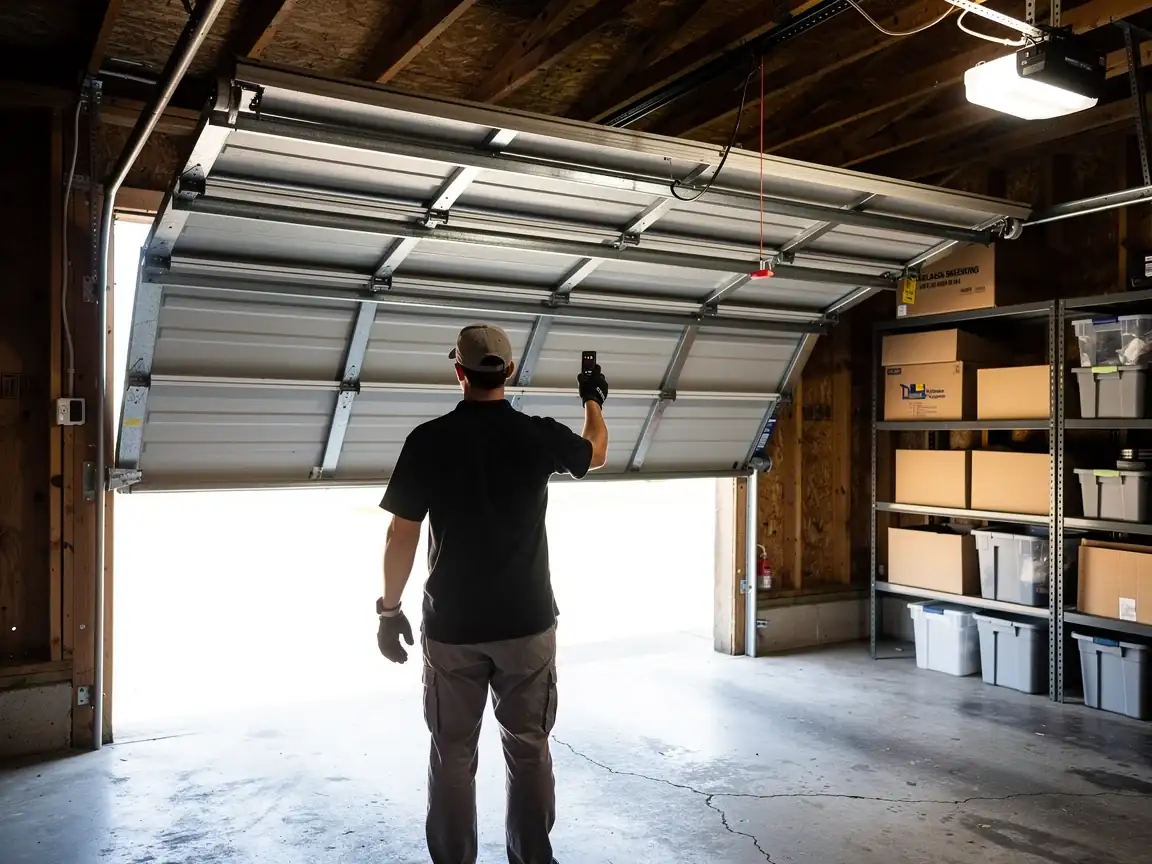
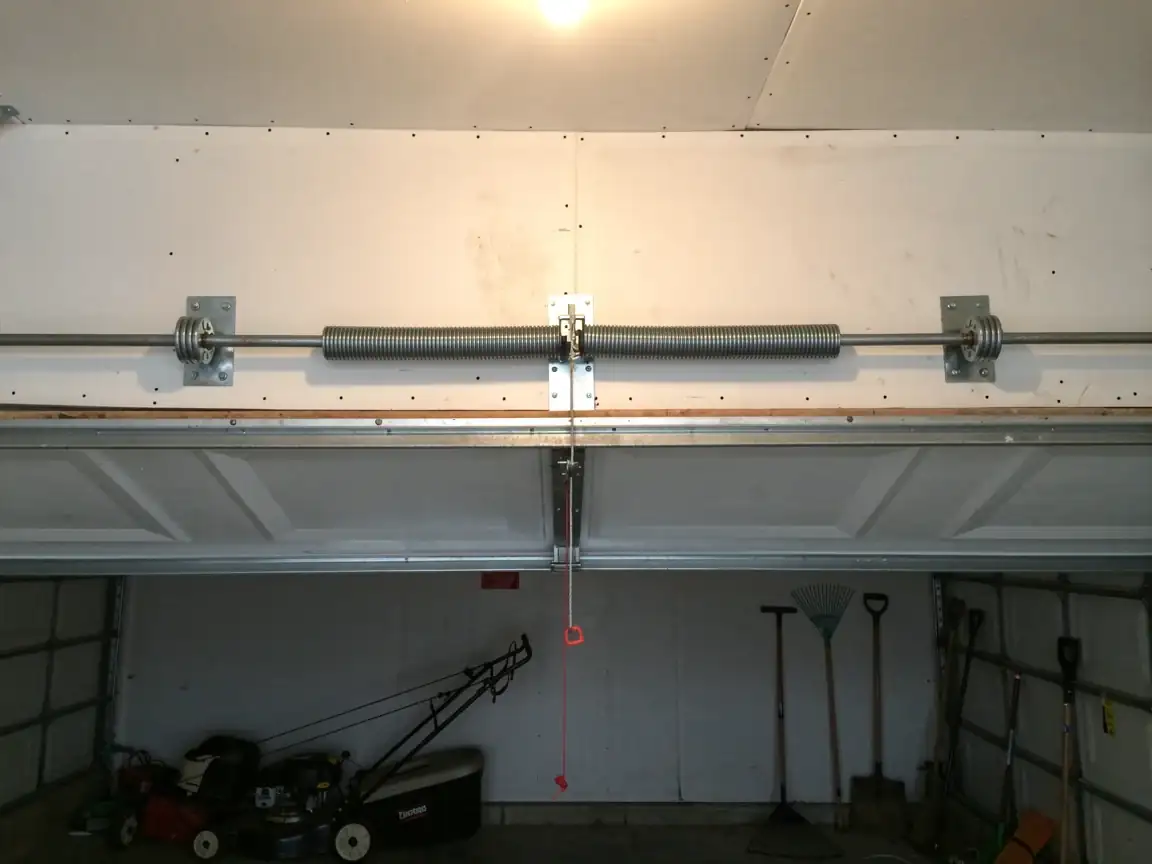
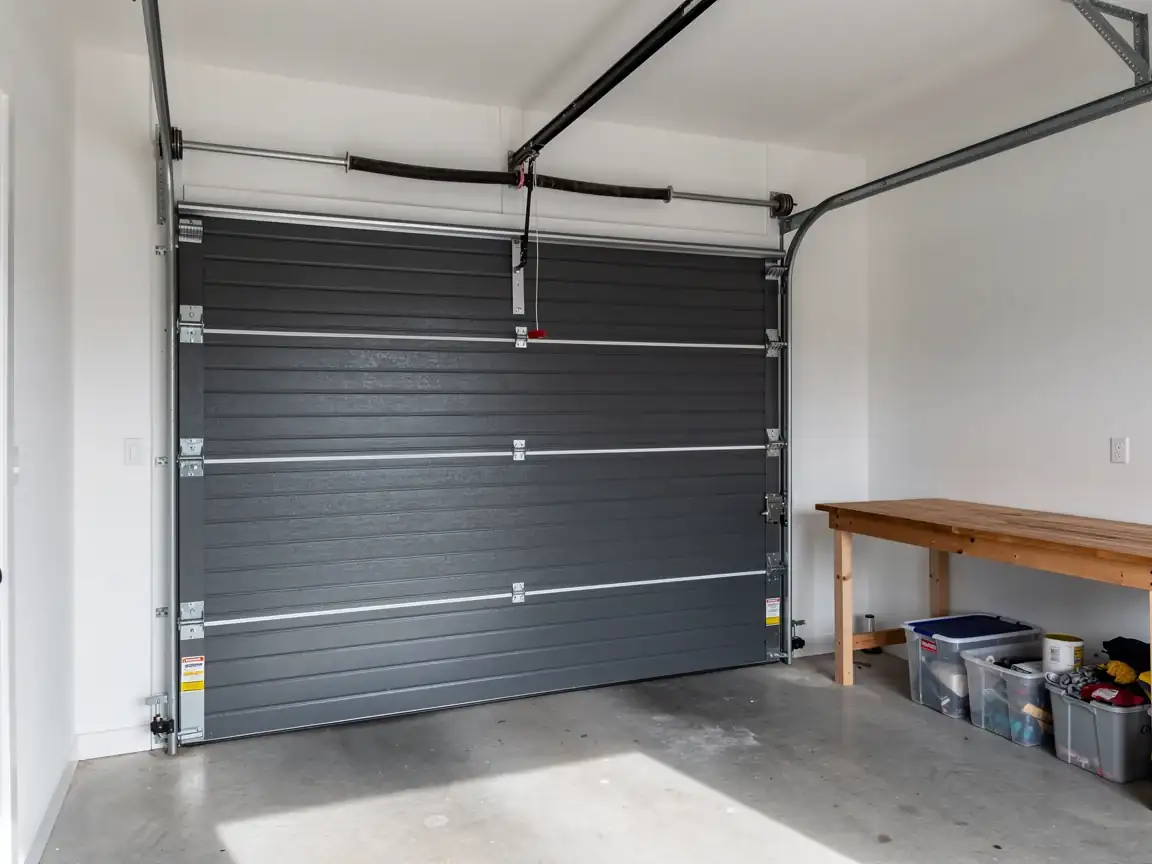
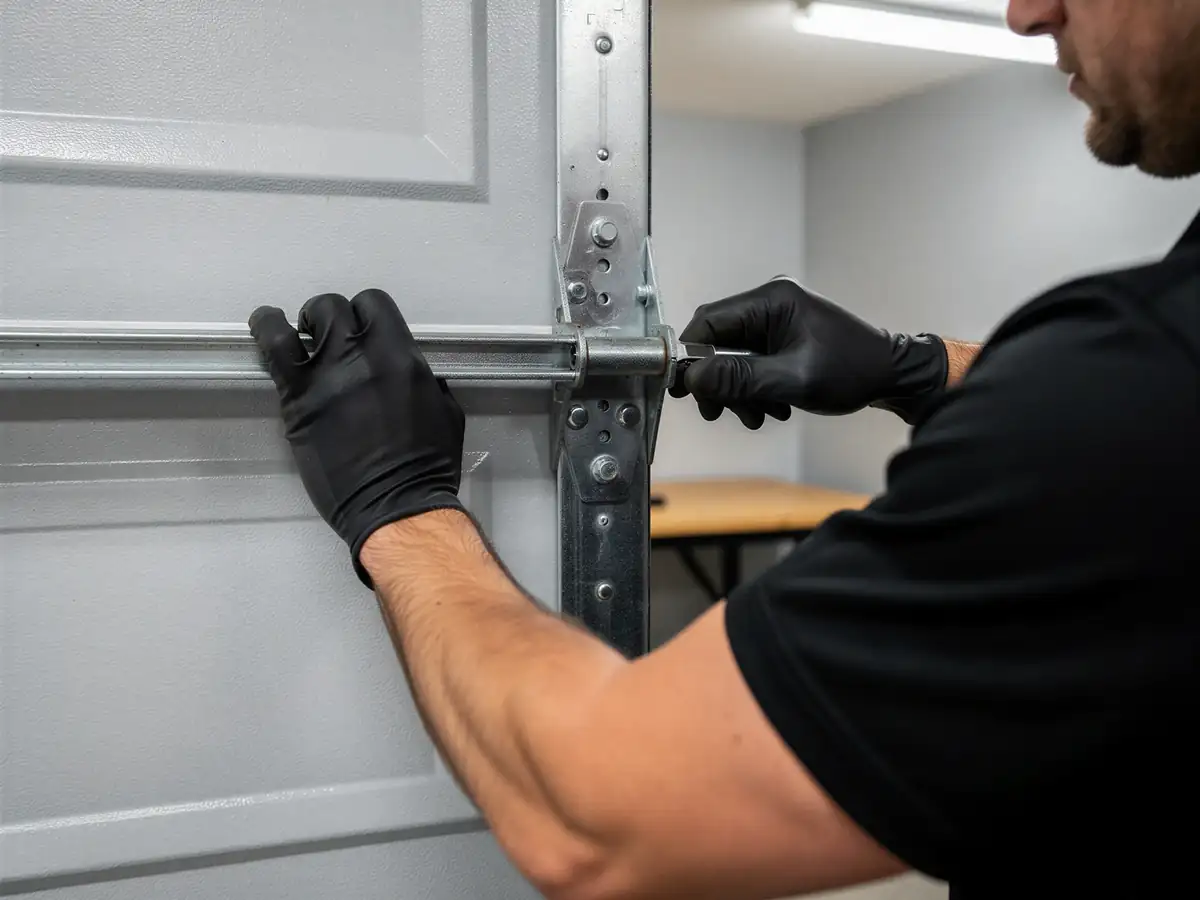
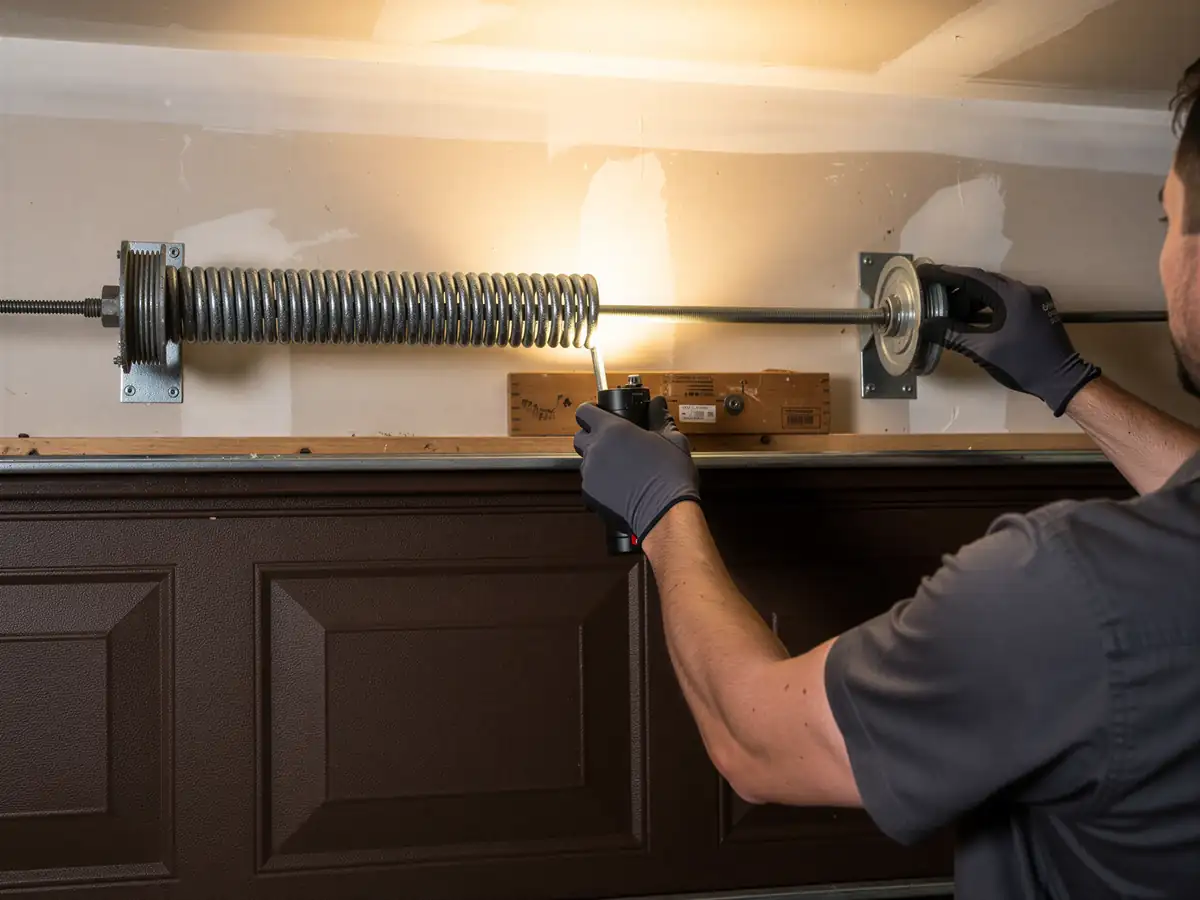
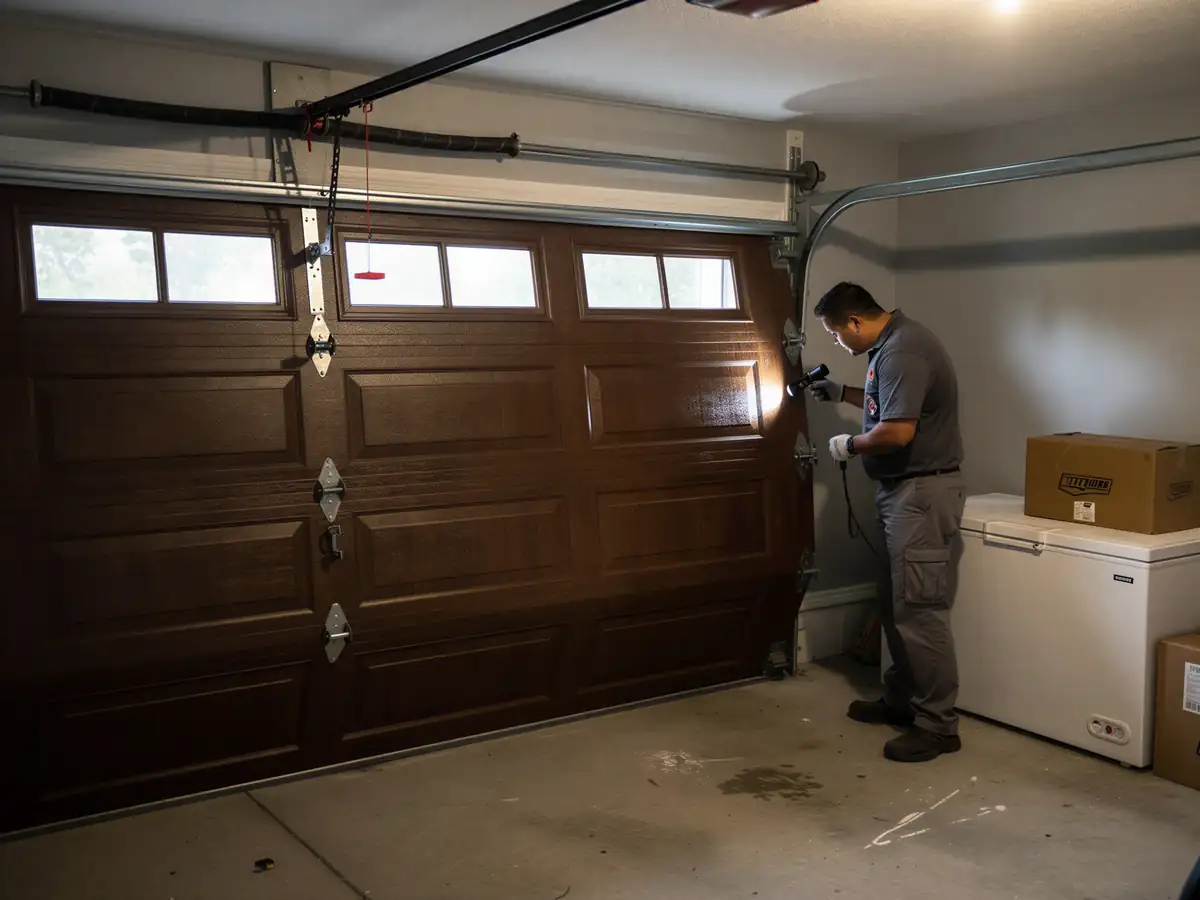
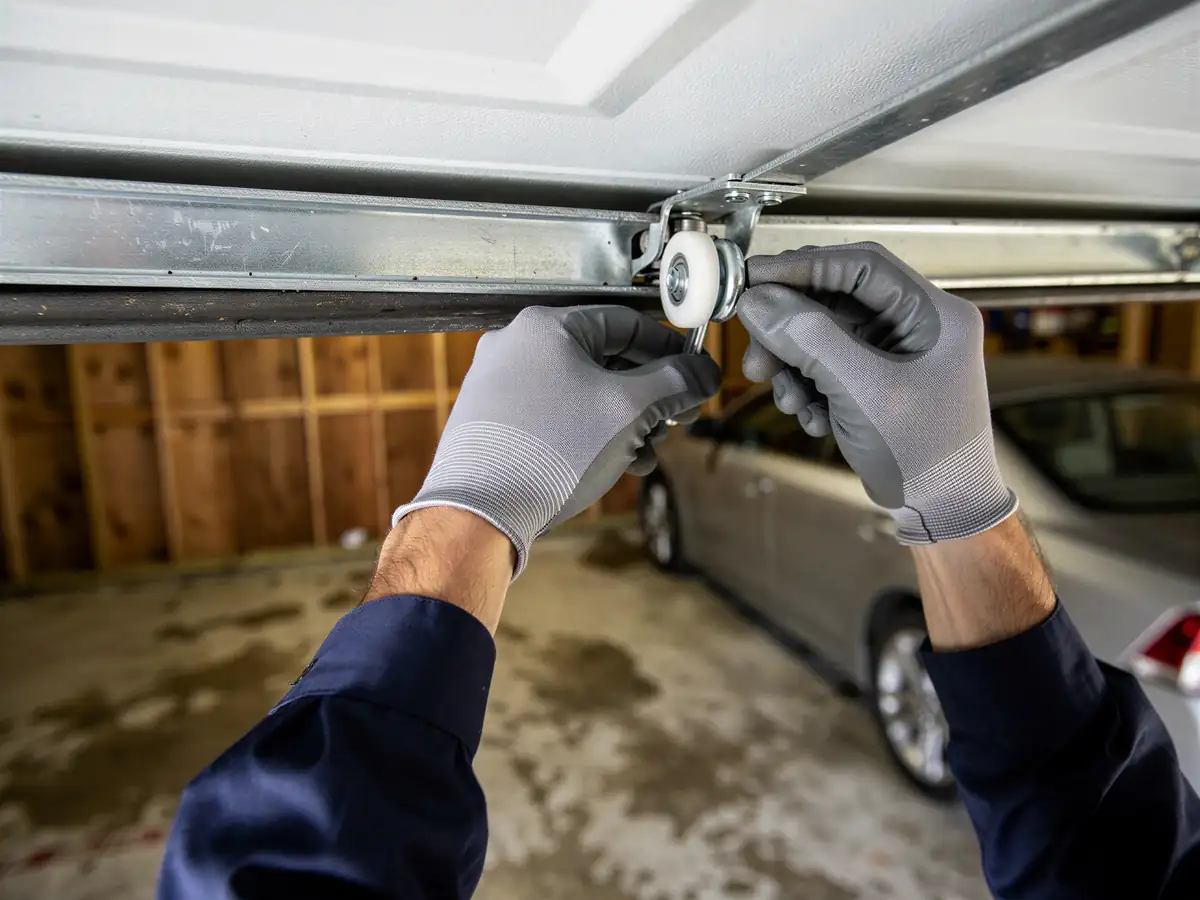
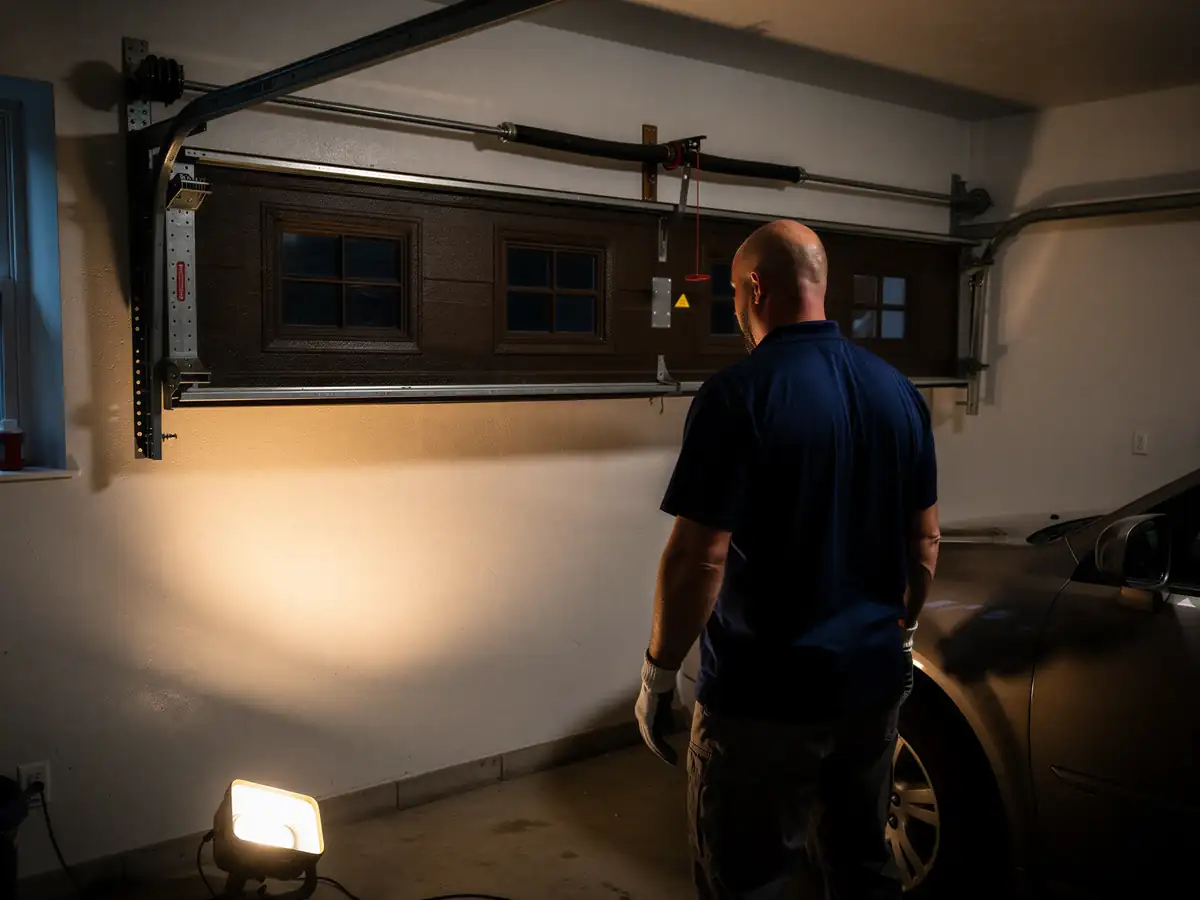
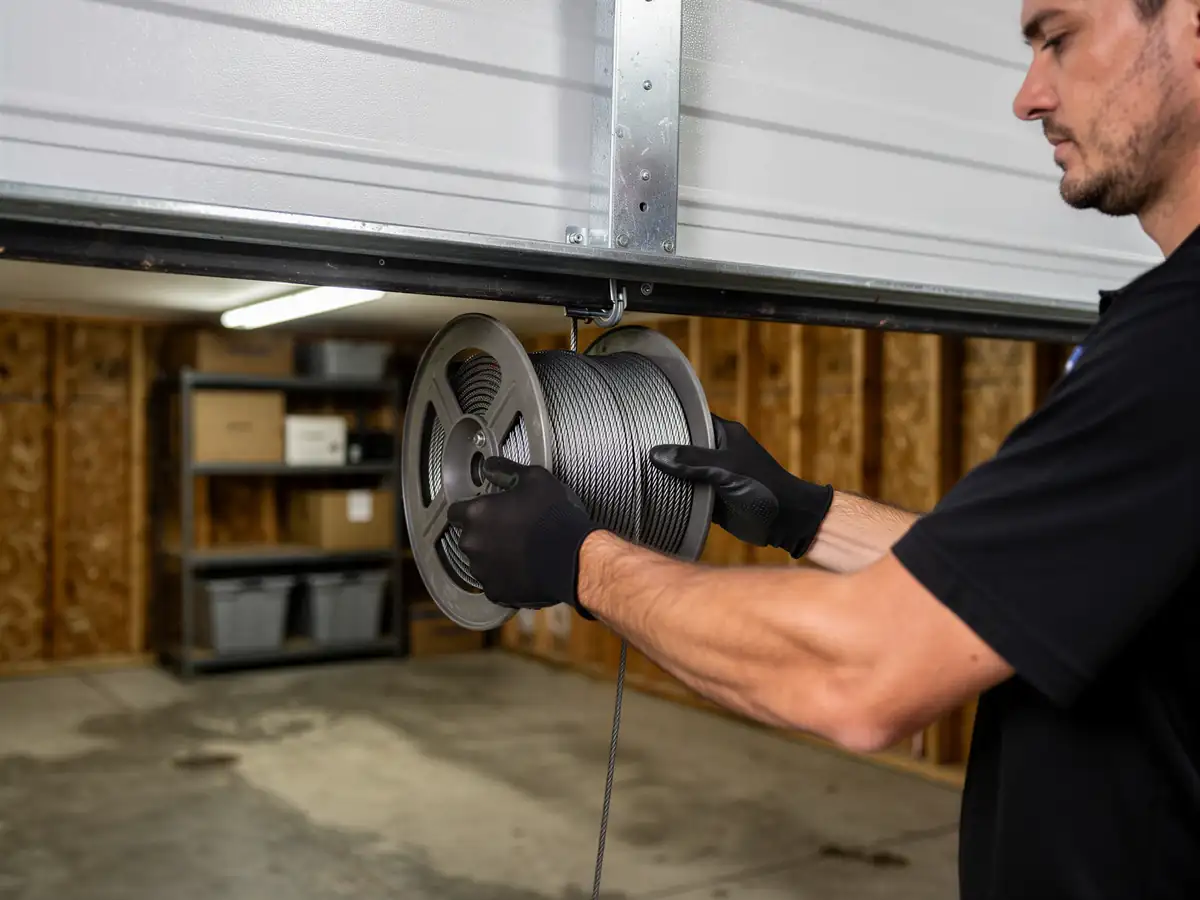
A cable failure on a garage door almost never happens without warning, even when it feels sudden. One side of the door drops faster than the other when you hit the opener, or the door hangs crooked in the track with a visible gap at one bottom corner. Sometimes you'll find a thin braided cable lying loose on the floor of the garage, frayed strands sticking out like a broken guitar string. On a torsion-spring setup, a snapped lift cable can let the door slam down hard on one side, which is the point where people call us instead of trying to force the door open again. If the opener still runs but the door won't budge, or budges only a few inches before stalling, that's often the cable binding on a drum rather than a clean break. Either way, this isn't a job to keep testing with the opener button. Running a garage door on a damaged cable stresses the opposite cable and the spring system, and turns a one-cable repair into a full hardware replacement. If your door is heavy - a double-wide insulated door especially - don't lift it by hand once a cable has let go. We handle this as a standalone repair, not a sales pitch for a new door, because most of the time a cable swap is exactly what the job needs and nothing more.
The Cost of This Job
We don't publish a flat price for cable repair because the cost depends on whether it's one cable or a pair, standard-length or an oversized door, and whether the drum or bottom bracket needs replacing along with the cable itself. What we can tell you is what drives the number up or down: door width, spring type (torsion versus extension), and how much of the surrounding hardware got pulled or bent when the cable snapped. A household income median above six figures across this service area means a lot of homes here carry insulated, heavier-than-standard doors, and heavier doors load their cables harder - which can mean a slightly thicker gauge cable and a different price point than a lighter door would need. We'll quote the job once we've seen the drums, not before.
What Causes It Around Here
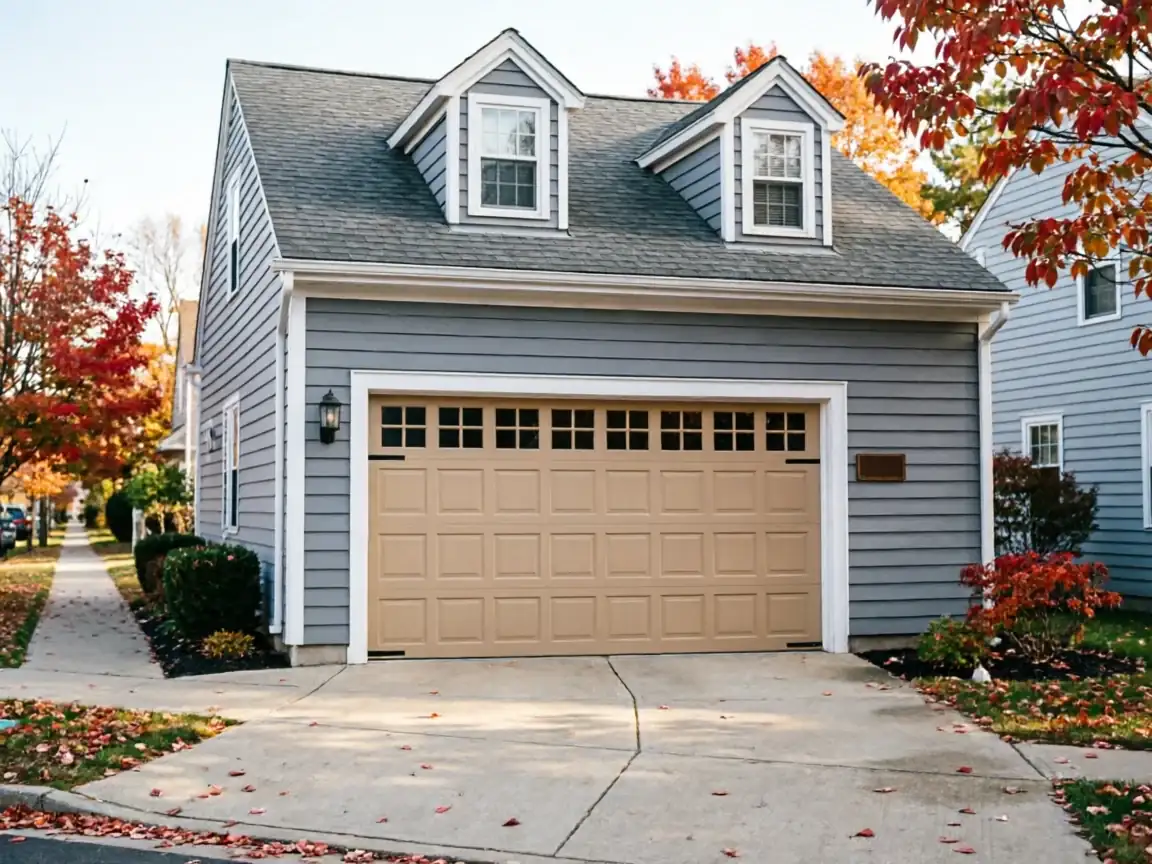
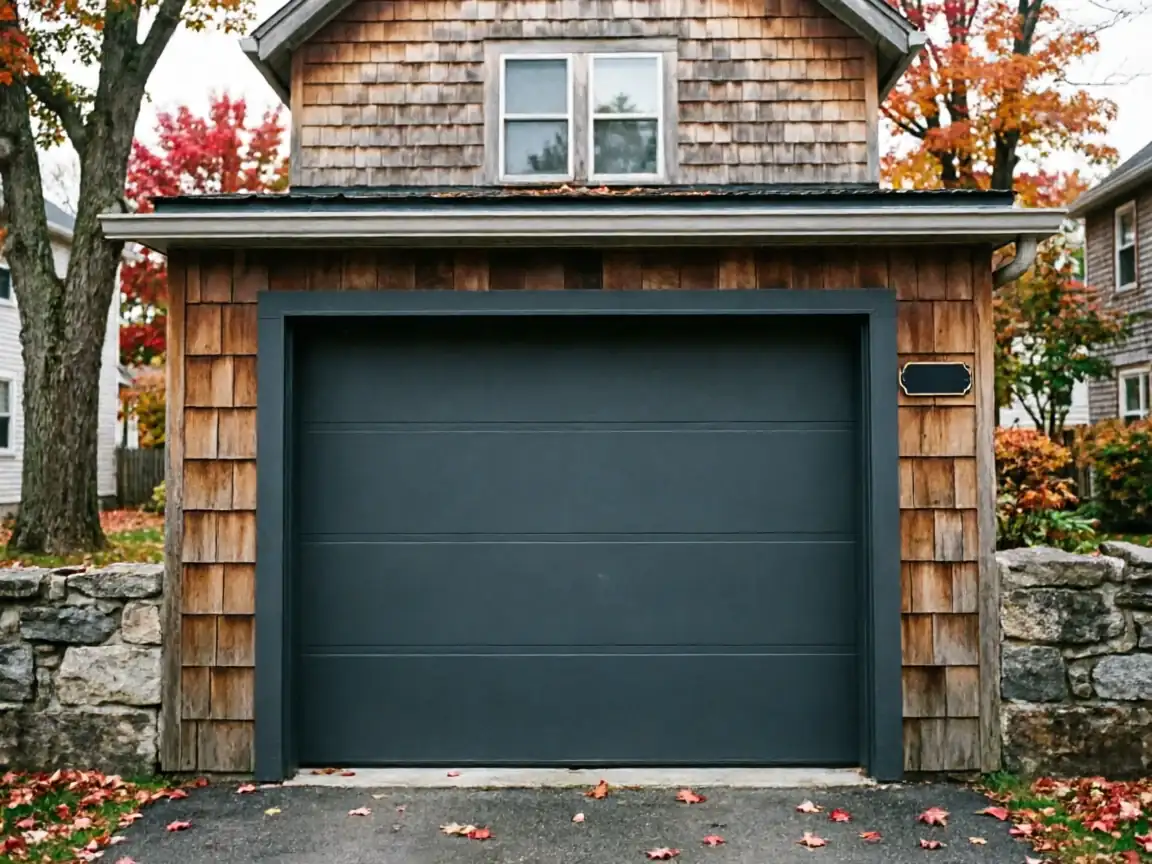
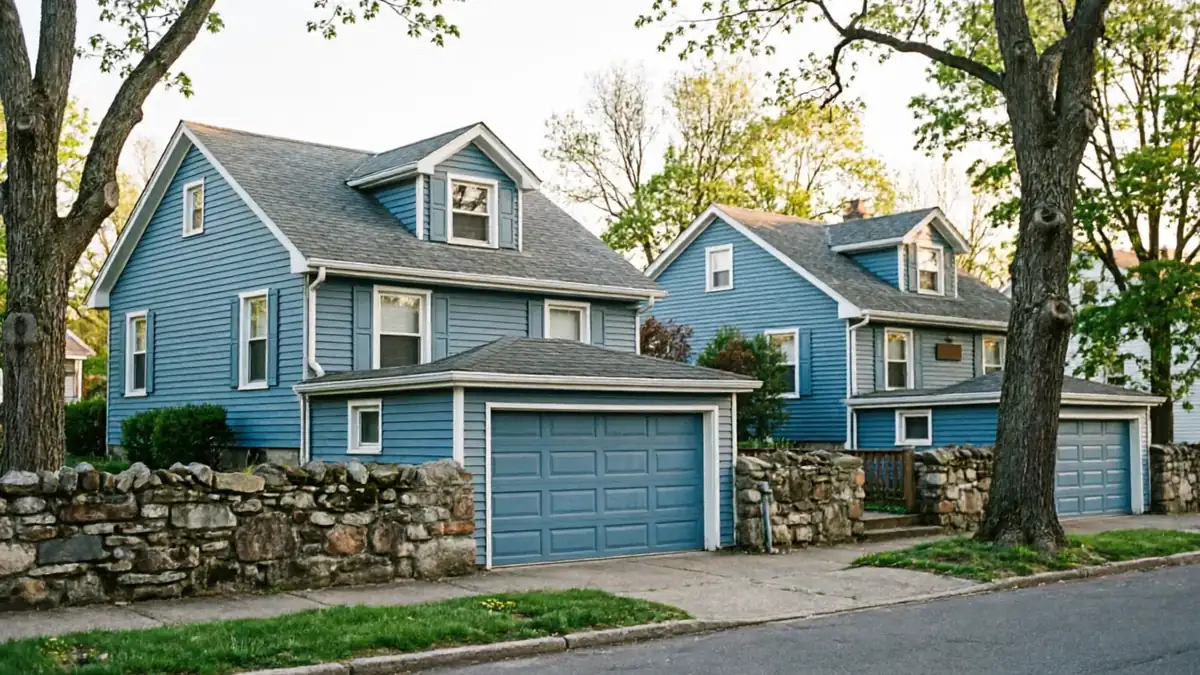
Most of the housing stock in this part of Maryland went up between 1938 and 2014, with a lot of it clustering in the 1960s and '70s across the many small named communities we cover - Chevy Chase, Kensington, Garrett Park, Takoma Park, Wheaton, and dozens more within a short drive of Bethesda. Garage doors on houses from that era are commonly on their second or third cable set by now, and a fair number still have original drums and tracks that were never upgraded when the cable was last replaced. Add a cold-climate winter to that mix - freeze-thaw cycles that stiffen cable lubricant and make metal more brittle at the exact moment a cable is already worn thin - and late winter is when we see the most snapped cables across this whole service area. Galvanized cable doesn't rust through overnight, but decades of temperature swings between a cold garage and a warmer house wall take a toll on the zinc coating, and once that coating goes, the strands underneath fray fast. None of that means every old cable is about to fail. It means the odds climb steadily on any door that's a few decades old and hasn't had its cables inspected recently, which describes a large share of the homes in the communities we serve.