What the Housing Means for Your Door
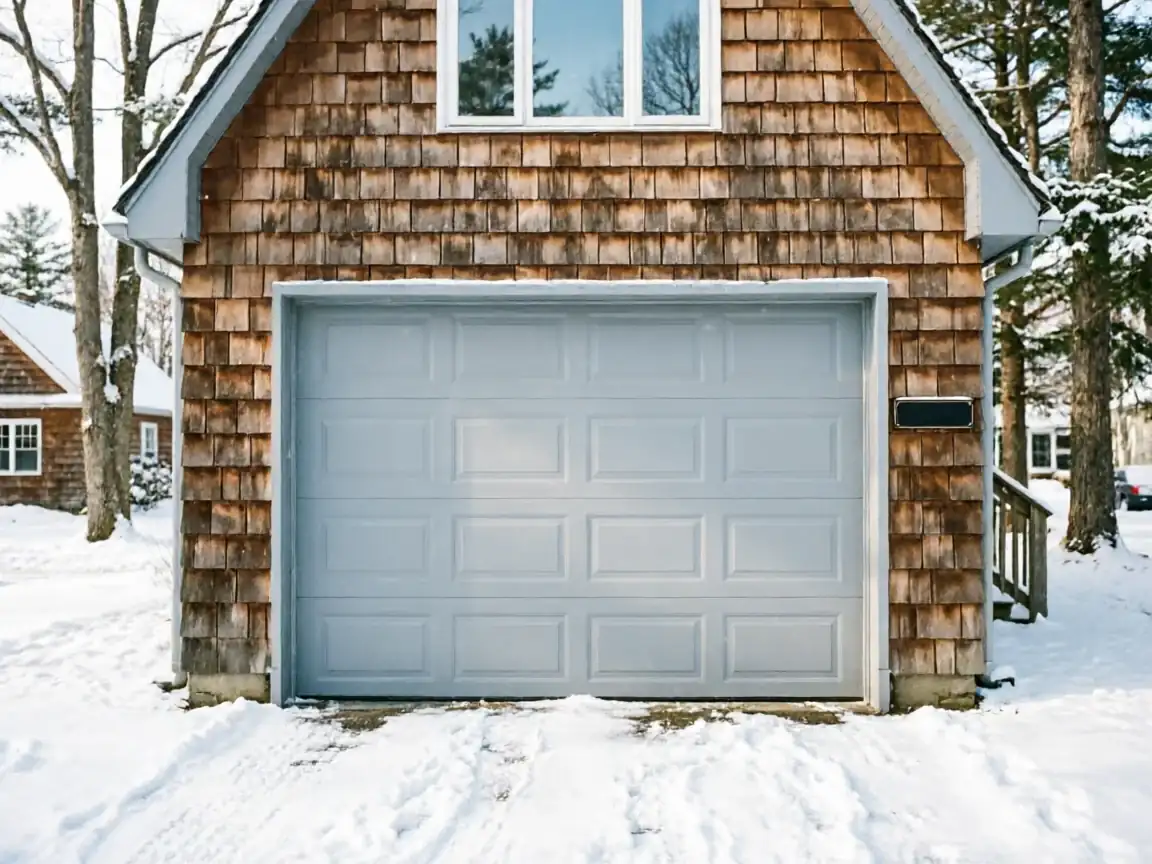
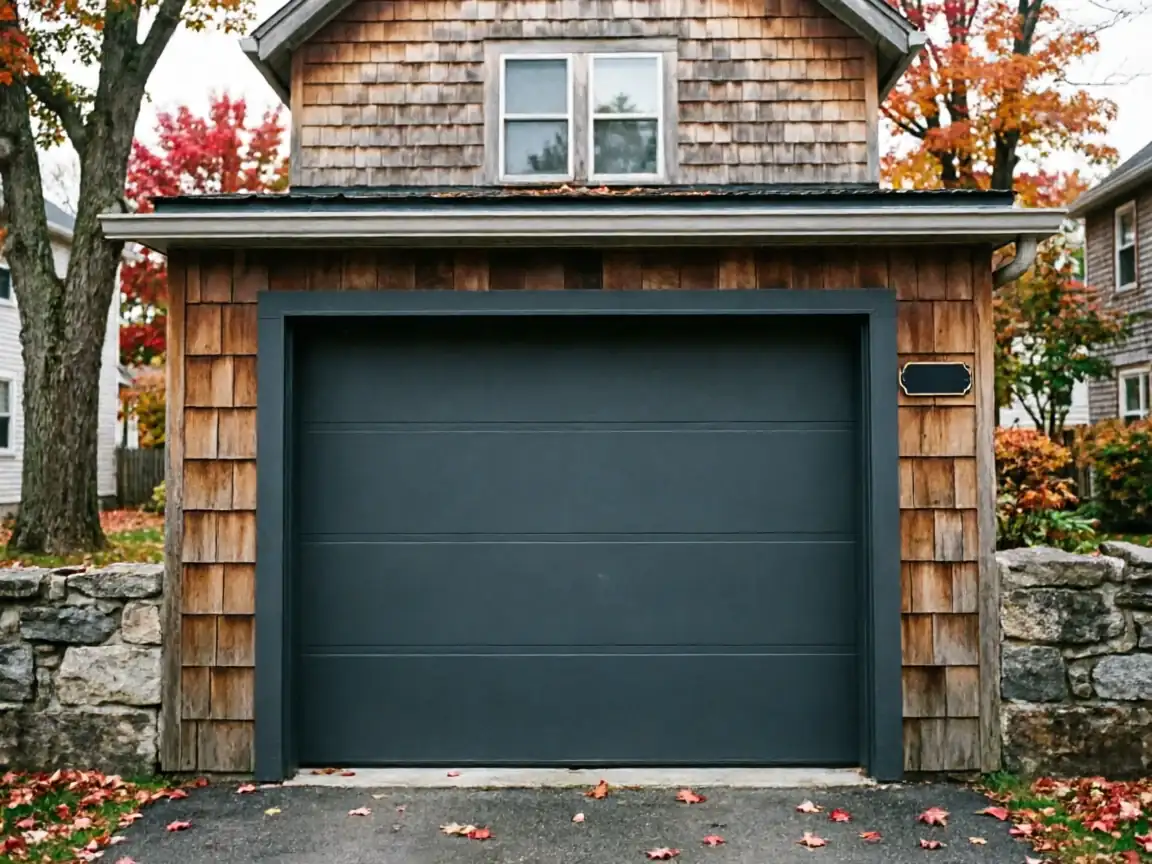
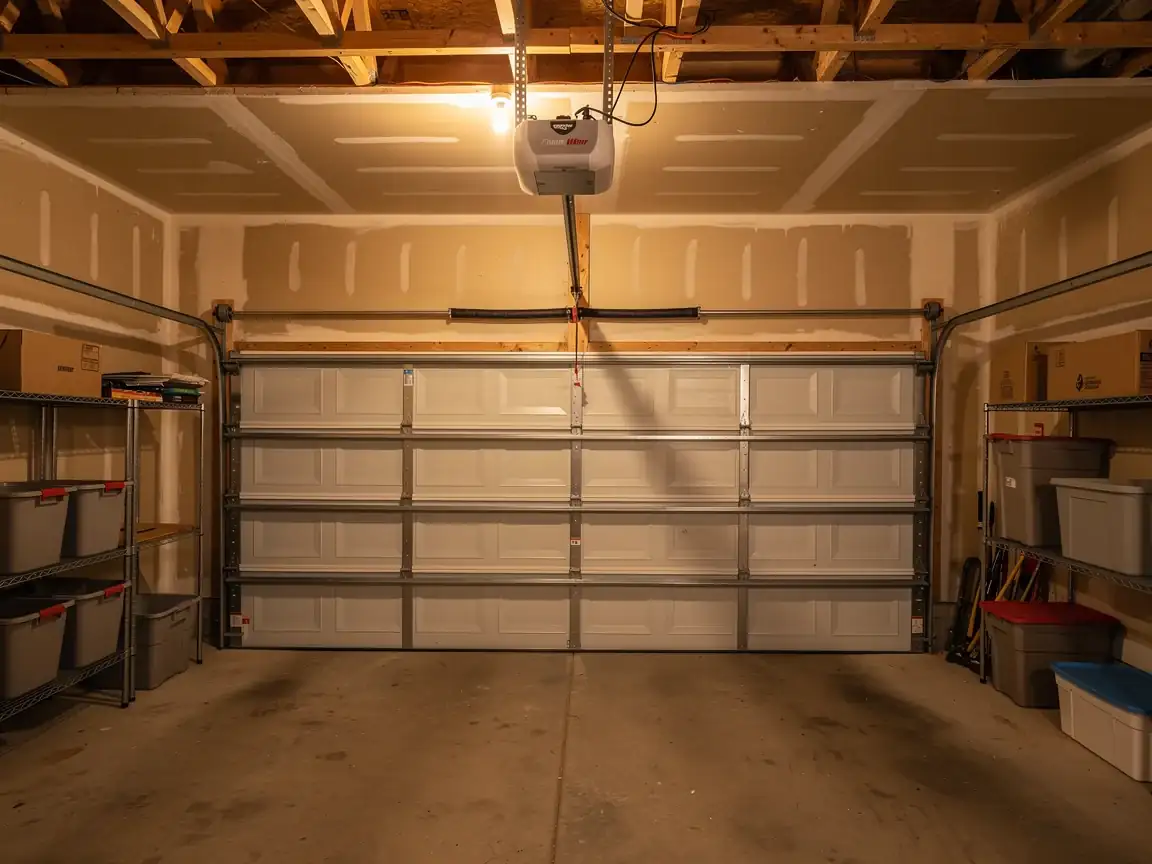
Chevy Chase's median house dates to 1938. That's decades older than the typical house across our wider service area, where the median build year lands around 1973. A door and opener installed, or last replaced, on a house from the 1930s or 40s is a different animal than what you'd find in a 1970s split-level. You're more likely dealing with a garage that was added or converted after the house was built, framing that wasn't squared for a modern sectional door, or a header that's narrower than current standard sizes assume.
We also see more one-off door widths here than in the newer pockets of the area. Builders in that era weren't working off the same lumber and opening standards that came later, so a stock replacement door sometimes needs trimming or a custom order instead of an off-the-shelf fit. None of that makes the job harder in a bad way - it just means we measure twice and don't assume a part that fits a 1975 garage will fit a 1938 one.
If your opener is original to a mid-century retrofit, the mounting bracket and rail length can also be nonstandard. We check that before we quote anything.
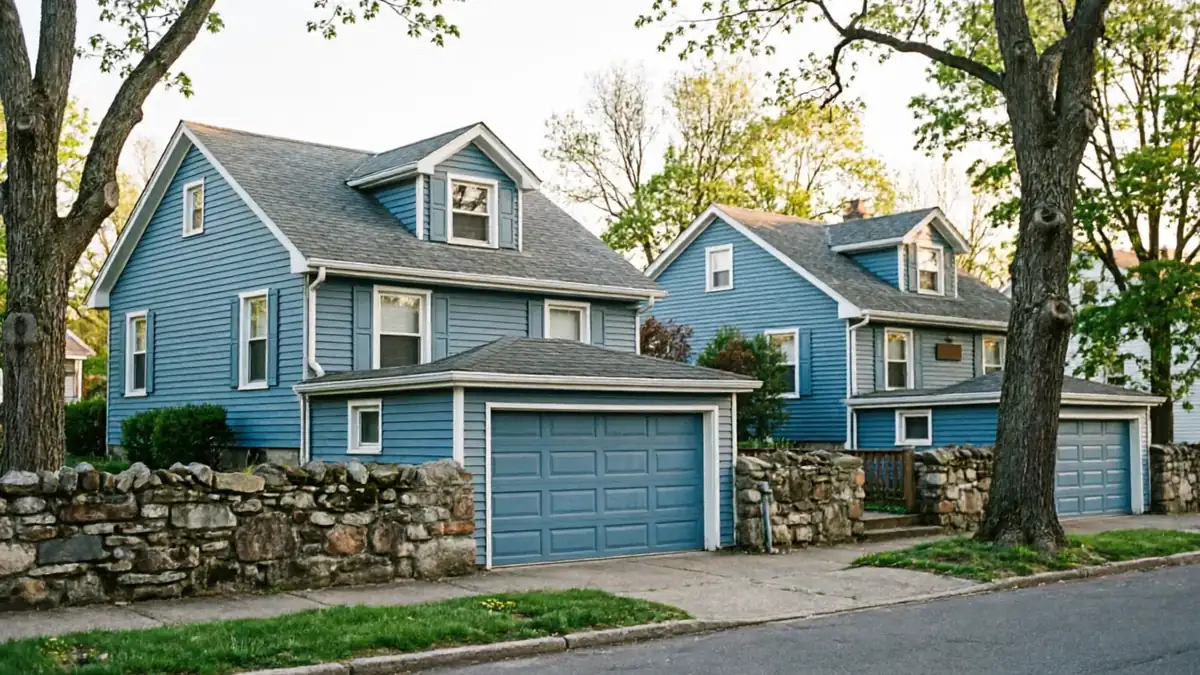
The Houses Here
With roughly 986 households in Chevy Chase and a median income around $250,001
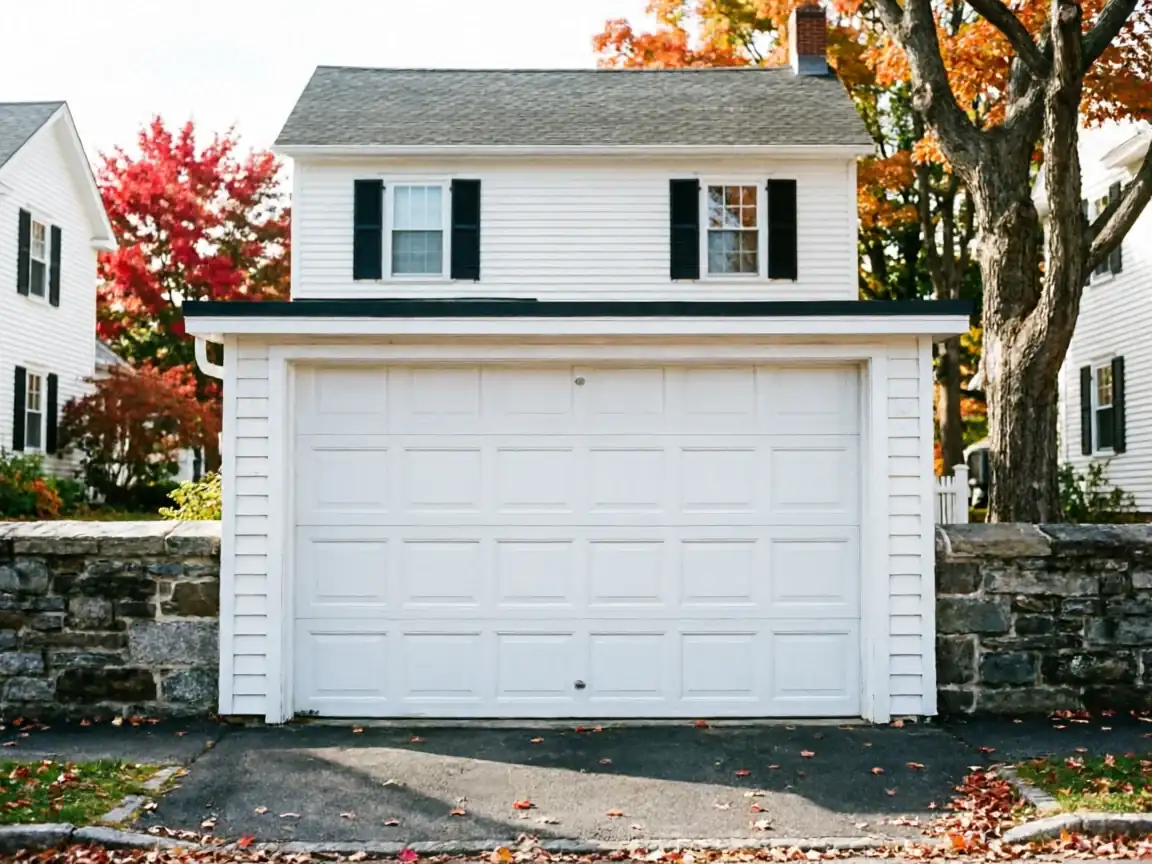
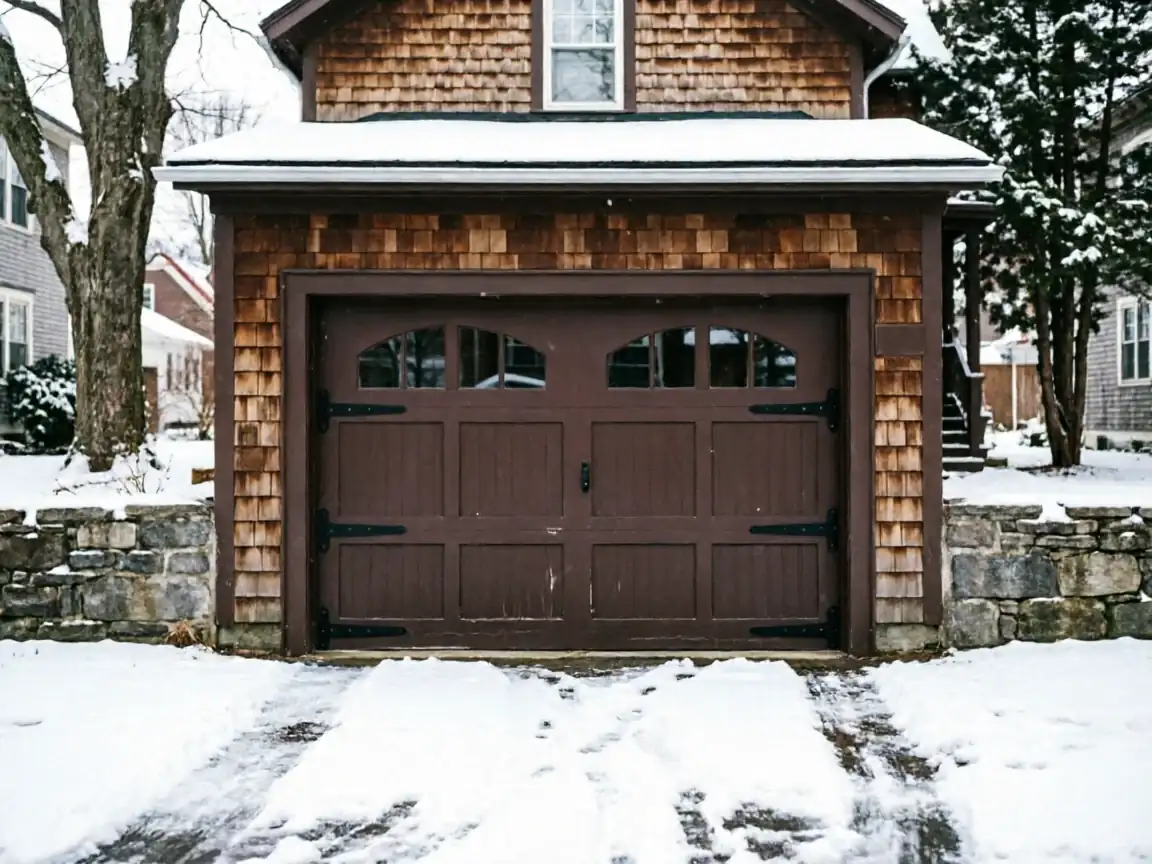
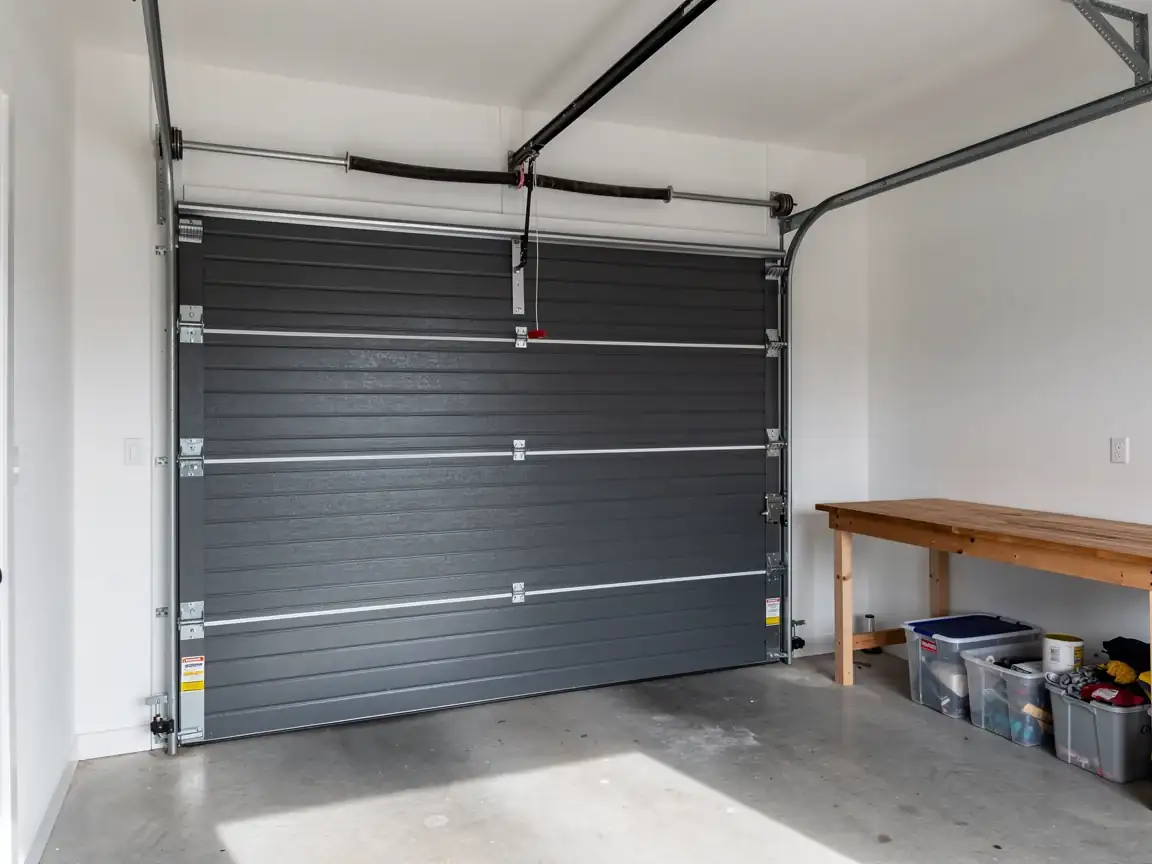
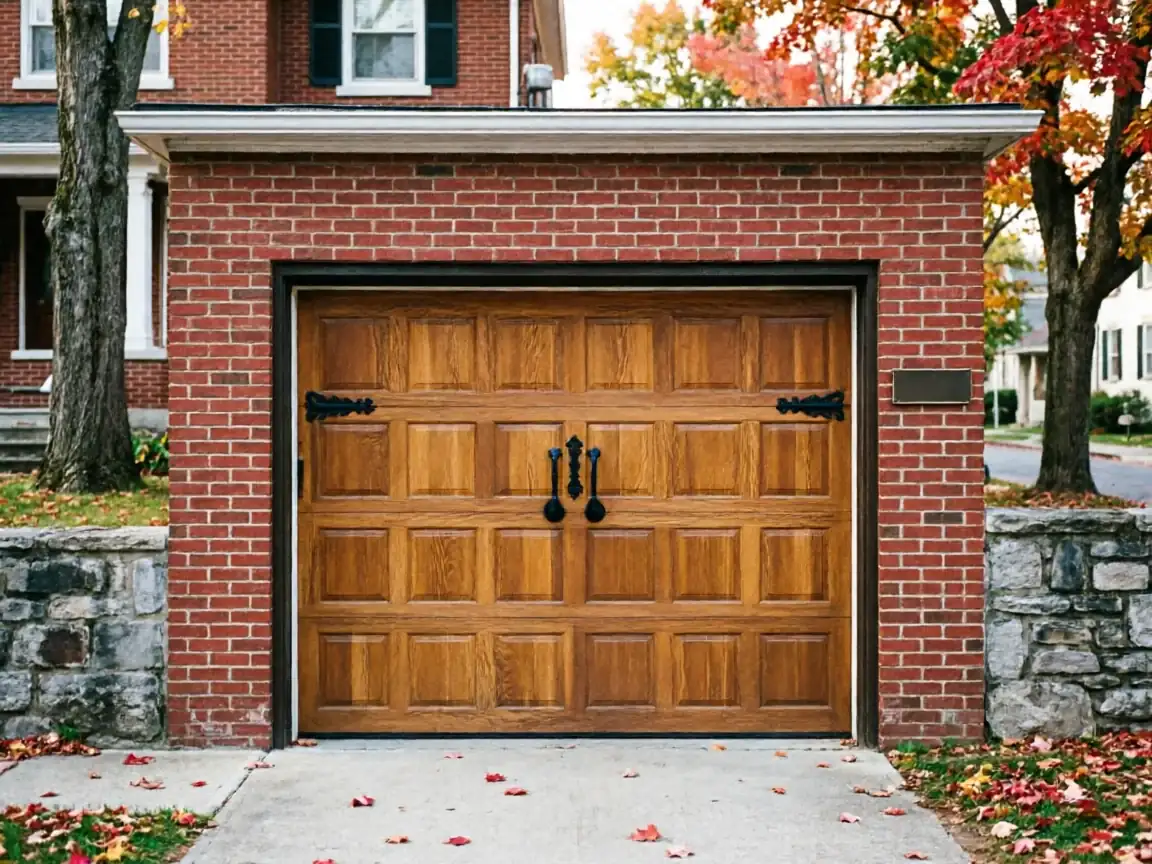
This is one of the older and higher-value pockets we reach from Bethesda. Garages here tend to be single-bay, often detached or set back from the house in a way that newer attached two-car garages aren't. That changes a few things on the service side: shorter tracks, different spring sizing for a lighter single door, and sometimes a hand-crank or chain-drive opener that predates the belt-drive units common in newer construction nearby.
- 986 households
- $250,001 median household income
Because the housing stock skews older, we also see more doors that have been repainted or resurfaced over the decades rather than replaced outright
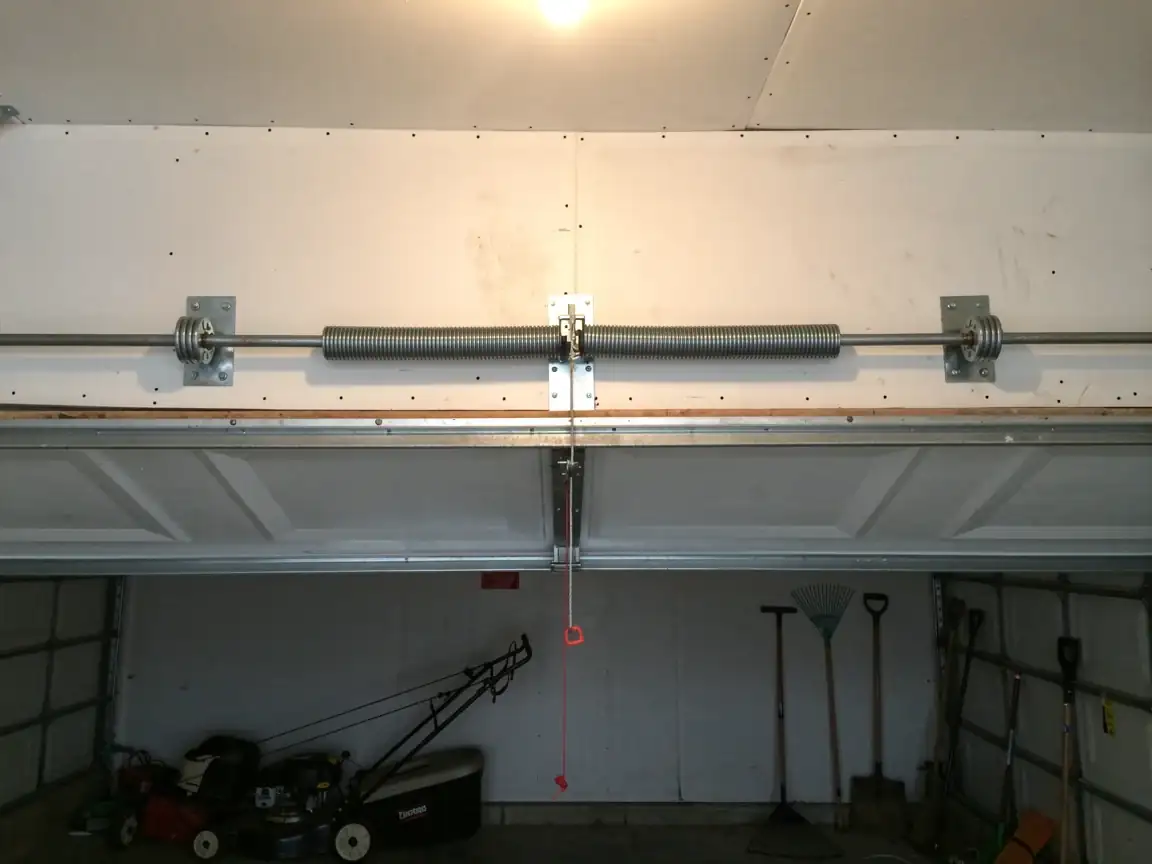
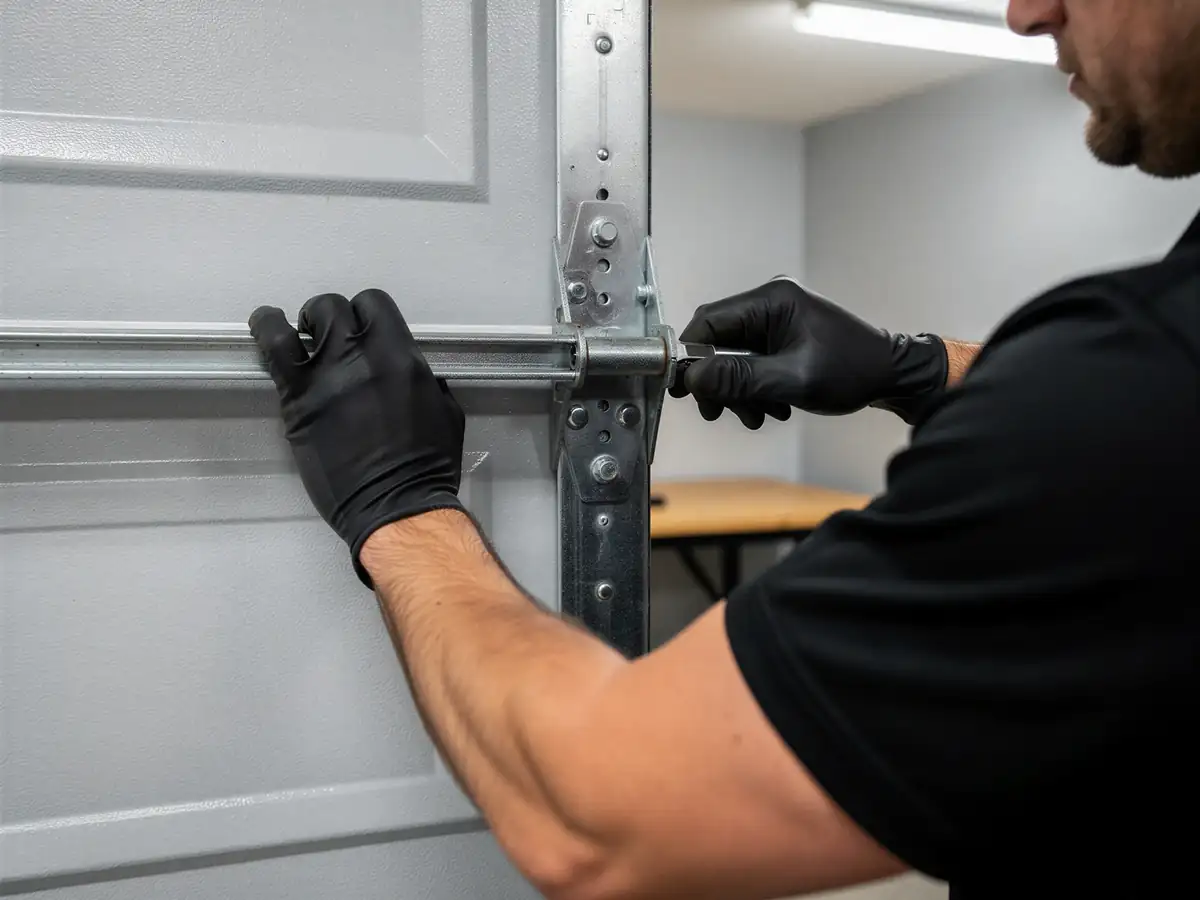
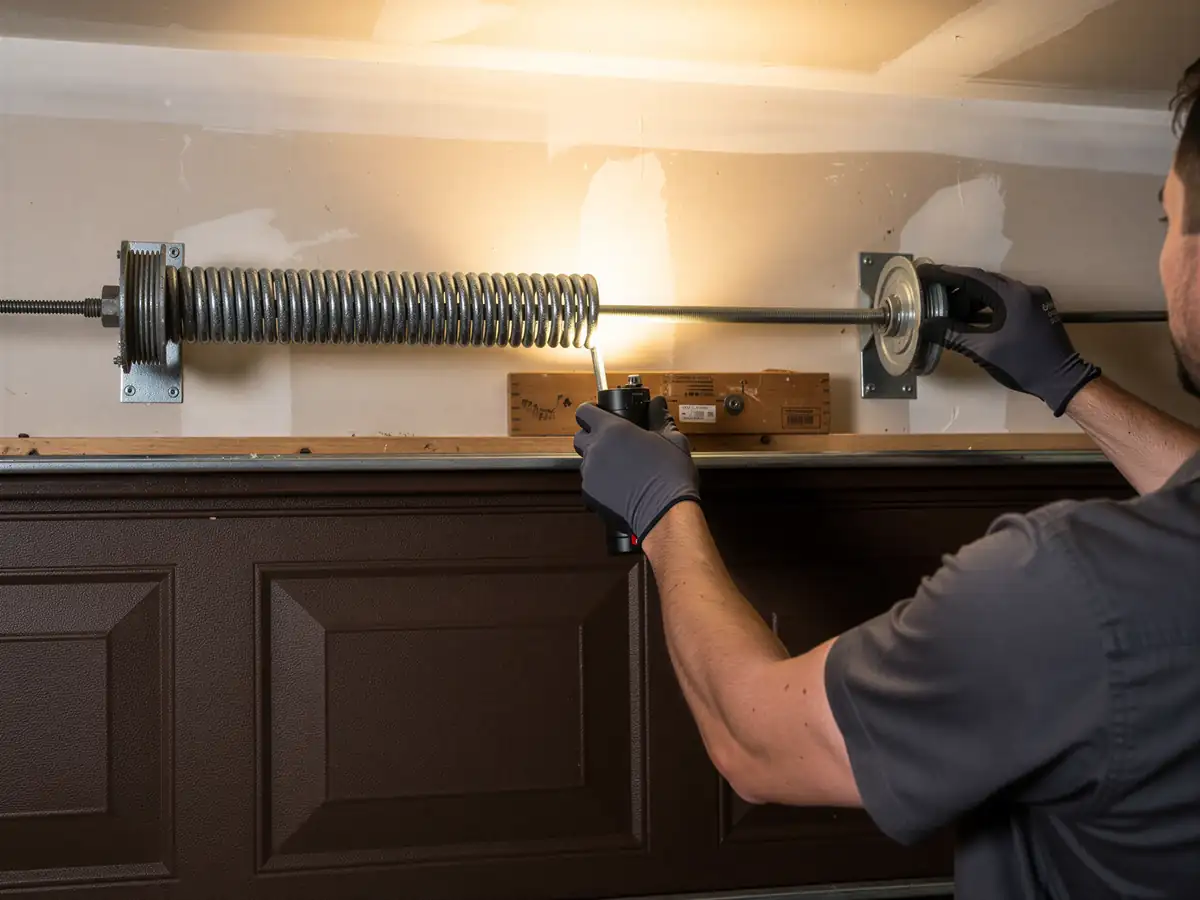
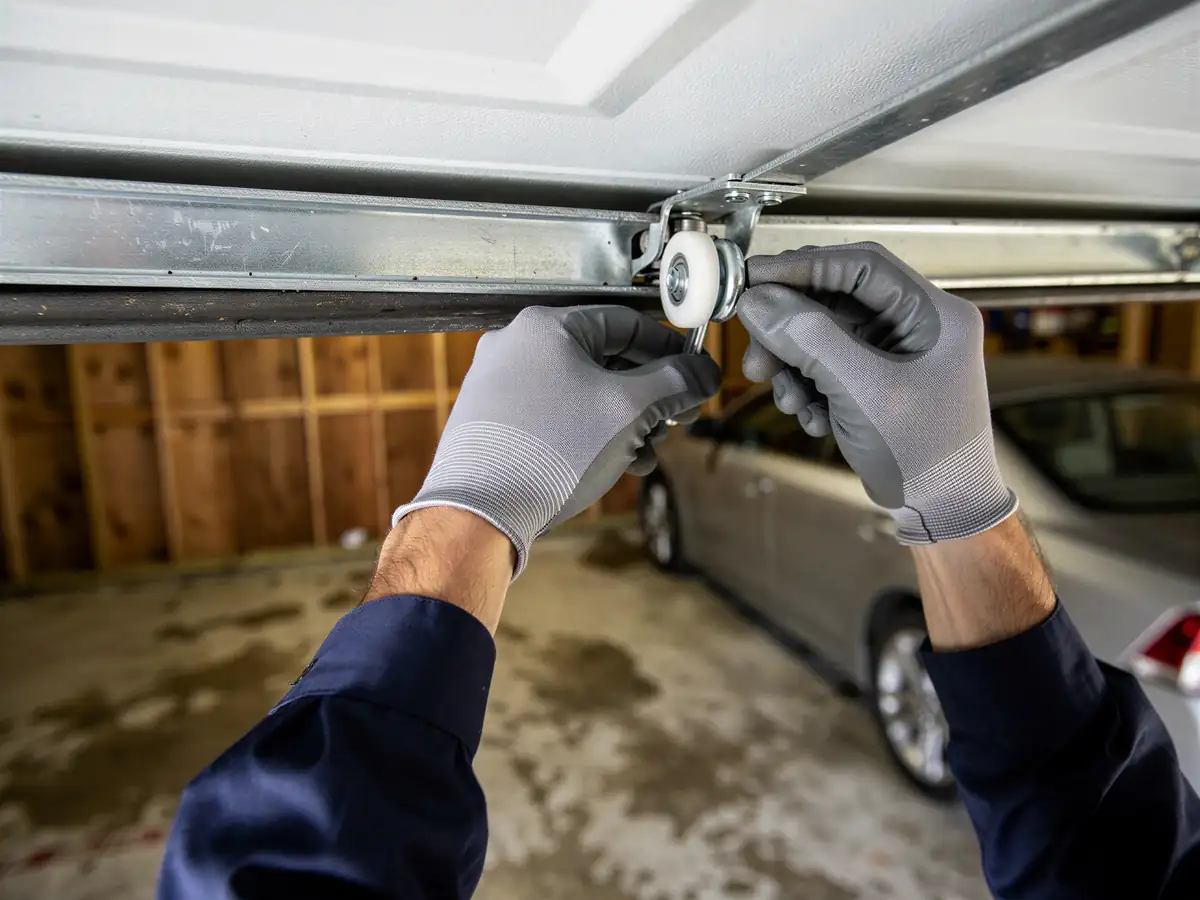
That's fine structurally in a lot of cases, but it means the hardware underneath - hinges, rollers, the spring itself - is often original or close to it, and original hardware on an 80-plus-year-old door is usually past due for a look, even if the door panel itself looks solid.
When We Can Get There
We run out of Bethesda, about 2 miles from Chevy Chase. We don't keep a depot or crew stationed in the neighborhood - every job here is a truck coming over from Bethesda, same as most of the area we cover. That short distance means Chevy Chase isn't a long haul for us, but we're not going to promise a specific arrival window here that we can't back up everywhere else we serve.
What we can tell you honestly: a job this close doesn't usually get stuck behind a long drive, but it can get stuck behind parts. If your door needs a nonstandard width or a bracket for an older opener, that's a sourcing delay, not a distance one, and we'll tell you straight if that's what's holding up the timeline.
The Calls We Get From Here
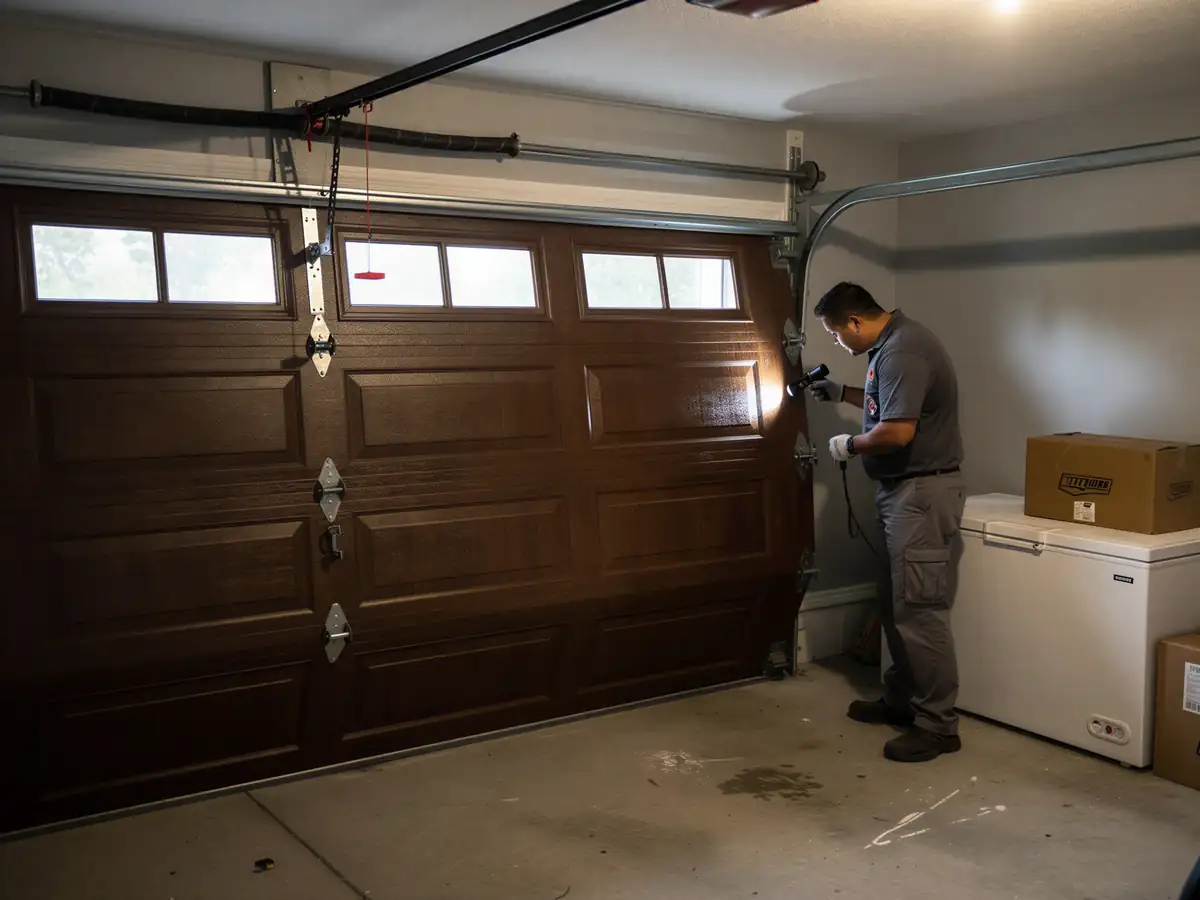
Given the age of the housing in Chevy Chase, the calls we get tend toward hardware fatigue rather than fresh installation problems. Springs that have been stretched past their rated cycles on a door that's been in service since the house itself was new. Rollers that have worn their tracks oval rather than round. Openers that are the second or third unit installed on original 1938 framing, with mounting hardware that's been drilled and redrilled over the years.
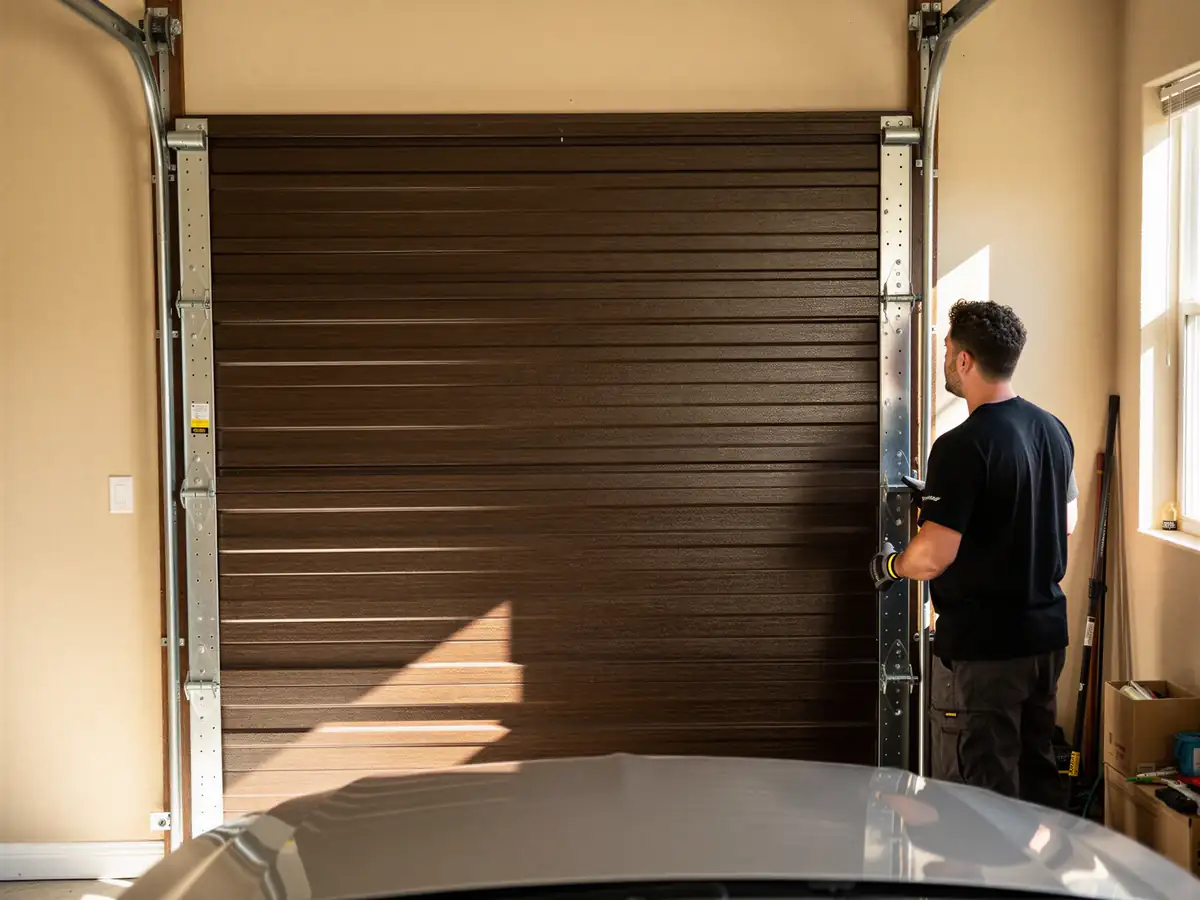
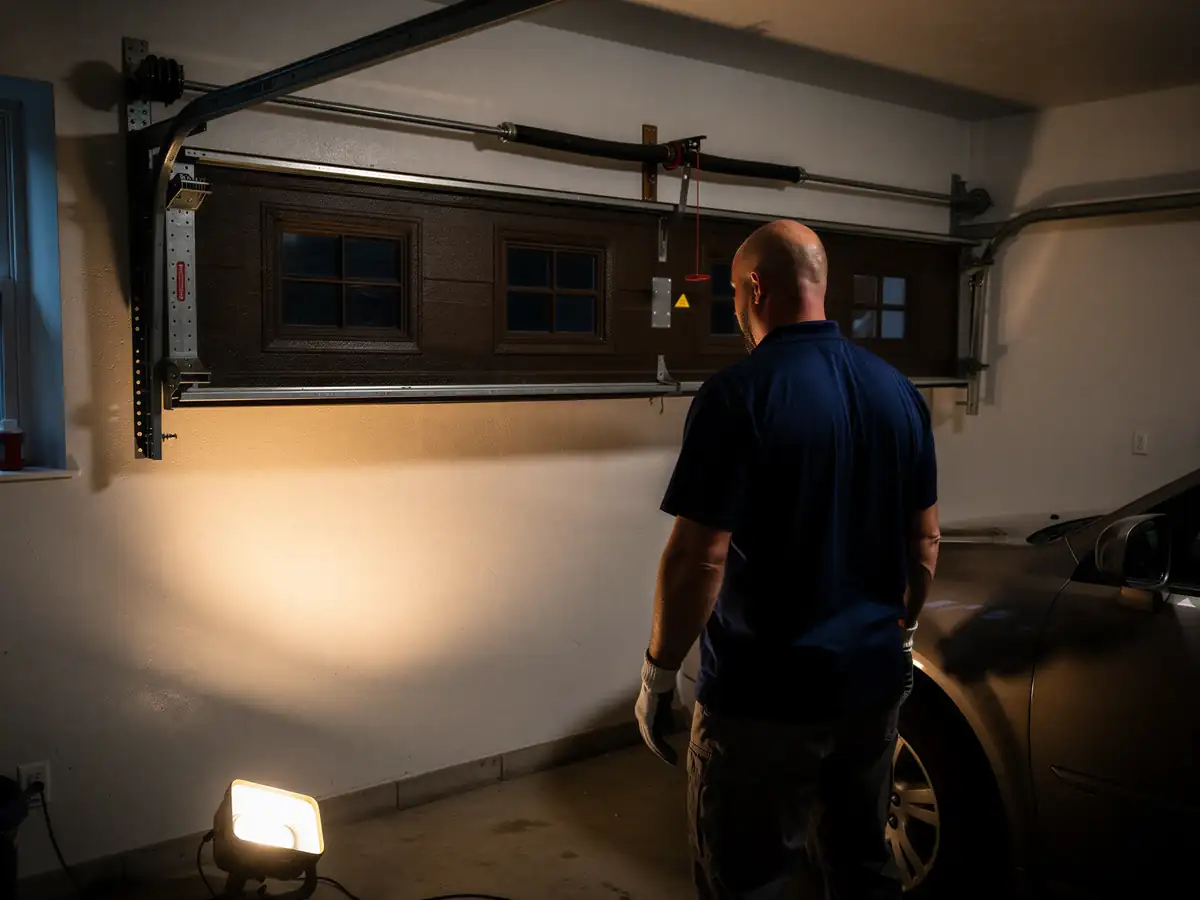
We also get calls about doors that simply don't match modern sizing - someone wants to swap in an insulated steel door and finds the opening is a few inches off from anything sold today. That's a real limitation worth saying plainly: not every original 1930s garage opening takes a standard modern door without some carpentry first, and we'll tell you when that's the case rather than force a fit that won't seal right. In a climate band this cold and severe, a door that doesn't seal tight at the jamb costs you more in the winter than the extra carpentry would have.