Booking a Visit
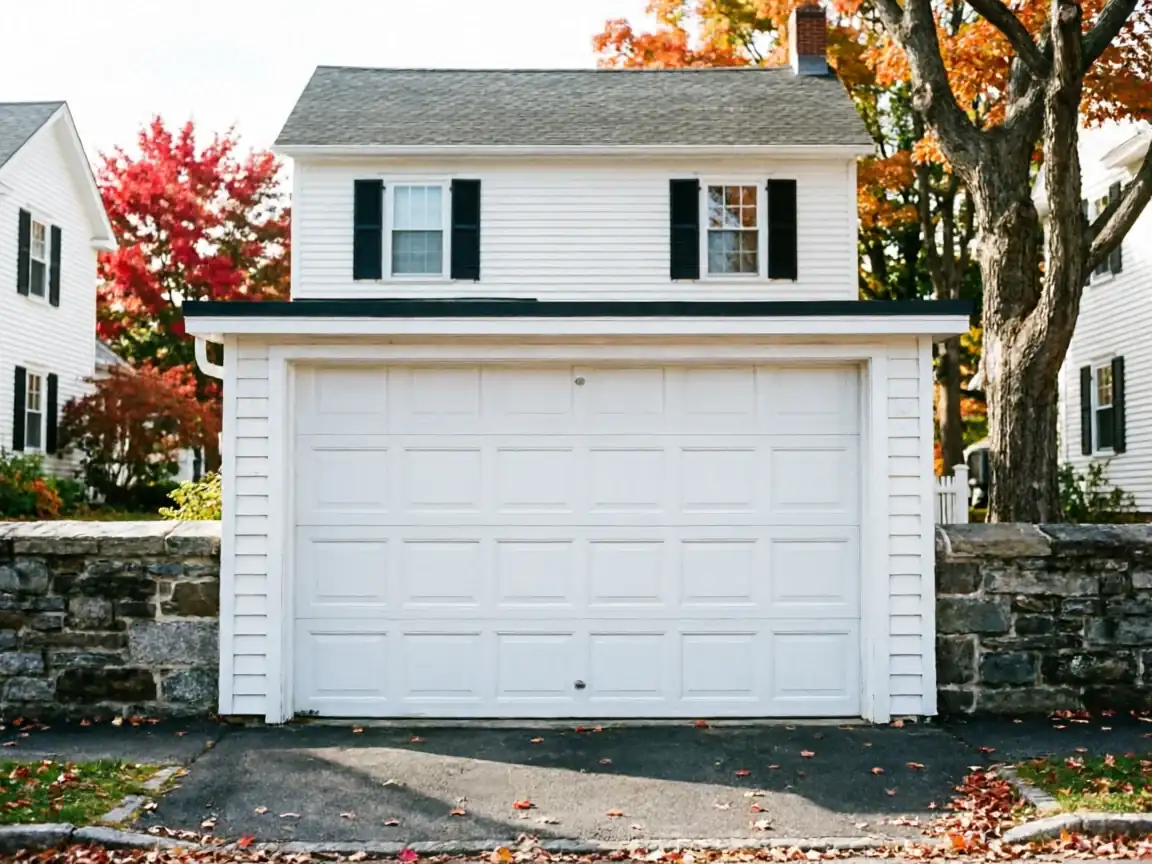
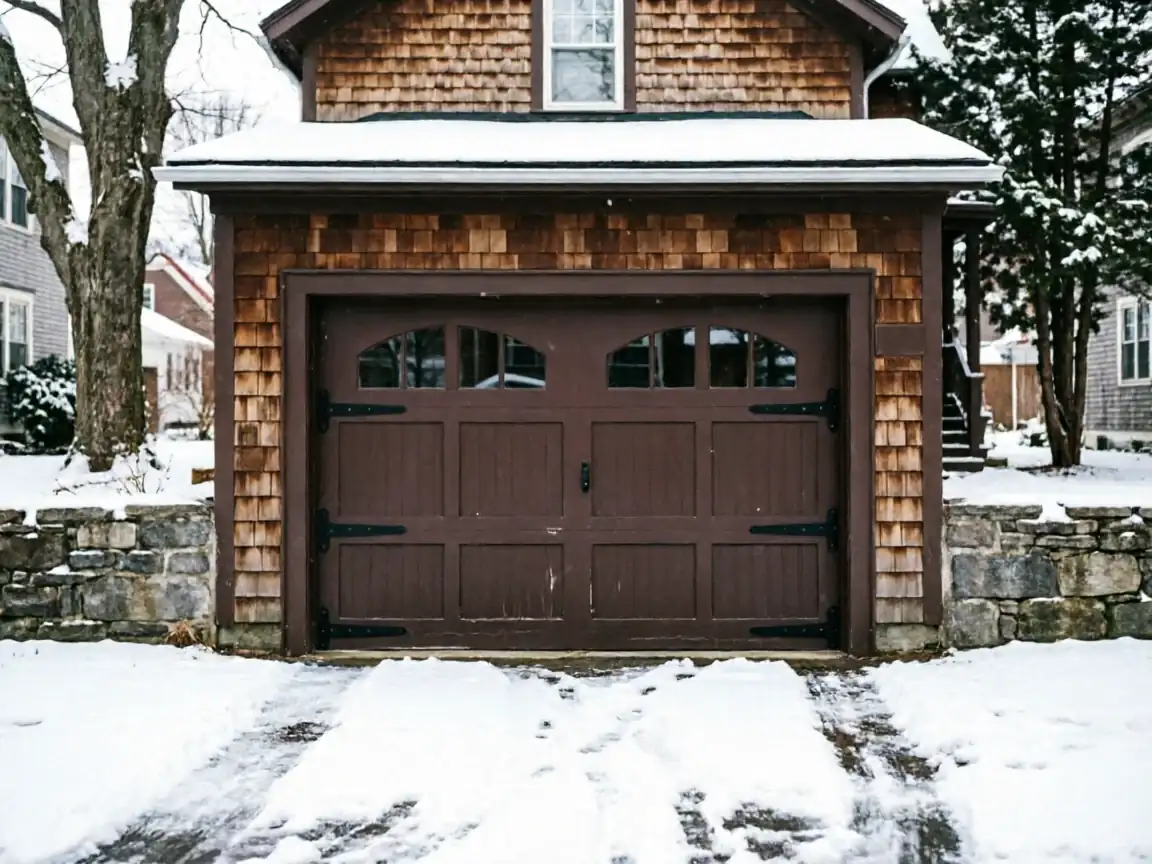
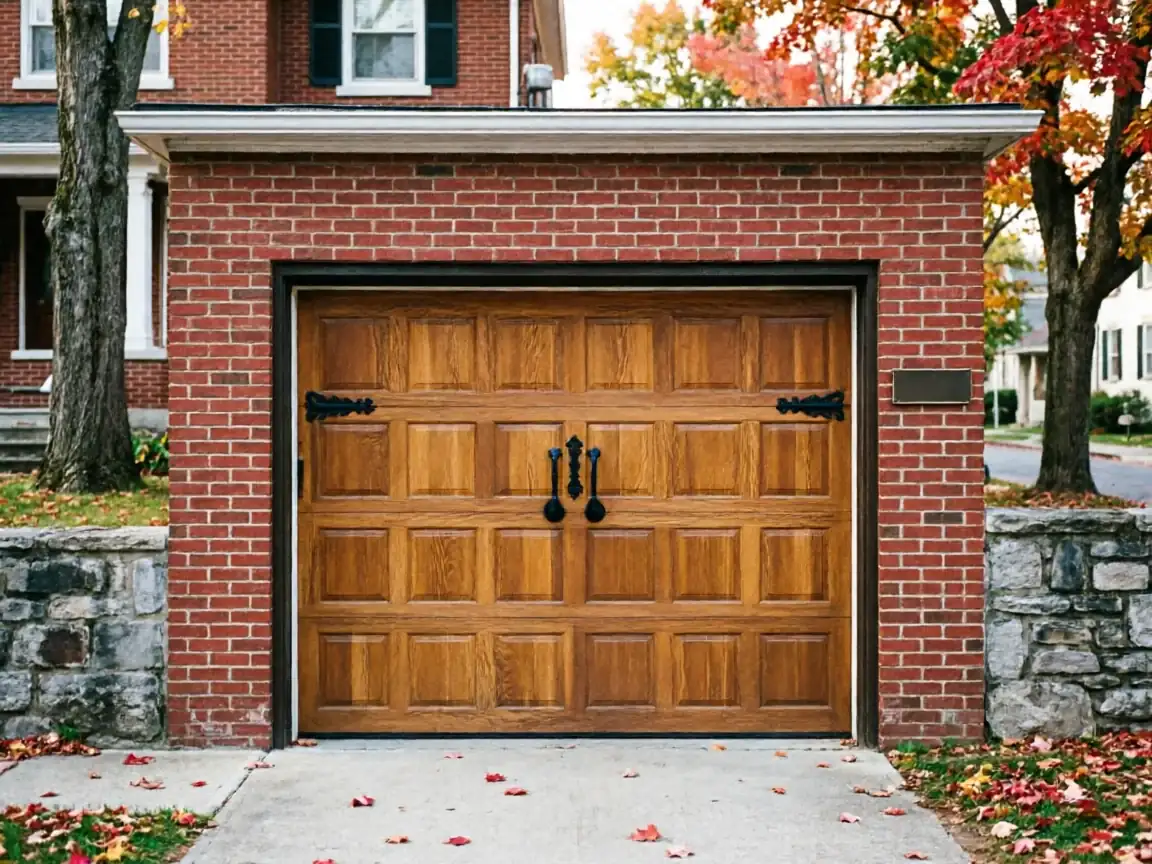
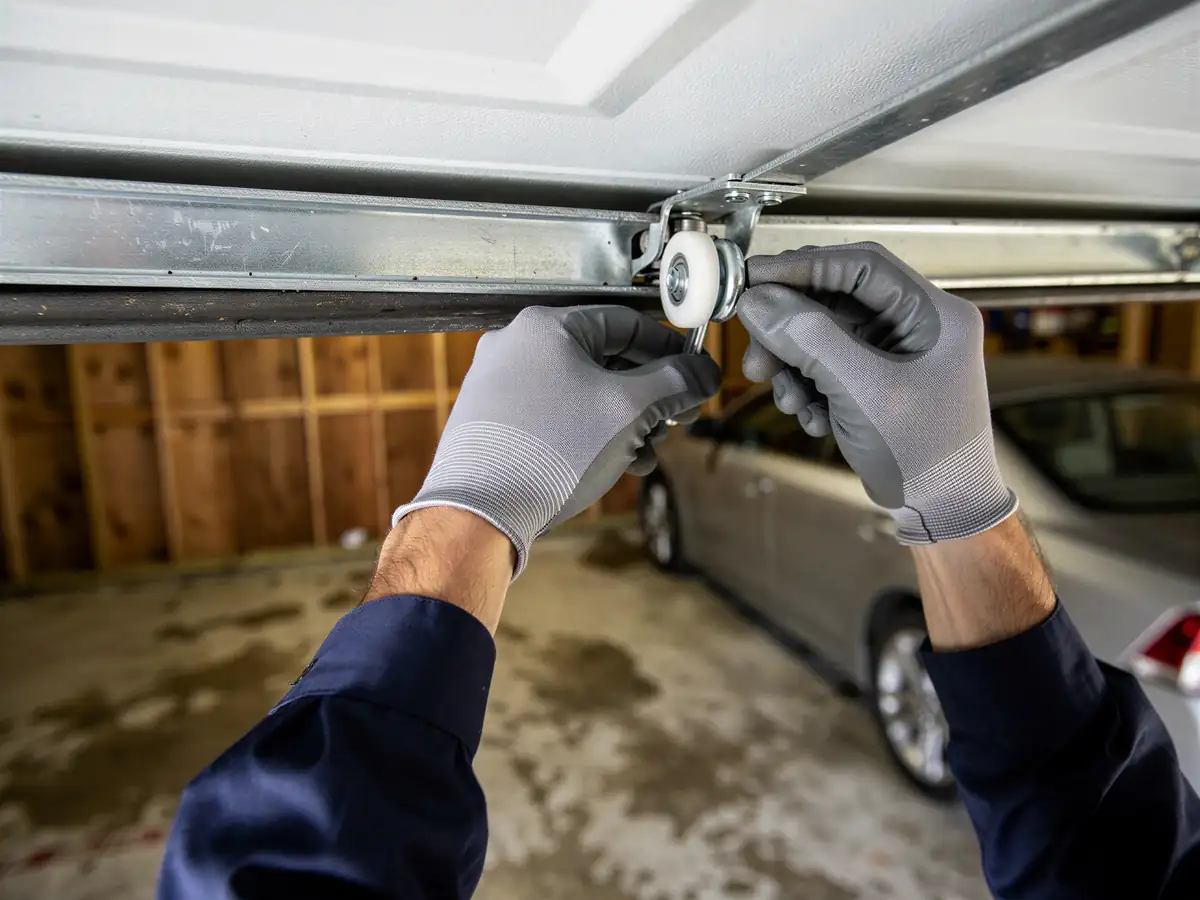
We work out of Bethesda, about 2 miles from Chevy Chase, and cable calls here come up differently than they do in the newer subdivisions further out. Because the houses in Chevy Chase carry a median build year of 1938 - decades older than the 1973 median across the rest of our service area - a lot of what we find on arrival is original or near-original hardware: narrow single-car openings, older drum styles, and cable routing that doesn't match anything on a big-box shelf. Tell us when you call whether the door is original to the house if you know; it changes what we bring on the truck. We don't keep a branch in Chevy Chase itself, so every visit starts as a drive over from Bethesda, not a dispatch from around the corner. You can see the rest of the areas we cover from here on our Chevy Chase service page, and the general cable repair breakdown for the wider territory lives on our Bethesda cable repair page.
How Long It Takes
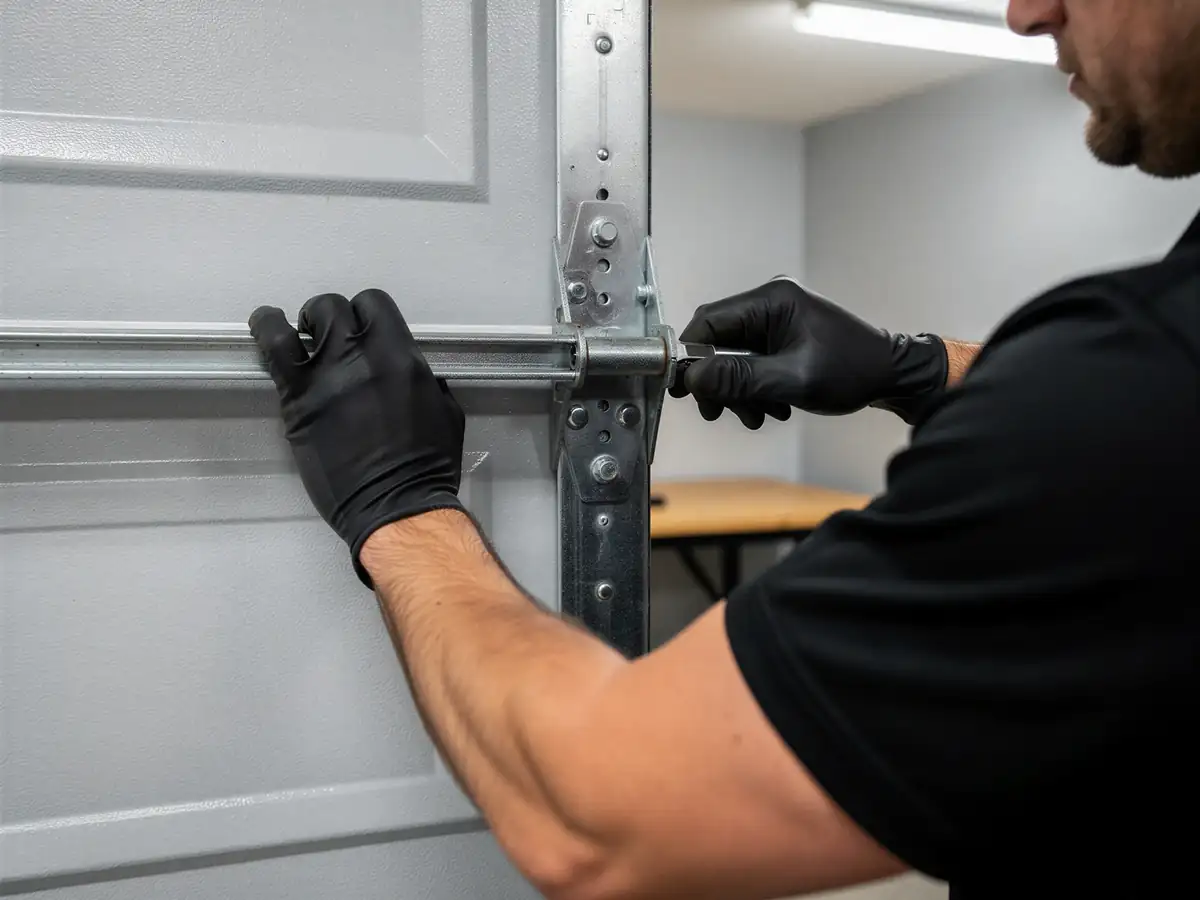
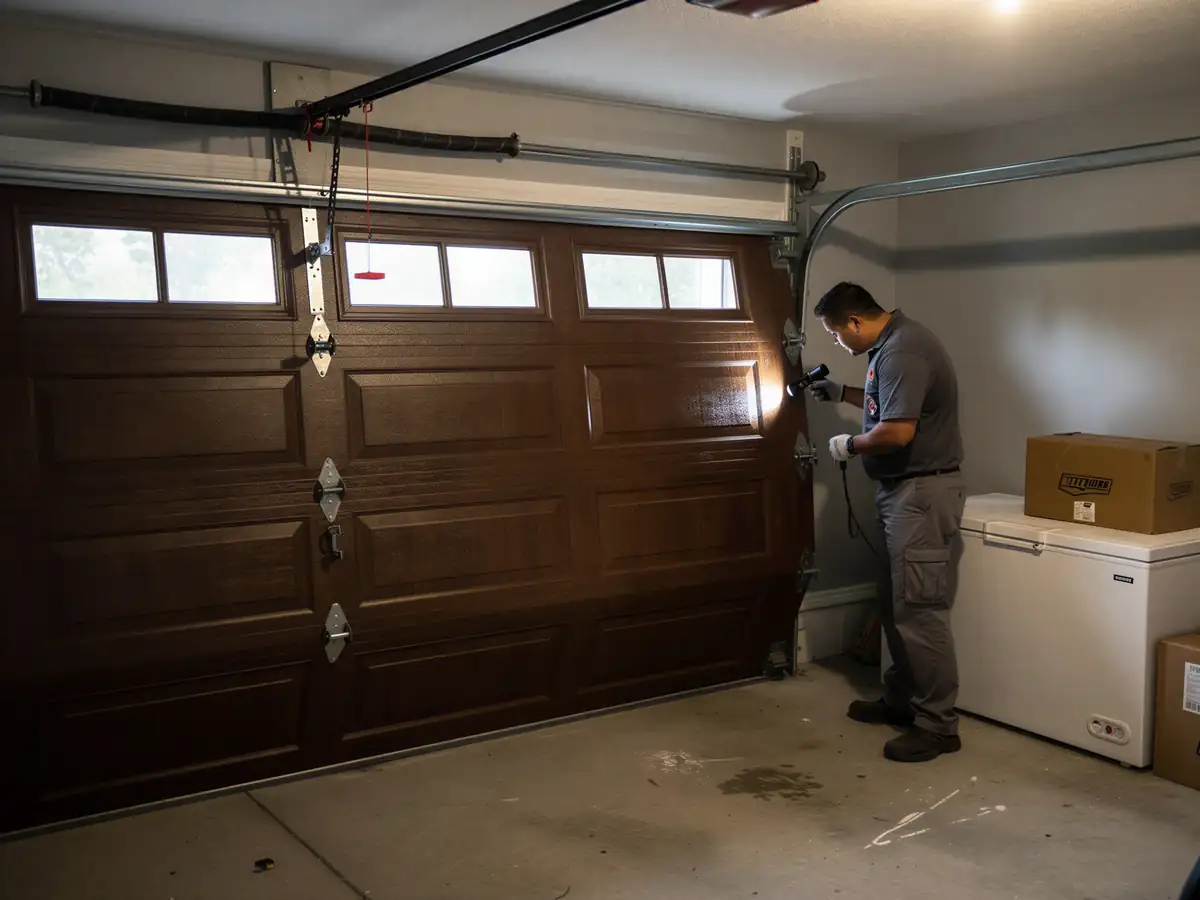
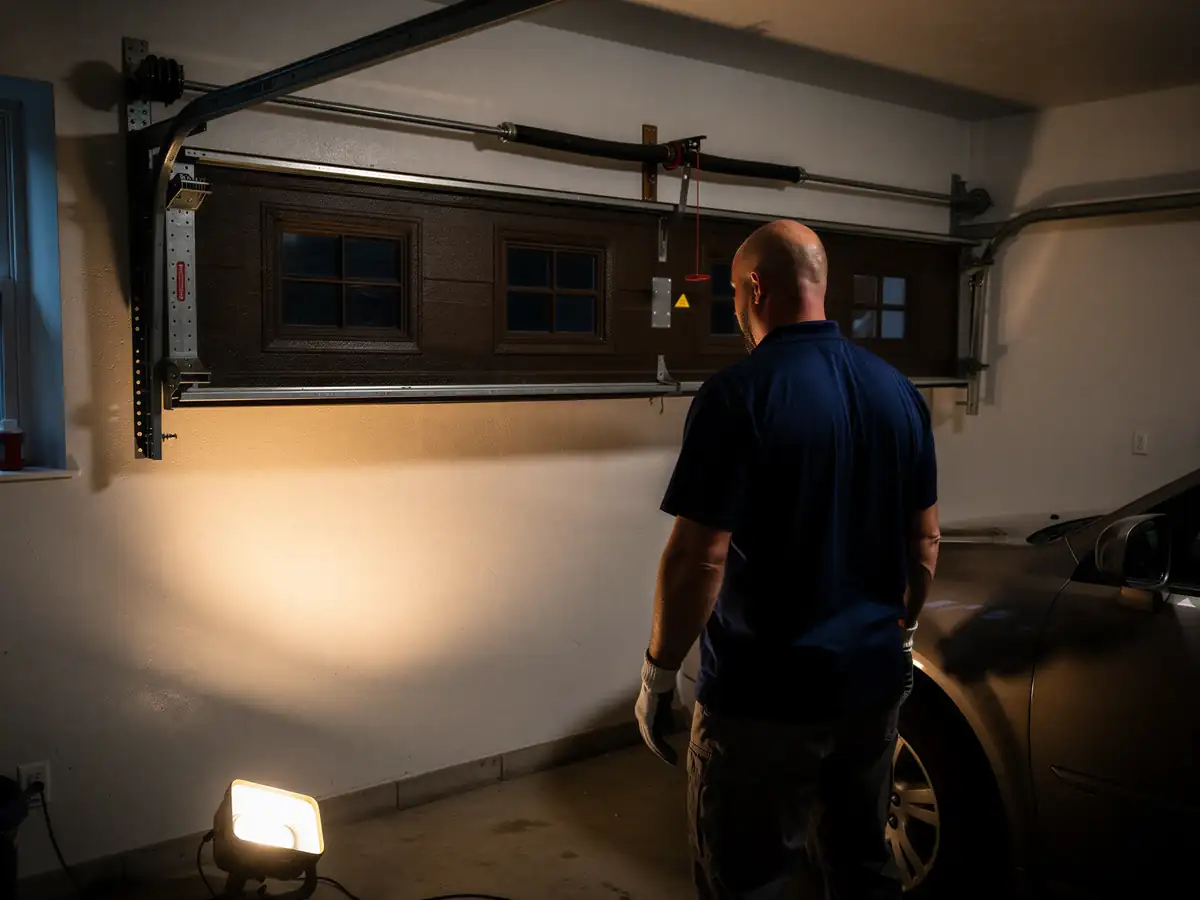
Most cable jobs are a single visit once we're on site, but we won't pin a number on Chevy Chase specifically beyond that. Older drum assemblies sometimes need an extra step - loosening track brackets that have been painted over for decades, or freeing hardware that hasn't moved in years - and that adds time we can't predict until we're looking at the door. If the cable has come off the drum and jammed the door mid-track, that's usually quicker to free than a cable that's shredded and wrapped itself around the shaft. We'd rather tell you it varies than give you a tidy number that doesn't hold up on a house built in 1938.
What Causes It Around Here
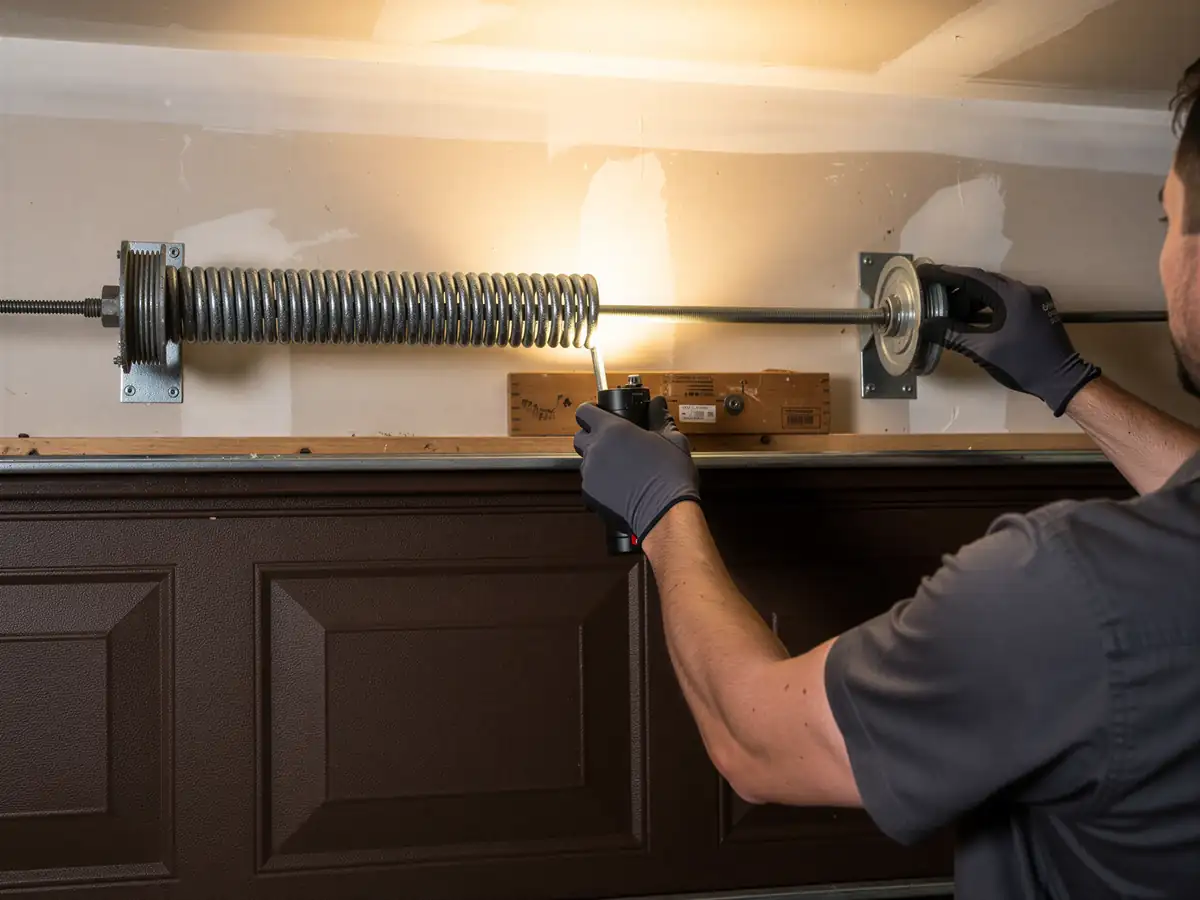
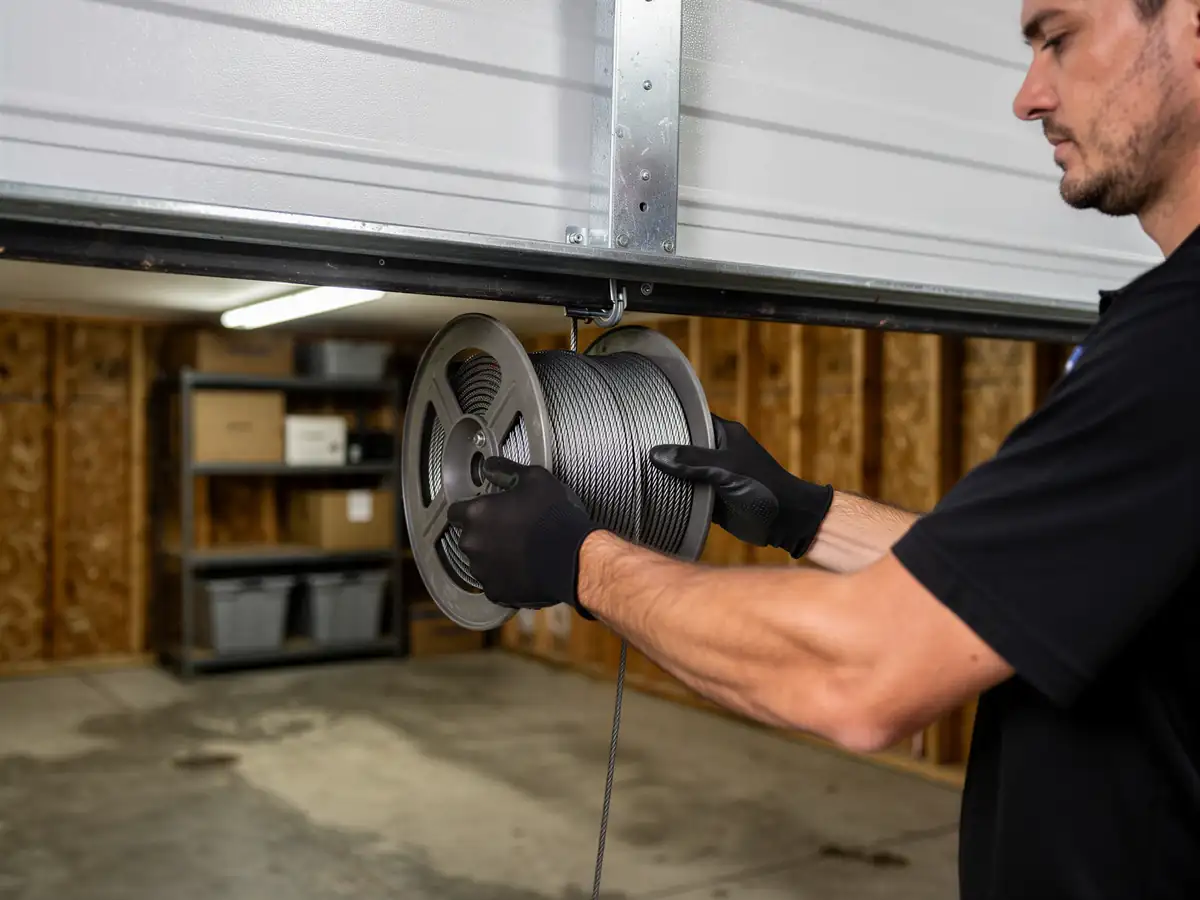
Two things stack up in Chevy Chase that you don't see together as often further out in the territory. First, the housing stock: a 1938 median build year means a meaningful share of these doors are running cable and drum setups that predate the galvanized aircraft cable most repair trucks carry as standard stock, so wear patterns show up as fraying at the drum rather than a clean snap. Second, the climate - this whole service area sits in a cold, severe band, and repeated freeze-thaw cycles work on old cable strands the same way they work on old pipe, making brittle spots that give way under tension rather than gradually stretching. On a door that's seen eighty-plus winters, that combination shows up as cable failure well before the opener or the springs give any warning.