Booking a Visit
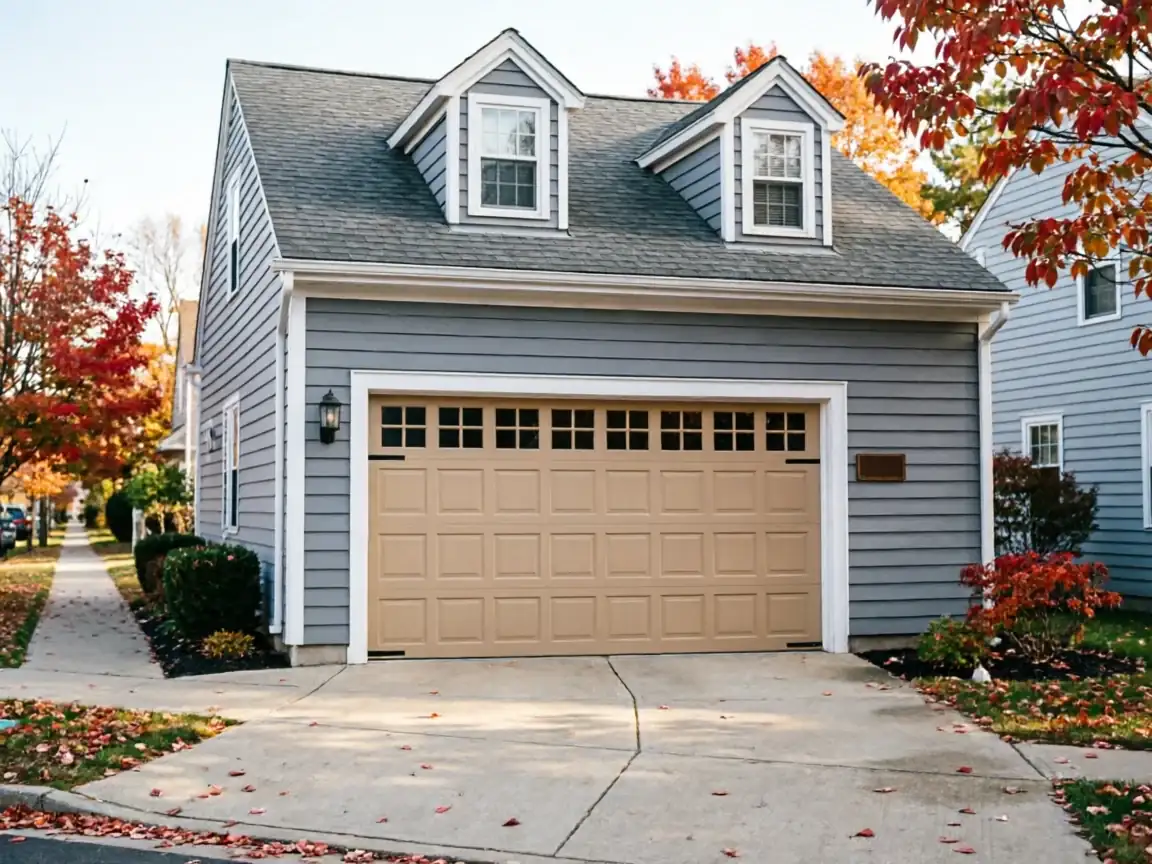
Chevy Chase has about 986 households, which is small enough that we're not sending a truck across town for a roller job the way we might in a larger area - it's a two-mile run from our shop in Bethesda, one of the shortest drives on our whole list. We don't keep a branch, a drop box, or a storefront in Chevy Chase itself; every truck that shows up here came from Bethesda, loaded based on what you tell us on the phone. That's the part that matters most: say how old the door is if you know it, and whether it's sticking on one side or grinding the whole way up. On a town this size we've usually seen the hardware before, but we still load differently for a 1938 track than for something put in during a later remodel. For the broader rundown of how booking and routing work across the service area, that lives on the main roller replacement page for Bethesda - this page sticks to what's particular to Chevy Chase.
How Long It Takes
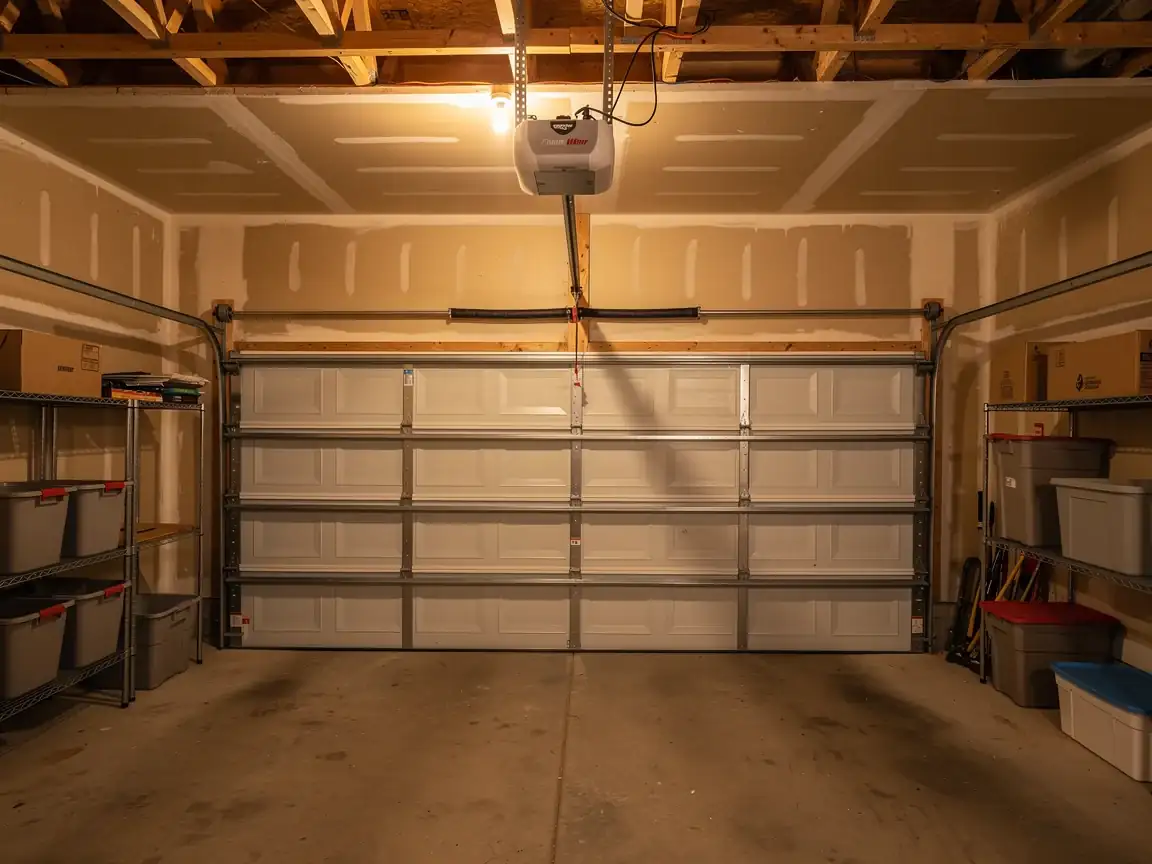
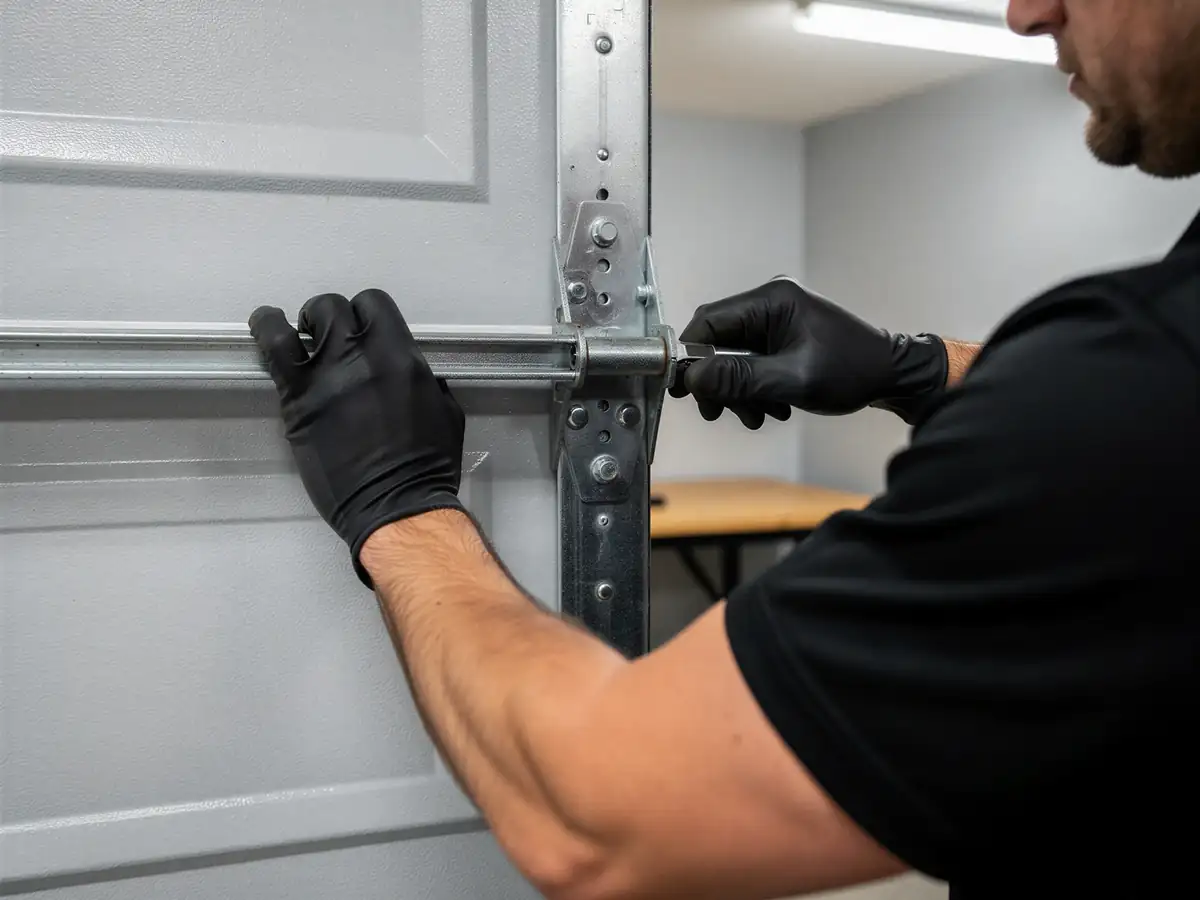
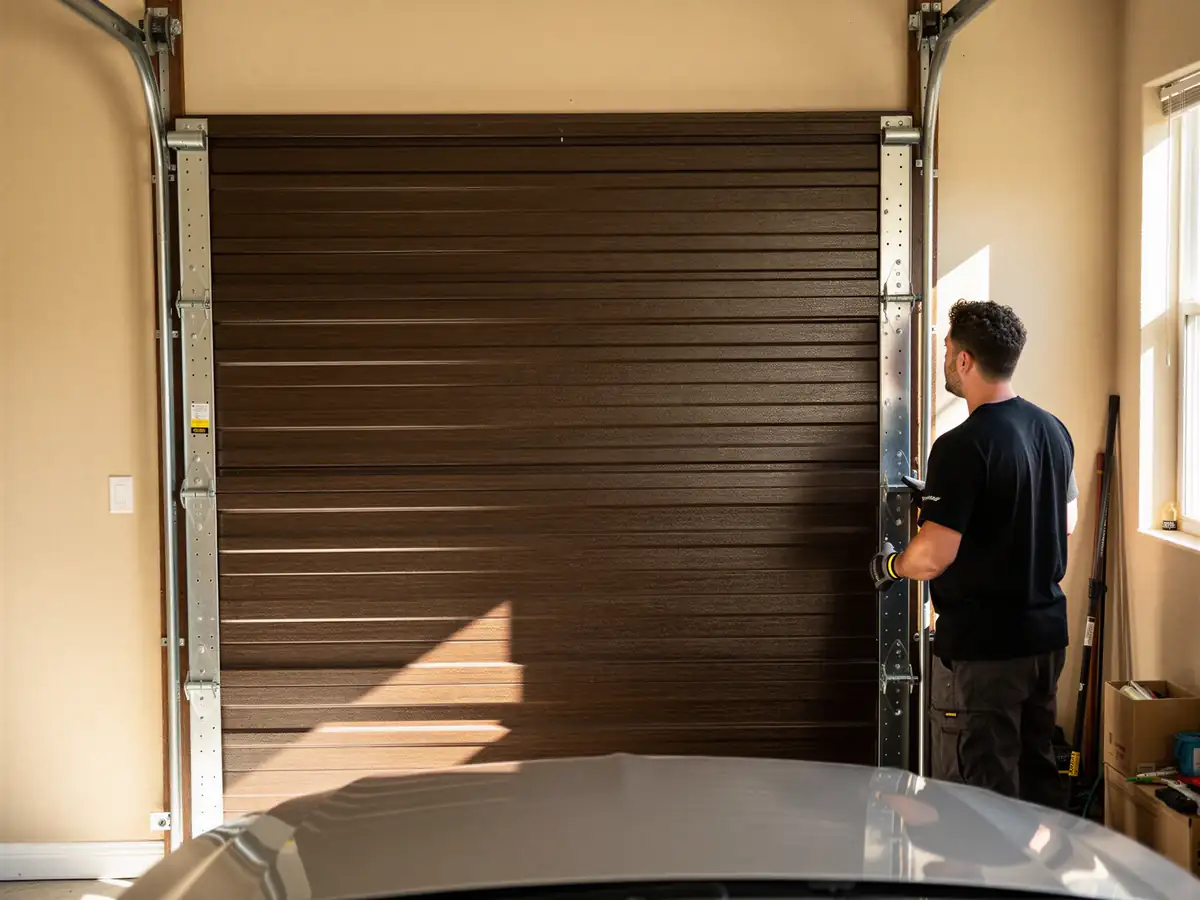
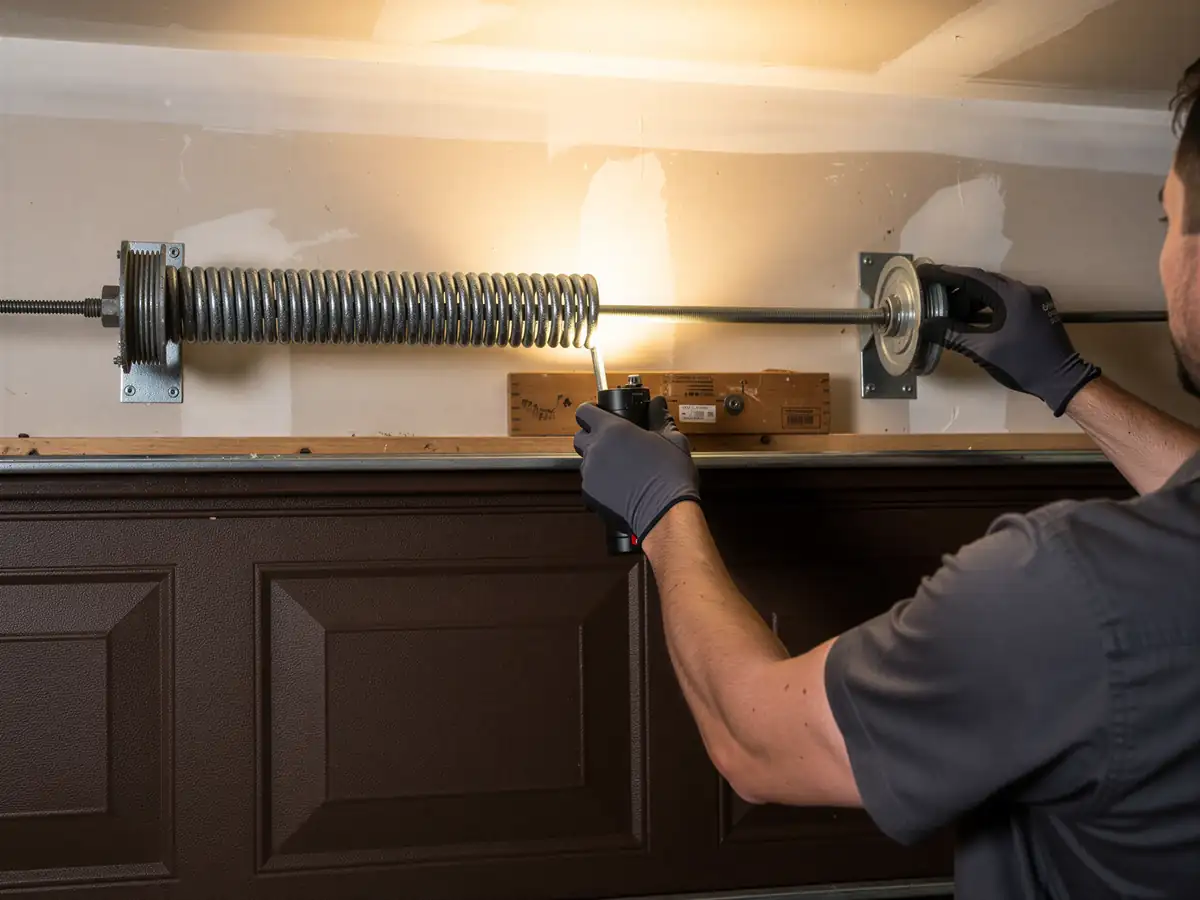
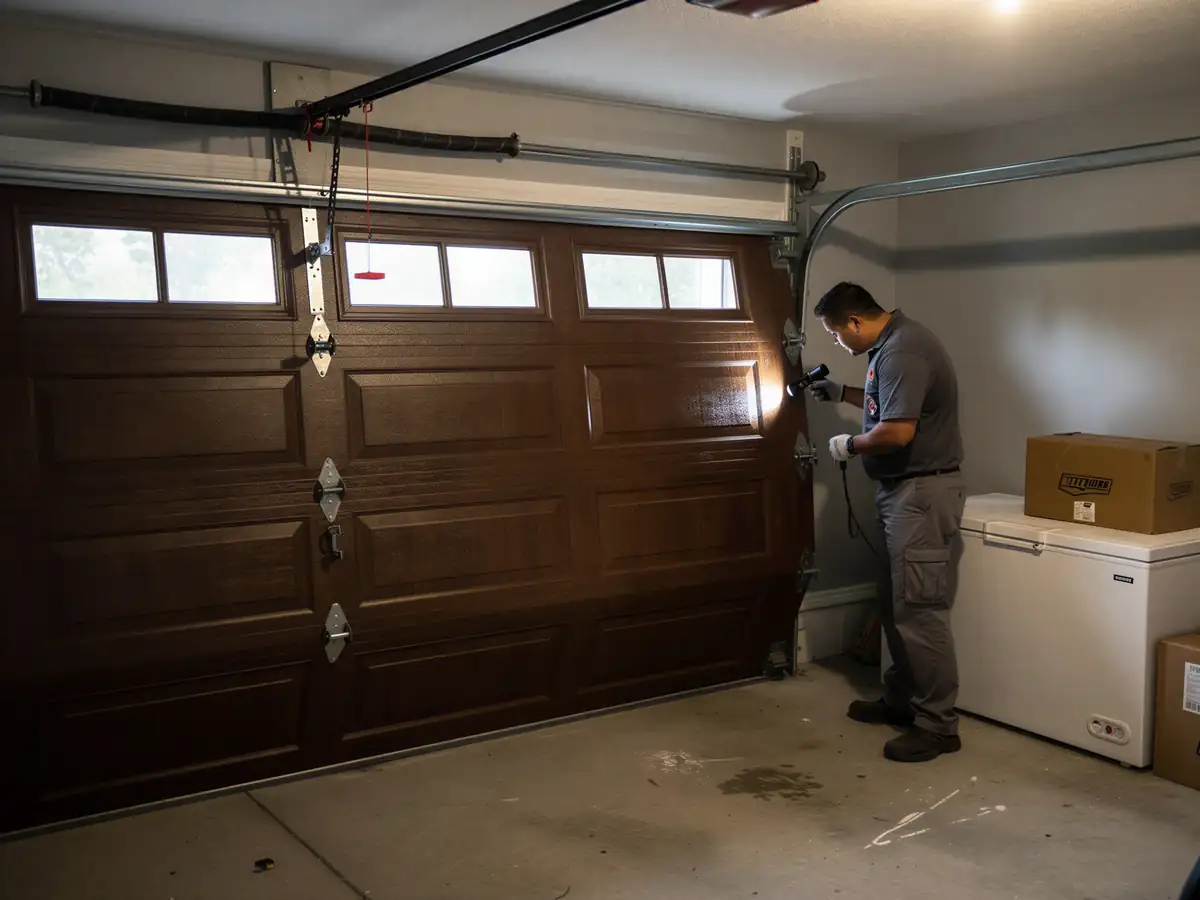
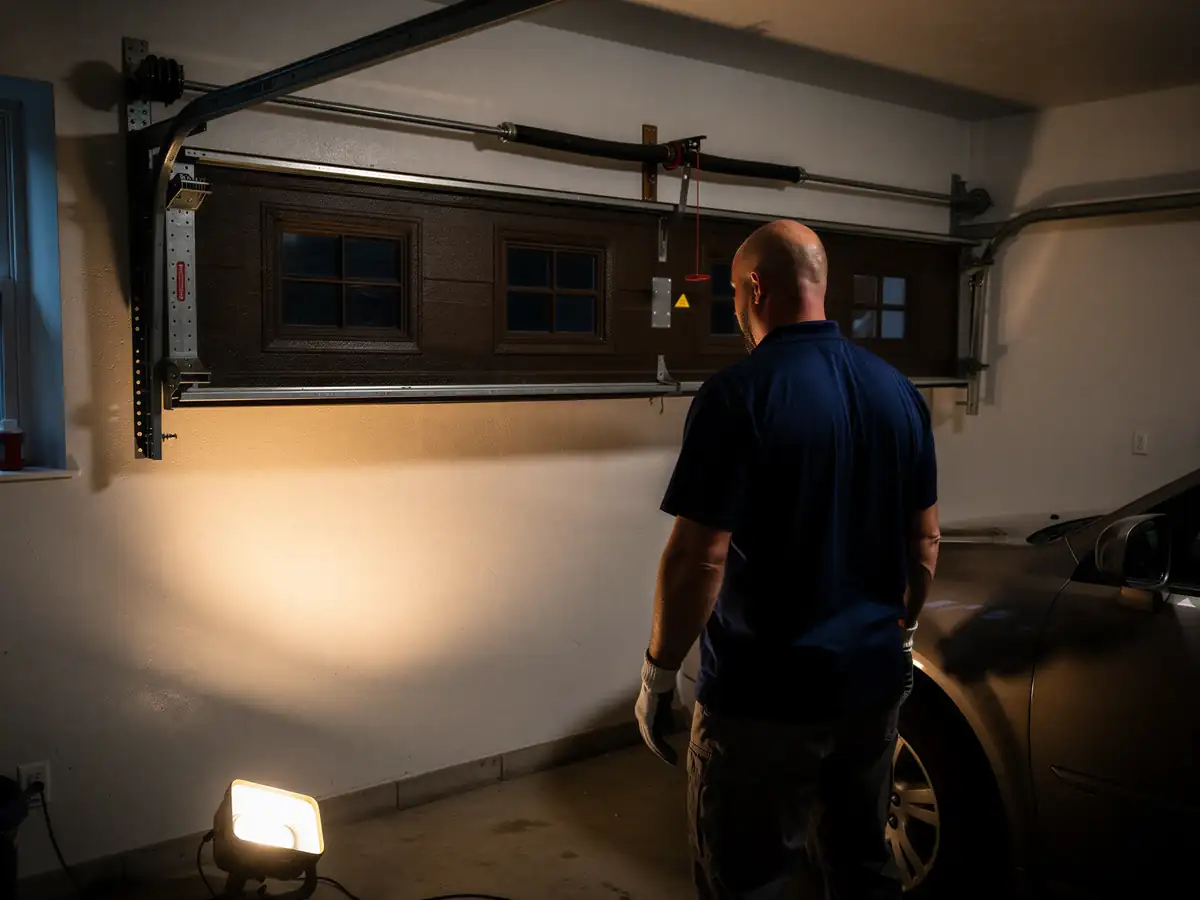
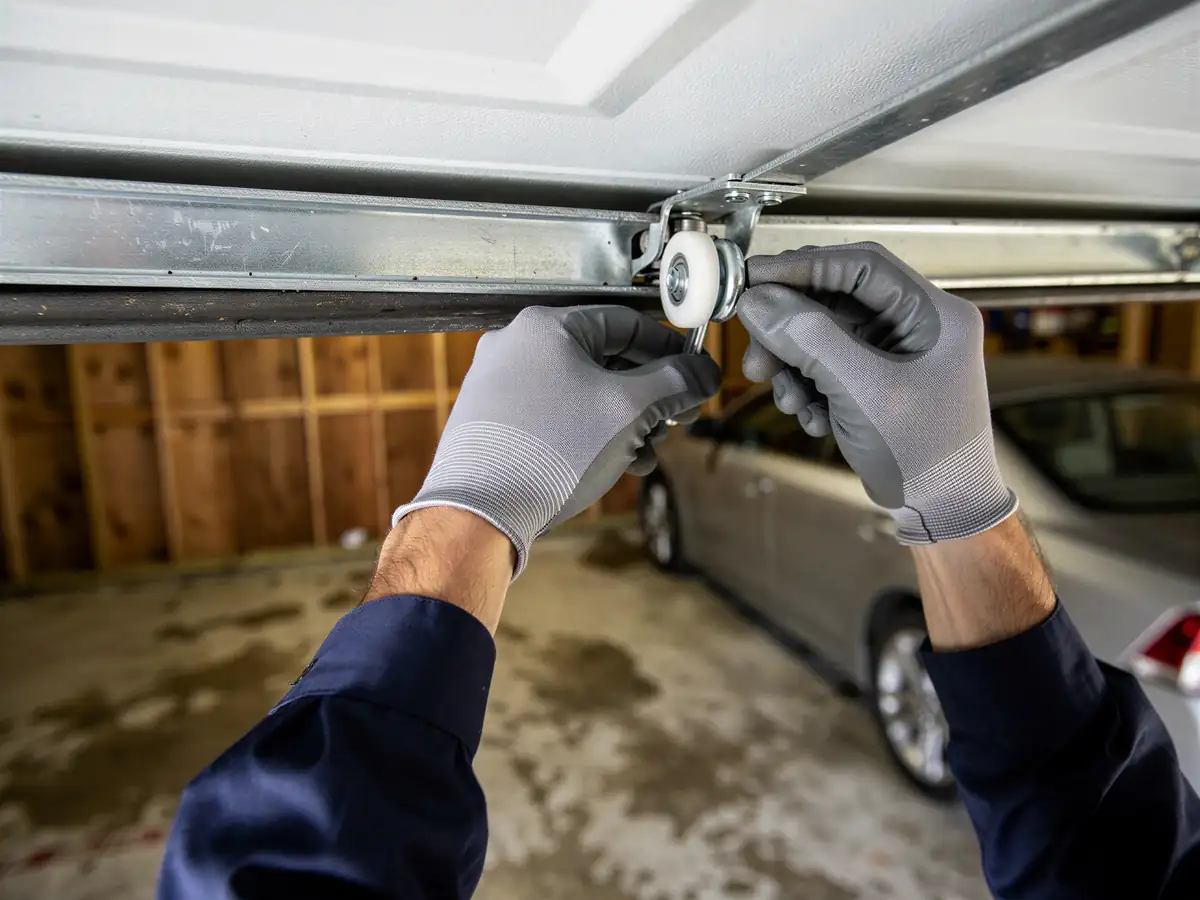
We're not going to hand you a round number for this because it depends on what we find once the door's open. A straight swap - rollers only, track in decent shape - moves fast. A door where the track has worn grooves to match the old rollers, which is common on hardware this age, takes longer because we're correcting the rail before the new rollers go in, not just dropping them in place. Houses in this part of the area have had a long time for that kind of wear to set in, given how far back the housing stock here goes. The other variable is how many rollers are actually bad versus just noisy - sometimes one cracked roller is throwing off the whole door's sound, and the rest are fine. We check all of them before we start swapping, so we're not pulling good hardware along with the bad. We'll give you a real estimate once the door's up and we can see the track, not before.
What Causes It Around Here
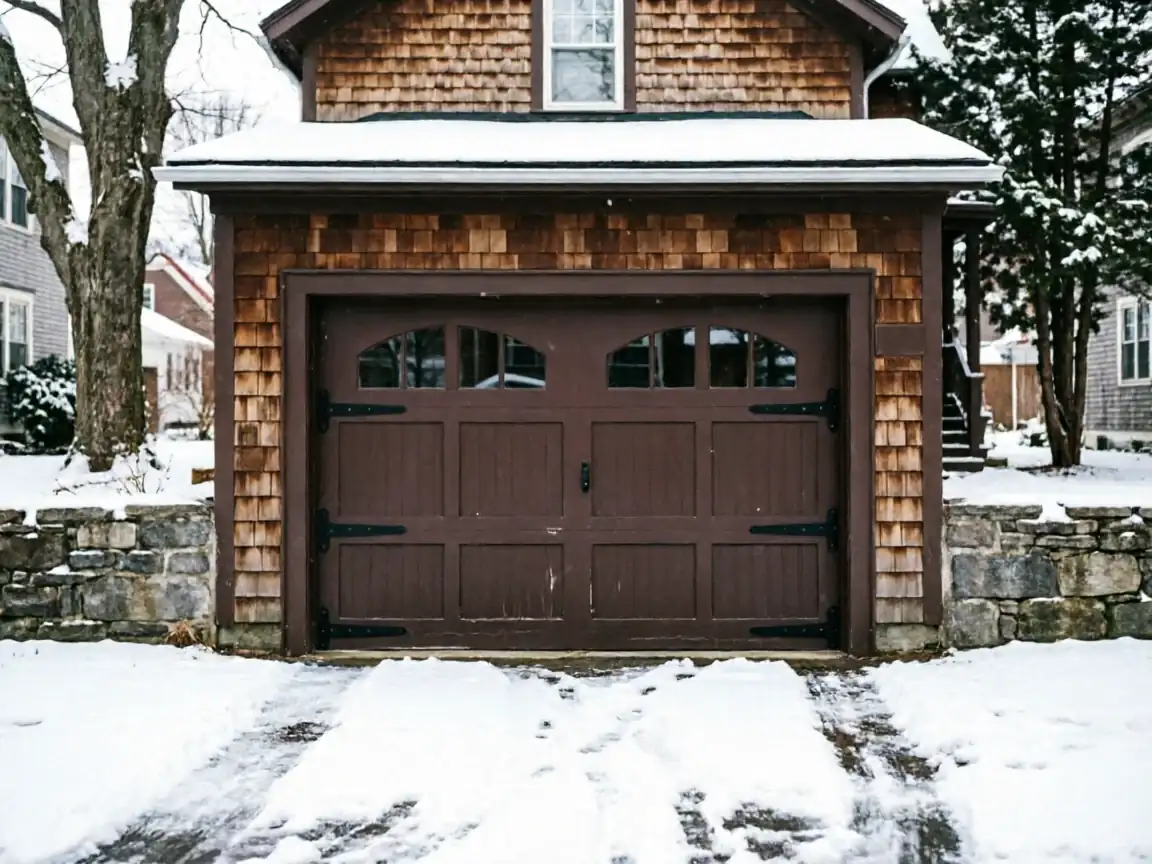
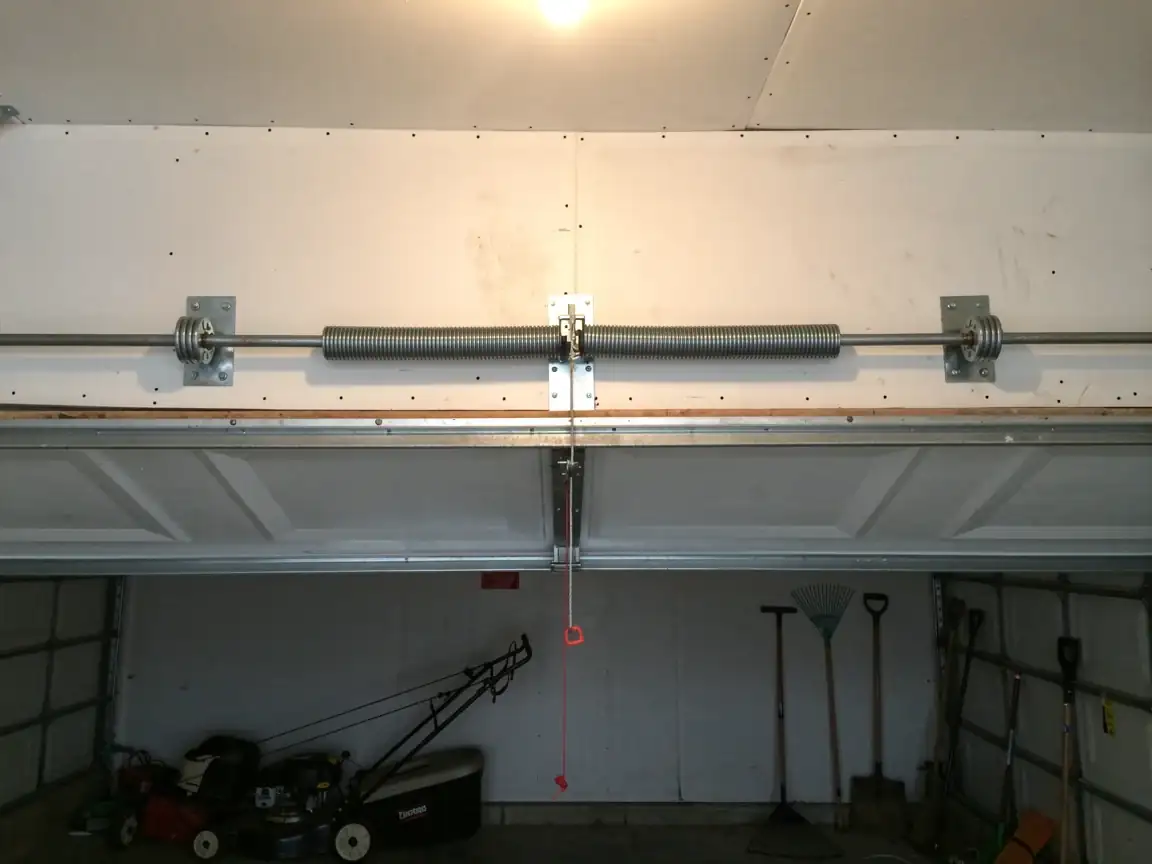
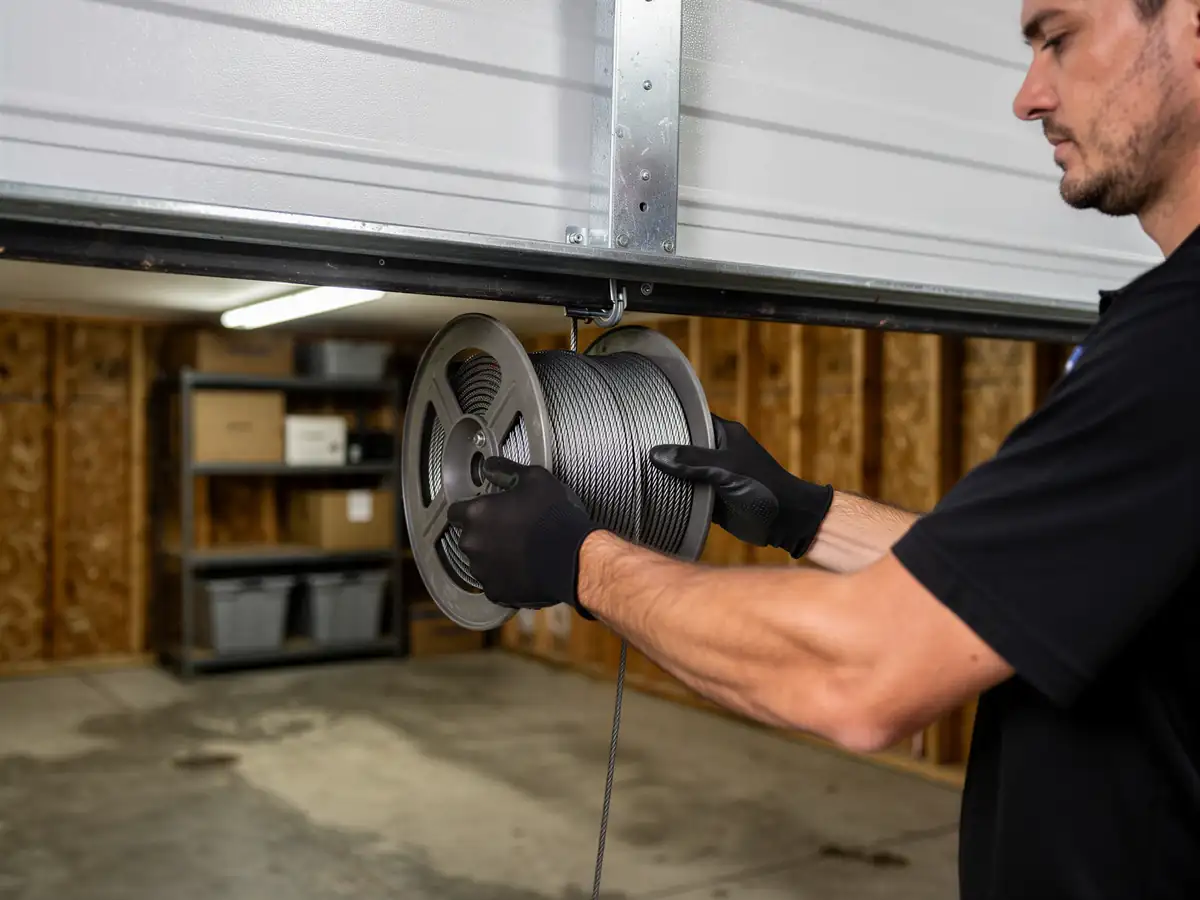
The median year built in Chevy Chase runs to 1938, noticeably earlier than the wider area's median of 1973, and that age gap shows up directly in roller wear. Doors from this era were built with steel rollers on steel track almost without exception, and steel rollers don't have the give that nylon does - they ride hard against the rail and wear a matching groove into it over decades. This area sits in a climate zone that swings into severe cold for stretches of the year, and steel contracts and expands with those swings in ways nylon doesn't, which loosens roller stems and widens the wear pattern faster than it would somewhere milder. Add eight decades of that cycle repeating every winter, and a track built in 1938 has had a long run to develop the kind of wear that makes a door sound rough even when nothing's technically broken. That combination - original steel hardware, an old rail, and a real winter every year - is the specific thing we're looking for when a call comes in from this part of the area, more than from newer stock nearby.