Booking a Visit
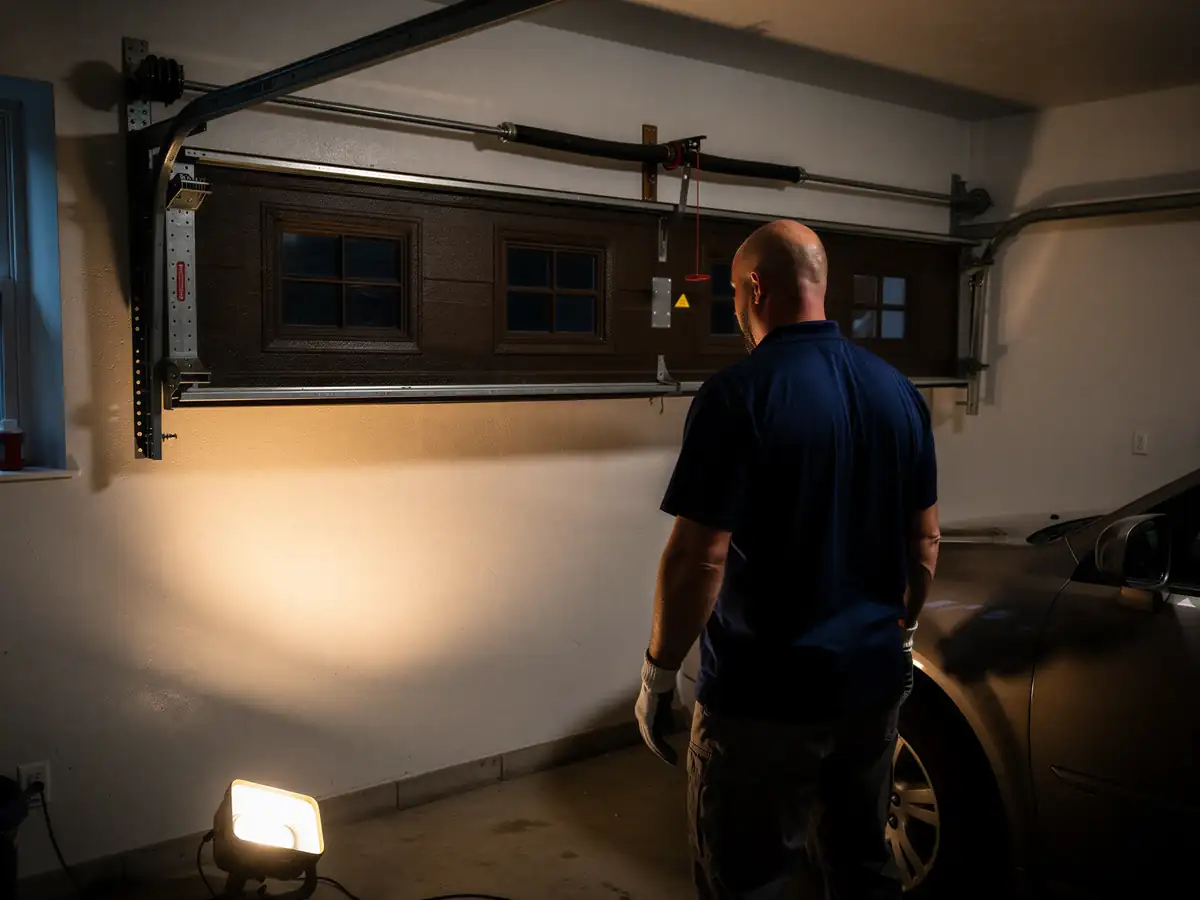
Chevy Chase sits about two miles from our Bethesda shop, close enough that a call here doesn't need a wide scheduling window built into it. That short drive matters more than it sounds like it should: a tech can look at the door, see what's bent or snapped, and still have most of the day left to source a part if the track itself needs replacing rather than just re-hanging. We work this area regularly because of how close it sits, not because we keep a separate crew or depot here - every job out of Chevy Chase runs through the Bethesda operation. When you call, tell us what the door is doing (one side dropped, door won't move, it's grinding) and whether anyone forced it after it jumped the track. That detail changes what we bring on the truck.
How Long It Takes
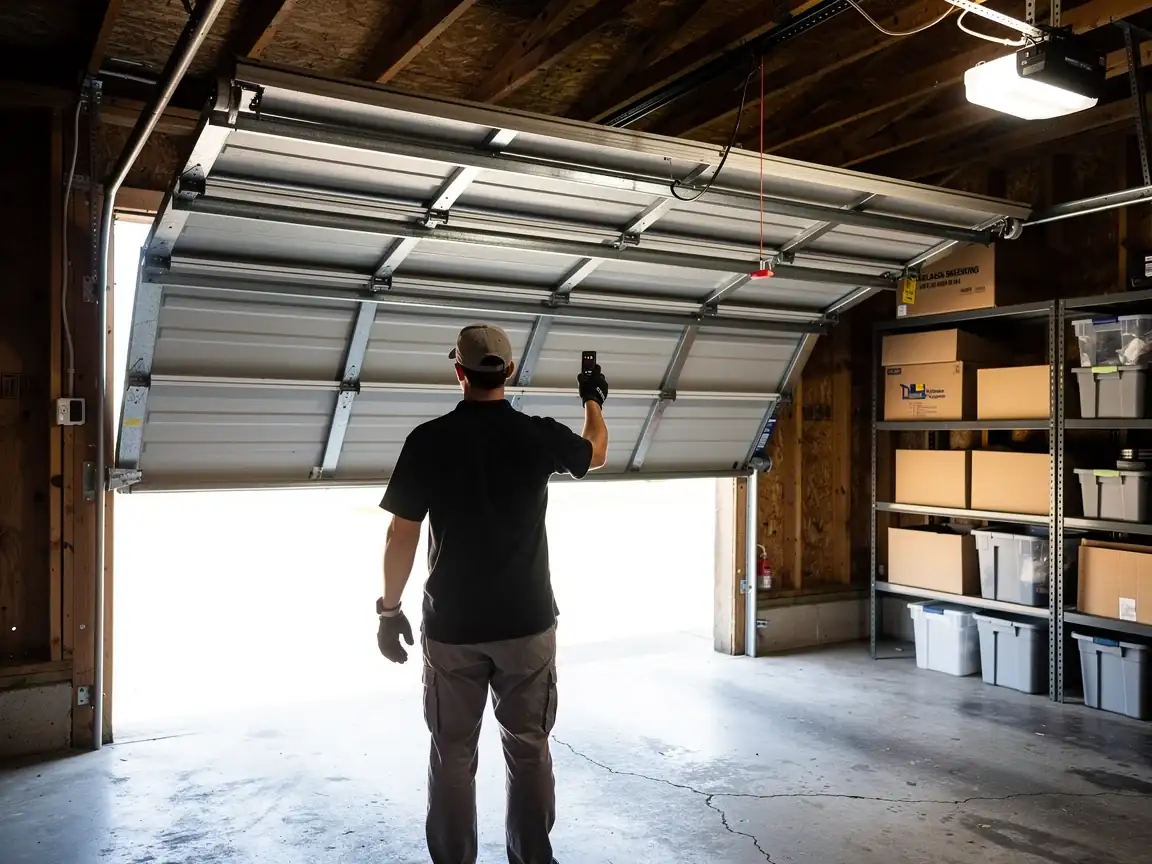
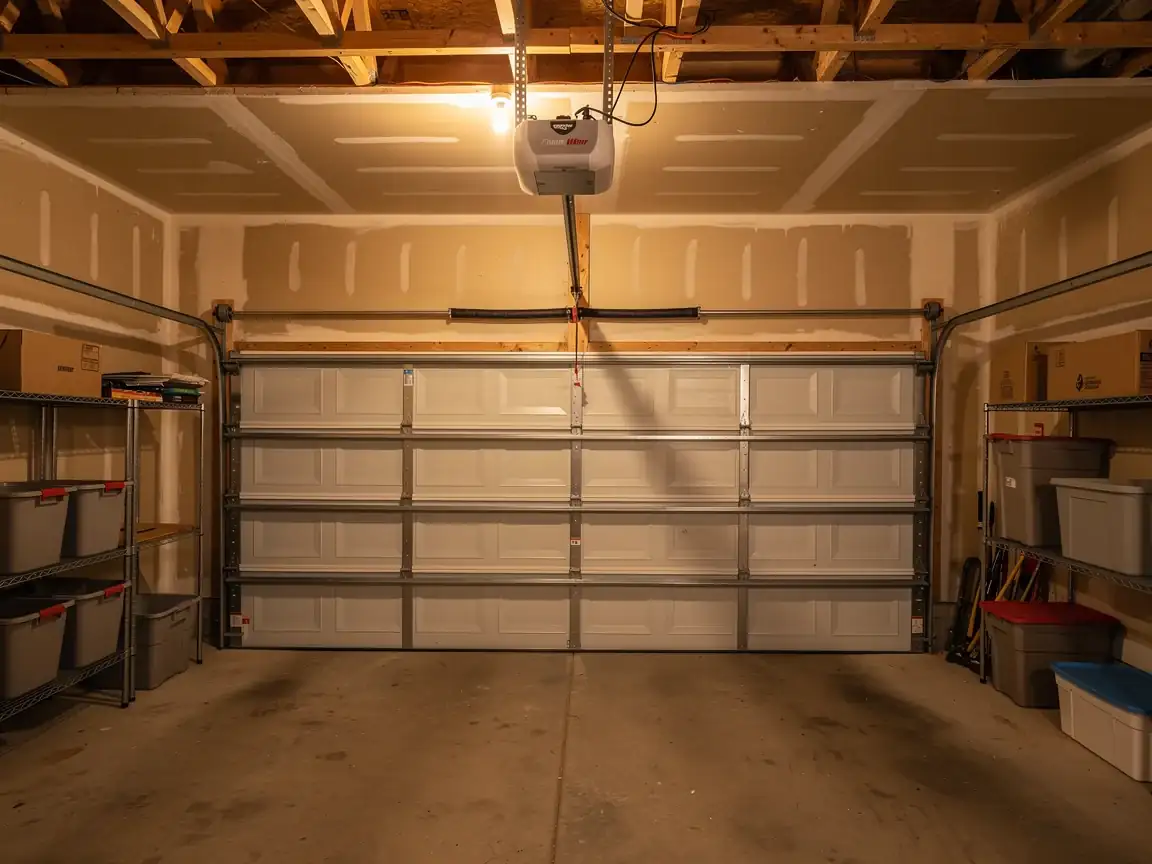
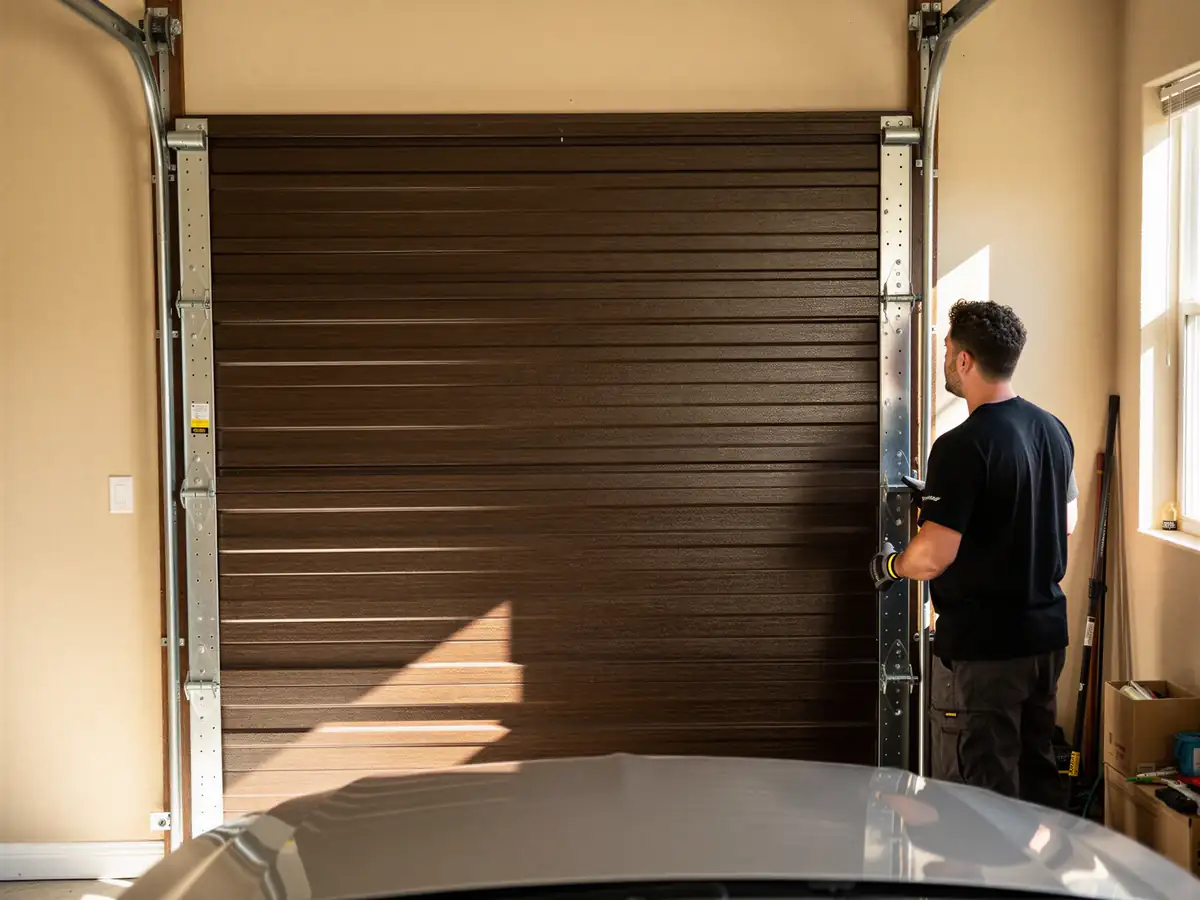
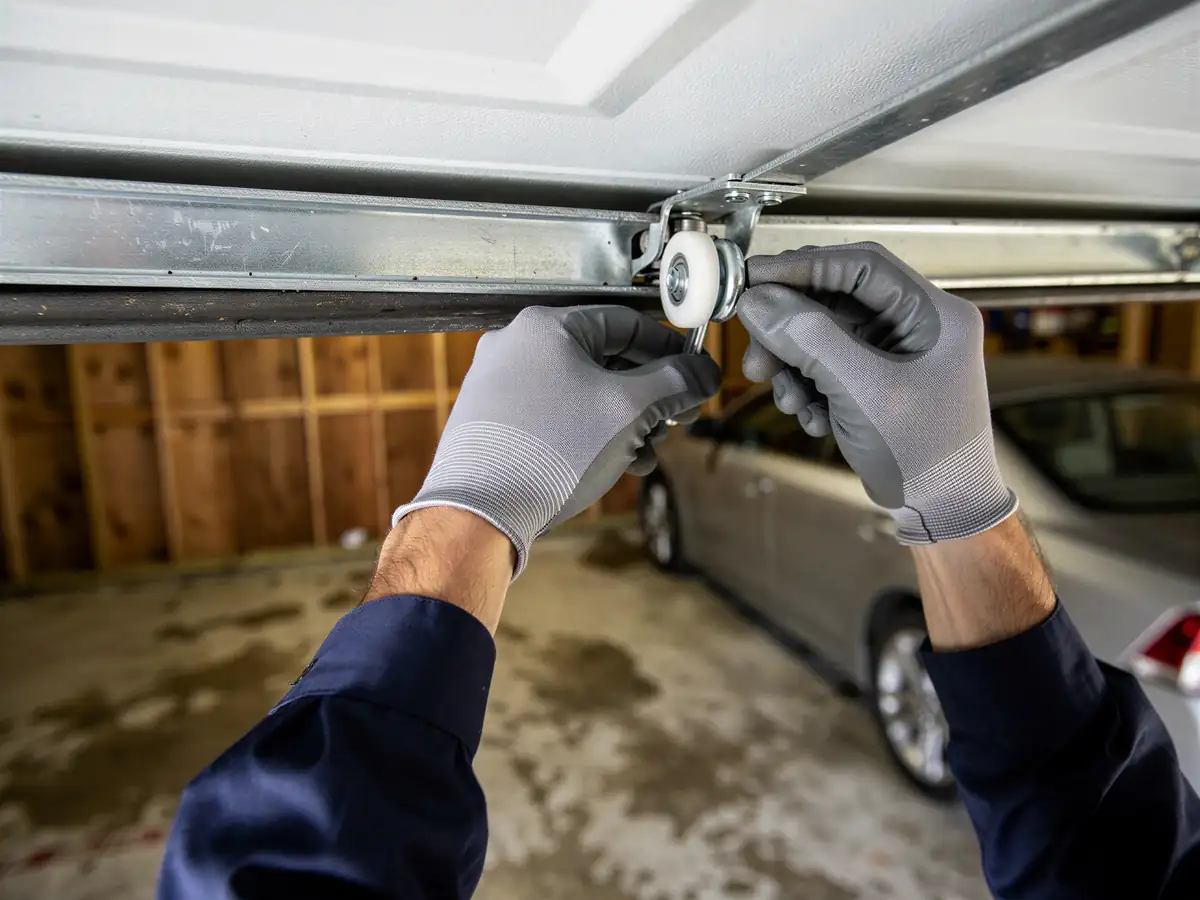
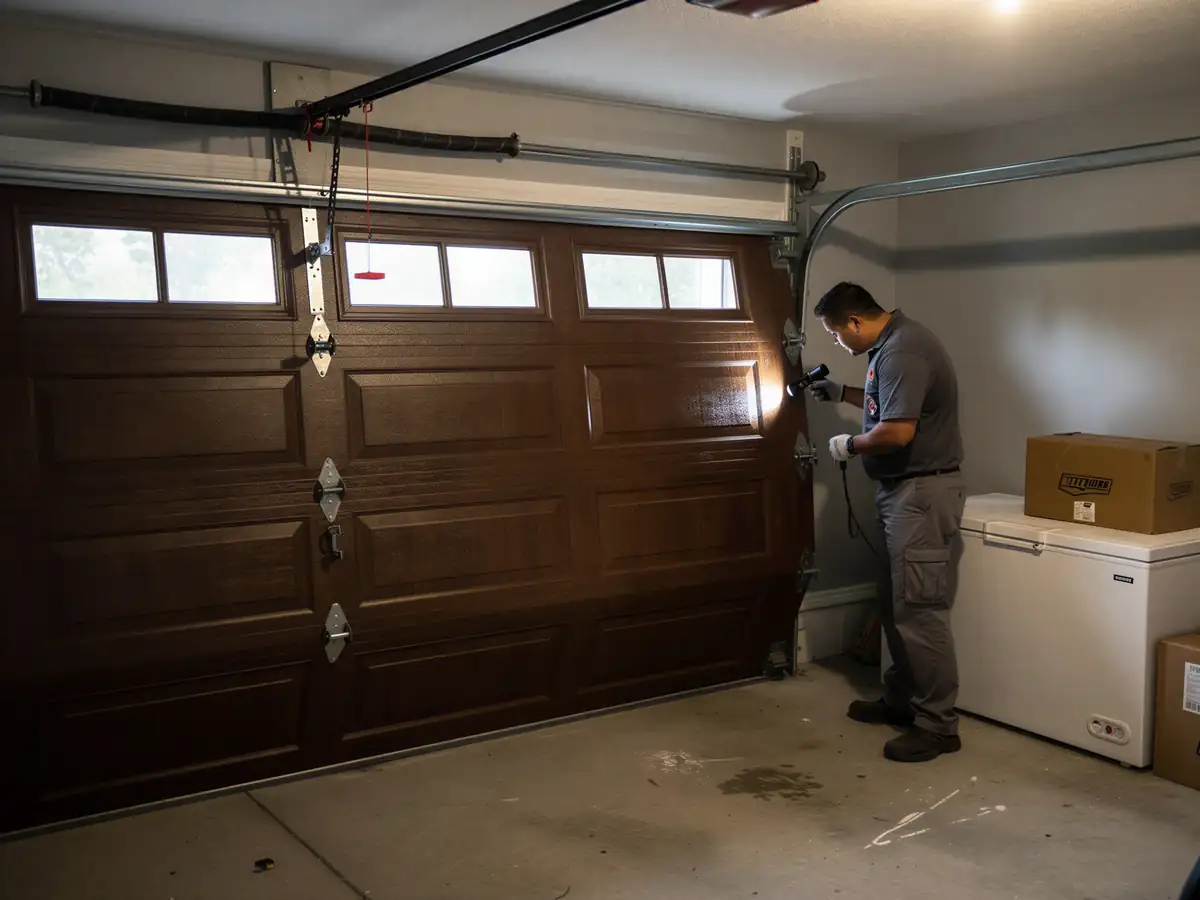
A simple off-track door - rollers out, track intact, no bent panels - is usually a same-visit fix measured in an hour or so once the tech is on site. Where it runs longer is when the track has to be replaced in a short section, or when the door is a heavier insulated steel panel riding on hardware sized for something lighter, which is common enough on the older end of this area's housing stock. In that case the first visit is diagnosis and a temporary secure of the door, with a return trip once the right track section is in hand. We won't quote you a single number for 'how long' until we've seen which of those two jobs you actually have.
What Causes It Around Here
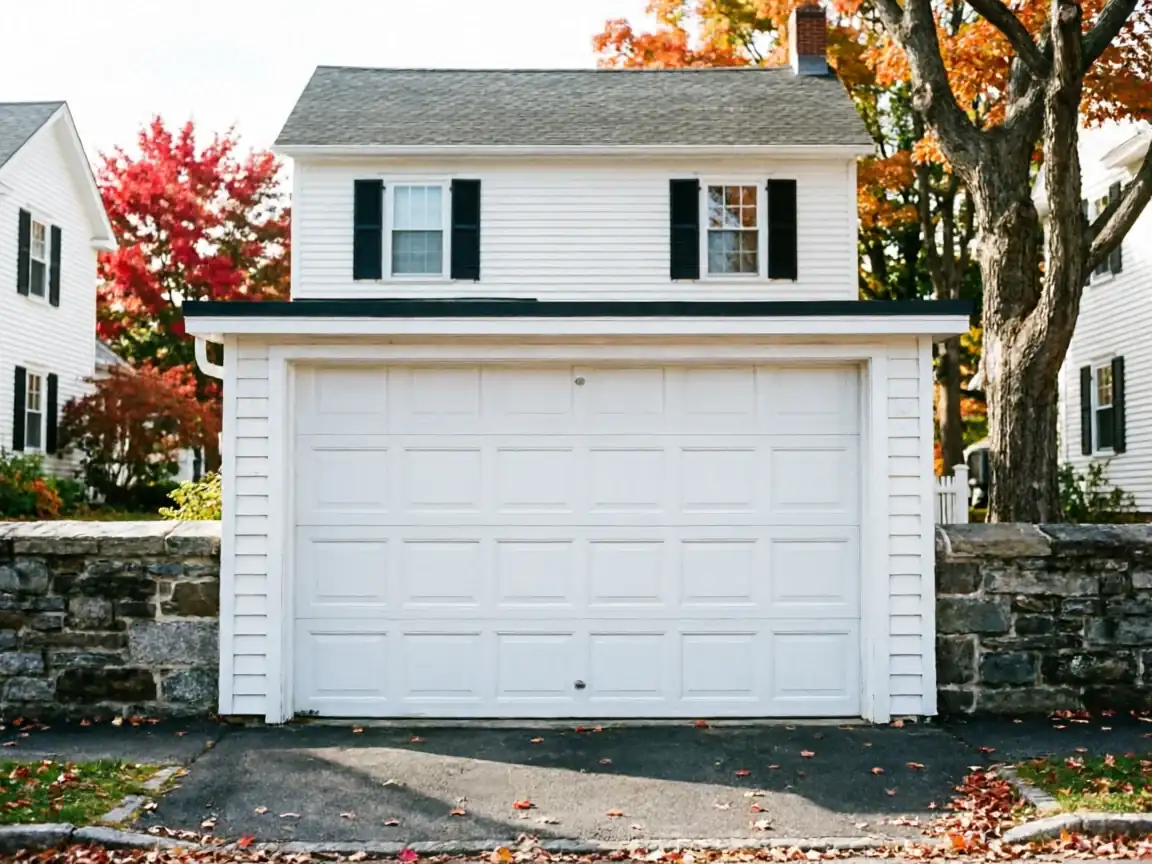
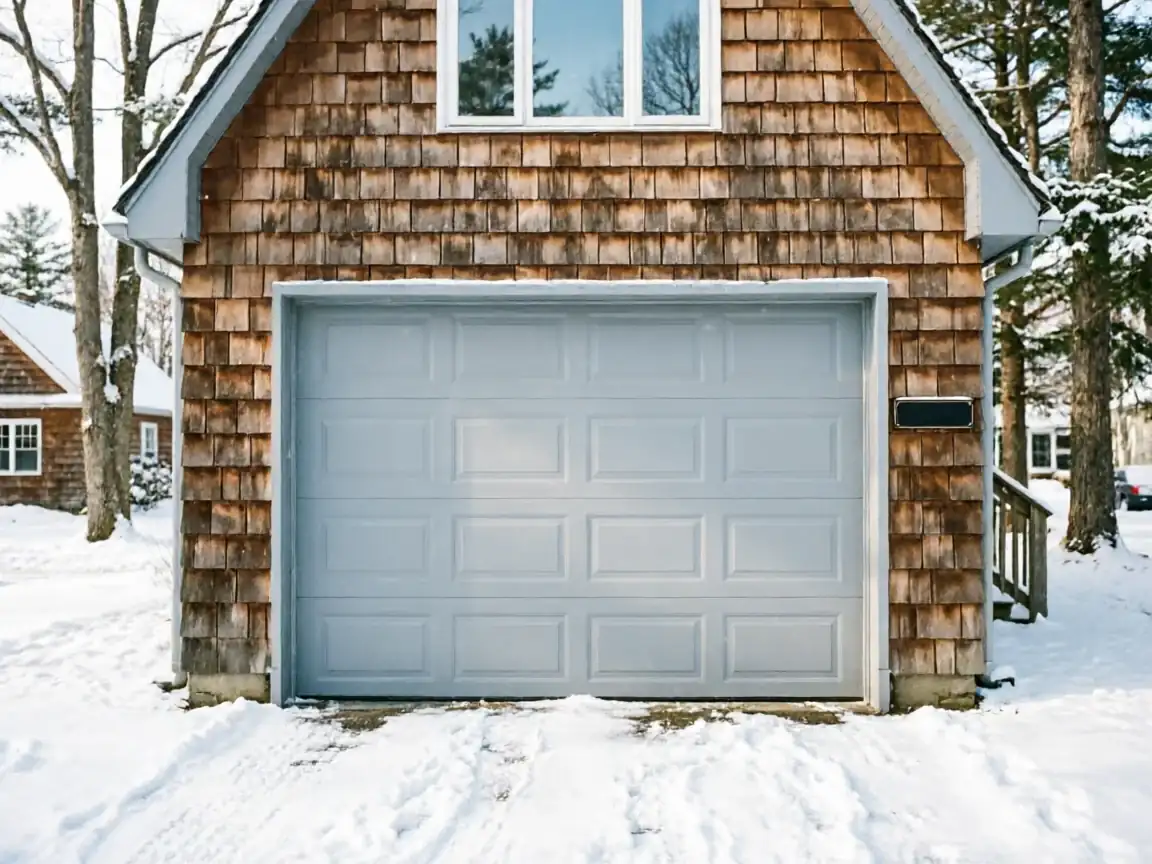
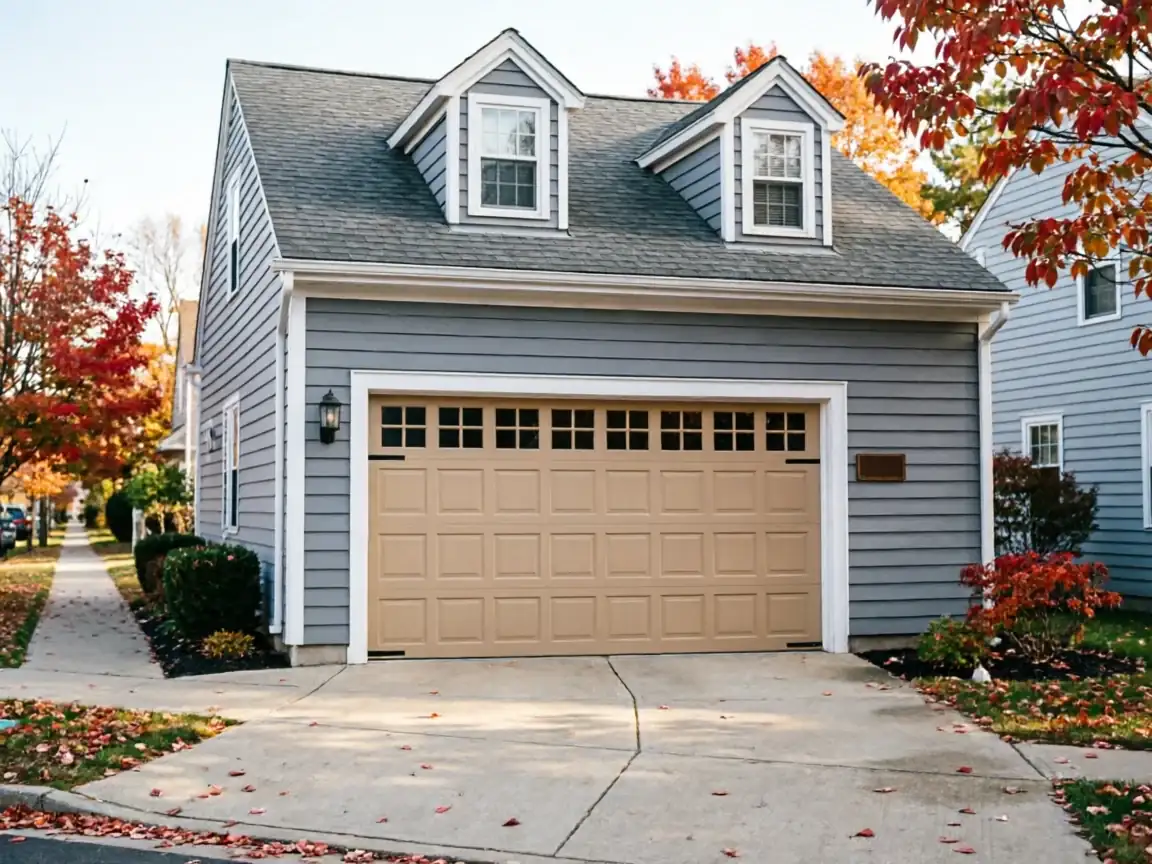
Chevy Chase's median year built of 1938 is well ahead of the wider service area's 1973 median, and that gap shows up directly in track failures. Older garage structures here were built for lighter wood-panel doors on narrower track and lighter brackets; many owners have since upgraded to heavier insulated steel doors without upgrading the track and hardware underneath them. The mismatch means rollers ride loose in a track that was never sized for the extra weight, and it takes less than you'd think - a slightly uneven floor, a bracket that's worked loose over decades - to pop the door off that track entirely. Add in a cold-climate band with repeated freeze-thaw cycles, which stiffens grease, shrinks metal fractionally, and loosens fasteners faster than a milder climate would, and you've got two separate reasons this fault shows up more here than it might somewhere with newer stock and a gentler winter.