The Symptom
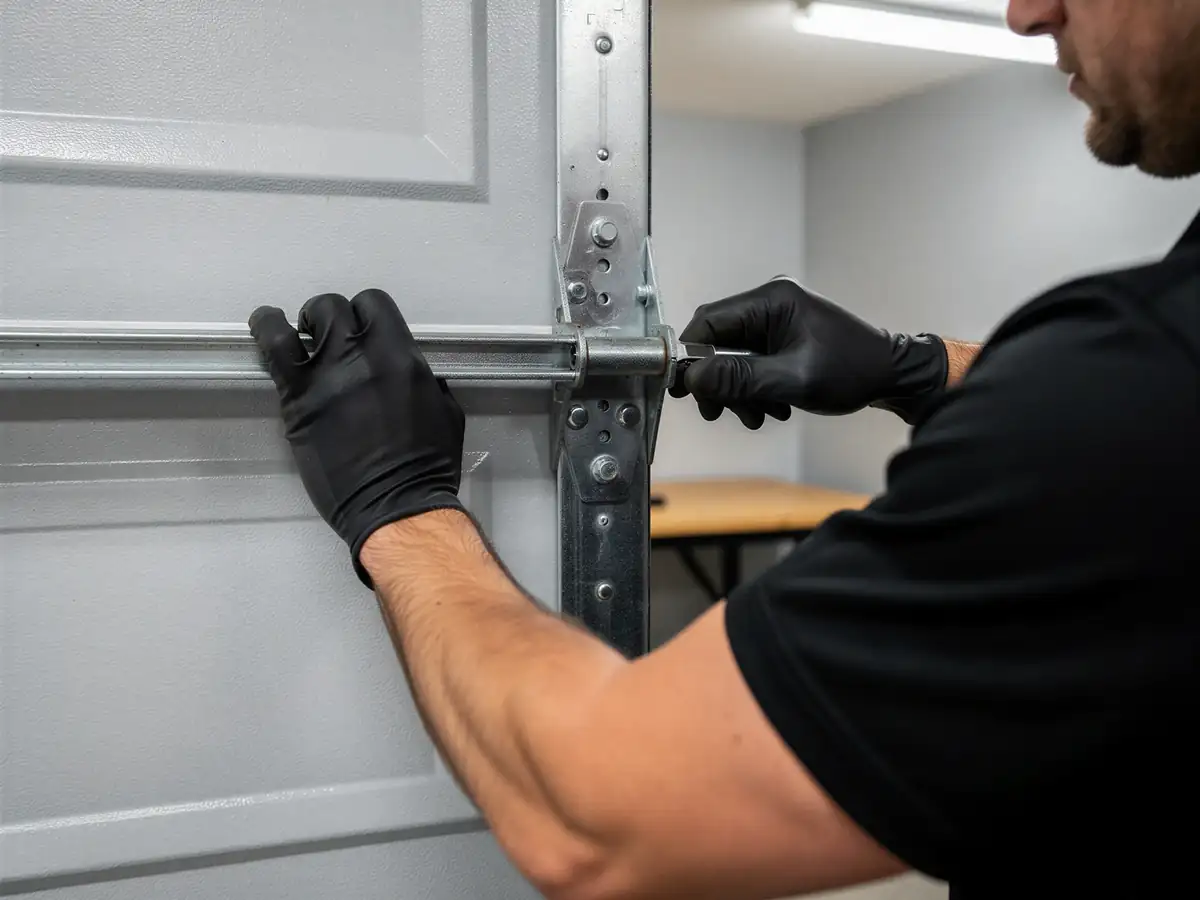
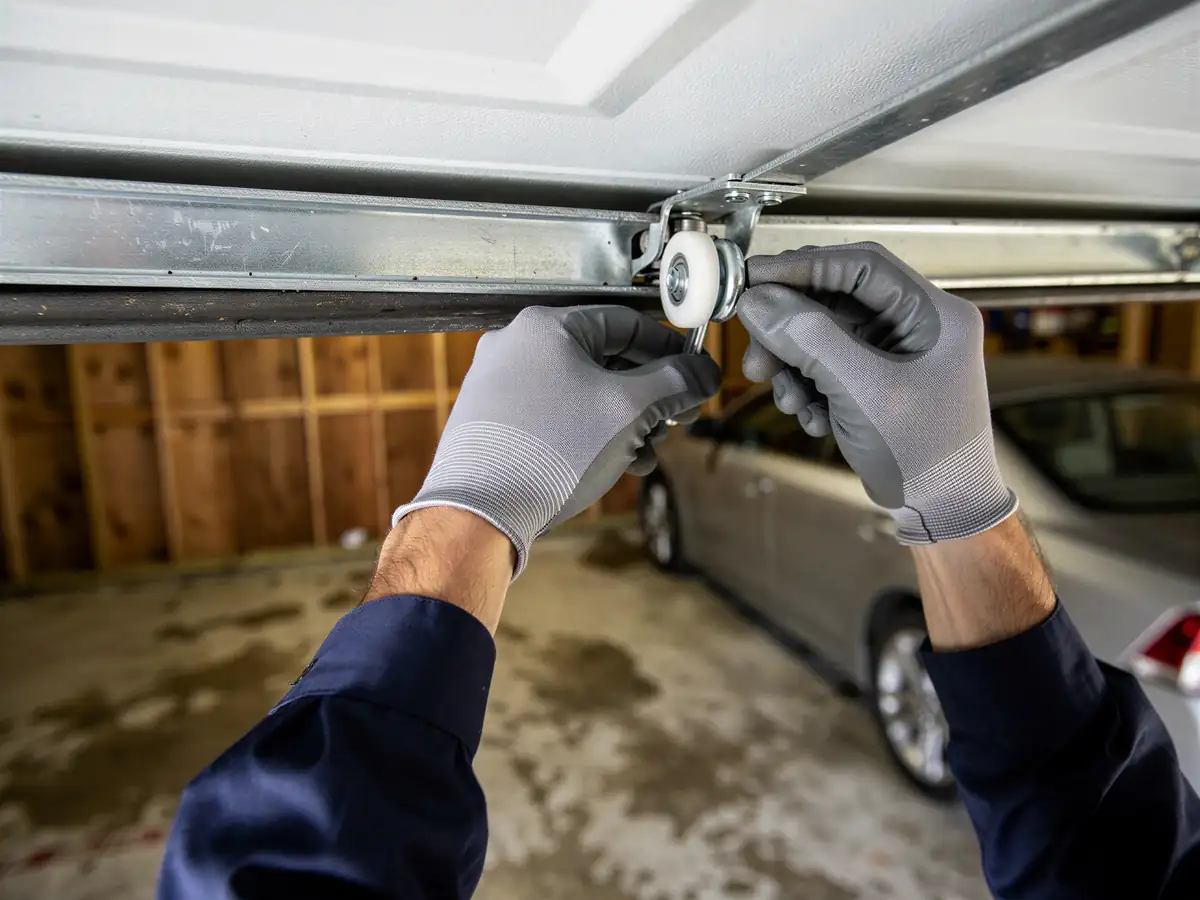
If your door sounds like it's grinding gravel every time it opens, or it jerks and hesitates partway up the track, the rollers are usually the problem before the opener or the springs get blamed. Steel rollers wear flat on one side and start binding in the track. Nylon rollers crack at the stem and the wheel wobbles instead of rolling clean. Either way the door rides rough, and on a cold morning in Bethesda that grinding is louder and the binding is worse, because the stiffer steel track contracts and the clearance that used to hide a worn roller disappears.
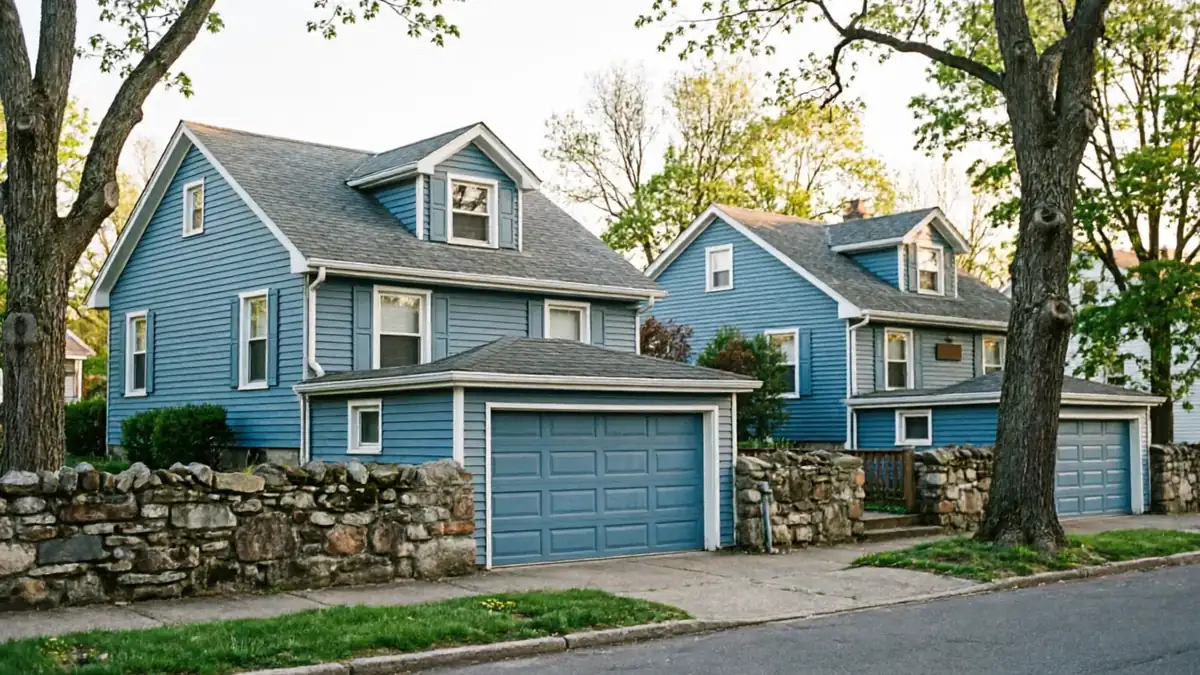
A lot of the houses we work on in this area were built between 1938 and 2014, with the bulk of the stock going up in the 1960s and 70s. Doors on those original tracks are still running steel rollers on steel track with no nylon bushing, which is a noisier, faster-wearing setup than what goes in new installs today. If you've owned the house a while and never touched the rollers, that's often exactly what's happening.
The giveaway that it's rollers and not the opener: the door moves under hand power the same way it moves under the opener, rough the whole way, not just at one spot. If it only sticks at one point in the track, that's more likely a bent rail or a hinge, not the rollers.
How Long It Takes
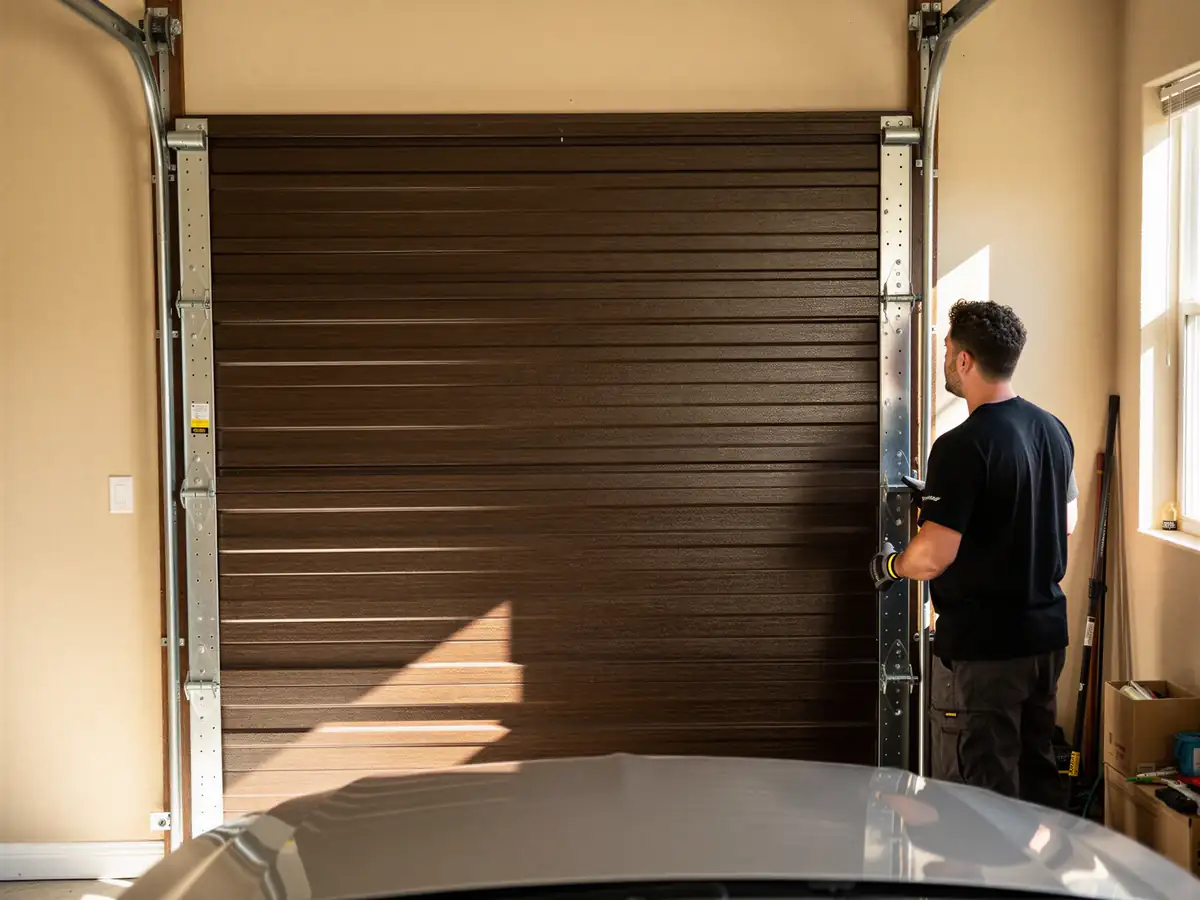
A straight roller swap on a single door, done on site, is a same-visit job once we're there
Most of the time on the clock is removing the old rollers one at a time with the door under control, not fighting the whole door open. Doors with ten or twelve rollers (most residential doors run eight to twelve depending on panel count) take longer than a narrow door with fewer panels.
What stretches the job is track condition
If the steel track itself is dented or the rail brackets are loose from decades of use, which shows up more in the older housing stock around Bethesda, we're straightening or resetting track before new rollers will even seat right. That's still the same trip, just more of it.
The one thing that pushes a job to a second visit is a roller size or style we don't carry on the truck
Usually on a door with nonstandard stem length or an odd-sized track from an older manufacturer. We don't guess on that; if it needs a part we don't have on hand, we tell you before we start, not after.
The Cost of This Job
We're not going to put a number on this page, because roller replacement cost swings on things that are specific to your door, not to the neighborhood: how many rollers need replacing, whether you want nylon over steel, whether the track needs straightening or replacing along with the rollers, and whether this is a standalone repair or gets bundled with other work while we're already there. Quoting a flat number here would be a guess, and we'd rather give you a real number on your door than a range that doesn't mean anything.
What we can tell you is what drives the price up or down. Full-roller jobs (all of them at once) cost more than spot-replacing two or three, but they also mean you're not paying a second service call in a year when the next ones go. Nylon rollers cost more per unit than steel but run quieter and last longer, which matters if your garage sits under or near a bedroom. And if the track's bent or the brackets have pulled from the jamb, that's additional work beyond the rollers themselves.
Ask for the breakdown when we quote. You should know what you're paying for roller count versus track work versus any opener adjustment, not just one lump total.
What Causes It Around Here
Three things line up against garage door rollers in this area, and none of them are about neglect. First, the housing stock: median build year across the area is 1973, and most of the stock we see dates from the 1960s and 70s. Original hardware on houses that age is steel rollers on steel track, a combination that's noisier and wears faster than nylon-on-steel from the start, and thirty, forty, fifty years of cycles on that setup adds up.
Second, the climate. This is a cold-climate region with real winter severity, and steel contracts in the cold. That shrinks the clearance between roller and track right when the roller is already worn, which is why a door that was merely noisy in October can start binding hard by January. Grease that worked fine in summer also stiffens up in the cold, which adds friction right at the point a worn roller is least able to handle it.
Third, two-car garages with heavier doors put more weight per roller through more open-close cycles over the years, especially on households that use the garage as the main entrance, which is common across this area given the household and commuting patterns. None of this is unique to one block or one subdivision - it's the combination of age of stock and winter severity that does the wearing, wherever that combination shows up.