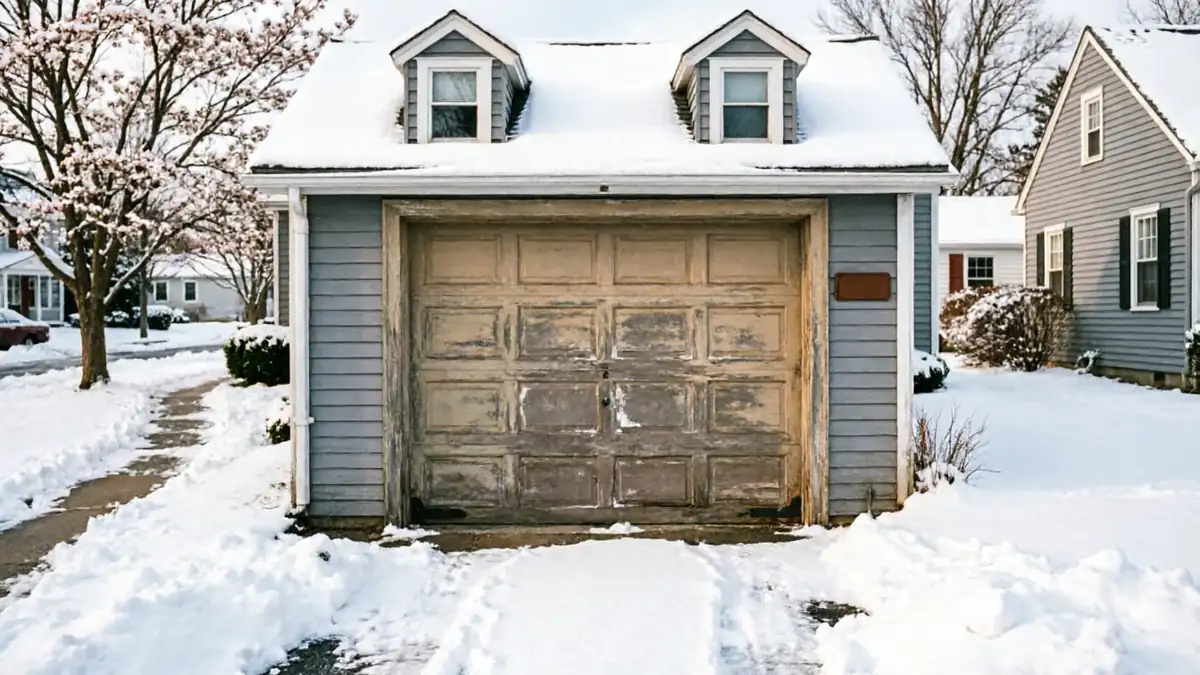
Leaving It Alone
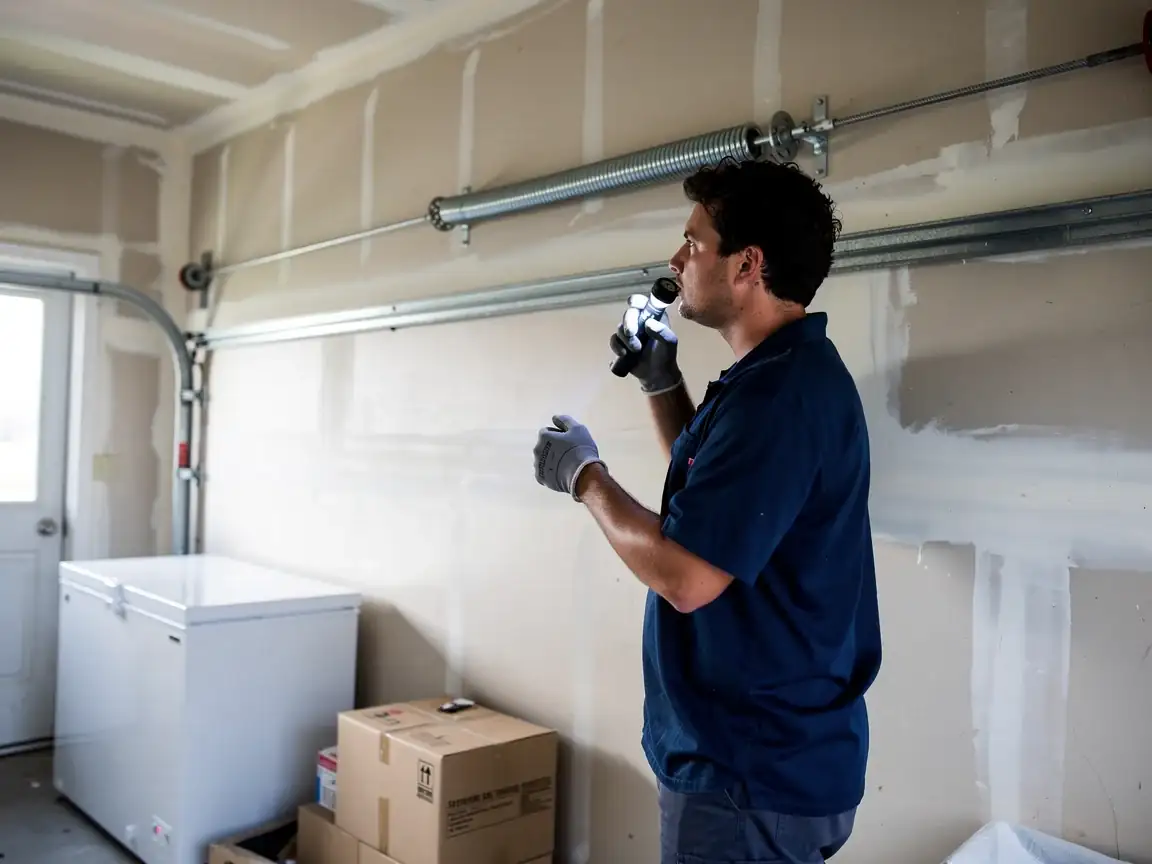
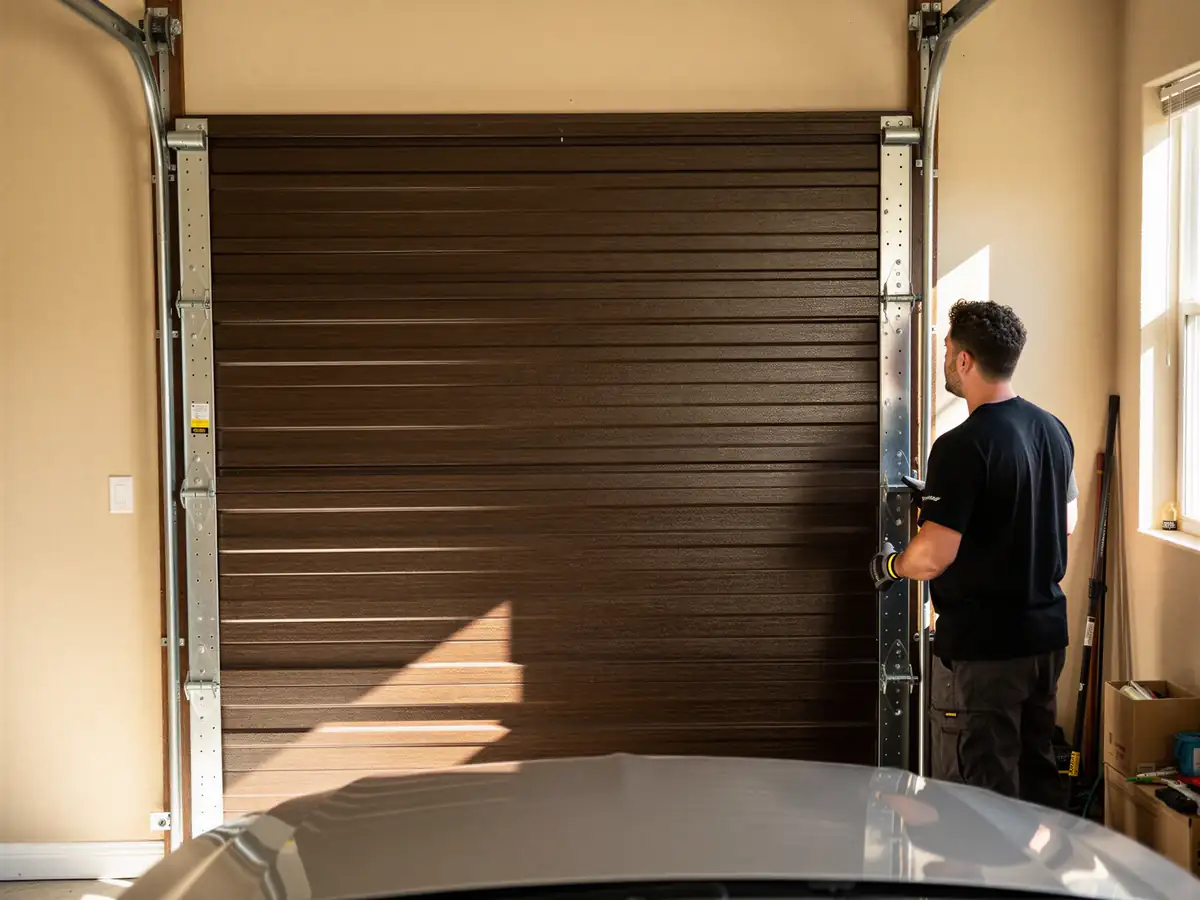
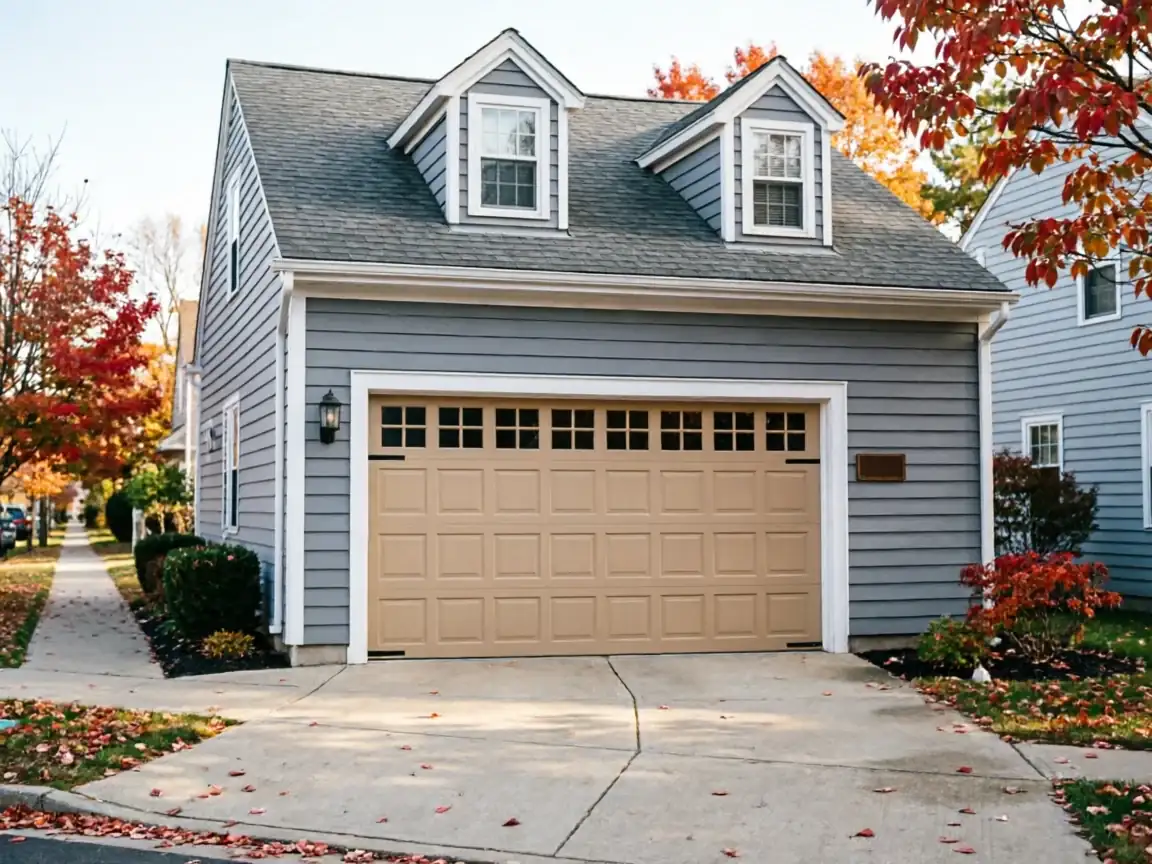
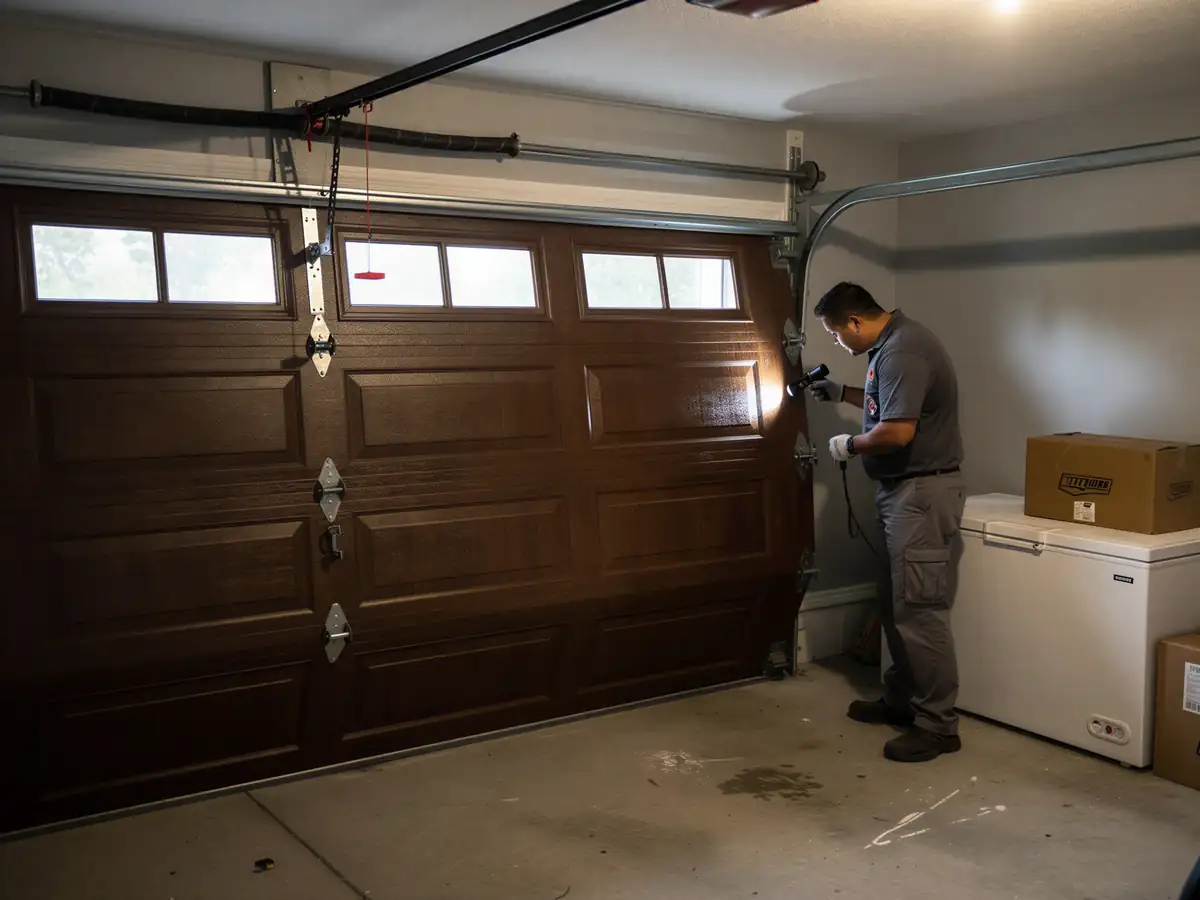
Not every door needs a call. If it opens, closes, and seals without a fight, the right move is to leave it alone. Most houses here went up between 1938 and 2014, with the median landing around 1973 - right in the thick of the 1960s and 70s building boom across the area's 75 named neighborhoods. A door from that stretch is old by today's standards but not automatically a problem. Steel sections from that era are usually heavier gauge than what gets installed now, and a lot of them still run true on their original track if the house settled evenly. We'd rather tell you a door has a few more years in it than talk you into a replacement it doesn't need yet. The honest version of this business is that plenty of service calls end with us tightening two bolts and leaving. If your door is quiet, balanced, and the opener doesn't strain, you don't owe it anything but the occasional look at the rollers and weatherstripping. Spending money on a door that isn't broken is the most common way homeowners overpay in this trade, and we're not going to be the ones talking you into it.
What Is Going On
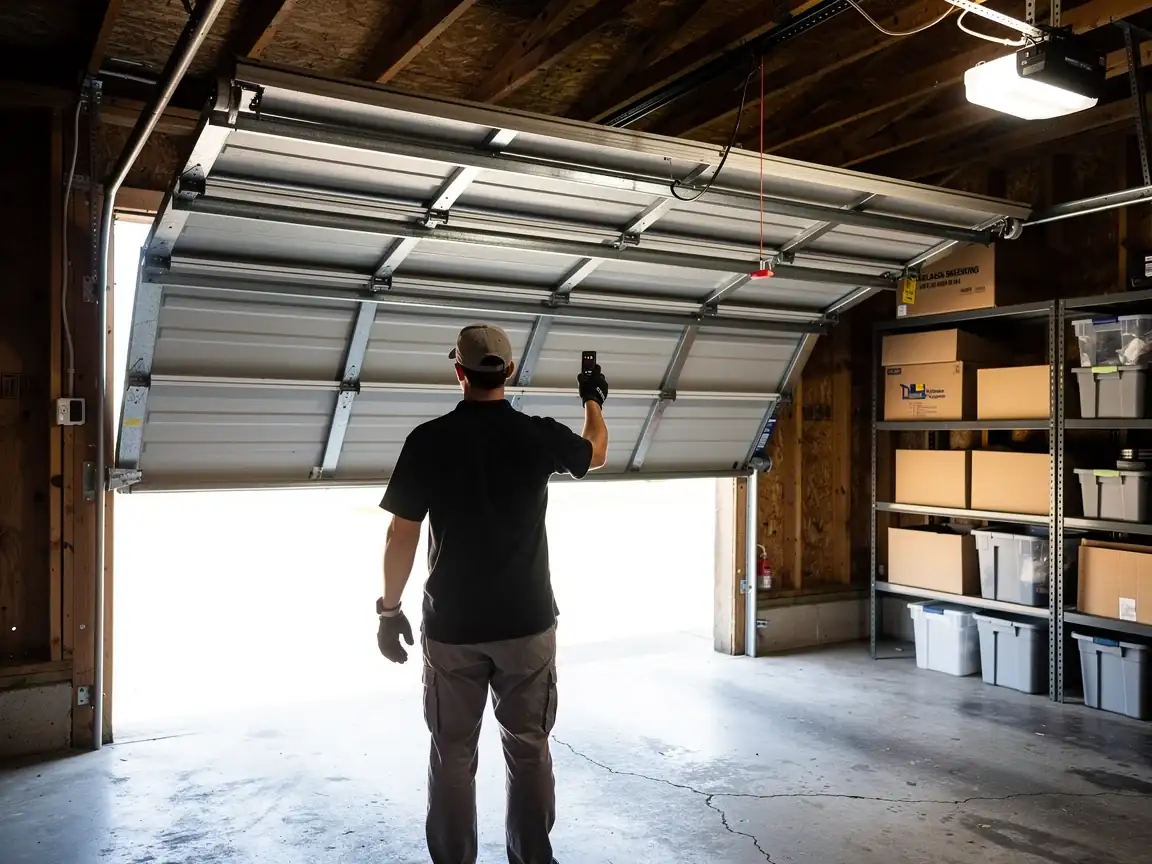
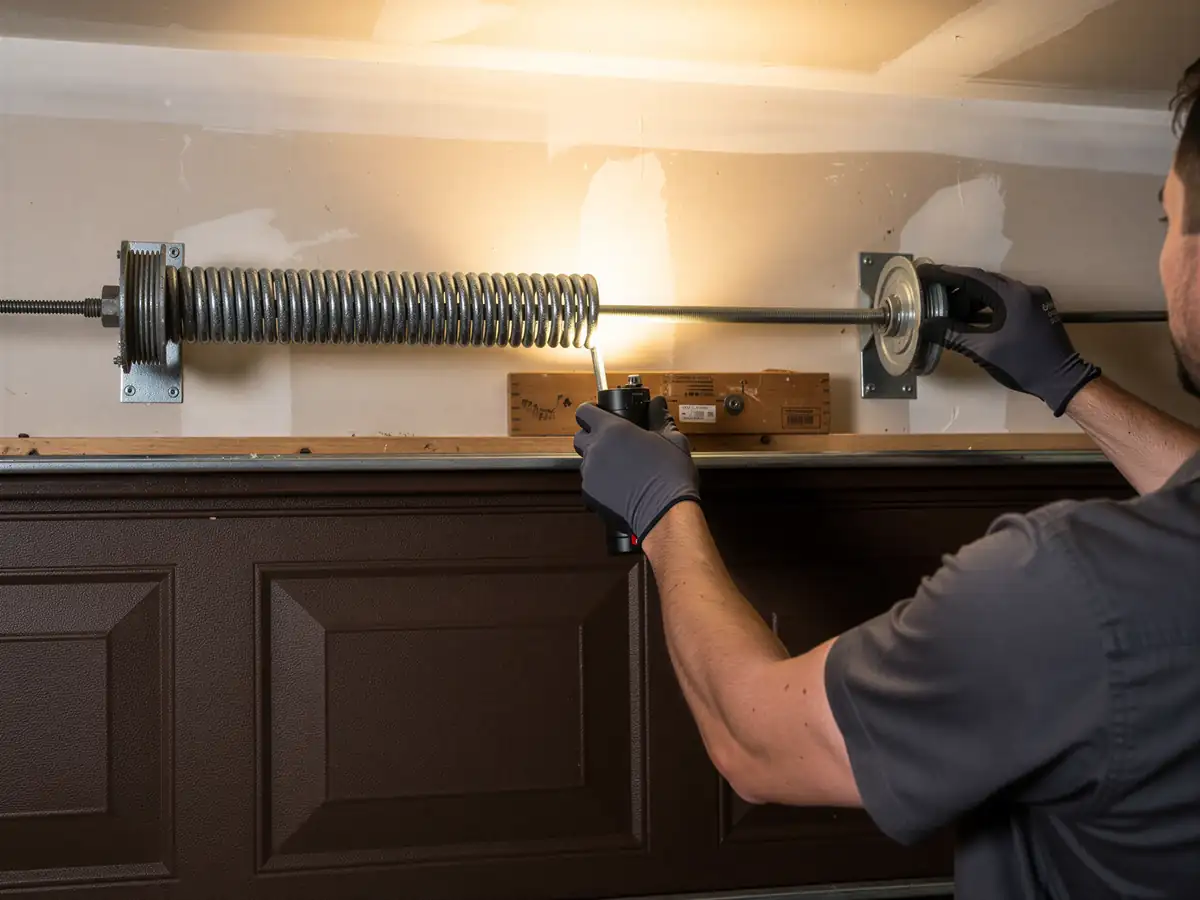
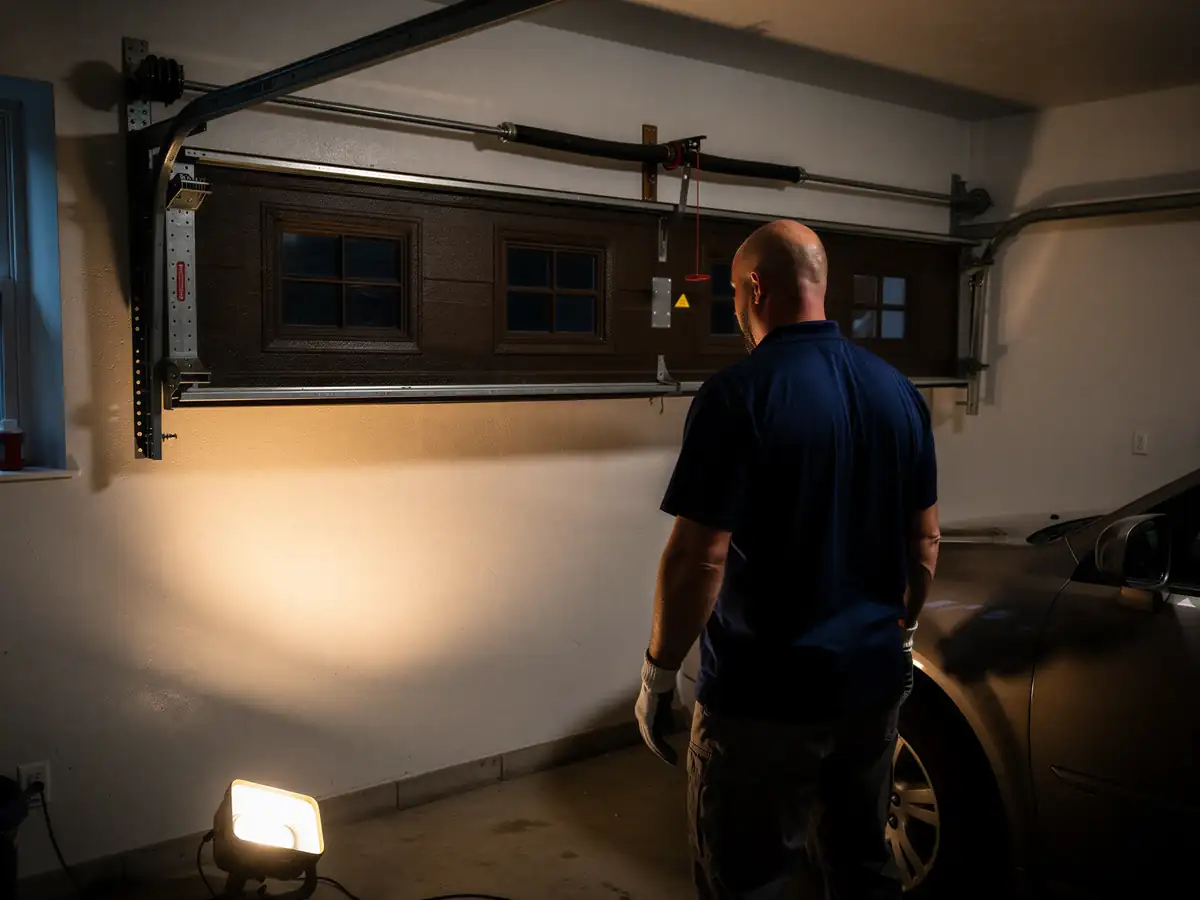
A house built near the 1973 median is old enough that its torsion spring has likely been cycled well past the point most springs are rated for, but not so old that the parts are impossible to find. That's the sweet spot for repair instead of replacement. What we actually see on these calls: a spring that's lost tension and makes the opener strain on lift, rollers that have gone from round to flat-sided, and track brackets that have loosened from decades of the same vibration. None of that means the door itself is bad. Panels from this era are often solid steel or a heavier composite than what's sold today, and once the moving parts are brought back to spec, the door can run another long stretch without complaint. Where it gets harder is hardware that's been discontinued - some of the original torsion drums and end bearings from houses built before the 1970s aren't stocked anywhere anymore, and matching them means either machining a workaround or replacing more of the system than the original failure called for. That's not a sales pitch, it's just where parts availability runs out.
When It Stops Being a DIY Job
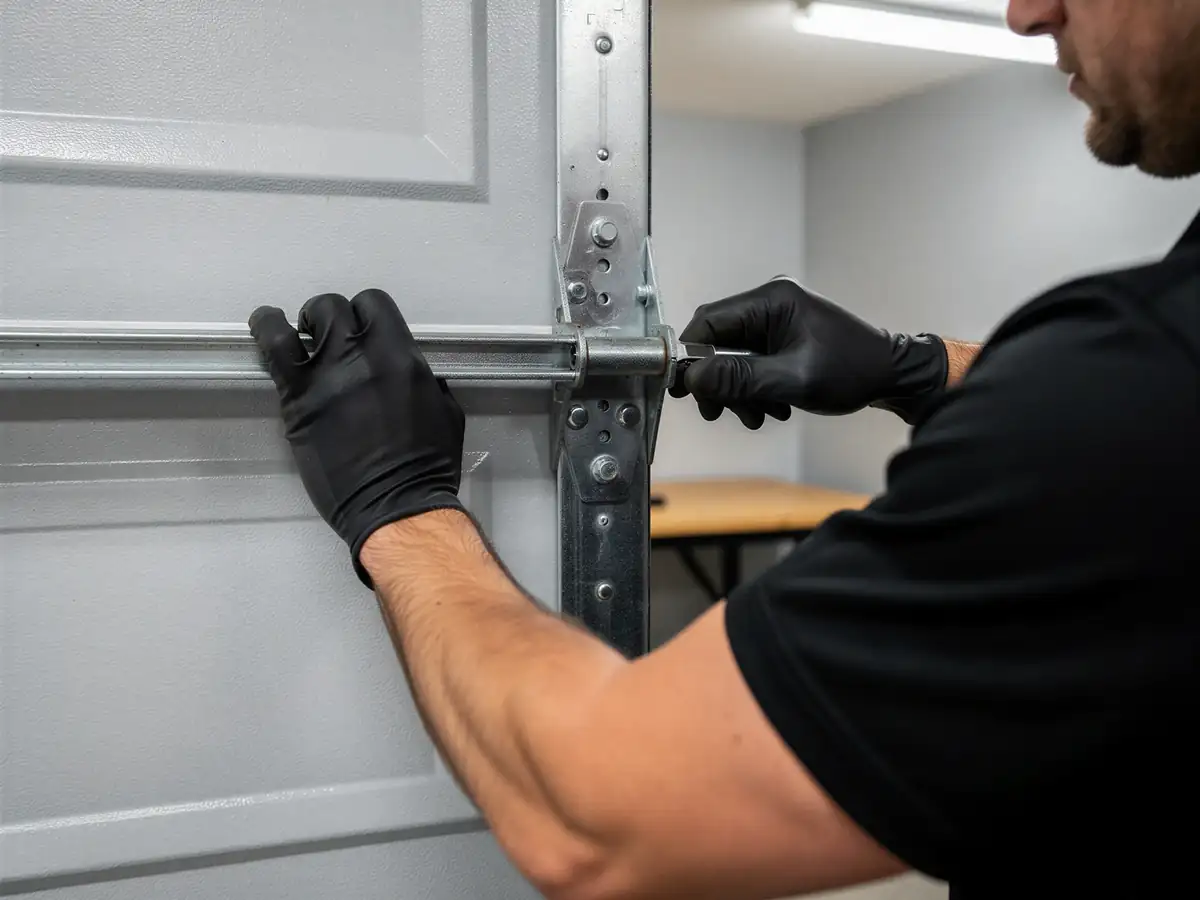
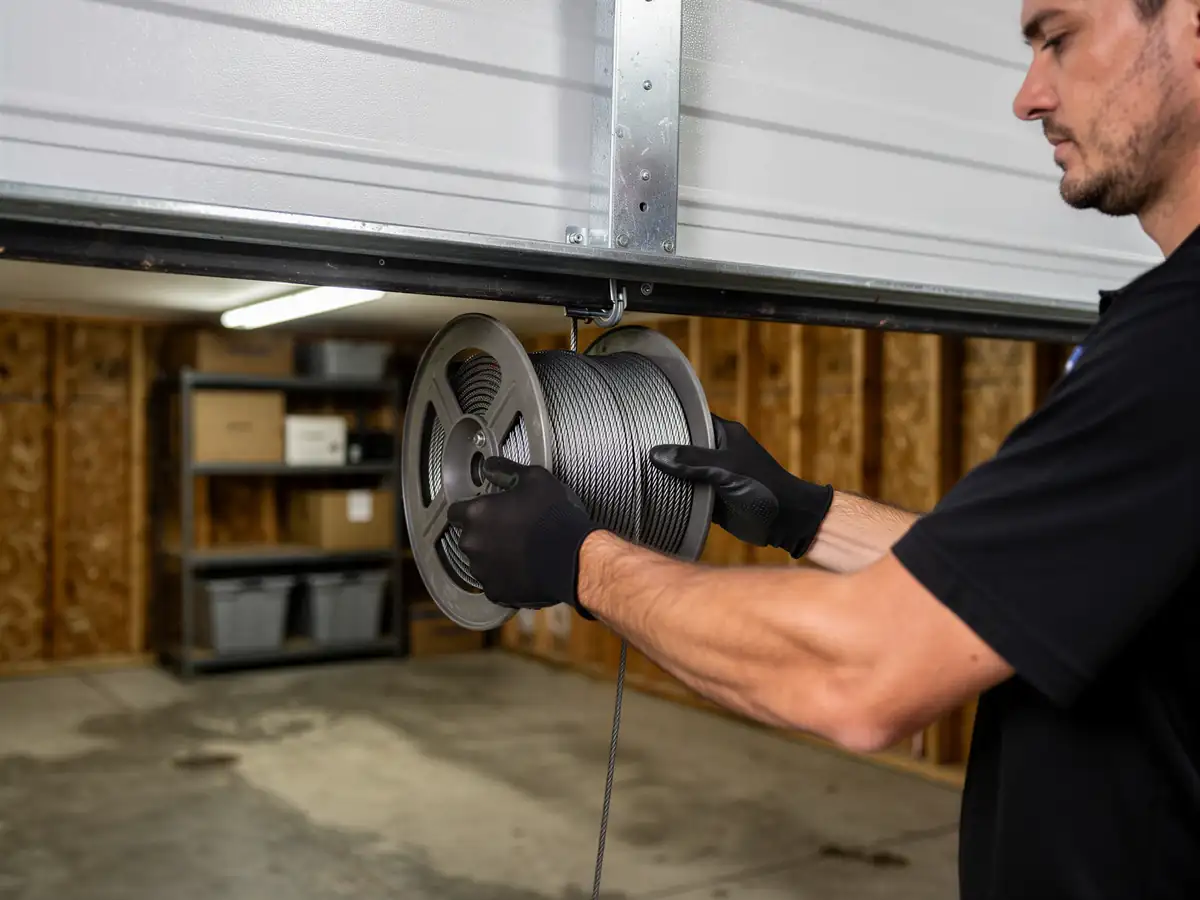
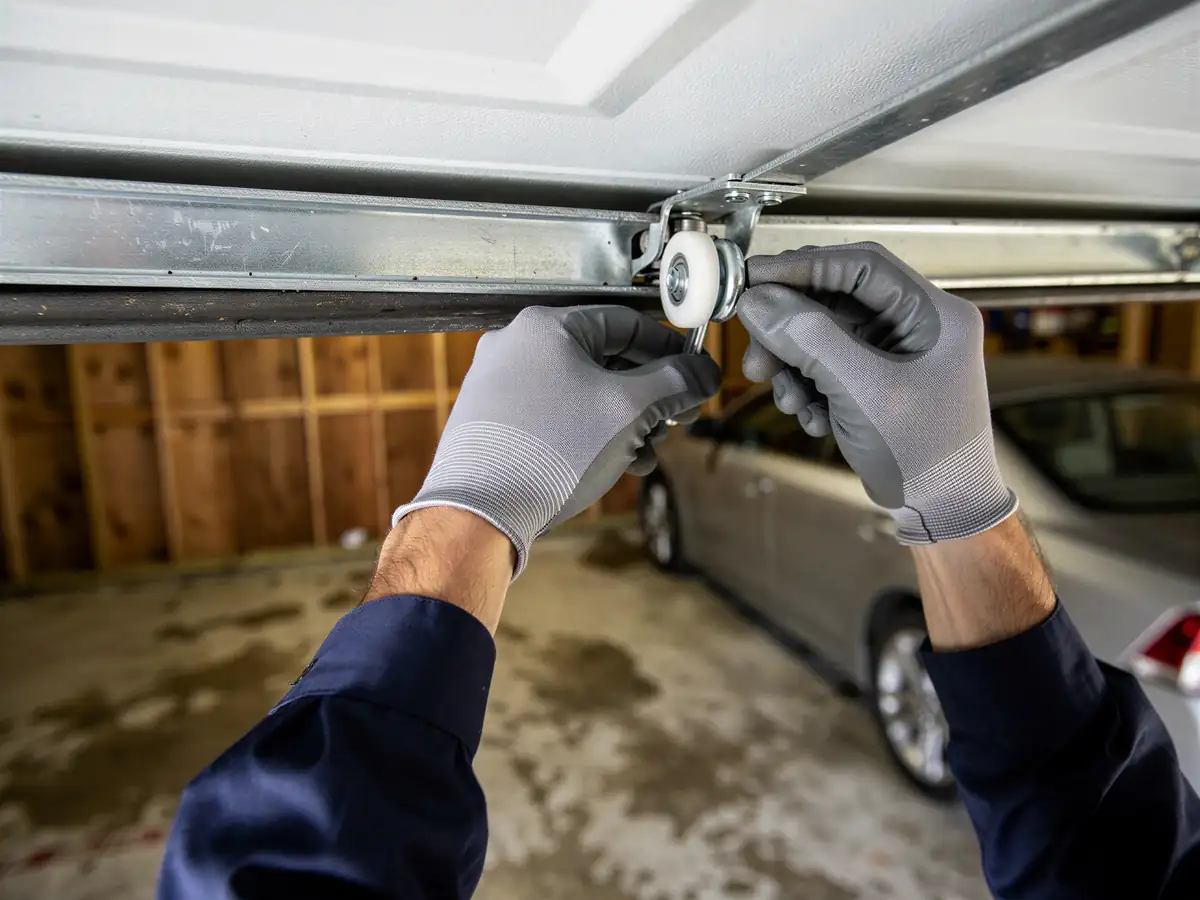
Tightening a hinge or swapping a roller is reasonable weekend work. A torsion spring under load is not - it's wound tight enough to break bones, and that's true whether the door is five years old or fifty. If your door is sagging on one side, if the cables have frayed, or if the opener is straining and reversing instead of lifting clean, that's a call, not a project. We also won't pretend every door is worth saving. If the track brackets have pulled out of rotted jamb framing, or if a panel's rusted through at the bottom from years of snowmelt runoff, repair money is better spent on a new door. That's the limitation worth saying out loud: we'd rather tell you to replace a door than keep billing you for patches on one that's already lost the fight with the weather. If you're not sure which side of that line your door is on, that's the actual judgment call we make on site, not something to guess at from a driveway. You can see more about how we handle these calls at /.