Serving Bethesda, MD & nearby
(301) 297-2905
Bethesda, MD

Why Your Safety Sensors Keep Drifting in a Bethesda Garage

Bethesda homes built mostly in the 1960s-70s see sensor brackets shift with frost heave and settling slabs. Here's what causes it and when to stop adjusting it yourself.

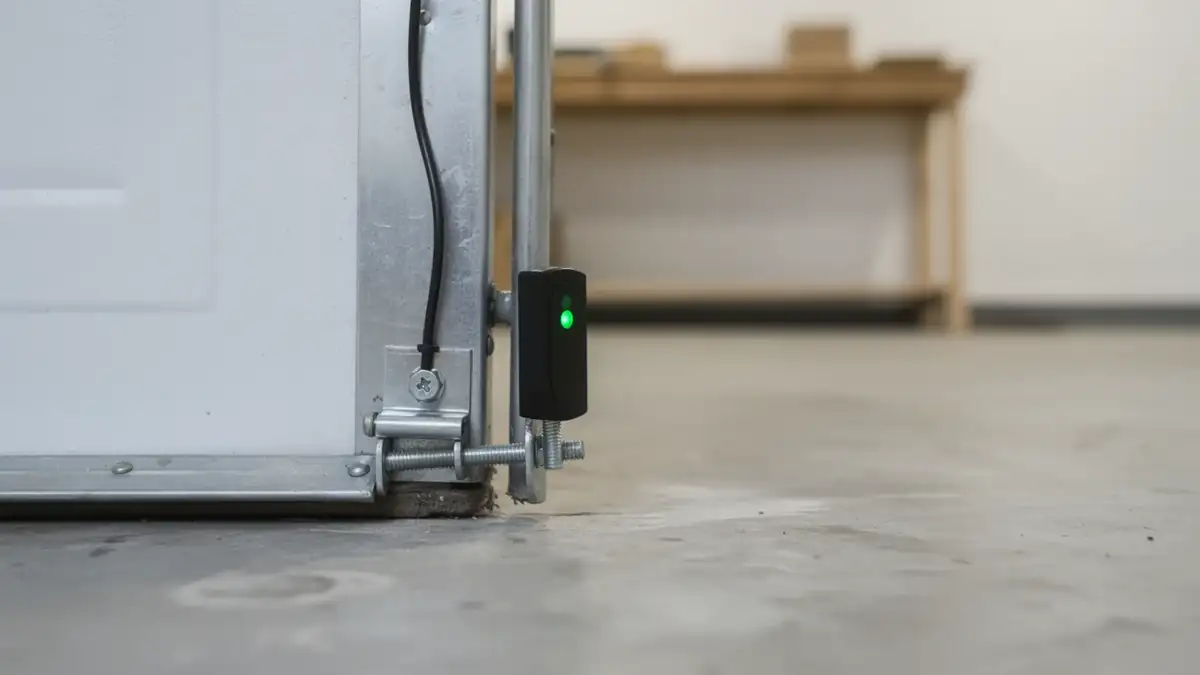
A garage door safety sensor with a green light is mounted on a metal track.

Leaving It Alone

A door that reverses for no reason, or a light that blinks instead of staying solid, is annoying but it's not an emergency. Most Bethesda houses on this side of town went up between 1938 and the early 2010s, with the bulk of the stock dating to the 1960s and 70s. That means a lot of these garages still have their original wood jambs, and wood moves with the seasons in a way steel studs don't. If the sensors are close but not quite aligned, and the door still closes most of the time, you can usually wait a week and see if it's getting worse before you touch anything. Tightening a bracket that isn't actually loose can strip the screw hole in old, dried-out jamb wood, which turns a five-minute fix into a bracket replacement. The honest answer is that a little bit of blinking-light annoyance doesn't always need same-day attention. What does need attention is a door that won't close at all, or one that closes and then reverses hard every single time - that's a different problem and it's covered further down.

What Local Conditions Do

Bethesda sits in a cold, severe climate zone, and that matters more for sensors than most homeowners expect. The ground under a slab-on-grade garage freezes and thaws through the winter, and that cycle lifts and settles the slab edge by small amounts - often just a sixteenth of an inch, but enough over a season to tip a sensor eye out of its beam path. Older jambs, especially in houses from the 1960s and 70s building wave common across this area, aren't always plumb to begin with, so the sensor brackets were set against wood that's since cupped or twisted with fifty-plus years of humidity swings. Add a cold snap that contracts the metal mounting arm and you get a sensor that was fine in September and misfires by January. This isn't a defect in the sensor. It's two surfaces - slab and jamb - moving independently while the sensor bridges them and has no give of its own.

What Is Going On

When a sensor drifts, the eyes are no longer pointed at each other dead-on, so the beam that's supposed to run flat across the opening clips the edge of the receiving lens instead of hitting it square. The opener reads that as an obstruction, even though nothing is in the way, and it either refuses to close or reverses midway down. On older Bethesda houses with original one-piece or early sectional doors, the sensor brackets are often the thin stamped-metal kind that bends slightly every time someone bumps it with a bike or a trash can, which speeds up the drift that frost heave starts. You can usually tell the difference: a bent bracket shows a visible kink, while frost-driven drift shows no damage at all - the hardware just isn't aimed right anymore. Dirt and spiderwebs across the lens cause the same symptom and get blamed first, so wipe both eyes with a dry cloth before assuming it's alignment.

When It Stops Being a DIY Job

If you've wiped the lenses, loosened the wing nuts, and nudged both sensors until their indicator lights go solid, and the door still won't behave, the problem usually isn't the sensors at all - it's the bracket mount failing in jamb wood that's too soft to hold a screw anymore, which is common in a house built before the 1980s. At that point, re-aiming the sensor doesn't fix anything because the bracket itself can't hold the aim once you walk away. That's a repair job, not an adjustment, and it's worth having someone look at the actual wood before replacing a sensor that was never the problem. We don't recommend drilling new holes into deteriorated jamb trim as a patch - if the wood's gone soft, the fix is a new mounting surface, and that's worth getting done right the first time rather than twice.{"/":true}
How it works

From “it’s stuck” to “it’s fixed”

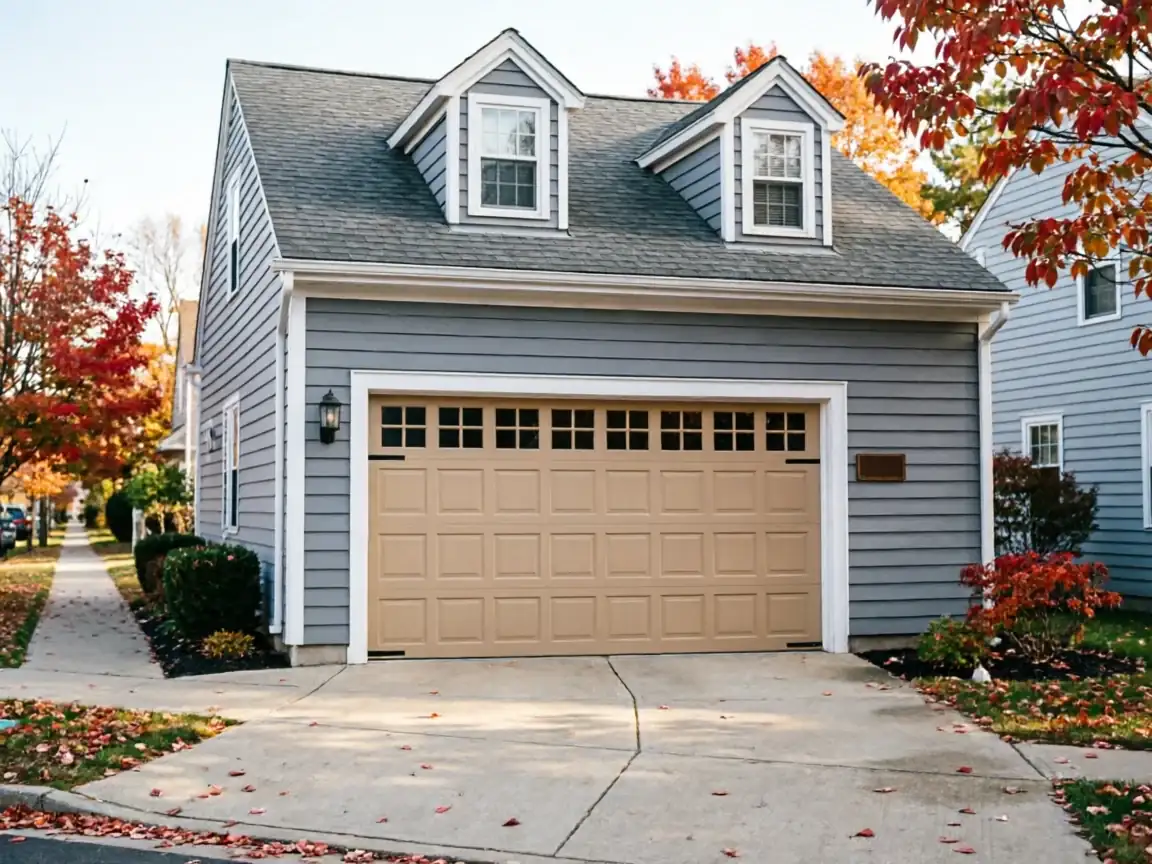
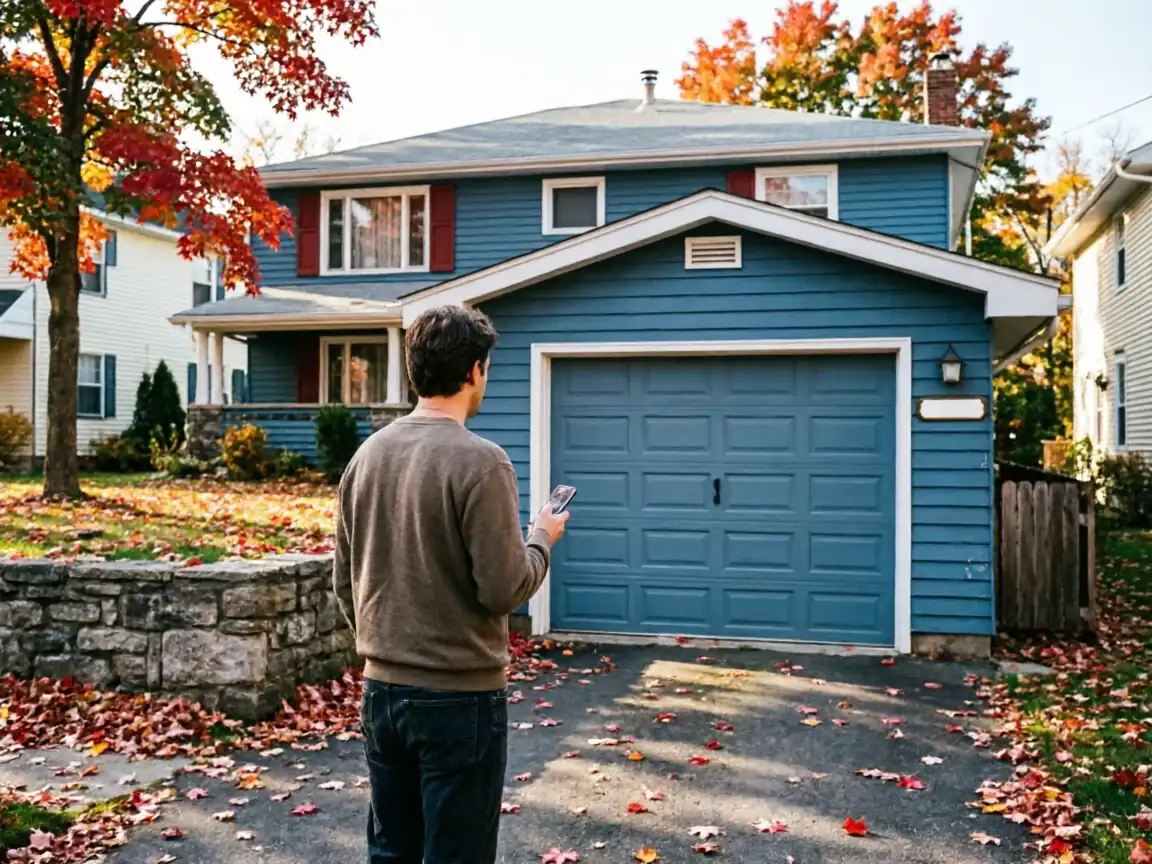
A man stands in a driveway looking at a blue garage door on a blue house.

Tell us what’s wrong

Describe the symptom - won’t open, loud bang, opener runs but the door won’t move.

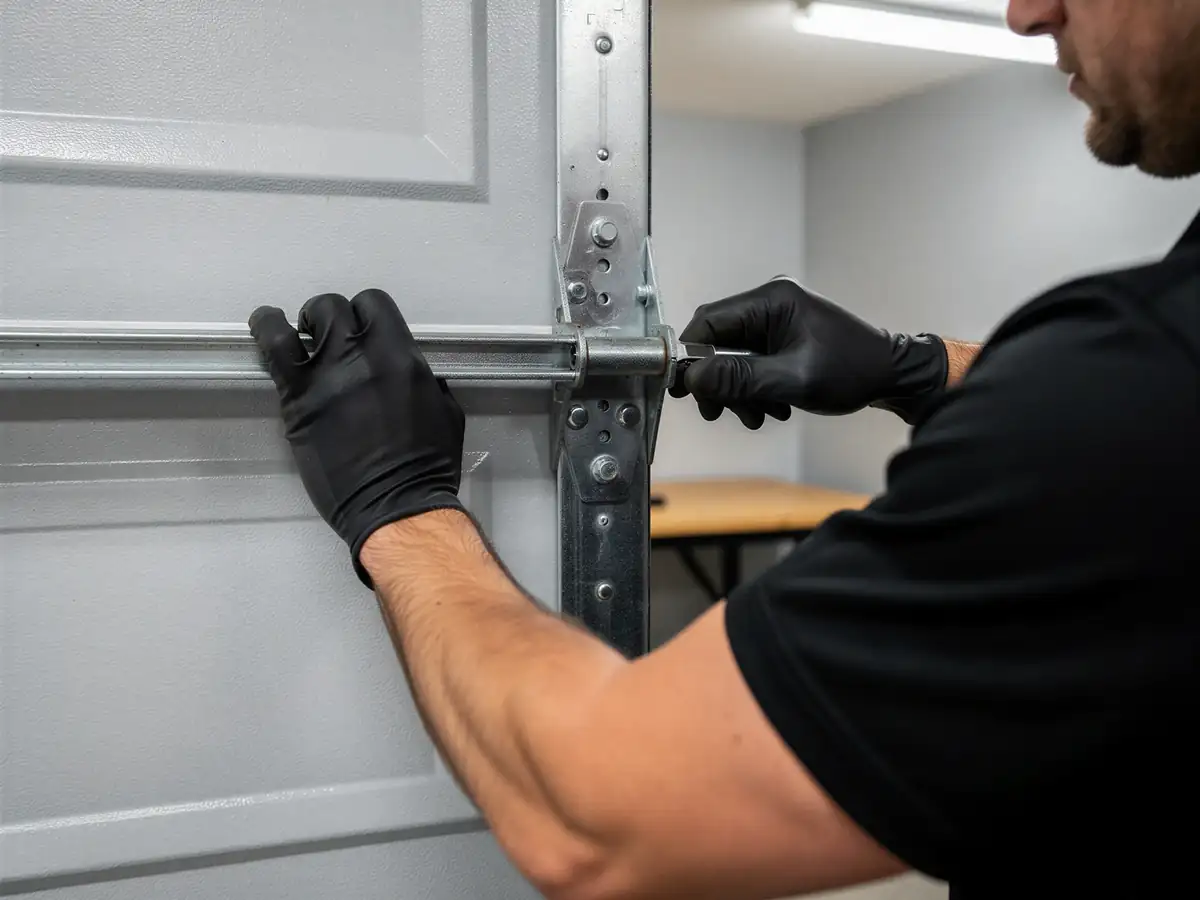
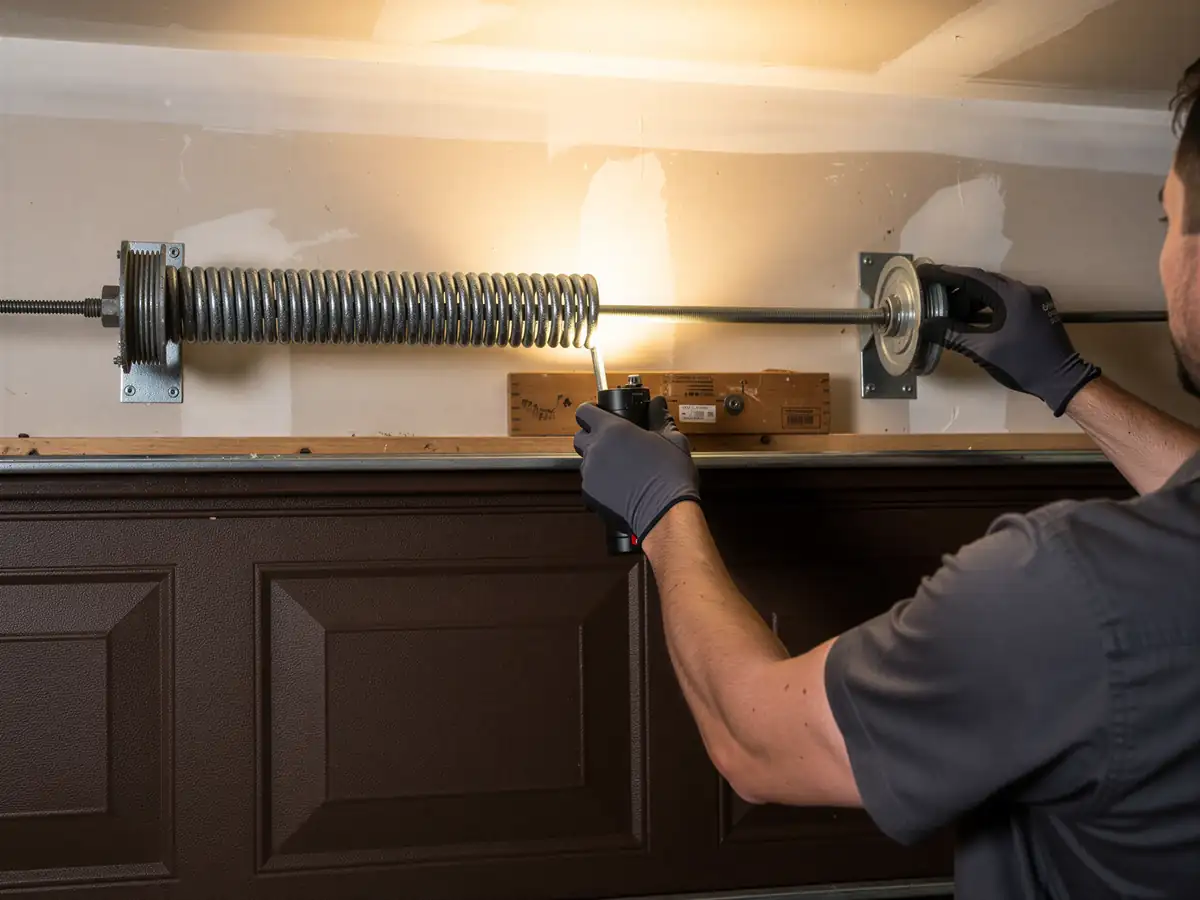
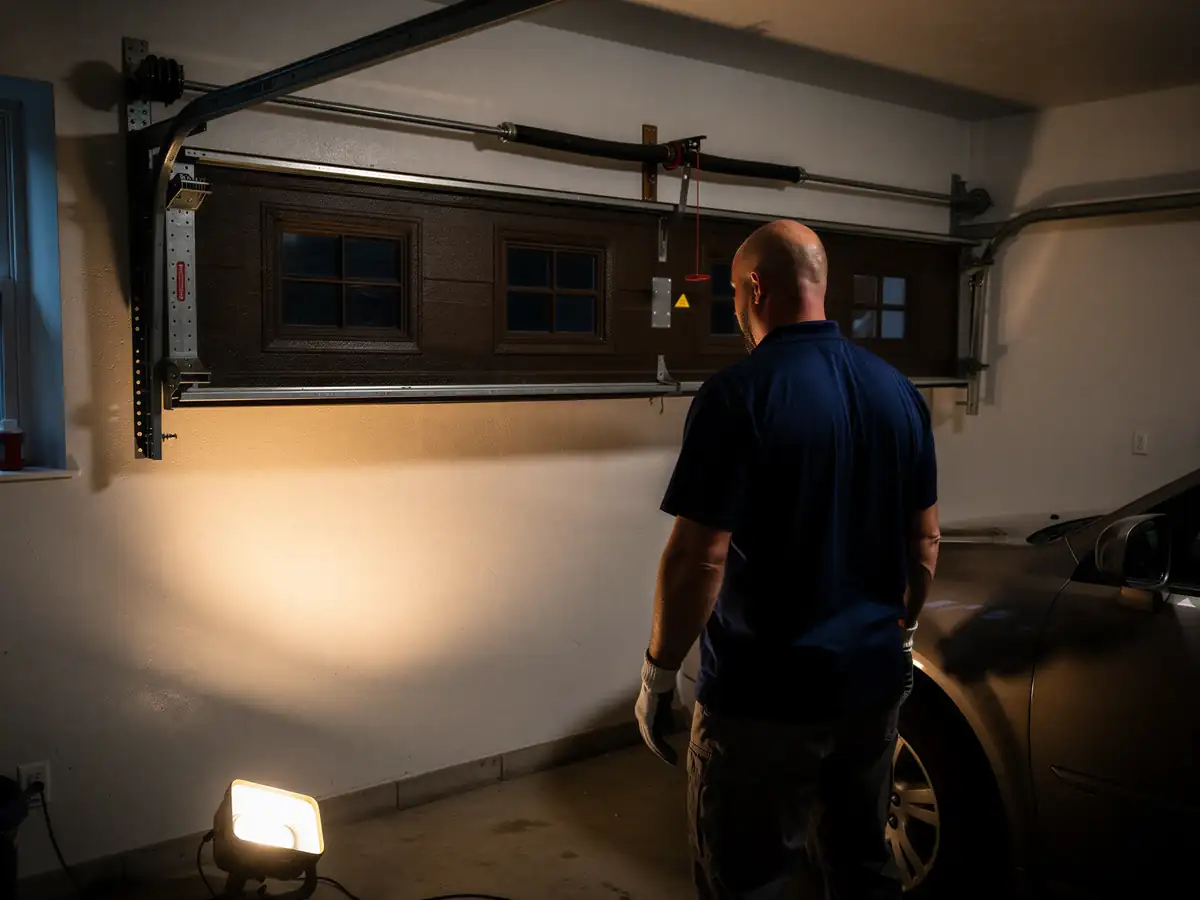
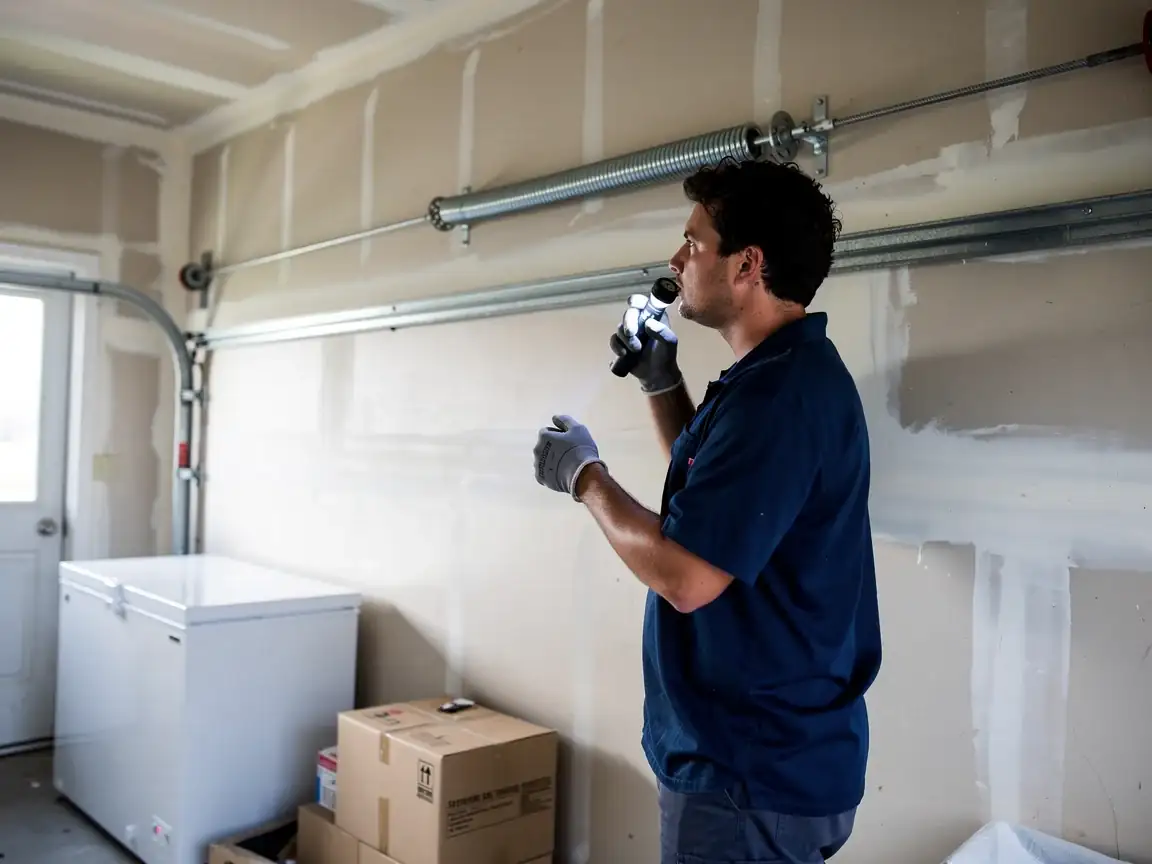
A technician in a blue shirt holds a flashlight and looks at a garage door torsion spring.

On-site diagnosis

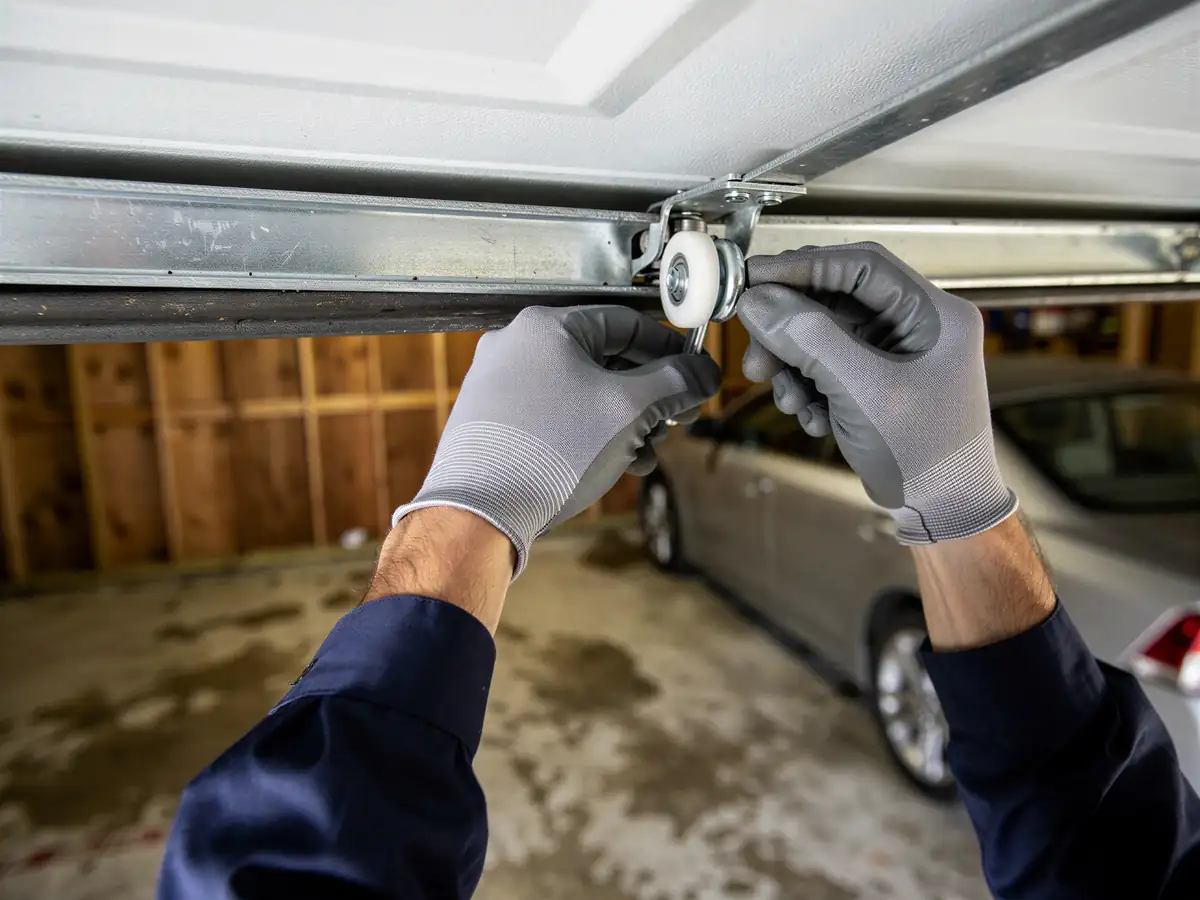
A technician tests the door under power and by hand and finds what actually failed.

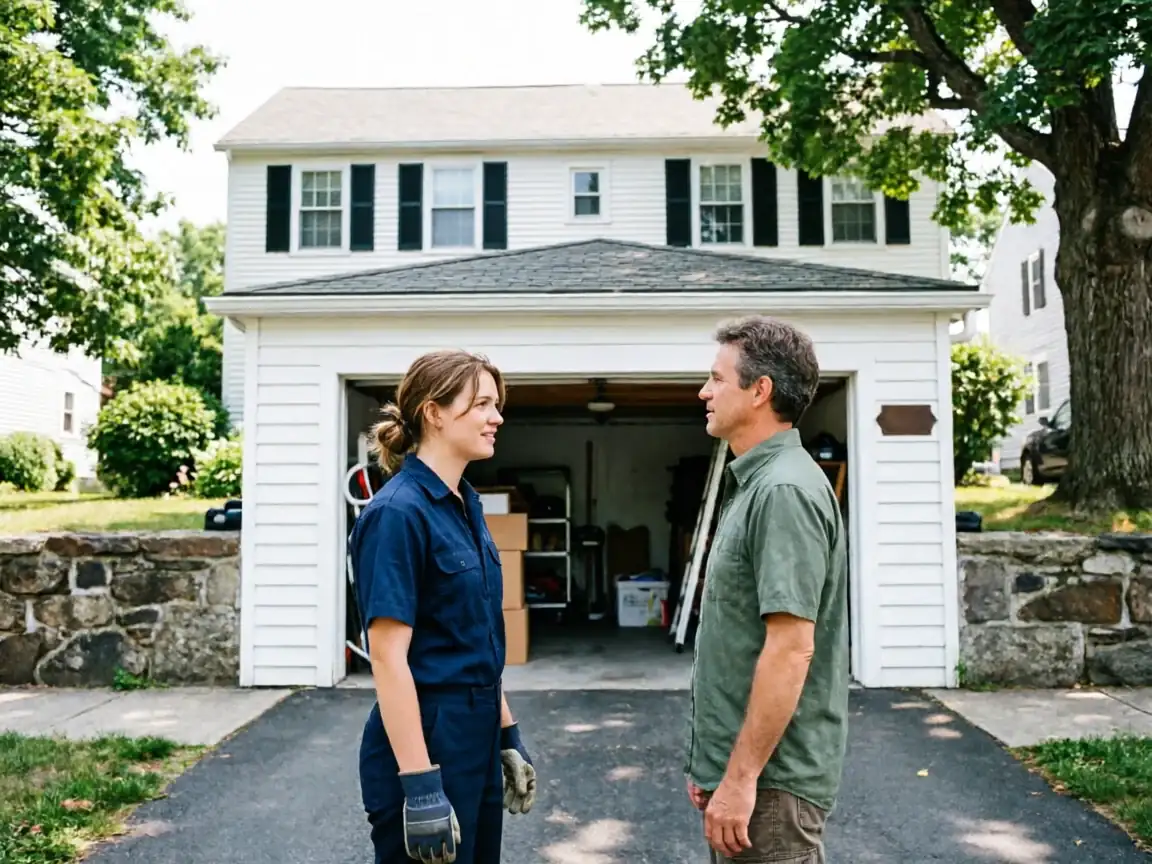
A technician in a blue uniform stands facing a man in a green shirt.

Clear, up-front plan

You get the fix that’s needed and what drives the cost - before any work starts.

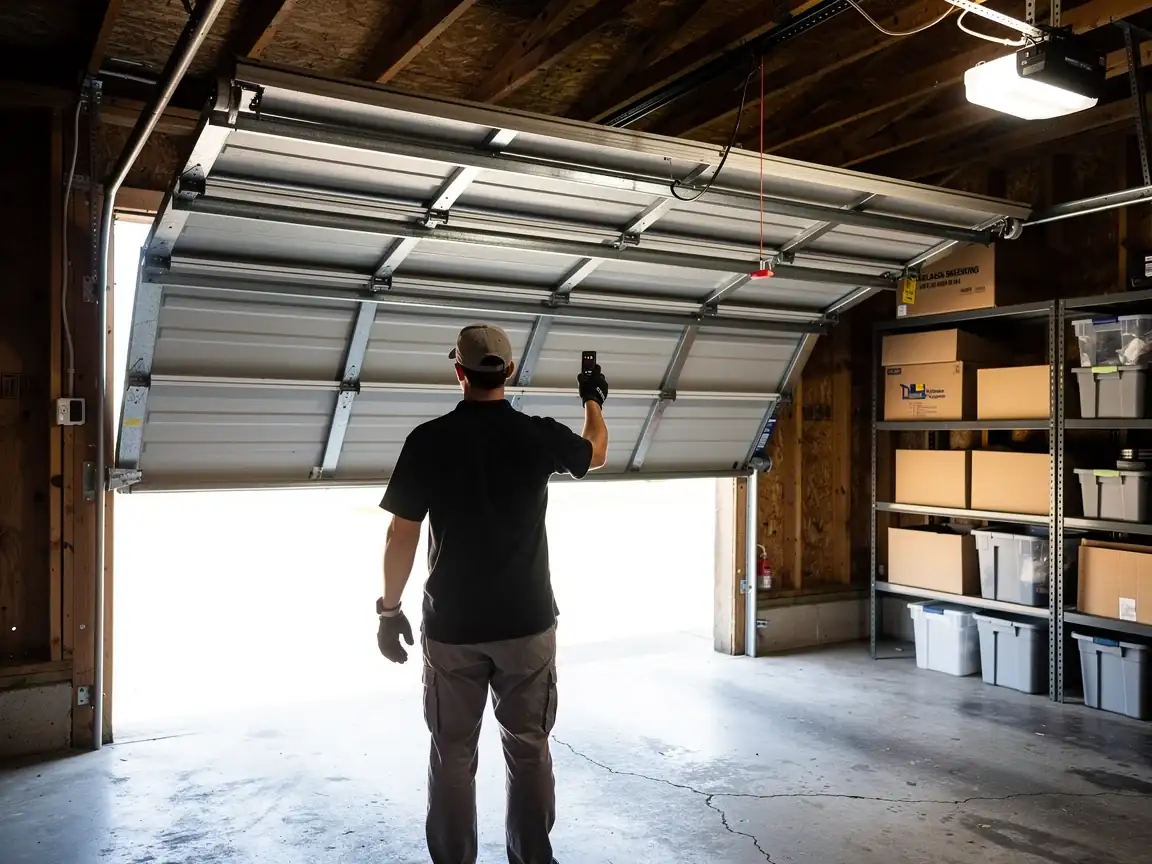
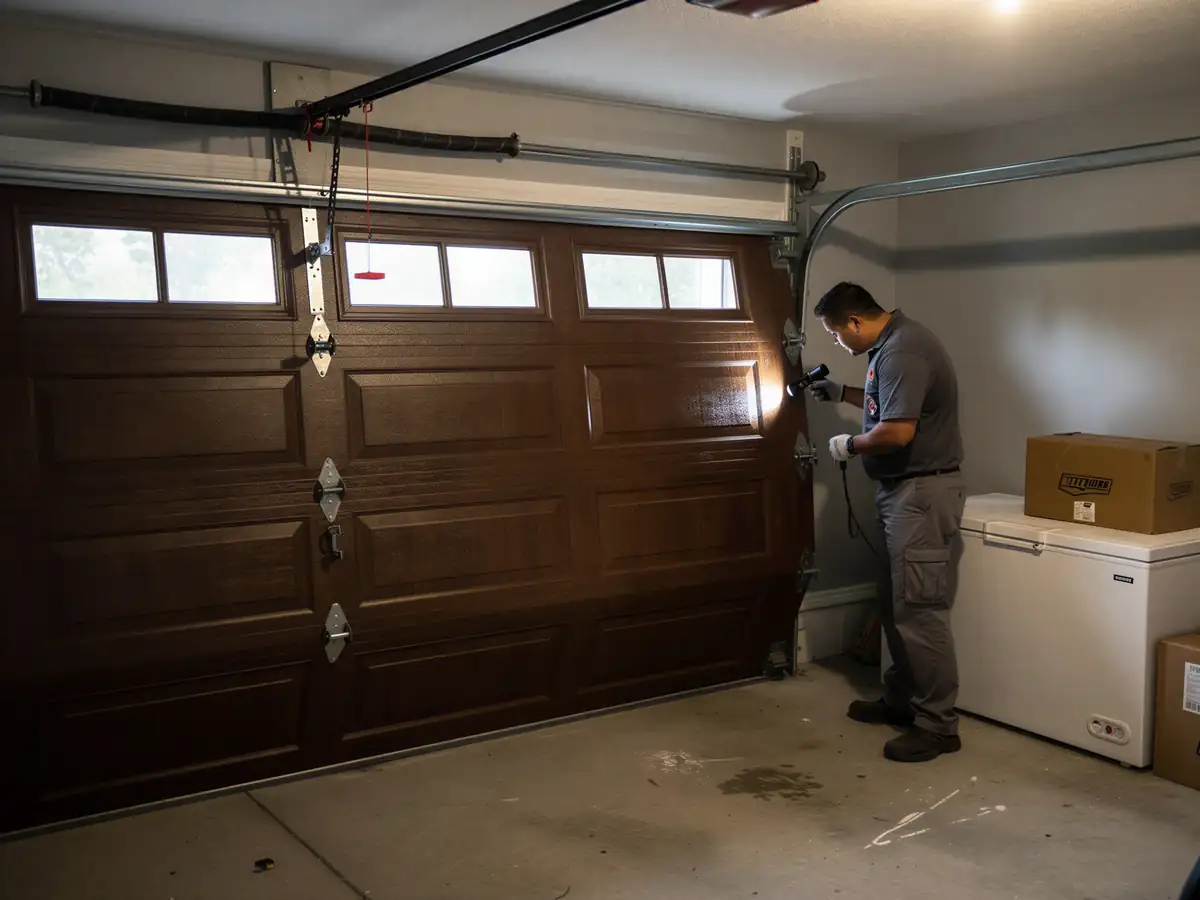
A technician operates a partially open garage door with a remote control.

Repaired & tested

The repair is done, the door is set true and tested, and the work area left clean.

Not sure which repair your door needs in Bethesda, MD? Describe what it’s doing - every job starts with a diagnosis.

How we work

What to expect

  • Diagnosis firstEvery visit starts by finding what actually failed - not a pre-written parts list.
  • The right part for the doorSprings and openers matched to the door’s weight and age, so the fix holds up.
  • Straight answersWhen a repair makes more sense than a replacement - or the reverse - you hear it plainly.
  • Clean, careful workTension released safely, hardware set true, the door tested under power before we leave.
What we do

Garage Door Services

Repair and installation work for Bethesda homes and businesses.

Questions

Frequently asked

Straight answers about garage door repair in Bethesda. Still unsure? Ask us directly.

Why does my garage door only act up in winter?

Cold, severe winters here mean the slab under your garage door freezes and thaws repeatedly, shifting the floor edge by small amounts each cycle. That movement is enough to tip a safety sensor out of alignment with its pair, especially in houses with original 1960s or 70s wood jambs that have already moved over the decades.

Can I just move the sensor bracket myself?

Yes, loosening the wing nut and tilting the sensor a few degrees is a reasonable DIY step. The issue comes up when the bracket won't hold position once you let go, which usually means the jamb wood underneath has softened with age rather than the sensor itself being faulty.

Is a blinking opener light always a sensor problem?

Not always. Check both lenses for dust or cobwebs first, since that produces the same blinking pattern as misalignment. If both lenses are clean and the lights still won't go solid, then it's worth looking at whether the bracket has shifted.

Ready to get your garage door sorted?

Tell us what it’s doing and where you are in Bethesda - we’ll take it from there.

Request a QuoteCall