Leaving It Alone
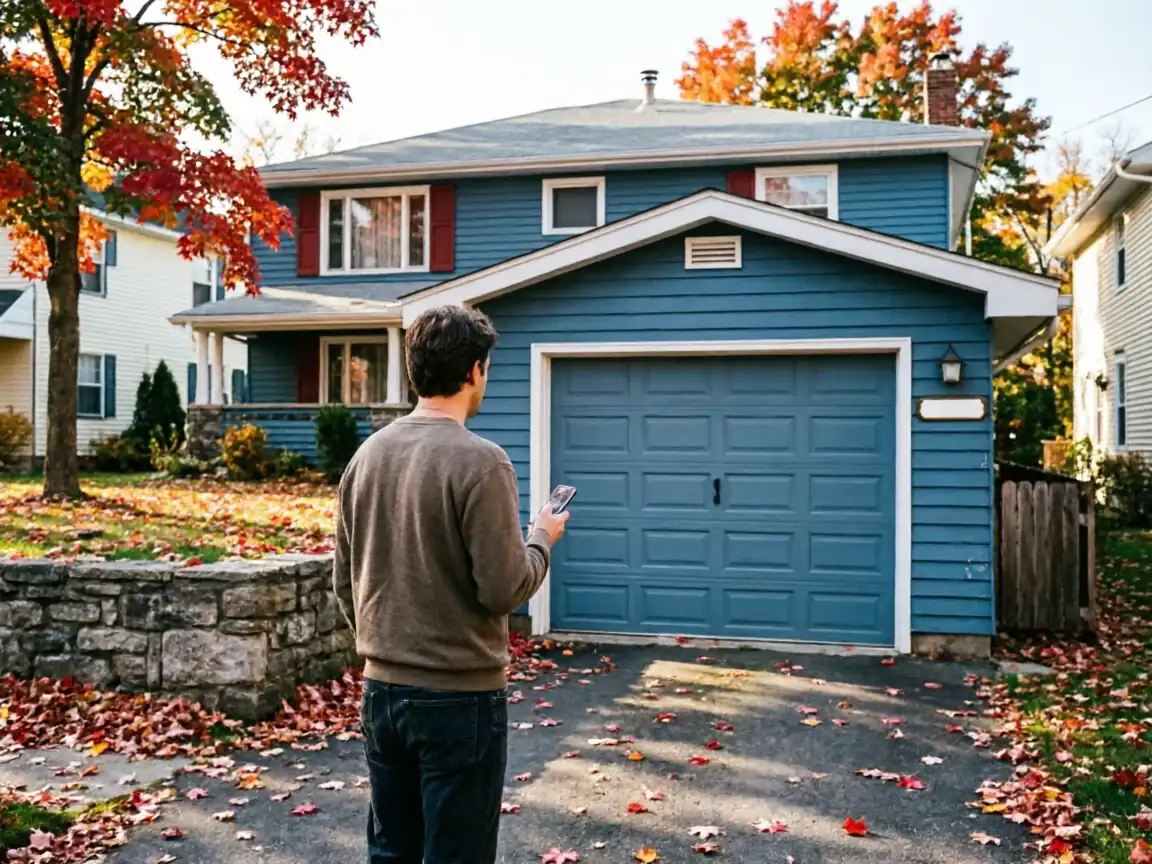
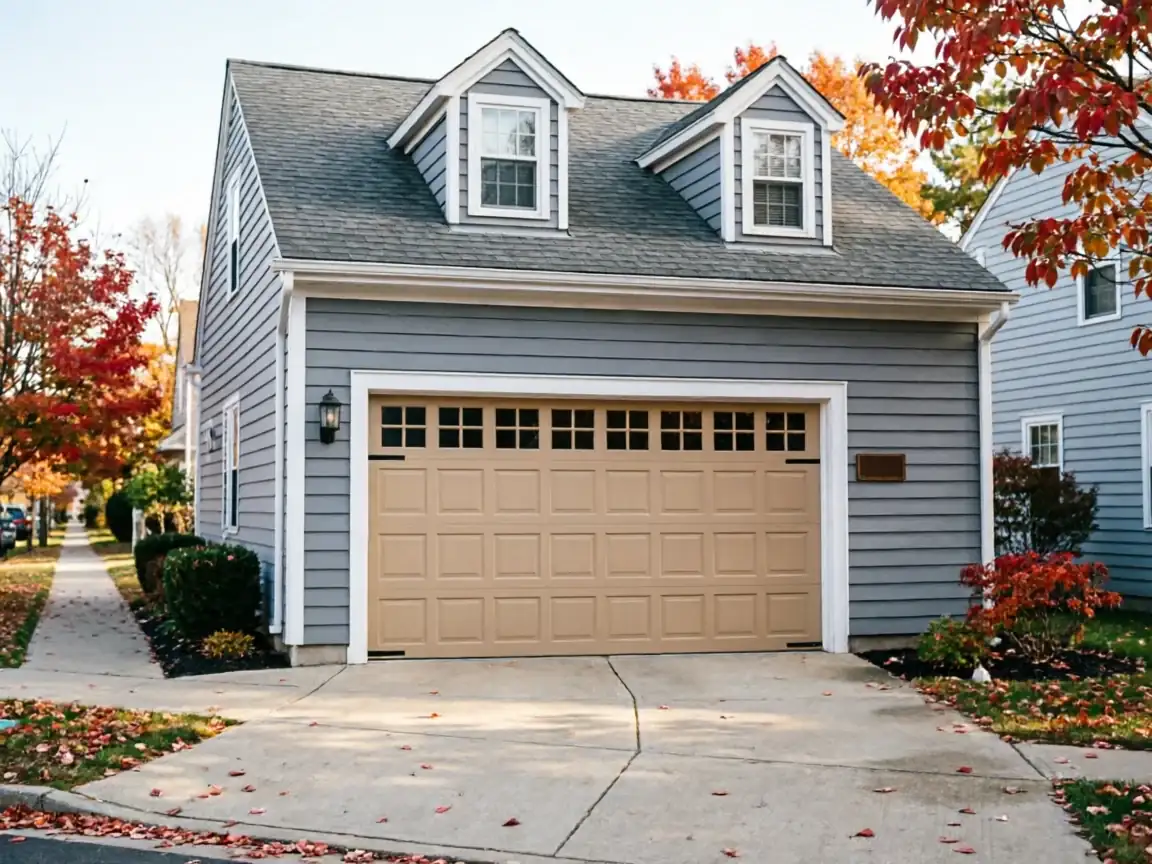
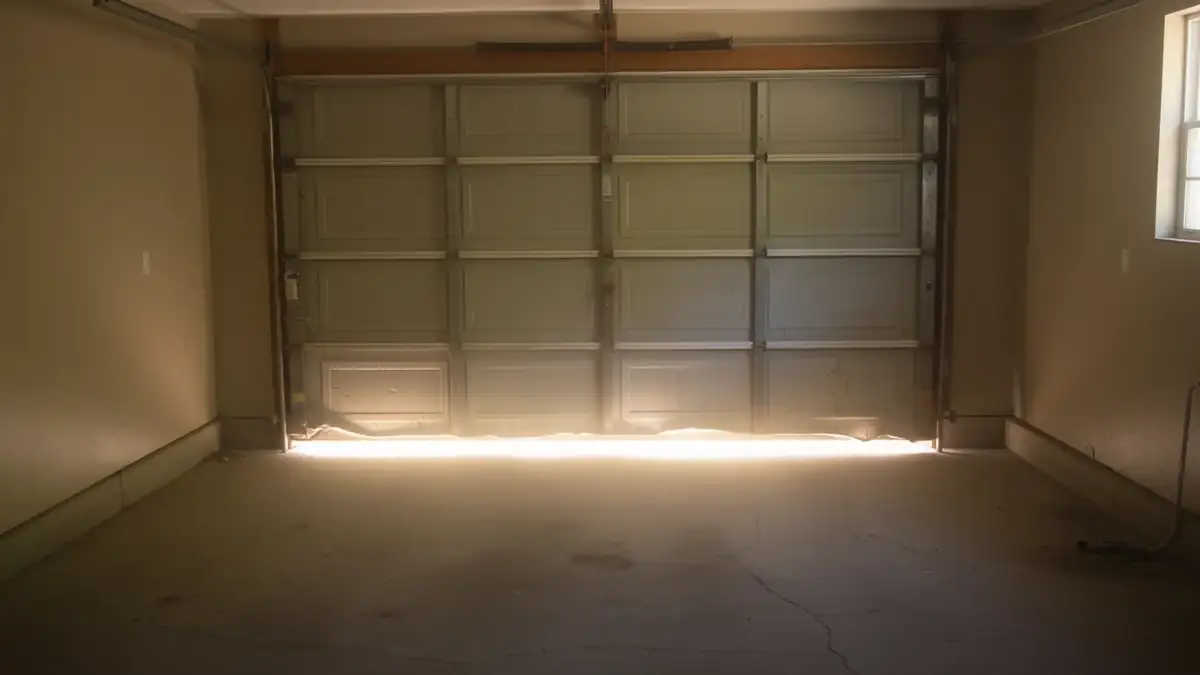
Most of the housing stock around here went up between 1938 and 2014, with the median build year landing at 1973. That puts a huge share of garage doors in this area squarely in the window before insulated steel became the standard offering, not an upgrade. If your door still closes, still latches, still rolls up without grinding, it's easy to leave it alone - and for a lot of these houses, that's a reasonable call for years at a stretch.
The same build pattern shows up across the 75 named communities in this part of the county. From Chevy Chase and Brookmont two miles out, through Cabin John and South Kensington, out to Garrett Park and Kensington four miles away, you see the same decade of construction and the same single-layer steel panels. Nobody retrofitted insulation into these doors when they went in, and most owners never had a reason to think about it until a specific problem showed up - a draft along the bottom seal, frost on the inside of the panel, a space that never quite warms up no matter what the furnace does.
Leaving it alone isn't negligence. It's just worth knowing what you're leaving alone, and why.
What Local Conditions Do
This area sits in a climate band rated cold and severe
That's not a line from a brochure - it's the difference between a garage that stays a few degrees above freezing and one that tracks the outside temperature almost exactly, panel and all.
An uninsulated steel door doesn't just let cold in, it moves heat out fast
Because bare steel conducts. On a night where the house furnace is working to hold the living space at 68, a single-layer door with no thermal break turns the garage into close to an outdoor reading. If there's a water heater, a freezer, or a laundry setup out there, that cold pulls double on the energy bill. If there's a shared wall with living space above or beside the garage, the cold moves through that wall too.
Condensation is the other half of it
Moist air inside a closed garage meets a cold steel panel and beads up, then drips, then eventually rusts a bottom panel or rots whatever's stacked against that wall. In a milder climate band this wouldn't matter much. Here, across a full winter, it adds up panel by panel.
What Is Going On
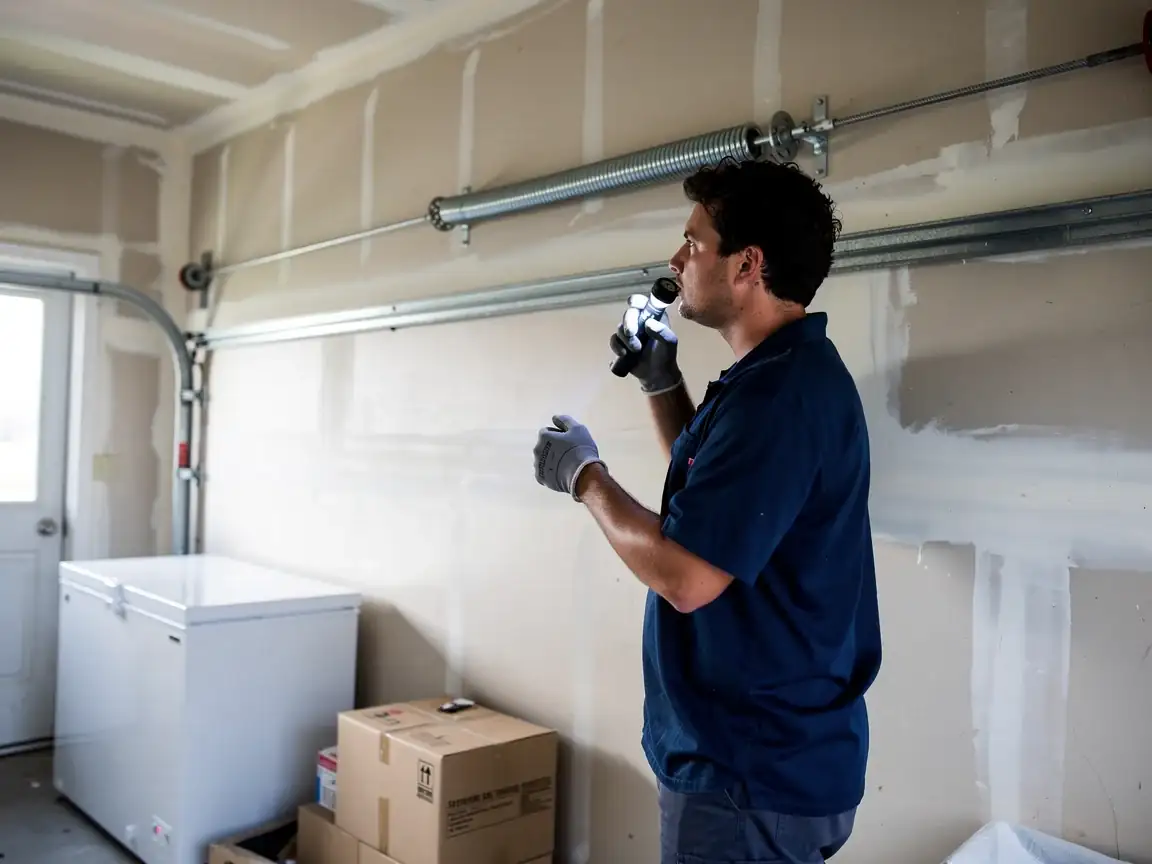
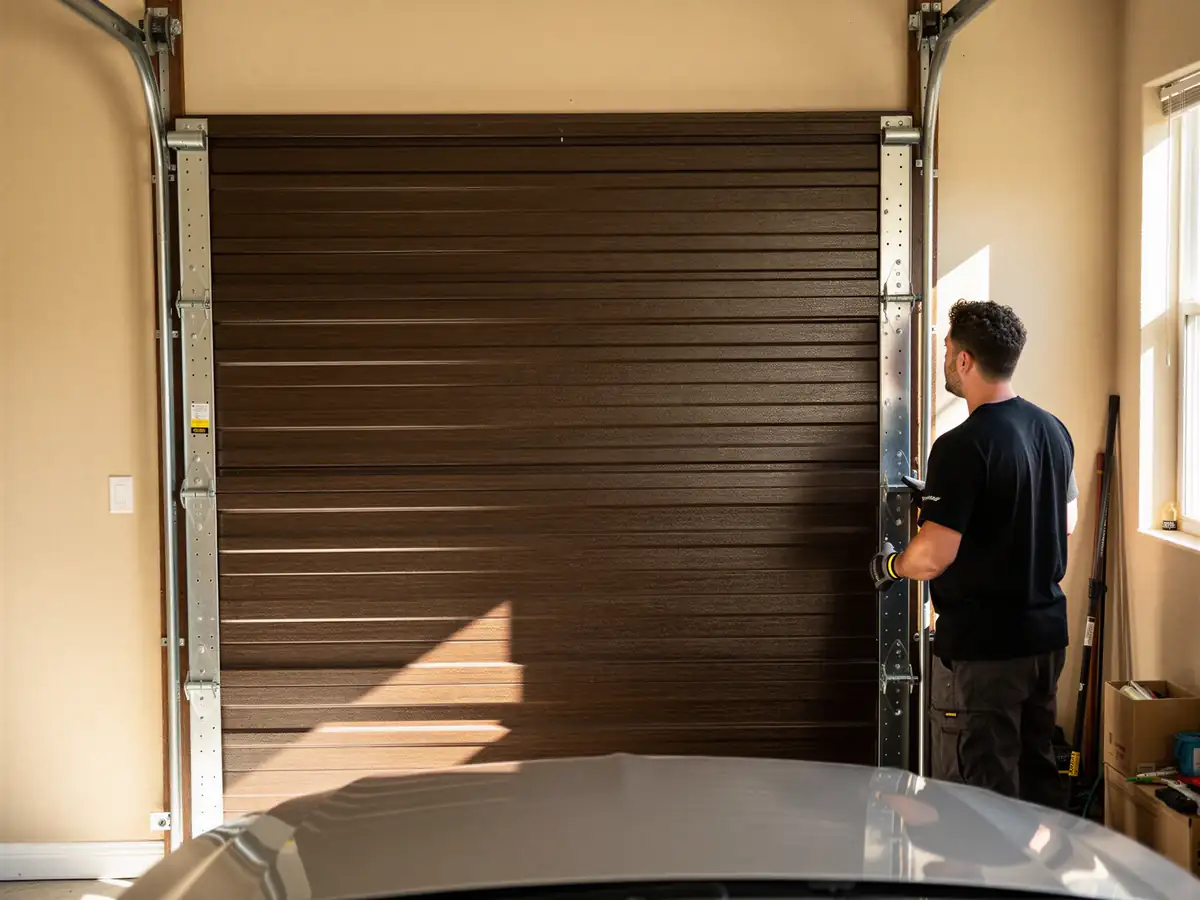
The mechanism is simple enough. A door built around the median year of 1973 is almost always a single skin of steel, sometimes with a thin fiberboard backer for stiffness, with no polystyrene or polyurethane core and no thermal break at the frame. It was built to shed rain and stop wind, not to hold a temperature difference across the panel.
Steel conducts heat roughly 400 times faster than the foam core used in doors built to current energy codes. That means an old panel doesn't resist the cold, it transmits it, almost as fast on one side as the other. Weatherstripping around the edges helps with air leaks but does nothing for that core conduction - you can seal every gap perfectly and the panel itself is still a cold plate.
This is the same story a few miles out in any direction - Cabin John, North Bethesda, Forest Glen - wherever the housing dates to that same build era. The door isn't failing. It's doing exactly what it was built to do in 1973, which was never insulate anything.
When It Stops Being a DIY Job
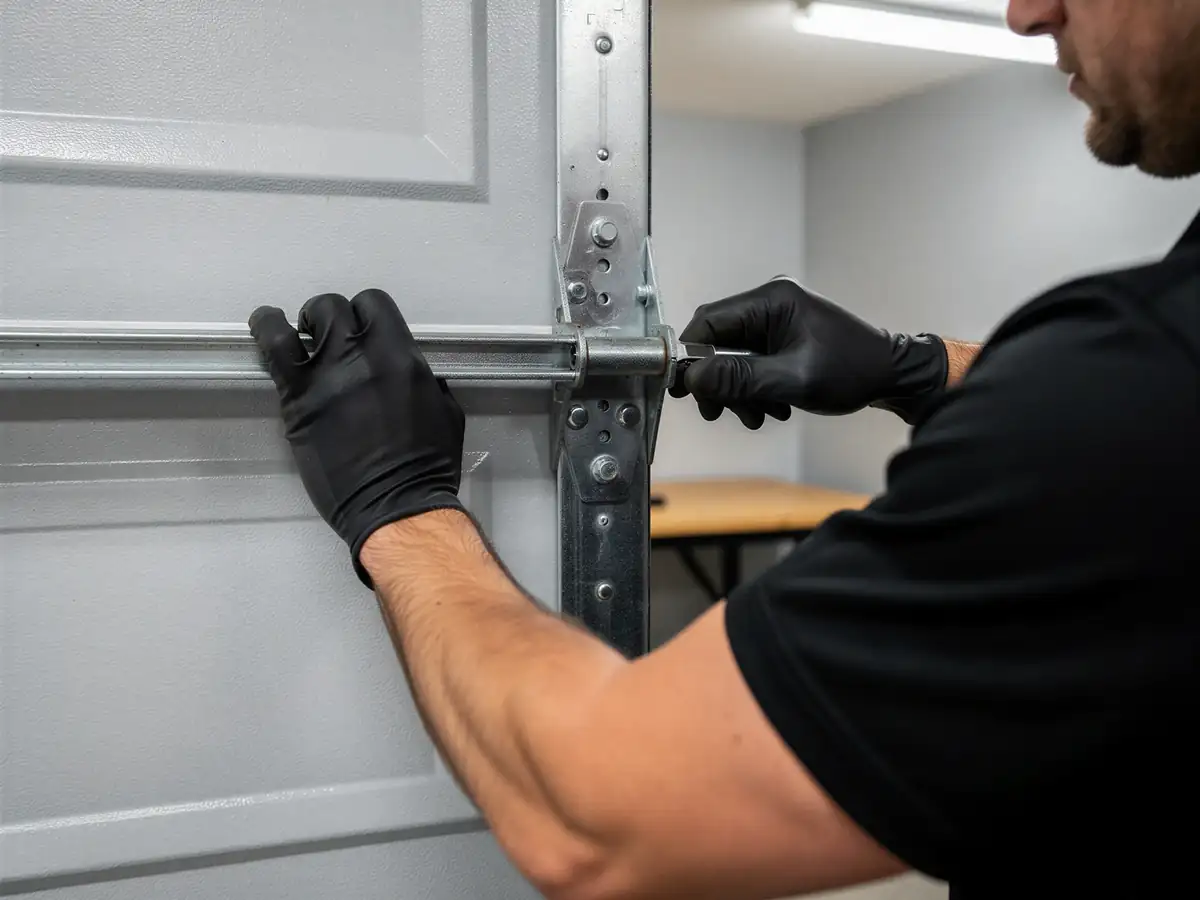
Weatherstripping, a new bottom seal, foam tape along the edges - those are fair DIY jobs and worth doing on an older door regardless of what else you decide. They won't fix the core conduction problem, but they cut the draft and the worst of the condensation at the edges.
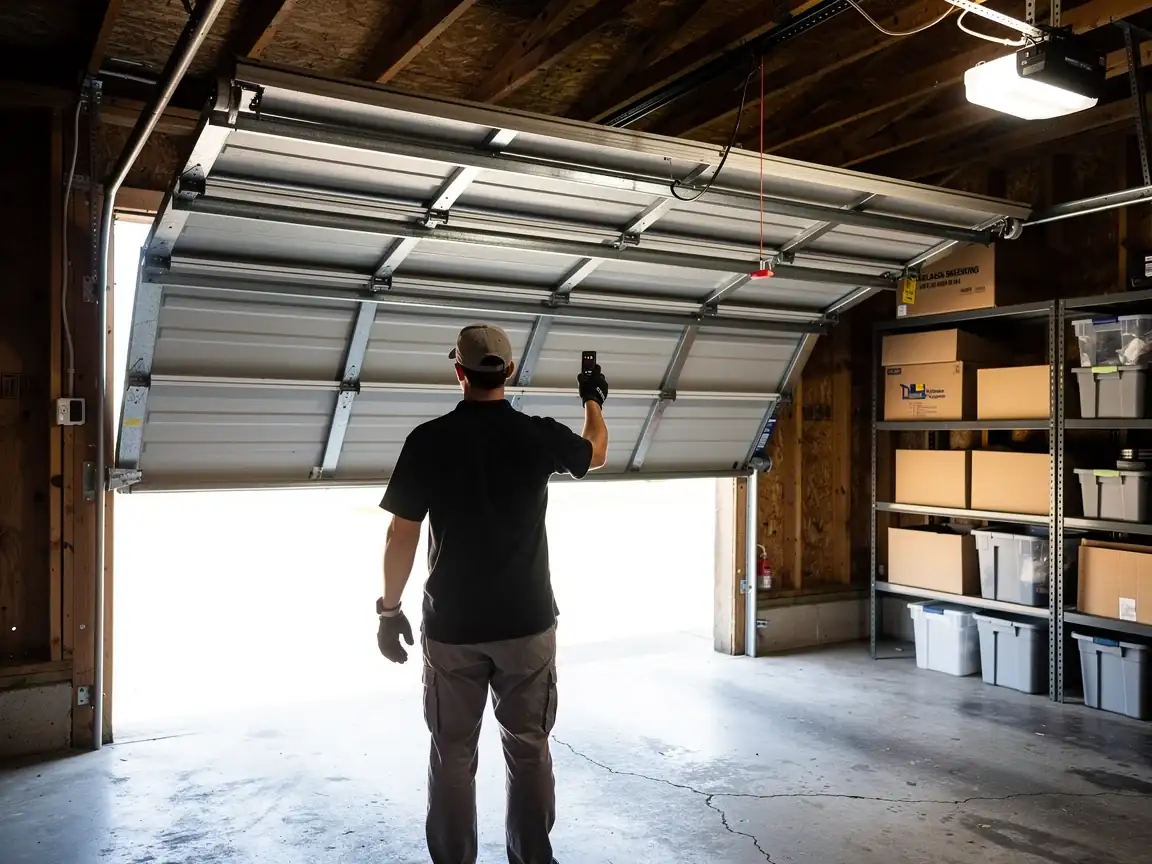
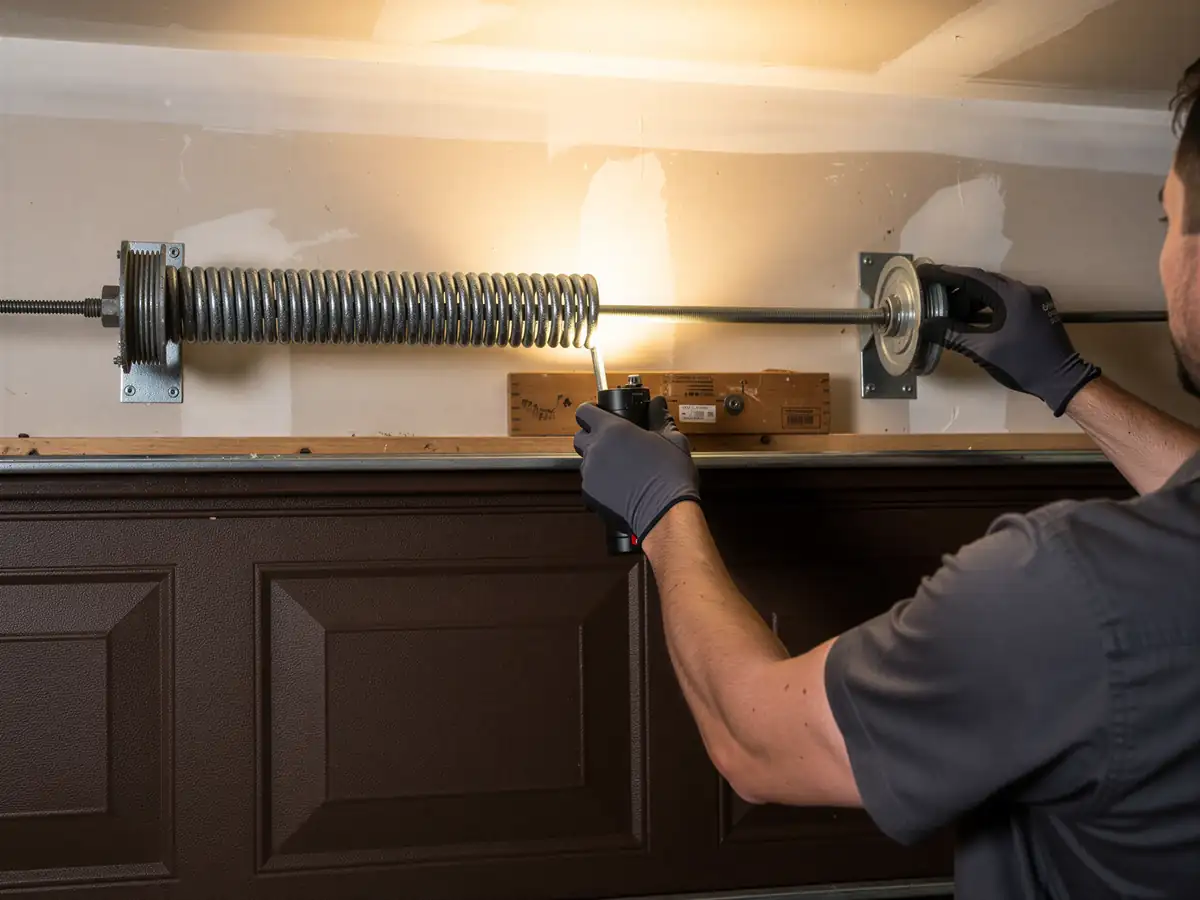
Where it stops being a weekend project is retrofit insulation kits on an old single-skin panel. The foam-and-vapor-barrier kits sold for this are made for doors with enough depth and rigidity to hold them; a lot of the 1960s and 70s steel doors in this area are thin enough that adding weight changes how the springs and opener handle the door, and that's a safety issue, not a cosmetic one. If the door is original to a house built in that era, it's usually cheaper and more reliable over time to replace the panel with an insulated one than to retrofit the old steel.
We don't install retrofit foam kits on original single-skin doors for that reason - it's a limitation we're upfront about. If a homeowner wants that route anyway, that's a conversation, not a job we'll take on blind.