Serving Bethesda, MD & nearby
(301) 297-2905
Bethesda, MD

What We Actually Check During a Bethesda Service Call

A Bethesda service call checks the spring, opener, track, cable, and panel - the parts that take the brunt of cold winters on 1960s-70s housing stock nearby.

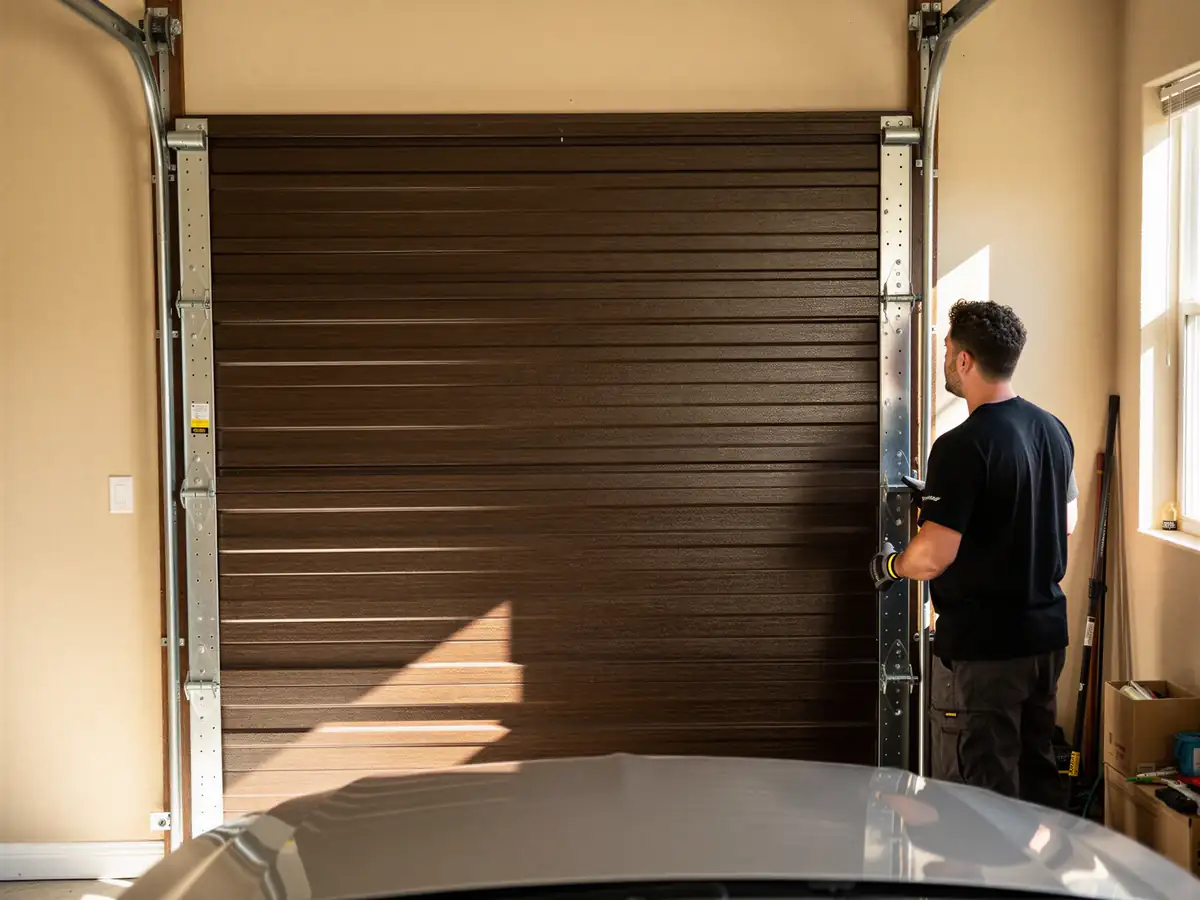
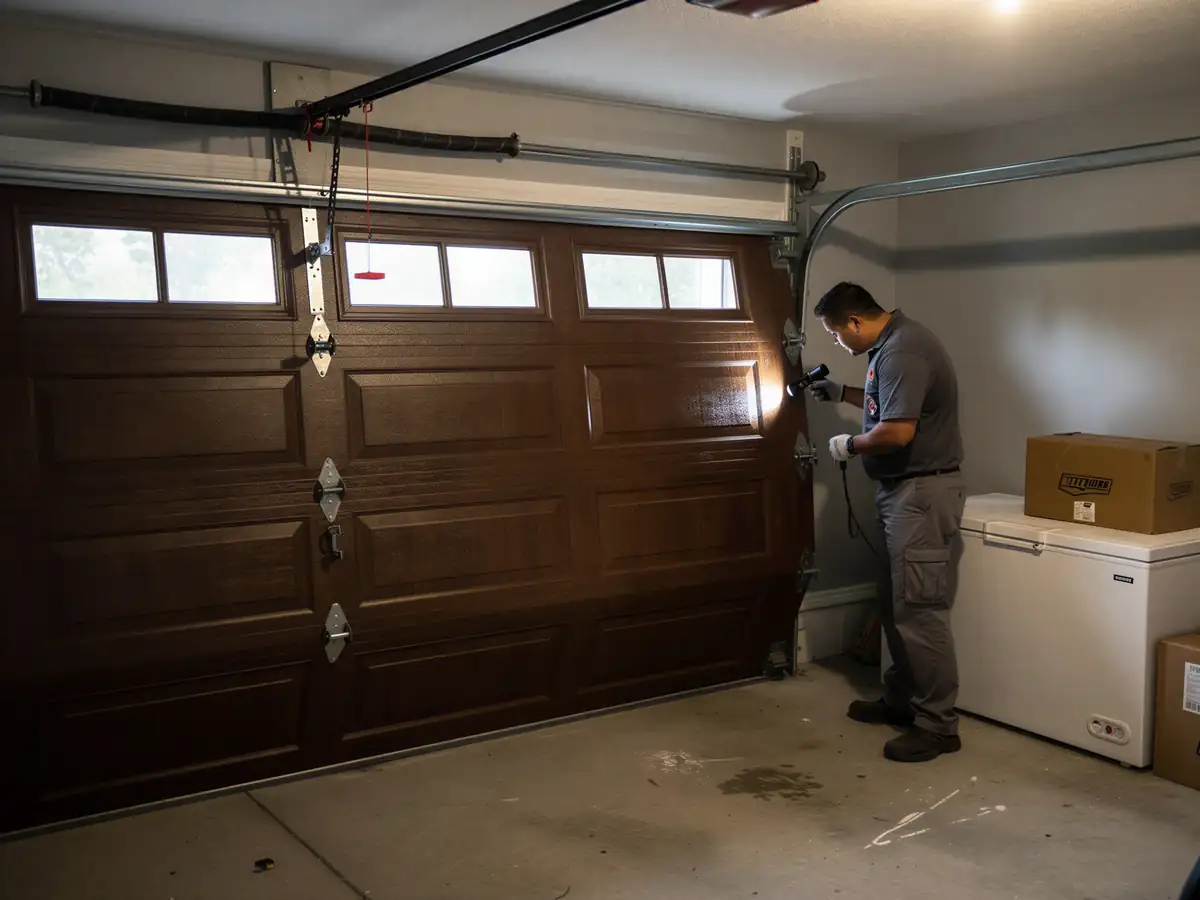
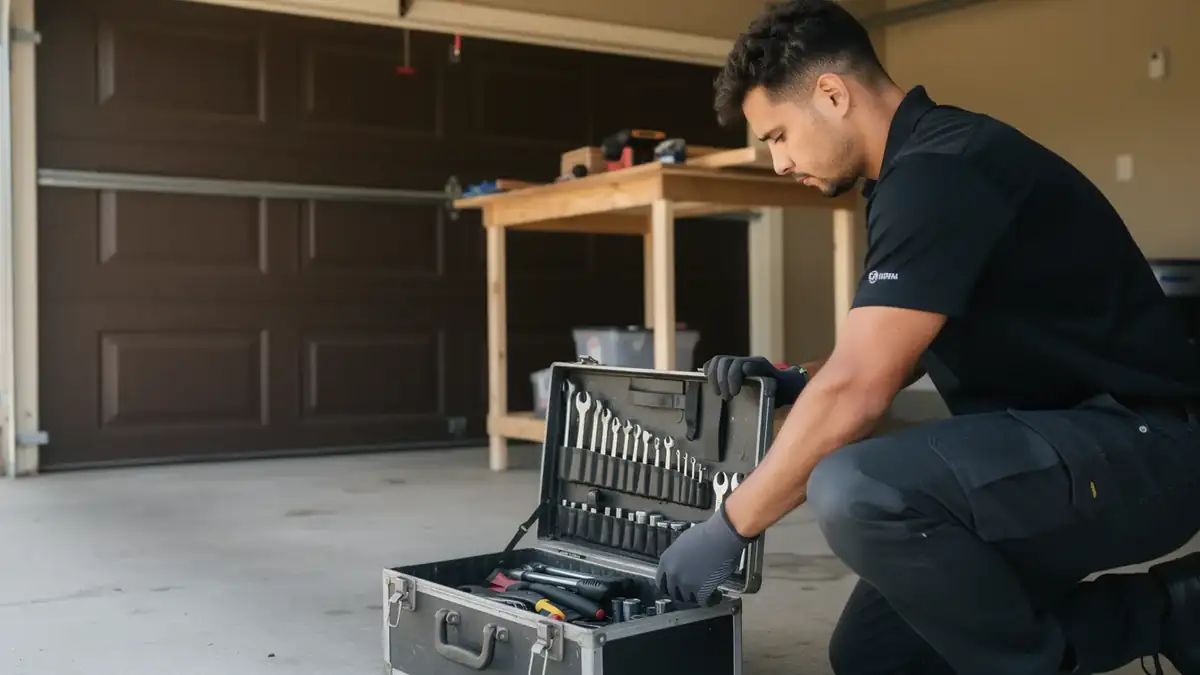
A technician kneels, opening a toolbox in front of a brown garage door.

Leaving It Alone

The median house near Bethesda went up around 1973, which means a lot of doors, springs, and openers out there have been running for decades without a single call. If yours opens evenly, closes all the way, and the opener reverses when it hits something, you don't need us yet. Lubricating the rollers and hinges twice a year, and keeping the track clear of the leaves that build up every fall, is enough for most of these original setups. We won't tell you to replace a torsion spring that's still balanced and quiet just because it's thirty years old - that's money you don't need to spend. The honest limit here: once a spring starts showing rust pitting or the coils look uneven side to side, waiting costs more than it saves, because a spring that lets go under tension can take a finger or a windshield with it. Short of that, a door on 1960s-70s hardware that still tracks straight is doing its job, and a service call would just be us agreeing with what you already know.

What Local Conditions Do

This holds whether you're in Chevy Chase, Brookmont, or out toward Cabin John - the same build era covers most of the area within a few miles of Bethesda. Bethesda sits in a climate band the federal data marks as cold and severe, which means real freeze-thaw cycles every winter, not just a few cold mornings. That cycle is hard on garage door hardware specifically: steel torsion springs contract in the cold and lose a little tension capacity every season, nylon rollers crack instead of just wearing, and the weatherstripping on doors installed any time from the 1960s through the 70s - which describes most of this housing stock - has usually outlived its flexibility years ago. Openers with older circuit boards are also more likely to misfire in sustained cold, since the lubricant inside the gear housing thickens and the chain or belt runs tighter than it should. None of this is dramatic. It shows up as a door that's slightly slower to close in January, or a spring that finally lets go in the first hard freeze after years of marginal tension. That's the pattern we see on original-era doors in this area - not failure out of nowhere, but failure timed to the cold.

What Is Going On

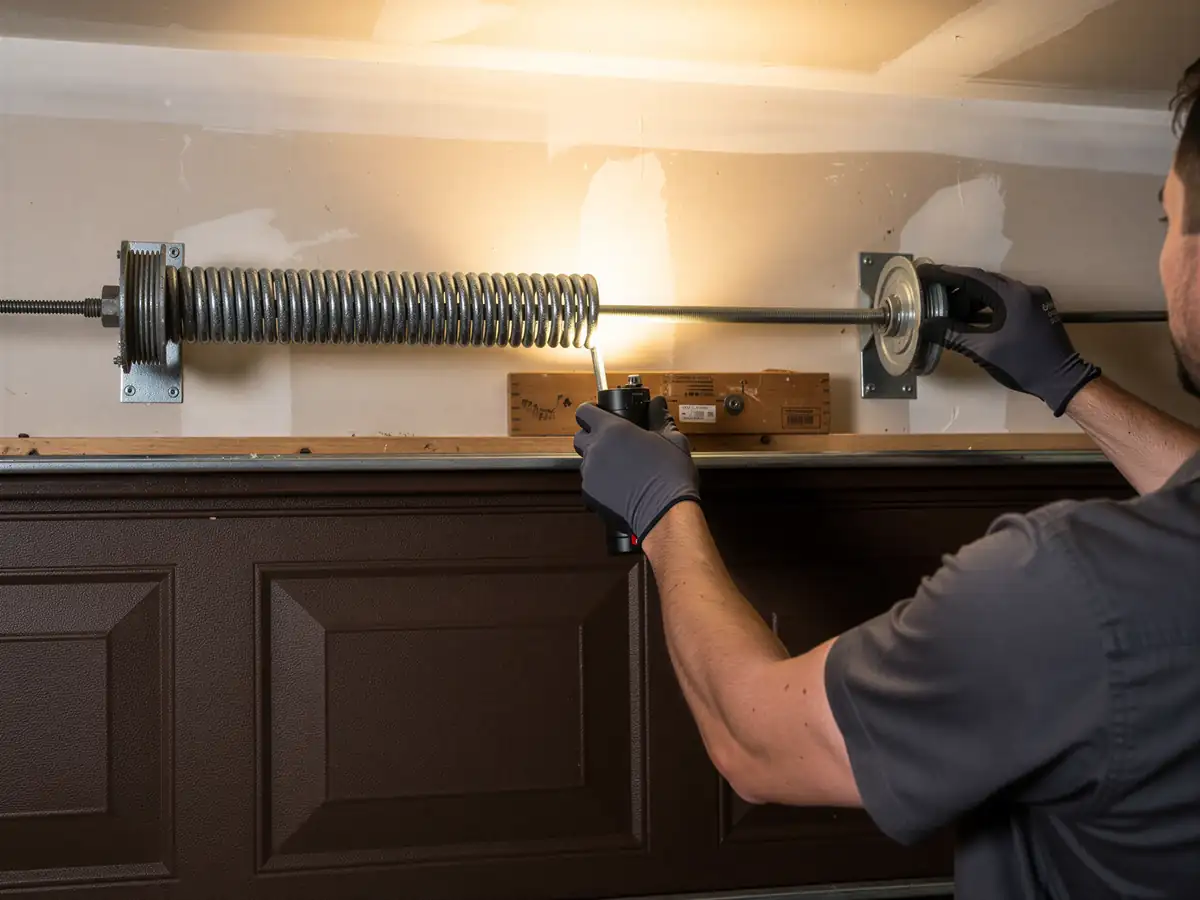
A service call isn't a sales pitch dressed up as an inspection. We check the torsion spring for rust, flat spots, and whether the cable drums are still turning evenly on both sides - on a double door built to older sizing, an uneven drum is the first sign a cable's about to jump the track. We check the opener's force settings, since a unit that's been recalibrated once too many times to fight a stiff spring will slam instead of stop. We check the tracks for the kind of bowing you get when a roller's been dragging for a year, and the hinges for the hairline cracks that show up on panels that have flexed through enough winters. On a house with original hardware from that 1938-2014 build range, we're also checking whether parts are even still available, because side-mounted torsion setups from the earlier end of that range sometimes take a part nobody stocks on the truck. That's the actual output of the call: a straight answer on what's worn, what's still fine, and what's a parts-order problem rather than a same-day fix.

When It Stops Being a DIY Job

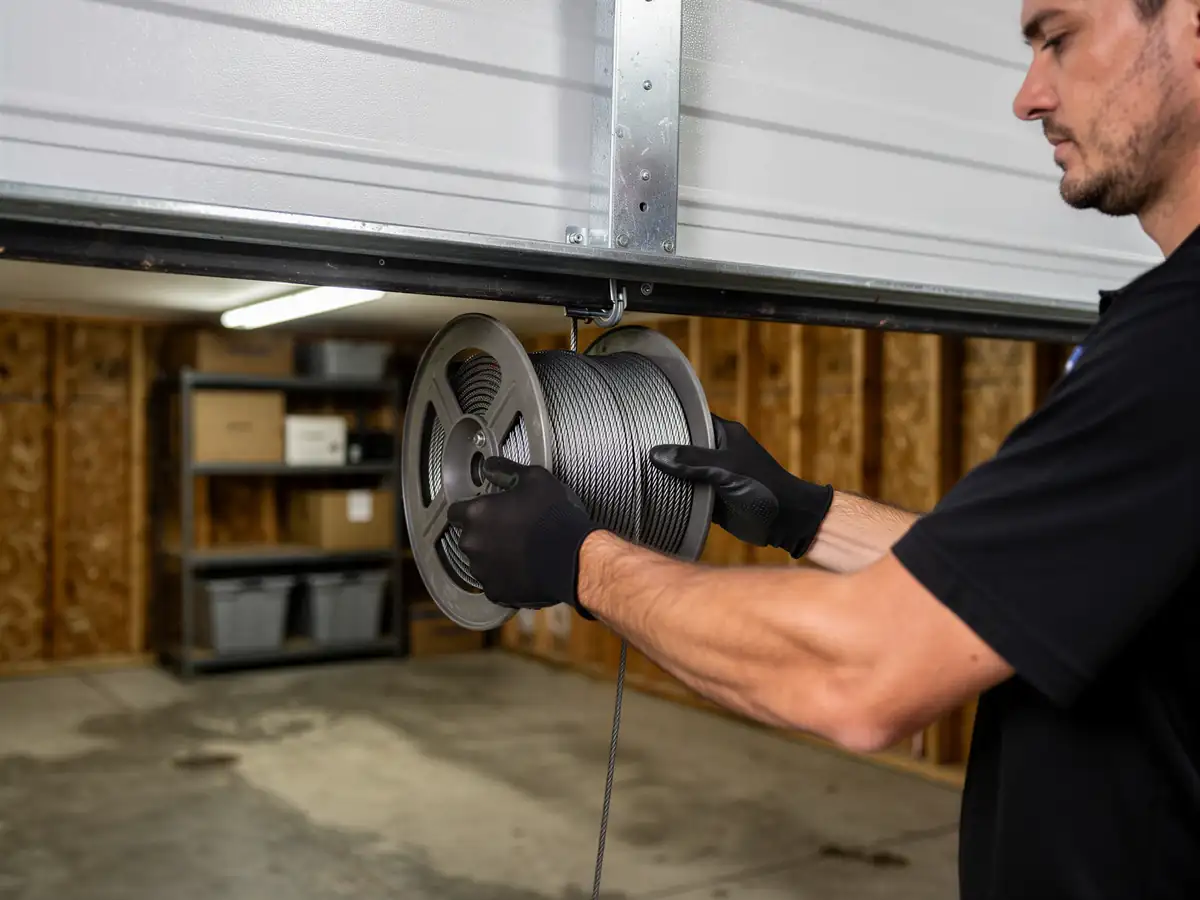
A broken torsion spring on a double door is not a project for a Saturday afternoon, regardless of how many videos make it look simple - the spring is under enough tension to do real damage if it releases while you're working on it, and that risk doesn't change with how careful you are. Cable replacement is the same kind of job: once a cable frays, the drum it's wound around is usually holding more load than the remaining strands were rated for. Track realignment, on the other hand, is sometimes something an owner can check themselves - loose bolts on the wall bracket are visible and the fix is a wrench, not a specialist. What we won't do is talk you into replacing a whole unit when the fix is a small part; that's a call we make at the inspection, not before. With household incomes in this area running well above the regional median, we get asked more than once why we didn't just recommend full replacement - usually because the door didn't need it.
How it works

From “it’s stuck” to “it’s fixed”

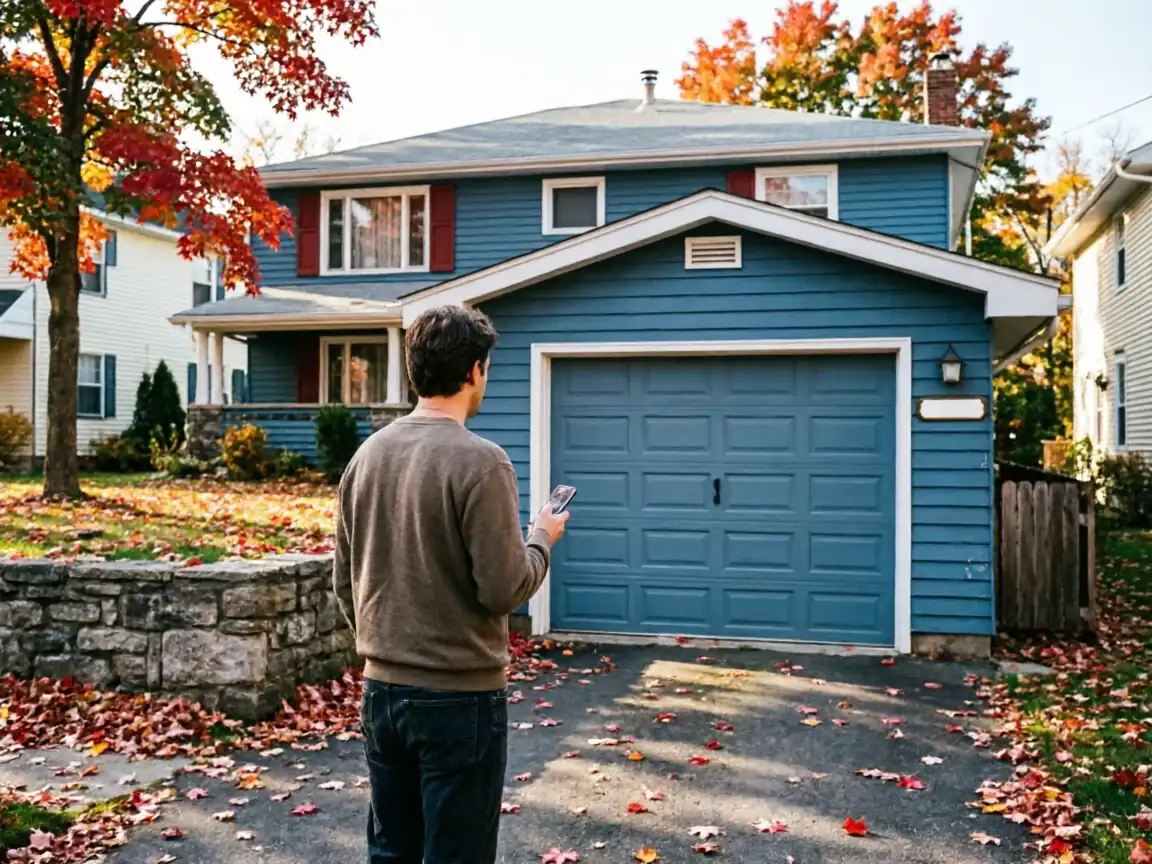
A man stands in a driveway looking at a blue garage door on a blue house.

Tell us what’s wrong

Describe the symptom - won’t open, loud bang, opener runs but the door won’t move.

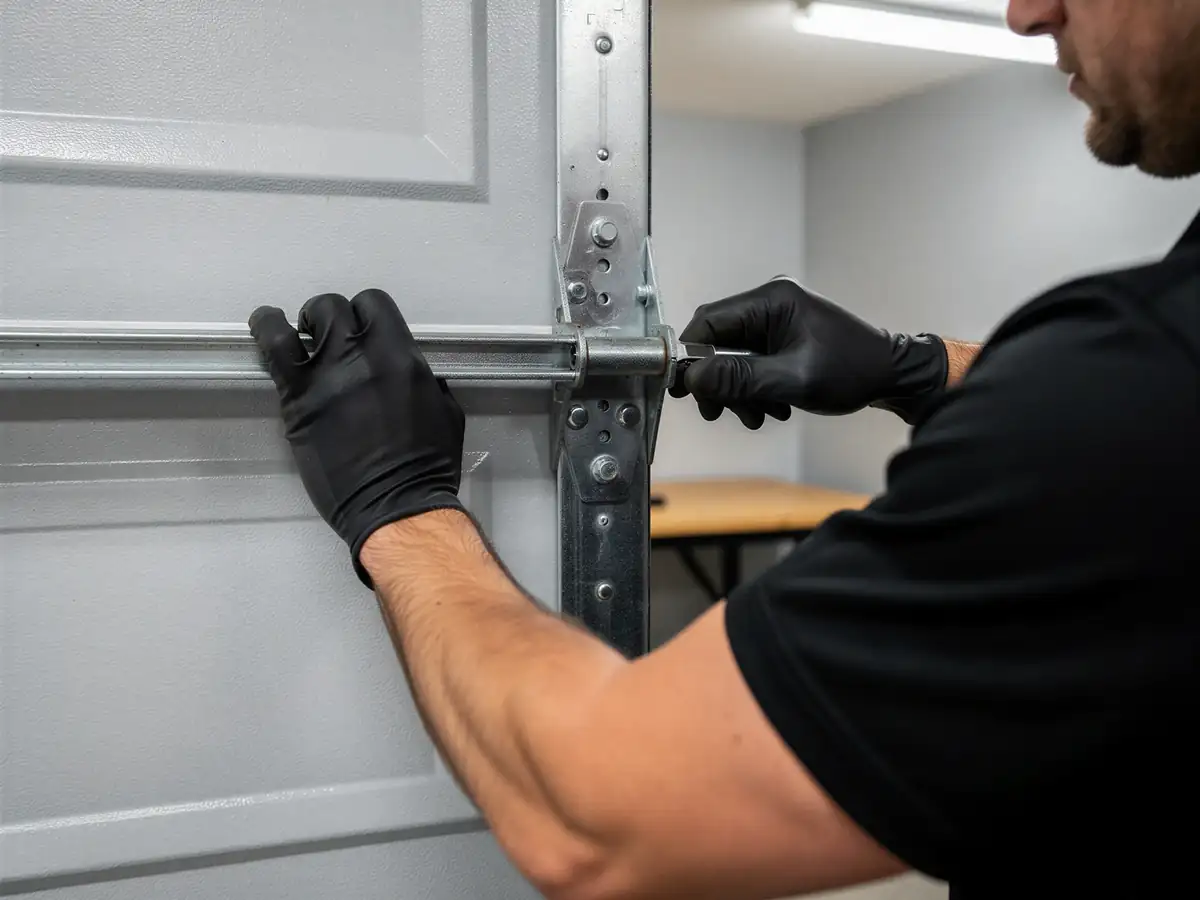
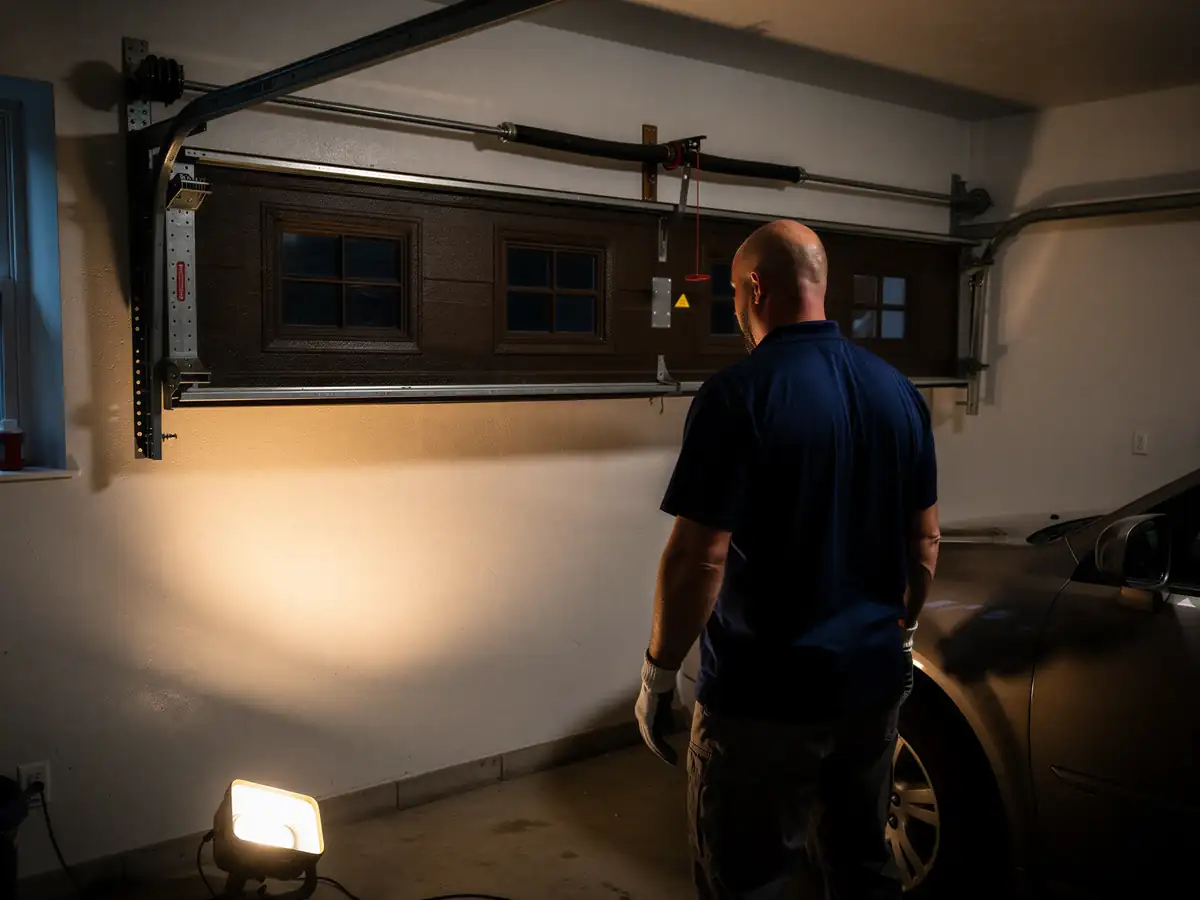
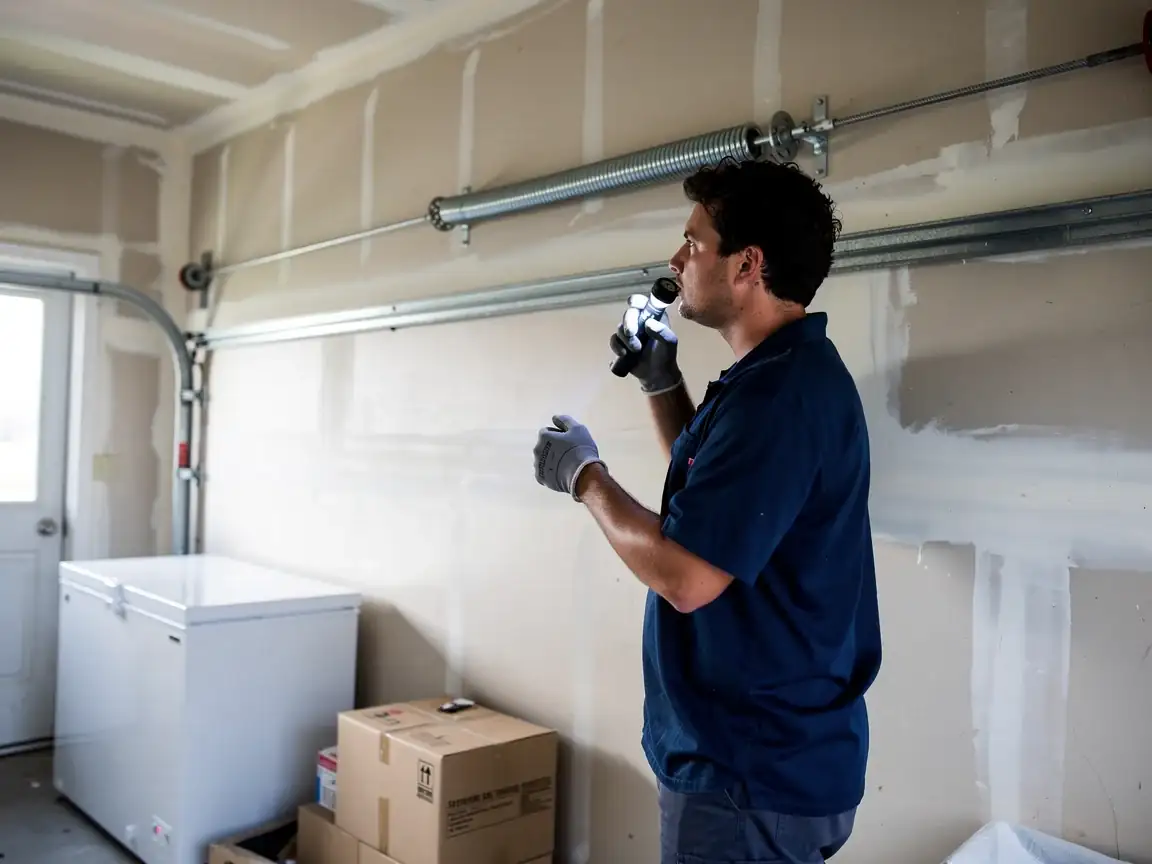
A technician in a blue shirt holds a flashlight and looks at a garage door torsion spring.

On-site diagnosis

A technician tests the door under power and by hand and finds what actually failed.

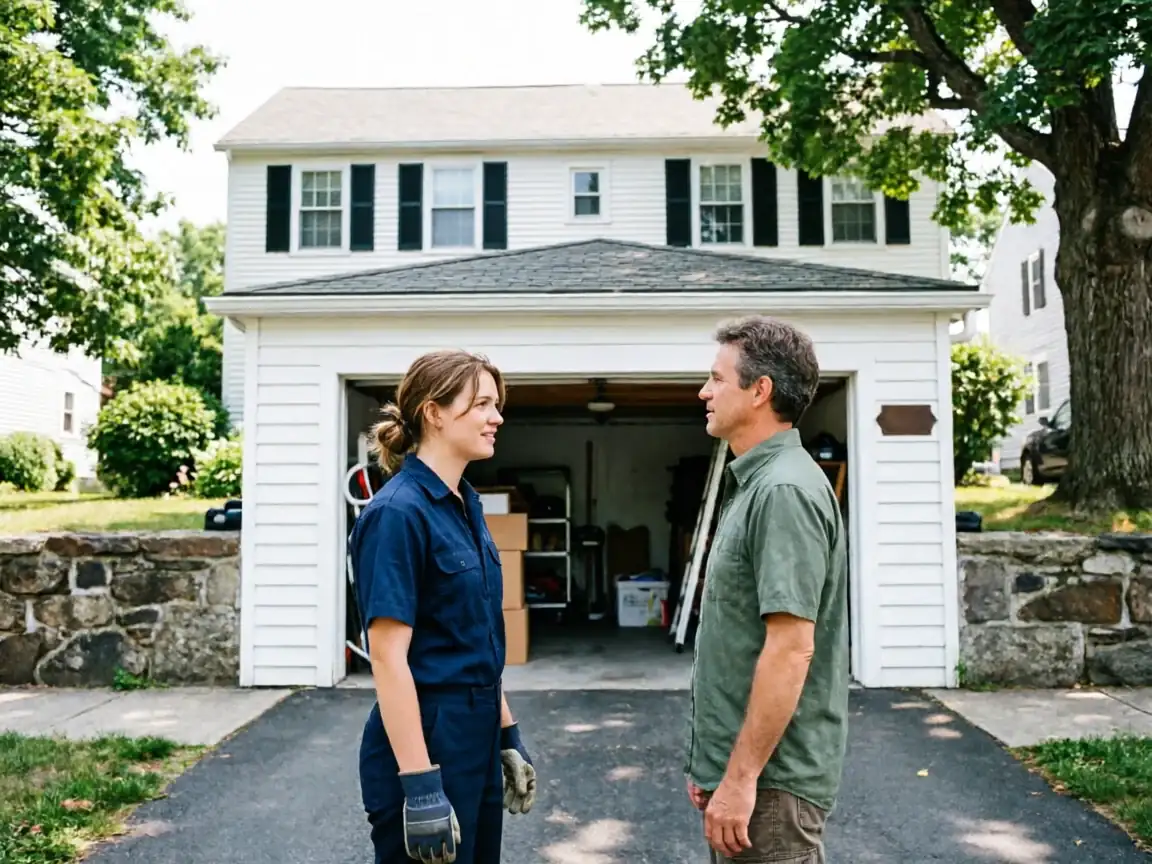
A technician in a blue uniform stands facing a man in a green shirt.

Clear, up-front plan

You get the fix that’s needed and what drives the cost - before any work starts.

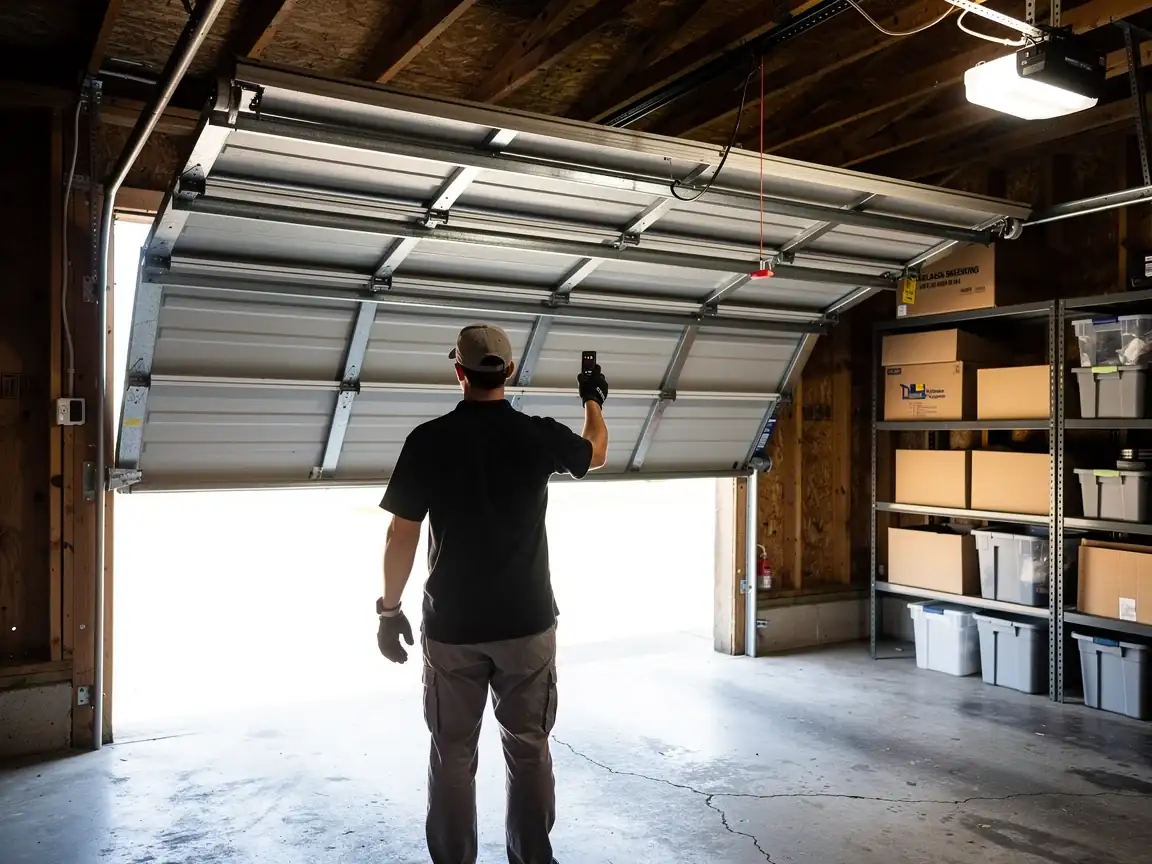
A technician operates a partially open garage door with a remote control.

Repaired & tested

The repair is done, the door is set true and tested, and the work area left clean.

Not sure which repair your door needs in Bethesda, MD? Describe what it’s doing - every job starts with a diagnosis.

How we work

What to expect

  • Diagnosis firstEvery visit starts by finding what actually failed - not a pre-written parts list.
  • The right part for the doorSprings and openers matched to the door’s weight and age, so the fix holds up.
  • Straight answersWhen a repair makes more sense than a replacement - or the reverse - you hear it plainly.
  • Clean, careful workTension released safely, hardware set true, the door tested under power before we leave.
What we do

Garage Door Services

Repair and installation work for Bethesda homes and businesses.

Questions

Frequently asked

Straight answers about garage door repair in Bethesda. Still unsure? Ask us directly.

How old is the typical garage door around Bethesda?

Housing in the area was built anywhere from 1938 to 2014, with the median house going up around 1973. That means a lot of doors and openers are original to a 1960s-70s install, which affects what parts are on hand and what a repair actually involves.

Why does my spring feel stiffer in cold weather?

Bethesda's climate band is classed as cold and severe, with real freeze-thaw swings each winter. Steel springs lose a bit of tension capacity every cold cycle, which is why a marginal spring often finally lets go in the first hard freeze rather than during a mild month.

Do most homes in the area still run original hardware?

Across the service area there are roughly 383,258 households and 139,247 owner-occupied houses, and a large share sit on 1960s-70s construction. That's enough original hardware out there that parts availability is a routine question on a service call, not an edge case.

Is it ever worth replacing instead of repairing?

Sometimes, but not as often as a sales call might suggest. If the spring, cable, and track are sound and it's an opener or weatherstripping issue, a repair usually makes more sense than full replacement - we'll tell you which one we're looking at before any work starts.

Ready to get your garage door sorted?

Tell us what it’s doing and where you are in Bethesda - we’ll take it from there.

Request a QuoteCall