What Causes It Around Here
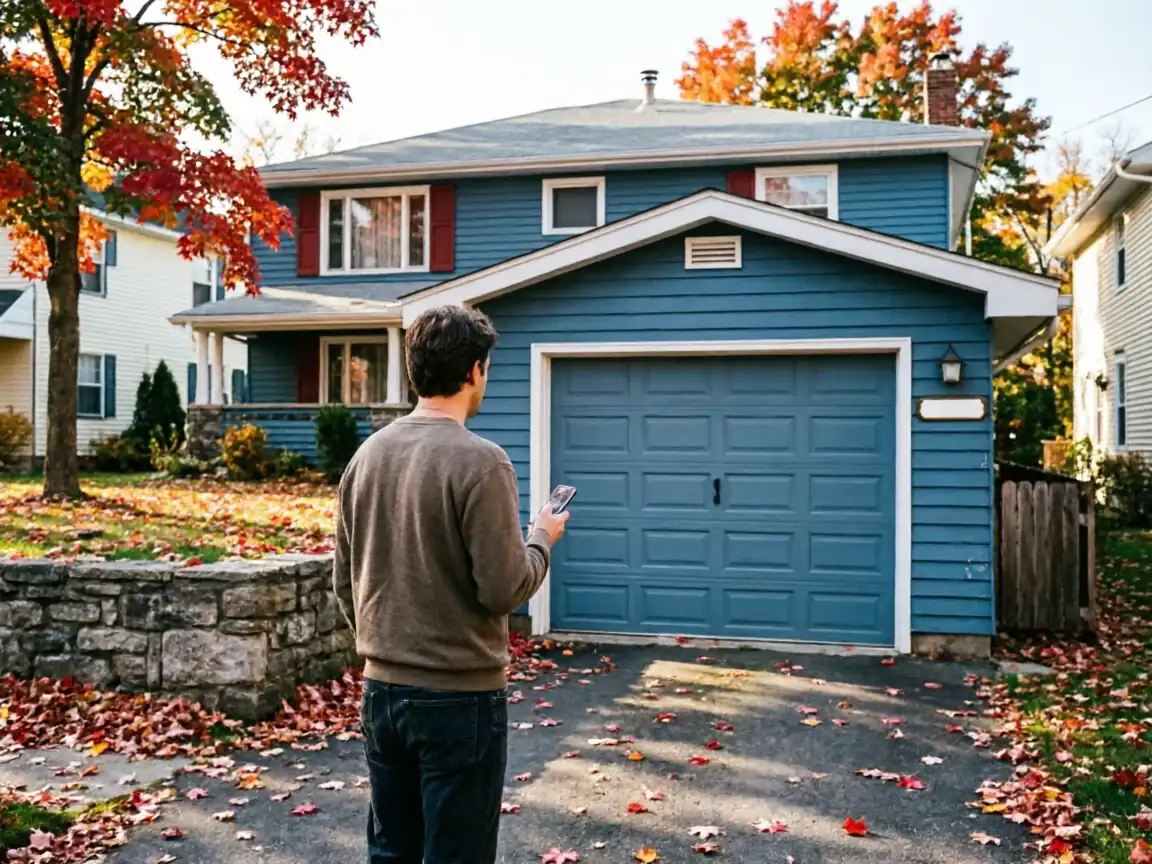
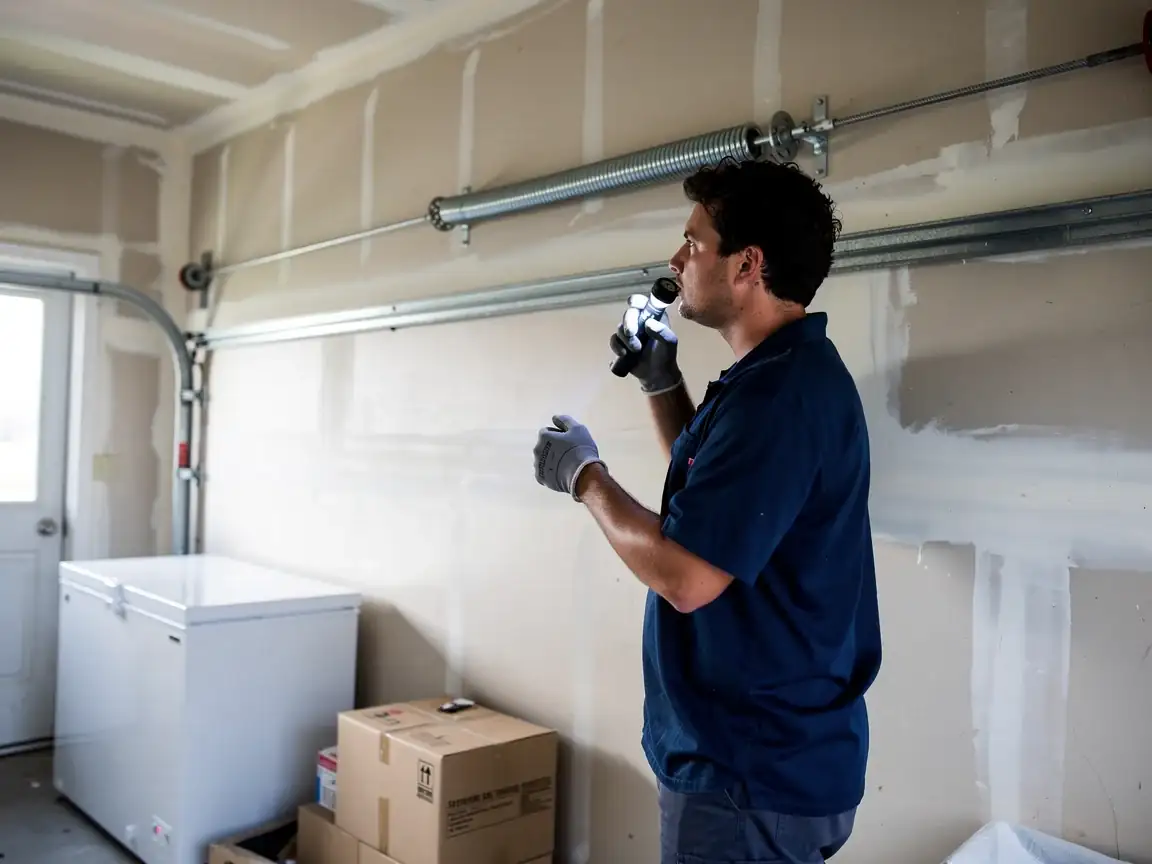
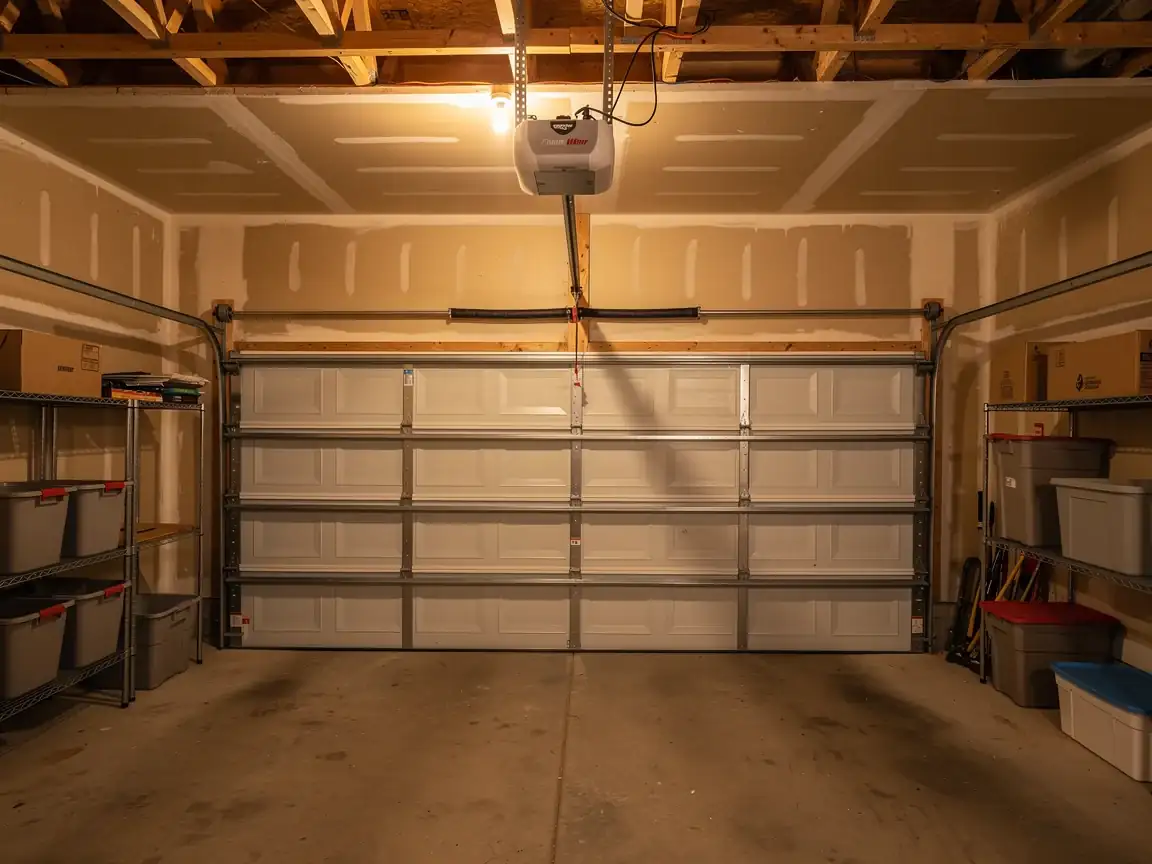
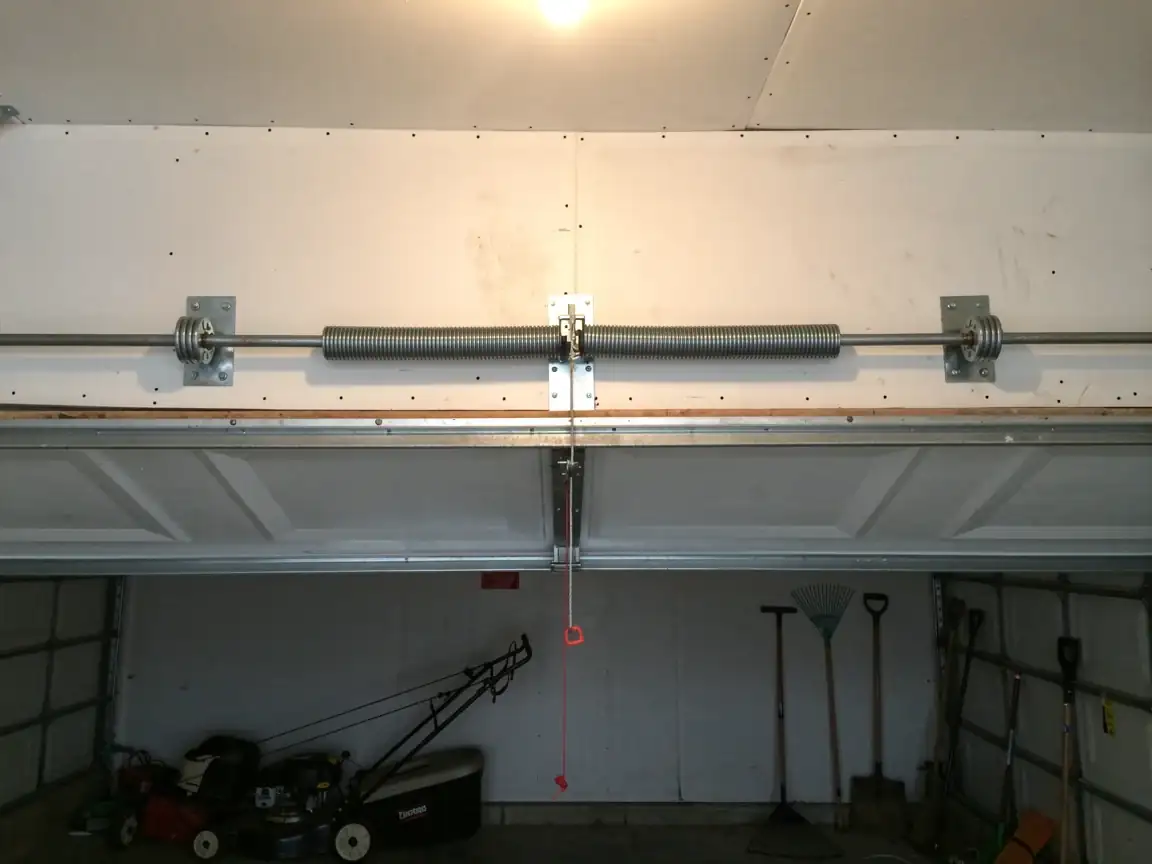
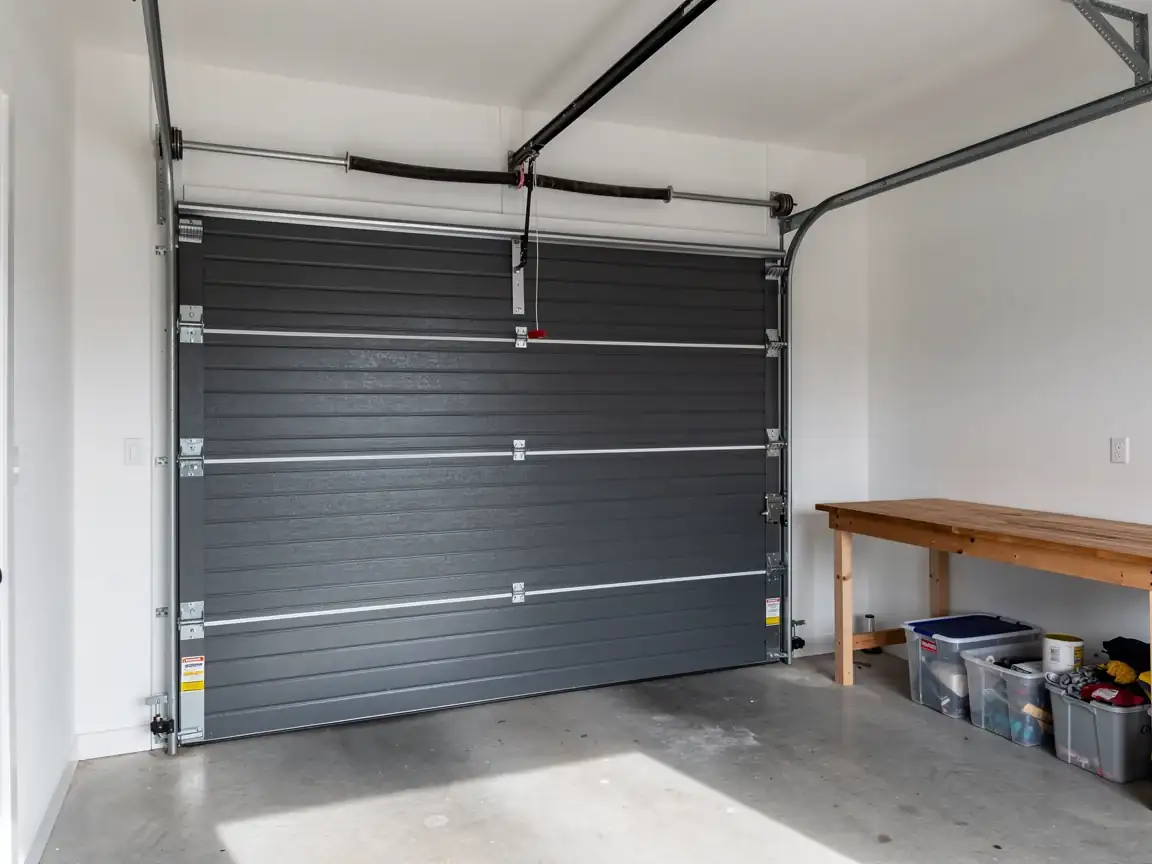
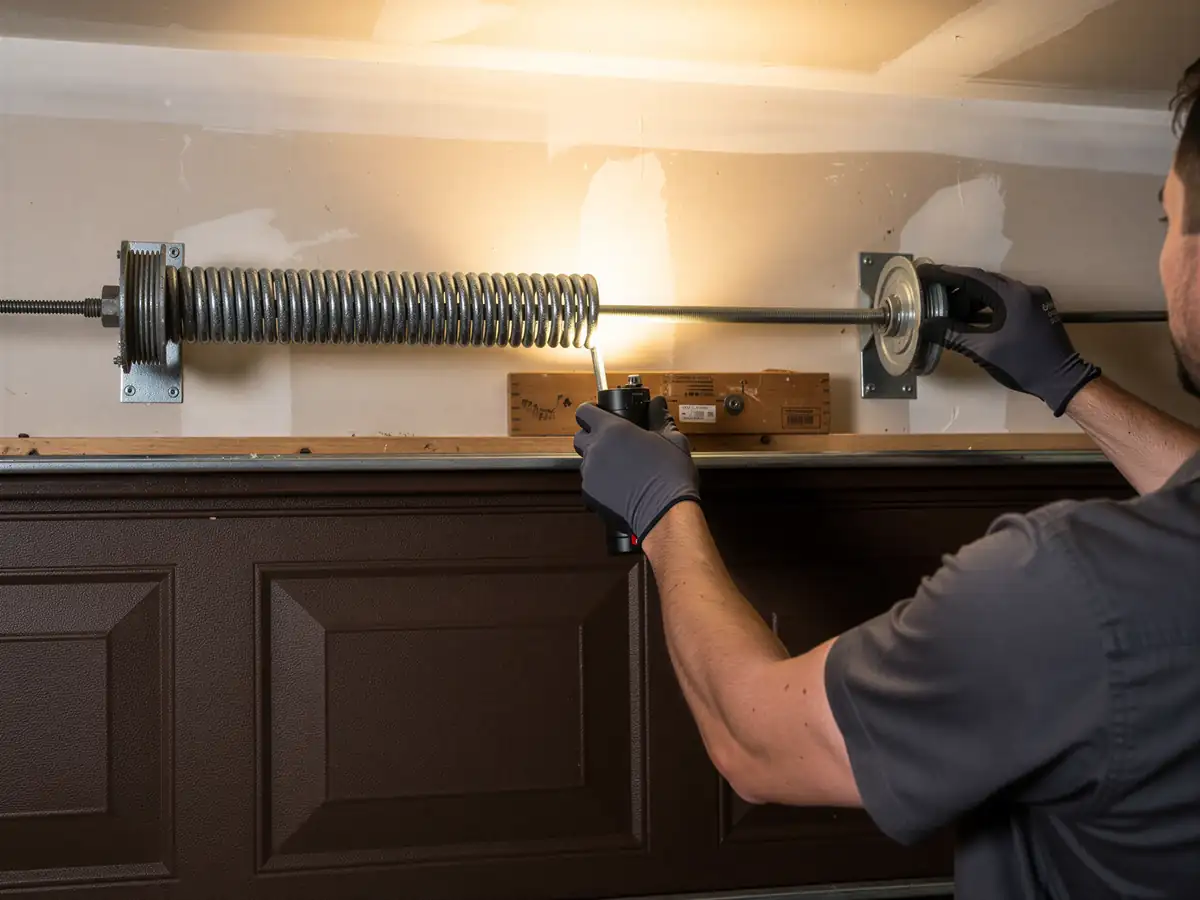
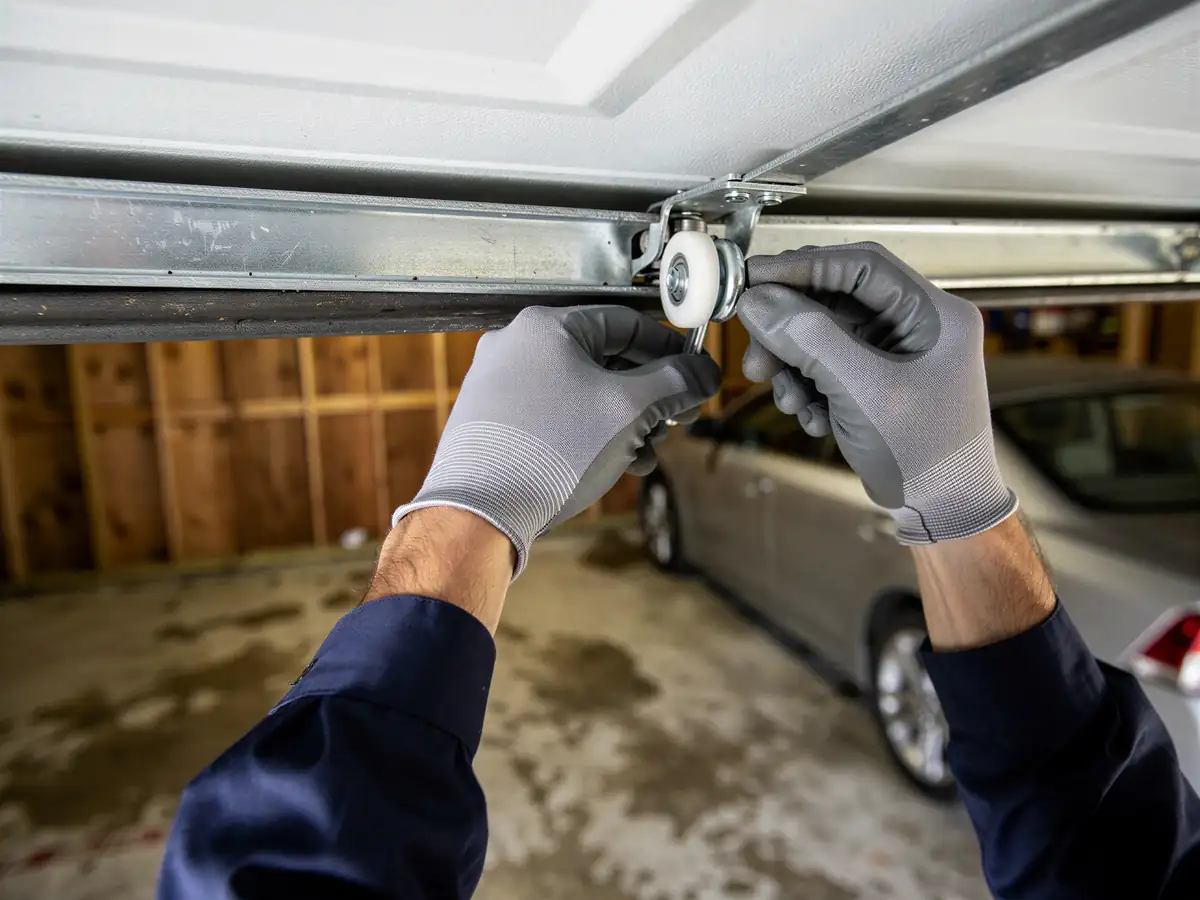
Fort Washington is a longer haul than most of the territory - 19 miles out from Bethesda, which matters more here than it does closer in. It also sits on a different housing clock. The service area as a whole has a median build year of 1973, with stock going back to 1938, but Fort Washington's median build year is 1980. That gap means different hardware is failing. Houses from 1980 mostly came with torsion spring setups rather than the older extension-spring doors still common on the 1960s and 70s side of the territory, and torsion springs fail in a specific way: a loud bang, then the door won't lift, or lifts crooked. The region sits in a cold-severe climate band, and cold snaps are hard on spring steel generally - metal contracts, fatigue cracks that were already forming finally let go. On a 1980-built door that's had forty-plus years of cycles, a cold morning is often the final push, not the cause. Openers from that build era are also aging out: chain-drive units with mechanical limit switches that drift out of adjustment and leave a door that reverses before it closes or won't close at all. The other common failure is simpler - a roller or hinge finally wearing through after decades of the same track, same bend, same opener pulling it every day.
The Cost of This Job
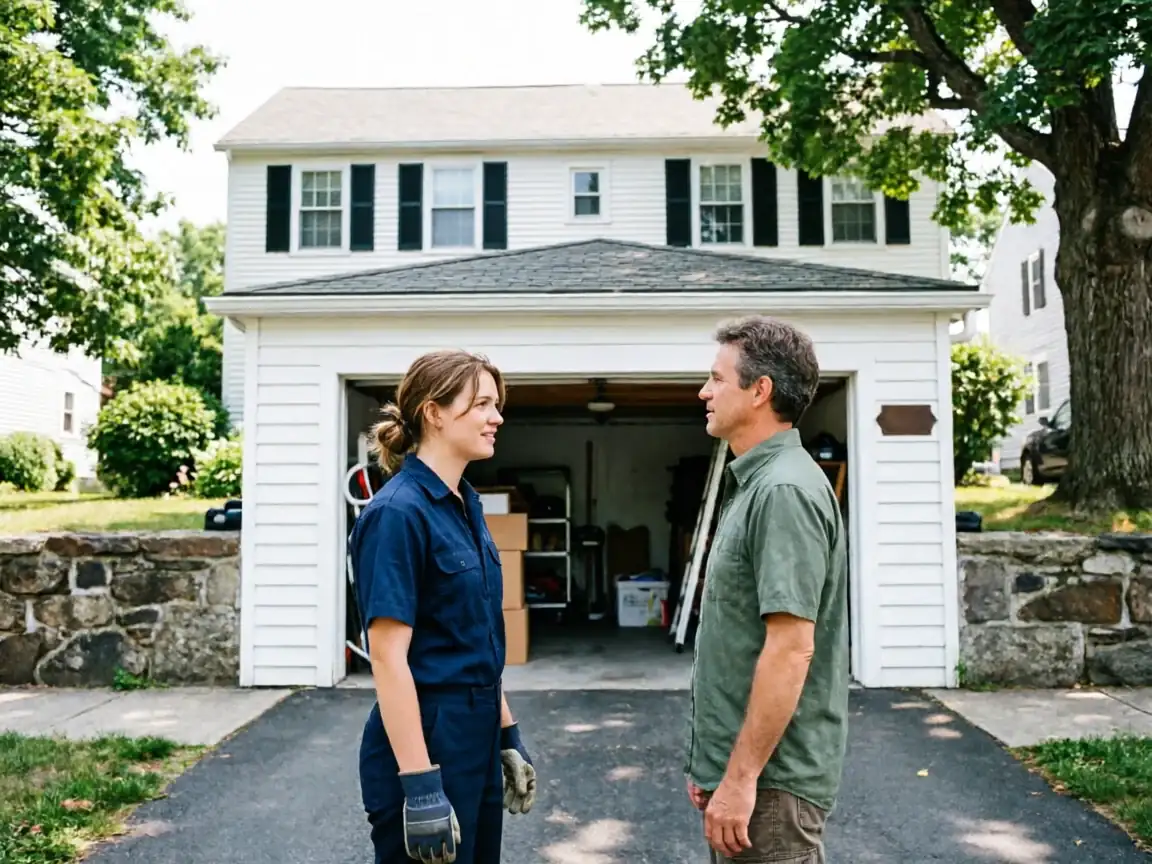
We don't post a flat number here because the job itself varies - a torsion spring swap is a different cost than a full opener replacement, and we're not going to guess at your door's situation in writing. What we can say is that the distance plays into how a job gets scheduled, not how it gets priced: a 19-mile trip from Bethesda means the truck needs the right part loaded before it leaves, since a return trip for a missing bracket or a wrong-size spring costs real time on a call this far out. Fort Washington's median household income, at $145,942, runs well above the $116,255 median across the wider service area. That's a fact about the neighborhood, not a pricing decision - we quote the job in front of us, the same way we would closer to Bethesda. If a repair is going to cost more than half of a straight replacement, especially on an opener or spring setup already past its expected life, we'll say so plainly rather than patch something that's going to fail again in a year.
The Symptom
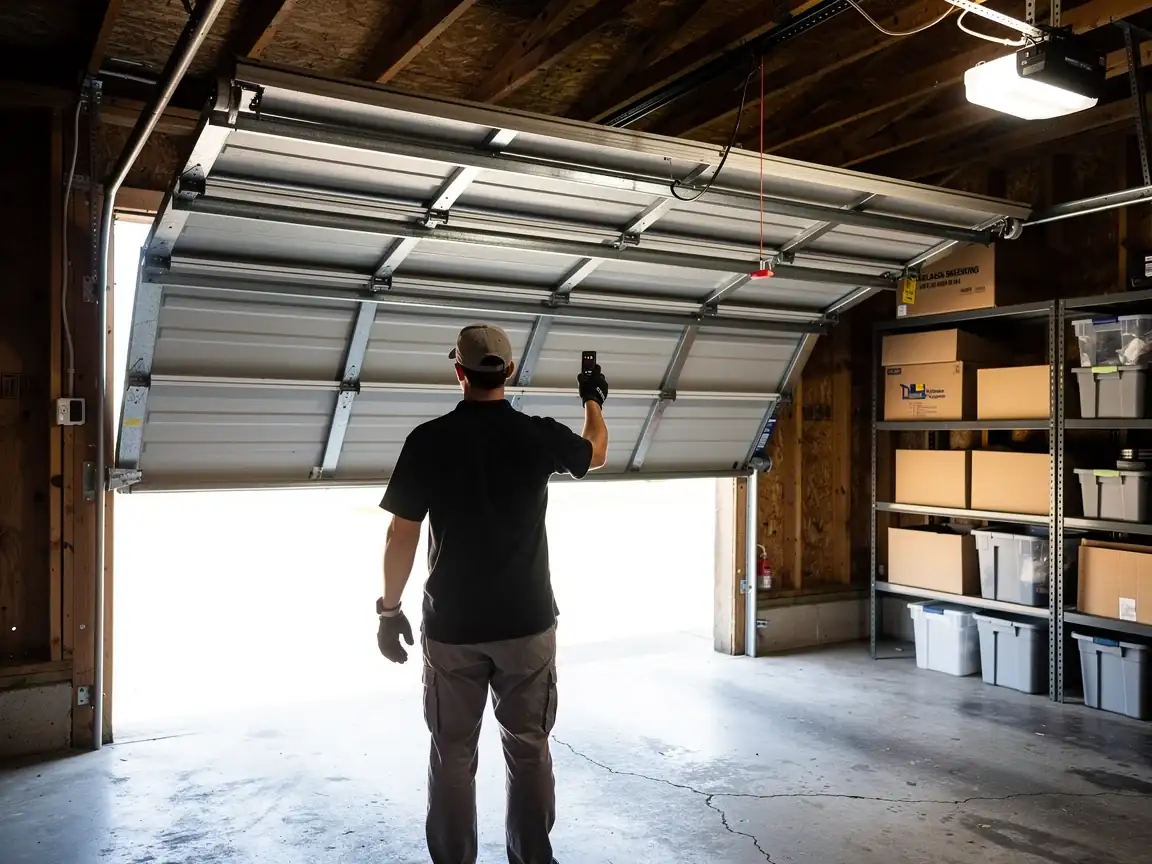
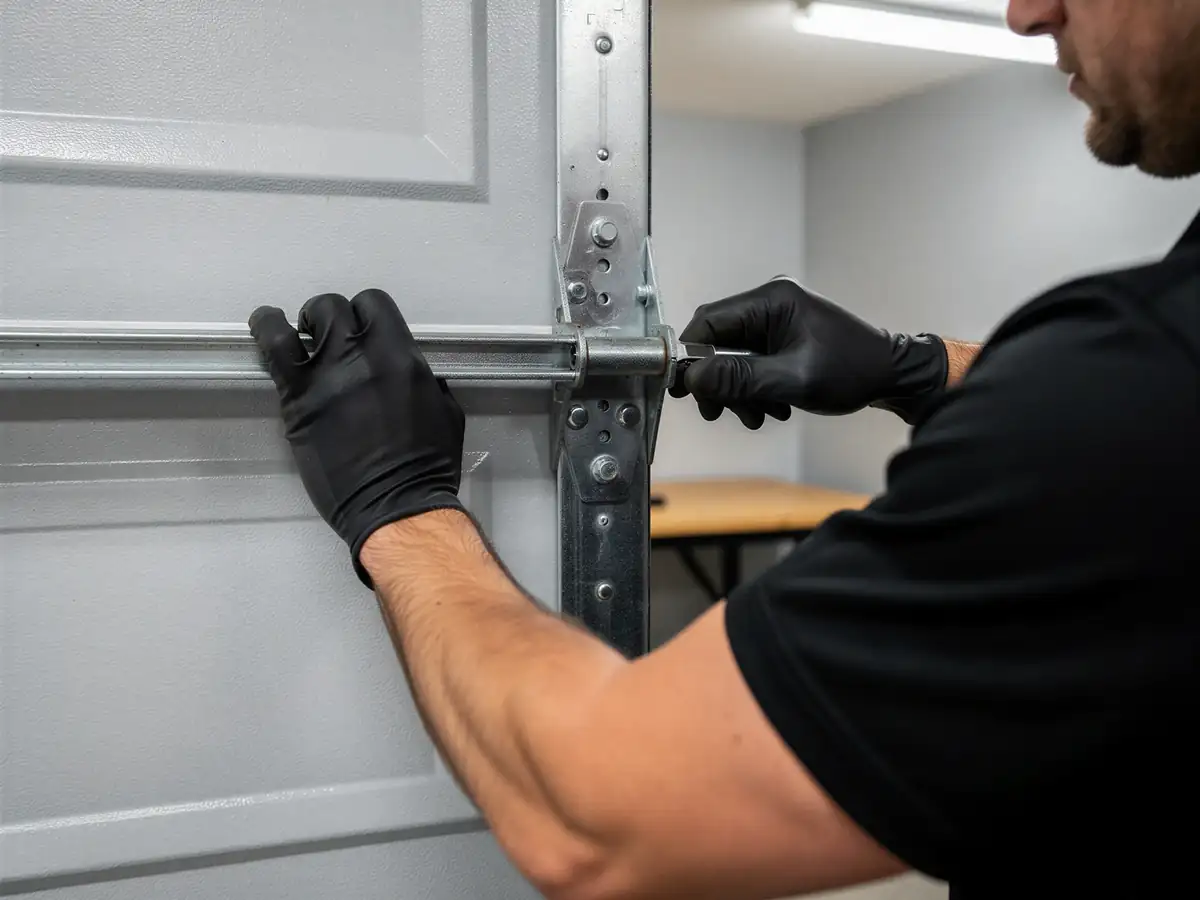
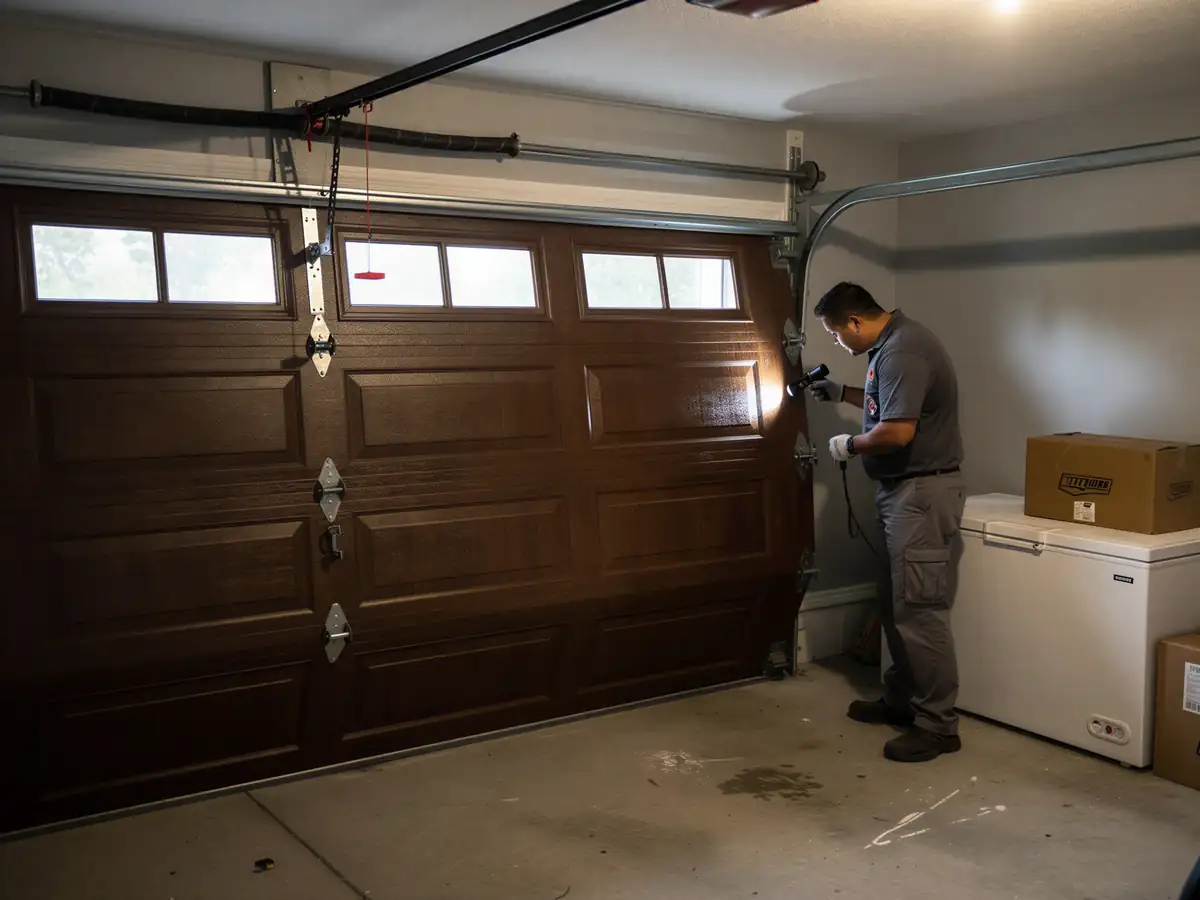
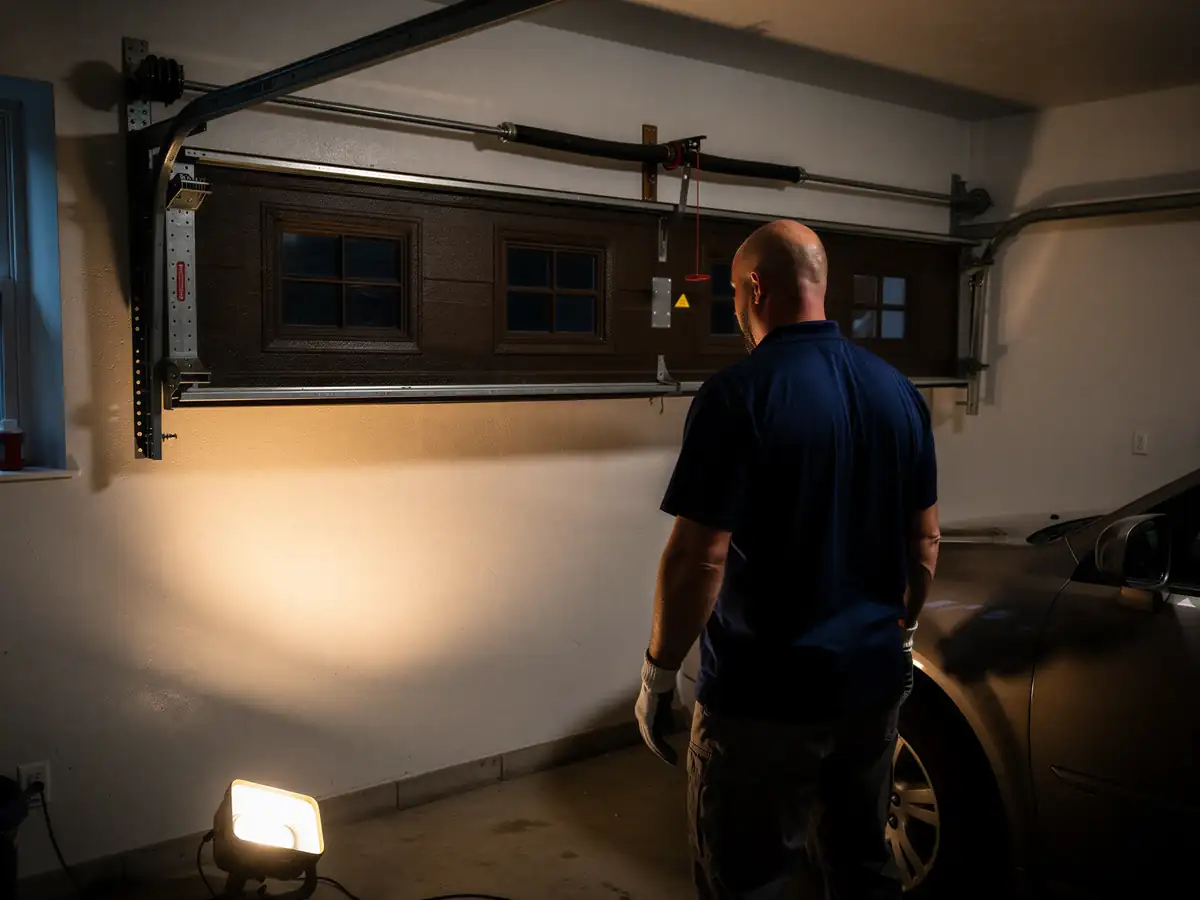
The most common call out here is a door that won't move, paired with a bang that happened sometime before - usually overnight or on a cold morning. That bang is the torsion spring letting go. The door will feel immovable by hand, and trying to force the opener through it can strip the gears or burn the motor. A second pattern: the door runs partway up or down and stops, sometimes with the opener light blinking. That's usually a sensor alignment issue or a limit switch that's drifted, both common on opener units old enough to match Fort Washington's 1980-and-later housing stock. Less urgent but still a call: a door that's noisy, sags on one side, or has started drifting off its track slightly when it closes. That's wear accumulating - rollers, hinges, cable fraying - and it's worth a look before it becomes a dead stop on a cold morning when you need to leave for work.
What Is on the Truck
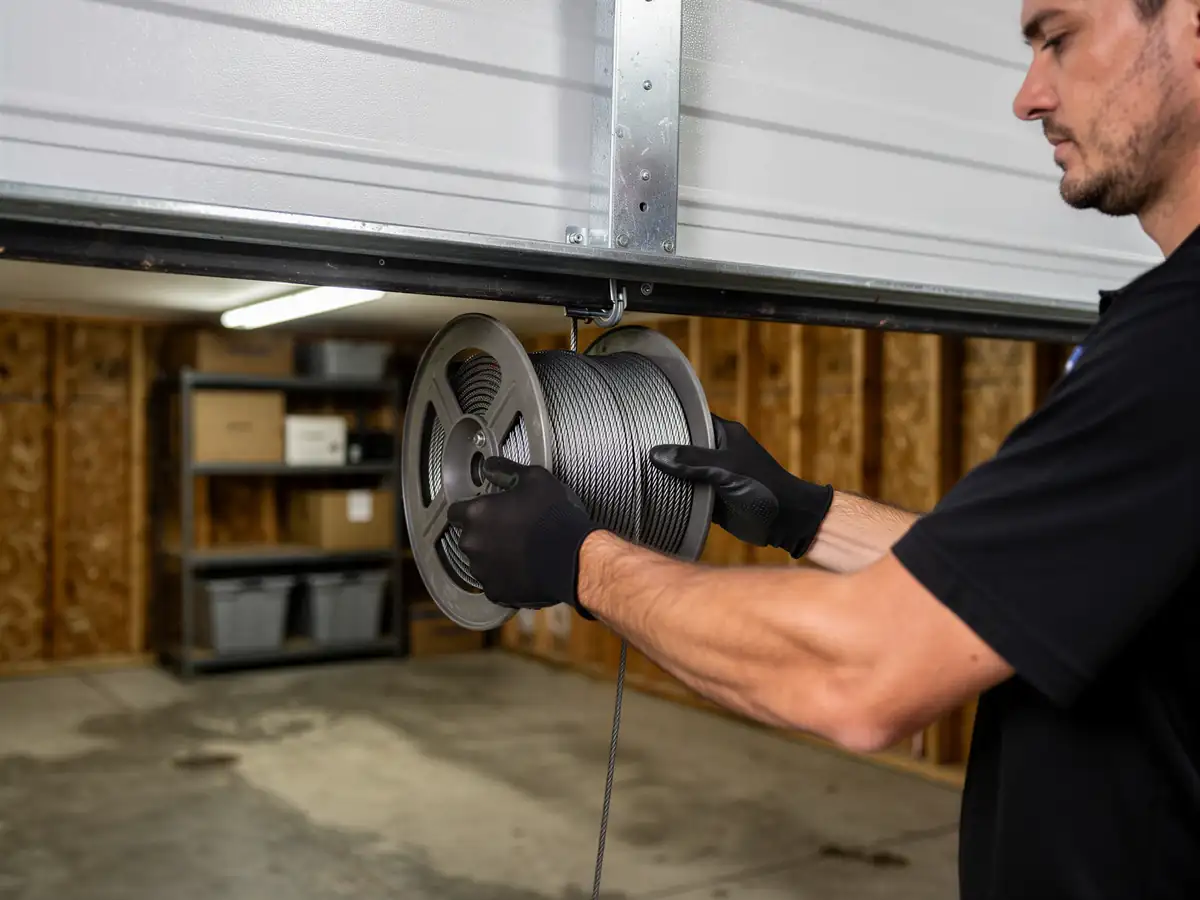
The truck carries standard torsion springs in common residential sizes, extension springs for older setups, cables, rollers, hinges, and the hardware to replace a bent track section. Given how much of Fort Washington's housing dates to 1980 or later, torsion hardware is the more likely fit than the older extension-spring systems you'd find on pre-1970s doors elsewhere in the territory - so that's weighted heavier on a Fort Washington run. Opener parts on board cover common failure points: logic boards, safety sensors, drive gears and belts for the more common residential models. What's not standard stock - a specific obsolete opener model's control board, for instance - may need to be ordered, which is the kind of thing worth knowing before the truck makes the 19-mile trip rather than after. We also carry basic lubricant, fasteners, and weatherstripping, since a cold-climate winter is hard on rubber seals as much as on springs. The goal on a call this far from Bethesda is to finish it in one trip; the truck is stocked with that in mind, not restocked mid-route.