What Causes It Around Here
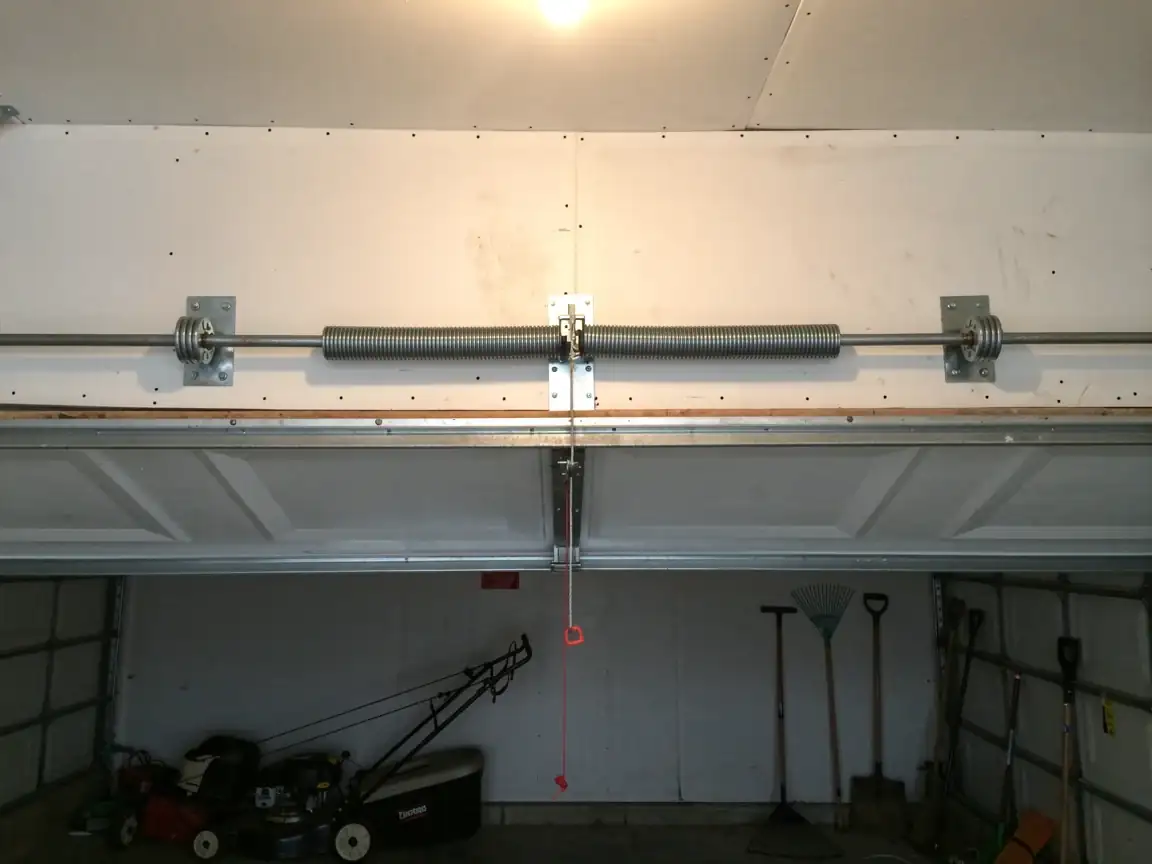
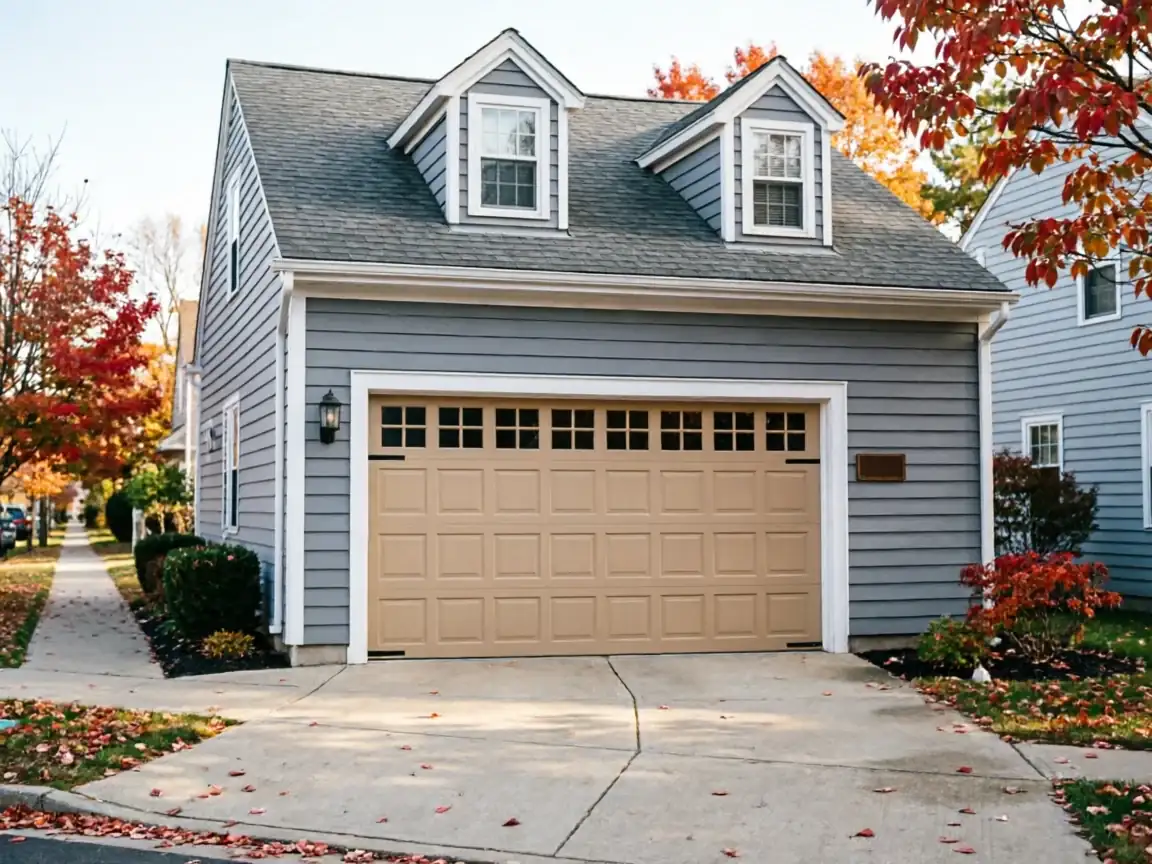
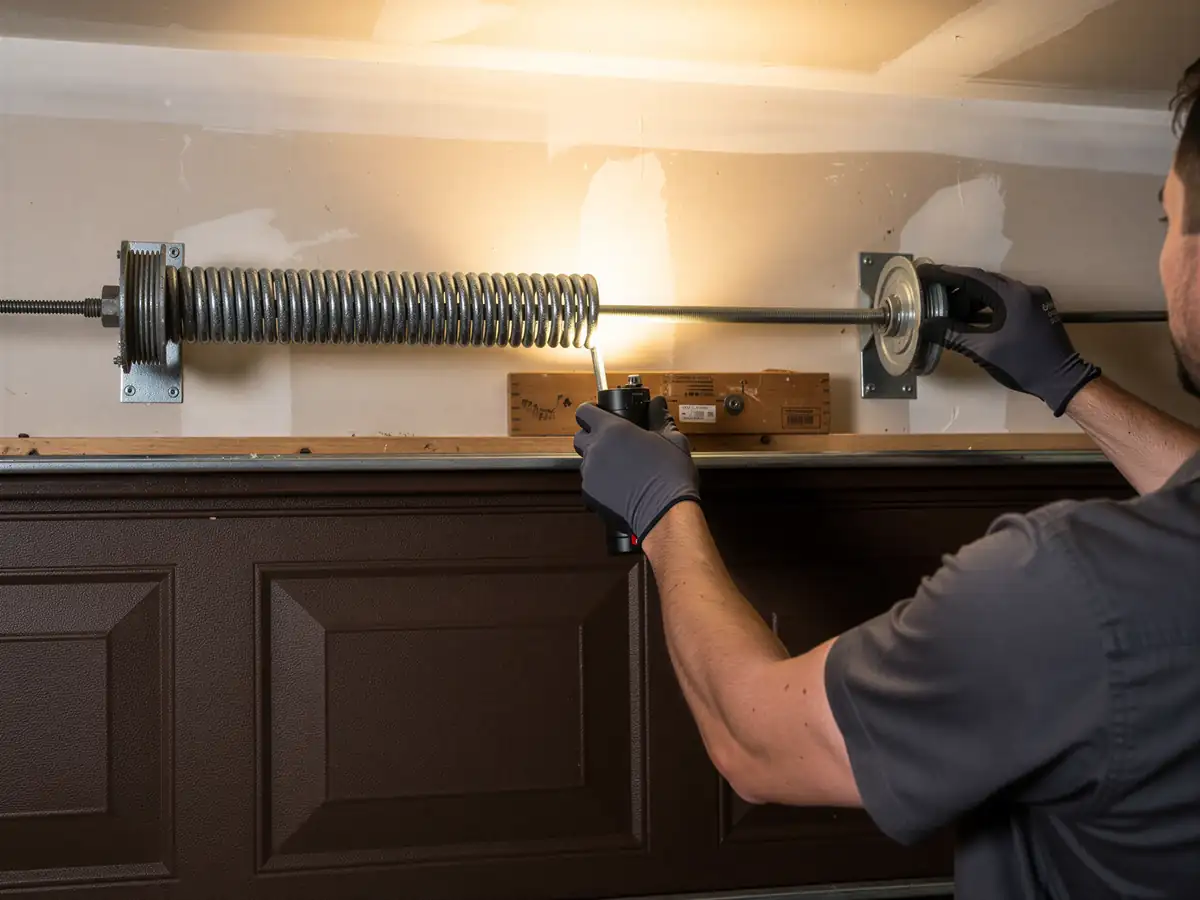
Most of Fort Washington's garage doors sit on houses built around 1980 or later, and that year matters more than people think. Builders putting up houses in that era mostly ran extension springs with a lift cable looped through a pulley at the bottom bracket, not the torsion-drum setups you find on older housing stock closer into the city. That cable is thinner, it's under less constant tension than a torsion drum, and it rusts and frays at the pulley loop before it ever snaps clean.
The other factor is plain weather. This service area sits in a cold climate band with real freeze-thaw swings, and a galvanized cable that's already starting to fray picks up moisture in that cycle, stiffens, then cracks a strand at a time every time the door cycles on a cold morning. You usually don't hear it until one side of the door is already riding low.
We're not guessing at your exact door - every house is a little different - but if your garage went up anywhere near 1980, extension-spring cable at the bottom bracket is the most likely place to start looking.
Doing It Yourself
A lift cable under an extension spring is not the same animal as a torsion spring wound to hundreds of pounds
And that's the honest reason some owners try to handle this one themselves. If the door is down, the opener is unplugged, and the spring itself is intact, replacing a frayed bottom-bracket cable is within reach for someone comfortable with a ladder and a socket wrench.
Where it stops being a DIY job is the moment the spring is also stretched, rusted, or already partly open
Because now you're asking a cable to hold tension it was never built to hold alone, and that's how a door comes down on a hand or a bumper. We also don't recommend it if the cable has already jumped the pulley; by then the drum or bracket is usually bent too, and that's a job that needs the door off track anyway.
If you're not sure which situation you're in, that uncertainty is itself the answer
Call it in rather than find out the hard way. We'd rather talk you out of a job on the phone than drive out for one you didn't need.
The Cost of This Job
We don't publish a flat number here because a cable job on a 1980s-era door with intact extension springs is a different scope than one where the spring, pulley, and bottom bracket all need replacing at once - and we're not going to quote one price and let the second situation surprise you on arrival.
What we can tell you is what drives the number: whether one cable has gone or both, whether the drum or pulley took damage when it jumped, and whether the door is a single or a double - a double door carries two cables working together, so a failure on one side often means we're replacing both to keep the door tracking straight.
Household income in Fort Washington runs higher than a lot of the areas we cover, and what we see from that is owners opting for the full fix - new cable, new pulley hardware if it's worn - rather than a patch that just buys a few more months before the other side goes too.
The Symptom
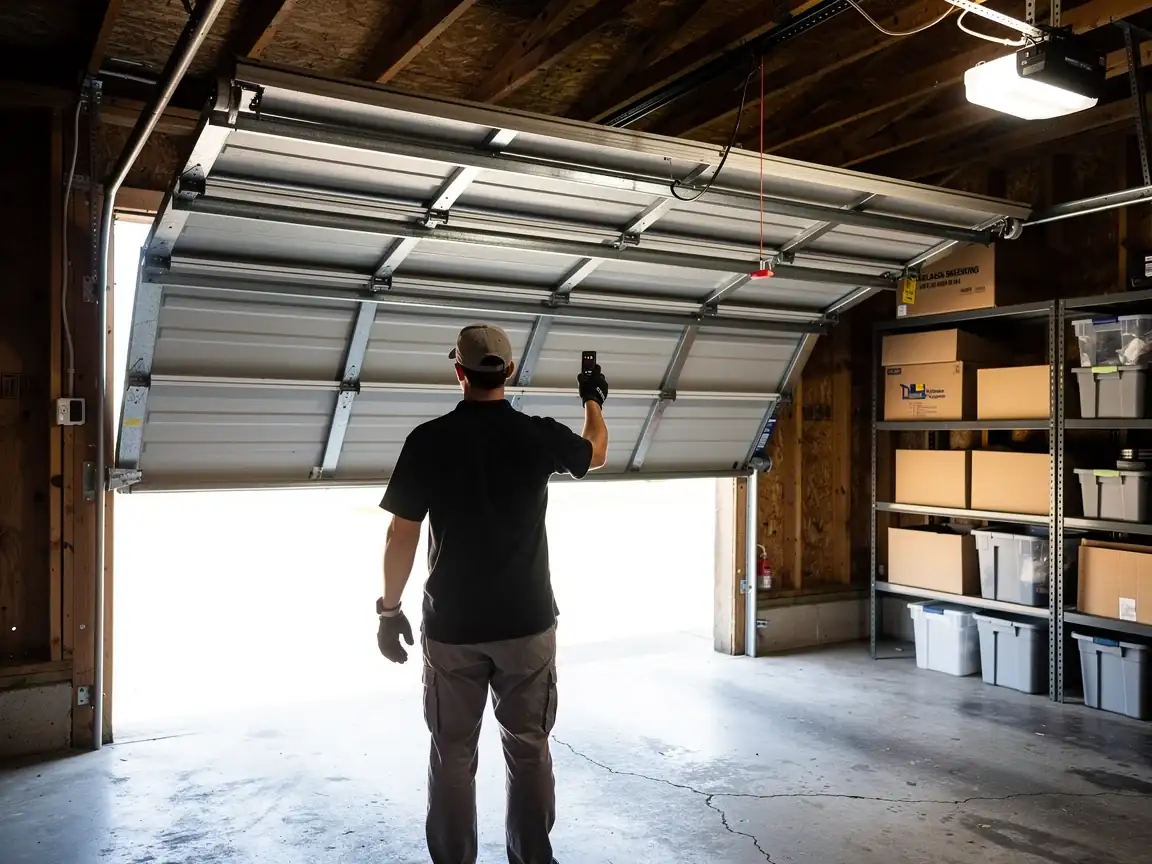
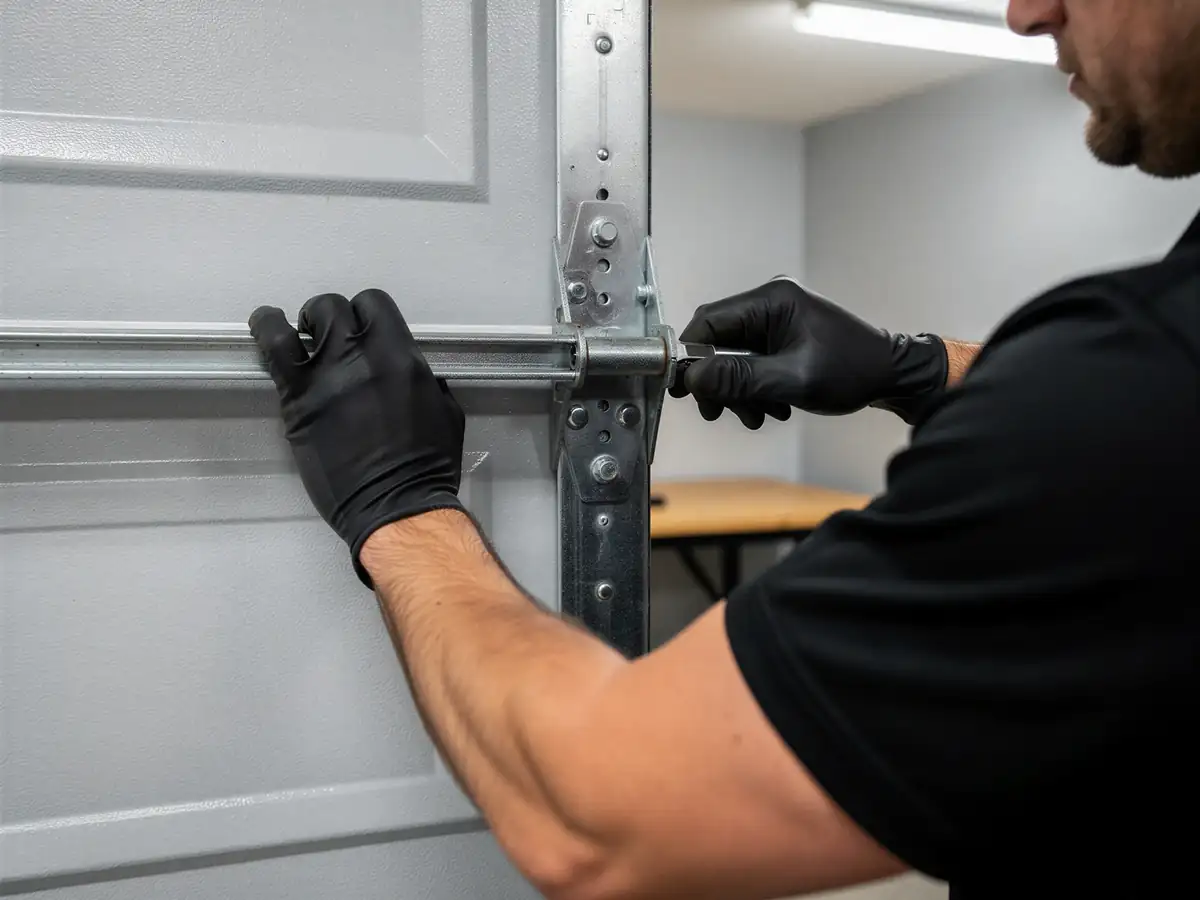
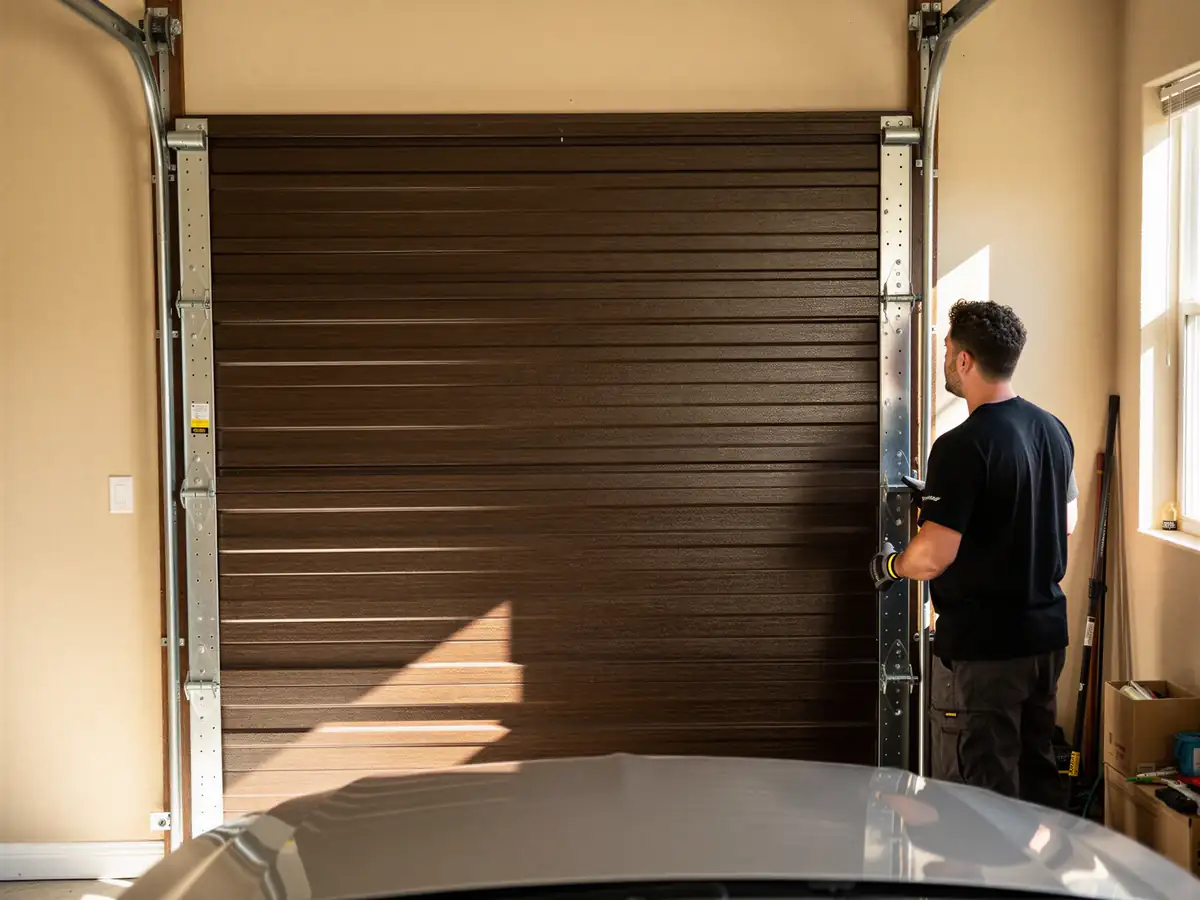
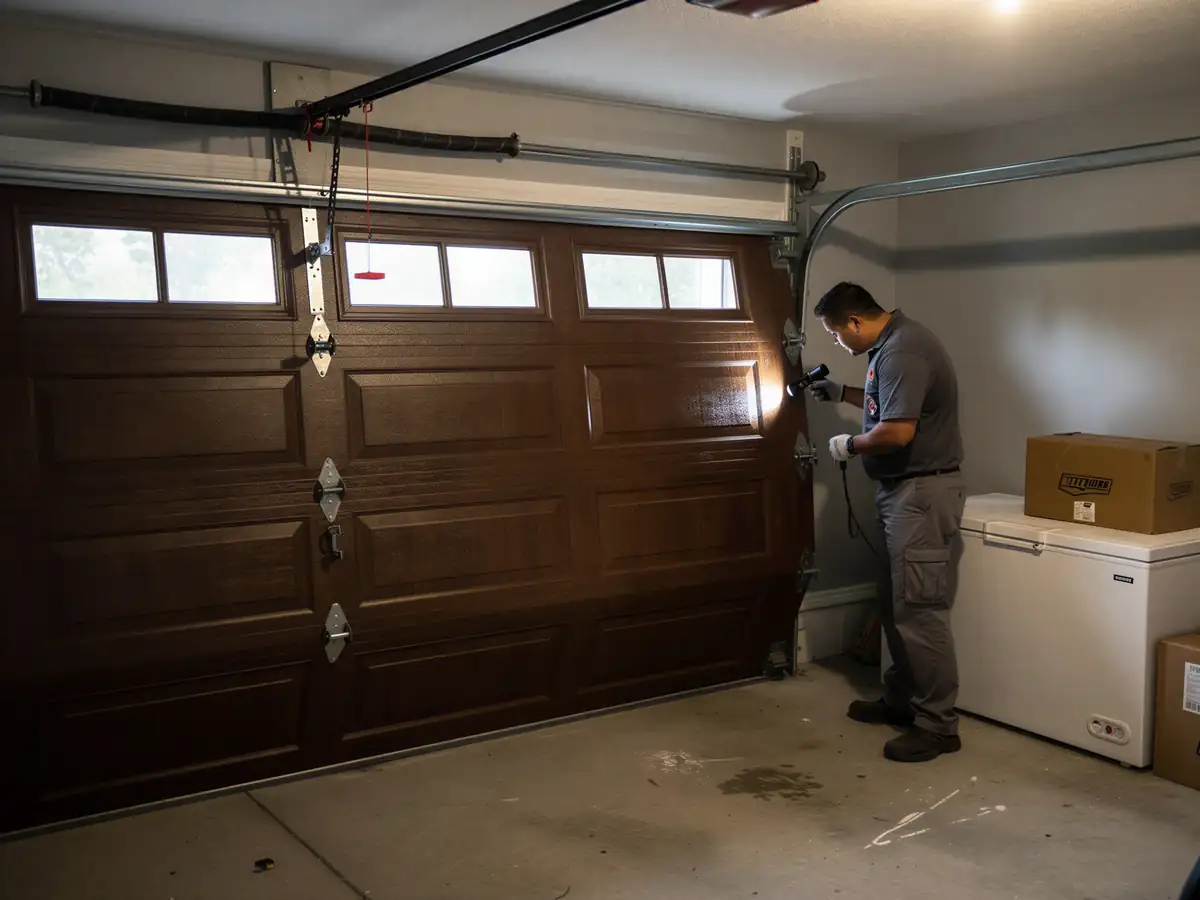
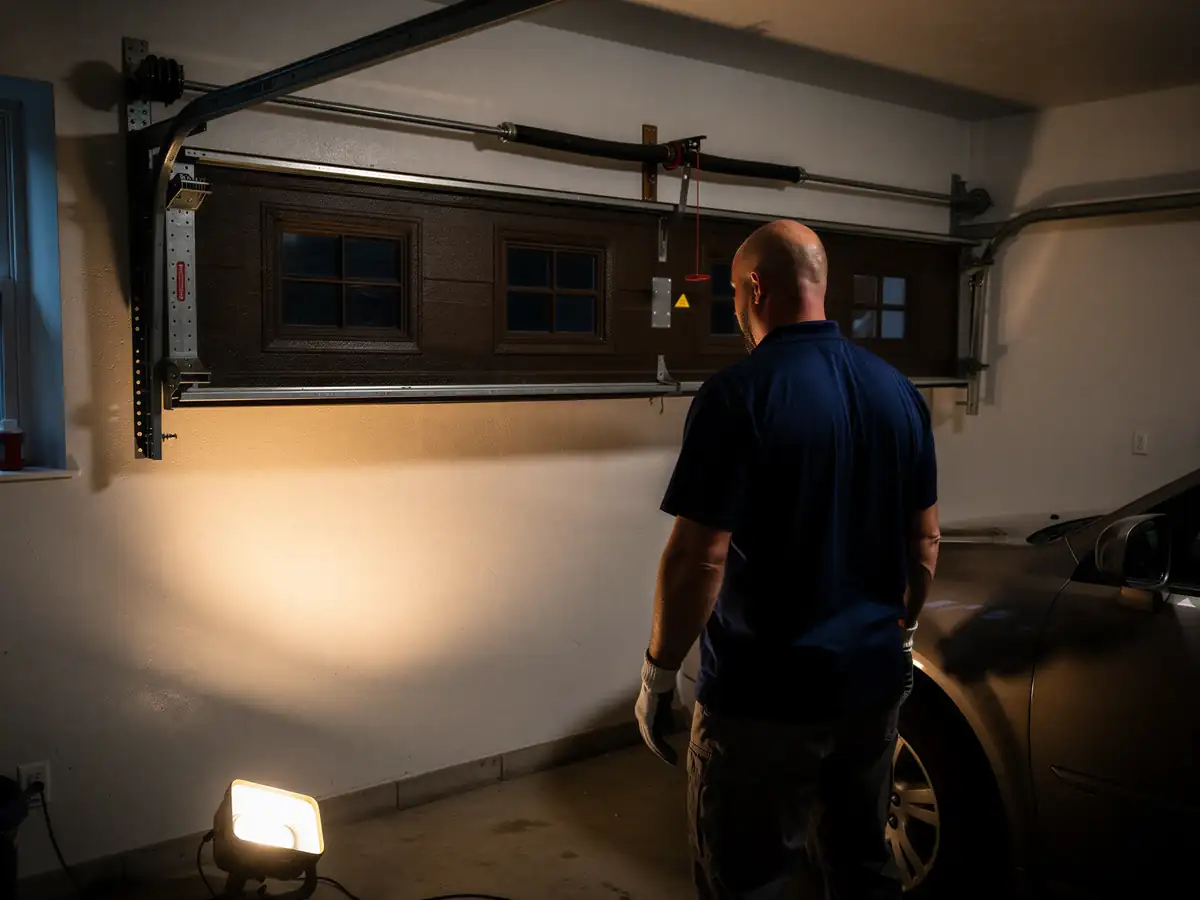
The clearest sign is a door that's gone crooked: one bottom corner sits lower than the other, or the whole panel looks like it's hanging at a slight angle in the opening. That's a cable giving out on one side while the other side is still holding.
Before that, you'll often hear it - a popping or snapping sound as a strand lets go, usually right as the door starts to open or close and the cable takes its first real load of the cycle. Some owners notice a loose loop of cable hanging near the bottom bracket, which means it's already slipped its pulley and the door is running on borrowed time.
If the door won't move at all and the opener just hums or clicks, don't keep hitting the button. That's usually a sign the cable has already come off and the opener is pulling against nothing - running the opener repeatedly in that state can bend the track or strip the opener's gear, which turns a cable call into a bigger one.
The Complications
Fort Washington runs about 19 miles out from our shop in Bethesda
Which is farther than most of the areas we work, and that's worth being upfront about: a cable call here gets scheduled into the route rather than fit in as a same-hour stop. It's still a job we take, just not one we can treat like a five-minute detour.
- 19 miles
The other complication is the housing itself
With roughly 8,526 households in this stretch, the stock isn't as dense or as uniform as some of the closer-in suburbs we cover, which means less of a pattern to lean on - we're matching cable gauge and bracket hardware to what's actually on your door, not assuming it matches the house three doors down.
- 8,526 households
If your door is original to a house built right around 1980
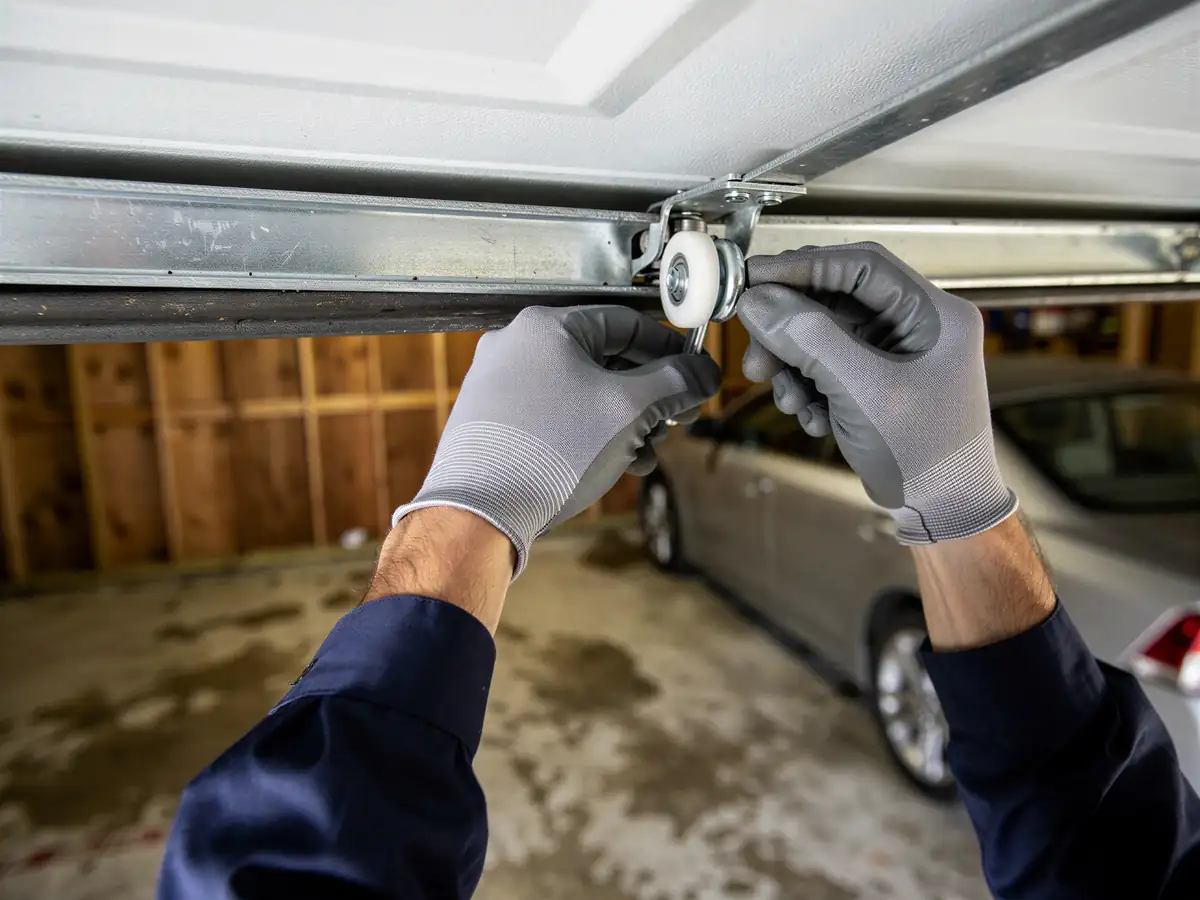
There's a decent chance the pulley and bottom bracket are original too, and a straight cable swap sometimes turns into a bracket replacement once we're up the ladder and can see the wear underneath.
What Is on the Truck
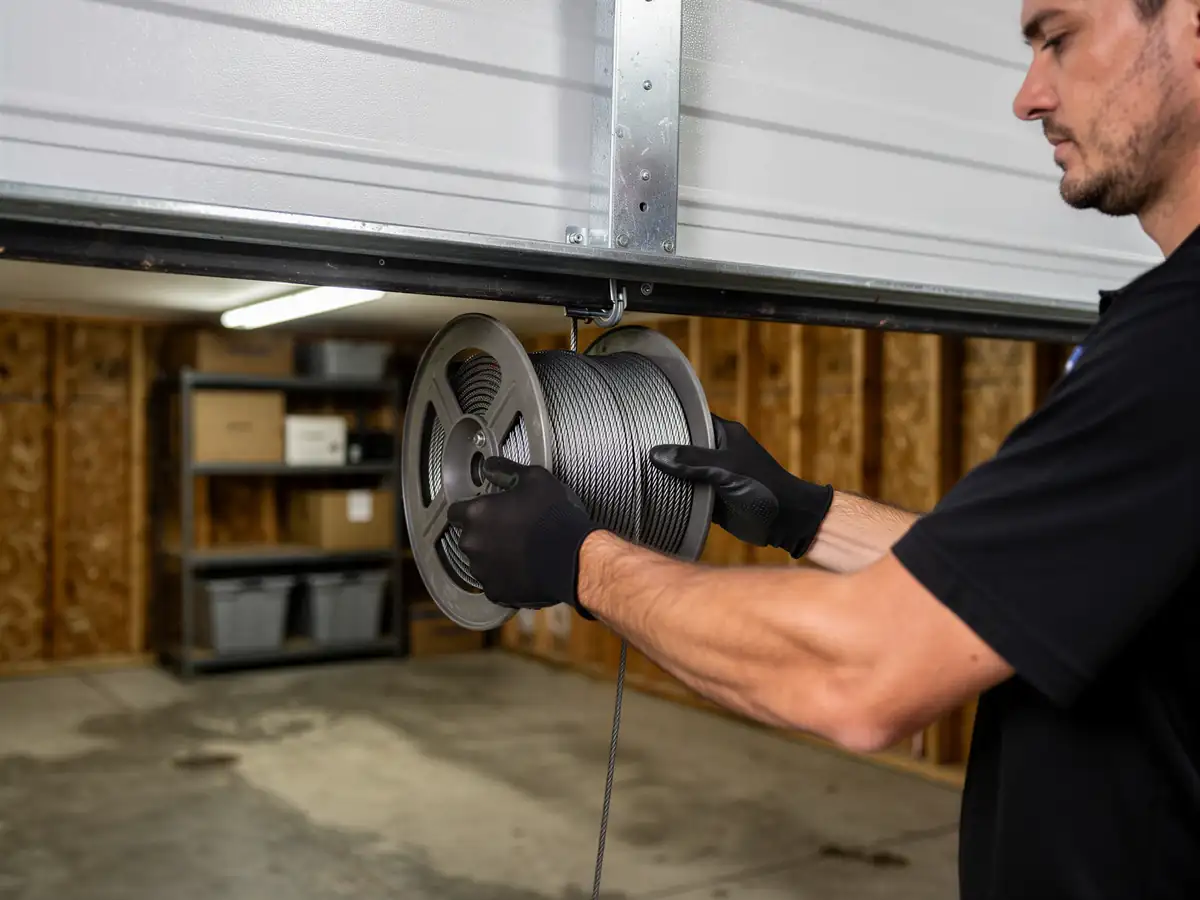
For a call out this far, we carry a range of lift cable gauges to cover both the lighter extension-spring setups common on houses built from 1980 on and the heavier cable used on older torsion jobs, since we don't always know which one we're dealing with until we're standing in the opening.
That includes galvanized replacement cable cut to length on site, pulley wheels and bottom brackets to match, and the clamps and fasteners that go with them - because a cable swap that reuses a worn pulley just moves the failure point a few months down the road instead of fixing it.
What we don't carry for every call is a matched torsion spring for every door size, since those vary more than cable does and some have to be ordered to the door. If your door turns out to need one, we'll tell you that on site rather than make a second trip look like part of the plan.