What Causes It Around Here
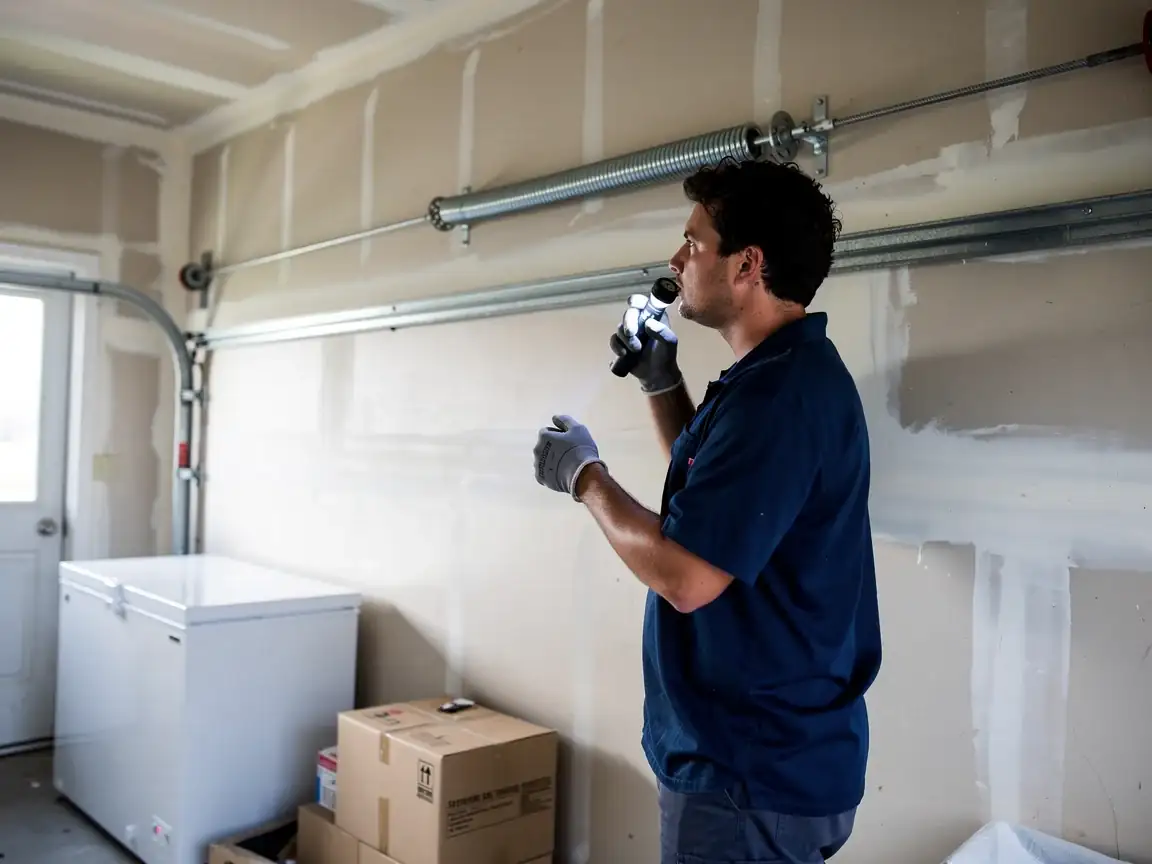
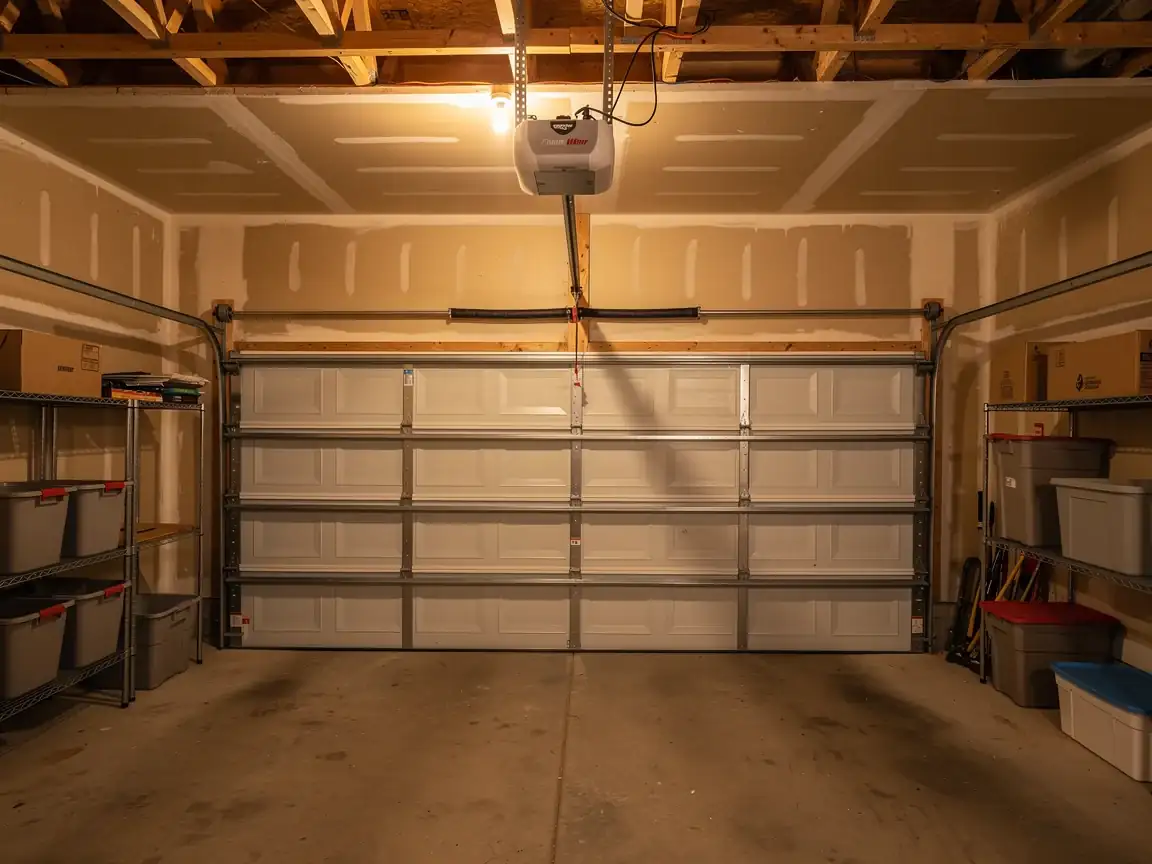
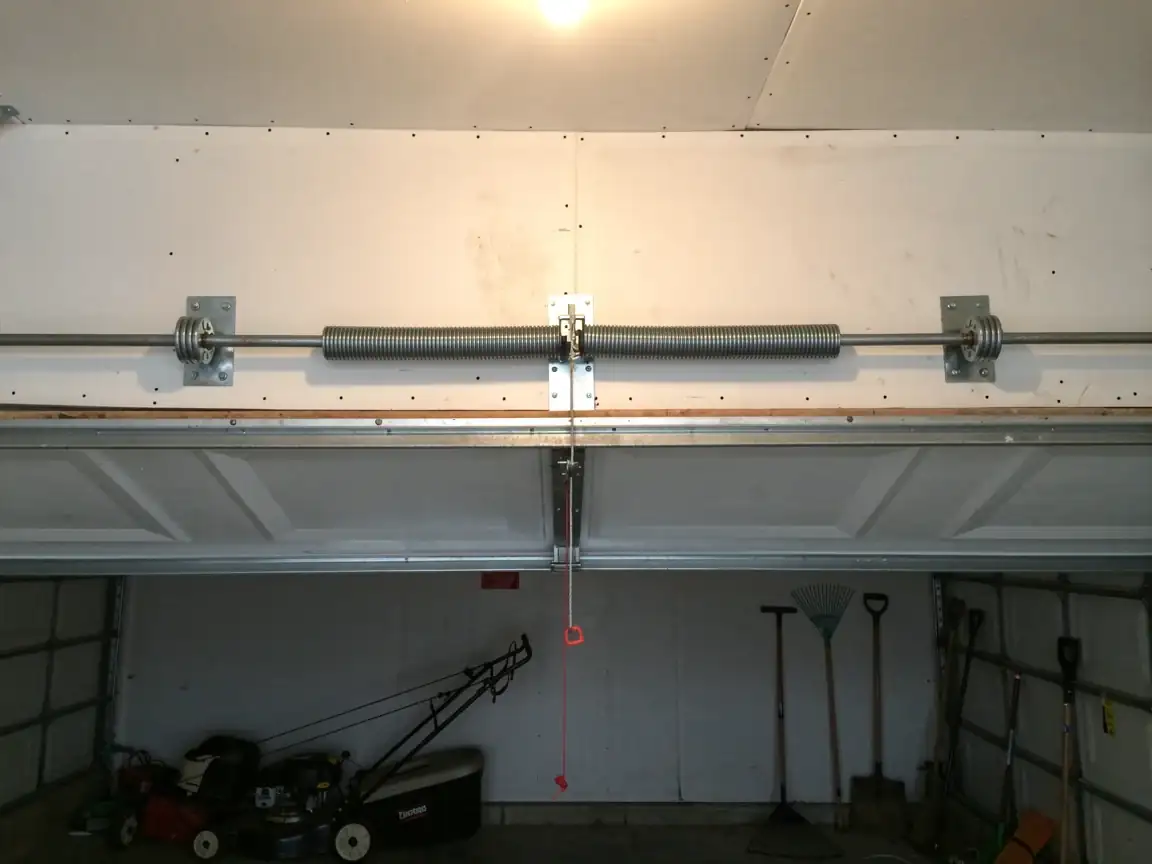
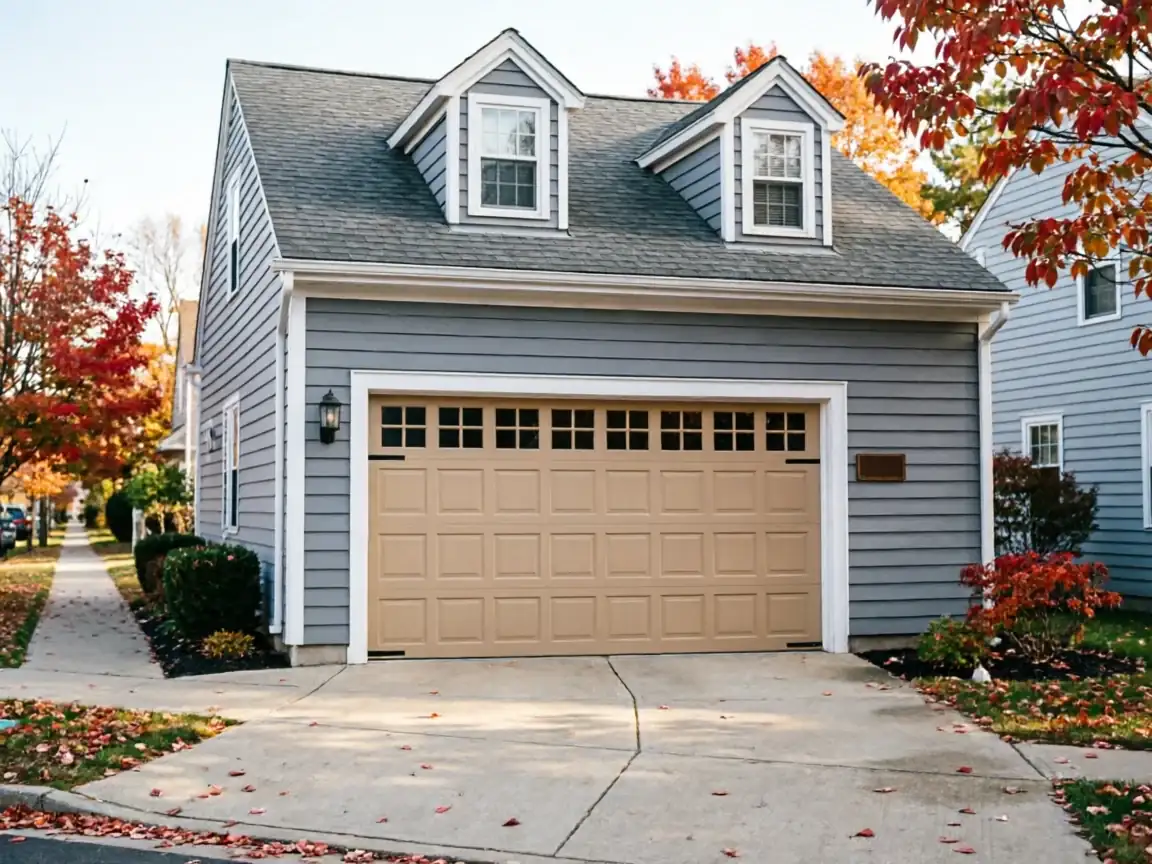
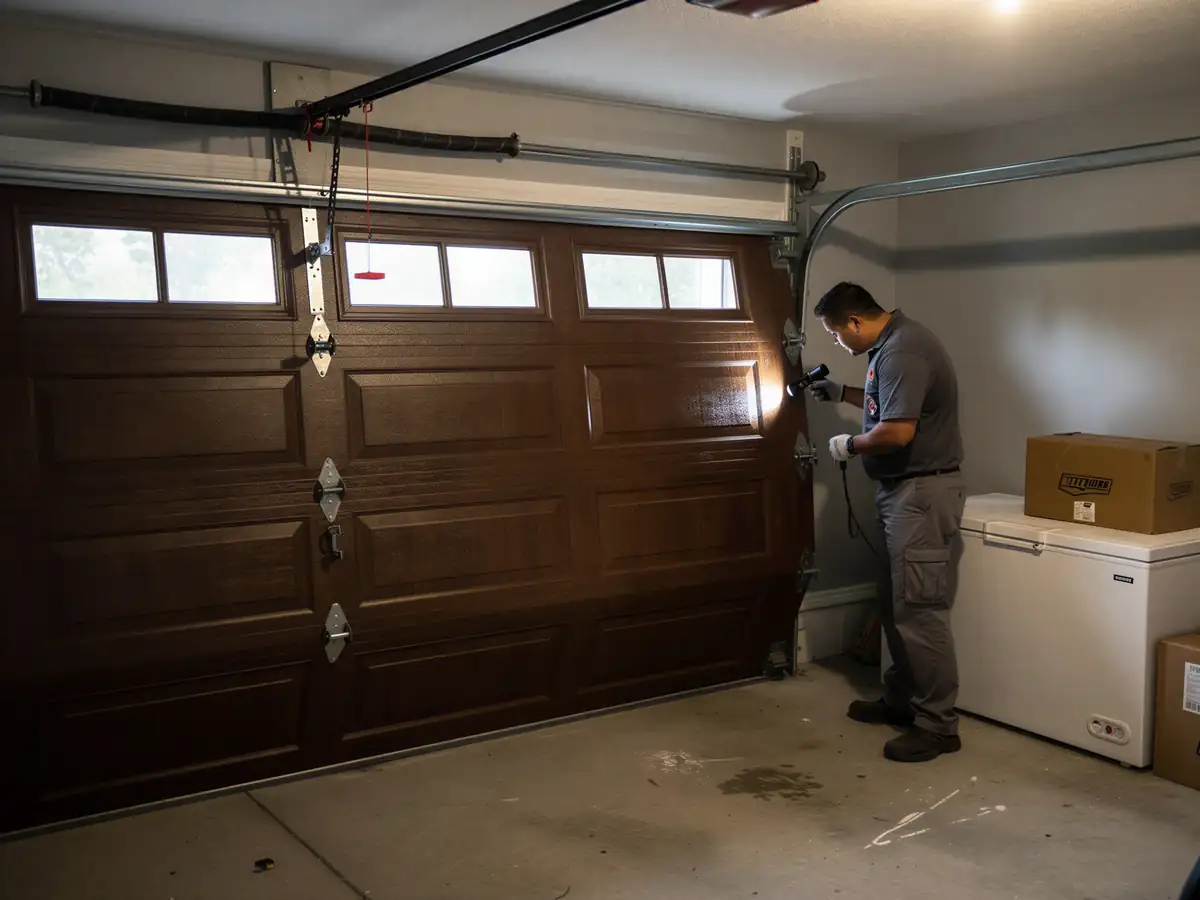
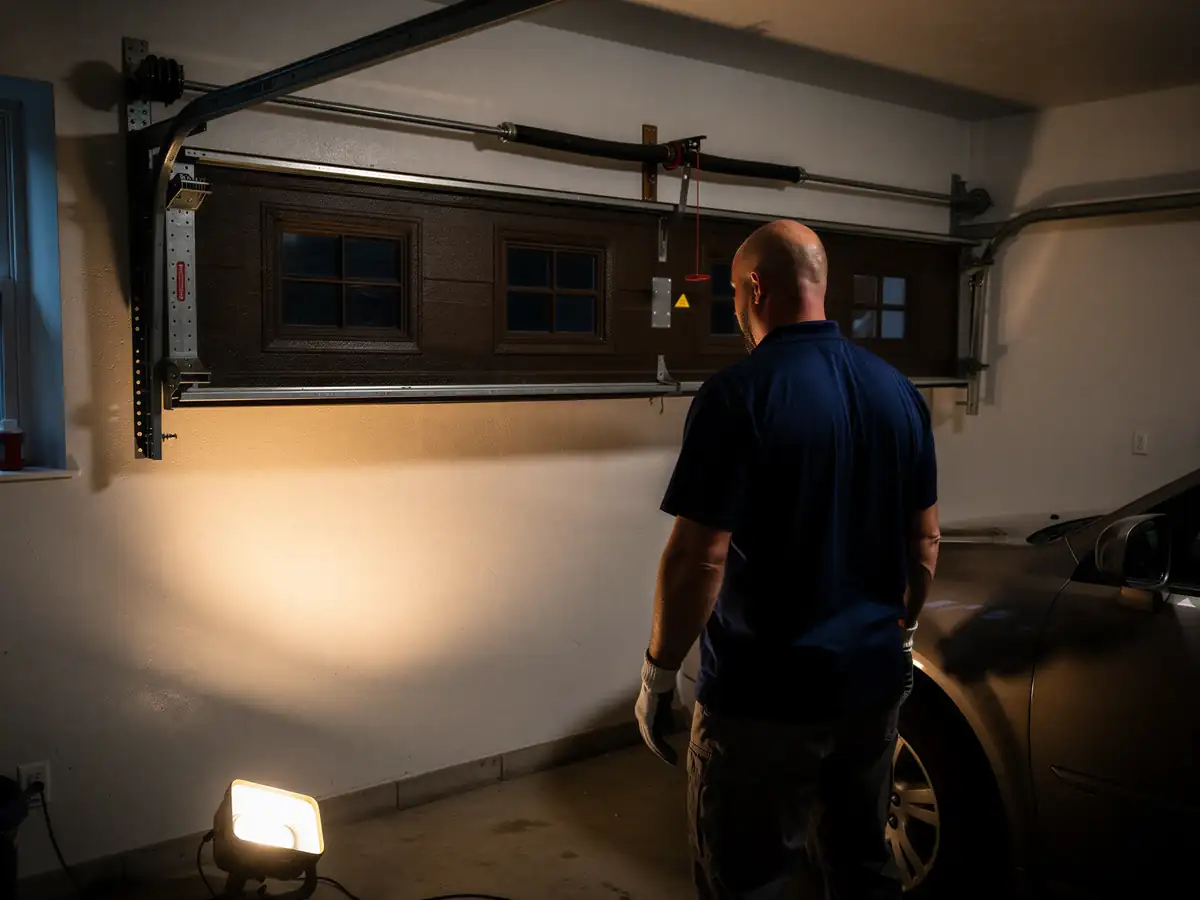
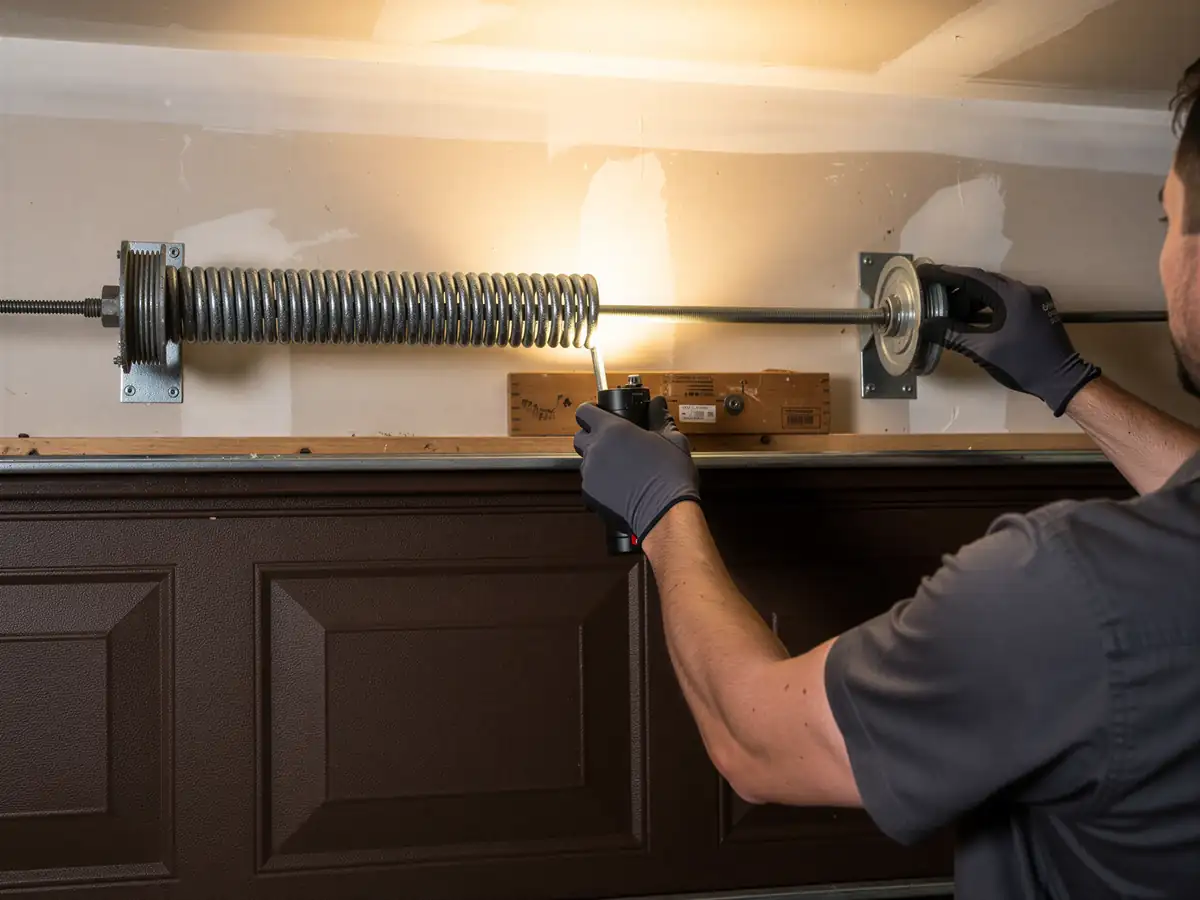
Fort Washington's housing stock centers on 1980, a good deal newer than the 1973 median we see across the wider Bethesda service area, where homes run from 1938 up through 2014. That gap matters more than it sounds. A house built around 1980 usually came with a steel sectional door and a torsion spring system mounted on a center shaft above the opening, not the older side-mounted or extension setups you find on the pre-1960 stock closer to Bethesda proper. The failure mode is different too. On these doors we see torsion springs that have simply run out of cycles - the coil winds and unwinds a set number of times before the steel fatigues, and a 40-plus-year-old spring is well past its rated life even if nobody ever touched it. We also see undersized springs, because builders in that era often speced the minimum size that would lift the door, not the size that would hold up for decades. With 8,526 households in this pocket alone, it's a common call, and it's rarely about abuse - it's about the math on the spring finally running out.
The Cost of This Job
We don't have a fixed number to quote you here without seeing the door - spring size and door weight vary even within homes built the same year - and we'd rather tell you that plainly than throw out a figure that doesn't hold up once a truck is on site. What we can tell you is that Fort Washington's median household income runs $145,942, noticeably above the roughly $116,255 median across the broader service area, and in practice that tracks with more owners opting for a matched pair of springs replaced together rather than patching just the broken one. A single spring repair on a double door usually means the second spring is close behind it in fatigue life, so replacing both at once is often the more honest recommendation even though it costs more up front.
The Symptom
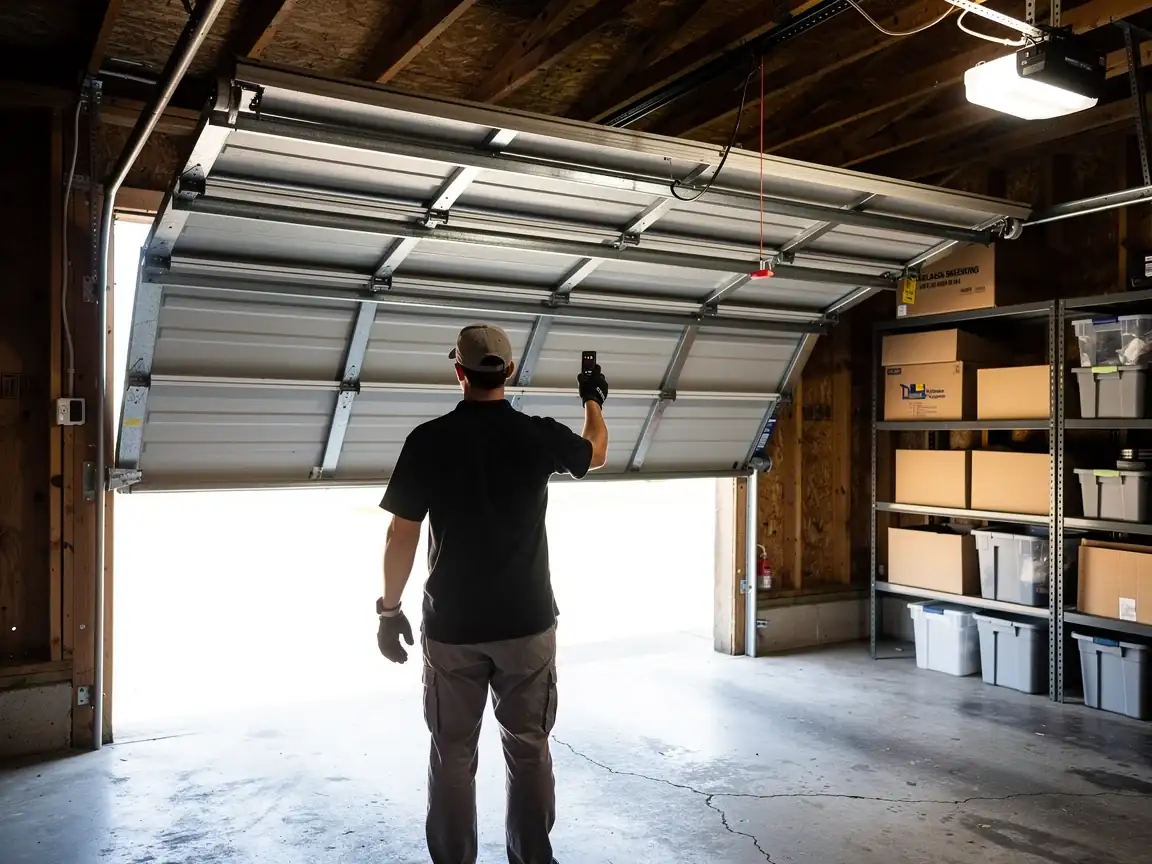
The door won't lift, or it lifts a few inches and stalls, or the opener strains and the motor hums without the door moving. Sometimes it's a loud bang from the garage first - that's the spring letting go, not a mechanical fault you caused. On the 1980-era torsion setups common here, a broken spring usually means the door is now too heavy for a person to lift by hand safely, since the spring (not your opener) was doing most of the lifting work all along. If the door comes down hard and fast when you try to close it manually, that's the same issue from the other direction - don't force it.
What Is on the Truck
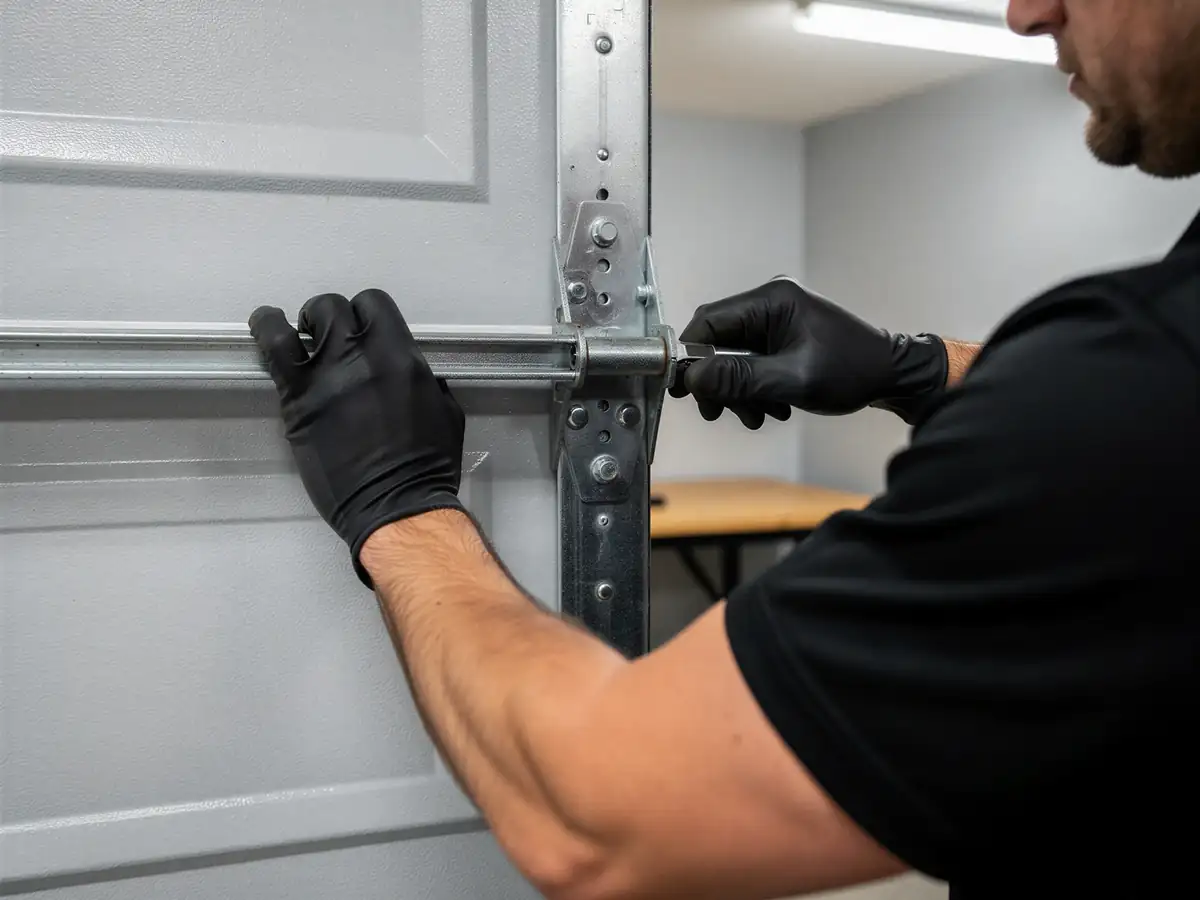
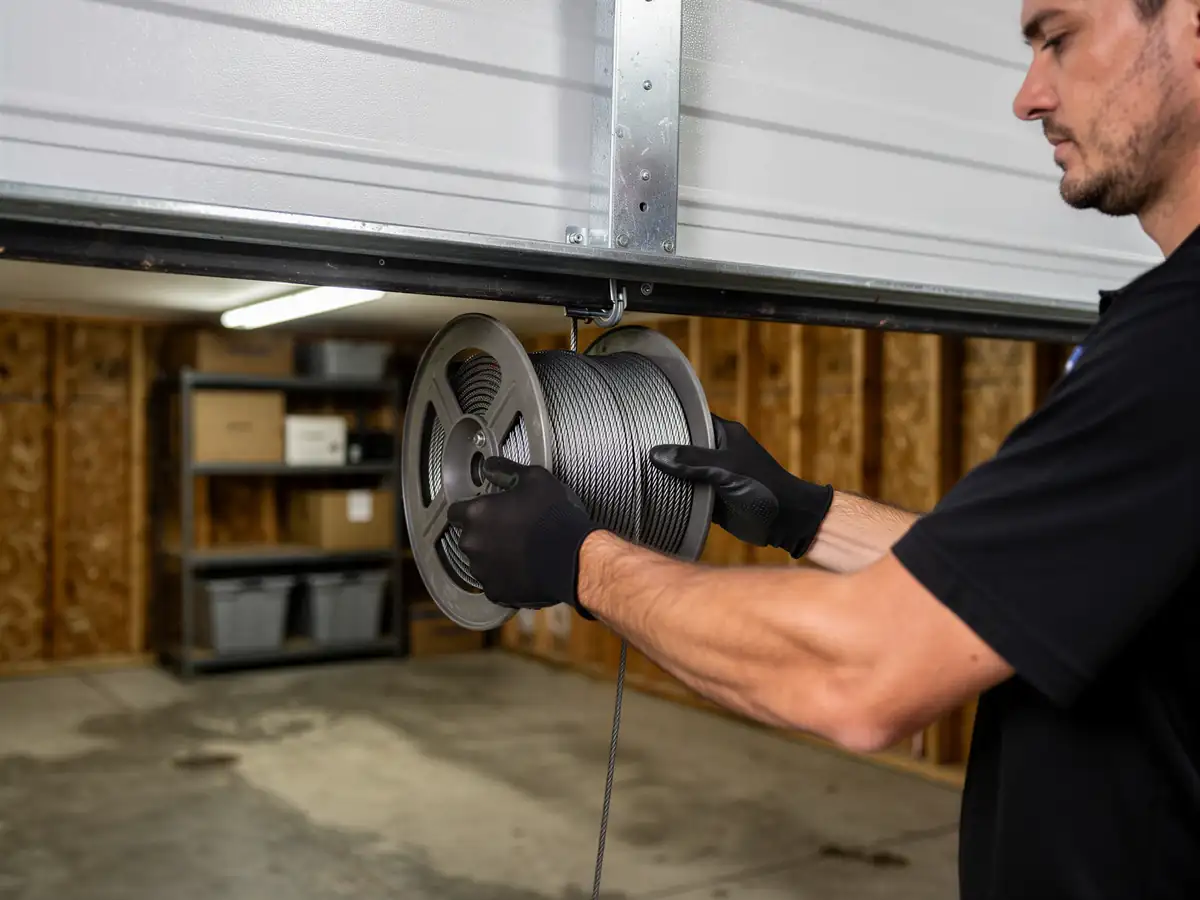
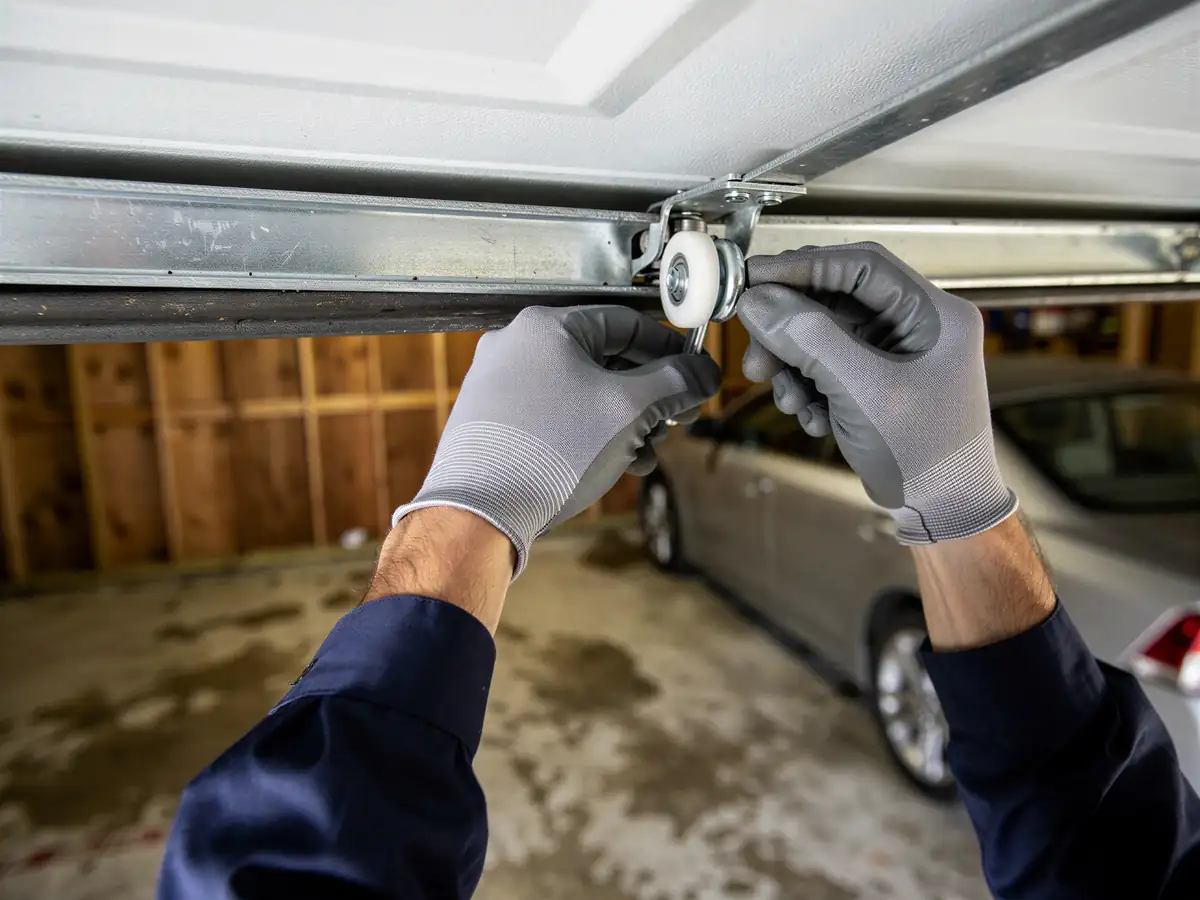
Torsion springs in a range of sizes to match the wind and wire gauge most common on 1980-built sectional doors, along with the extension-spring hardware and safety cables for the smaller share of homes still running that older system. We carry standard shafts, bearing plates, and cable drums, since a spring failure often takes a bit of hardware with it on the way down. What we don't stock on the truck is a custom door panel or track section - if the sudden drop bent anything beyond the spring assembly itself, that part gets ordered and the job runs in two visits instead of one. We'd rather tell you that up front than have you wait on a truck that can't finish the job in a single stop.