What Causes It Around Here
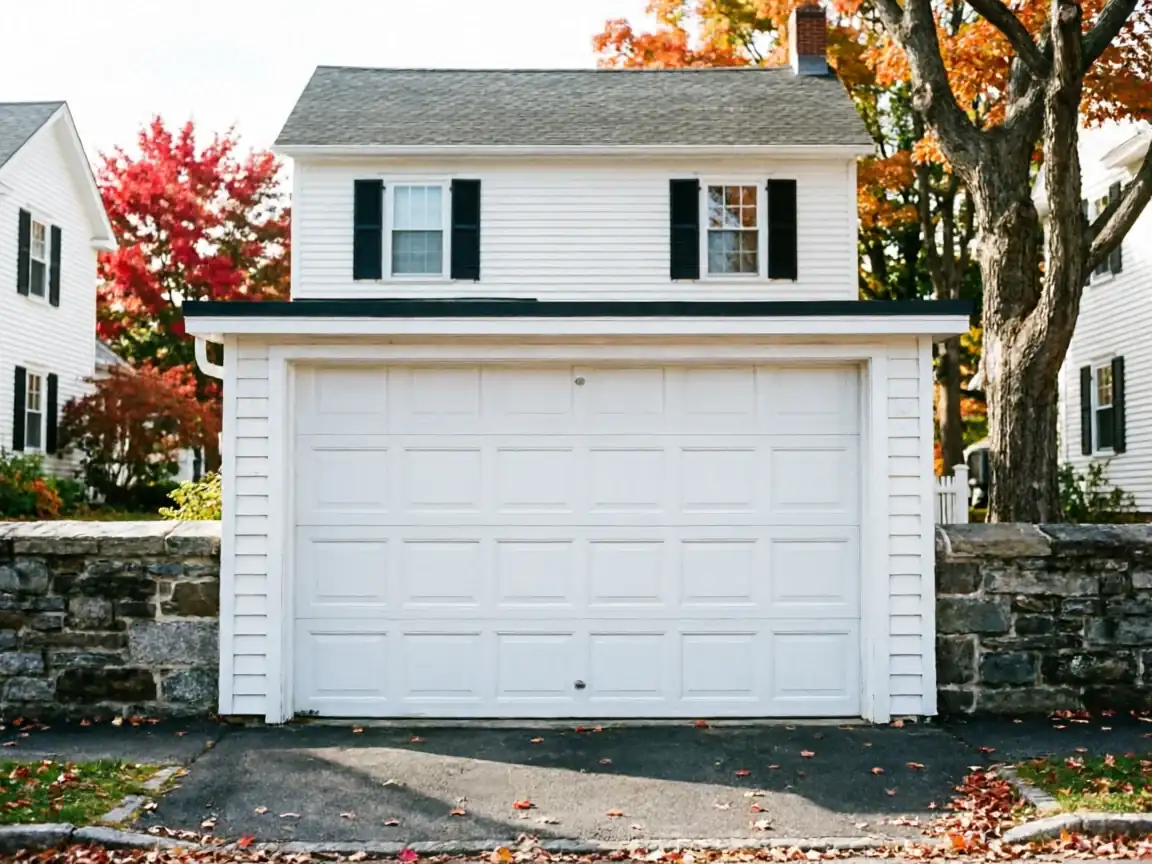
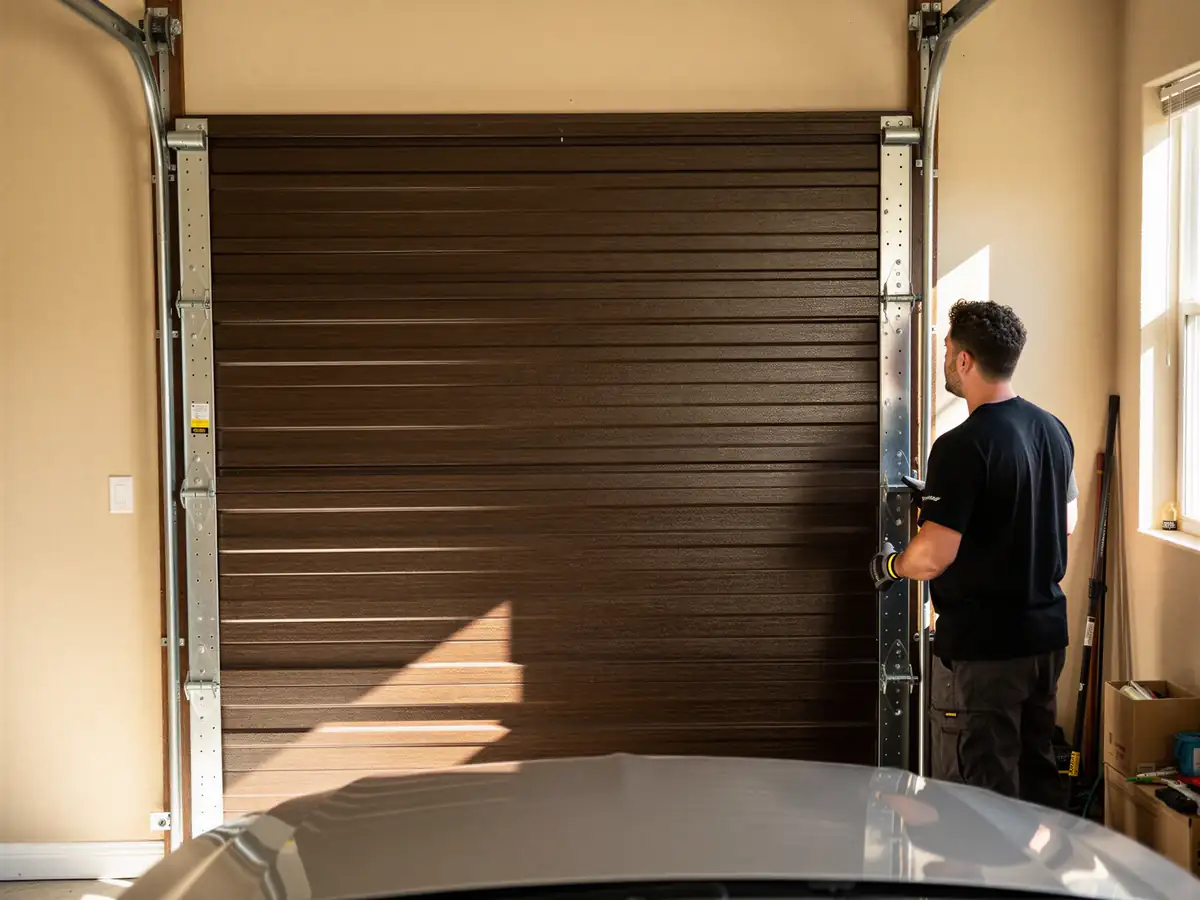
Fort Washington's housing stock centers on 1980, which puts most garages here past the 40-year mark on the door itself even if the opener's been swapped once or twice. A door from that era is almost always a galvanized steel sectional with a painted finish that's long since chalked and faded, hung on hardware that was never meant to run for four decades straight.
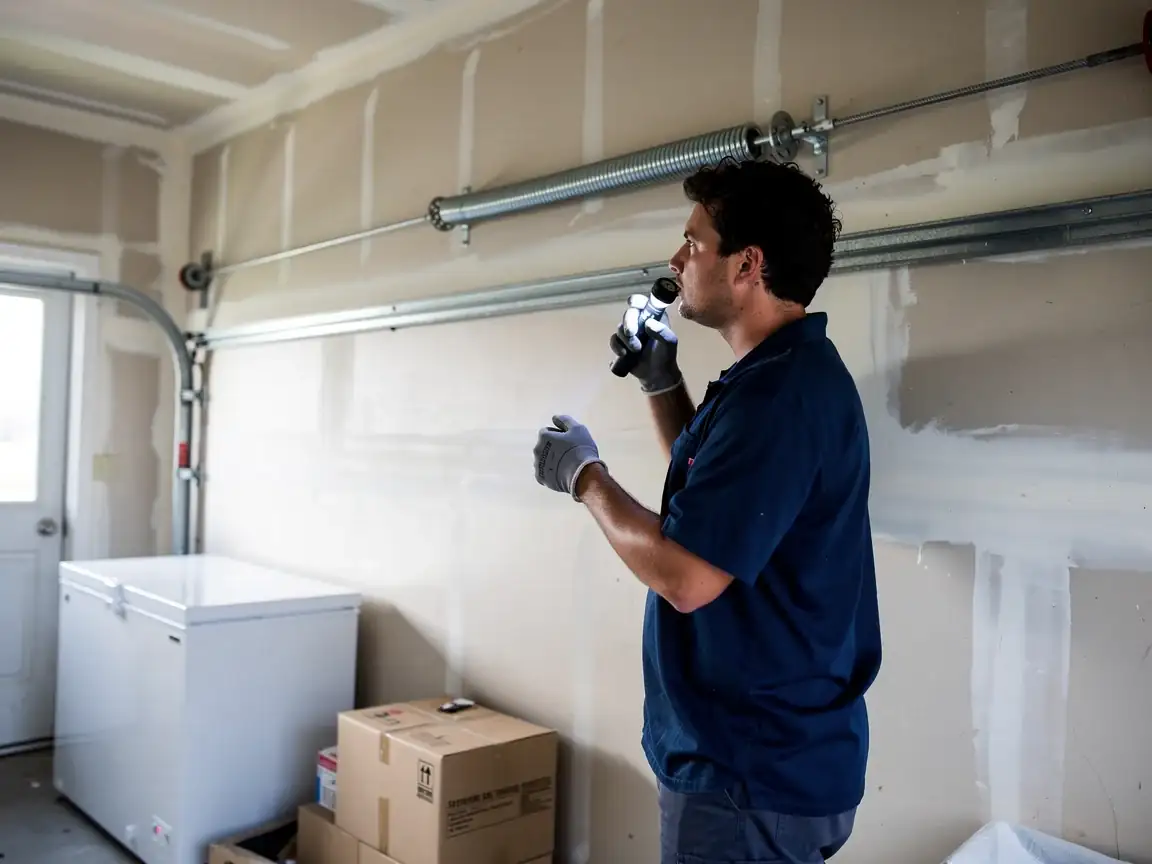
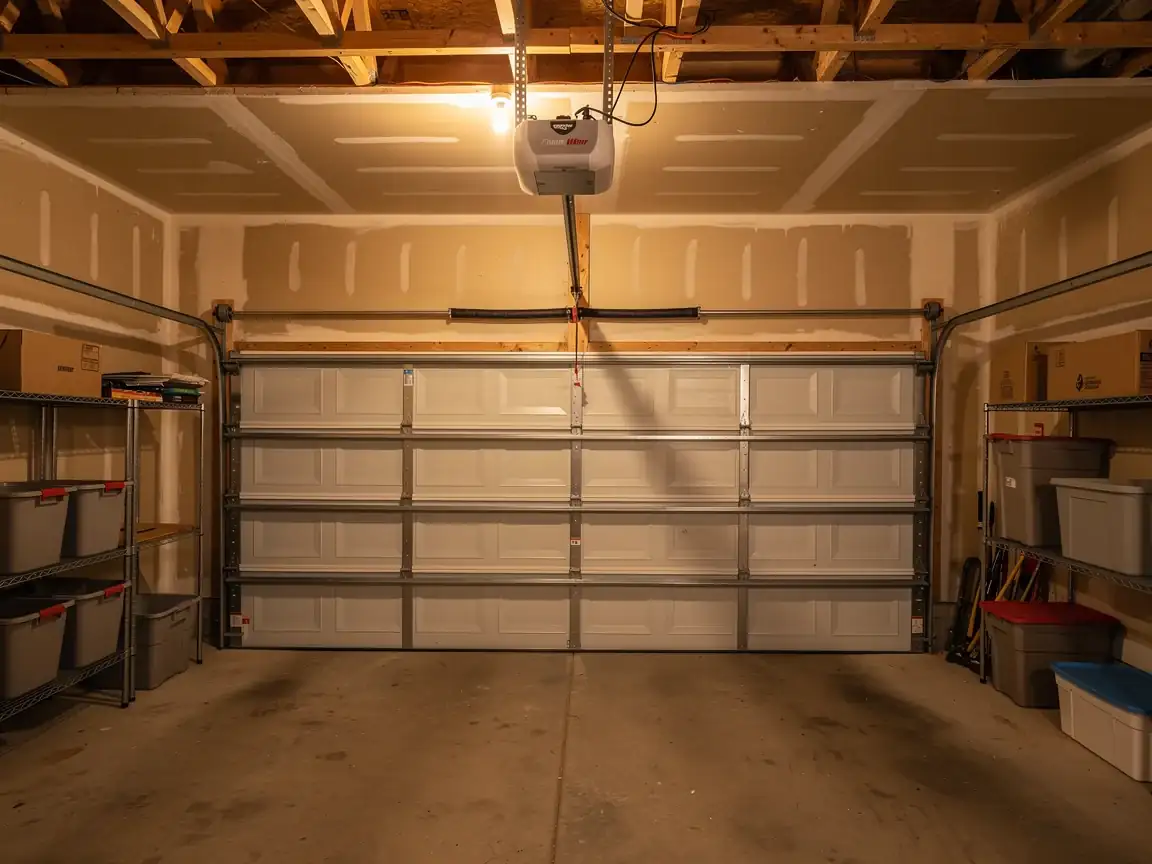
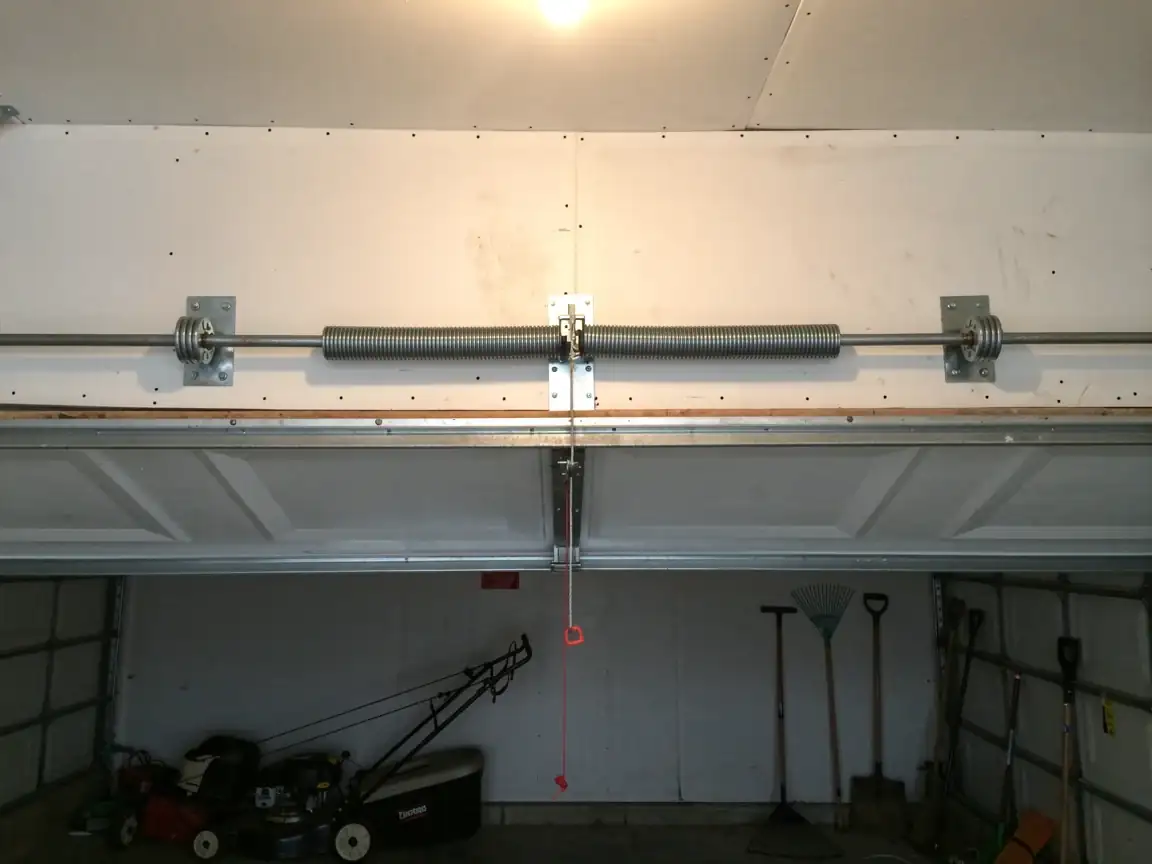
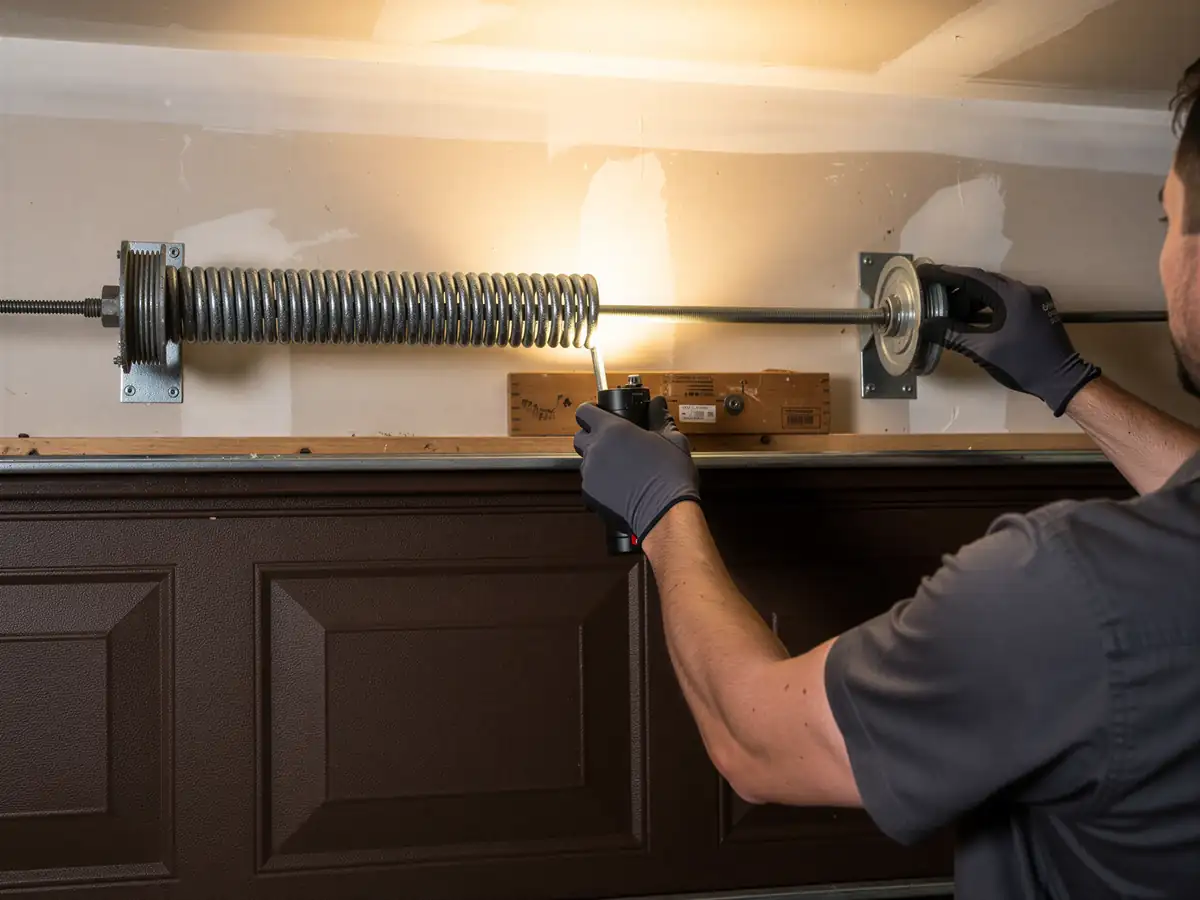
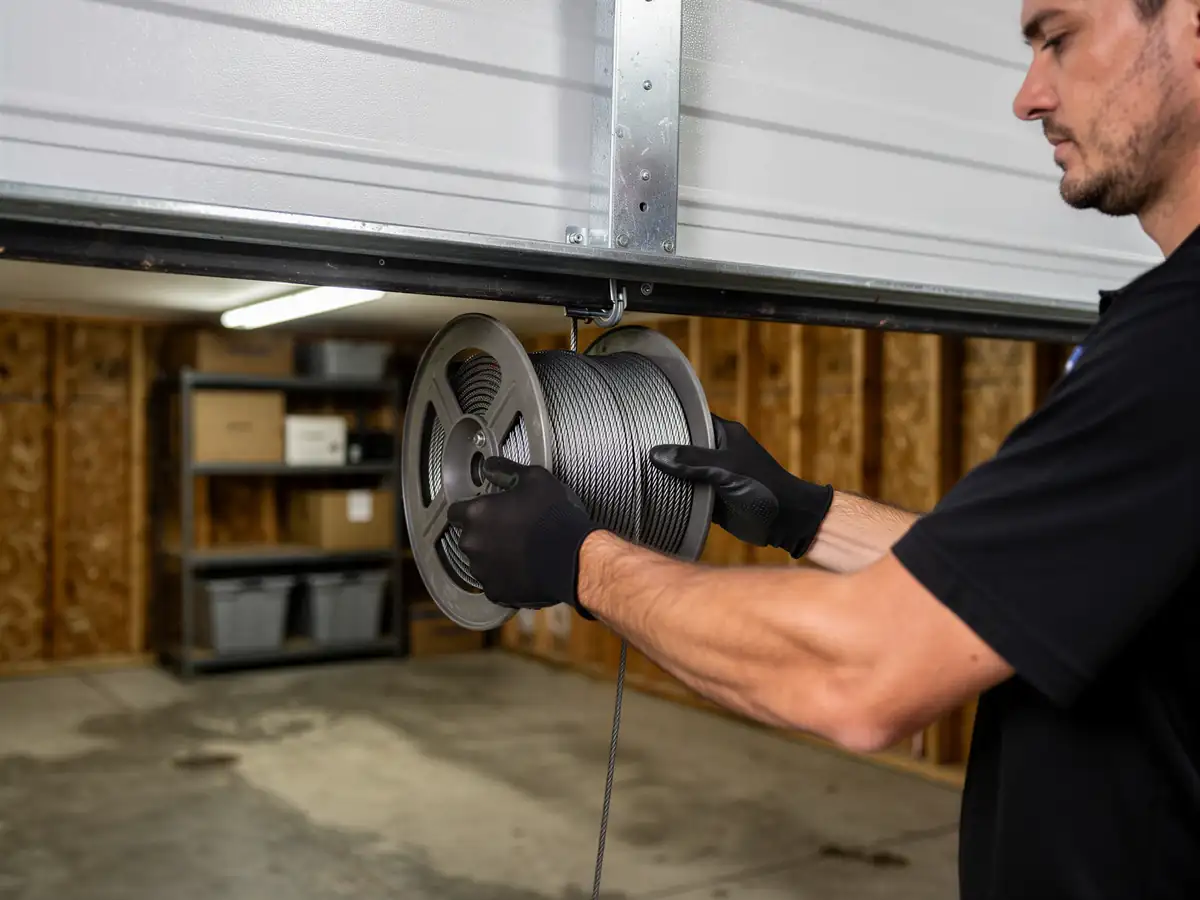
What fails first is predictable: the torsion or extension springs lose their temper from repeated cold-to-warm cycling, and the rollers - original steel or early nylon - wear oval and start grinding in the track. In a cold-climate winter, steel springs get brittle and are more likely to snap on the first hard pull of the day, not gradually. Lift cables fray at the drum from decades of flex. None of this is a surprise on a door this age; it's just overdue.
Doing It Yourself
Tightening a loose hinge or lubricating a track is reasonable weekend work
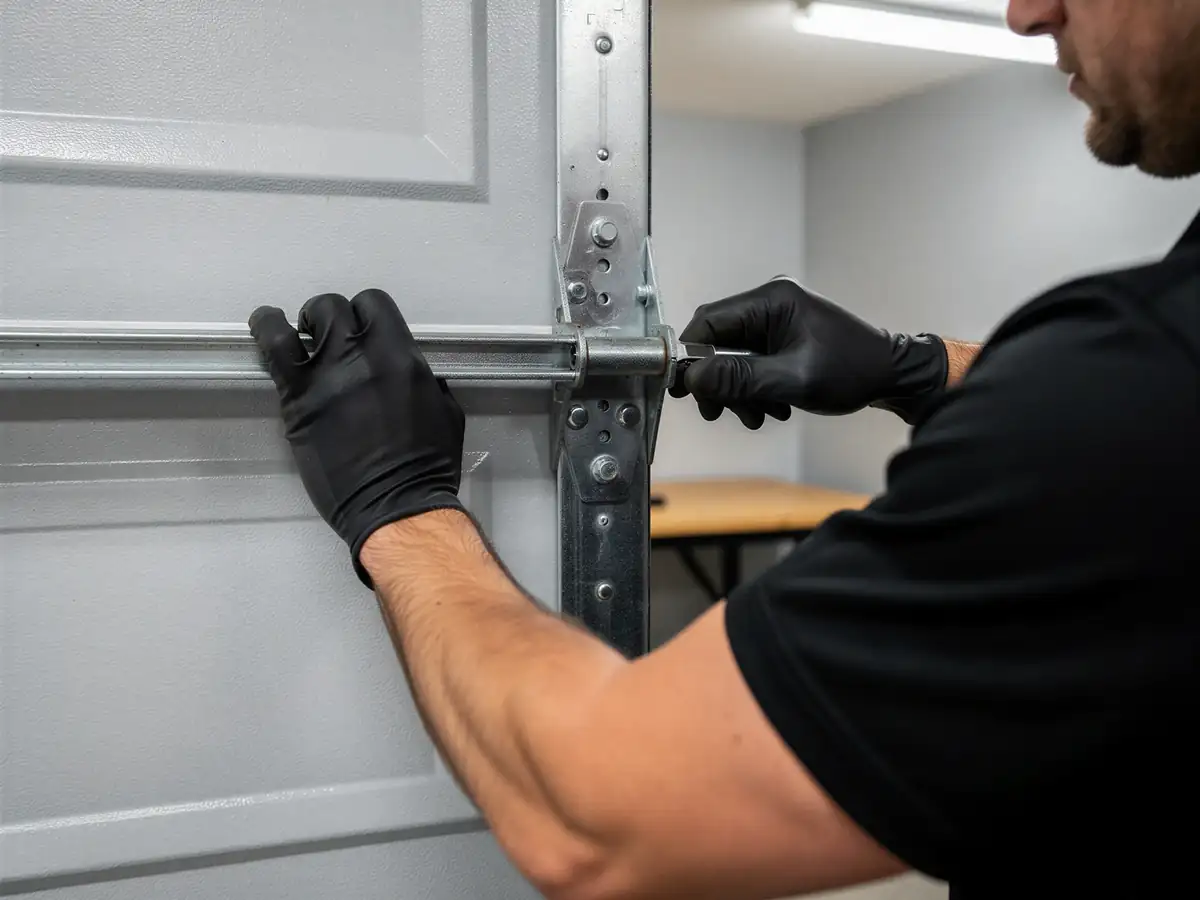
And it'll buy you time on a door this old. Replacing a spring is not something to try solo. A torsion spring under tension can take a finger or worse, and most homeowners don't have the winding bars or the experience to know when a spring's wound to the right turns for the door's weight.
If your opener is grinding, reversing on its own, or the door drops the last foot instead of settling
That's a sign the spring or cable system is compromised, not the opener. Replacing the opener logic board won't fix a mechanical problem underneath it. We'd rather you call before you're mid-job with a door half off its track than after.
The Cost of This Job
We don't quote a number without seeing the door, because a broken extension spring on a single door is a different job than a torsion spring and drum replacement on a double, and a door from 1980 sometimes needs a part that isn't made anymore - meaning a full replacement instead of a repair. That's the honest limitation here: on a door this old, we sometimes find the fix costs more than the door's worth, and we'll tell you that rather than patch something that'll fail again in a year.
Because Fort Washington runs about 19 miles from our Bethesda base, travel is part of scheduling a job here - it's not an add-on fee hidden in a quote, just a factor in when we can get to you the same day versus the next one.
The Symptom
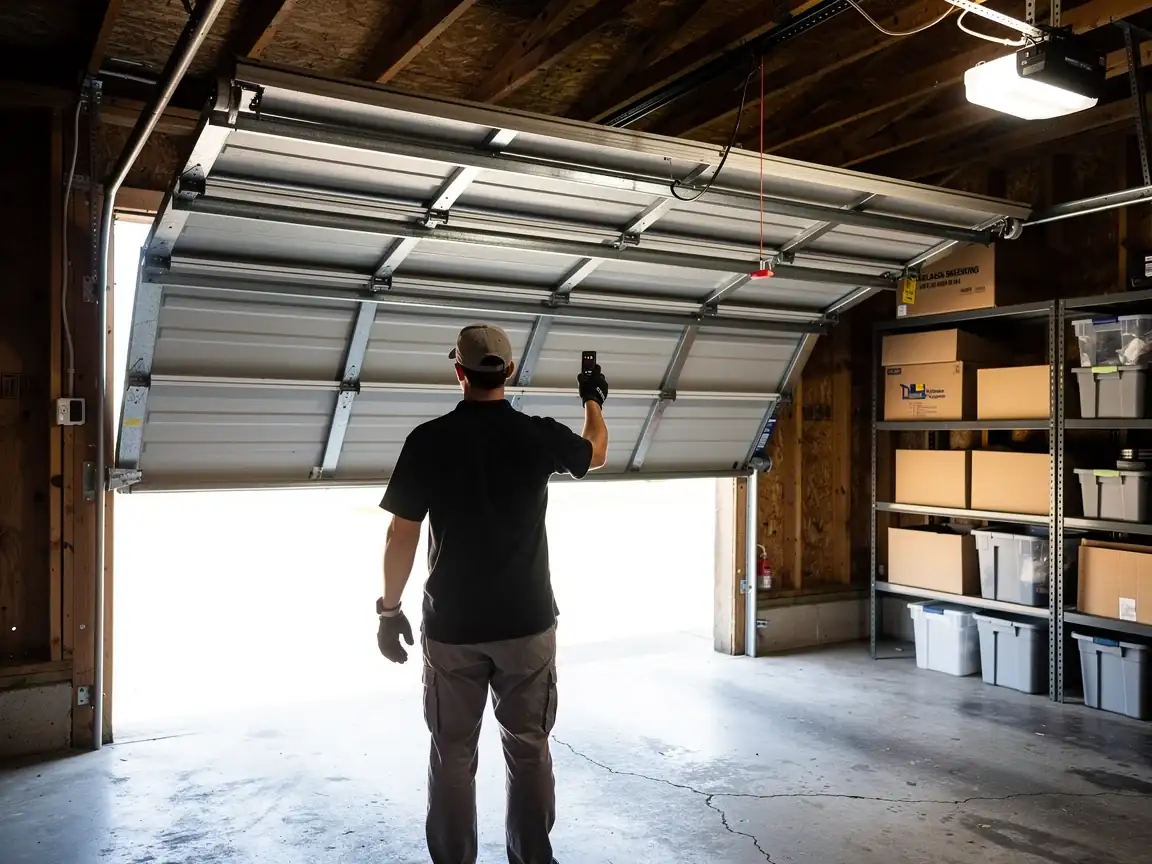
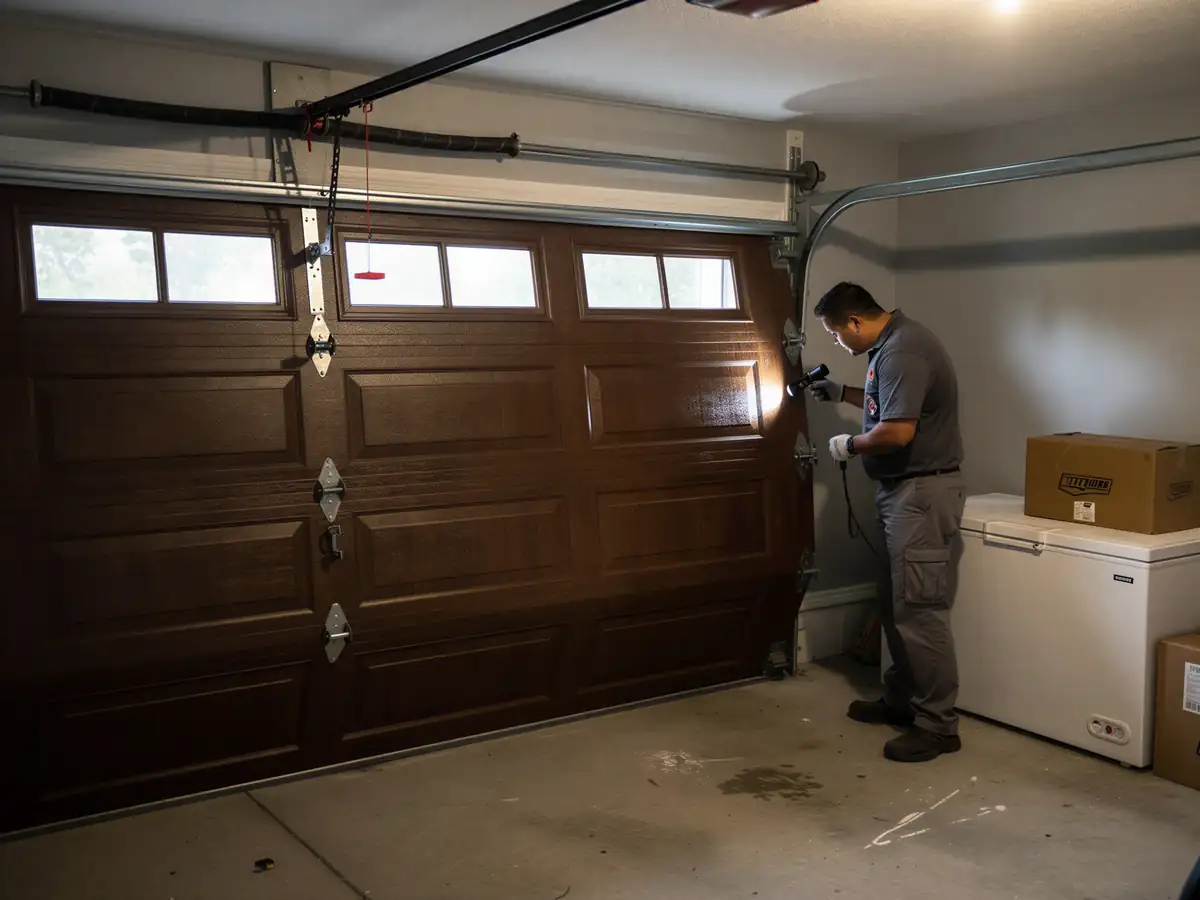
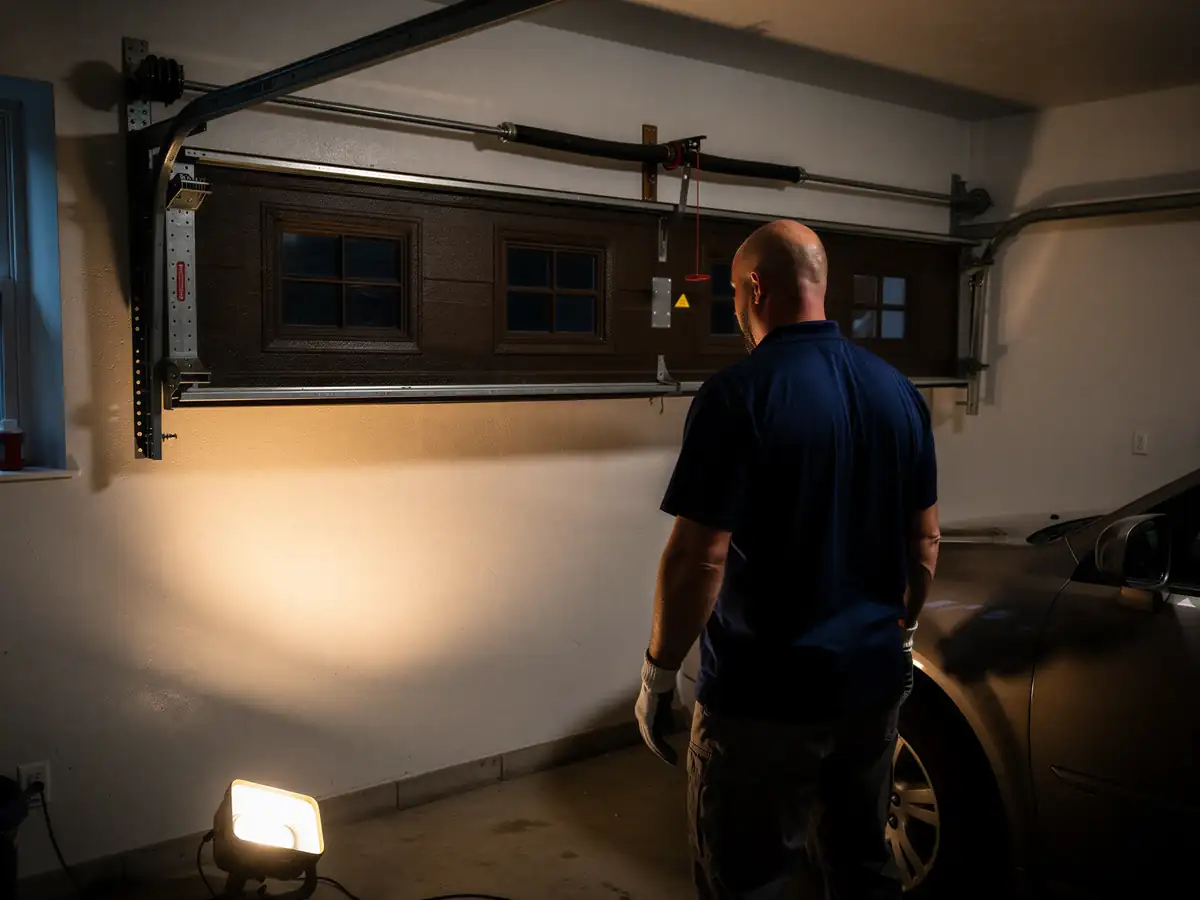
The call we get most from this part of town is a door that won't budge, or one that's come halfway down and stopped hard. On a house built around 1980, that's almost always a snapped spring rather than an opener fault - the opener just doesn't have the muscle to lift a door with no spring tension helping it.
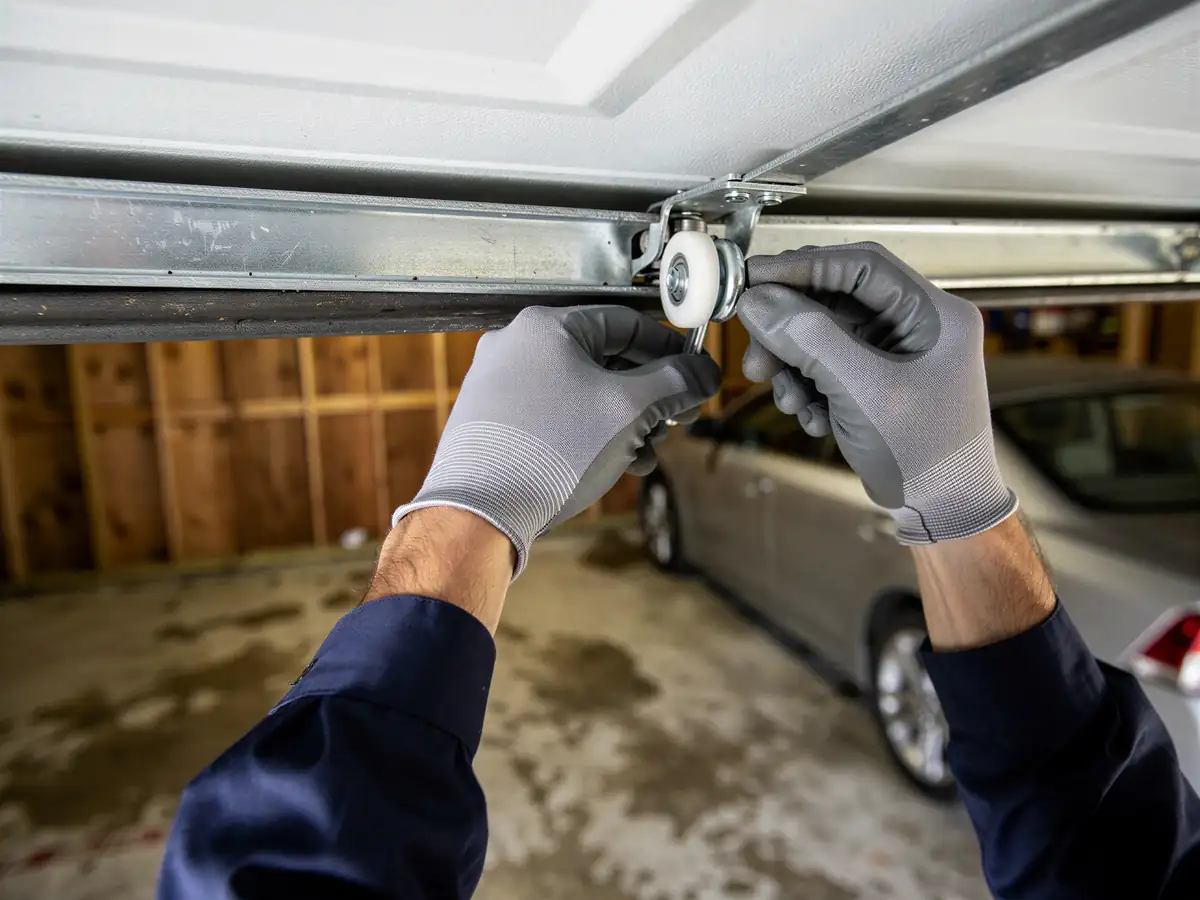
A second common symptom is a door that's noisy going up, with a grinding or popping sound from one side. That's usually a roller or hinge that's worn past its tolerance, which happens faster in a severe-cold climate where metal contracts and track alignment shifts slightly through the winter.
The Complications
We don't keep a branch in Fort Washington
Every job here is a dispatch from Bethesda, roughly 19 miles away, so same-day availability depends on the day's route rather than a local standby truck. That's worth knowing before you call expecting a quick drop-by.
- 19 miles
The other complication is parts
Hardware sized for doors from the 1980 era - certain spring wire gauges, older track widths - isn't always something we carry as a default stock item, since most of our other service area leans closer to 1960s-70s builds with different sizing. If your door needs an uncommon part, we may need to confirm availability before we commit to a repair date rather than a replacement.
What Is on the Truck
For a town with houses this age, the truck gets loaded with both torsion and extension spring sets, since 1980-era doors show up with either system depending on who installed them originally. We carry standard lift cables, roller sets in steel and nylon, and the hinges and brackets sized to older sectional doors, since matching worn hardware by eye often beats trying to source the exact original part.
We also bring opener components that work with older rail and drive systems, not just current models, because a lot of the openers out here have been replaced once already but the rail and header bracket are original to the door. If a part turns out to be something we don't stock - which happens on older or less common hardware - we'll say so rather than force a mismatched fix.