What Causes It Around Here
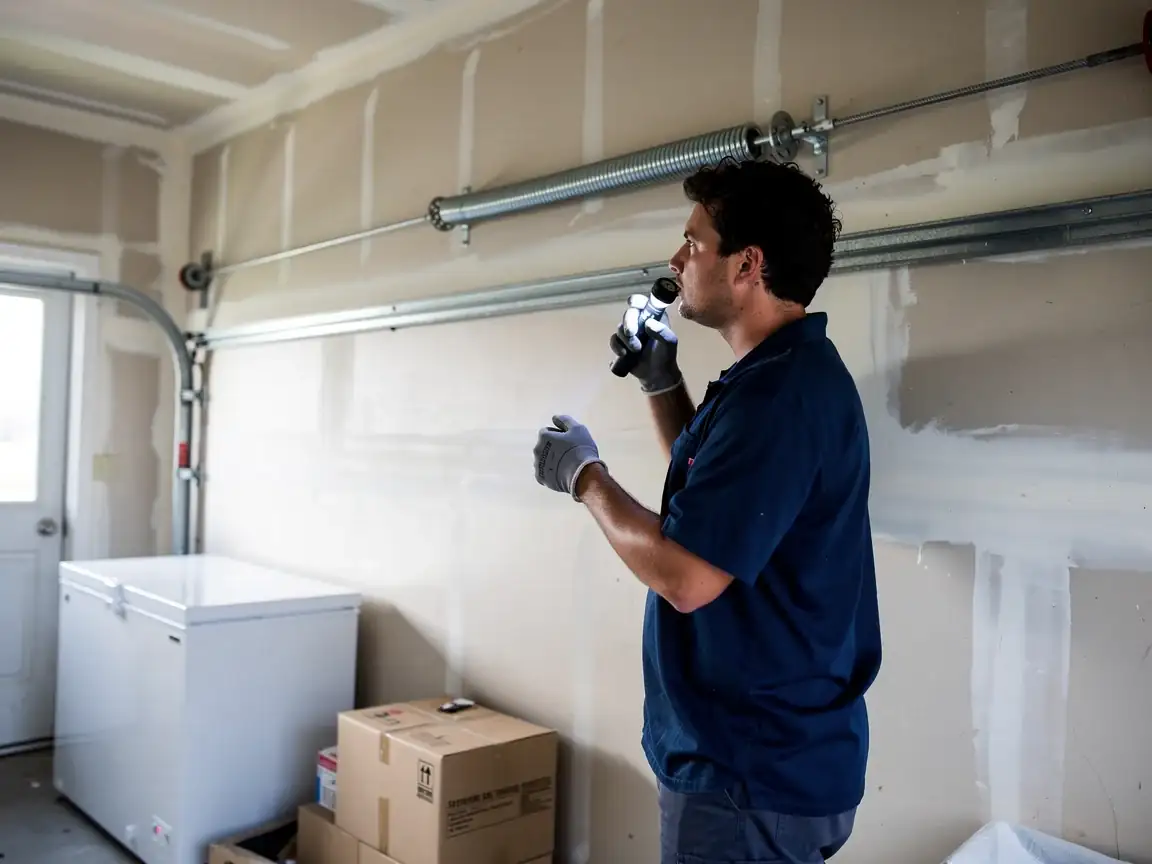
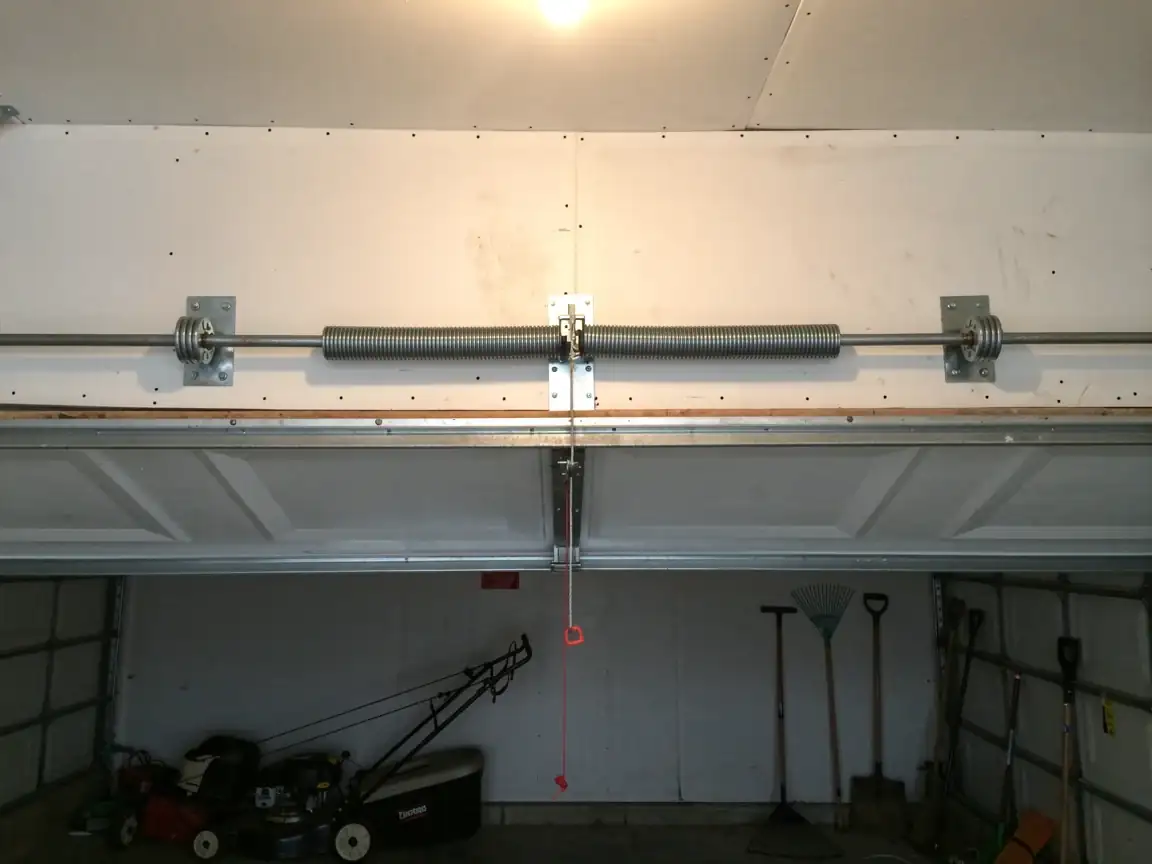
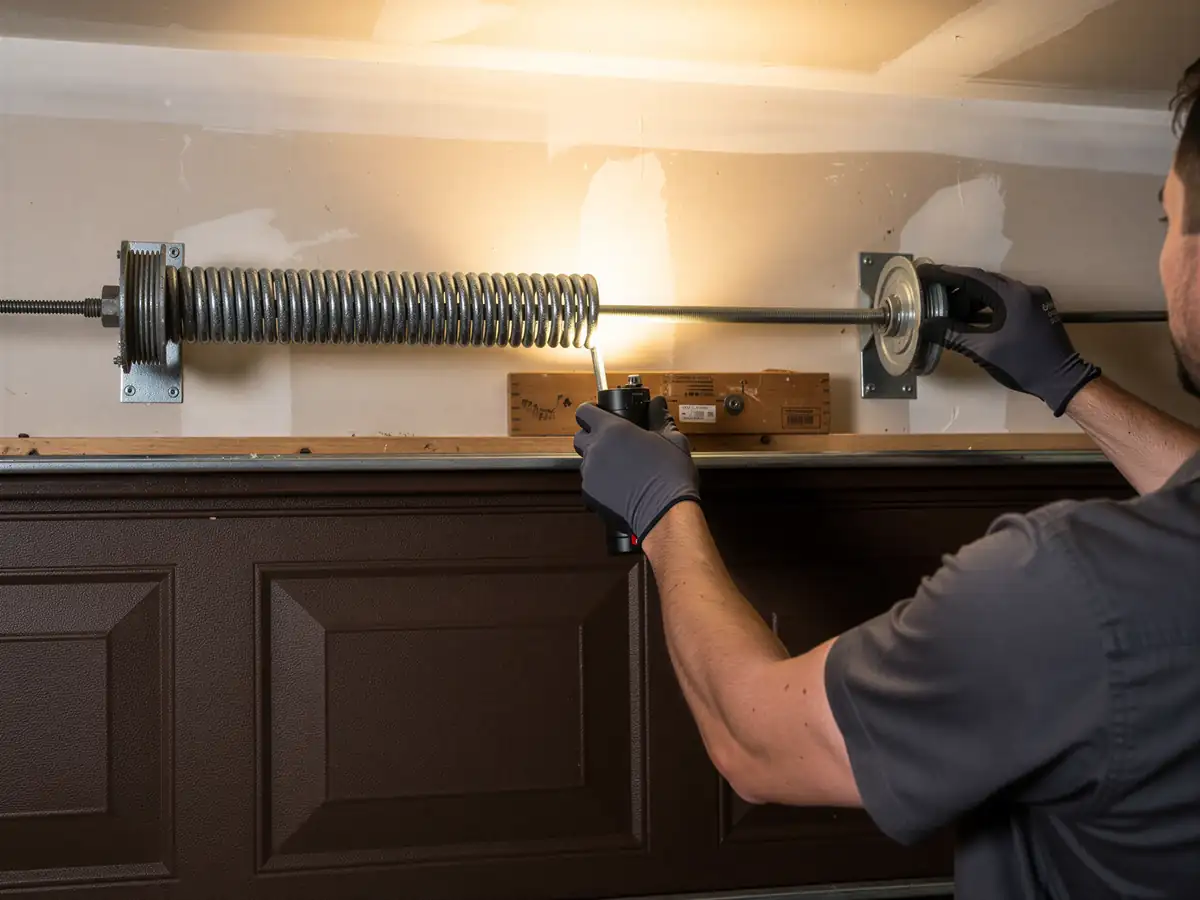
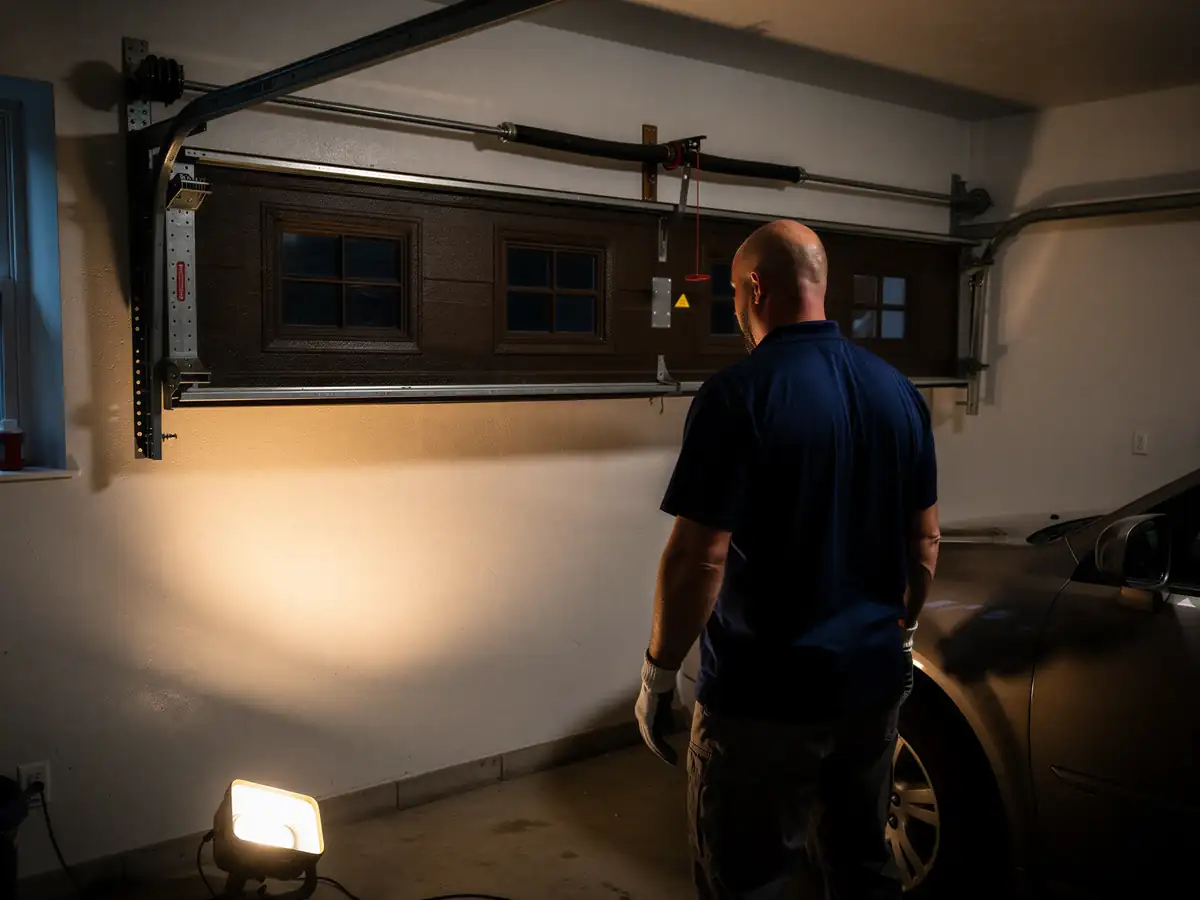
Most houses in Fort Washington went up around 1980, which means a lot of the garage hardware - the hinges, the track brackets, the end bearings - has never been touched since the builder bolted it on. Builder-grade doors from that era almost always shipped with extension springs stretched over the top of the track, not the torsion bar setup you'd find on anything built in the last fifteen years. Forty-plus years of expansion and contraction through cold winters works those springs and their pulleys harder than people realize, and the galvanized coating on the cable and hardware starts to go once it's past its service life. We also see a lot of original steel sections with the foam backing starting to separate from the panel skin - not a safety issue by itself, but it's usually the first sign the door is nearing the end of its run. None of this is damage from one bad day. It's wear that built up slowly, which is why the failure often looks sudden even though it wasn't.
The Cost of This Job
We don't have a fixed number to hand you here, because the right fix depends on what's actually failed - a pair of worn rollers is a different job than a full spring replacement, and a door that's cracked at the panel seams is a different conversation than either. What we can tell you is that on a house built around 1980, repair cost tends to run higher than on a newer build, simply because more of the original hardware is due for replacement at the same time rather than just the one part that failed. We'll tell you on site which parts are worth replacing now and which can wait, rather than quoting a number before we've looked at the door.
The Symptom
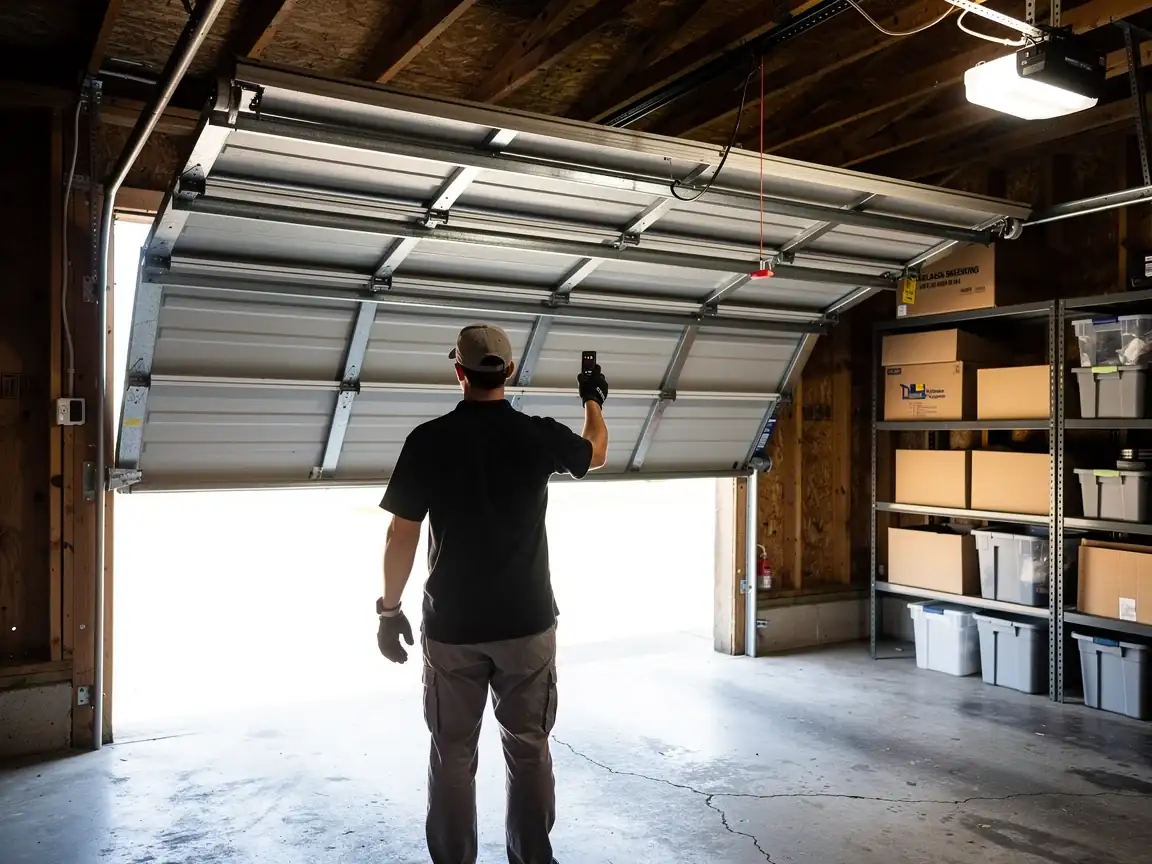
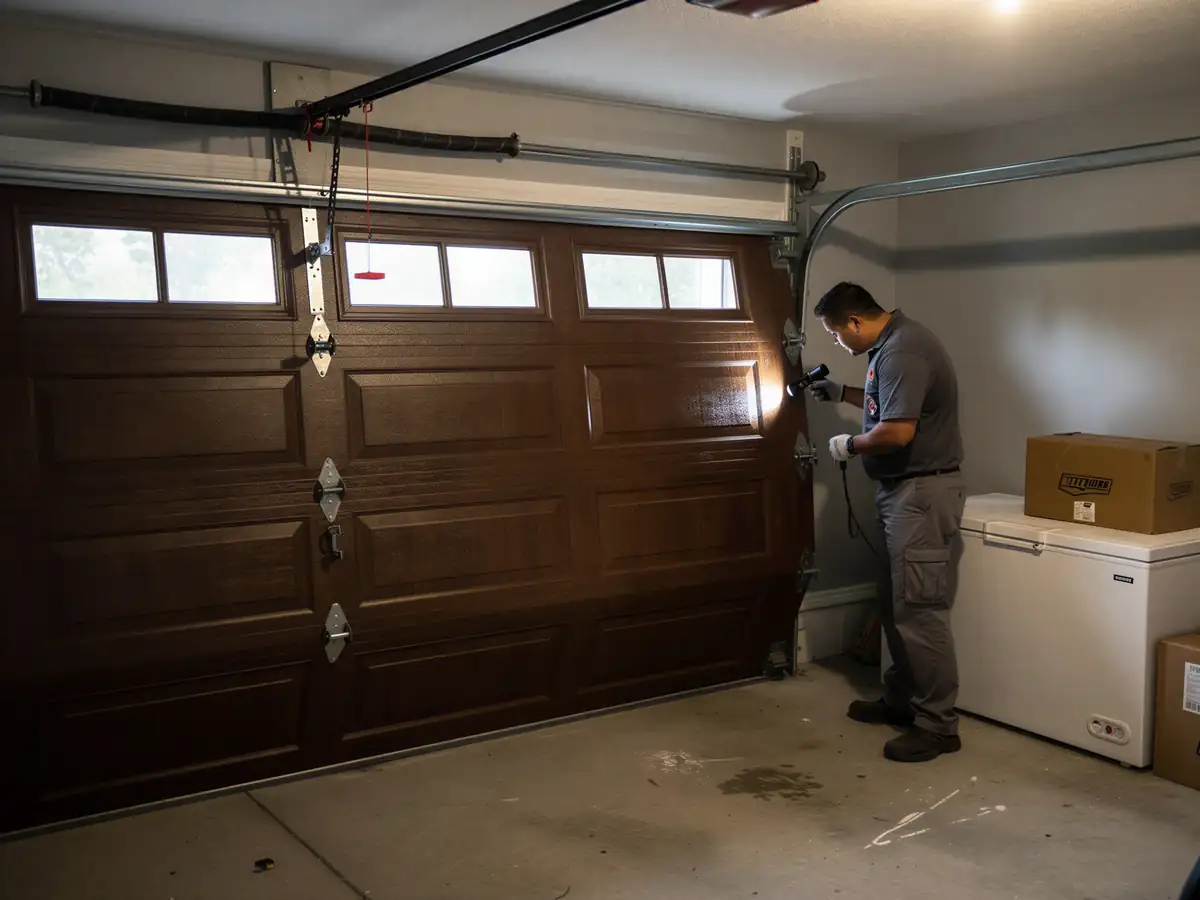
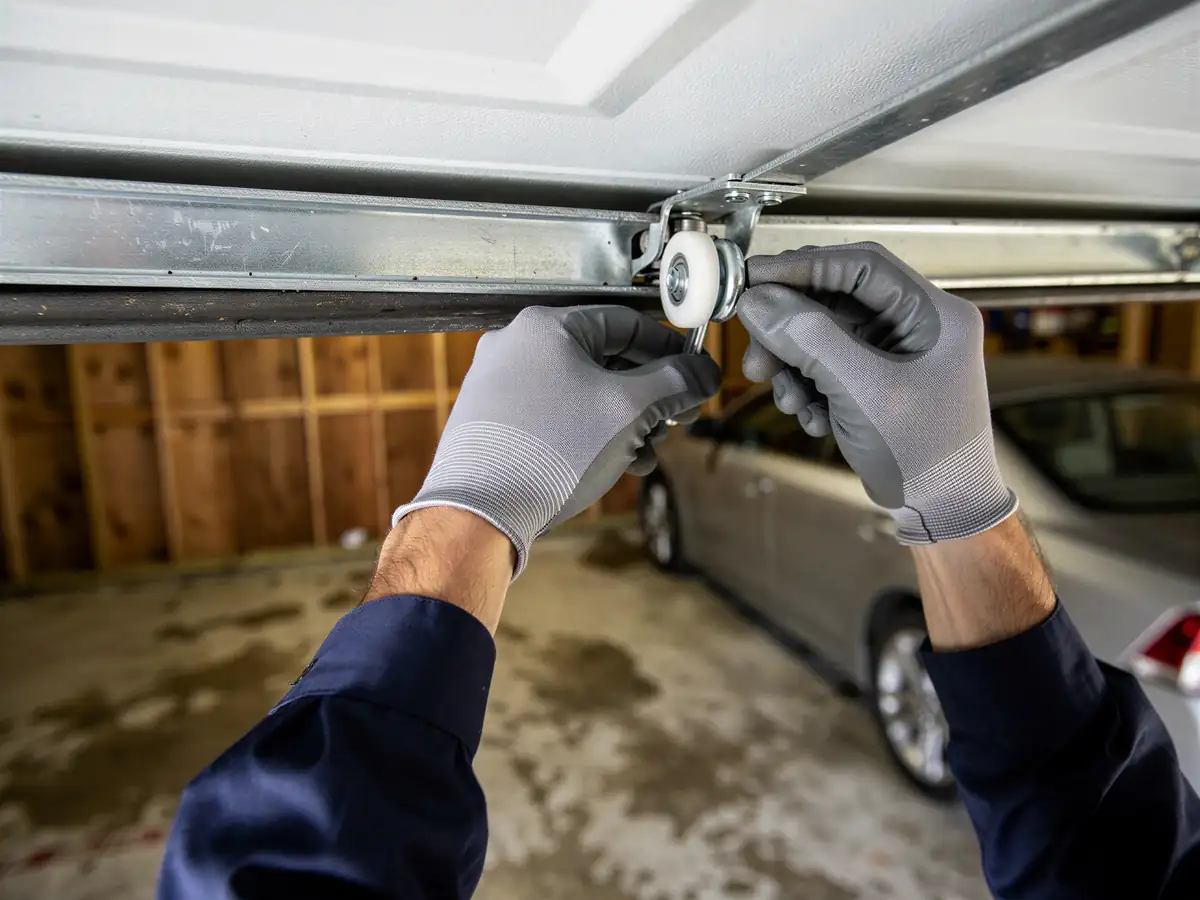
The most common call we get from this part of the service area is a door that's loud and slow - a grinding or popping sound partway through the cycle, followed by the opener straining to finish the lift. That's usually a worn roller or a stretched extension spring losing its tension unevenly on one side, which is common on doors that have carried the same springs since the house was built around 1980. A door that stops a few inches from full close and reverses on its own is a different symptom, usually tied to the safety sensors or a binding track, not the spring. Either way, the fix is in the hardware, not the opener motor, more often than homeowners expect.
What Is on the Truck
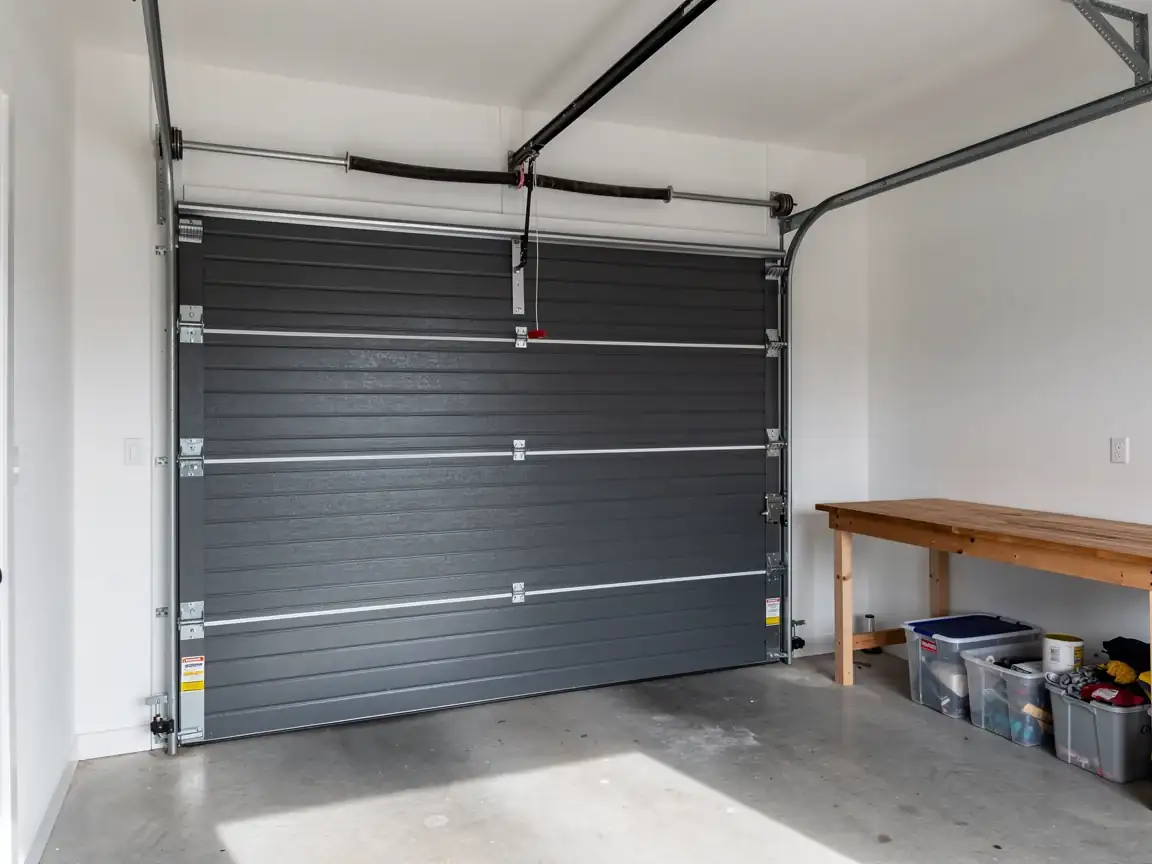
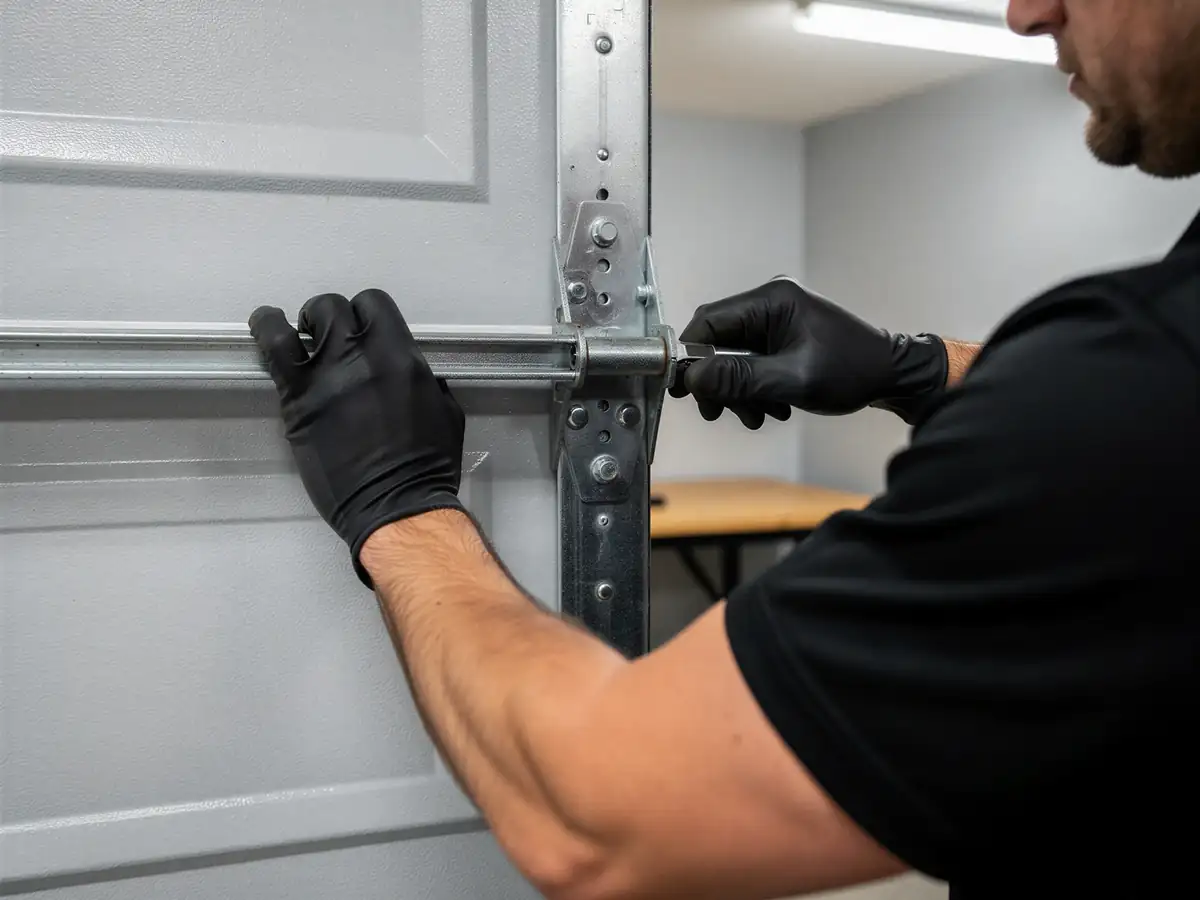
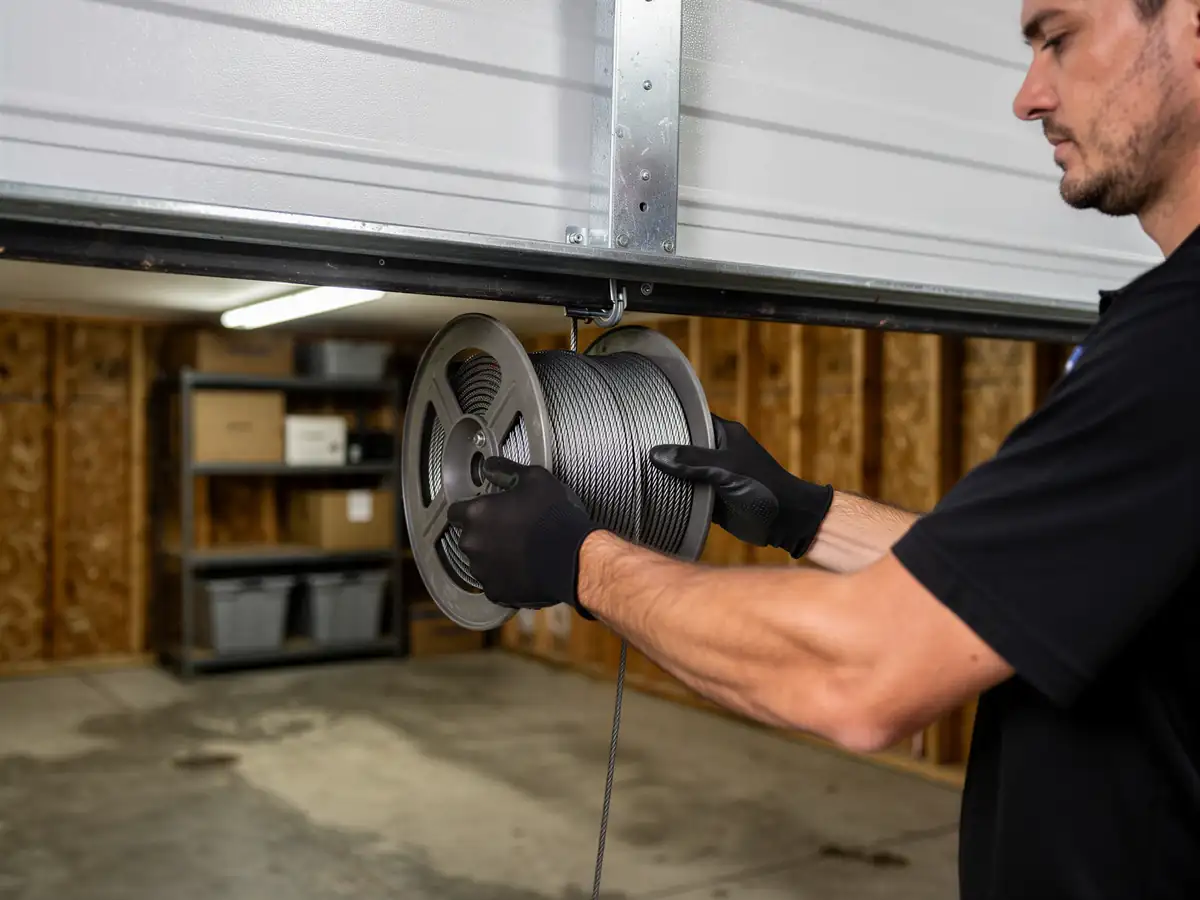
For a town built mostly around 1980, the truck carries standard torsion and extension spring sets sized for the door widths common to that era, plus rollers, cables, and track hardware sized to match. What we don't carry as stock is custom or oversized panel sections - if a door's skin is cracked or dented beyond patching, that's usually a replacement order rather than a same-visit fix, and we'll say so rather than jury-rig something that won't hold. With roughly 8,526 households in this part of the service area, it's a smaller pocket than some of the others we cover, and a lot of those garage doors are still running the original extension-spring hardware that came standard when the house was built.