The Complications
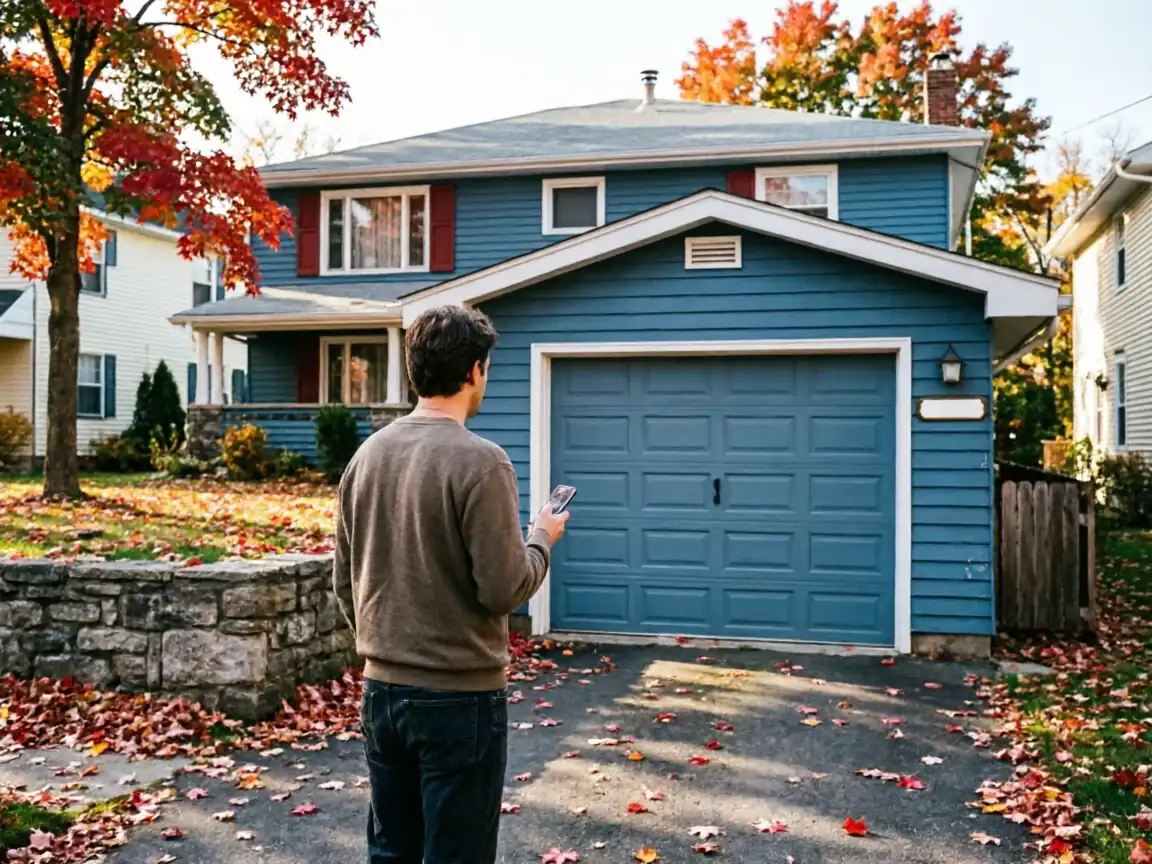
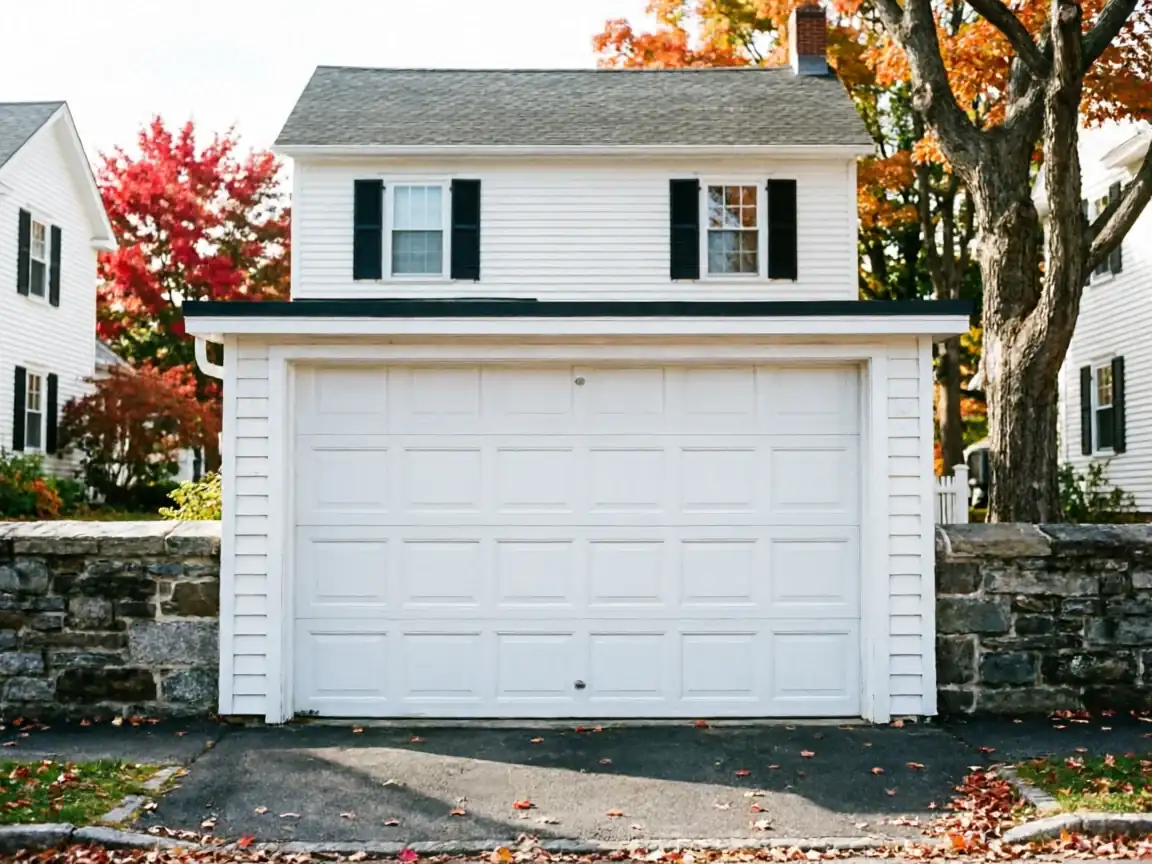
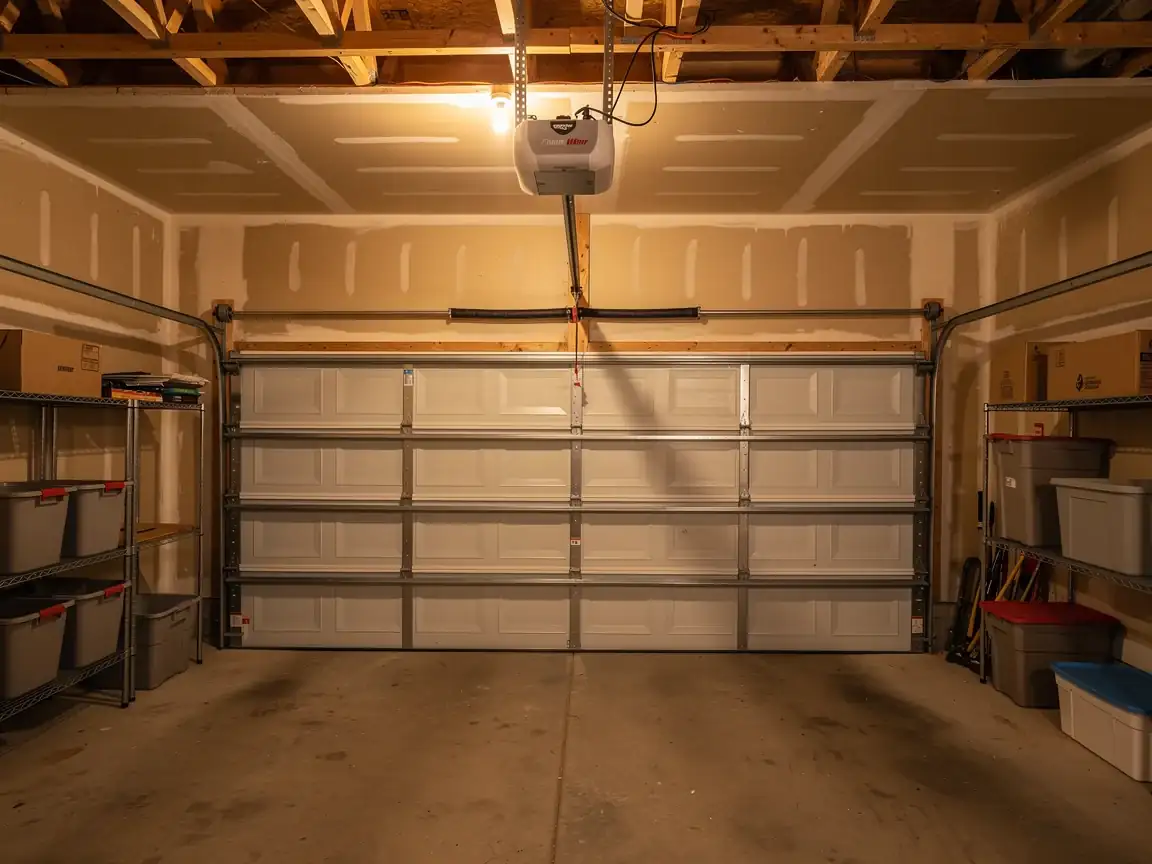
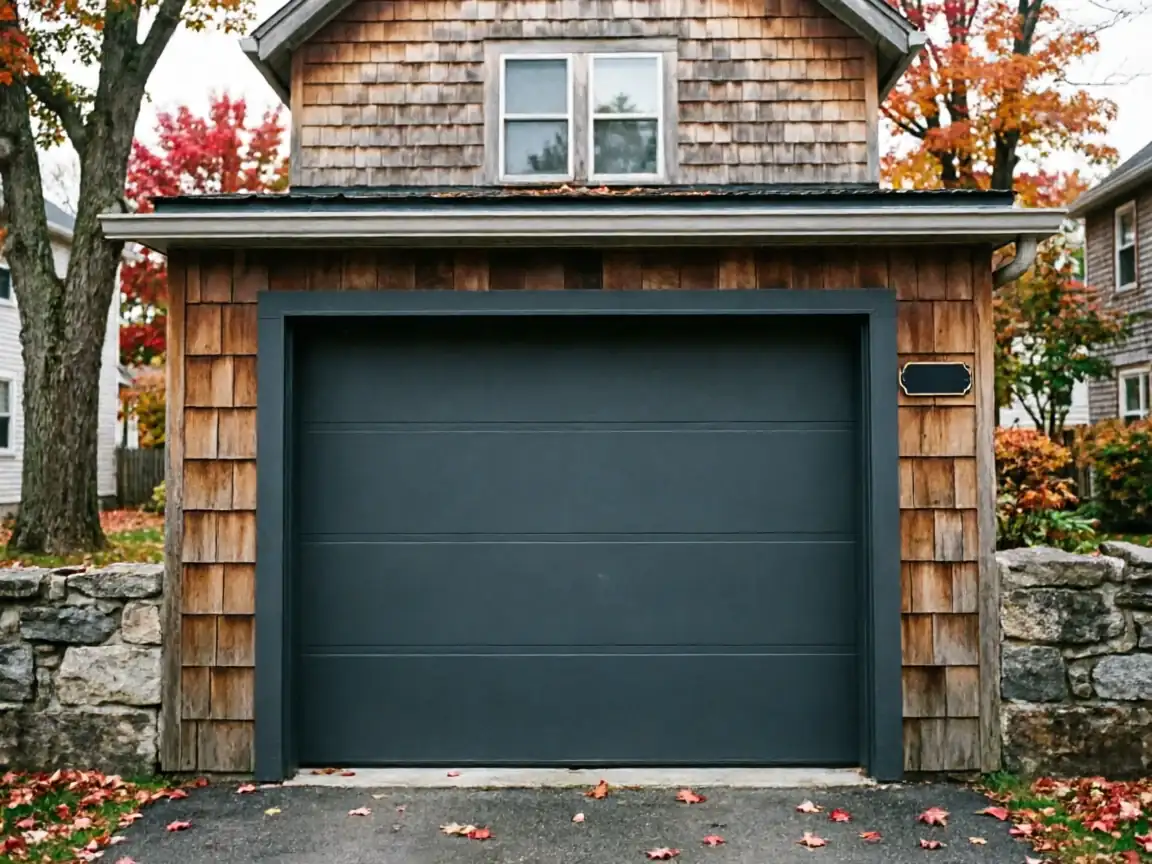
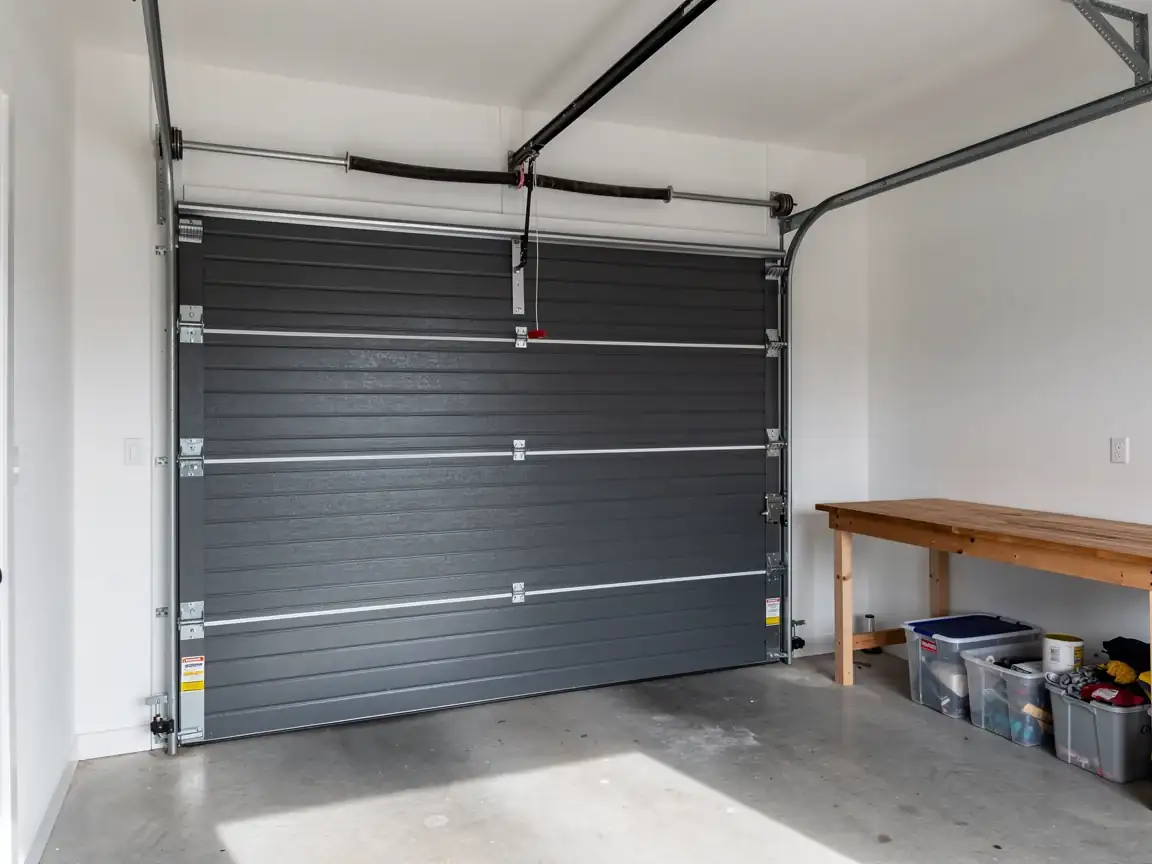
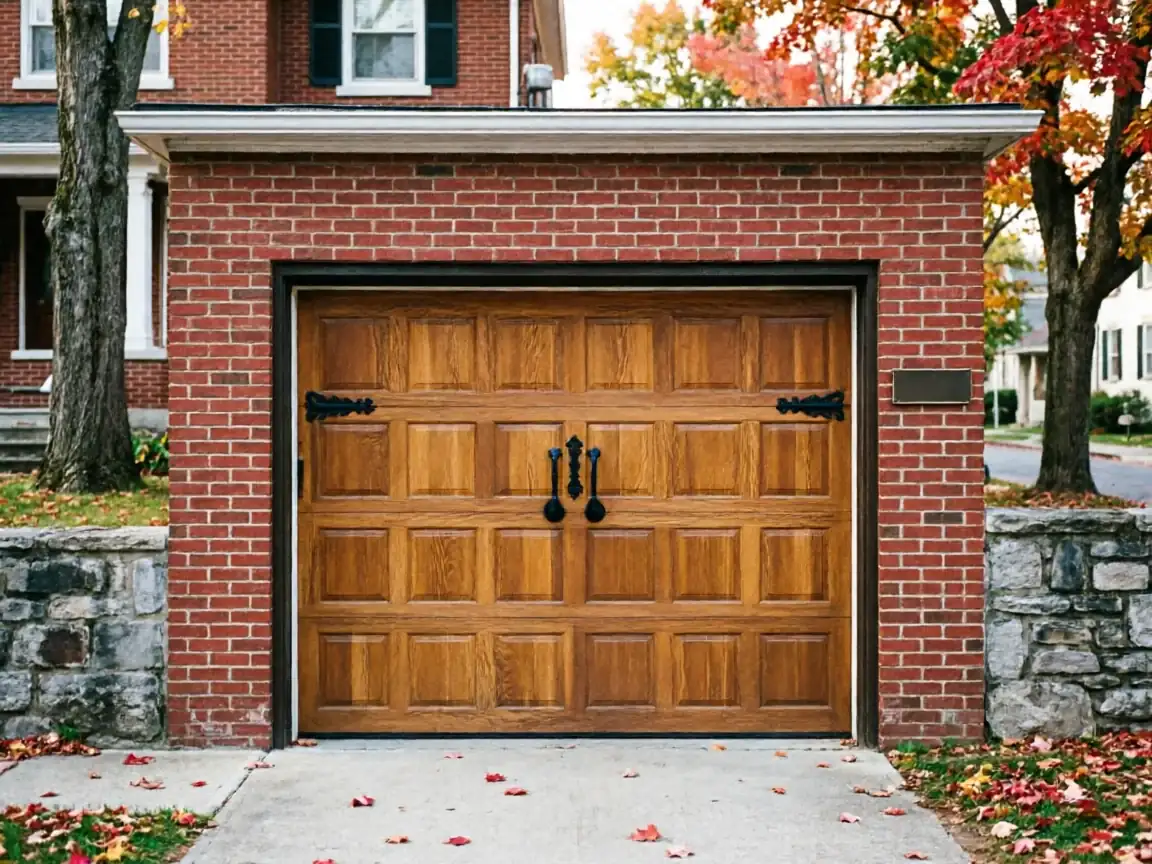
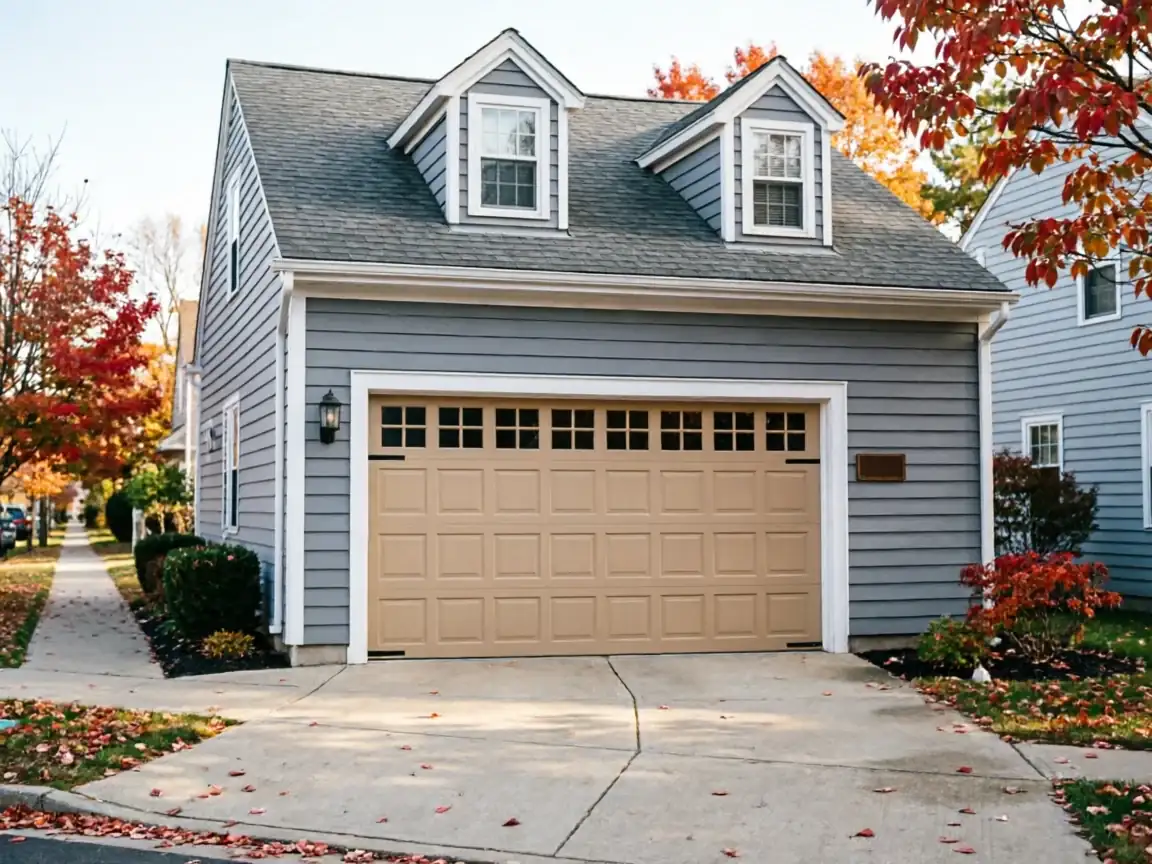
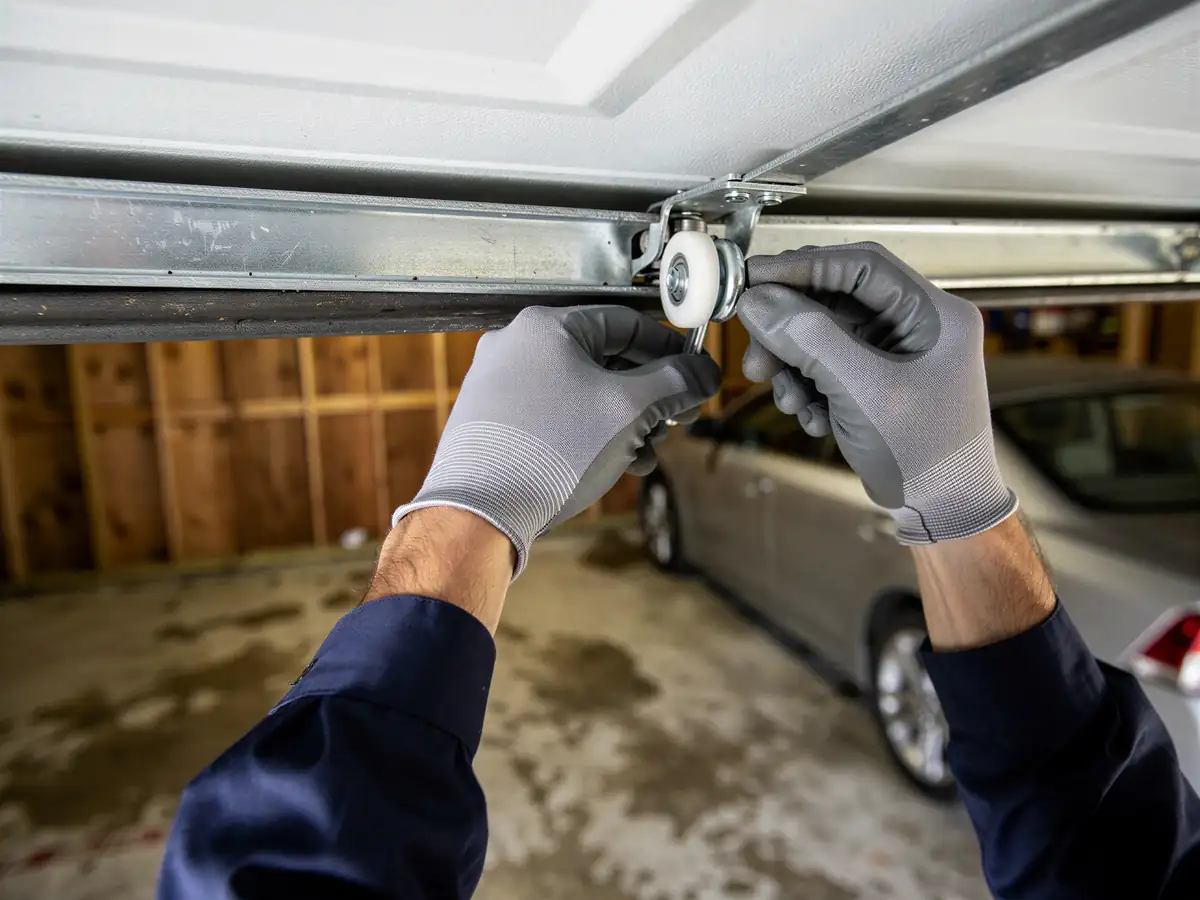
Most houses on this stretch went up around 1956, well ahead of the 1973 median across the wider service area. That matters because a door built or replaced in that first wave is usually a single-layer steel panel on a narrower single-car opening, hung on a lighter torsion or extension spring than what you'd find on a house from the 70s or 80s. Some owners have already swapped in a wider double door to fit two cars, which means the original header and track were never sized for it - the hardware got heavier, but the framing underneath often didn't change. That mismatch is where we see early spring fatigue and track separation show up sooner than the door's age would suggest. Add in a winter cold snap, which this area gets with real severity, and steel contracts, lubricant stiffens, and a spring that was already near the end of its cycle count finally lets go. None of this is unique to one house - it's a pattern tied to when this pocket of South Kensington was built and how it's been added onto since. A tech who doesn't know that history will diagnose the symptom and miss the setup.
The Symptom
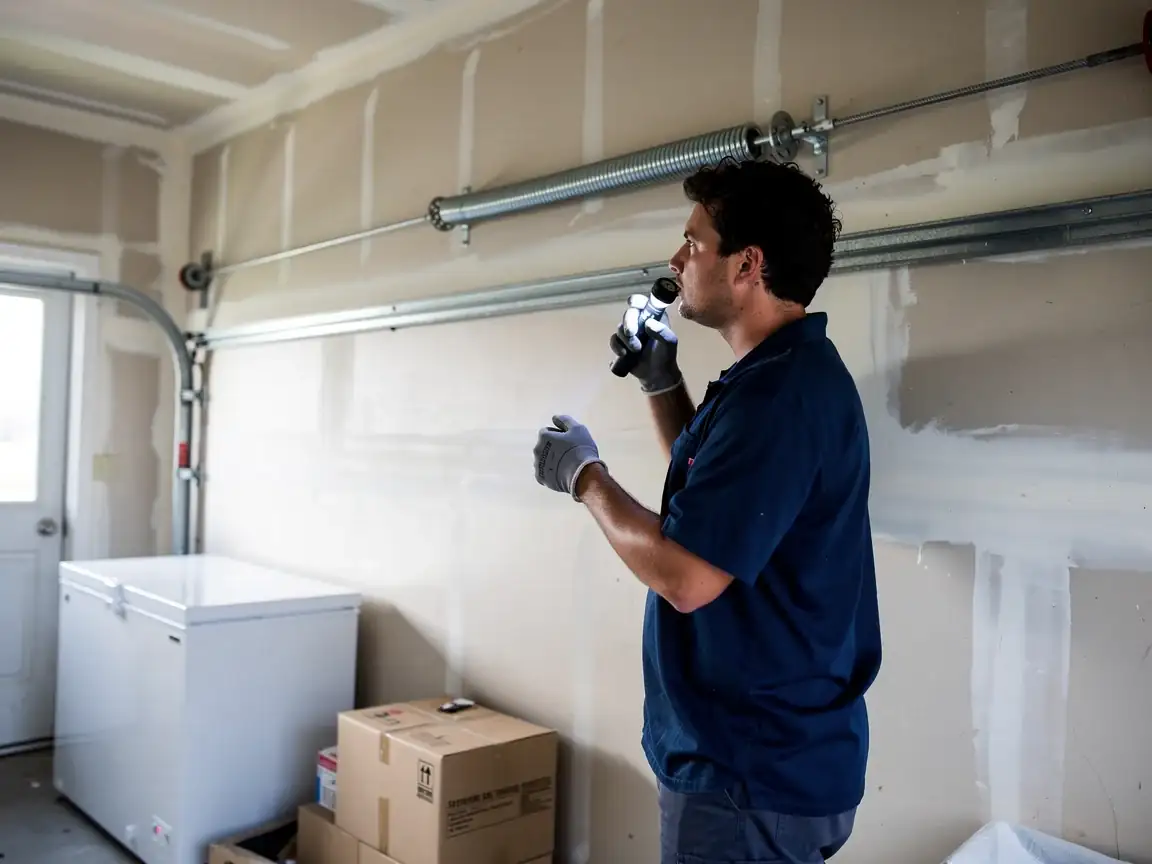
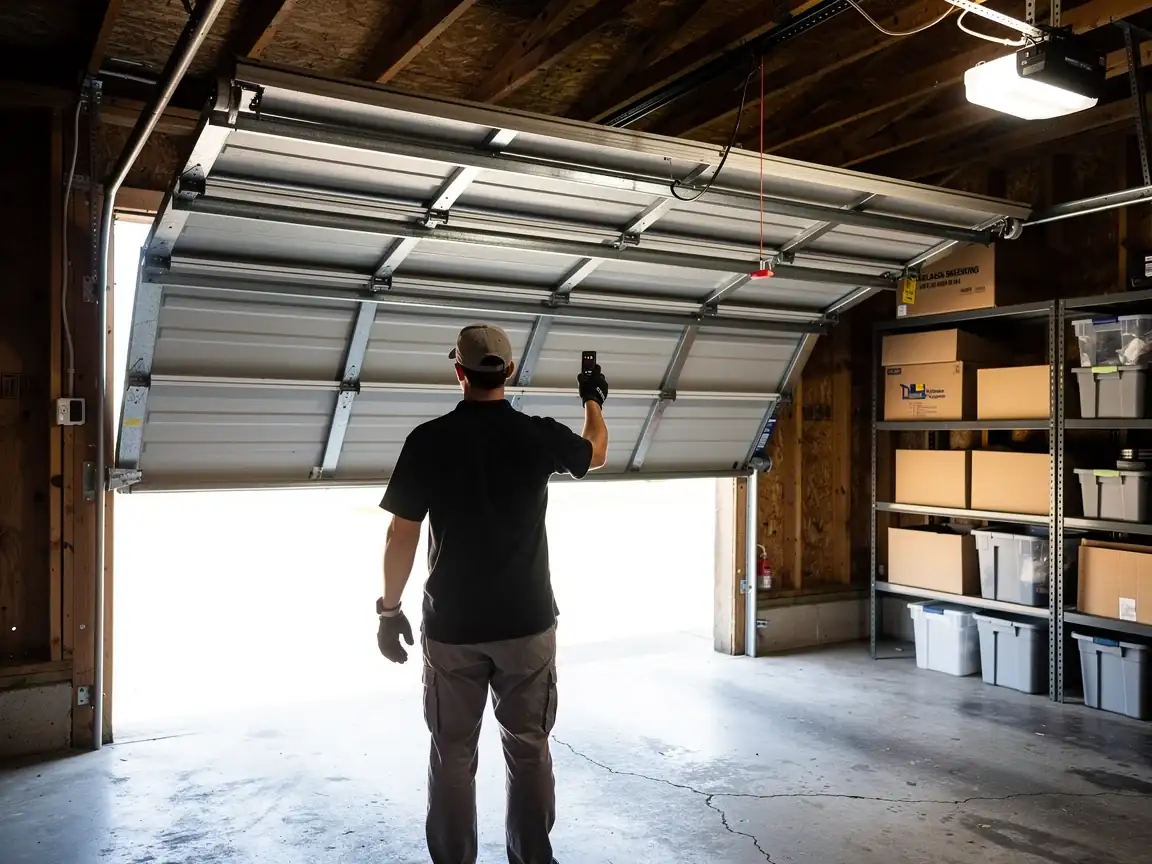
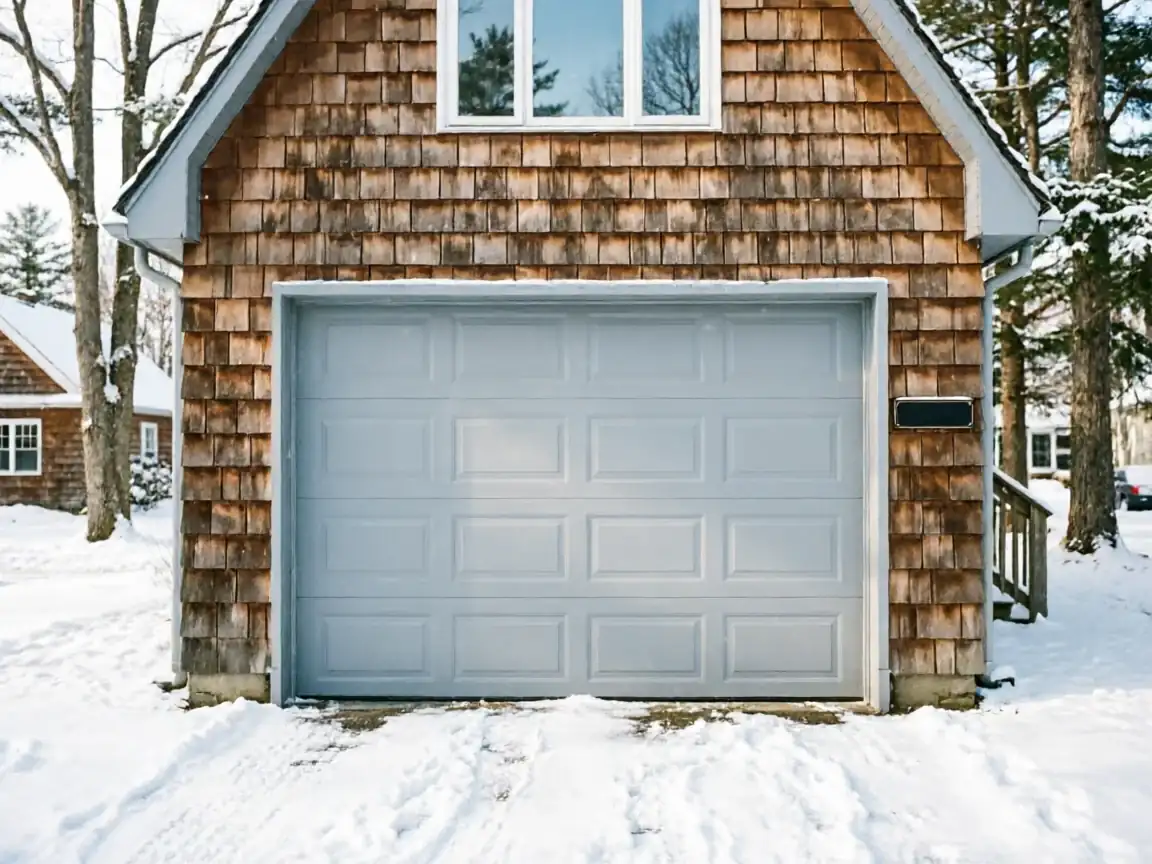
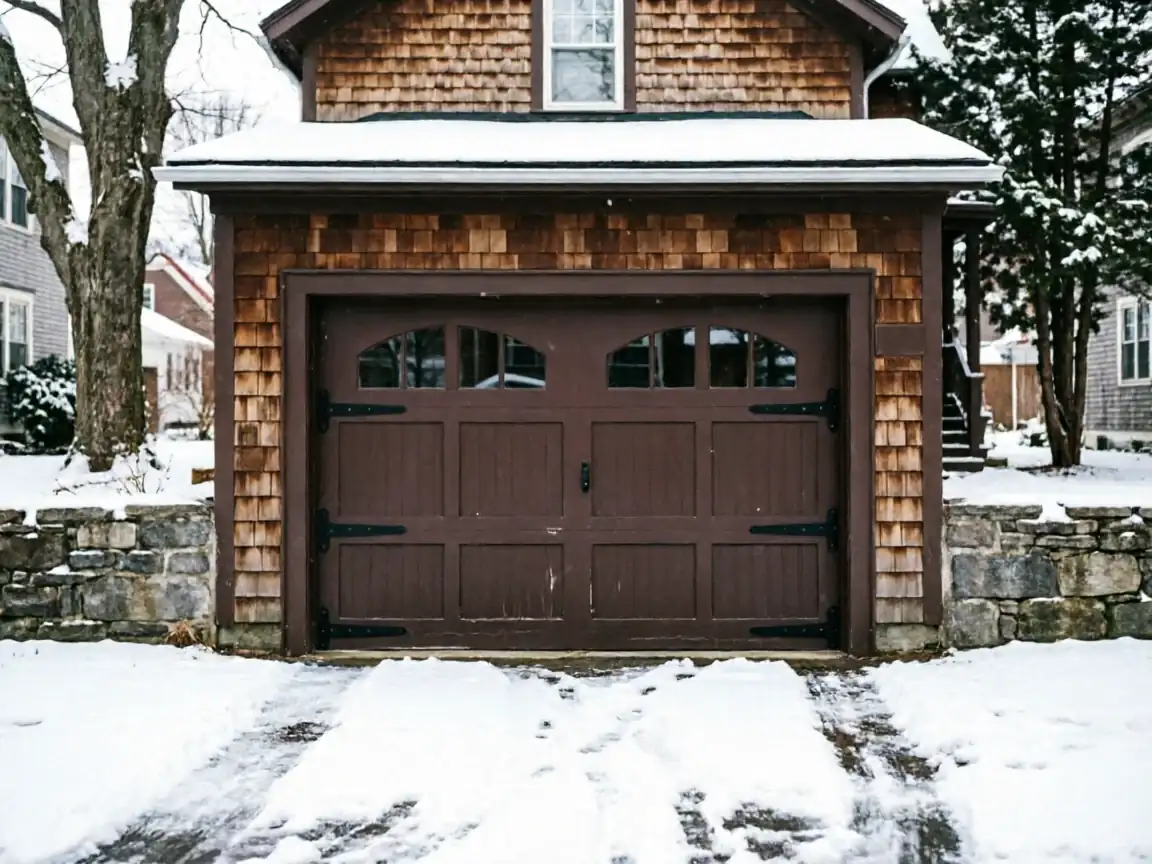
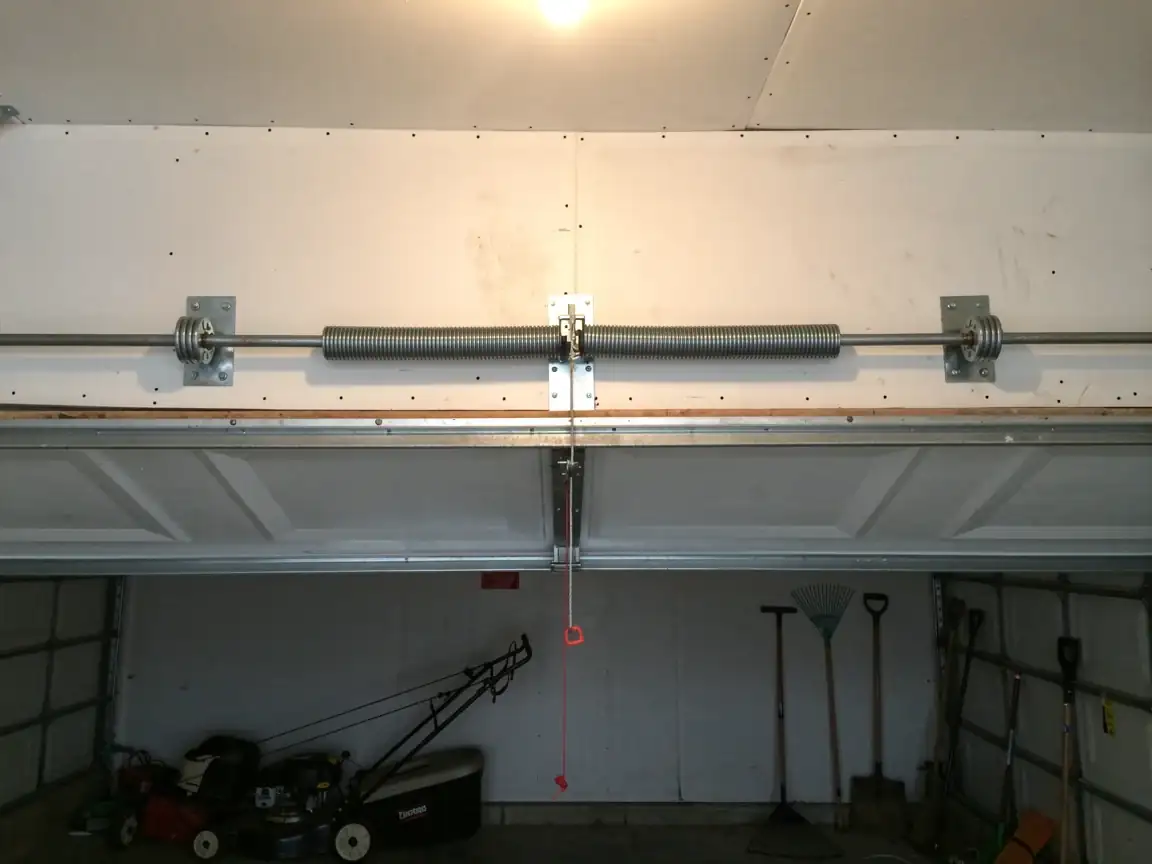
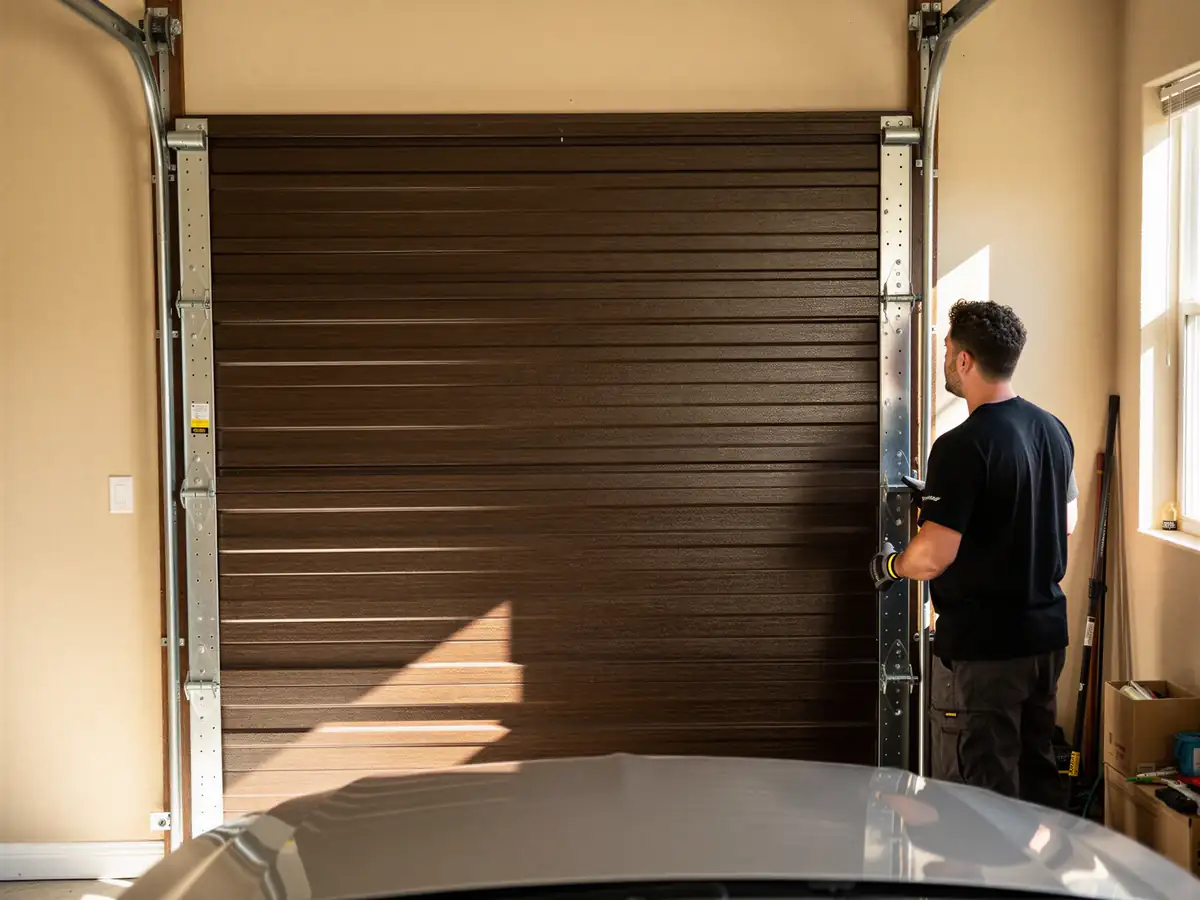
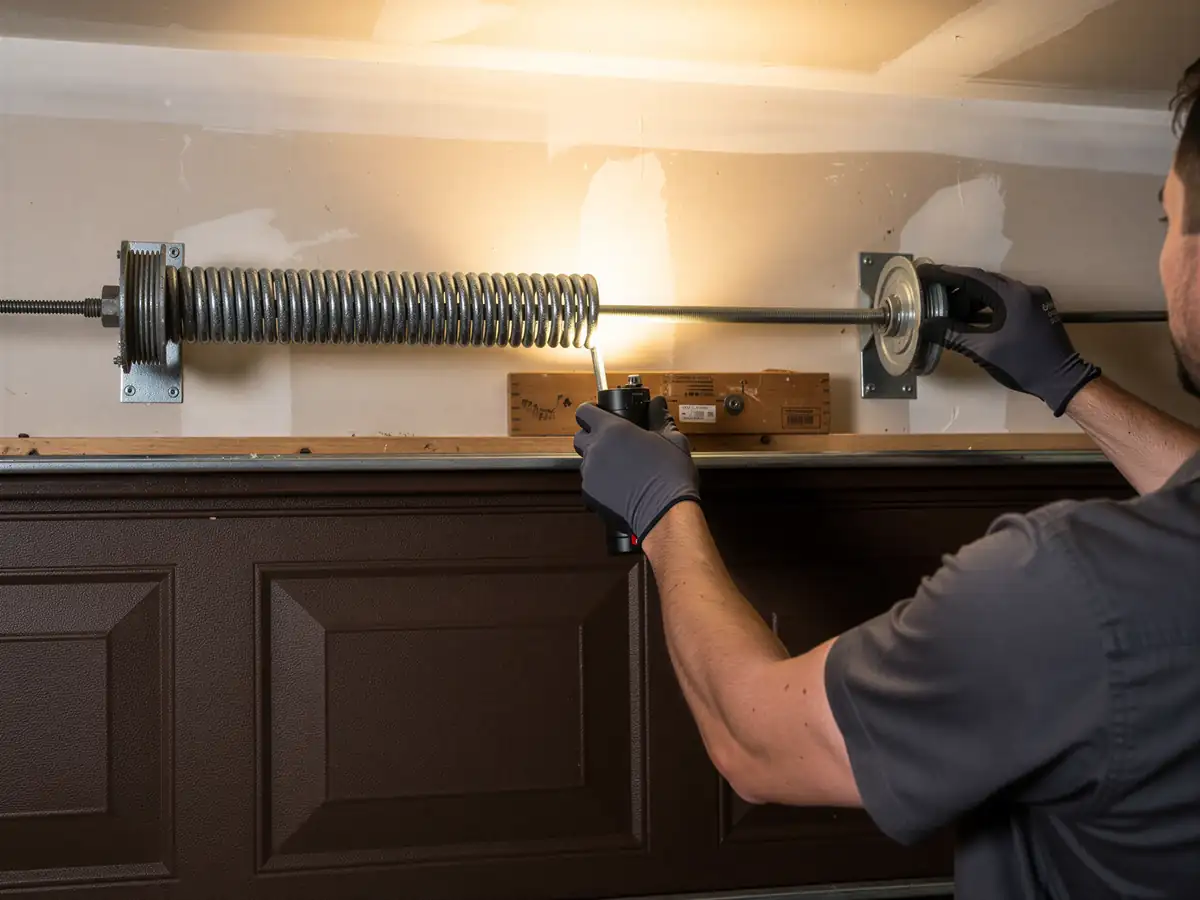
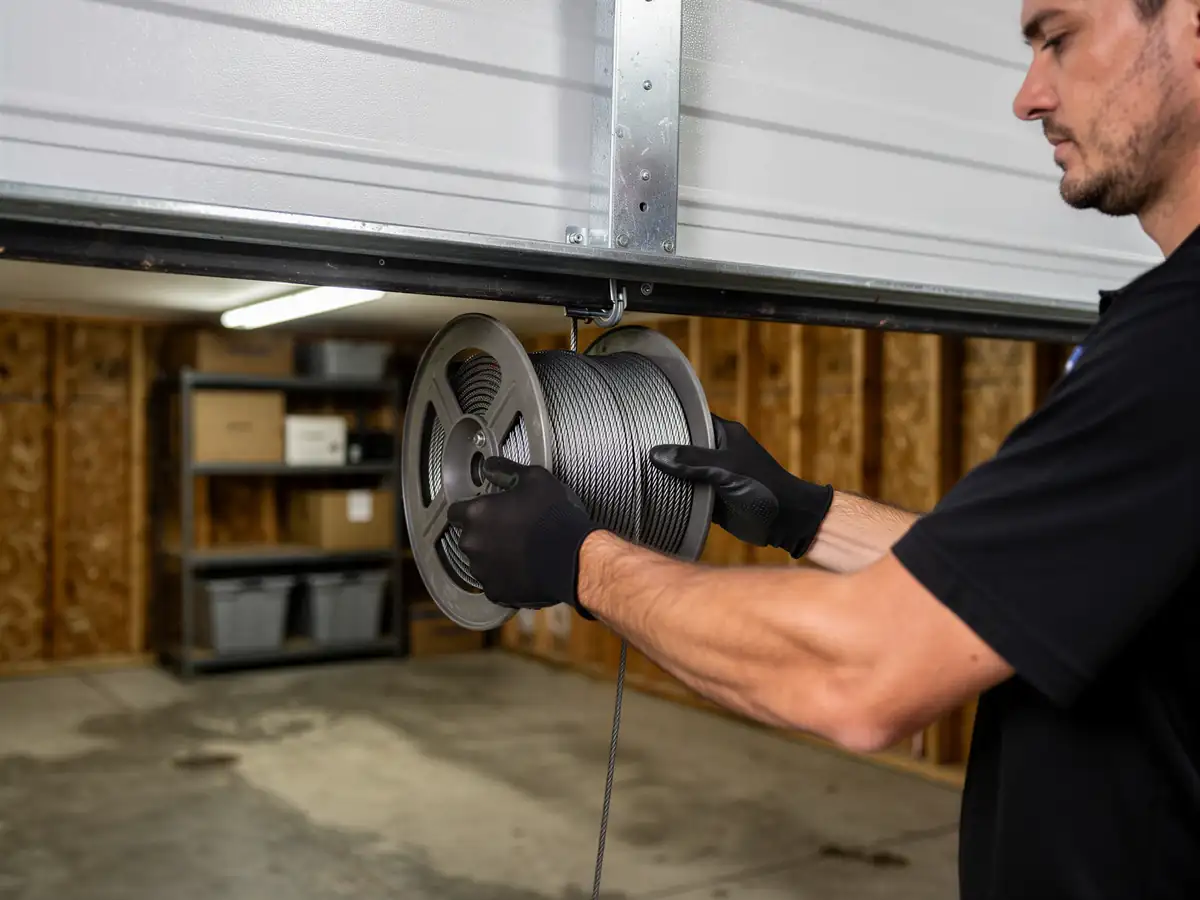
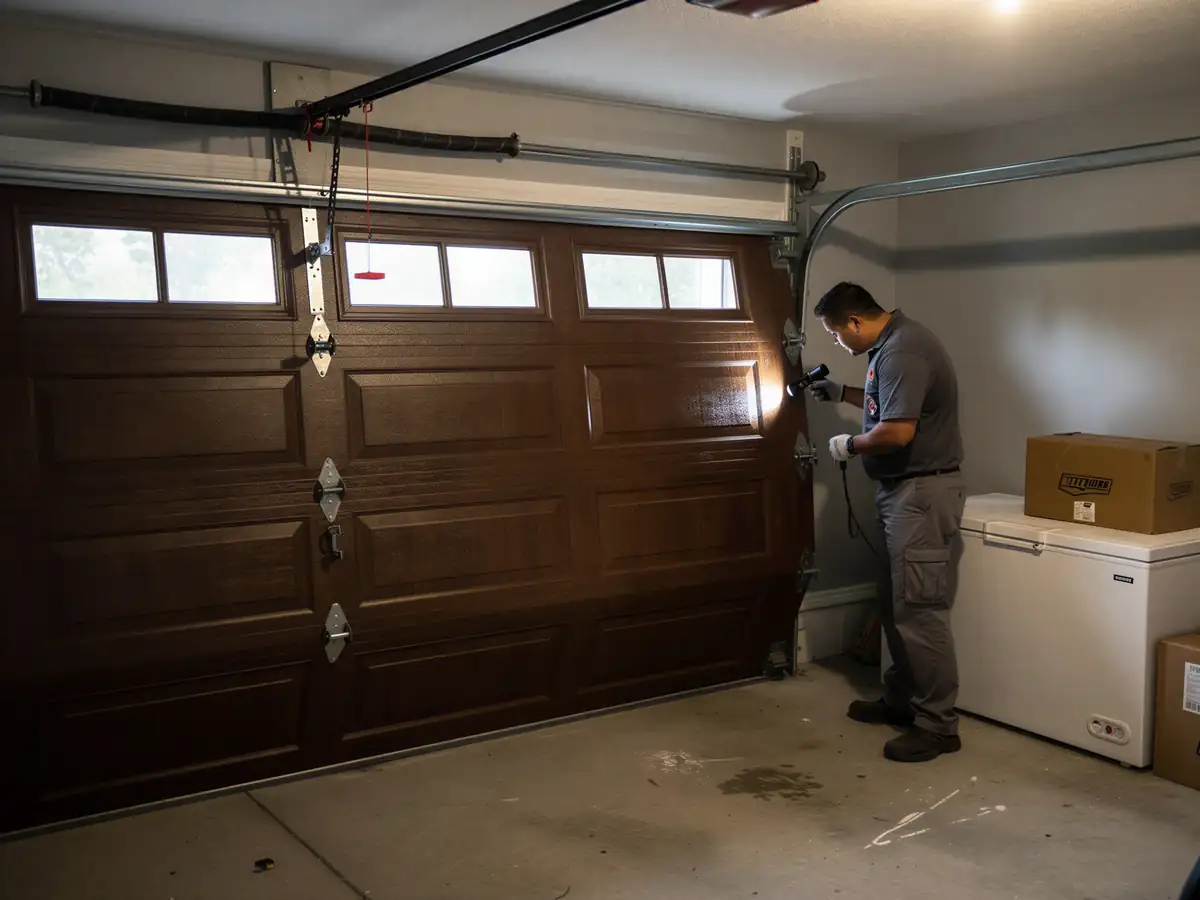
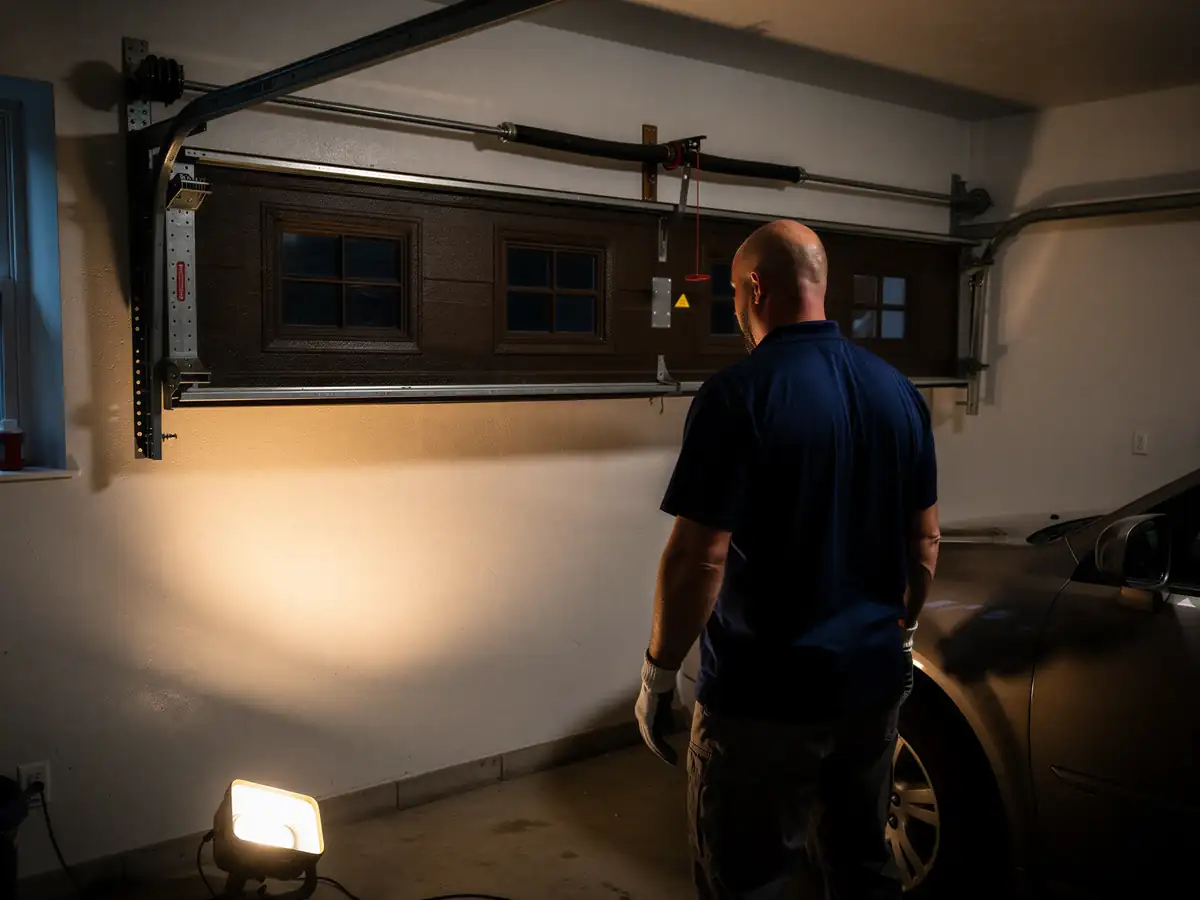
The call we get most from this part of South Kensington is a door that won't move, or moves a few inches and stops - usually a snapped torsion spring on a single-car opening, sometimes a cable that's jumped the drum on a door that's been quietly misaligned for months. On the retrofitted double doors, the symptom is different: a door that slams down fast instead of lowering under control, which points to a spring under-sized for the actual panel weight. Either way, in a cold snap the failure tends to happen first thing in the morning, when the steel is stiffest and the spring is taking its first full cycle of the day.
Doing It Yourself
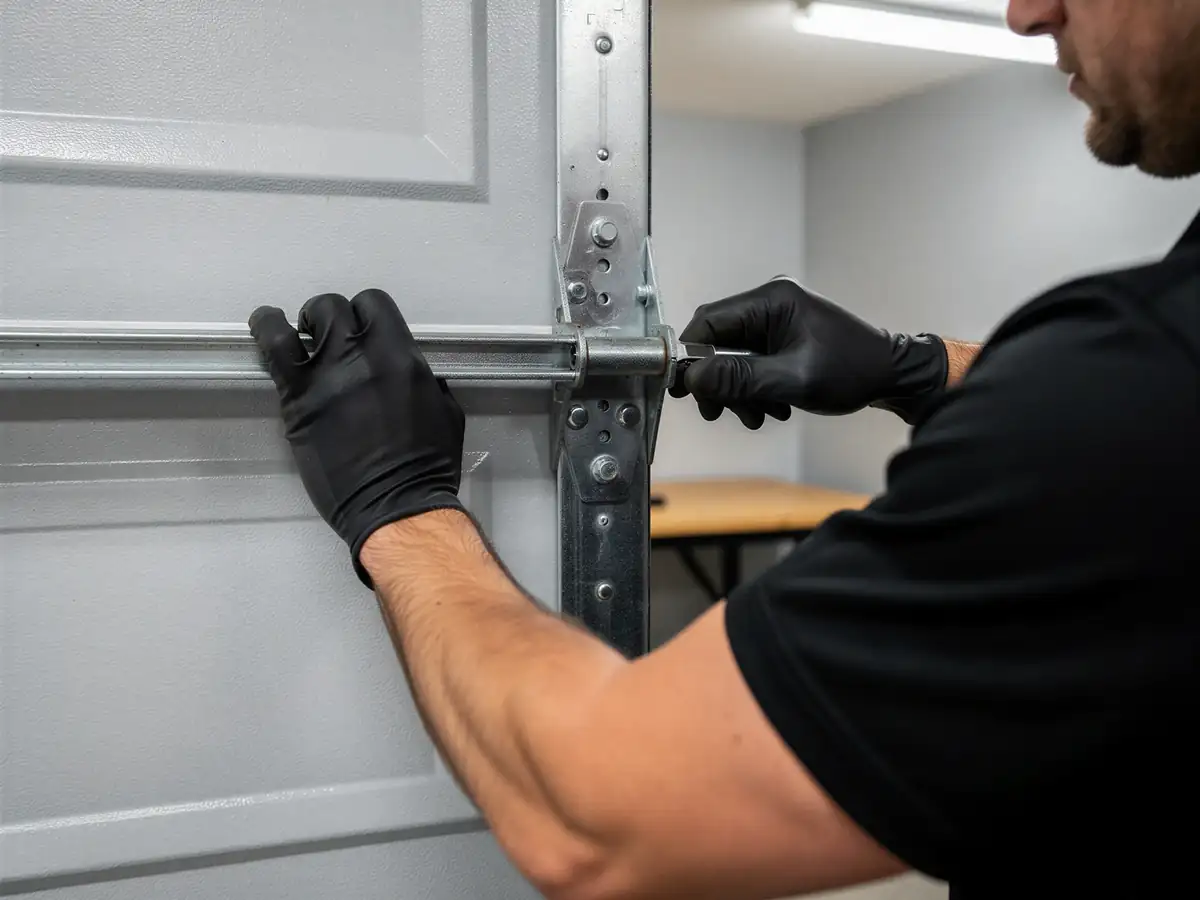
If the door won't open, check that nothing's holding the photo-eye sensors out of alignment before you assume it's the spring - a knocked sensor is a five-minute fix and costs nothing. Beyond that, leave it alone. A torsion spring under tension can take a finger off, and on a 1956-era door the spring, drum, and cable are often original or close to it, which means they're more likely to fail mid-adjustment than a newer setup. If the door is a converted double and it's coming down hard, don't try to spring-balance it yourself - call it in instead.