The Complications
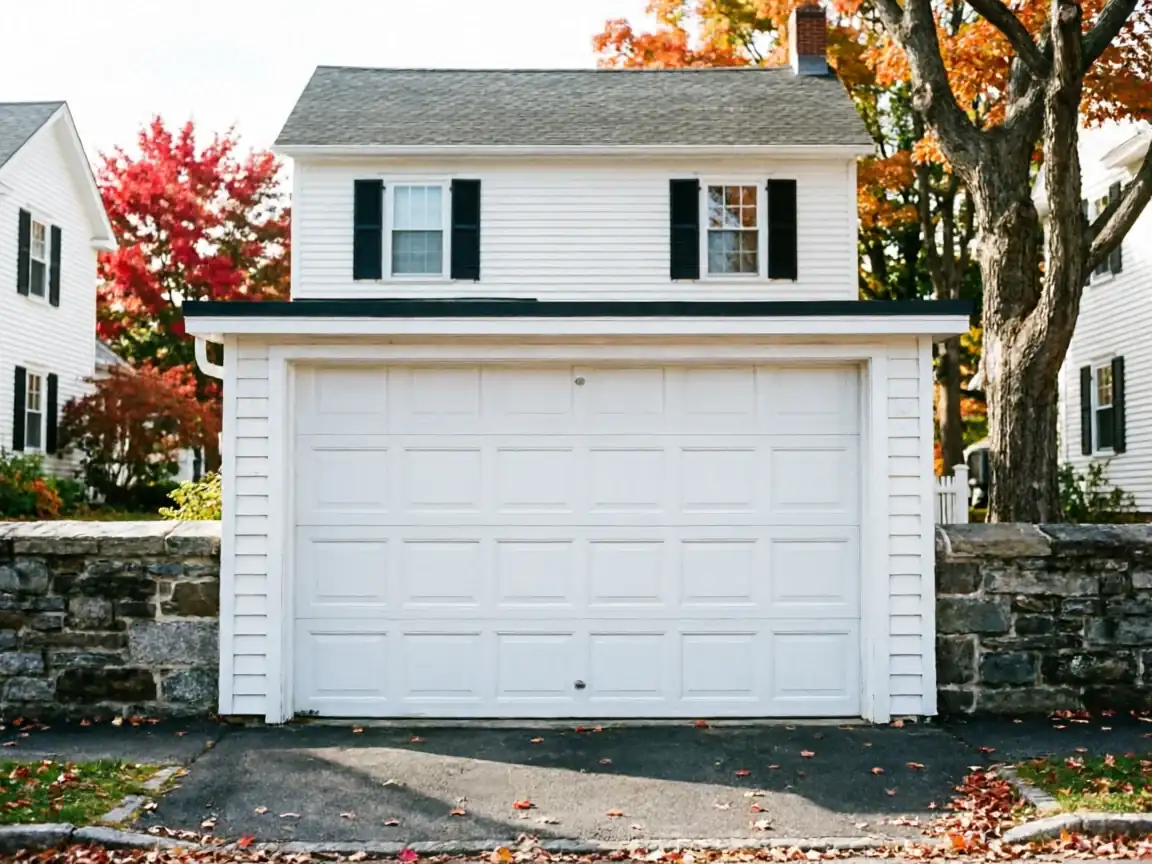
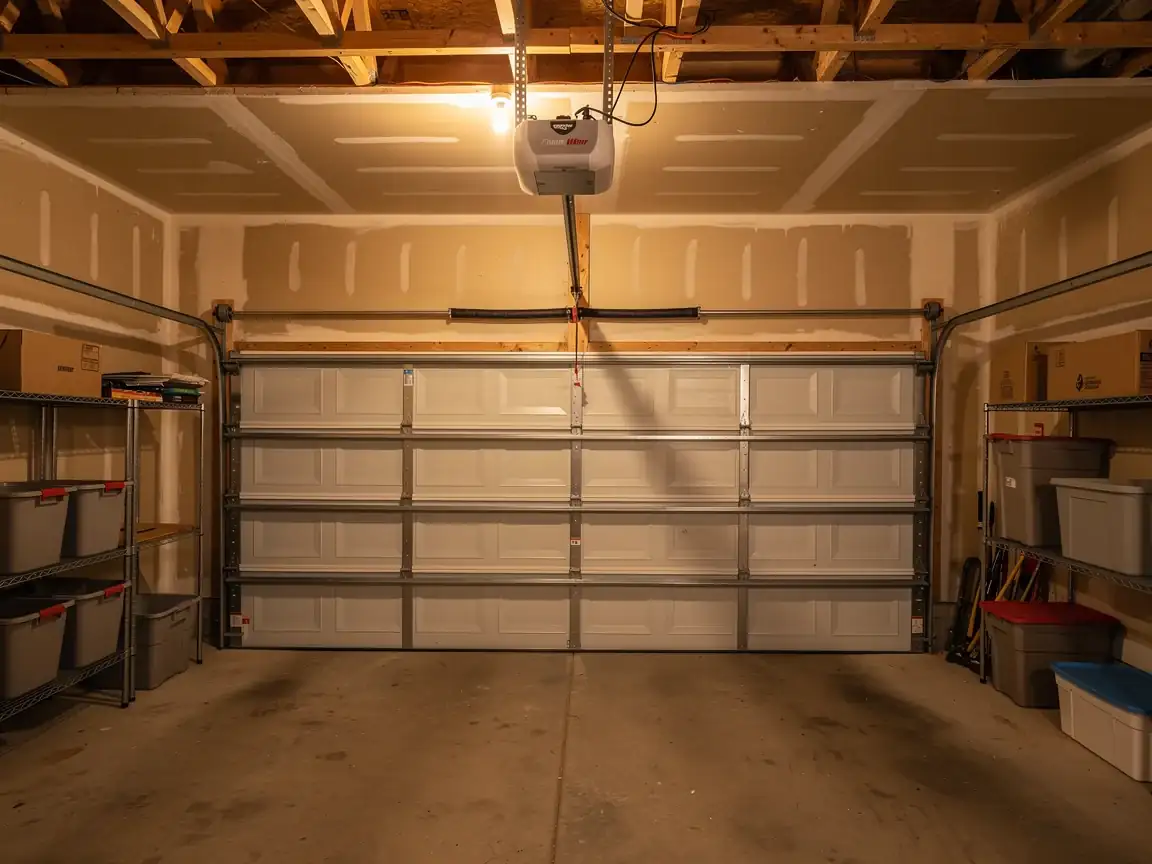
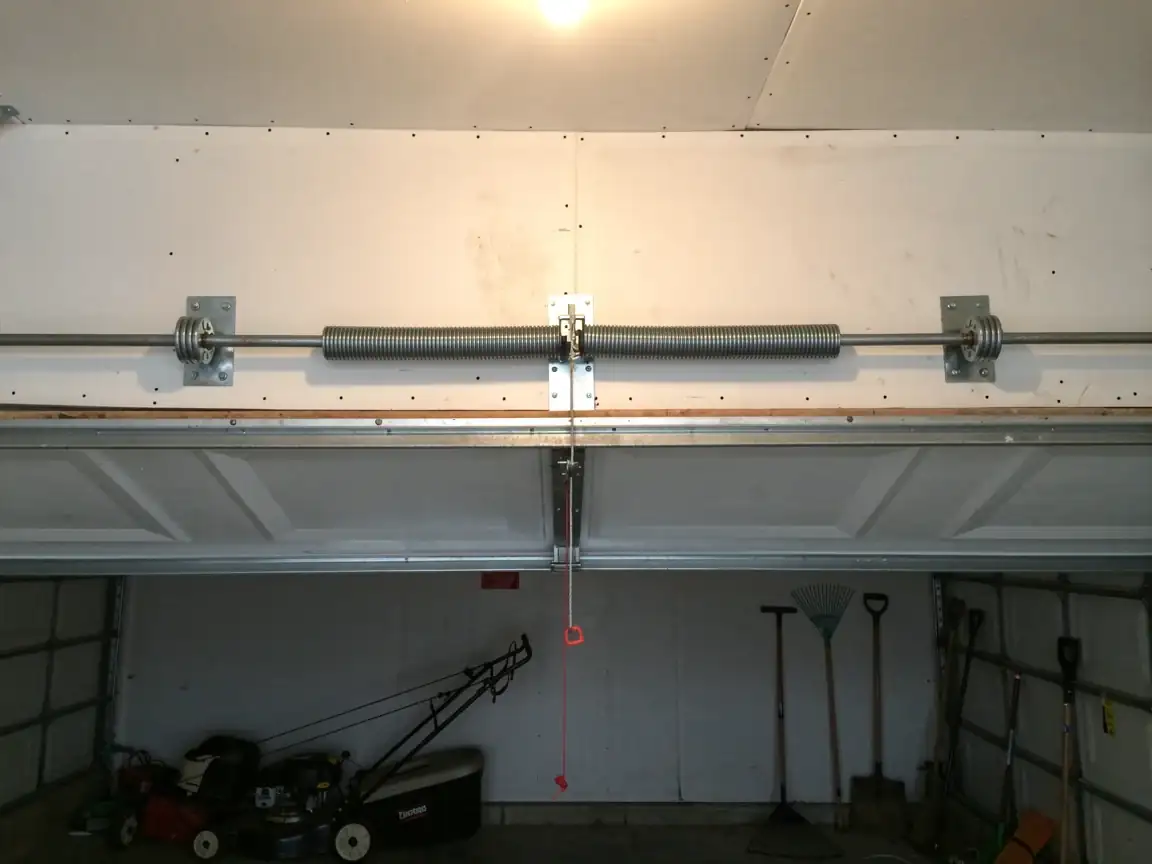
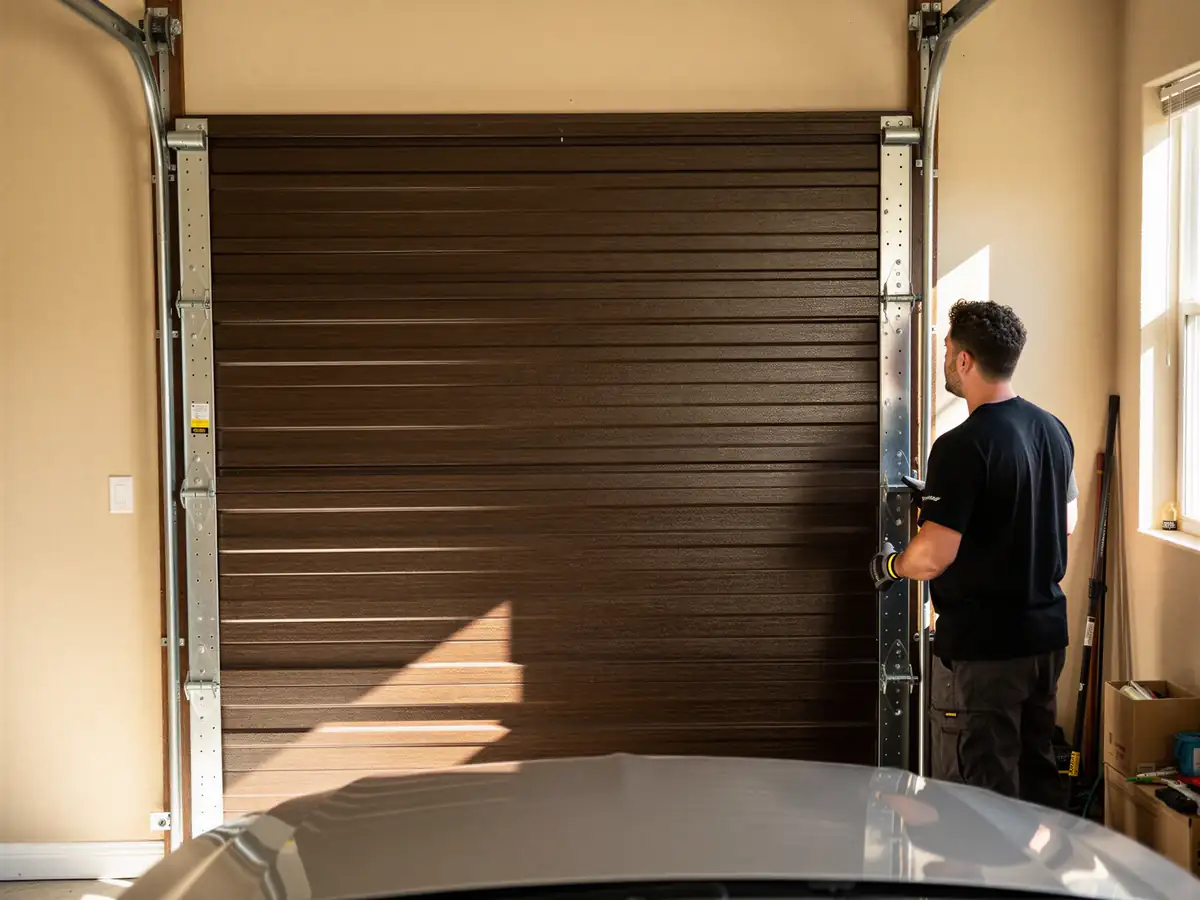
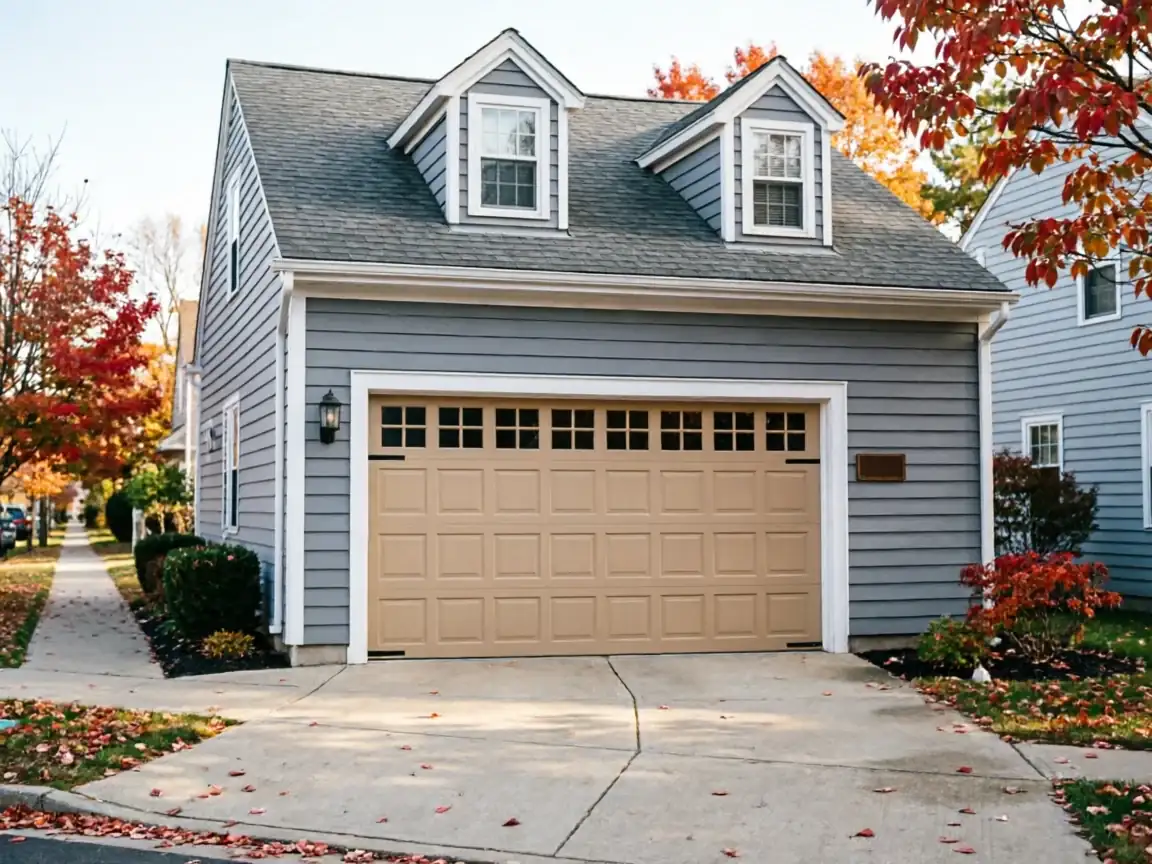
Bethesda's service area overall has a median build year of 1973, but South Kensington sits well ahead of that curve at a median of 1956. That seventeen-year gap matters more than it sounds. A door and opener installed or replaced in the 1970s across much of the wider area is a different animal from what you find on a house built in the Eisenhower years. Older openers here are more likely to be chain-drive units from a previous owner's era, bolted to track hardware that doesn't match anything sold new today. Torsion springs on these houses were often sized for a heavier wood door that's since been swapped for a lighter steel one, or vice versa, which throws off the balance and wears the opener gears faster than it should.
With 2,836 households in South Kensington and a median income of $193,793, this is also a neighborhood where people tend to fix things properly instead of patching them, which we respect - but it means when a 1956-era door finally fails, it often needs a full hardware rebuild, not just a new spring. We come from Bethesda, about 3 miles off, so we see this pattern across the corridor and know what to expect before we open the truck.
What Is on the Truck
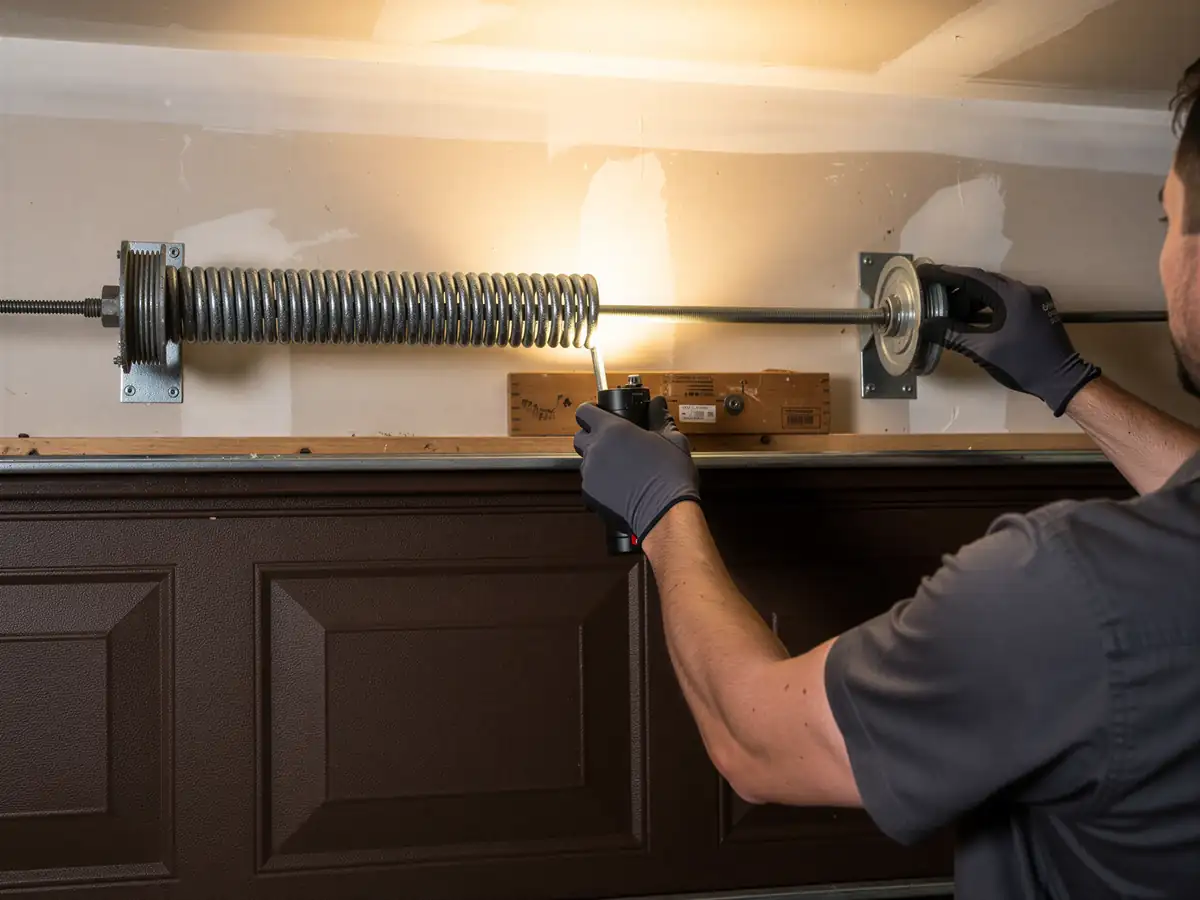
For a neighborhood built mid-century, the truck carries torsion springs across a wider range of wire sizes than you'd need in a newer subdivision
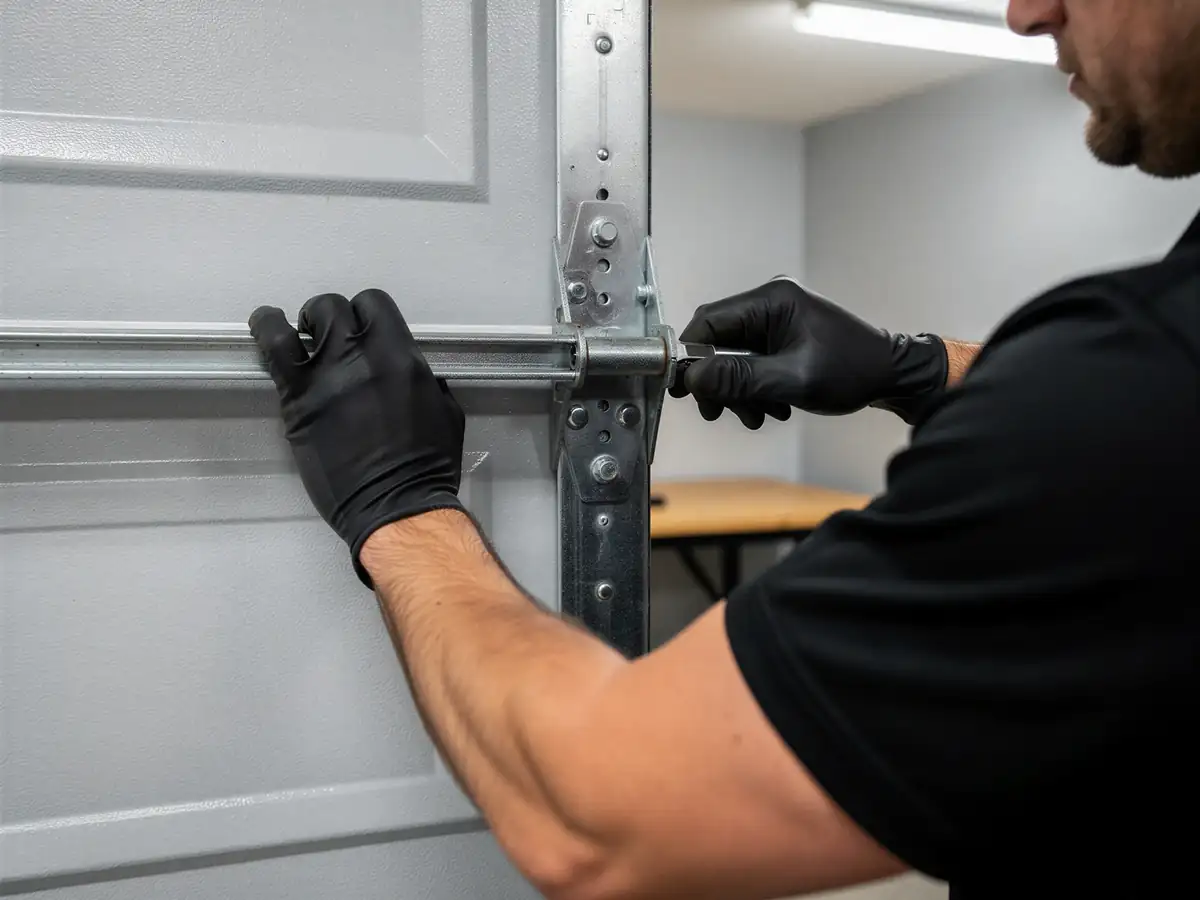
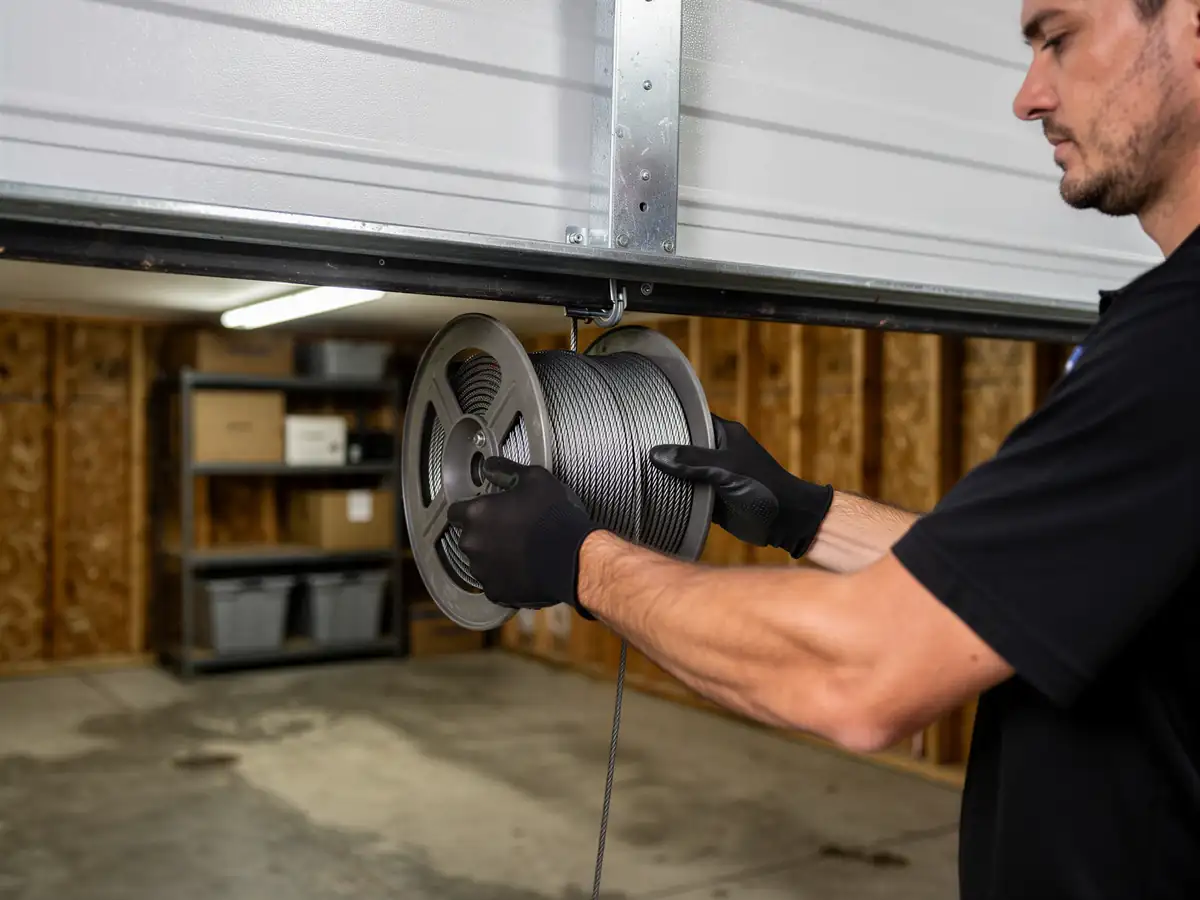
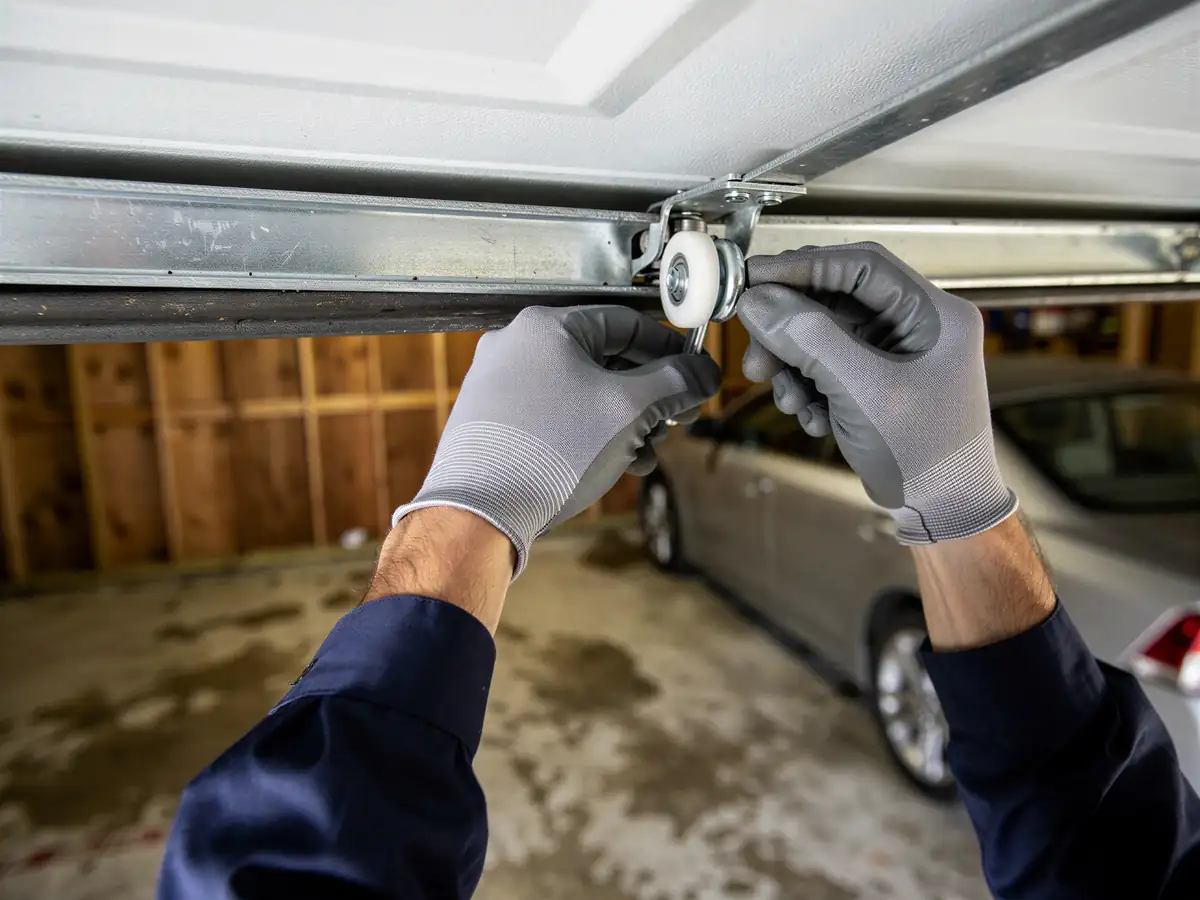
Because older doors weren't standardized the way post-1980 construction is. We carry extension and torsion cable, both drum styles, and a stock of rollers in steel and nylon since older tracks often have wear patterns that only one roller type will quiet down.
The climate here is cold and severe enough that we also carry weatherstripping and bottom seal kits as a default
Not an upsell - a door that's been sealing poorly for a few winters usually has a bottom seal that's cracked through, not just dirty. Openers get swapped more than repaired past a certain age; we carry a couple of current models on the truck rather than special-order every job, which keeps a same-visit opener replacement realistic.
What we don't carry is custom wood door stock
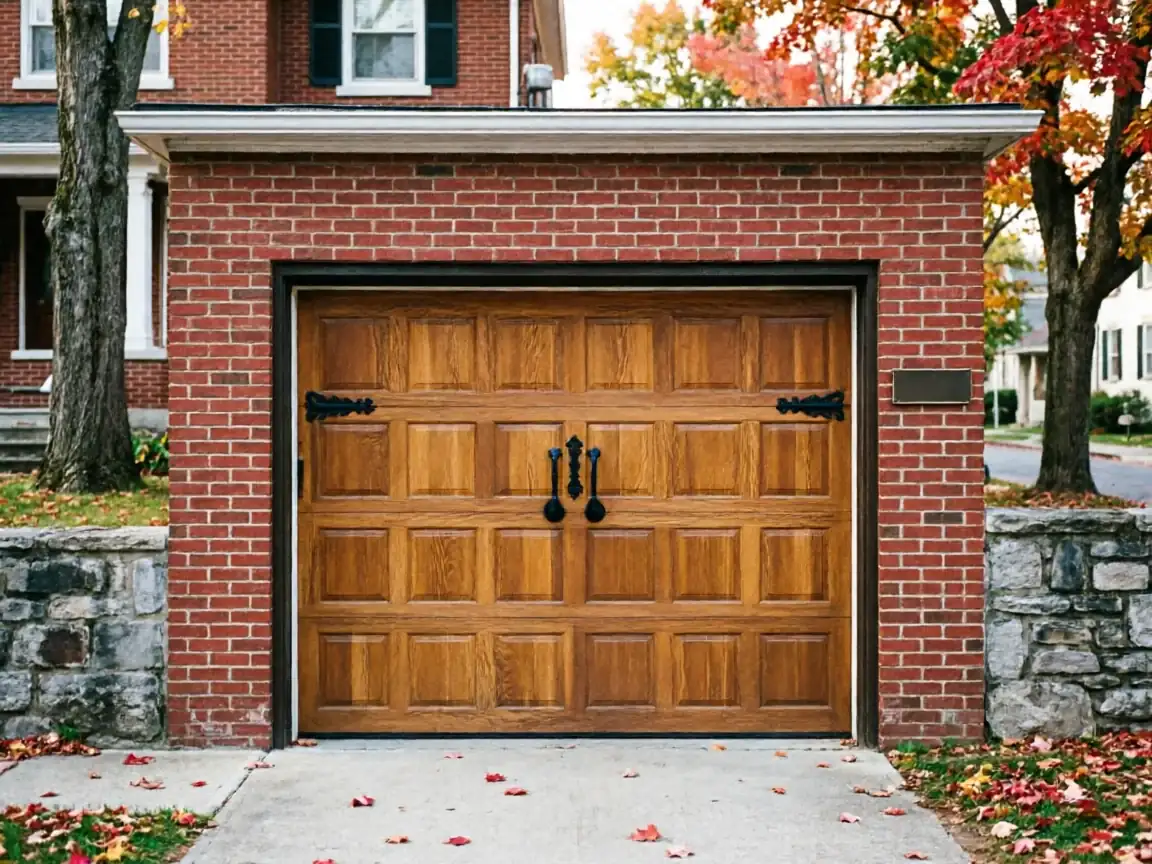
If your door is an original wood panel door from the 1956 era and it needs a matching replacement panel rather than a full swap, that's usually a special order, and we'll tell you that up front instead of pretending otherwise.
The Symptom
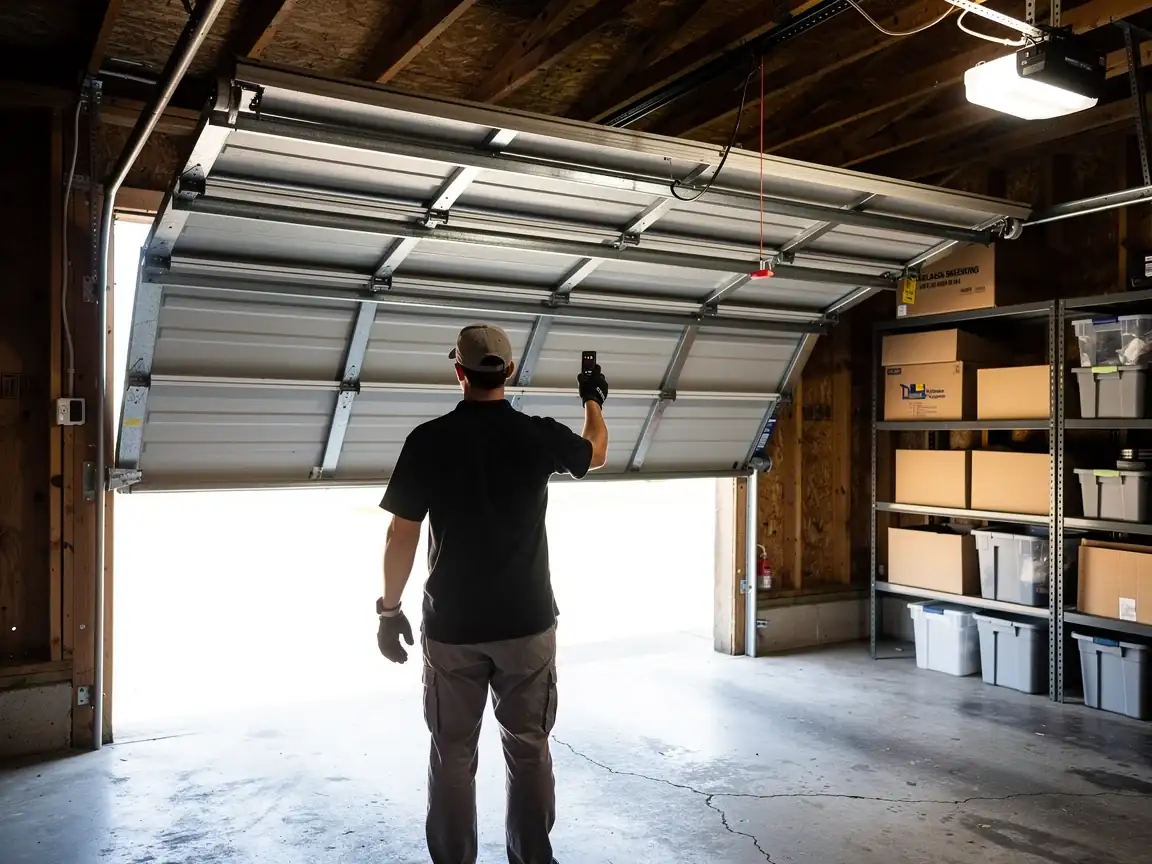
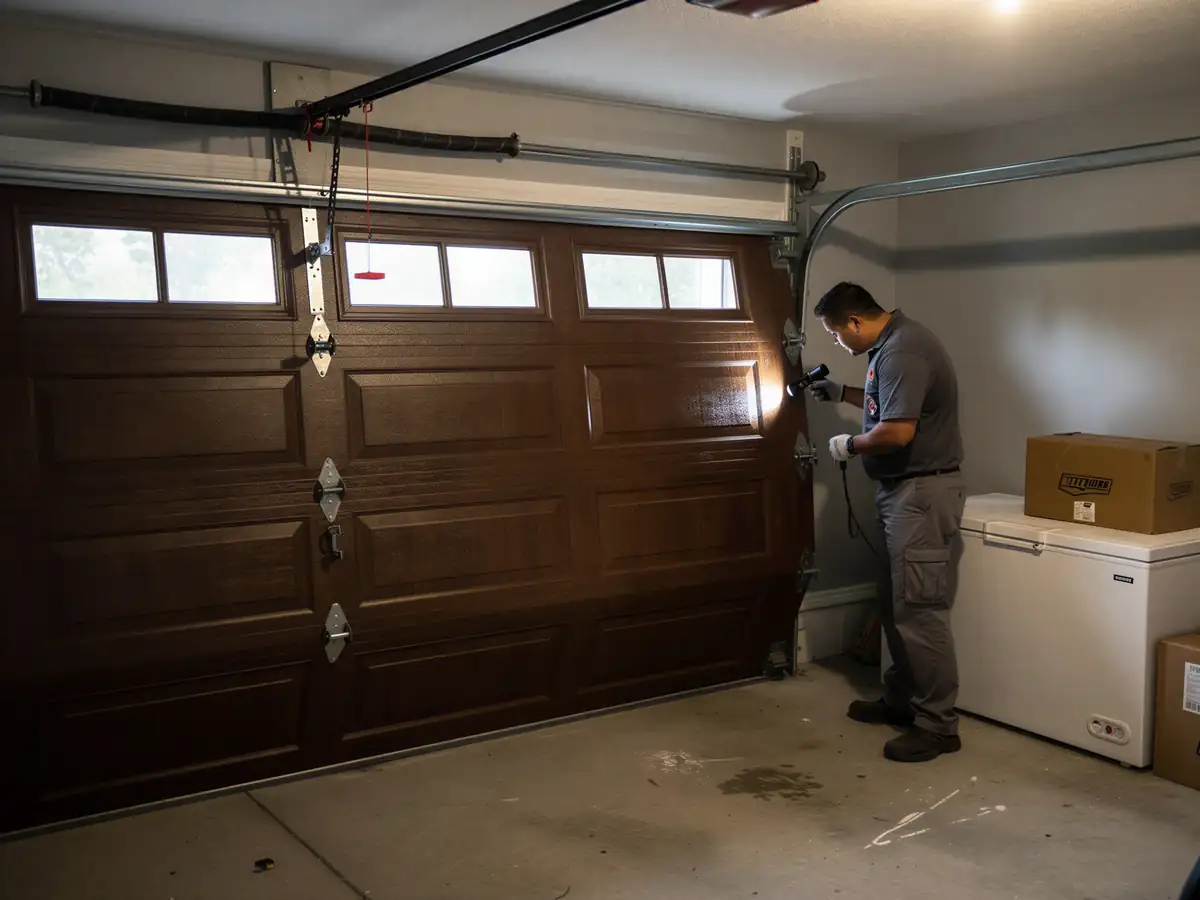
The complaint we hear most from this stretch is a door that's suddenly heavy to lift by hand, or an opener that strains and reverses partway up. On a house from the 1956 era, that's almost always a spring that's lost tension, not a motor problem - the opener is just trying to do a job the spring used to help with. A second common one is noise: a grinding or popping sound as the door travels, which on older track hardware is frequently a roller that's worn oval instead of round, no longer riding smoothly in the track.
A less common but real issue on houses this age is a bent track from decades of minor impacts - a bike, a bumper, a ladder - that's gone unnoticed because the door still closed. It just closes rough. We'd rather tell you that over the phone than have you spend a visit fee finding out it's something small.
Doing It Yourself
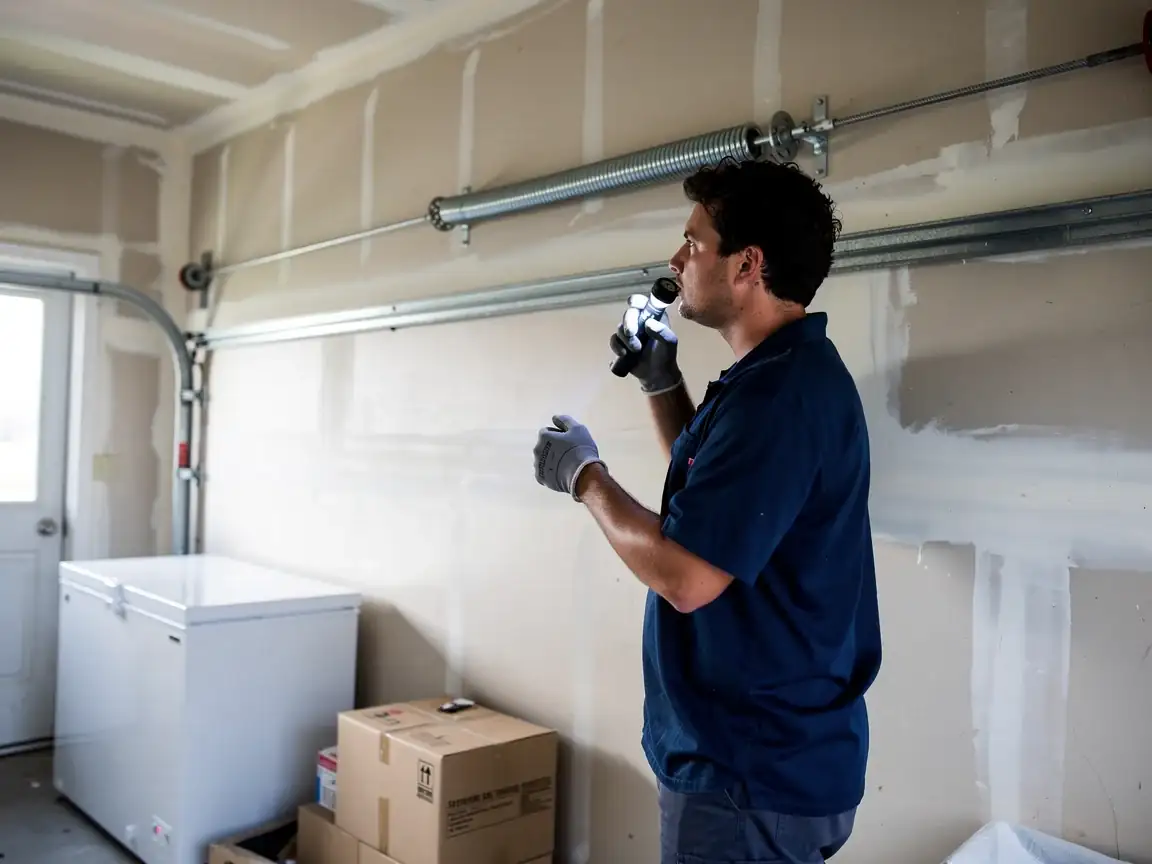
Lubricating hinges and rollers with a garage-door-specific lubricant (not WD-40, which attracts grit) is safe to do yourself and worth doing every six months in a climate this cold, since the seasonal temperature swing is what dries out old grease fastest. Tightening visible hardware bolts is fine too, as long as the door is down and the opener is unplugged.
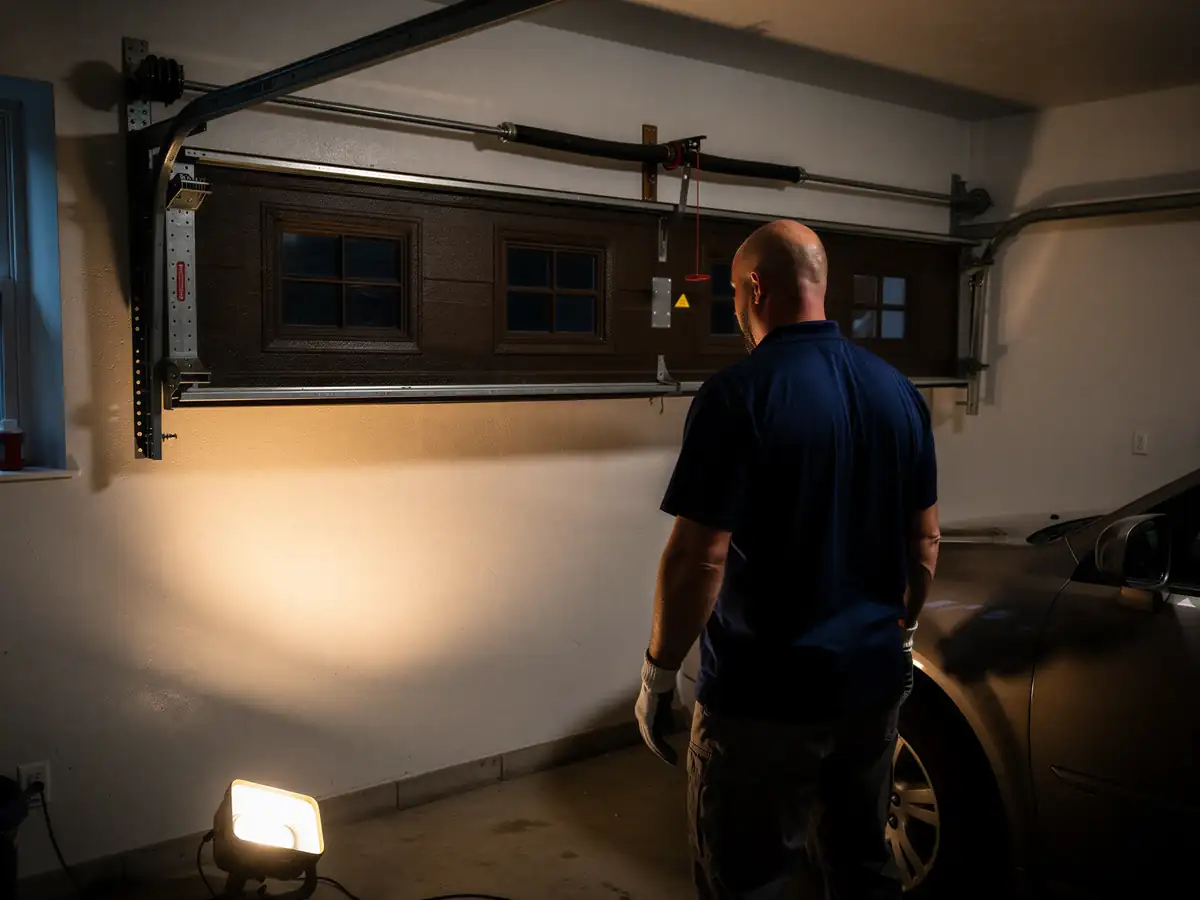
What we don't recommend touching yourself: the torsion spring itself. On a 1956-era door the spring is often an older size that stores more tension than people expect, and the tools to wind or unwind it safely aren't something most households own. We'd rather get the call for that one.