The Complications
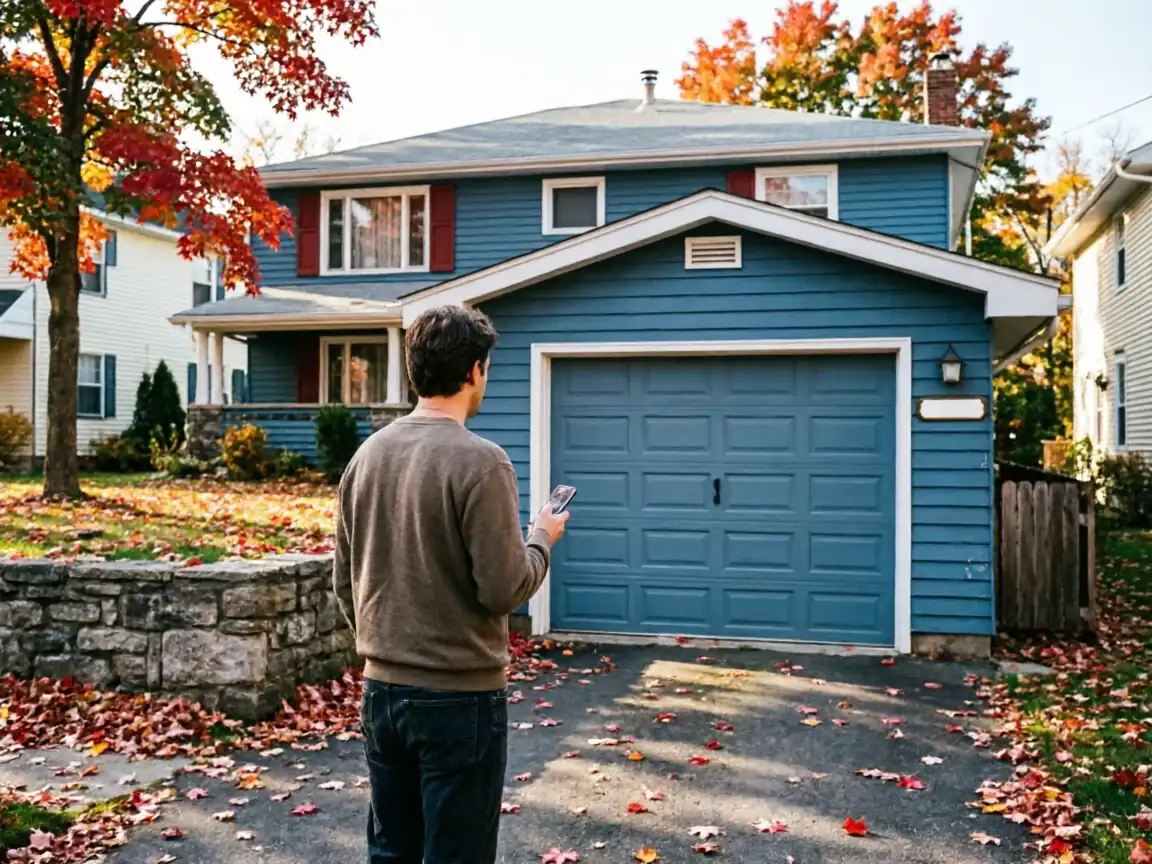
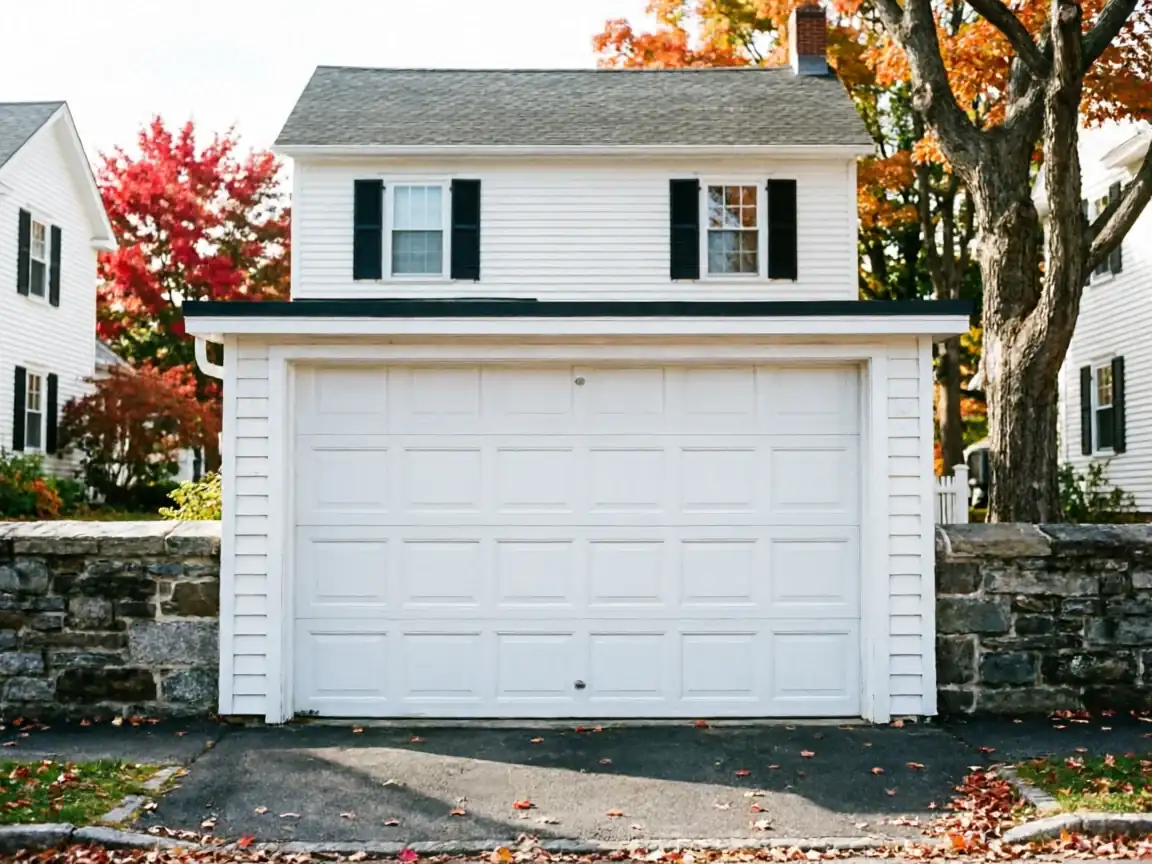
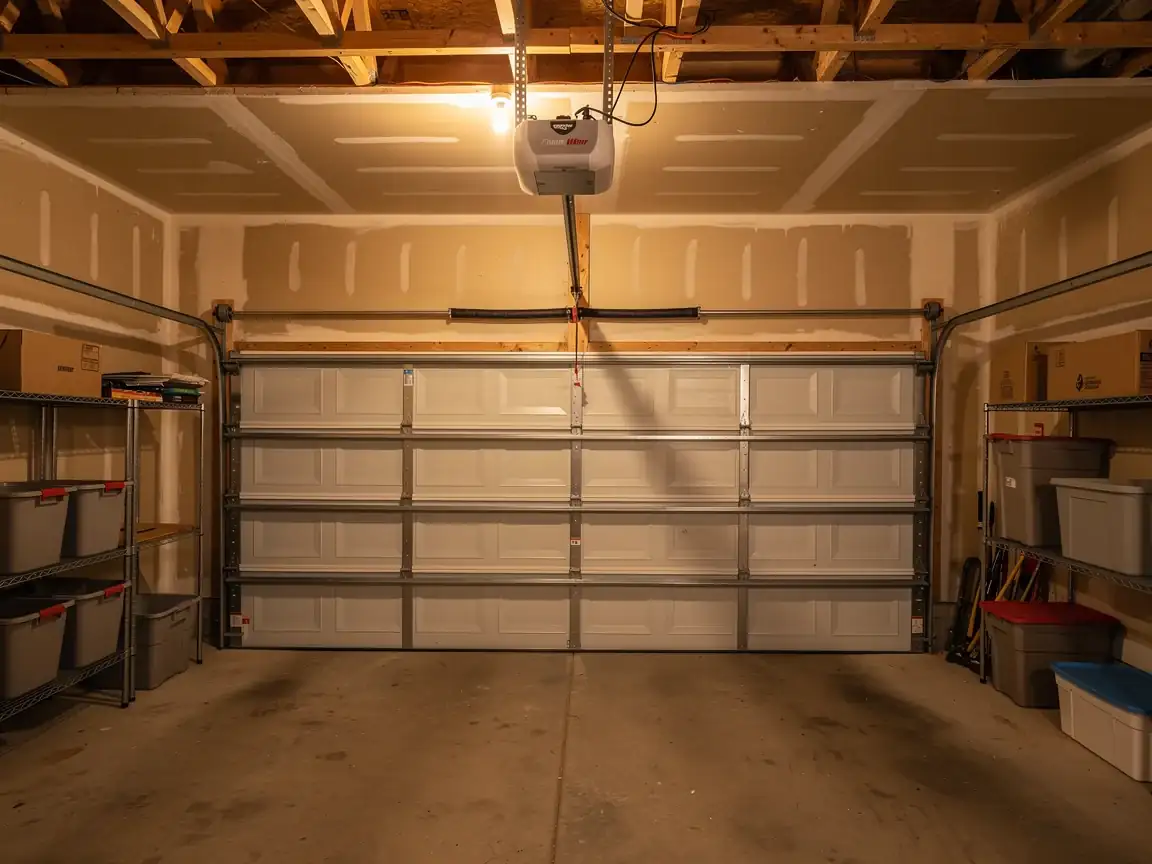
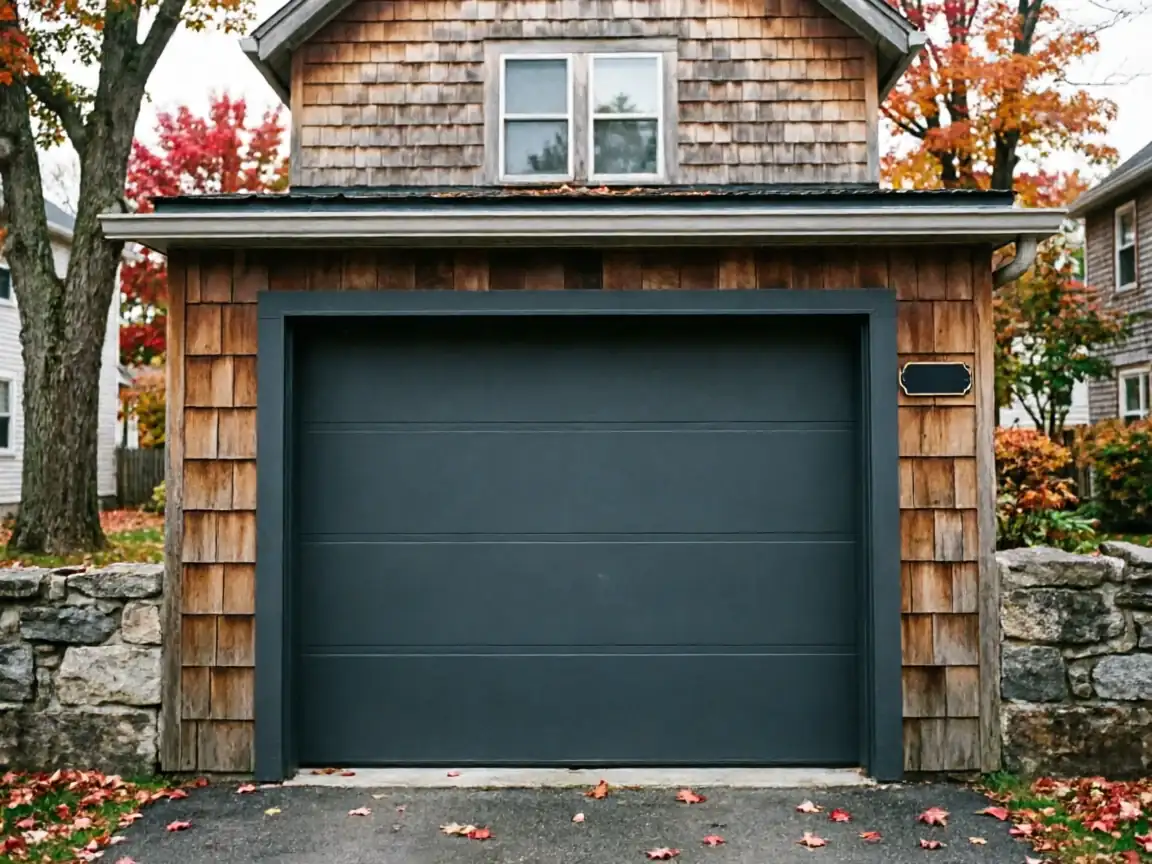
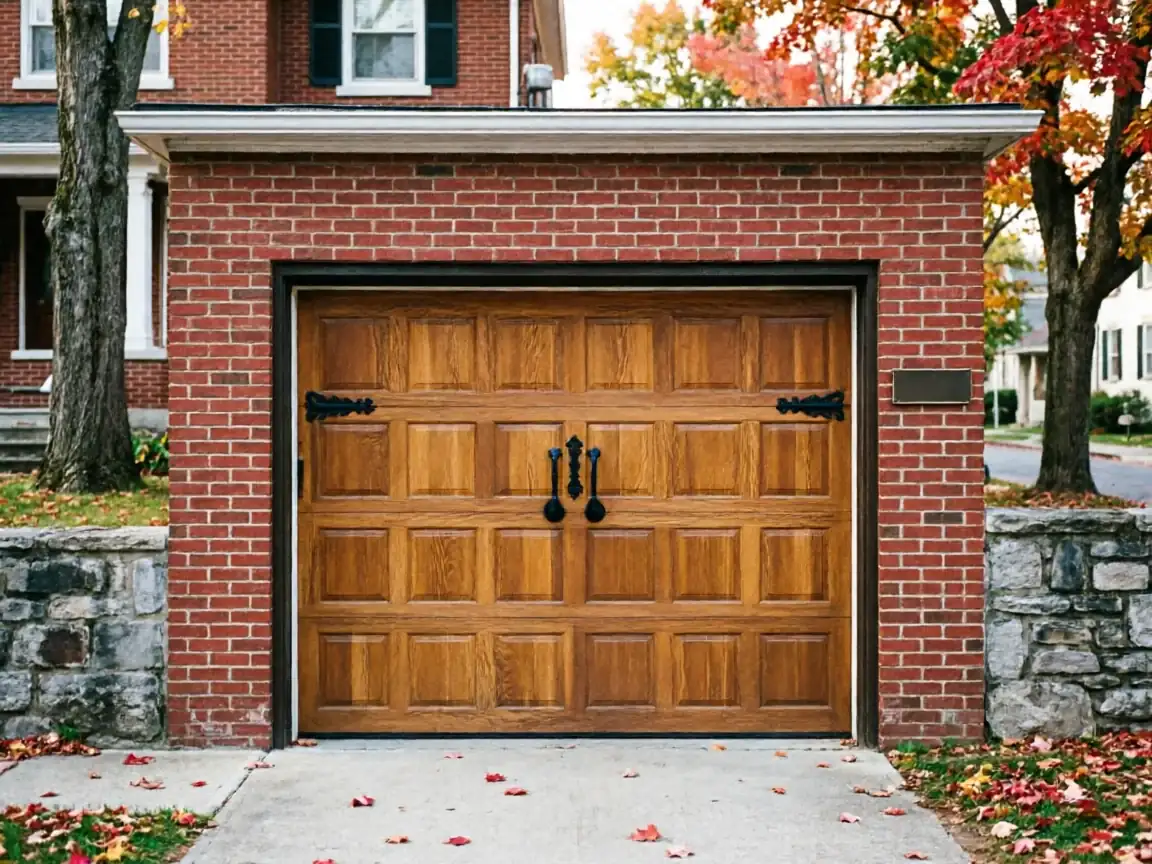
South Kensington's housing stock centers on 1956, about ten years ahead of the 1973 median across the wider service area. That gap matters on a job site. A door built for a 1956 opening is often narrower than the 16-foot double-bay standard you see in newer construction, and the framing around it was built to clear a lighter, single-layer door - not the heavier insulated sections that handle this region's weather.
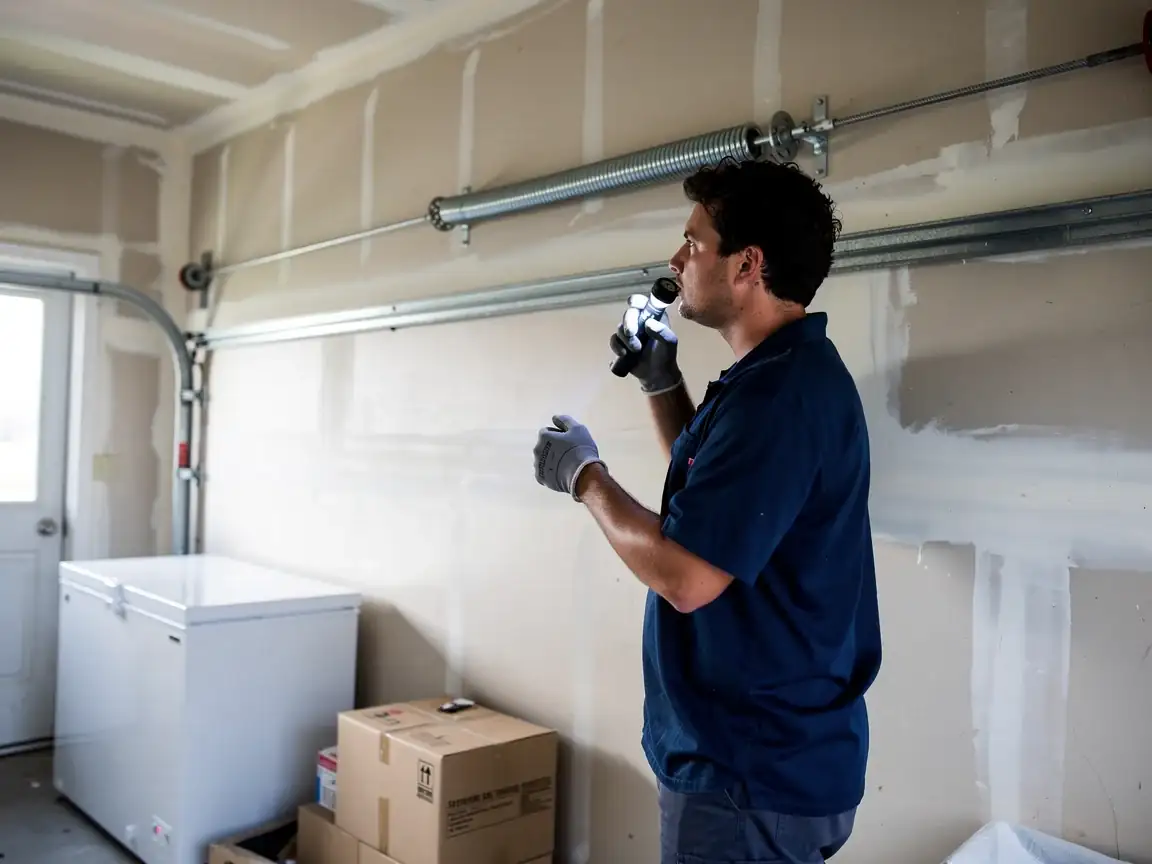
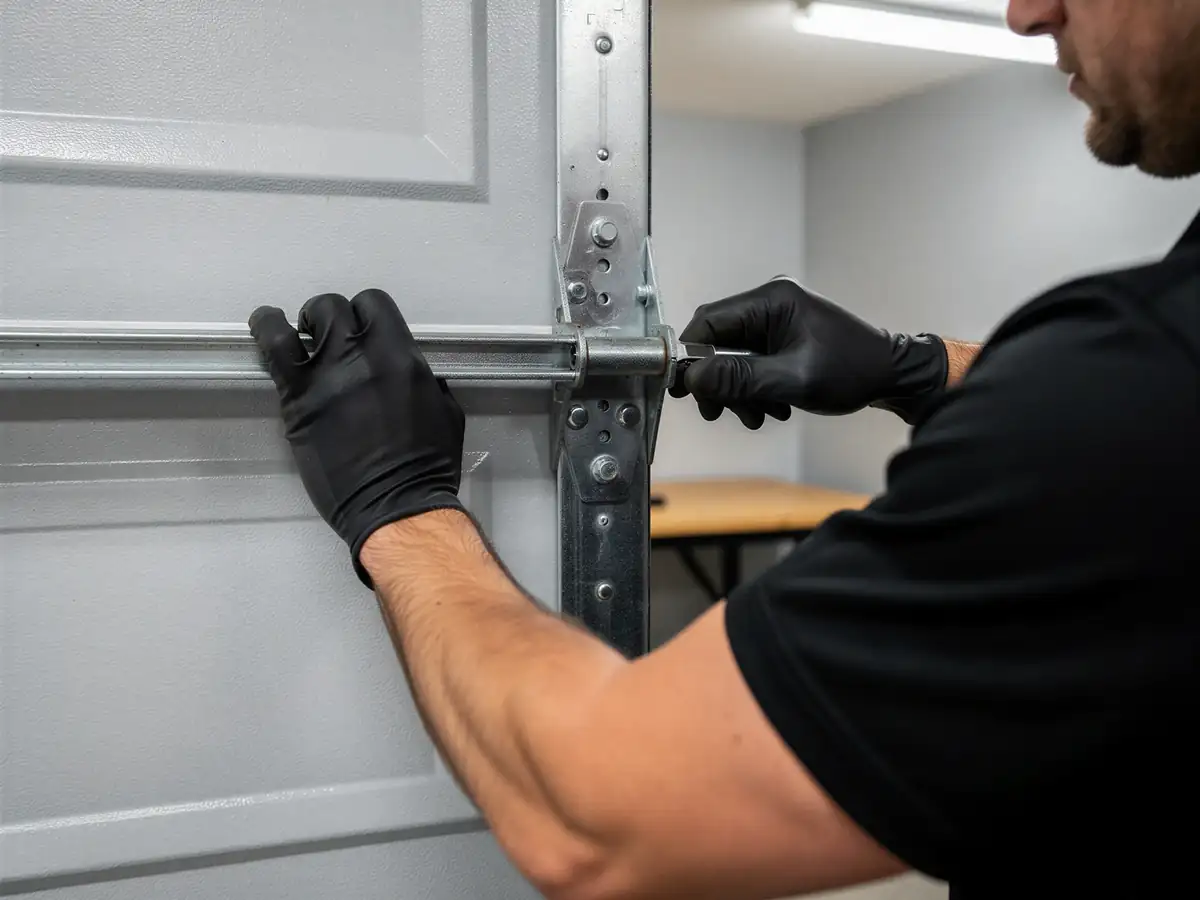
The service area sits in a cold climate band rated severe, and a door and opener that have run through six decades of that cycle - expansion in summer, contraction in deep cold - don't hold tolerances the way a newer one does. Tracks shift. Mounting brackets that were torqued down in 1956 work loose in ways that aren't visible until the door is off its rollers.
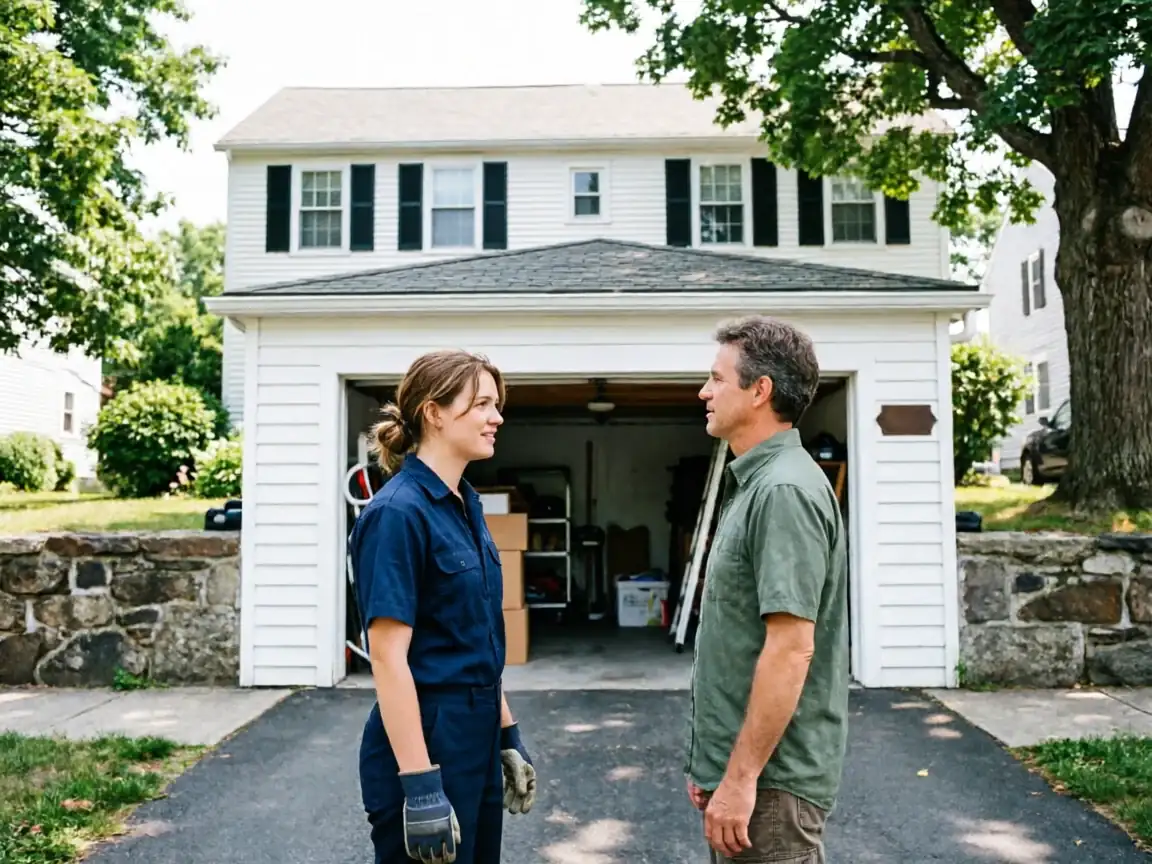
None of this means every house on this side of town needs the same door. It means the install crew has to measure the actual opening before ordering anything, because a stock size ordered off a national catalog sheet is a guess until somebody puts a tape to the frame.
What Is on the Truck
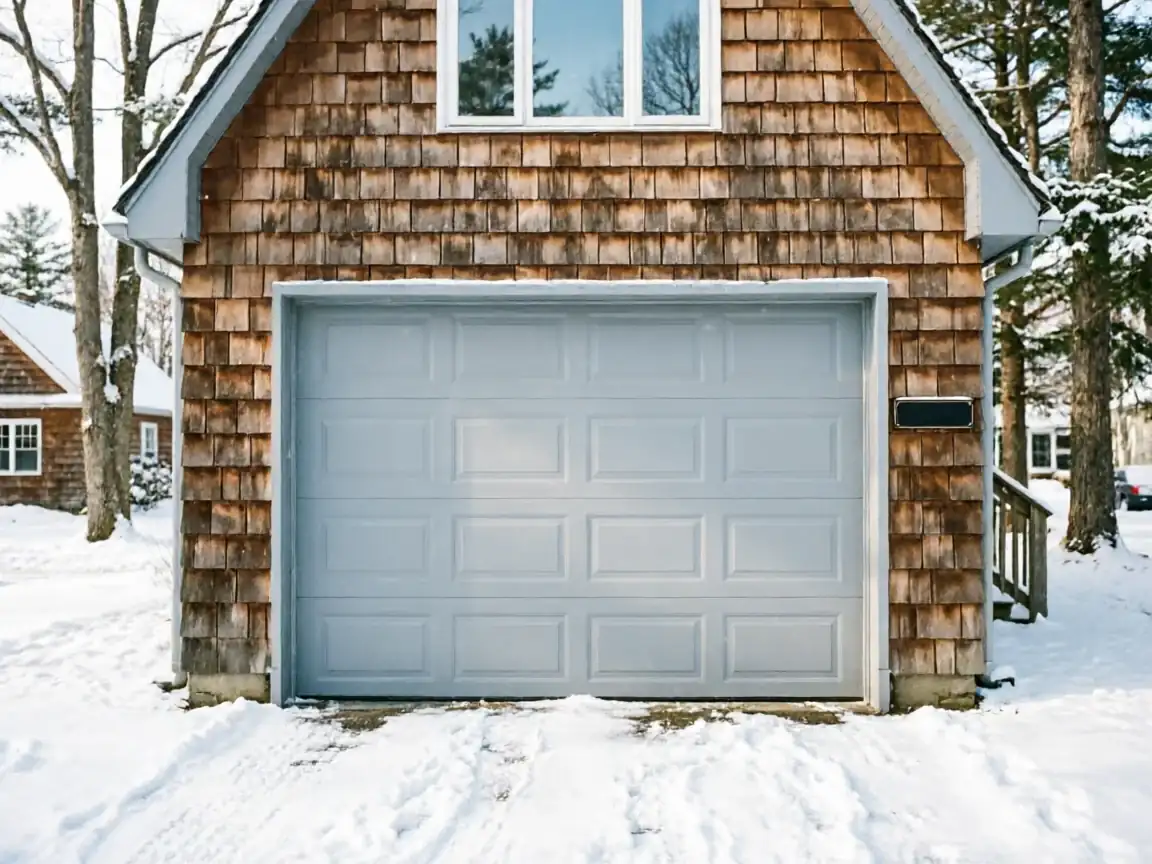
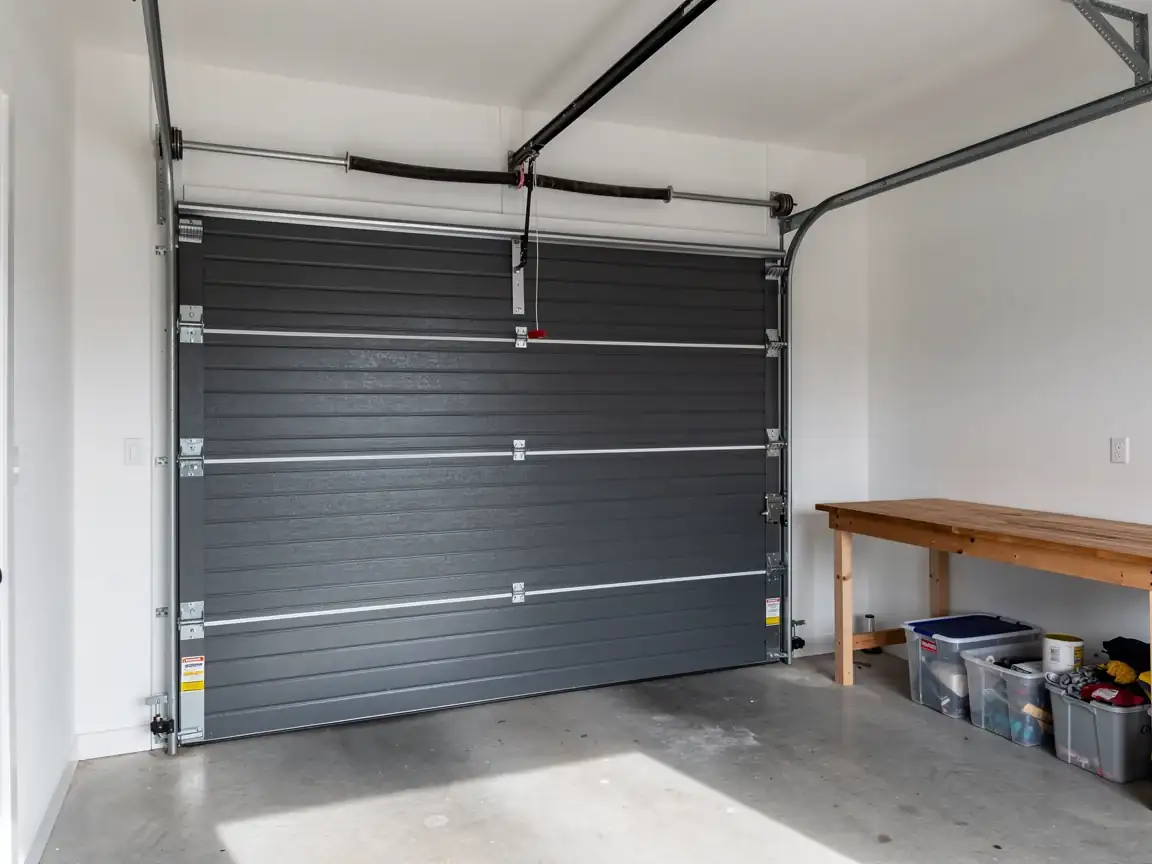
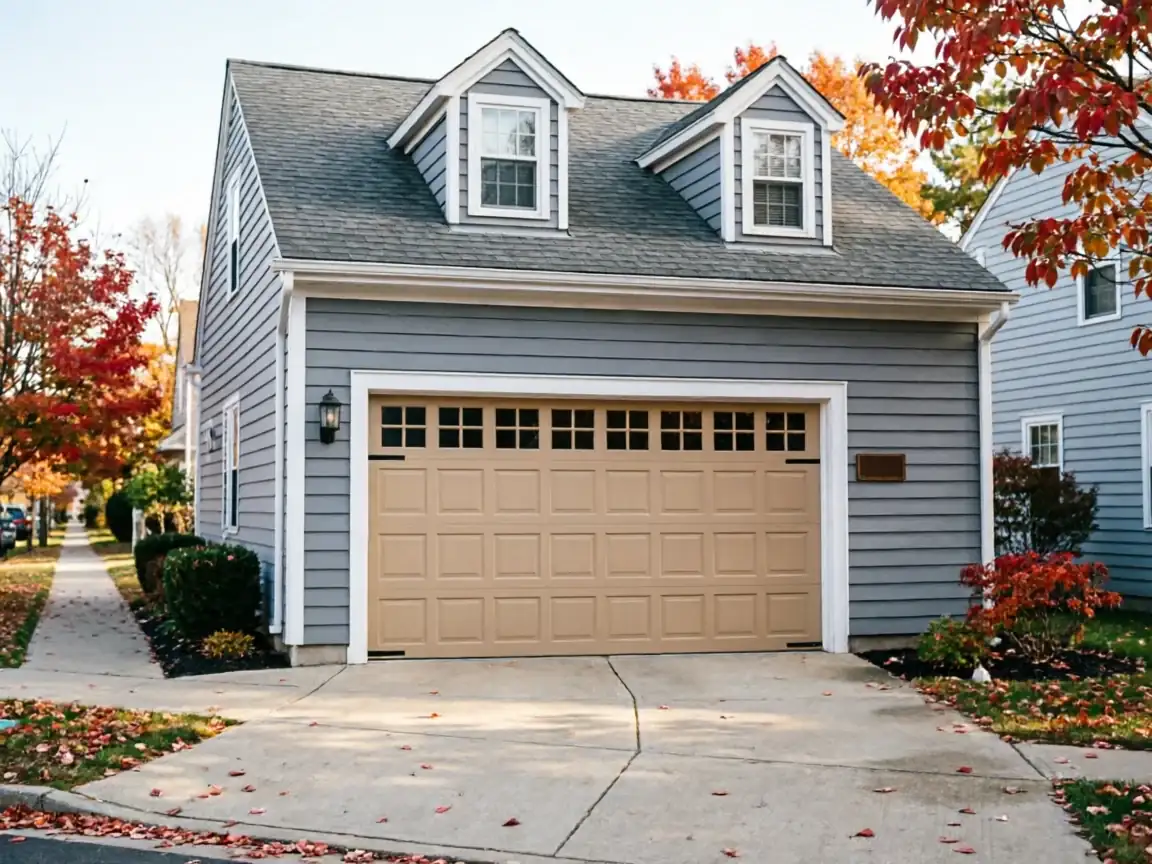
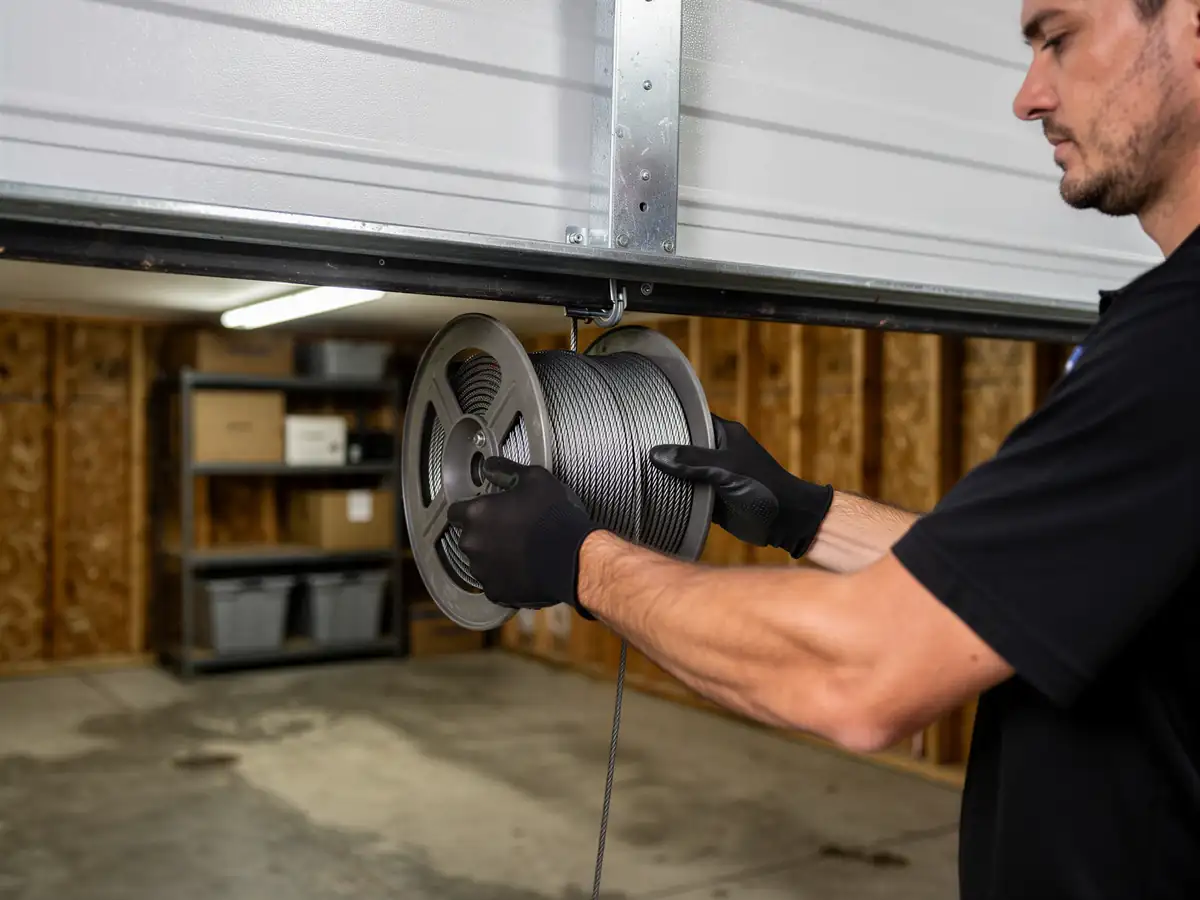
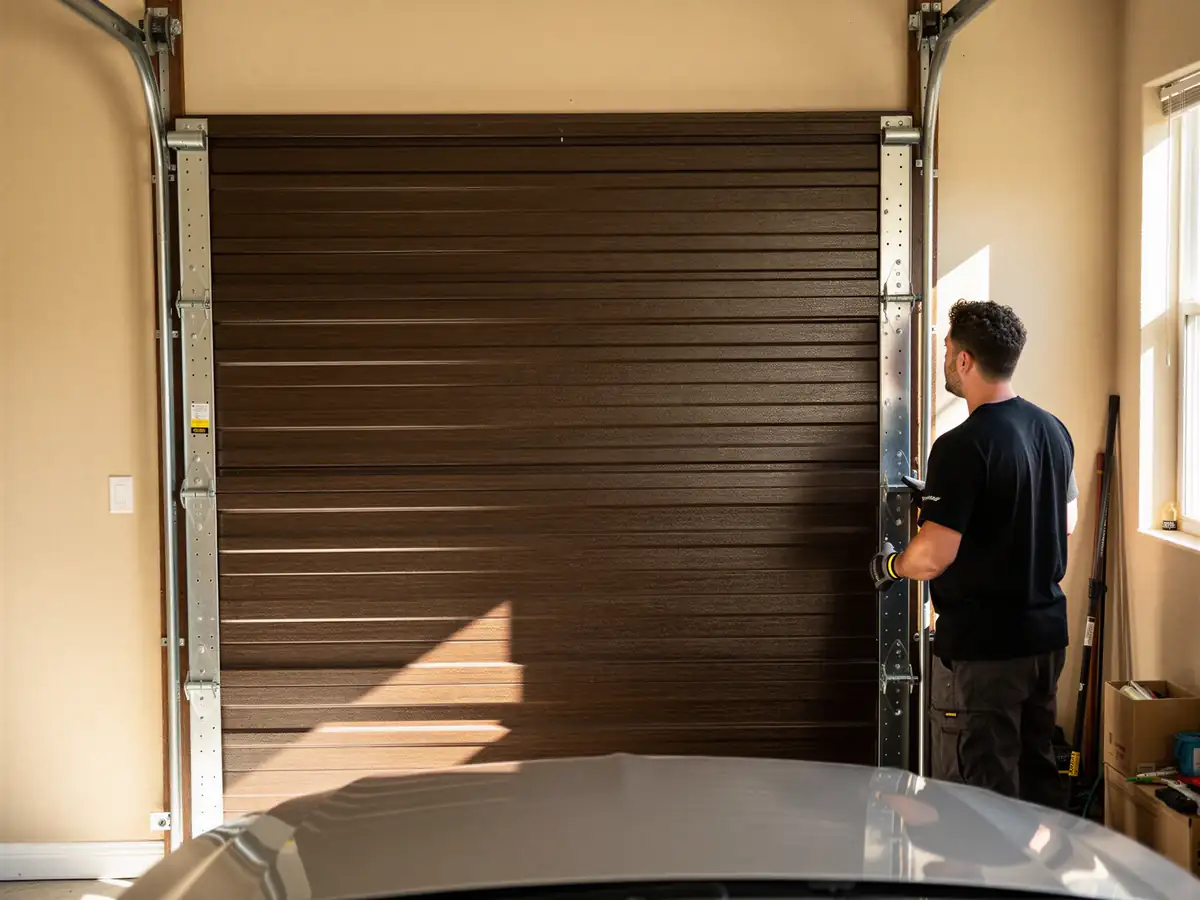
For a job in South Kensington, the truck usually carries a mix of standard insulated steel sections and the hardware to adapt them to an older frame
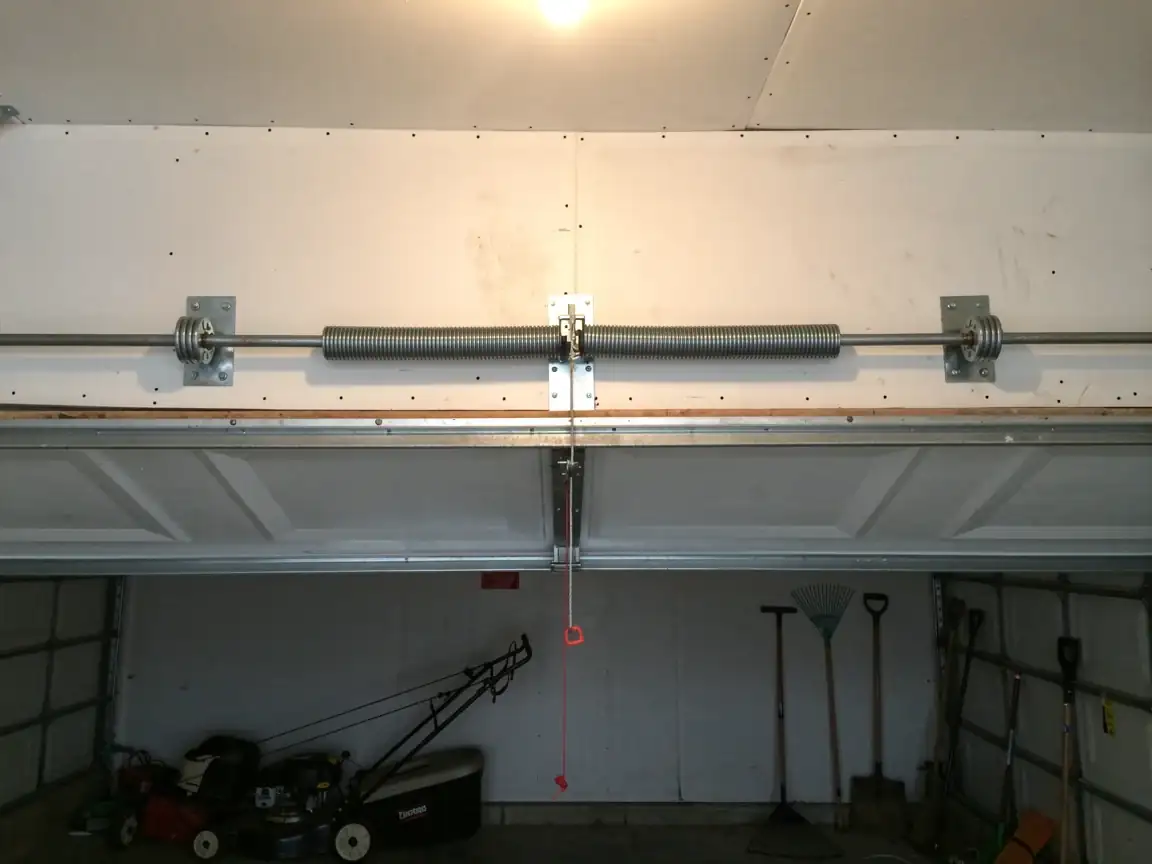
Wider jamb brackets, extension or torsion springs sized above the stock rating, and weatherstrip kits built for a gap that's grown slightly over sixty-some years of settling.
The median household income here, $193,793, is well above the $116,255 figure across the wider service area
Which is part of why insulated steel doors with heavier gauge panels show up more often on the truck for this street than economy models.
What doesn't go on the truck: anything we haven't measured for
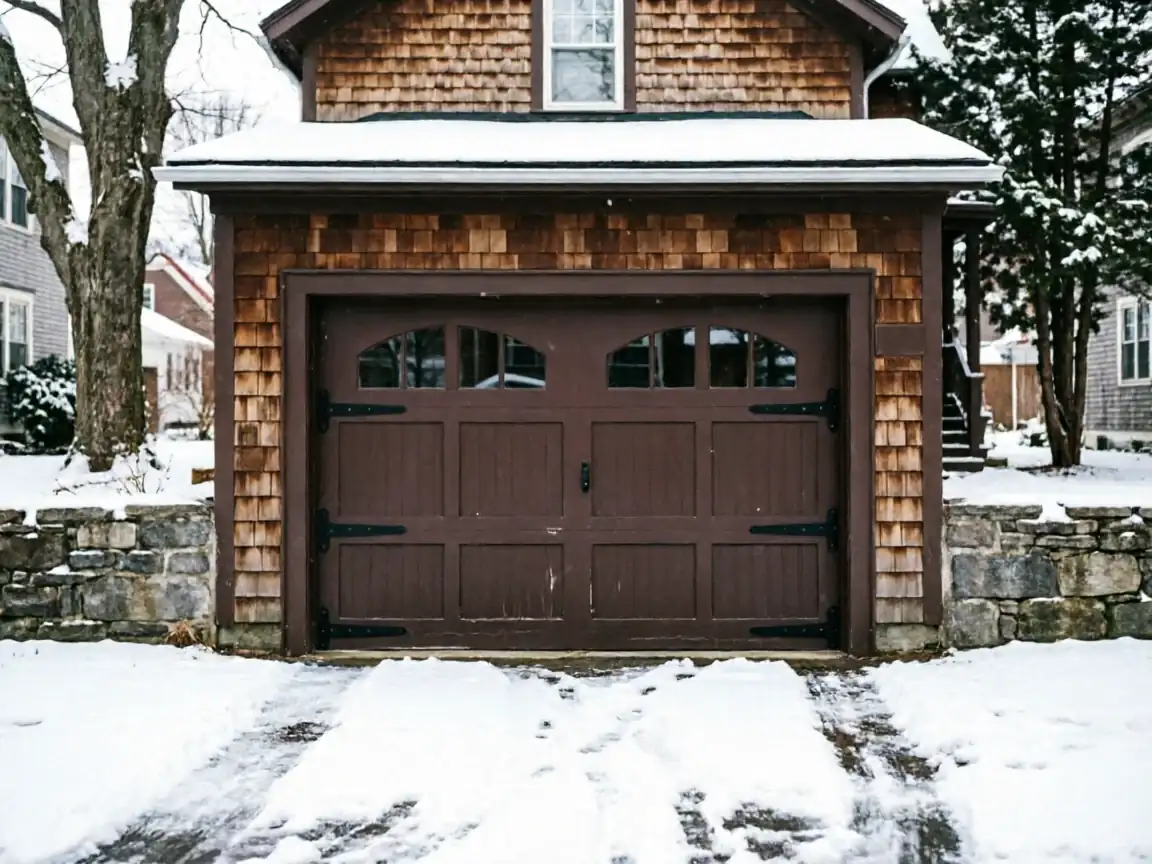
If the opening is non-standard - and in a neighborhood built before sectional doors were the default, that's common - the crew takes measurements on the first visit and orders the door to match, rather than forcing a stock panel into a frame it wasn't cut for.
The Symptom
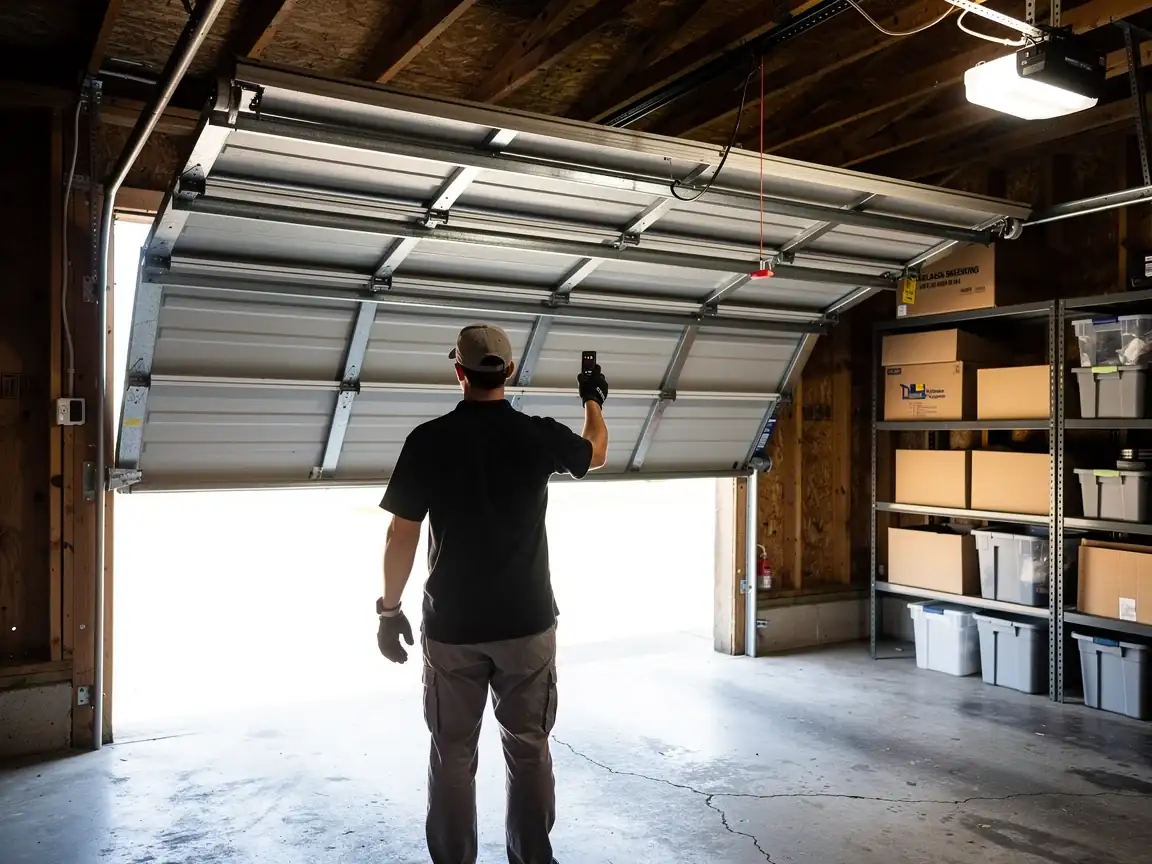
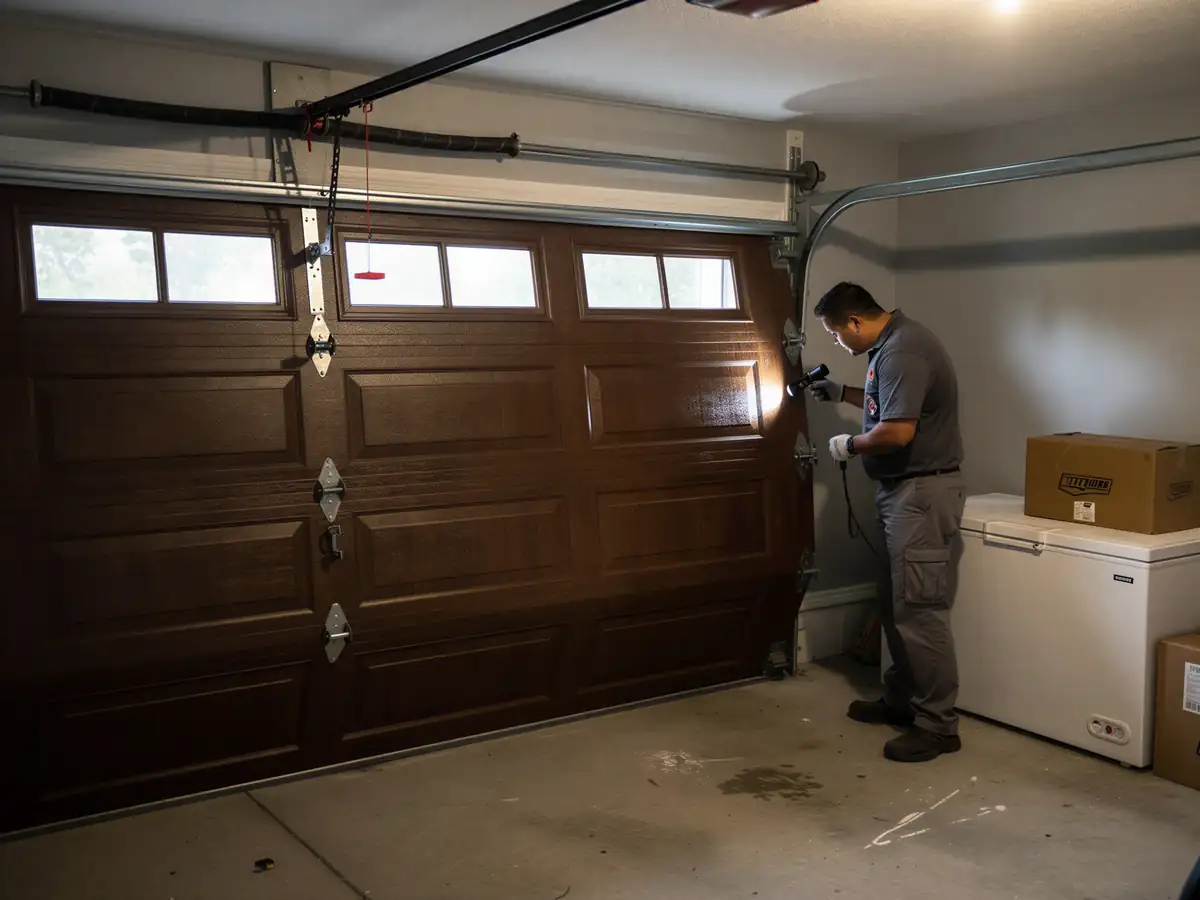
The call usually starts with one of two things: a door that's gotten heavy to lift by hand, or a panel that's started to bow at the bottom corner. Both point back to the same root cause in houses this age - the original track and spring setup was sized for a lighter door than what's often been bolted onto it over the years, or the hardware itself is original and has simply outlasted its rated cycle count.
In colder months, a third symptom shows up: a visible gap of daylight along the bottom seal or the sides, which on a 1956 frame usually means the weatherstrip has hardened and cracked rather than compressed the way it should. None of these are complicated to diagnose once someone's standing in front of the door. They're just more common here than in a newer subdivision, because the hardware's had more decades to wear.
Doing It Yourself
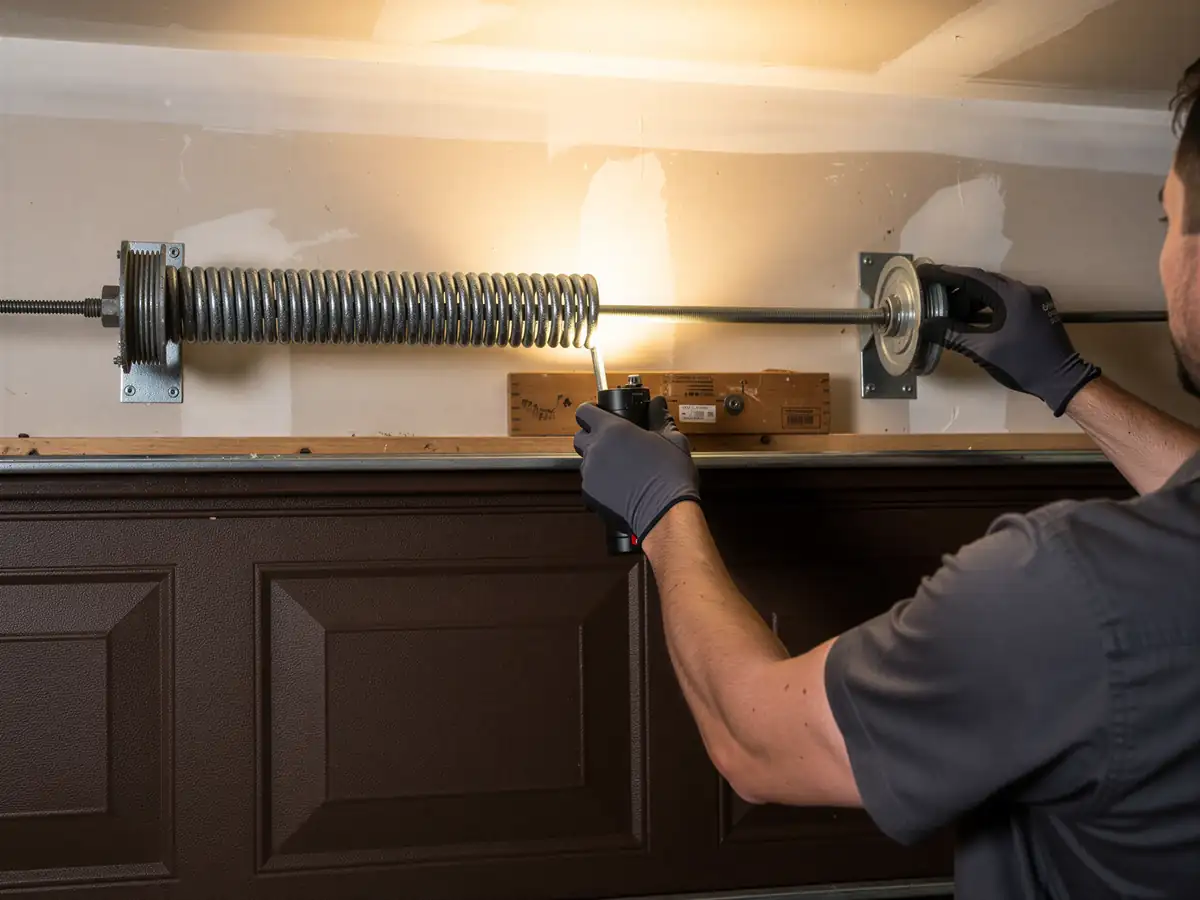
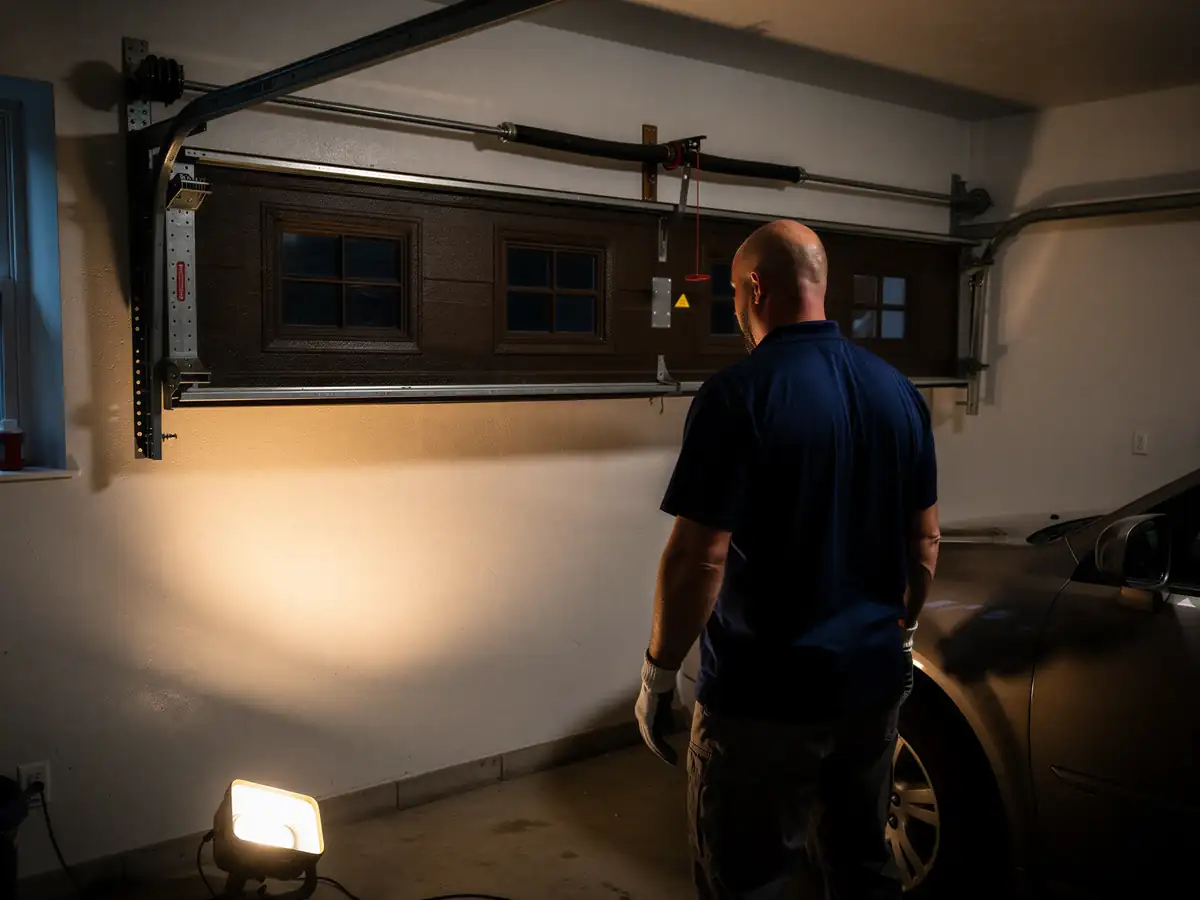
A torsion spring replacement or a full door swap on an older opening is not a weekend project, and we'll say that plainly: the spring is under enough tension to cause a serious injury if it's wound or released wrong, and on a house this age the mounting bracket itself may not be rated for a standard modern spring without reinforcement.
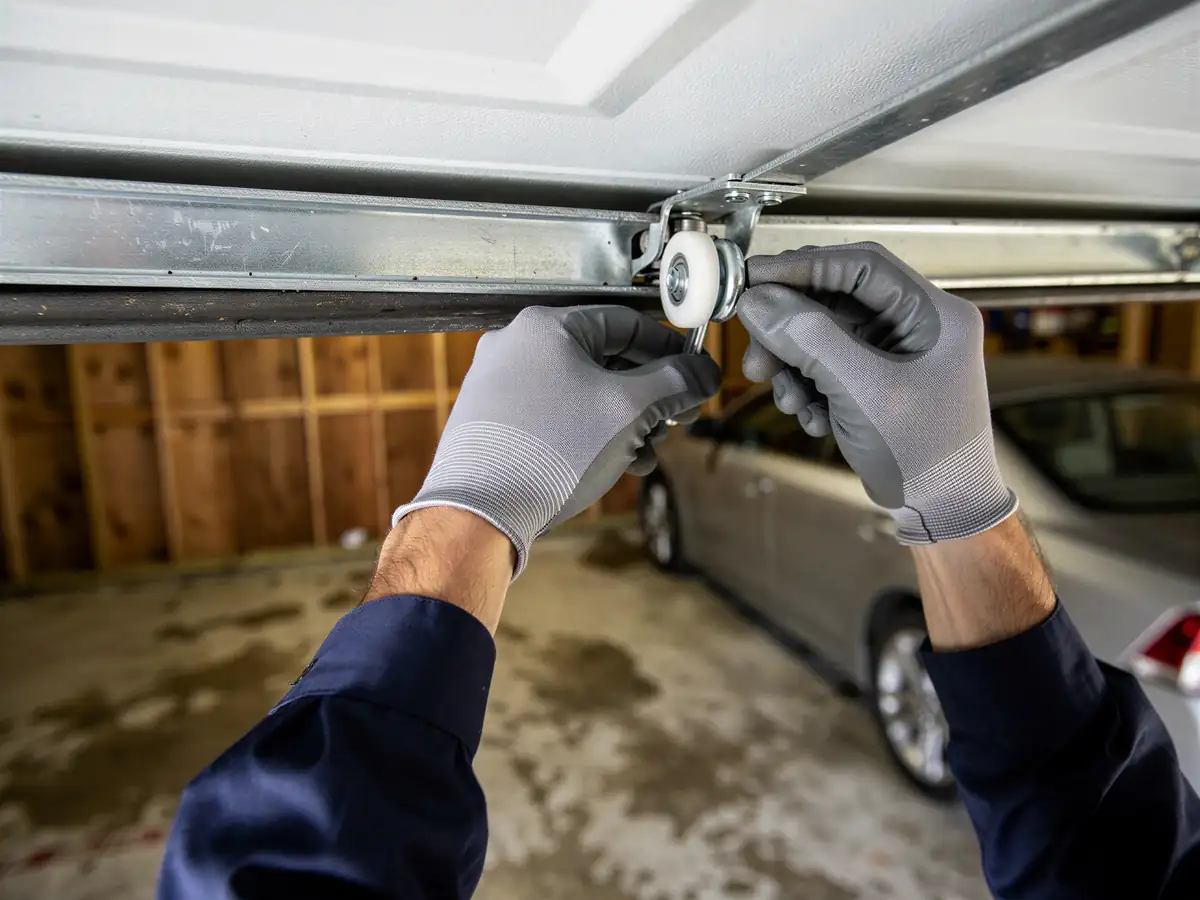
What a homeowner can reasonably handle: tightening visible hardware, lubricating rollers and hinges, and checking the weatherstrip for obvious cracking before deciding whether the whole door needs replacing or just the seal. If the door is original to a 1956 build and you're seeing rust on the track or a spring that looks stretched rather than coiled, that's past the point where a tube of lubricant fixes it.
Here's the honest limit on our side too: we don't carry every obsolete bracket size on the truck for a one-off repair on a sixty-year-old frame. Sometimes the right call is a full replacement, not a patch, because sourcing an exact match part costs more in time than the door is worth.
Booking a Visit
South Kensington sits about 3 miles from the Bethesda shop
Close enough that a measurement visit and the install itself are usually two separate, straightforward trips rather than a logistics project. We don't keep a branch in South Kensington - the crew and truck come from Bethesda - so the same team that measures your opening is the one that installs the door.
- 3 miles
Before you call, have the age of the house handy if you know it, along with anything you've noticed
A door that's hard to lift, daylight at the seal, or a panel that's started to sag. That's enough for us to bring the right hardware the first time instead of a second trip for a part we didn't know we needed.
See the South Kensington area page for what else we cover nearby
Or check the Bethesda installation page for the full rundown of how a new door install works start to finish.