The Complications
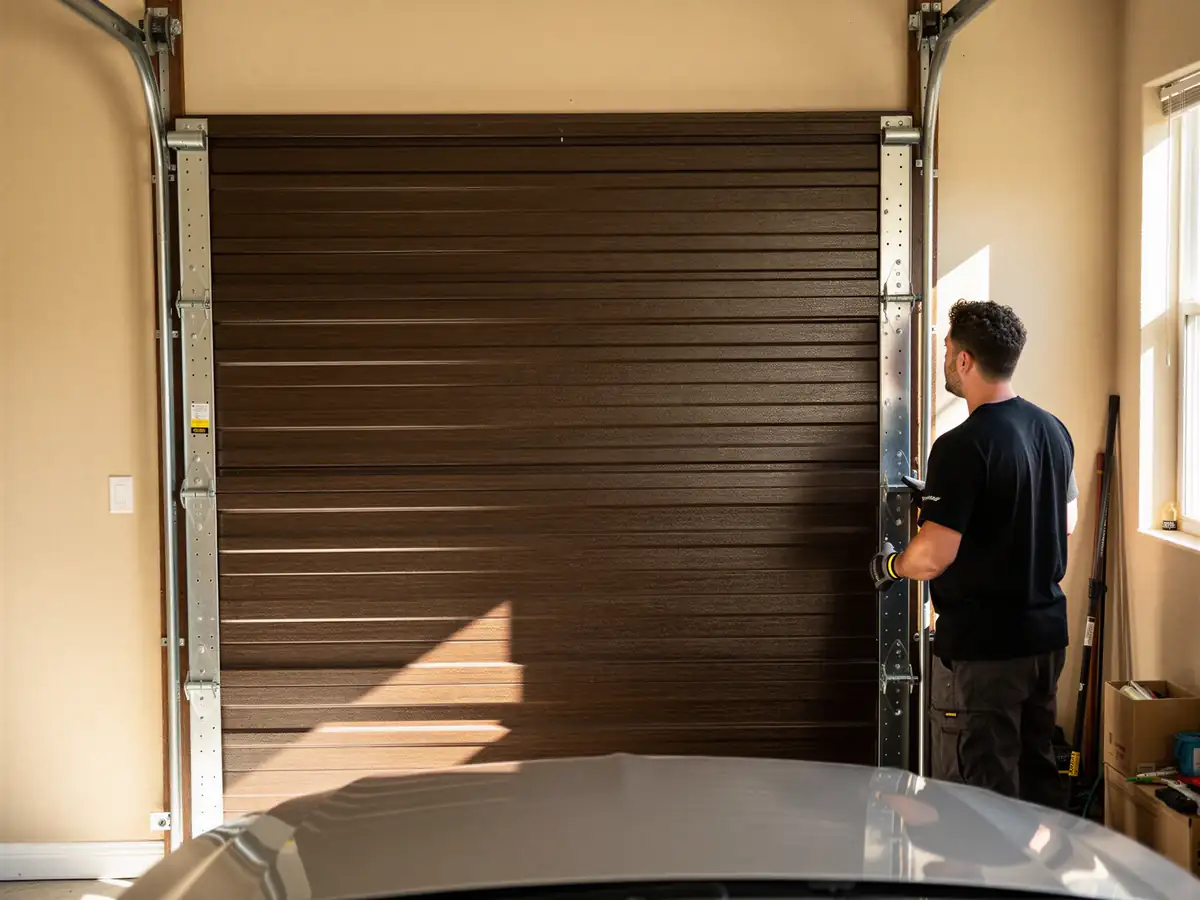
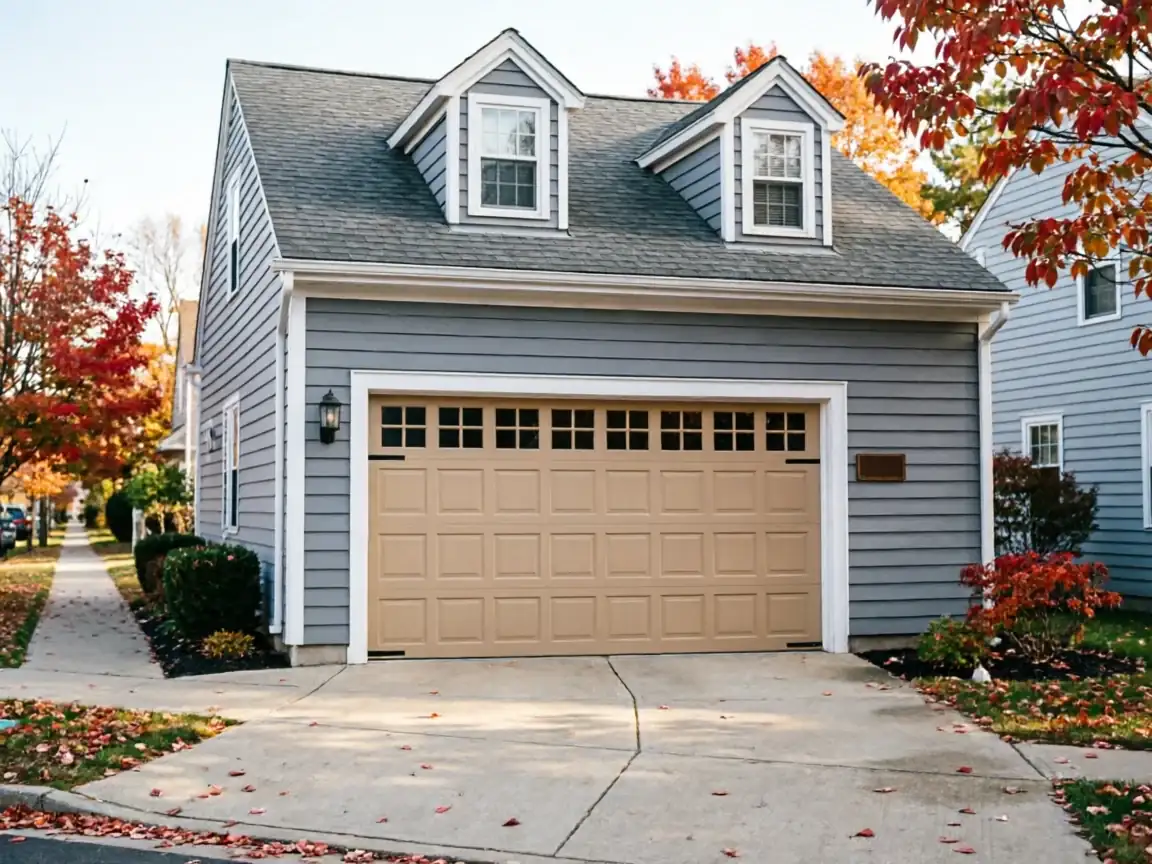
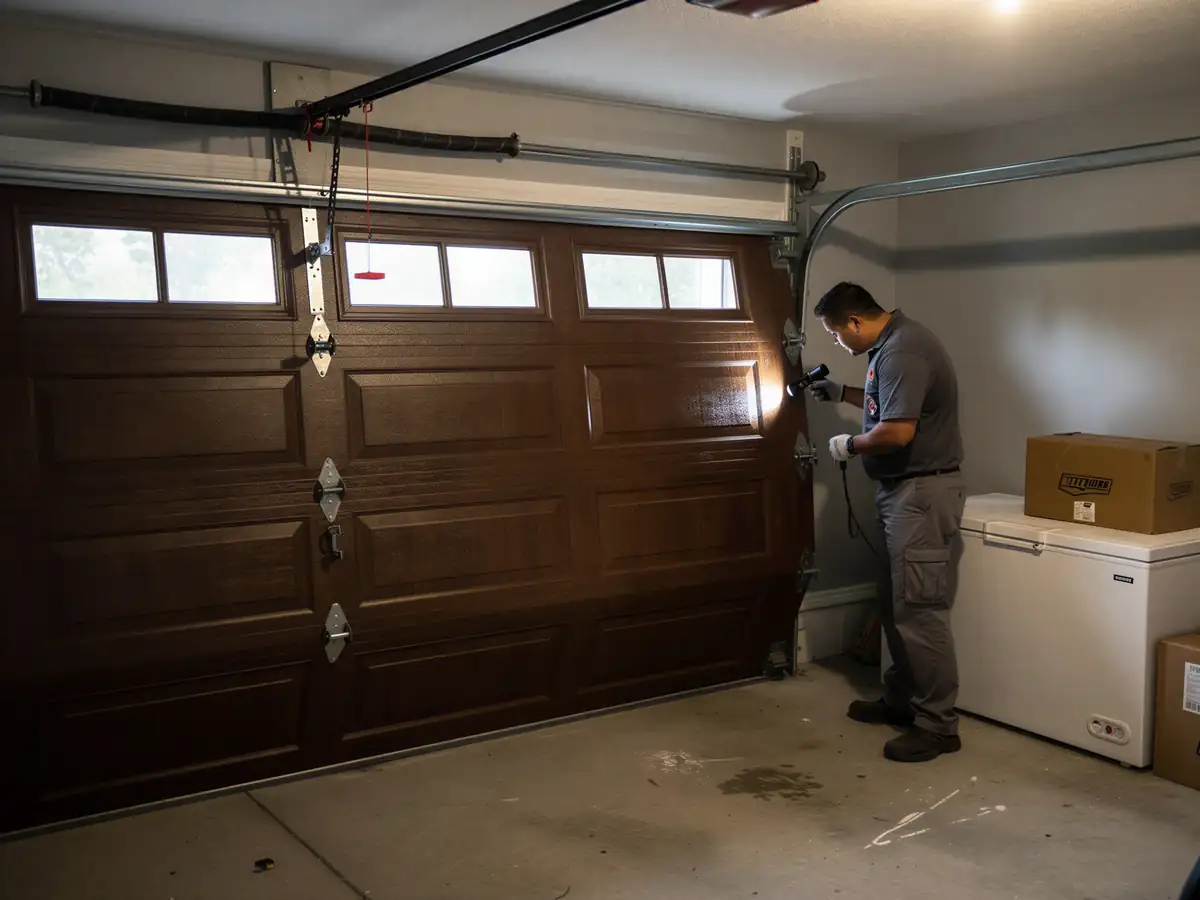
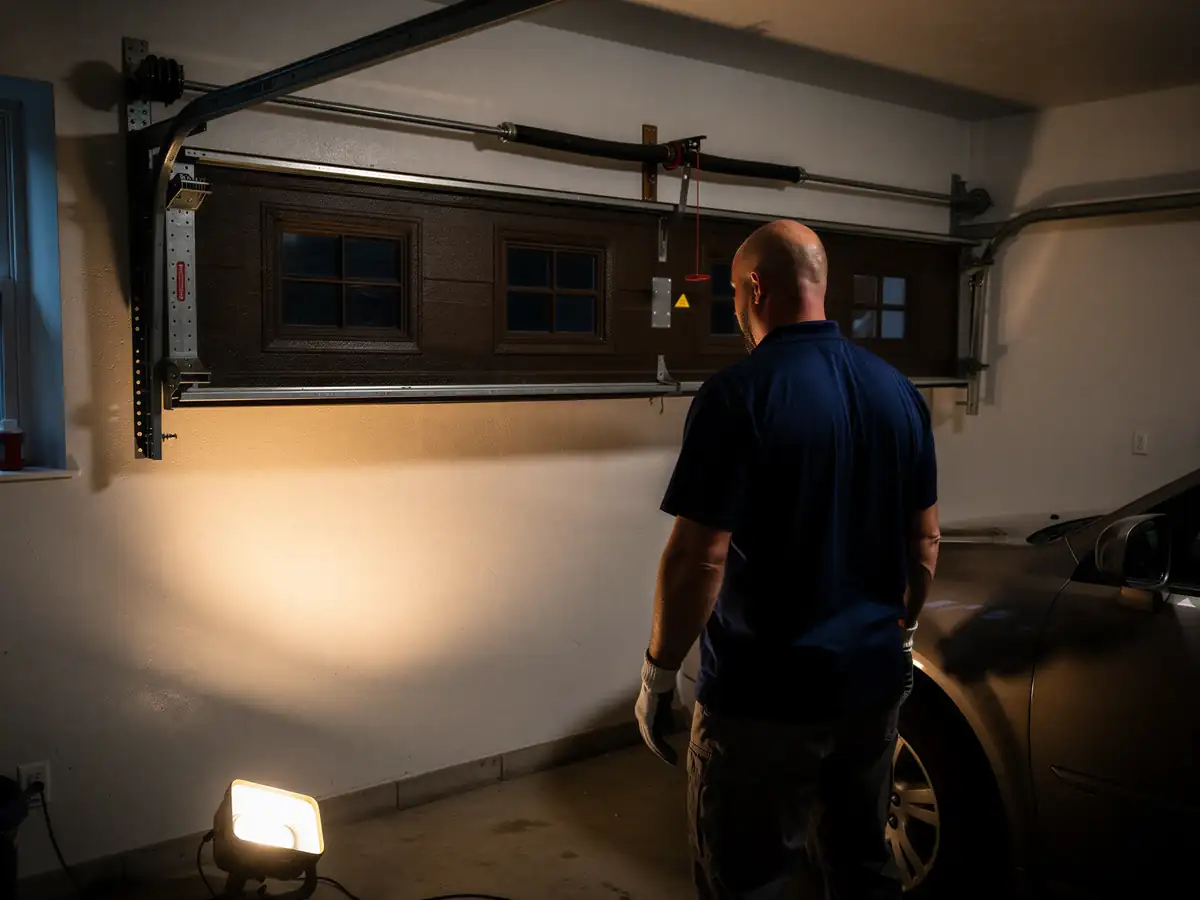
South Kensington sits about three miles out from Bethesda, close enough that a roller job here doesn't turn into a half-day trip, but far enough that we plan the truck load before we leave rather than guessing on site. With roughly 2,836 households in this pocket, the housing stock runs tighter and older on average than a lot of what we see elsewhere in the service area - most of these garages went up around 1956, well before steel rollers with sealed bearings were standard equipment. A lot of these doors still run on the original style of track, which was cut for 10-ball steel rollers, not the 7-ball nylon rollers that show up in most hardware store kits today. Swap the wrong roller into an old track and you get a door that rattles going up and binds coming down, which the homeowner usually blames on the opener instead of the real culprit. The other wrinkle is the climate band this whole area sits in - severe cold swings mean the grease in old roller bearings gums up hard in January, and that stiffness puts more load on the spring than the roller was ever designed to carry. None of that shows up on a quick look from the driveway. It shows up once we've got the door off its track and can see what thirty-some winters actually did to the bearing races.
The Symptom
The complaint we hear most from this stretch is a grinding or clunking sound that gets worse as the door travels, not a sound that happens once and stops. On a 1950s track, that's almost always a bearing that's worn flat on one side, not a bent track - the steel rollers here were built to outlast the house, but sixty-some years of use and cold-weather grease hardening eventually flattens the bearing surface. You'll also notice the door hesitating at the same spot on every cycle, which is the flat spot on the roller hitting the same point in the track rotation. A door that jumps the track entirely, rather than just making noise, usually means a roller has already failed and come apart inside the track - at that point you're looking at a track repair on top of the roller swap, not just the roller swap.
Doing It Yourself
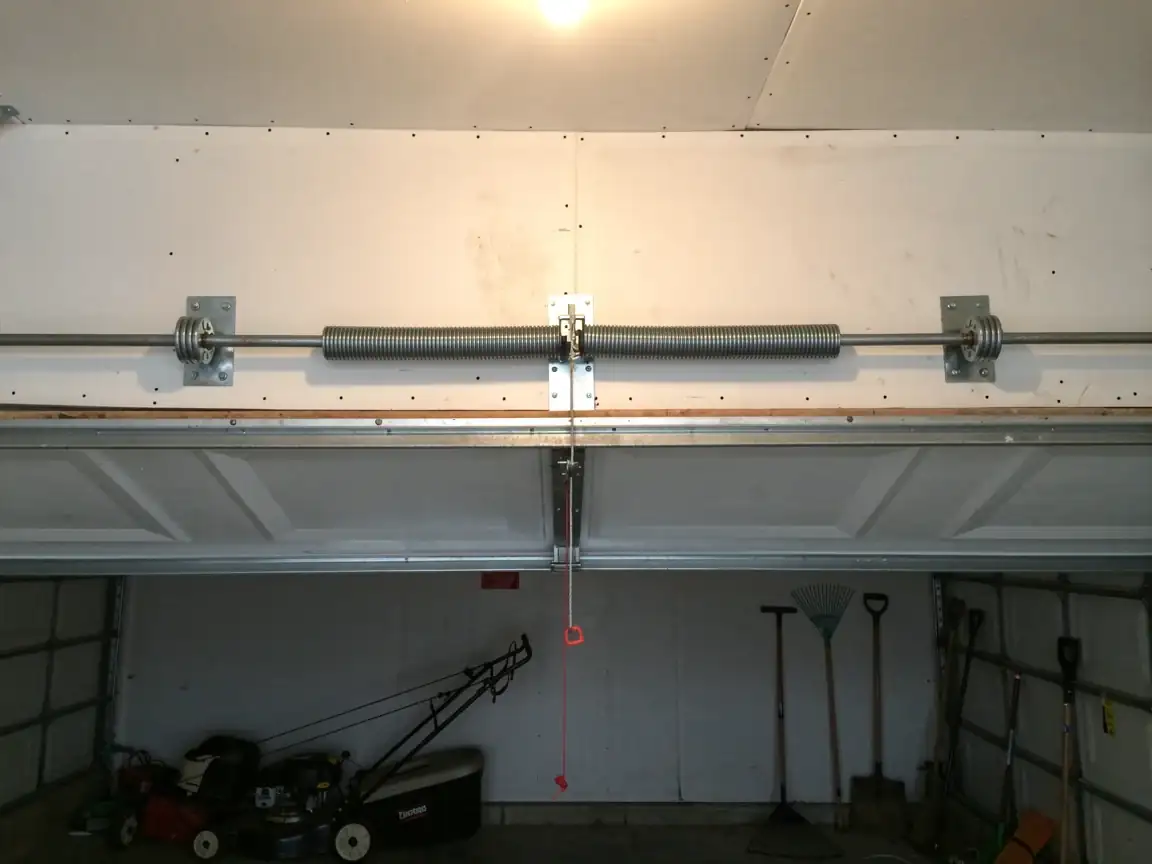
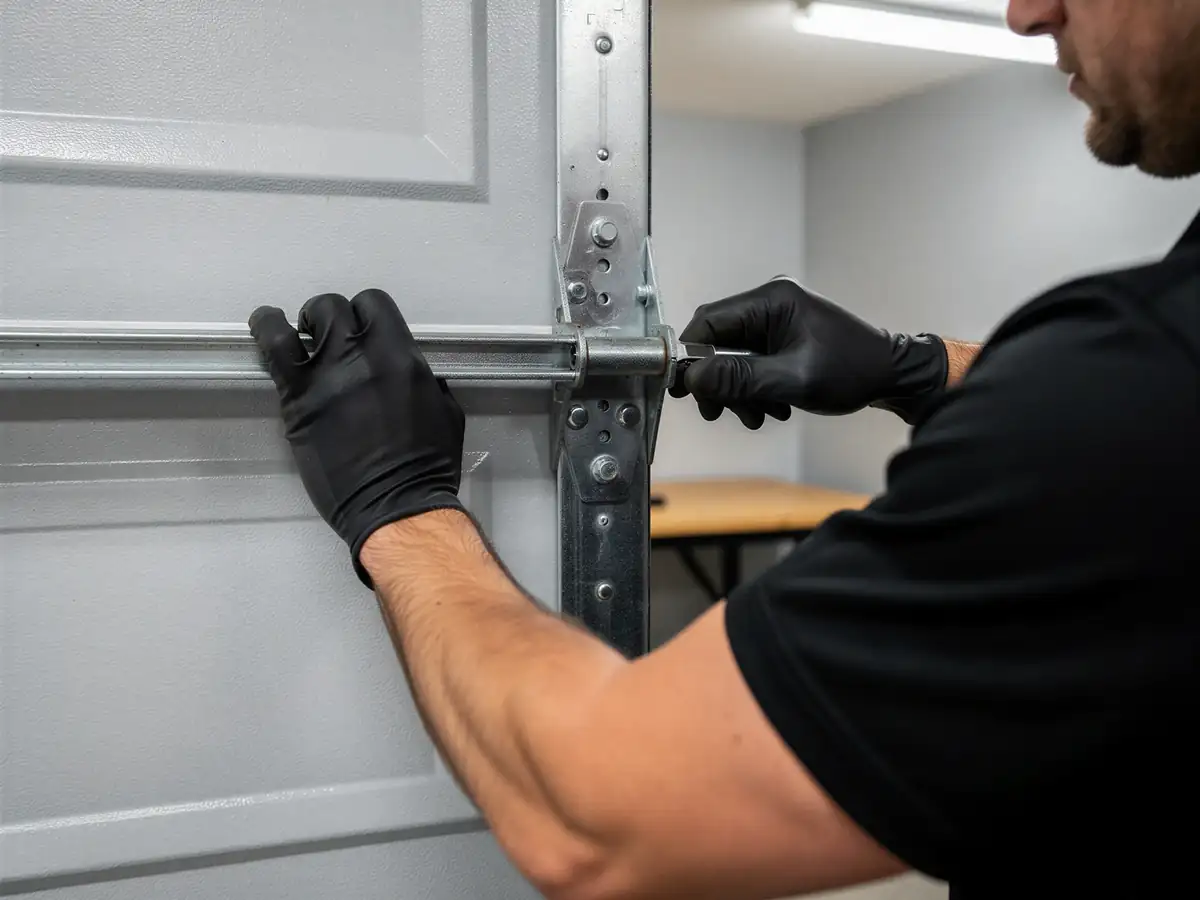
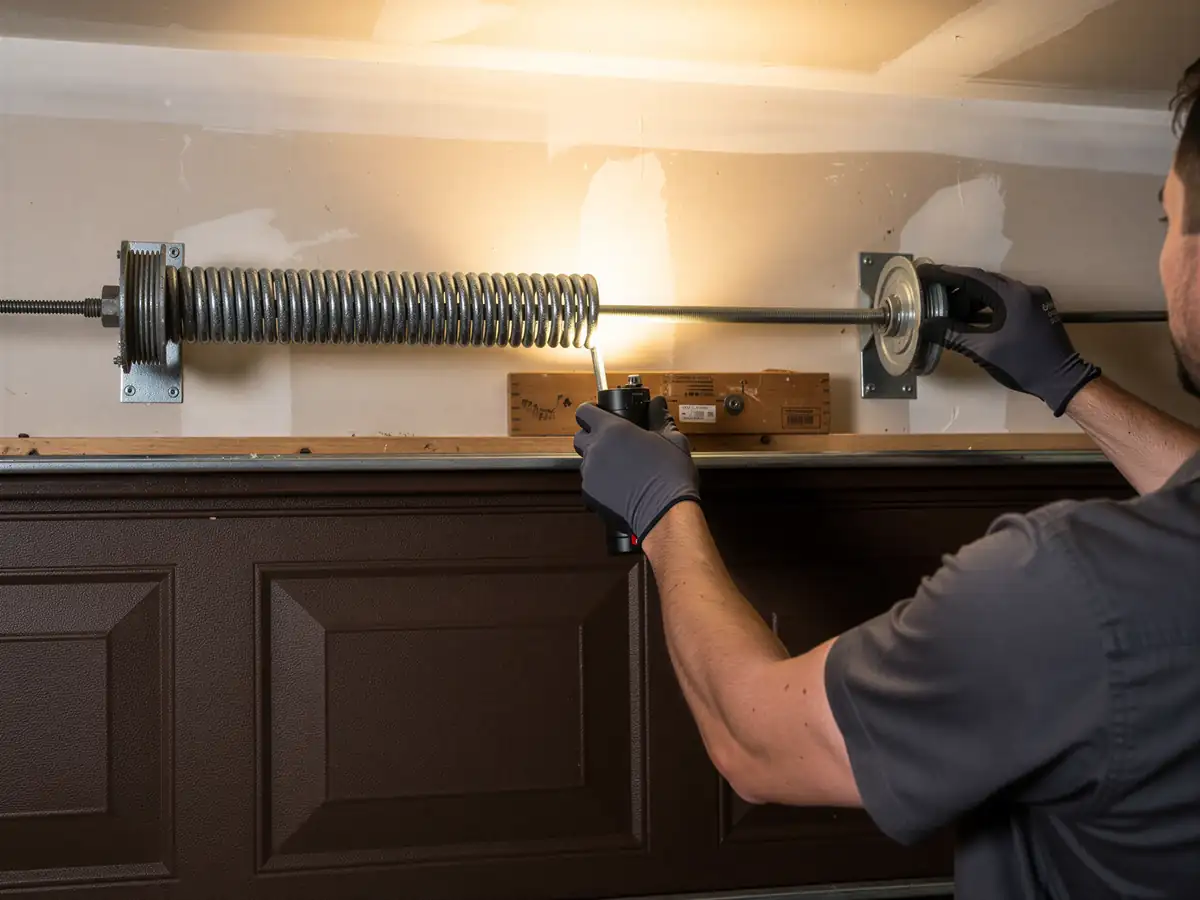
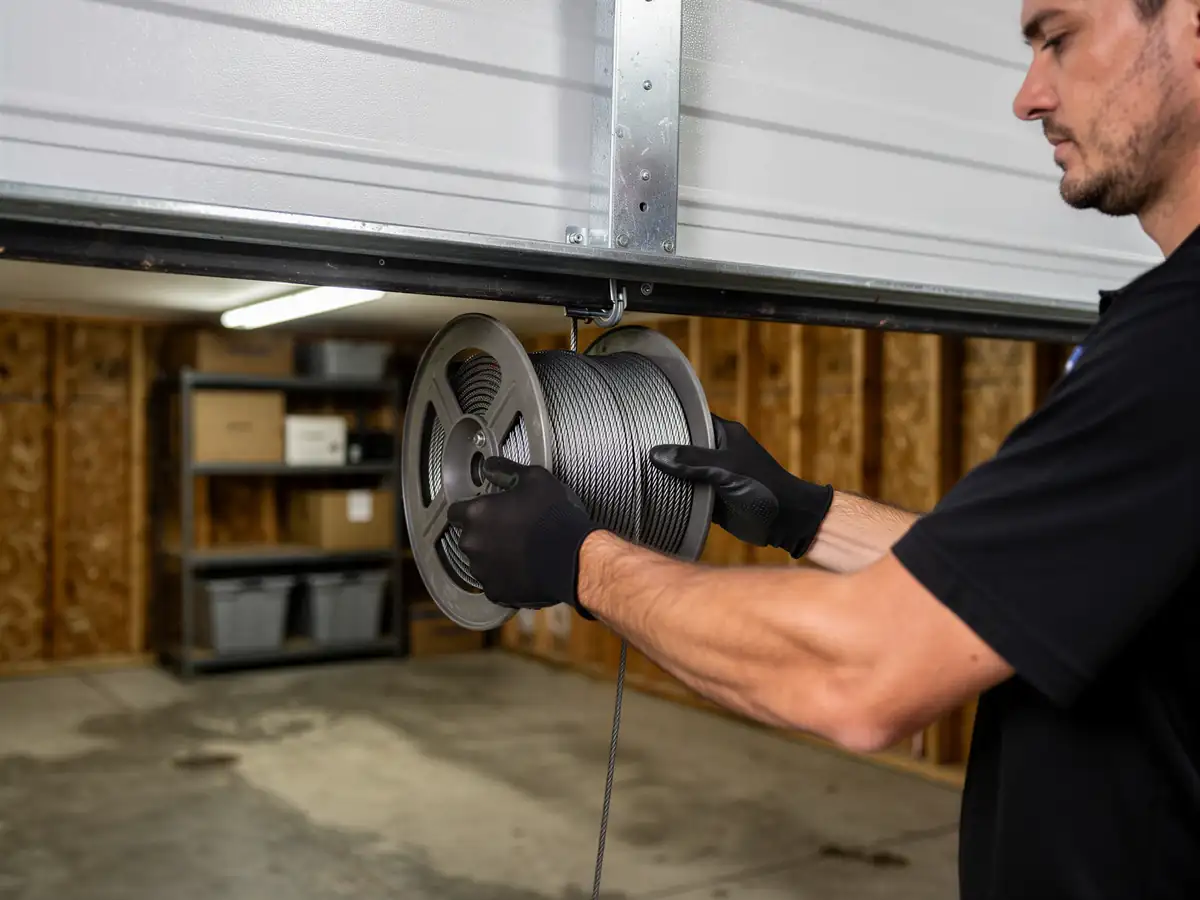
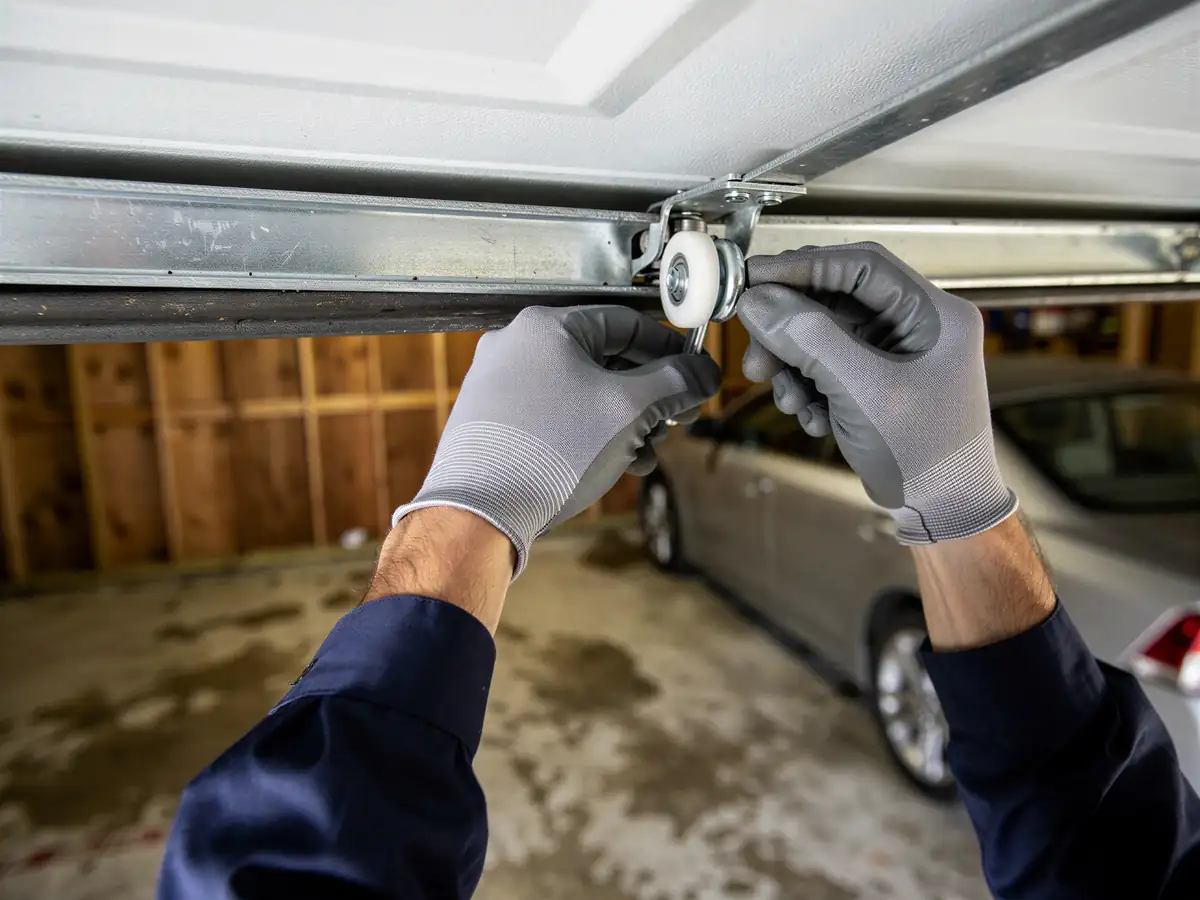
Swapping a single roller isn't a bad weekend project if you know which roller your track actually takes, but on houses from this era that's the part people get wrong. Buy a generic 7-ball nylon roller kit for a door built on 10-ball steel hardware and the roller either won't seat in the track or it'll ride loose enough to pop out under spring tension - which, on a door with a wound torsion spring, is not where you want a surprise. If you're only replacing the bottom rollers, you can usually do that with the door down and the spring untouched, which keeps the job reasonably safe. Anything above the second roller on either side means working near a loaded spring, and that's where we'd tell you to stop and call rather than finish it yourself. Rollers run a few dollars each; a trip to the ER for a cable that let go does not.