The Complications
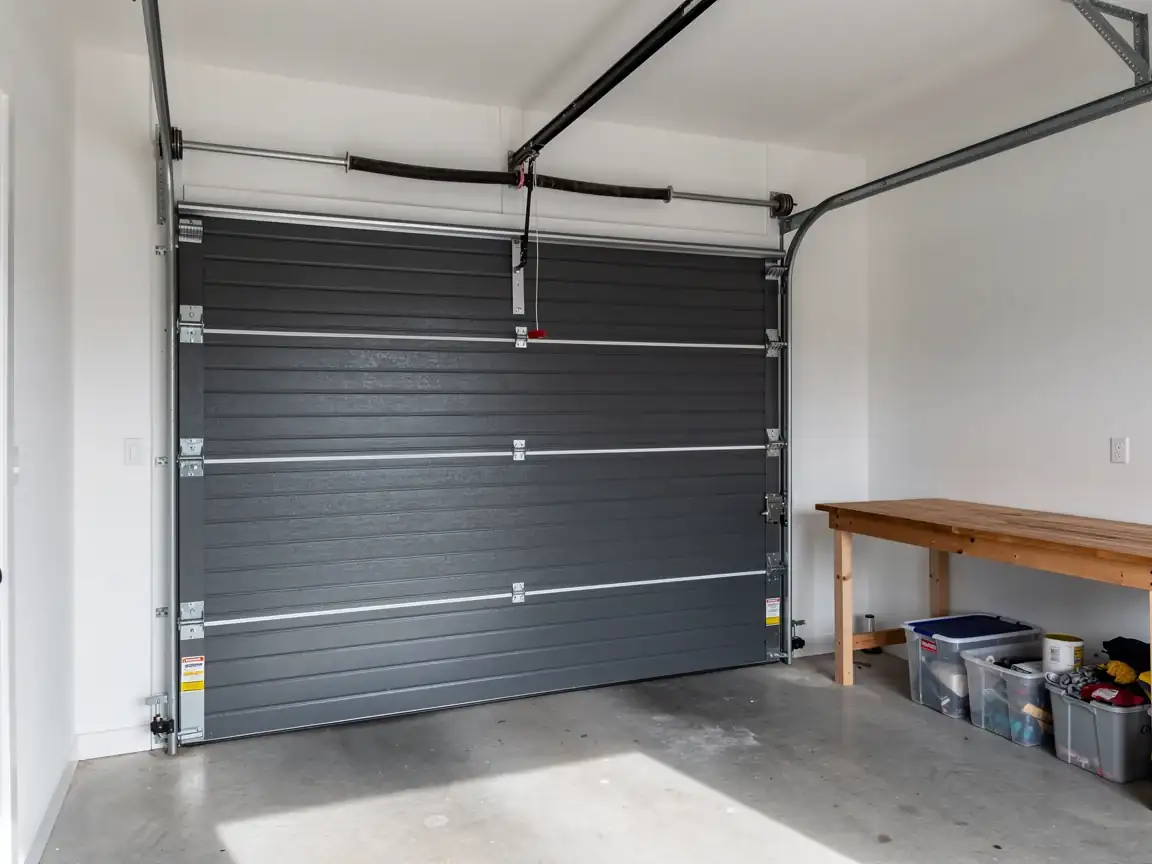
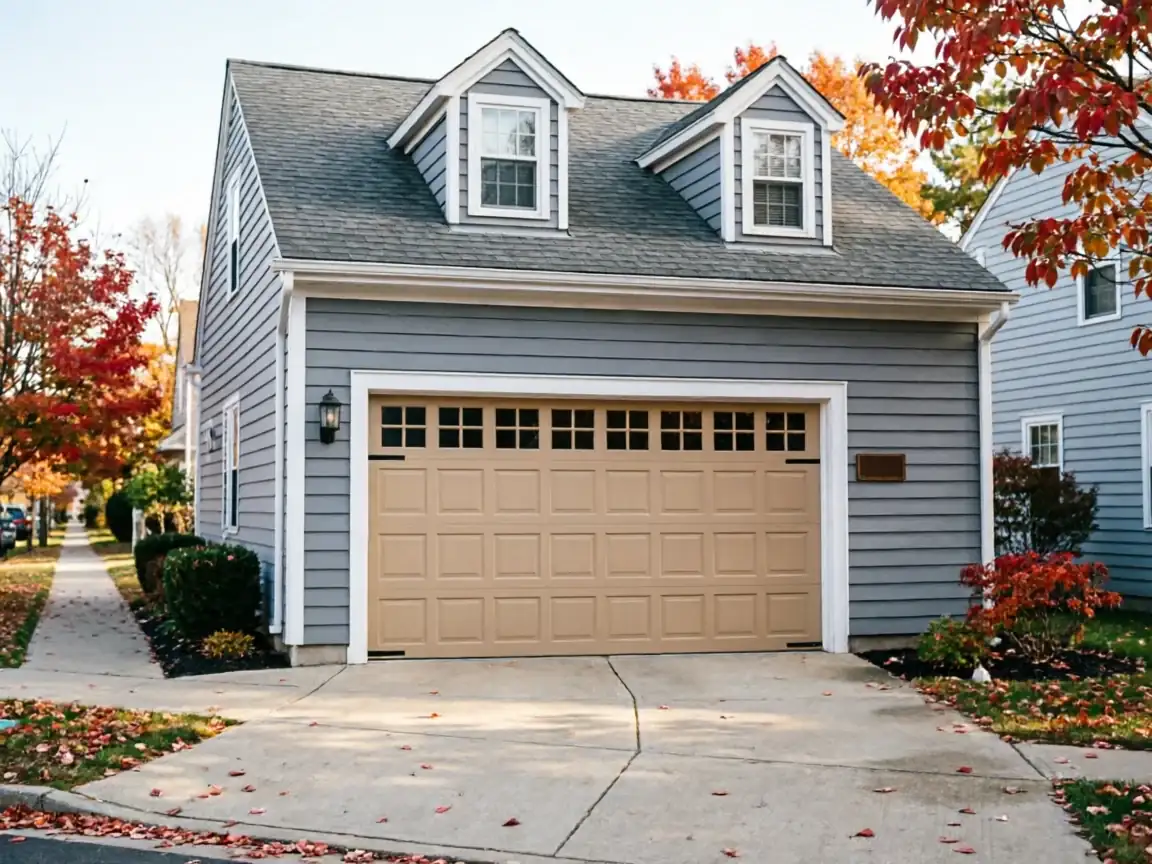
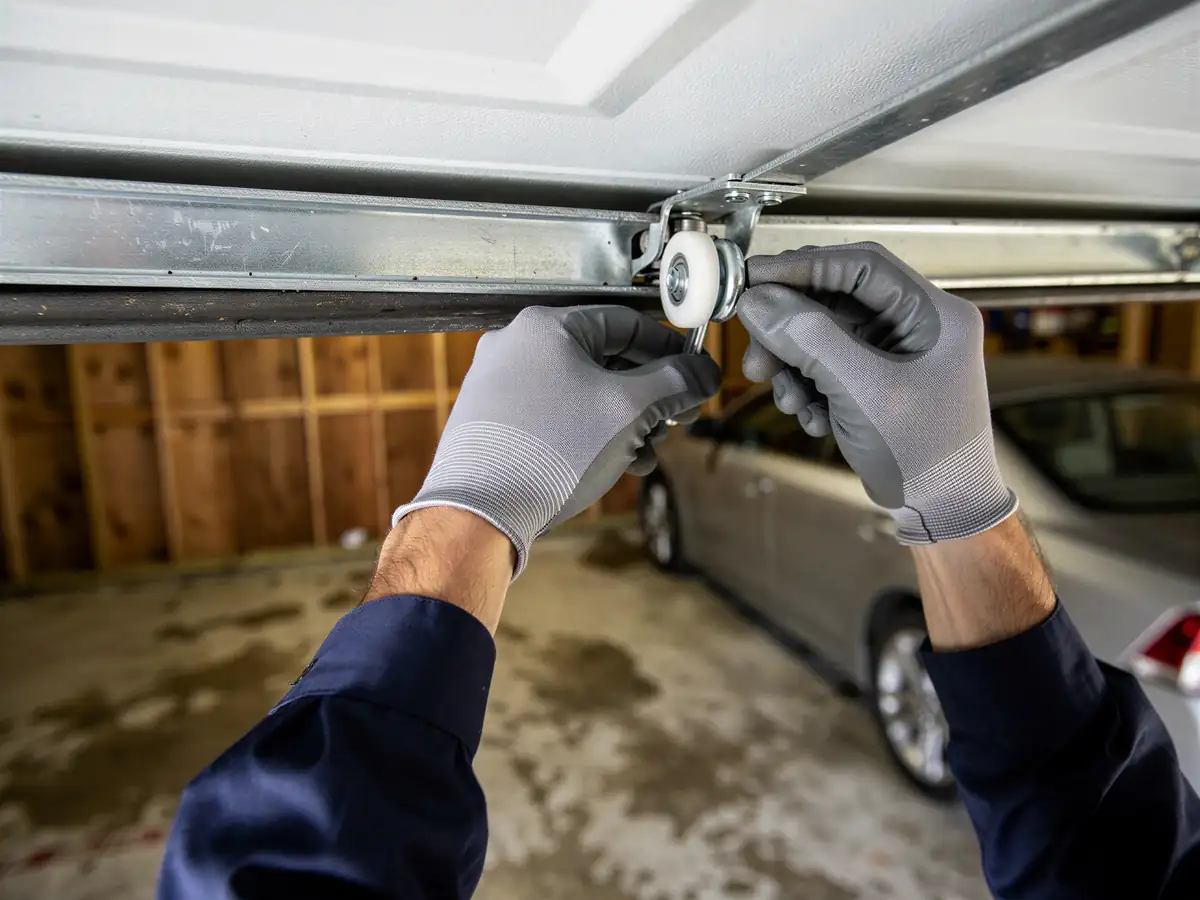
Most houses in South Kensington went up around 1956, which puts the original garage door hardware squarely in the loose-pin hinge and light-gauge steel track era. That track was fine for the doors of its day - thinner panels, less weight - but it was never built for a 30-year service life, let alone 70. When a door comes off track in a house this age, it's rarely a one-bolt fix. The brackets holding that track to the jamb have usually been drilling into the same worn wood screw holes for decades, and the track itself can be bent in more than one spot from years of minor hits. South Kensington is a small pocket - about 2,836 households - so we're not working from a huge sample, but the pattern across houses from that build year is consistent: track hardware that's reached the end of its working life right around the time the door starts jumping the rollers. Add in a winter freeze-thaw cycle, which this area gets same as the rest of the DC region's cold-climate band, and ground movement near the slab can throw an already-marginal track out of plumb. That's a different failure path than a newer door with a bent track from a car bumping it - and it changes what we bring on the call.
The Symptom
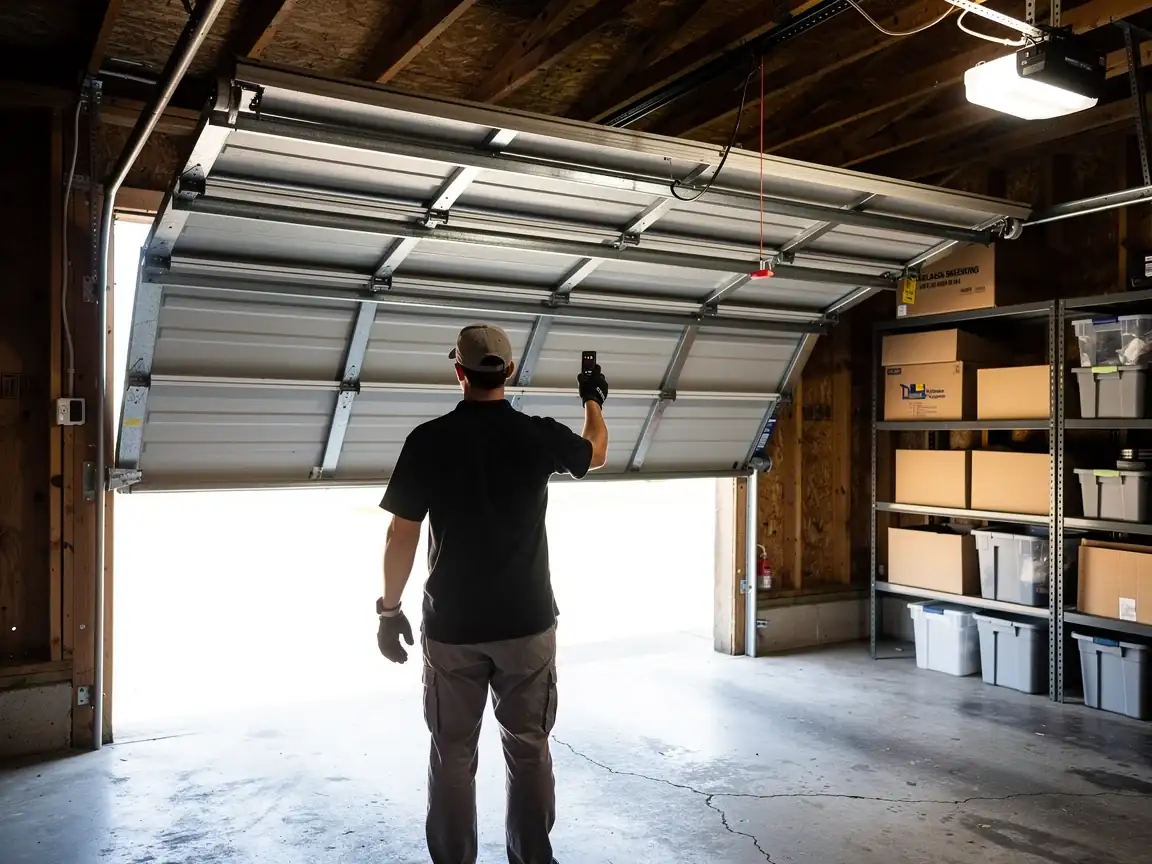
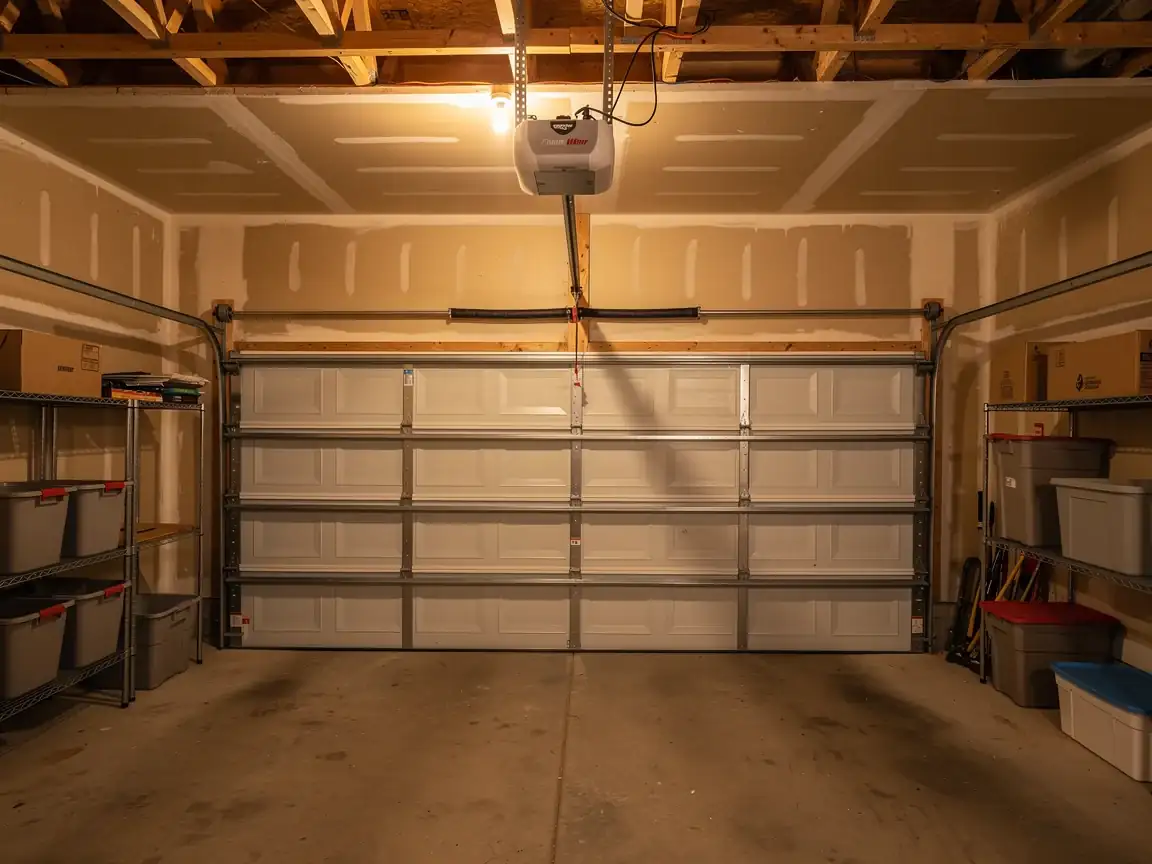
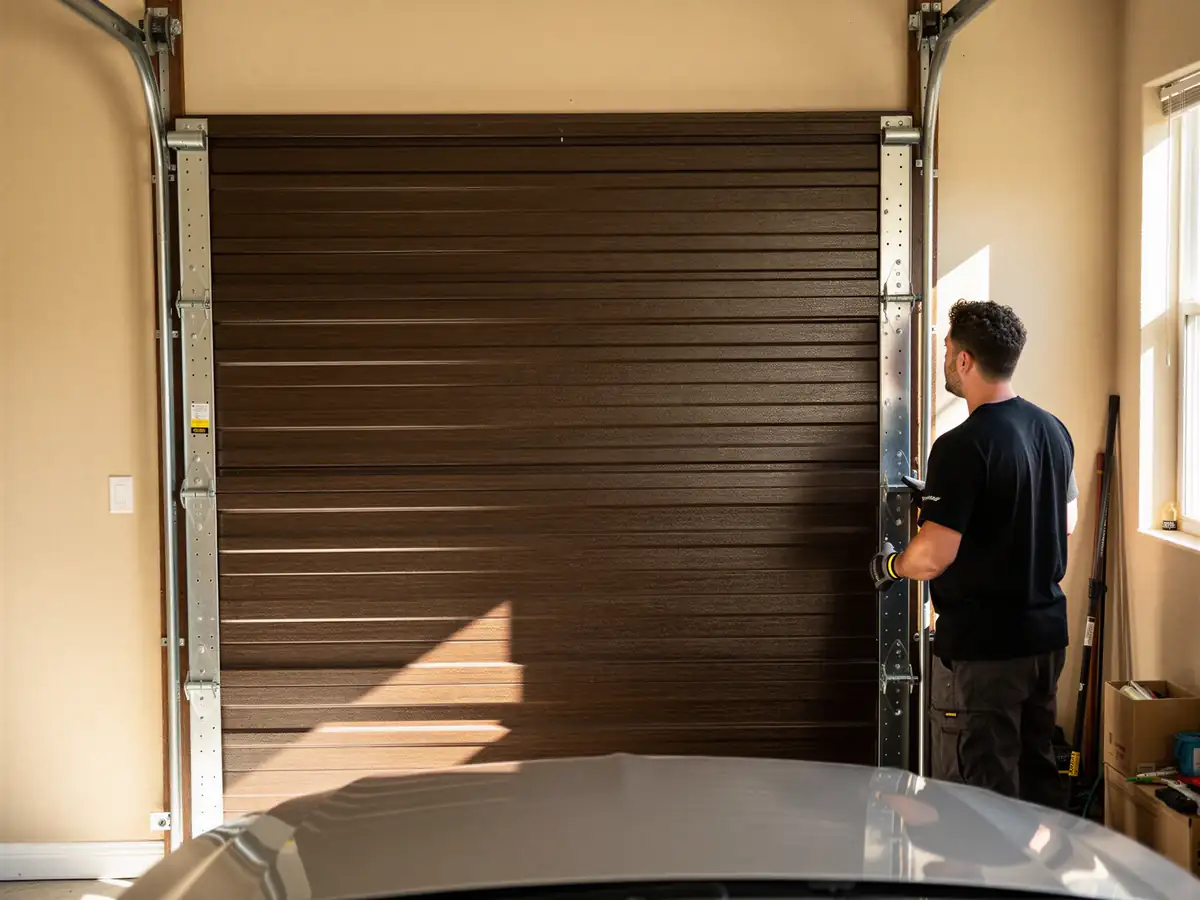
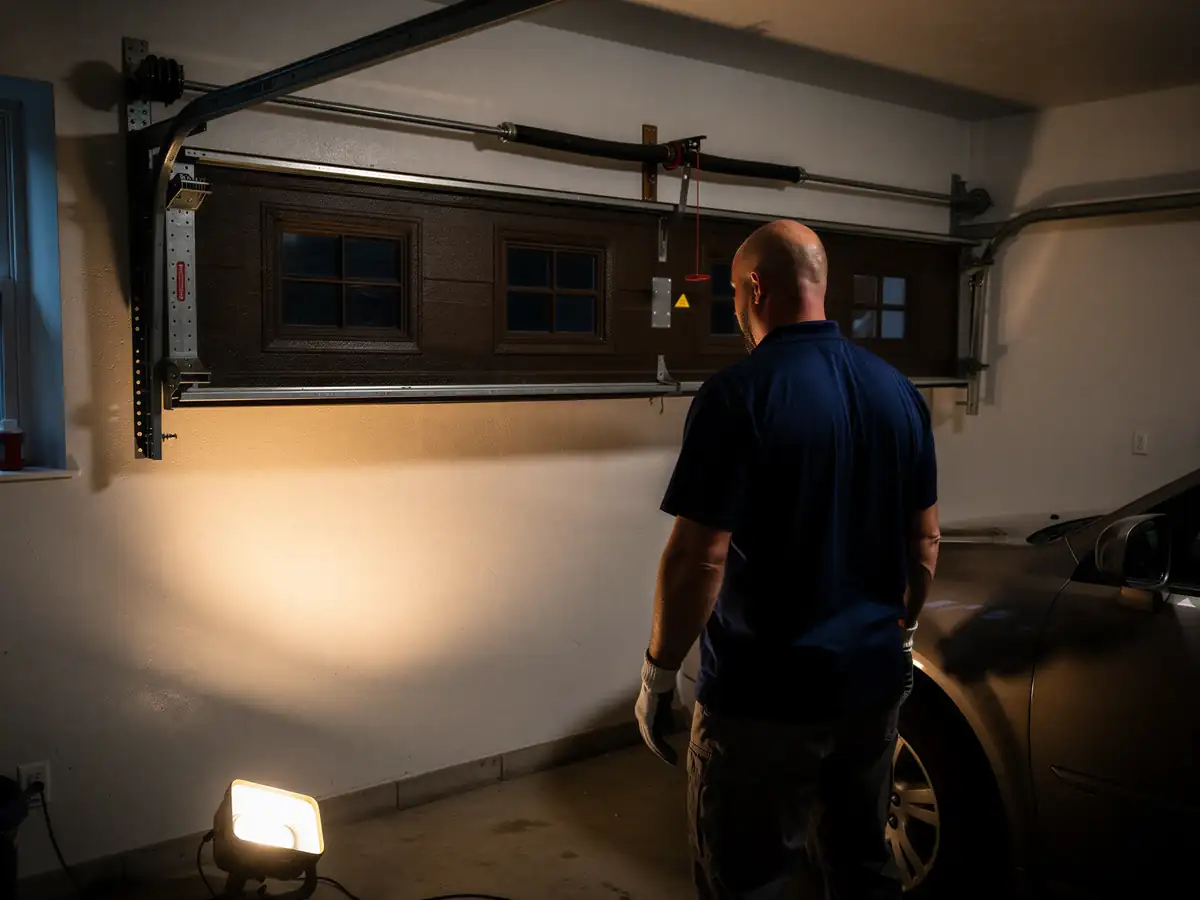
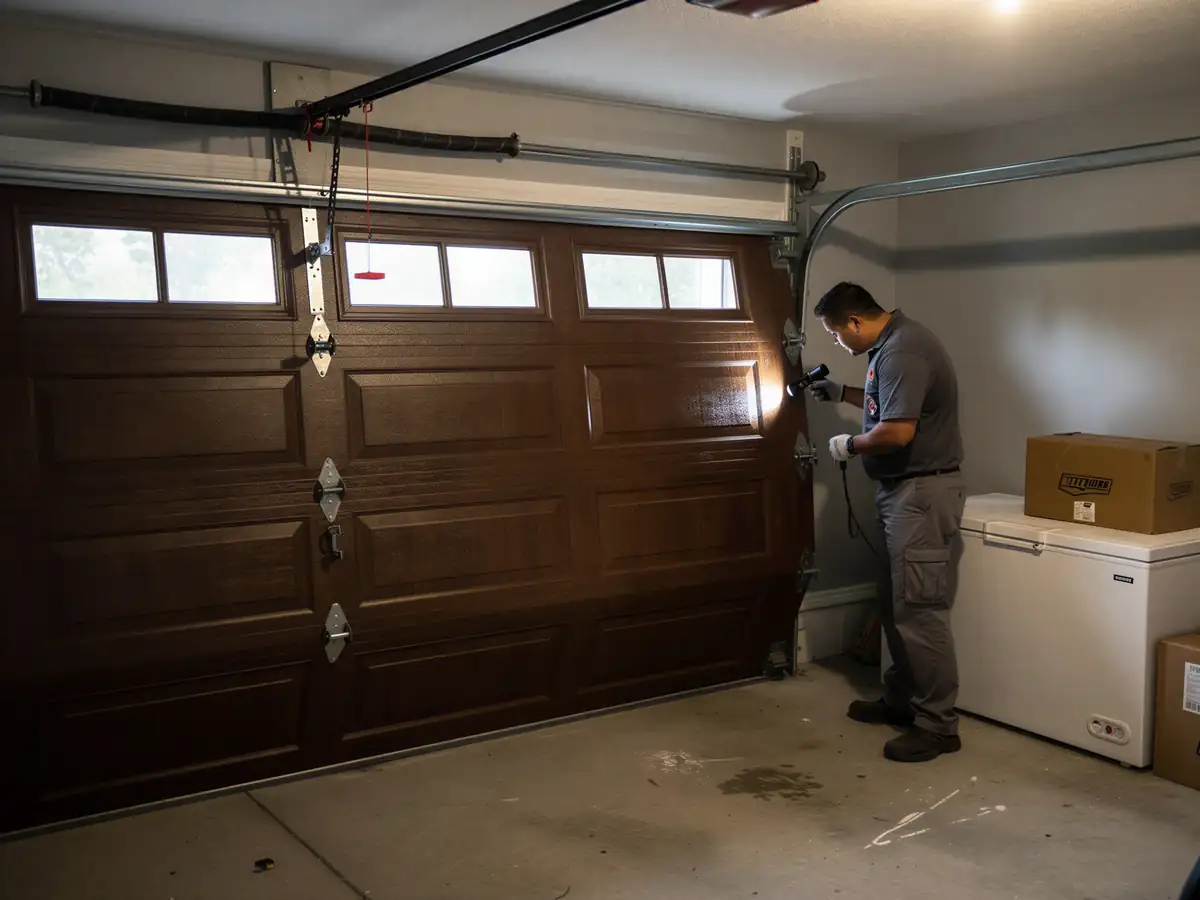
On a house from this era the tell is usually a door that runs fine for eight or nine feet of travel and then binds or pops a roller near the top of the track, right where the curved section meets the horizontal run. That's the joint most likely to have loosened hardware after close to seven decades, and it's also the point where a bent rail shows up first because the door is carrying the most leverage there. You'll sometimes hear a single loud clunk rather than a grinding sound - that's a roller leaving the track outright rather than just riding rough inside it. If the door stops mid-travel and won't go up or down under opener power, don't keep hitting the button; that's the opener motor fighting a door that's already partway off its rail, and it's how a bent track becomes a cracked panel.
Doing It Yourself
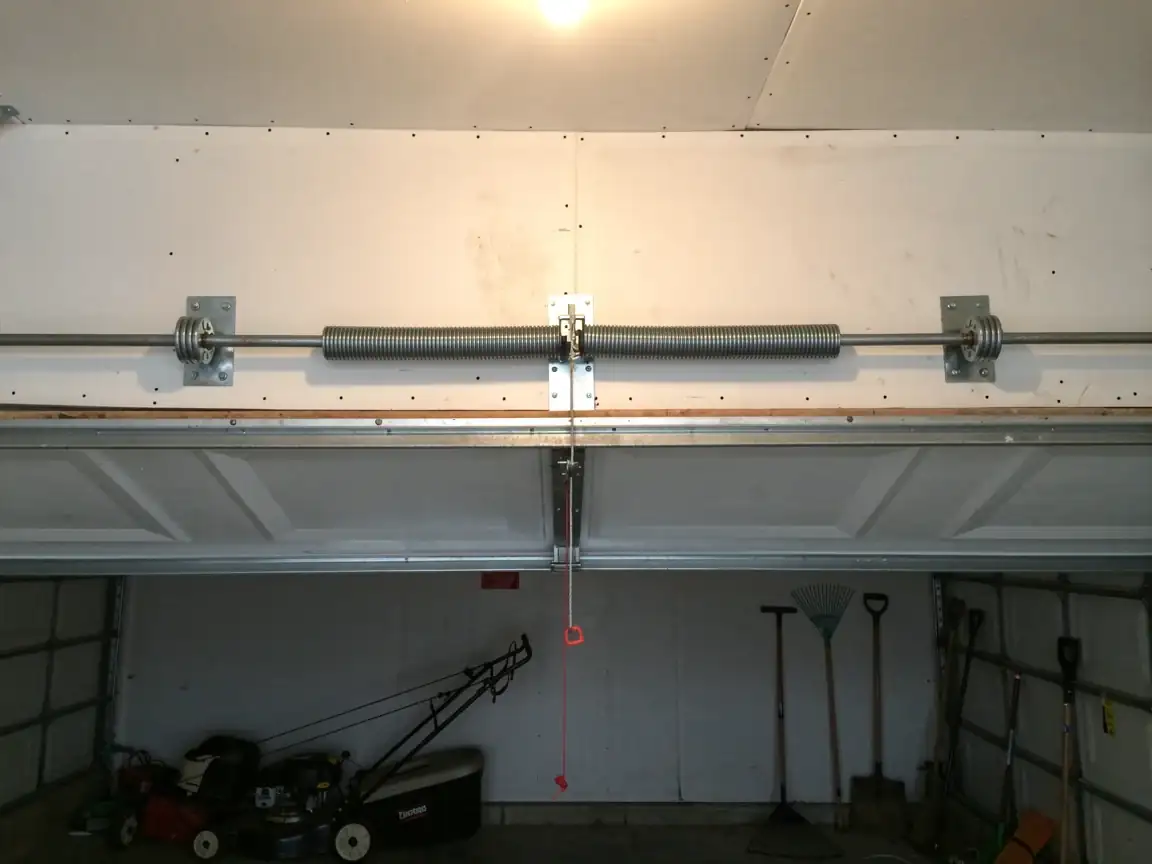
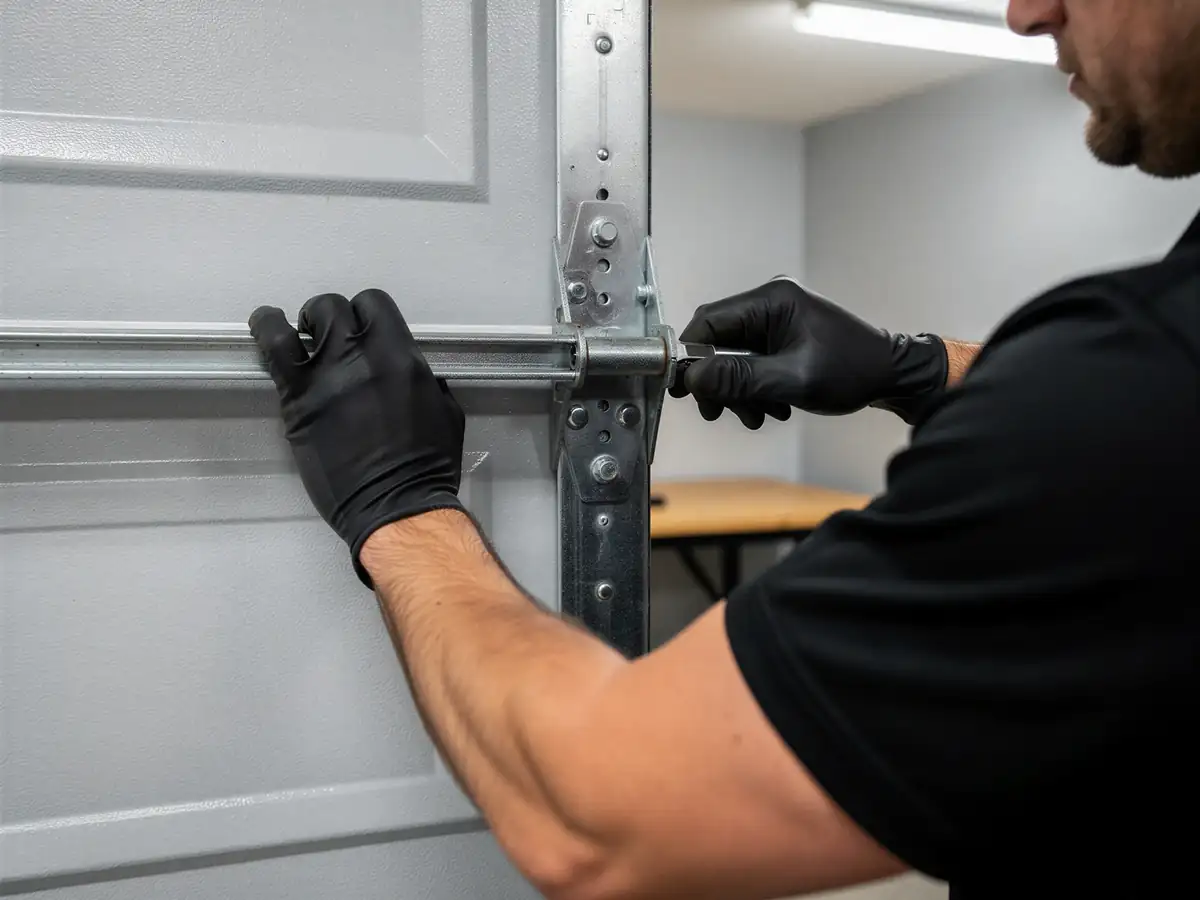
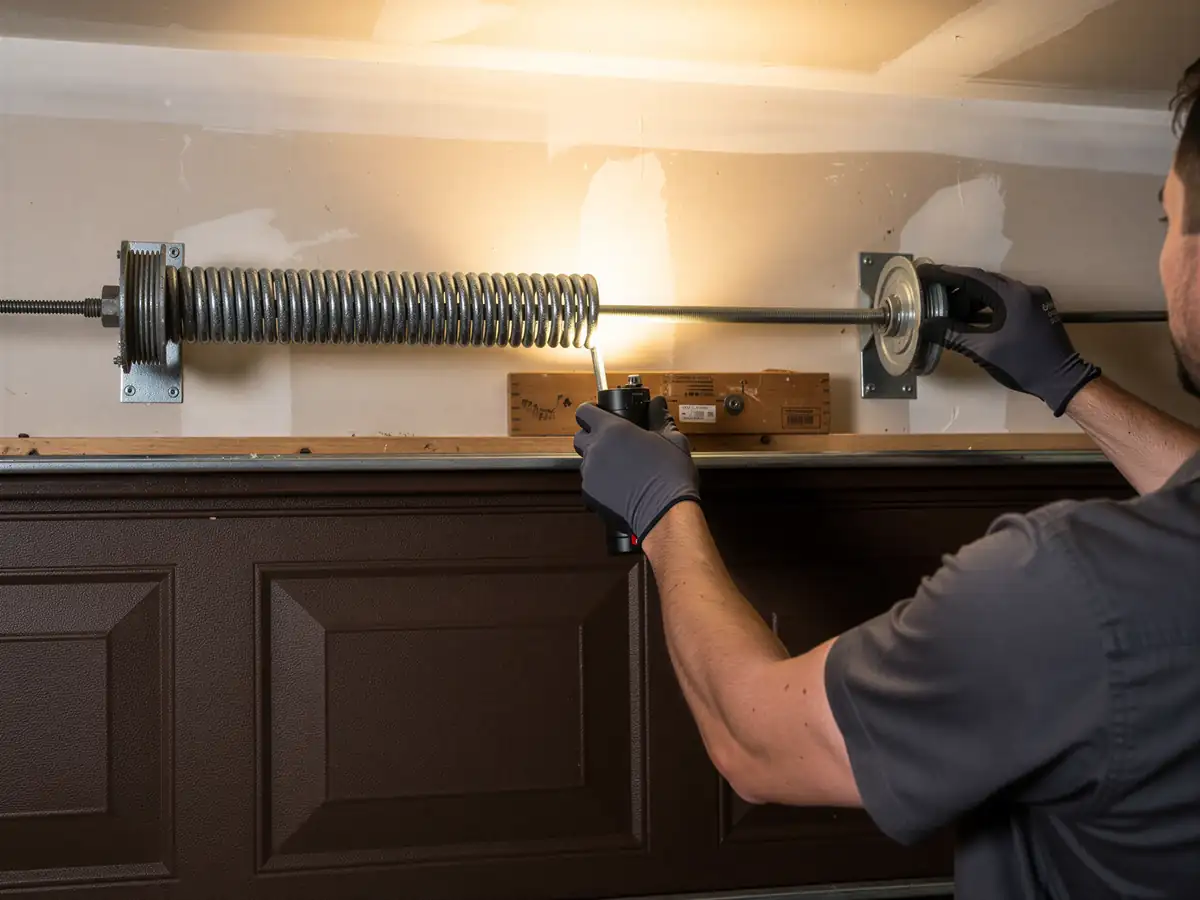
If the door is only a few inches off track and the cable is still intact, you can sometimes walk it back into the channel with the door disconnected from the opener and lifted manually - but check the track for a visible bend first. A bent rail will shove the roller right back out the second you close the door, and forcing a panel against a bent track is how a $150 repair turns into a full section replacement. If the door is weighted with torsion springs, leave it alone entirely; a spring under tension on an off-track door is not a DIY situation, full stop. Given the age of hardware common in South Kensington, our honest advice is: if you can see daylight between the roller and the track anywhere along the run, stop and call rather than keep adjusting it yourself.