What the Repair Takes
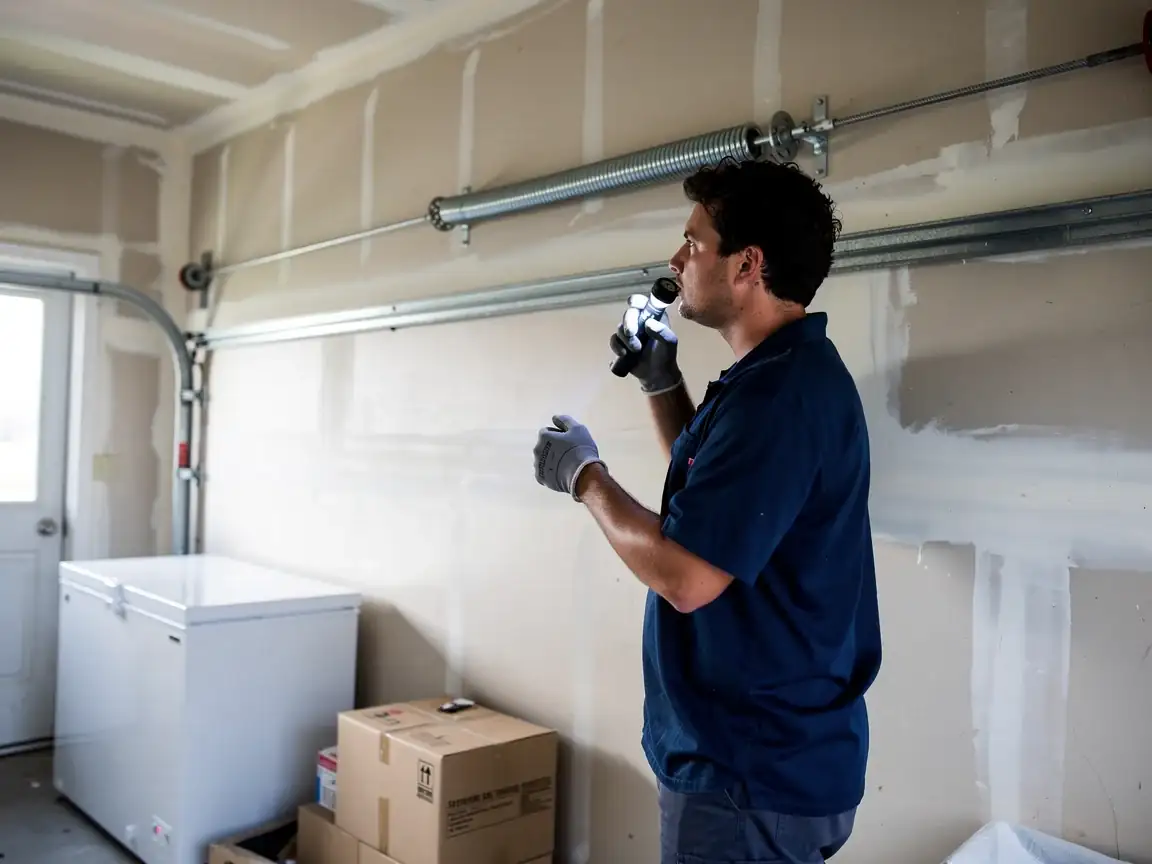
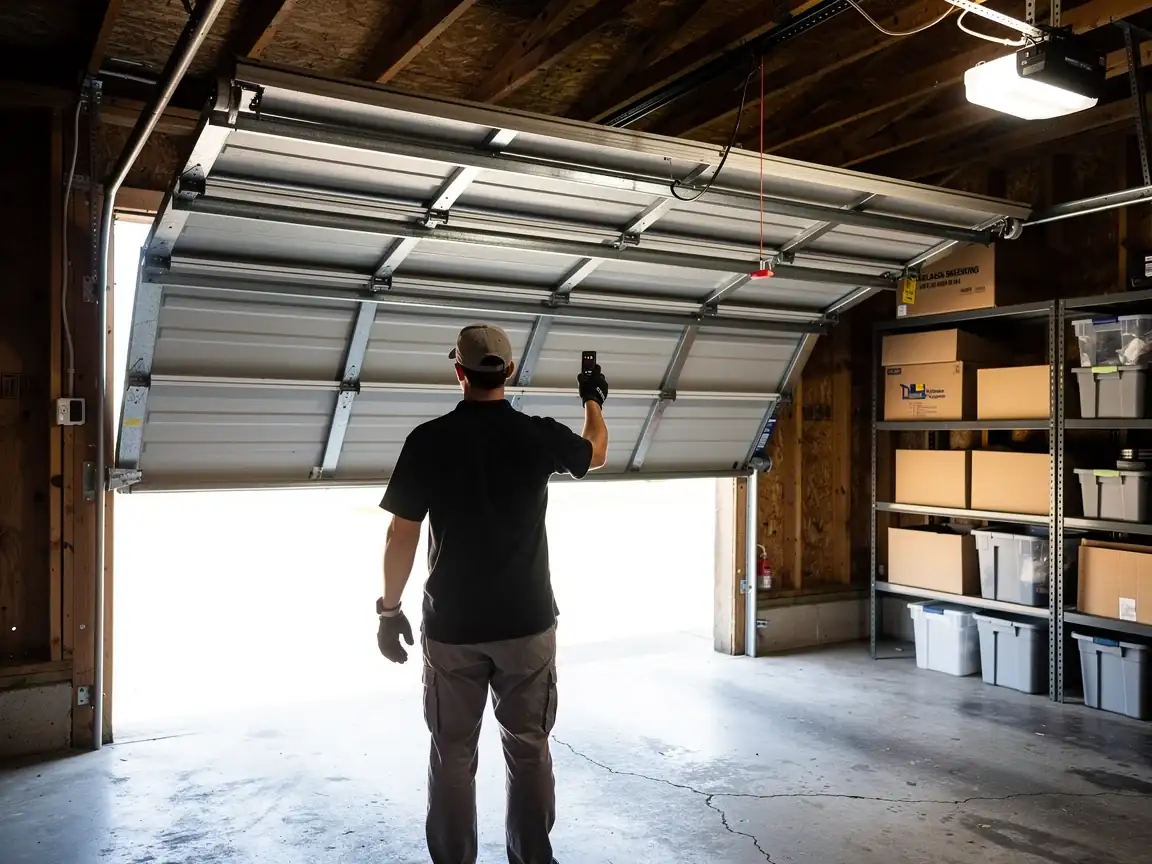
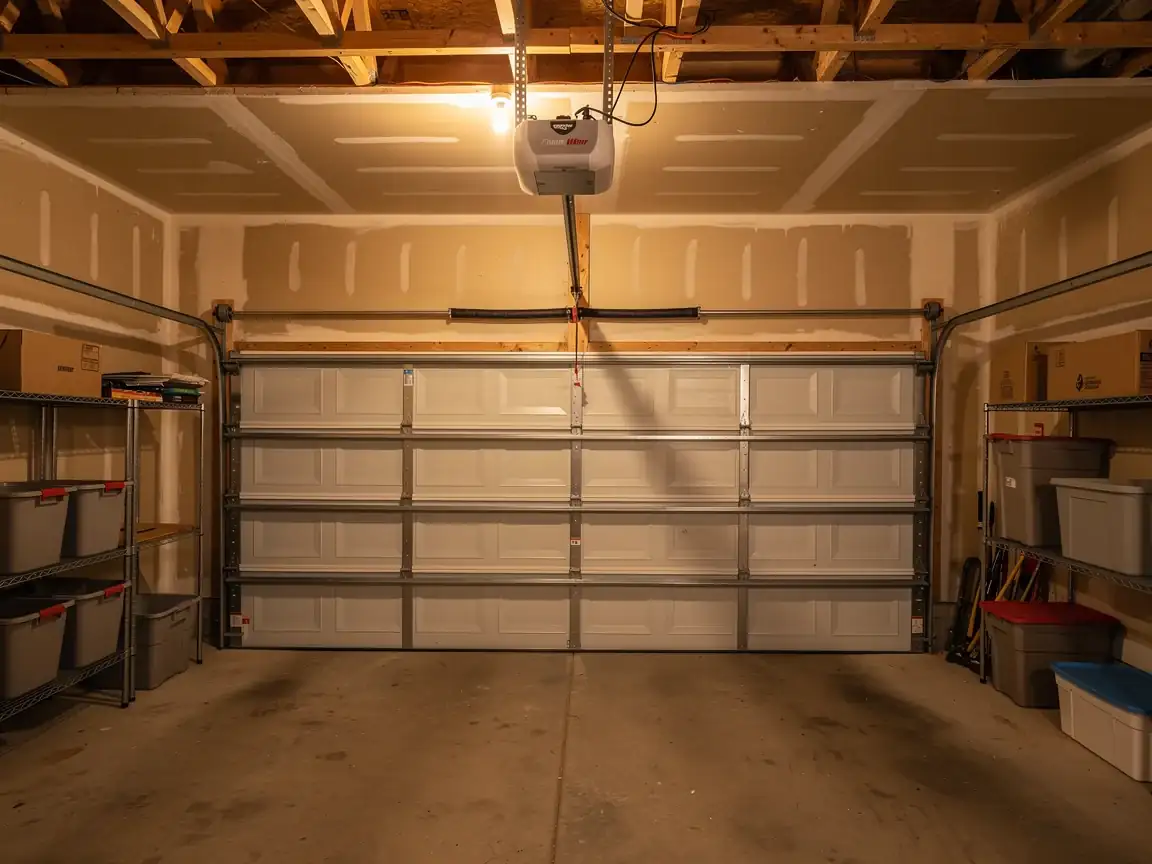
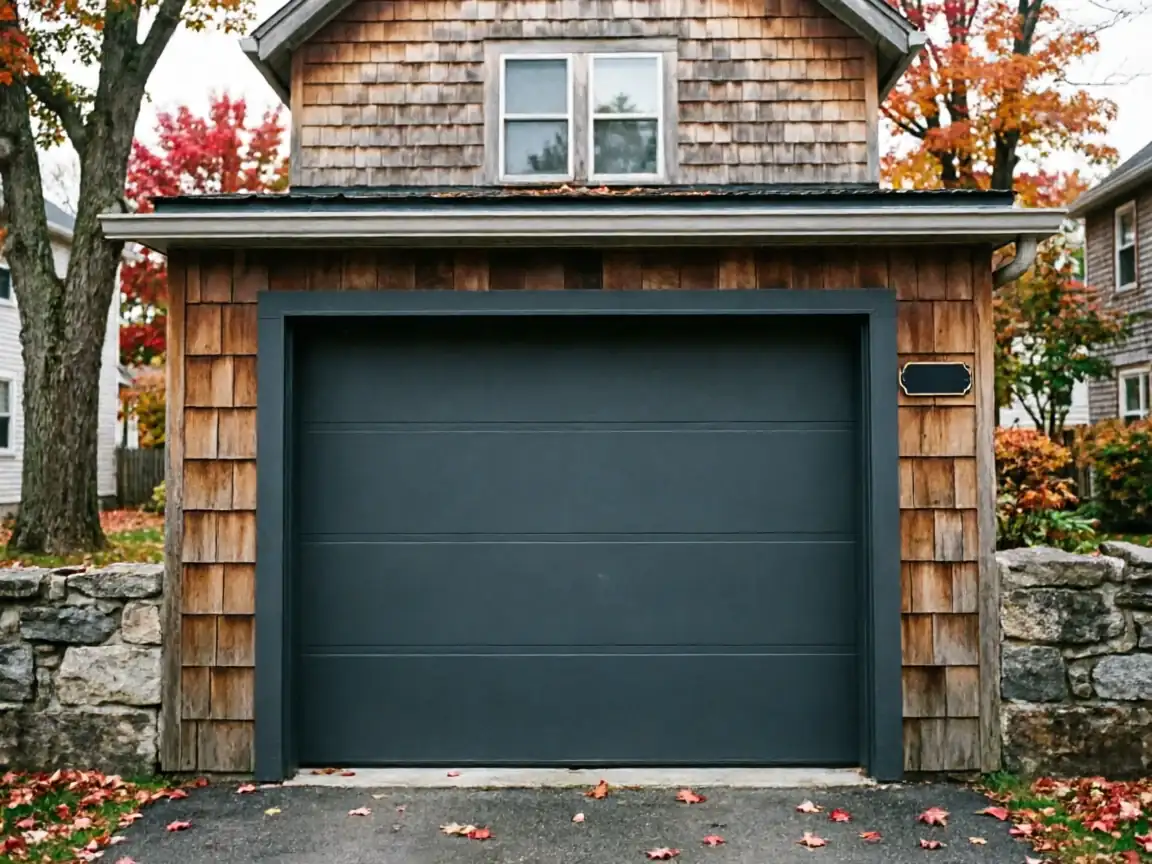
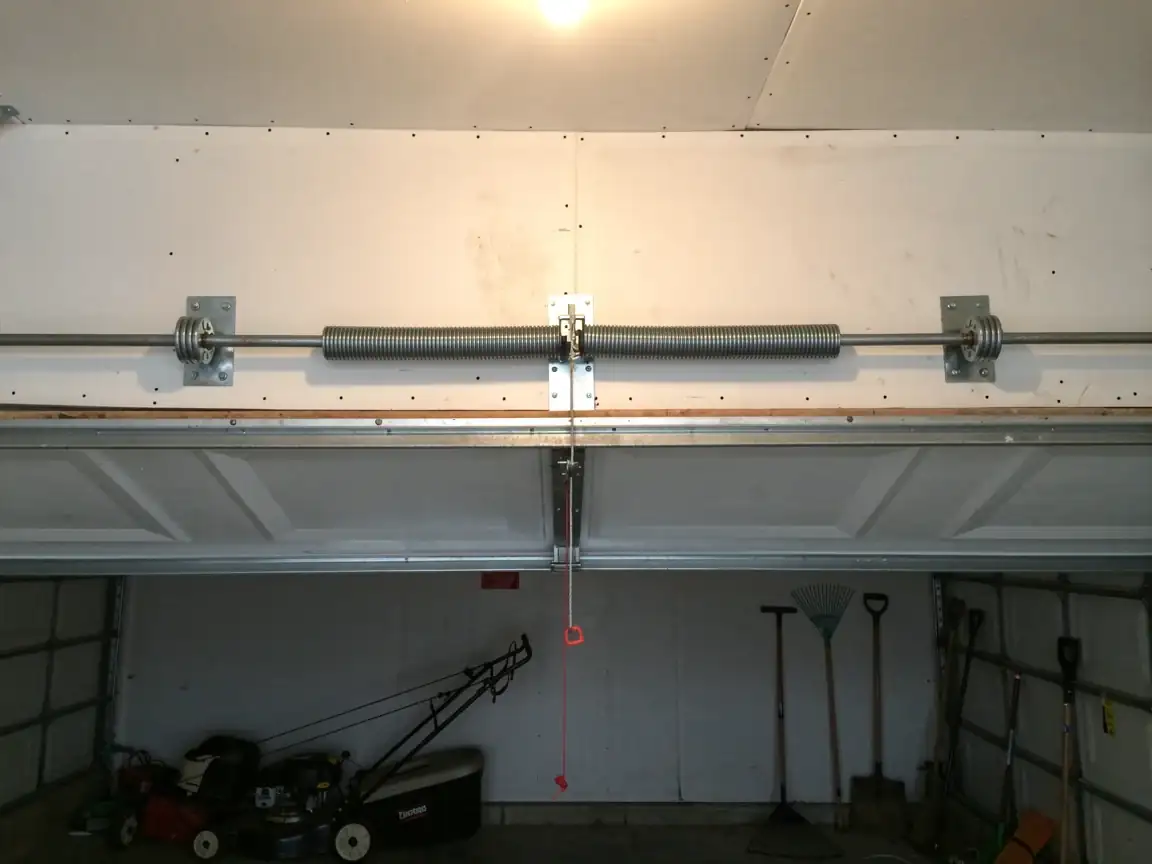
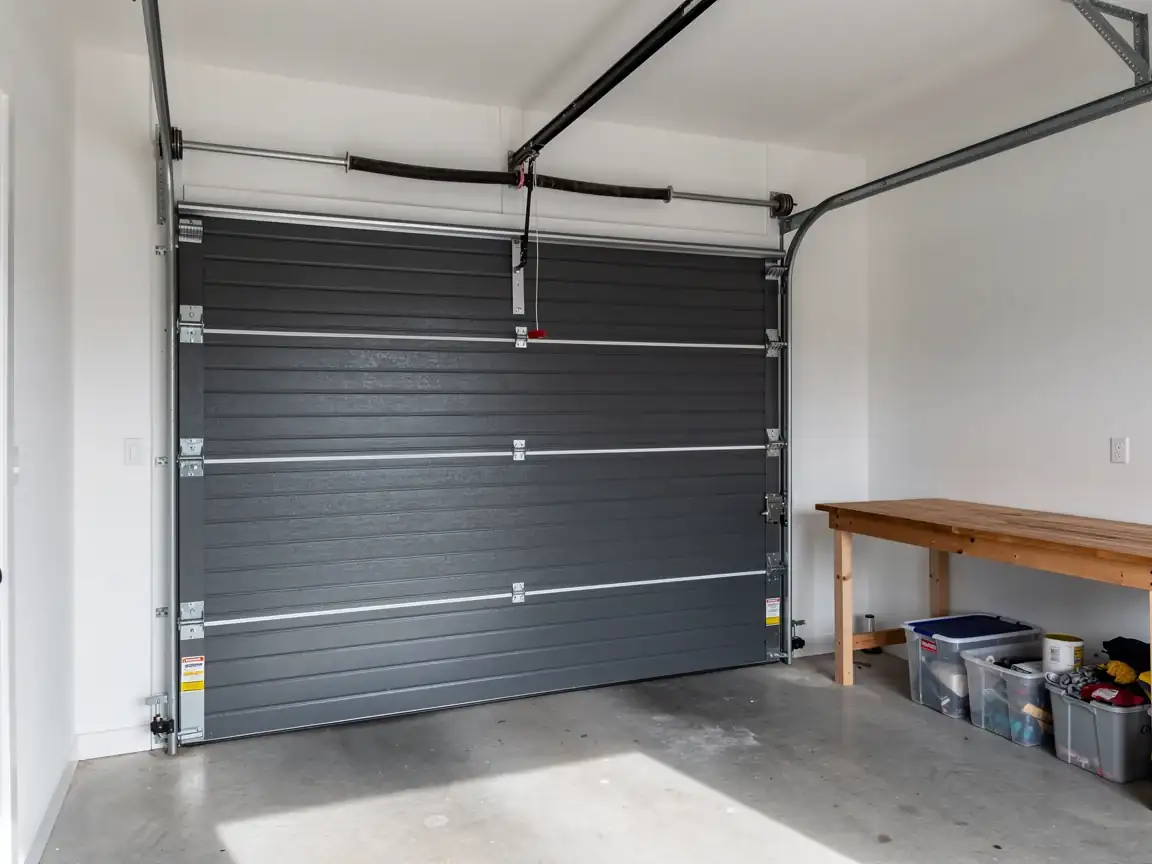
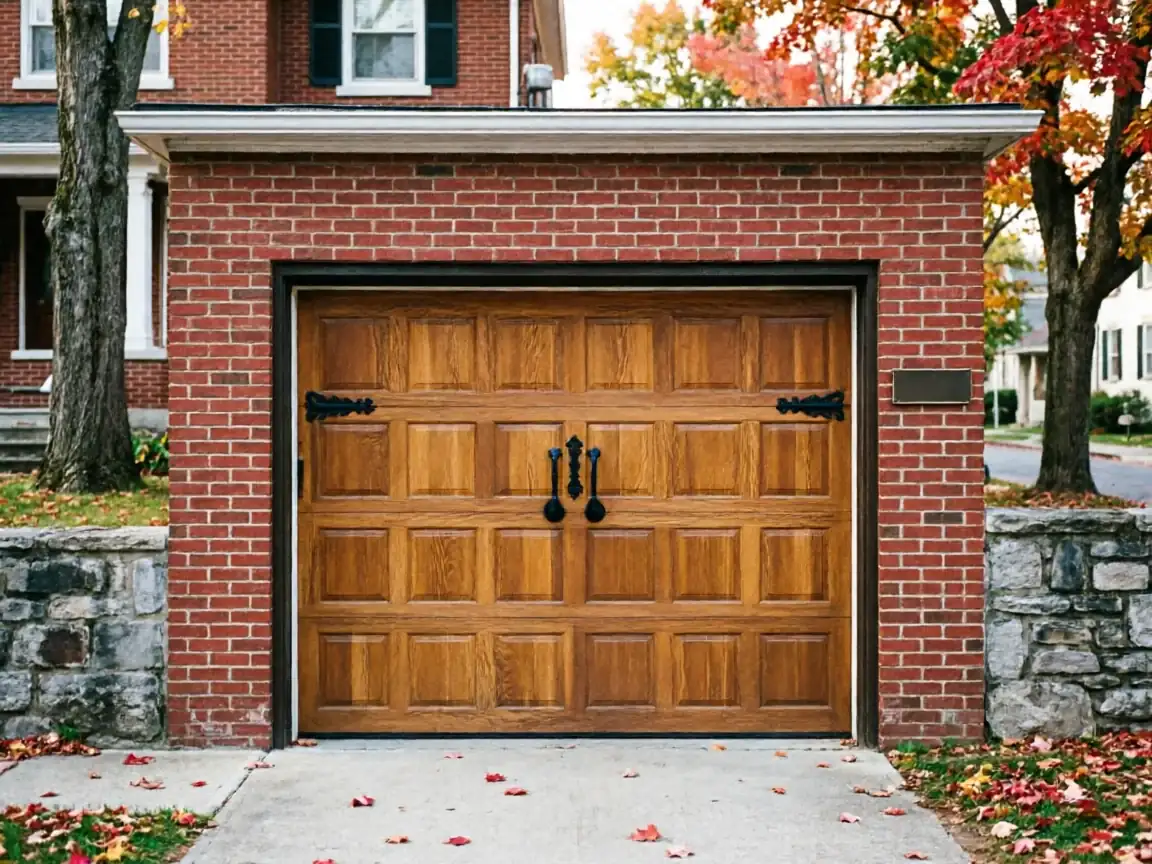
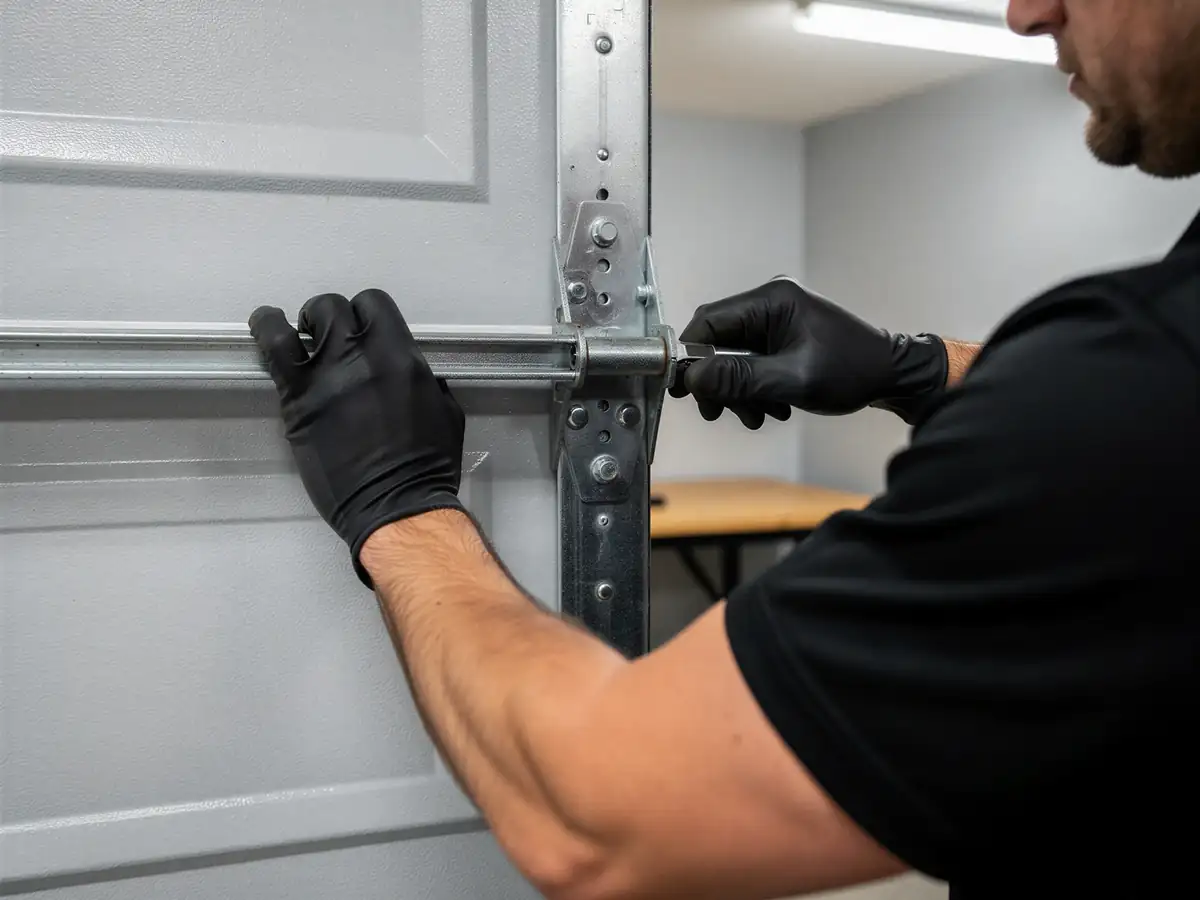
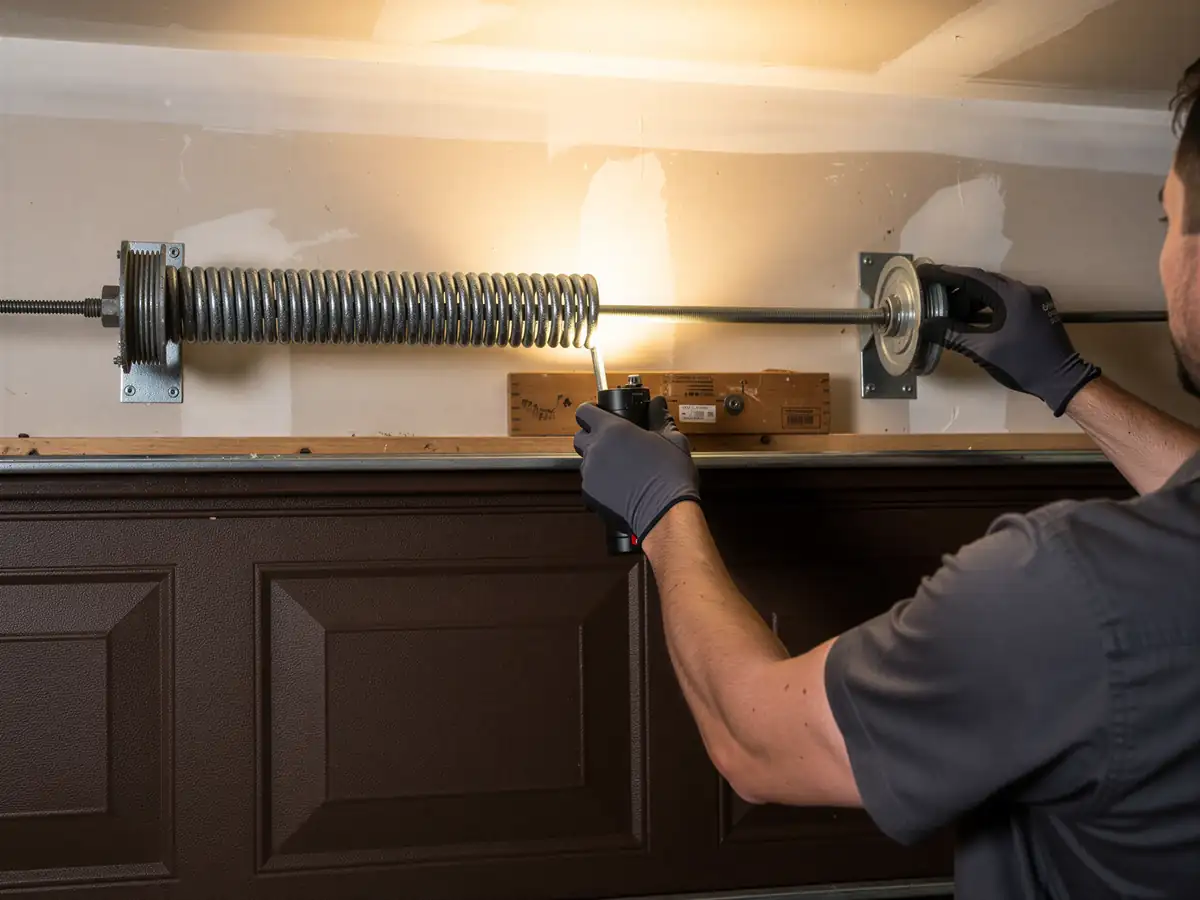
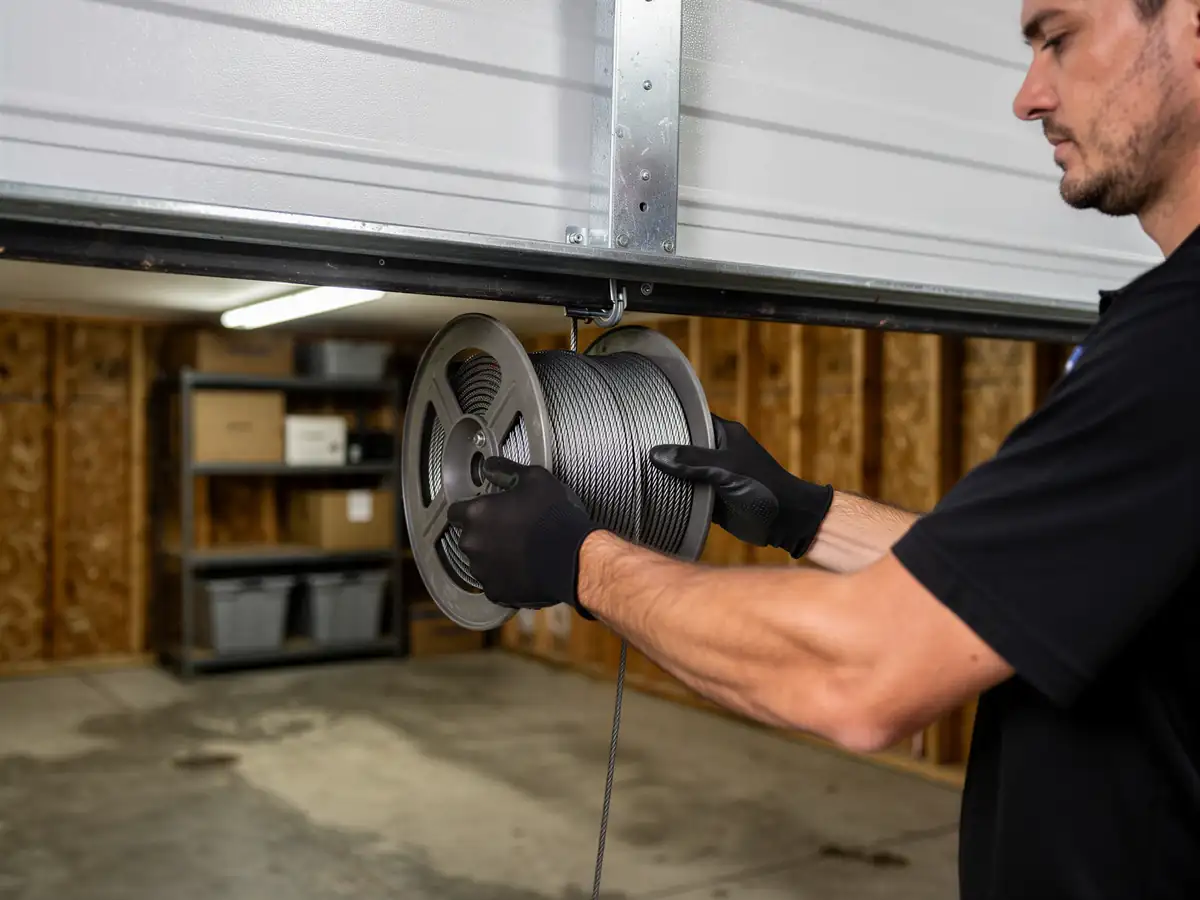
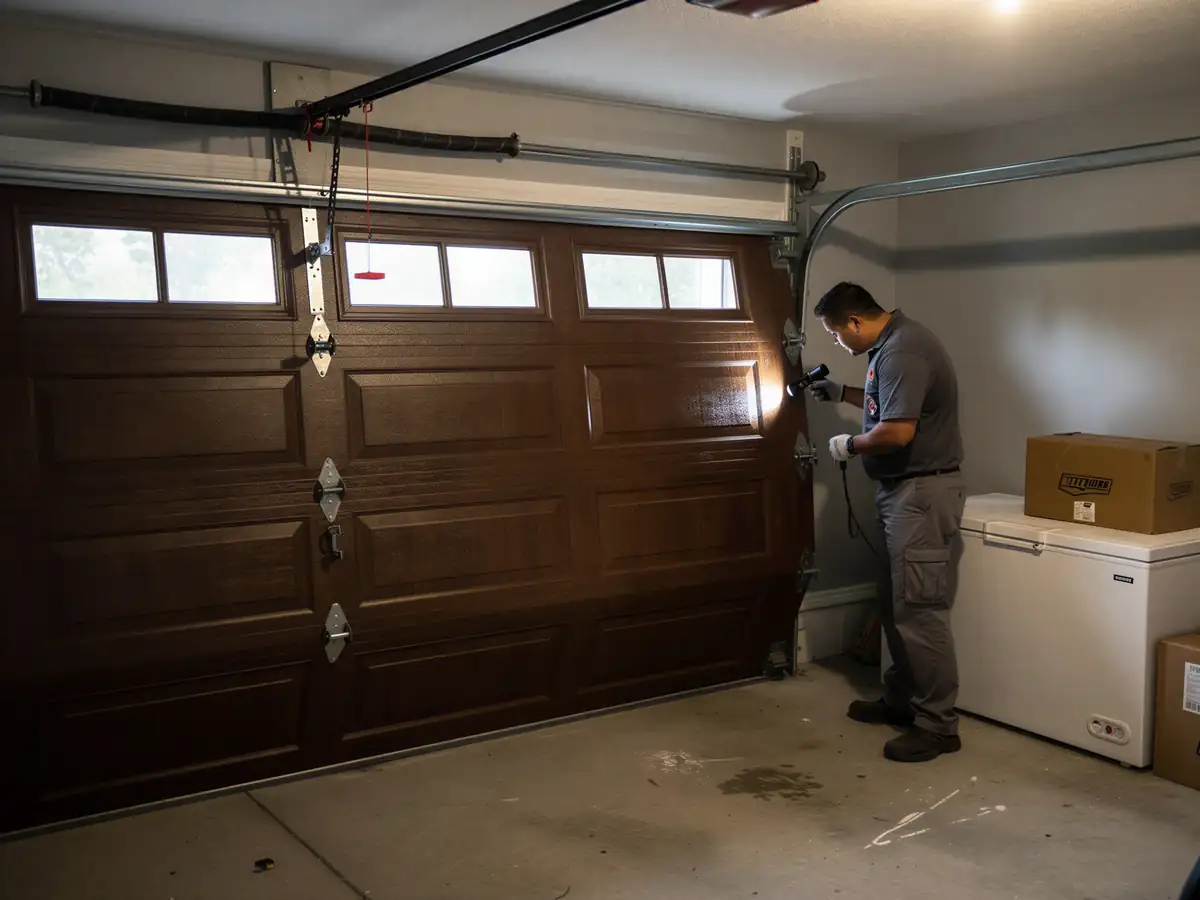
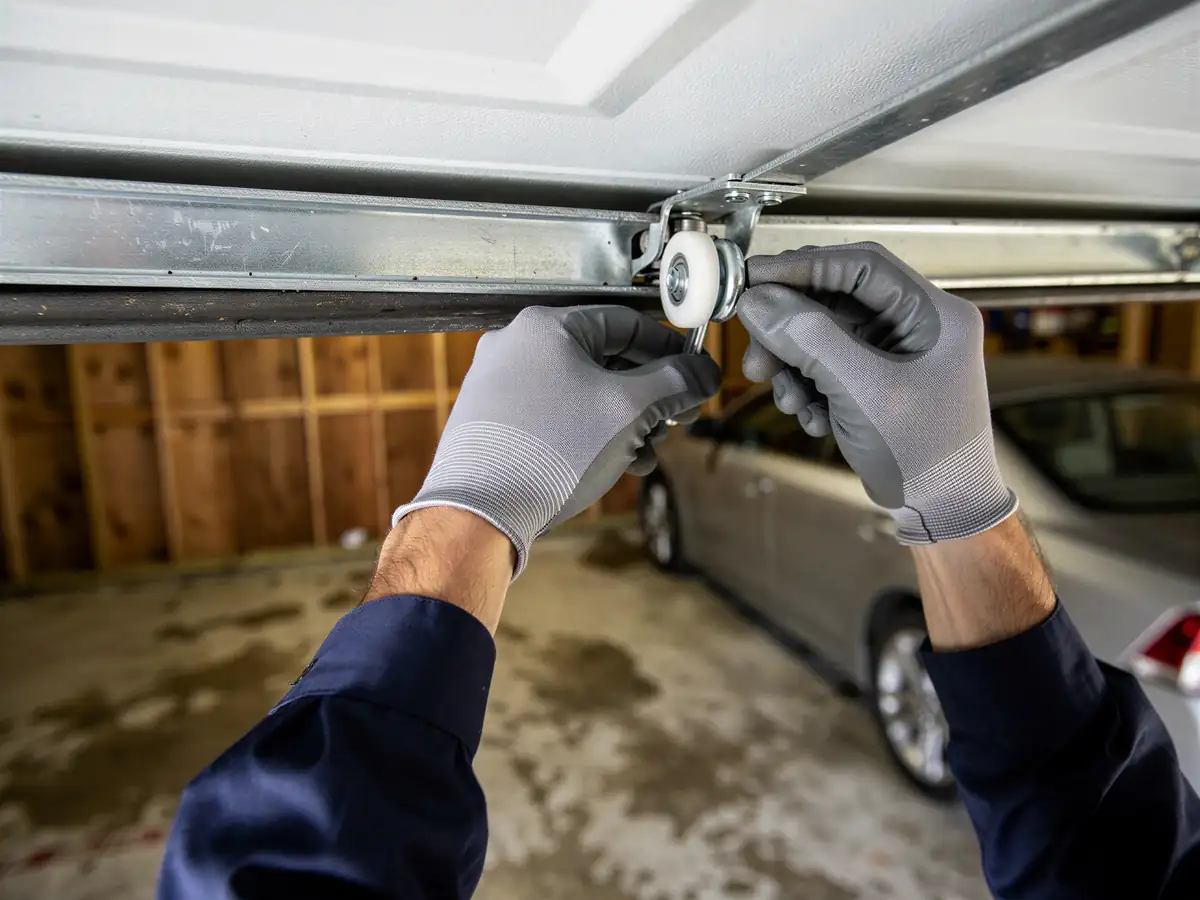
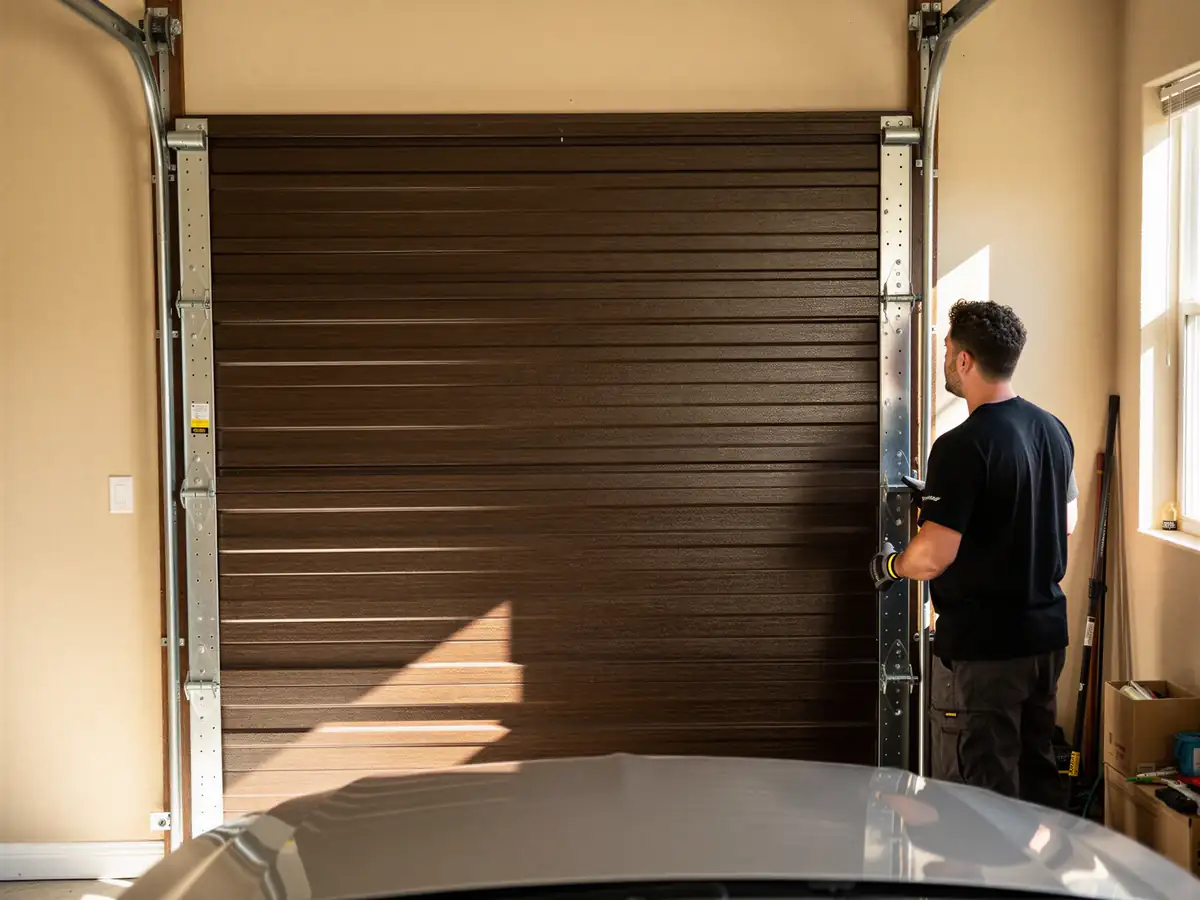
Olney's housing stock centers on 1986, a solid decade newer than the 1973 median across the broader Bethesda service area we work. That gap matters more than it sounds like it should. A door going up on a house built in 1986 came with torsion spring hardware as standard, not the extension springs still common on older stock elsewhere in the territory, and it almost certainly shipped with a photo-eye safety sensor, since federal law required those starting that same year. So the install work here isn't about retrofitting old track to modern code. It's about matching a panel and opener to hardware that's already close to code, and sometimes just swapping the door skin while keeping the torsion assembly if it's sound. We check the drums, the cables, and the bottom bracket before we tell anyone they need a full teardown. A full replacement on a 1986-era opening usually runs faster than on an older house precisely because the rough opening and track spacing are already standard sizes - there's less improvising. Where it slows down is insulation: a lot of these doors were single-layer steel when new, so going to a double-layer insulated panel means re-checking the header clearance and sometimes the spring weight rating before the new door goes up.
The Complications
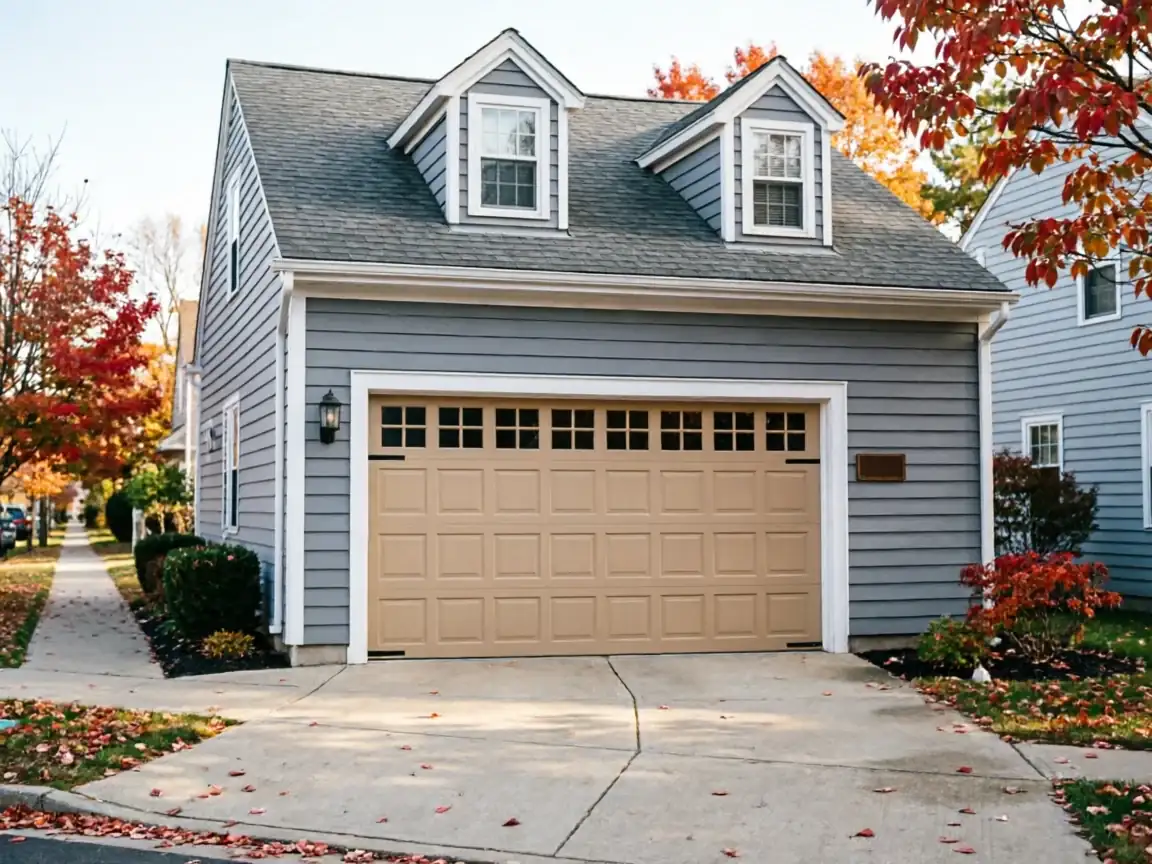
At 11,843 households, Olney is one of the smaller markets in this territory, and it's tucked 11 miles out from the Bethesda shop, which we account for when we schedule the day - it's not a same-hour add-on to a Bethesda or Chevy Chase run. The bigger complication is matching width. A lot of these 1986-and-newer garages were built to a standard double-door opening, which is good for stock availability, but some builders in this period used a slightly wider single-car bay than older construction, and if we don't confirm that measurement before ordering, the door shows up wrong. We also run into opener compatibility issues: a house built in 1986 might have had its opener replaced once or twice since, and newer safety-sensor wiring doesn't always match cleanly with an older rail if only the motor head got swapped. One honest limit here - if the existing torsion spring and drum are undersized for a heavier insulated door, we won't force a mismatch just to save a trip charge. That gets re-ordered to the right spring weight, which can add a few days if it's not a size we carry on the truck.
Booking a Visit
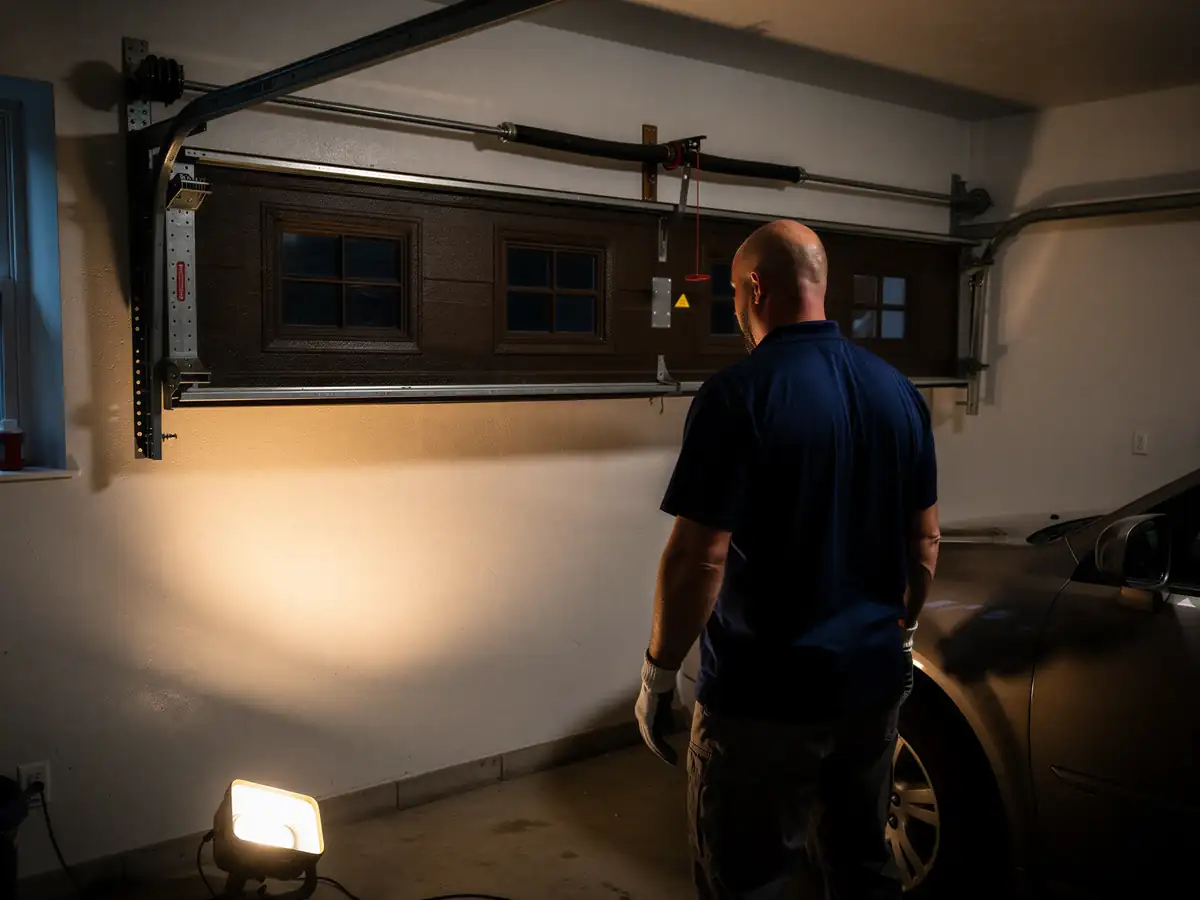
We schedule the Olney visit same as any stop 11 miles out from Bethesda: a measured opening, a decision on keeping or replacing the torsion hardware, and a door that matches what the house already has in terms of rough opening width. Because the stock here runs newer, most jobs are single-visit installs rather than multi-visit structural fixes - the frame and track are usually sound, so the day is about the door and opener, not rebuilding the jamb. Bring the model number off the existing opener if you have it; it saves a trip back to the truck for the right wiring harness. We'll also ask about the photo-eye sensors on the phone, since a fogged or misaligned sensor is the most common reason a near-new door in this area won't close, and sometimes that's a five-minute fix, not a replacement at all.