What the Repair Takes
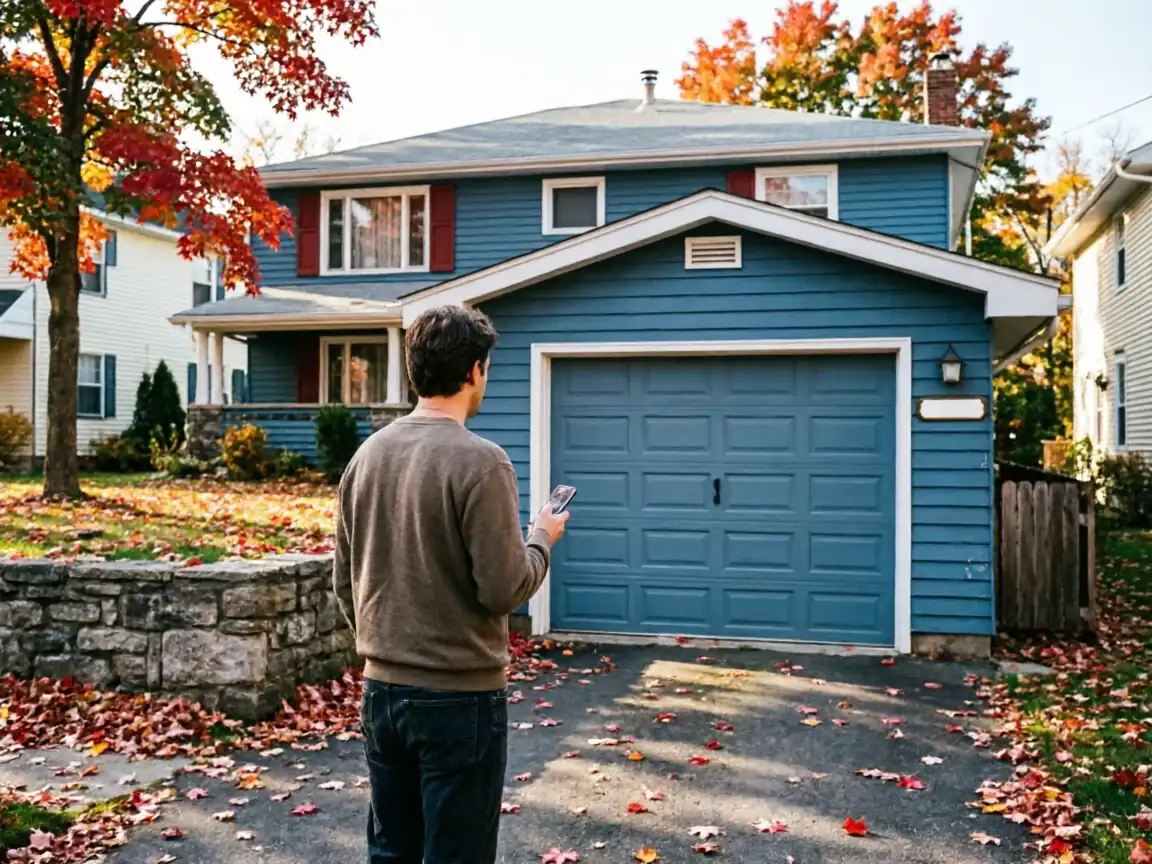
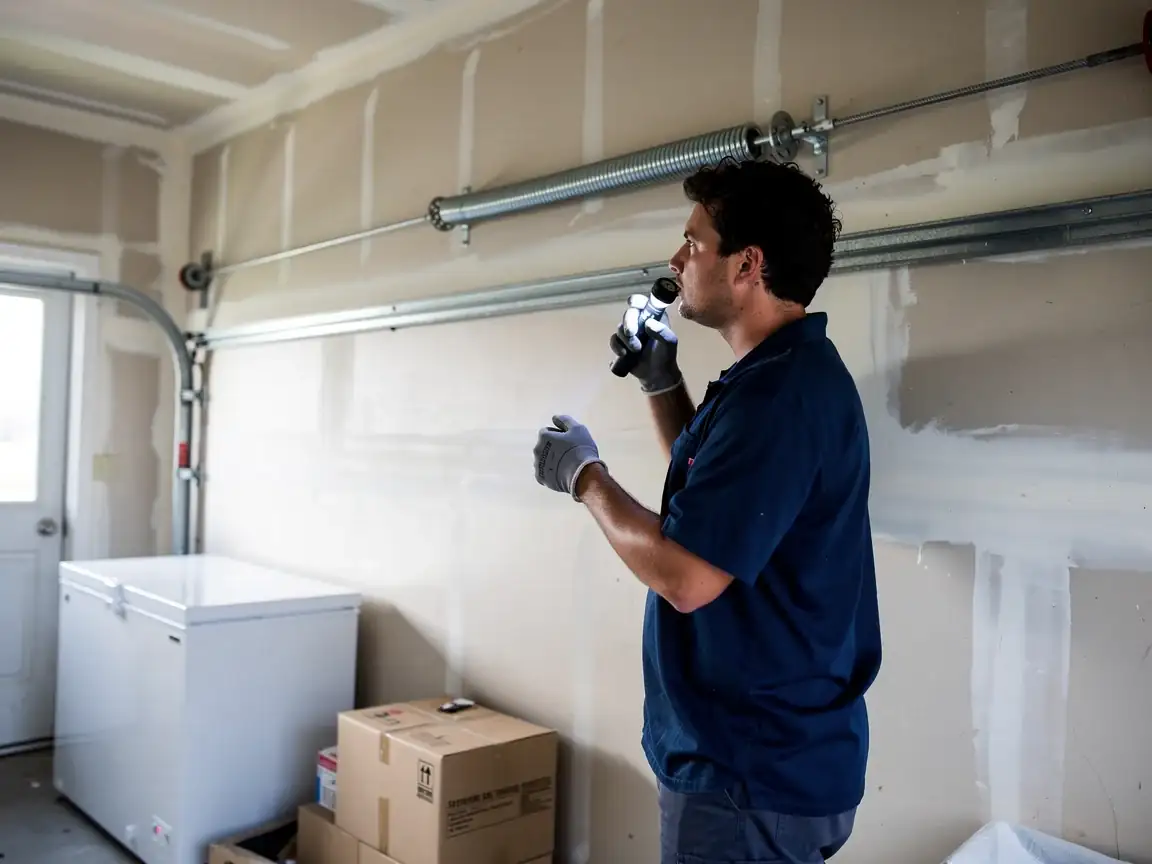
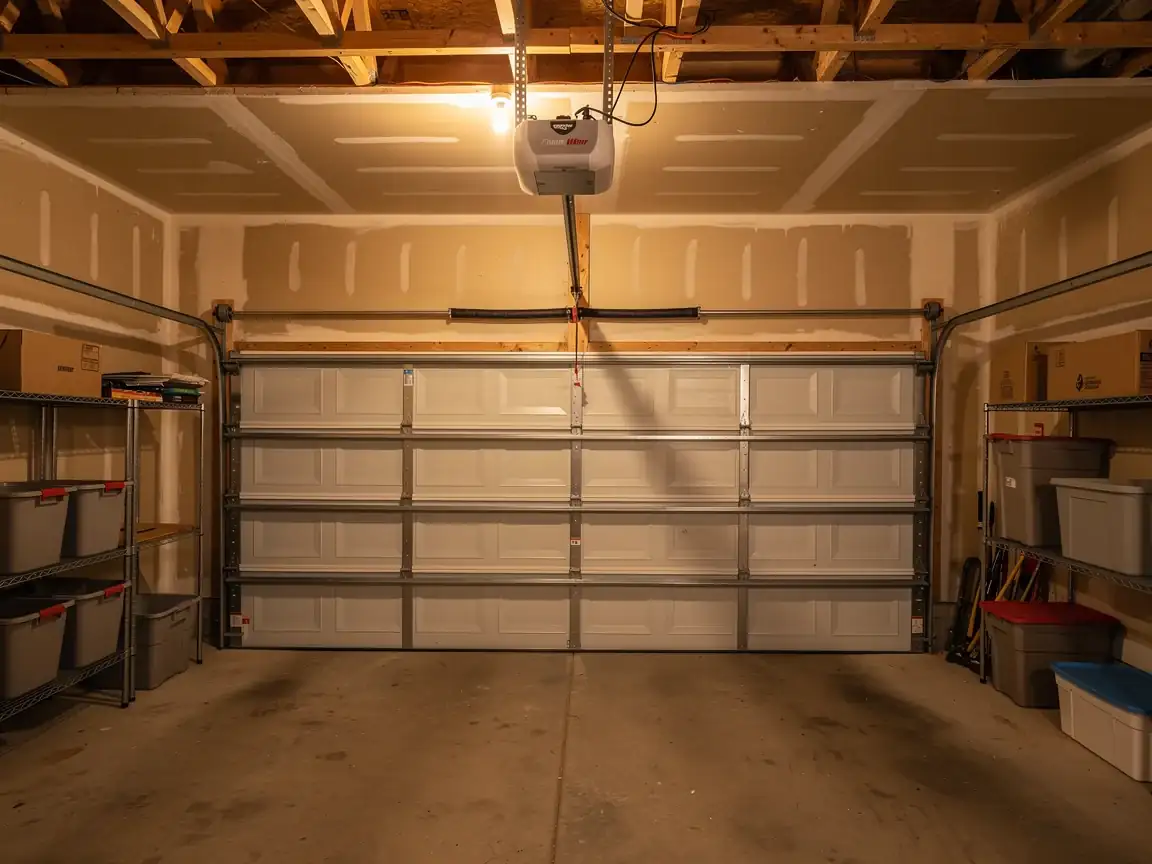
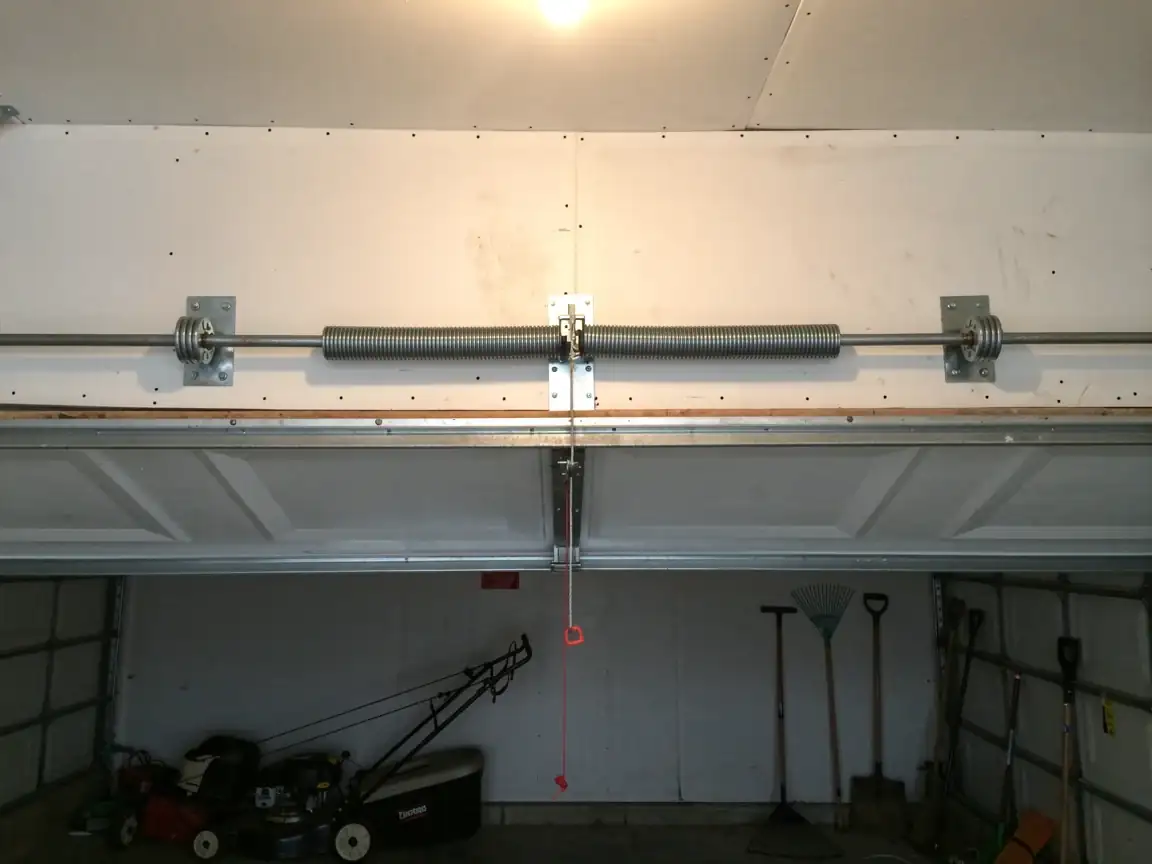
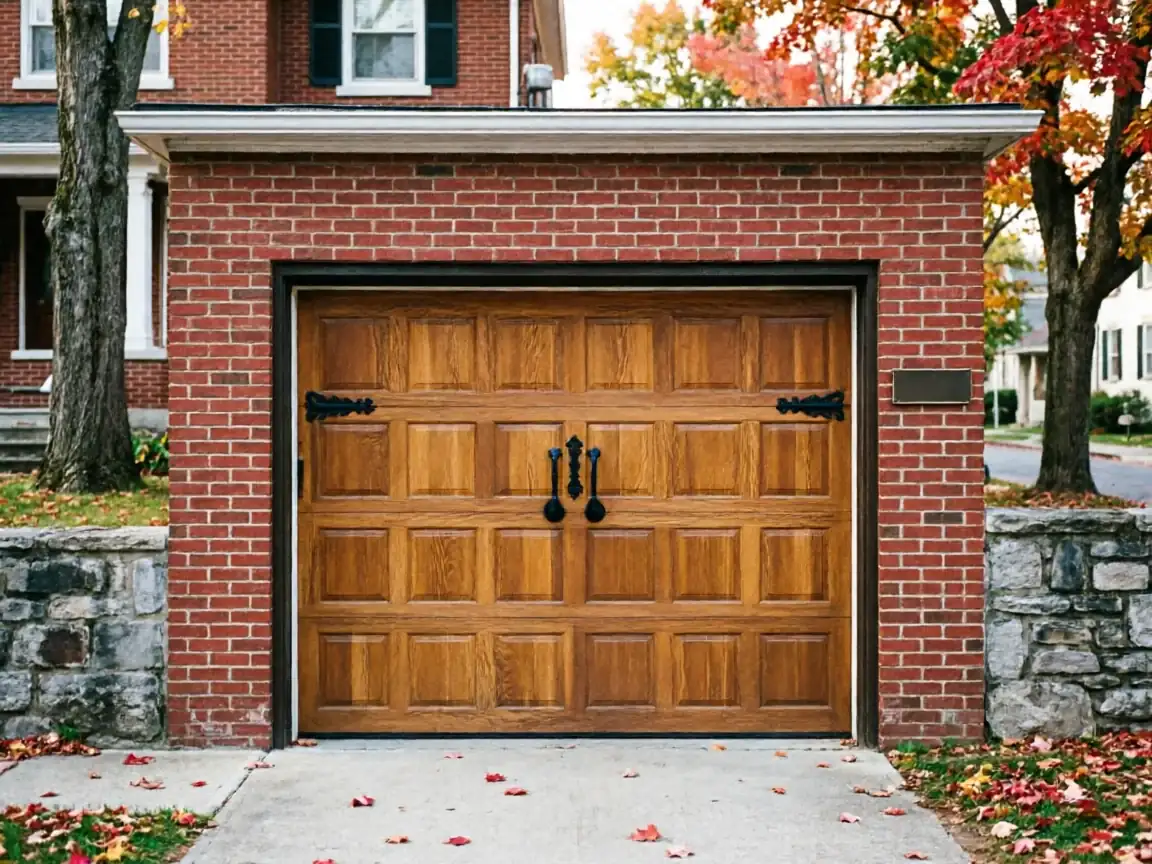
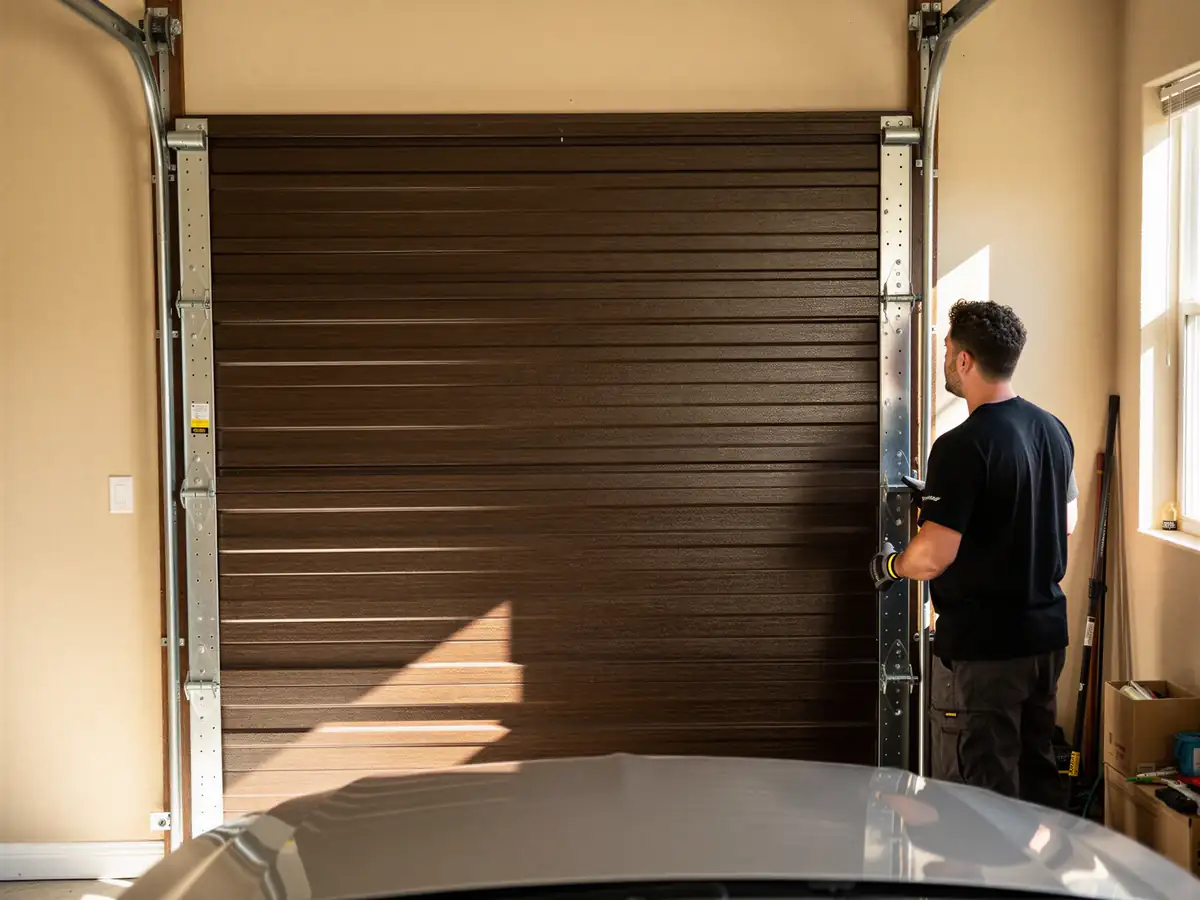
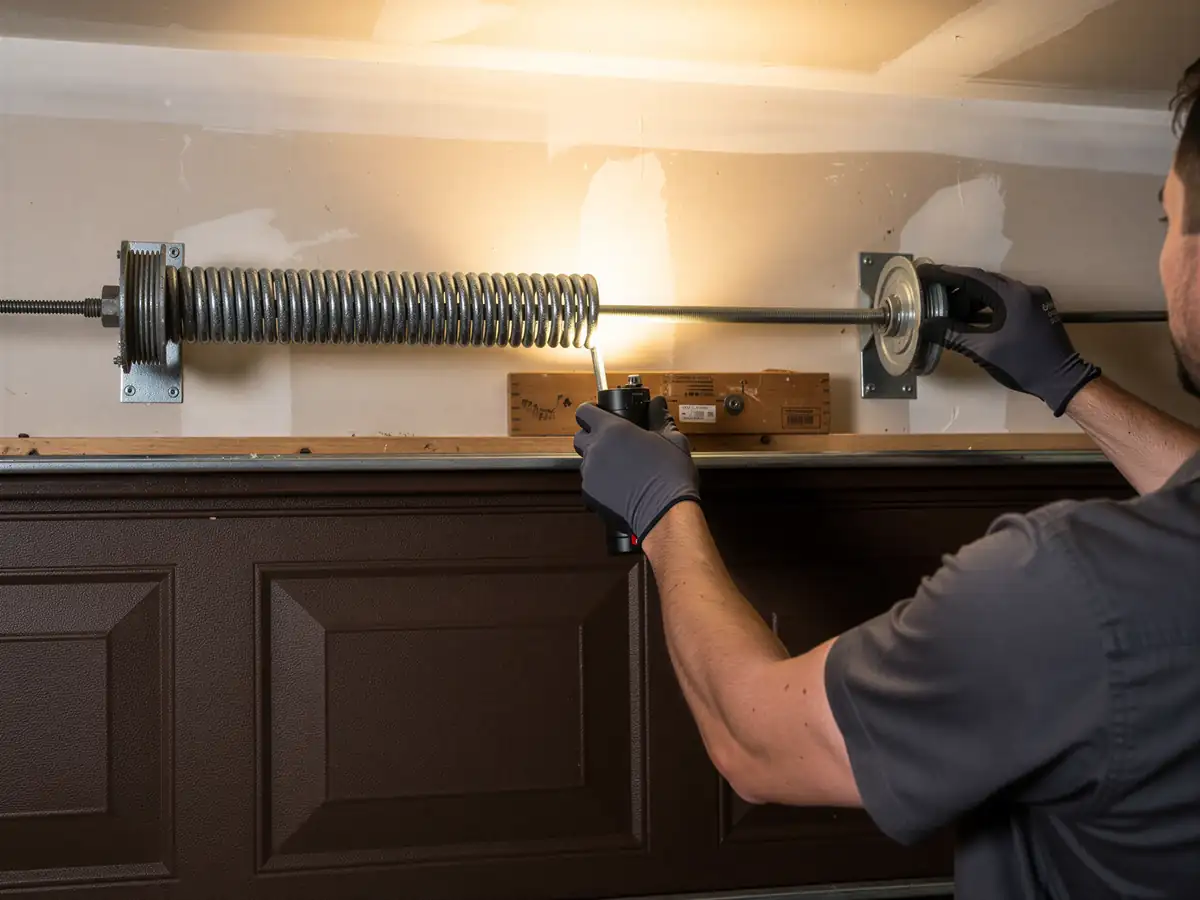
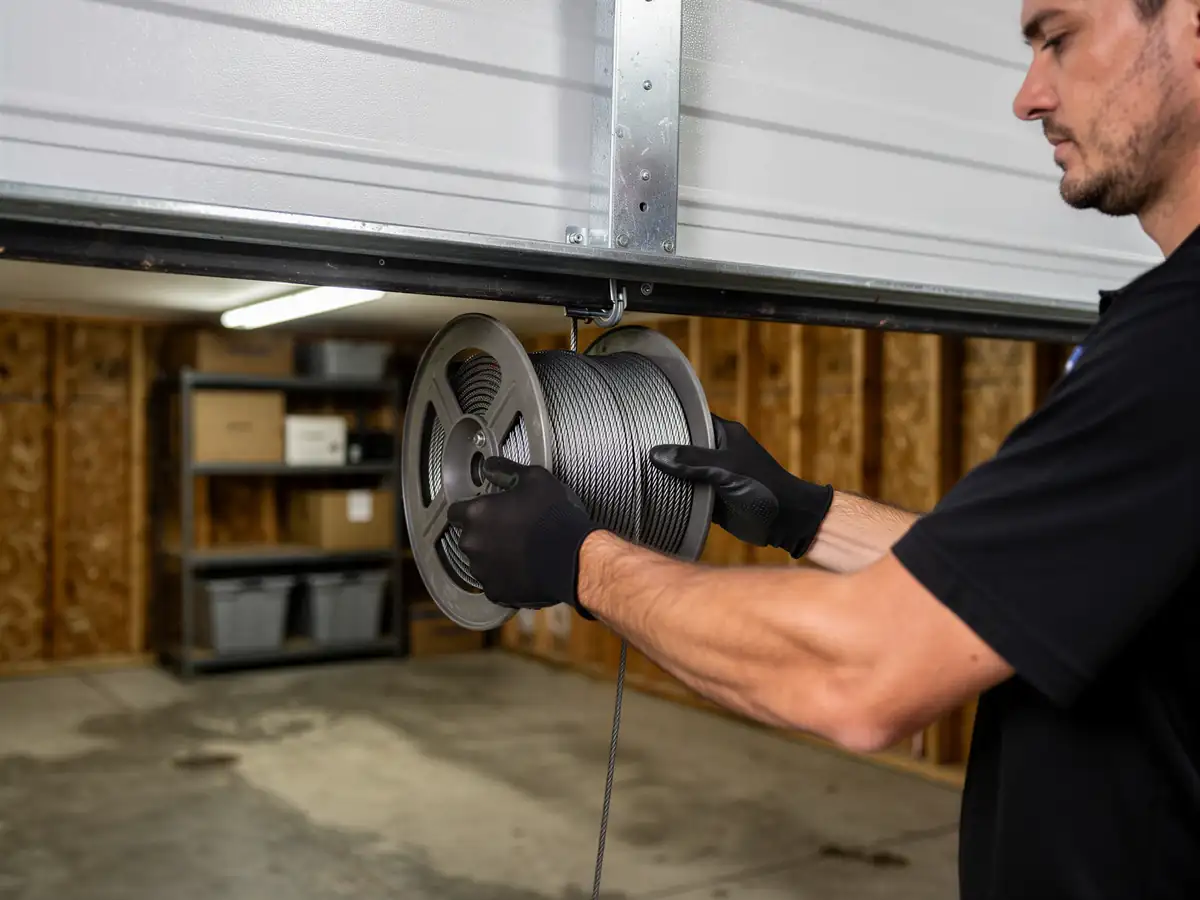
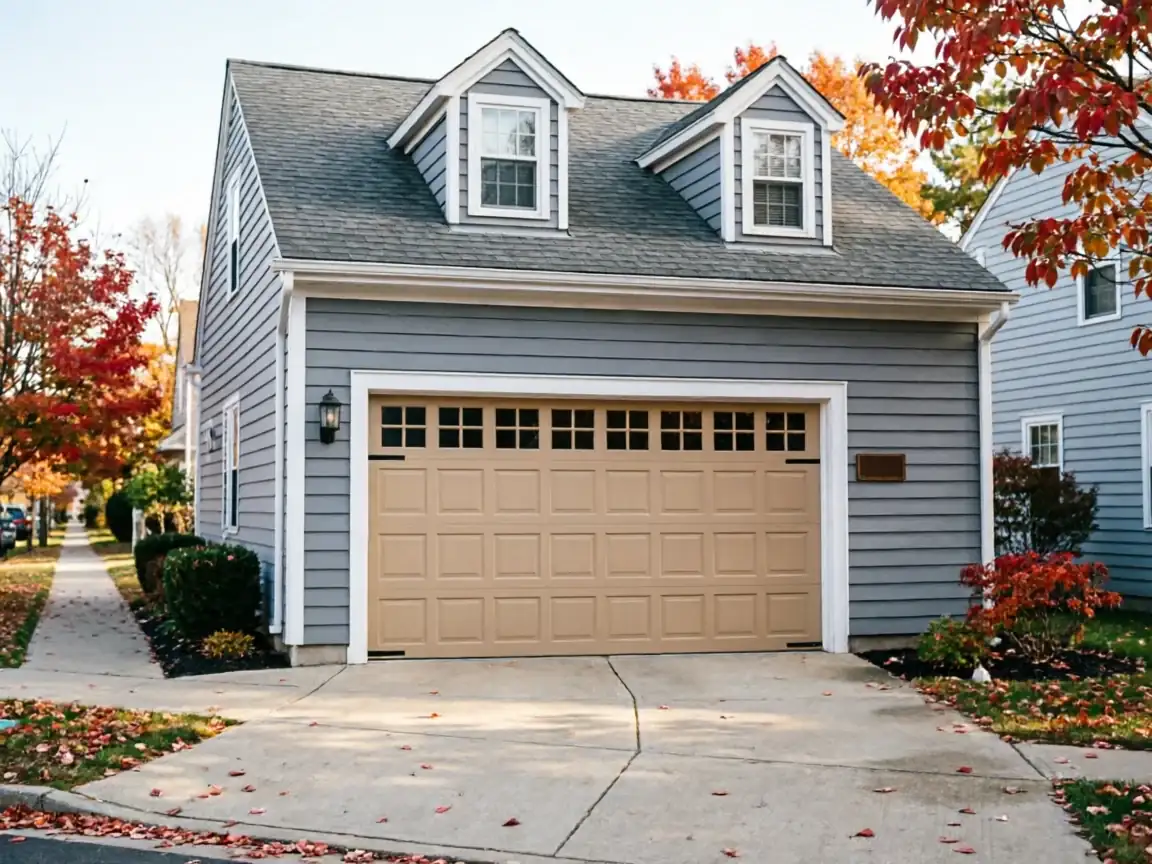
Across the territory we run out of Bethesda, the median house dates to 1973, and a lot of that stock is older still. Olney is a different story. Median year built here is 1986, more than a decade newer than the area median, and that gap matters more than it sounds like it should. A door installed in the mid-80s is almost always a steel sectional on standard torsion hardware, not the one-piece tilt-up slab or the odd side-mounted torsion setup you still find on the older blocks closer to Bethesda. That means the repair kit is more predictable going in: common spring wire gauges, standard-width tracks, hardware that's still in production. It also means fewer surprises once the door's open, which is the part that actually saves time on a job. We still check before we assume - a house can get a replacement door at any point in its life - but the odds in Olney run toward the newer, more standard setup.
The Complications
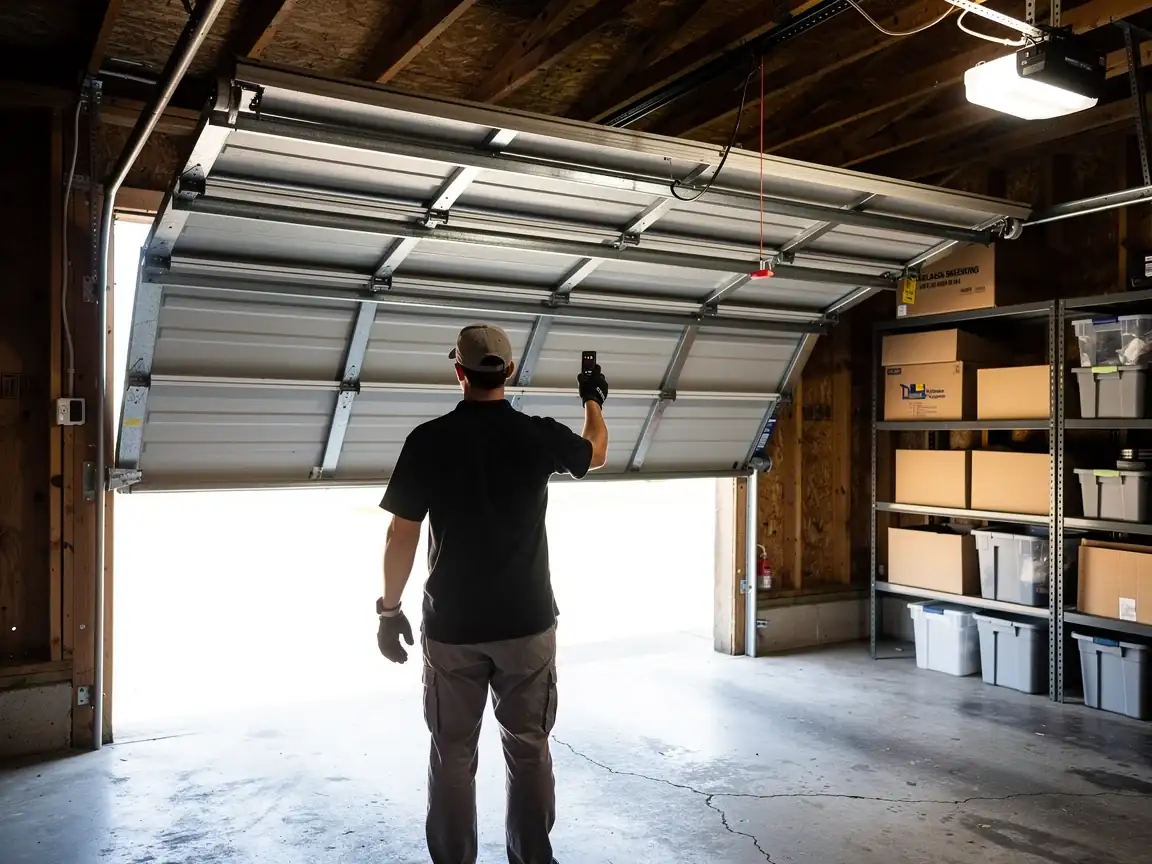
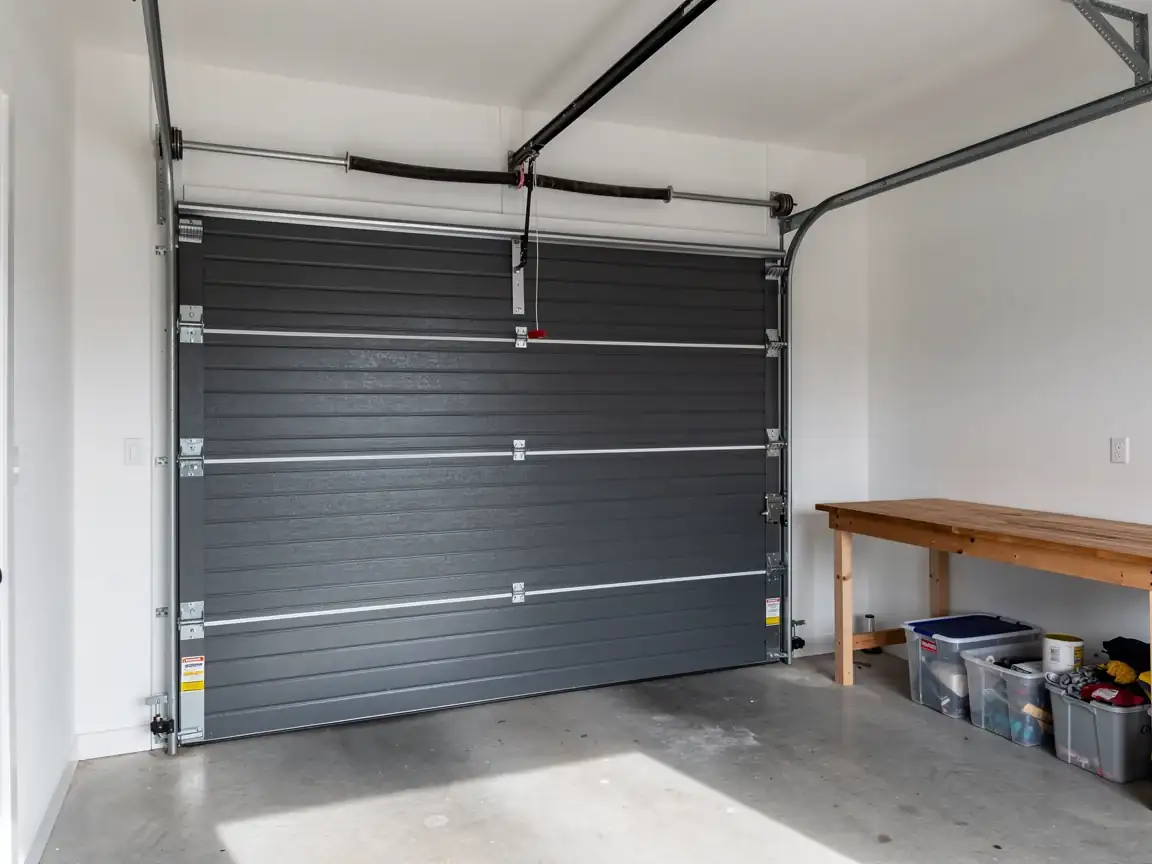
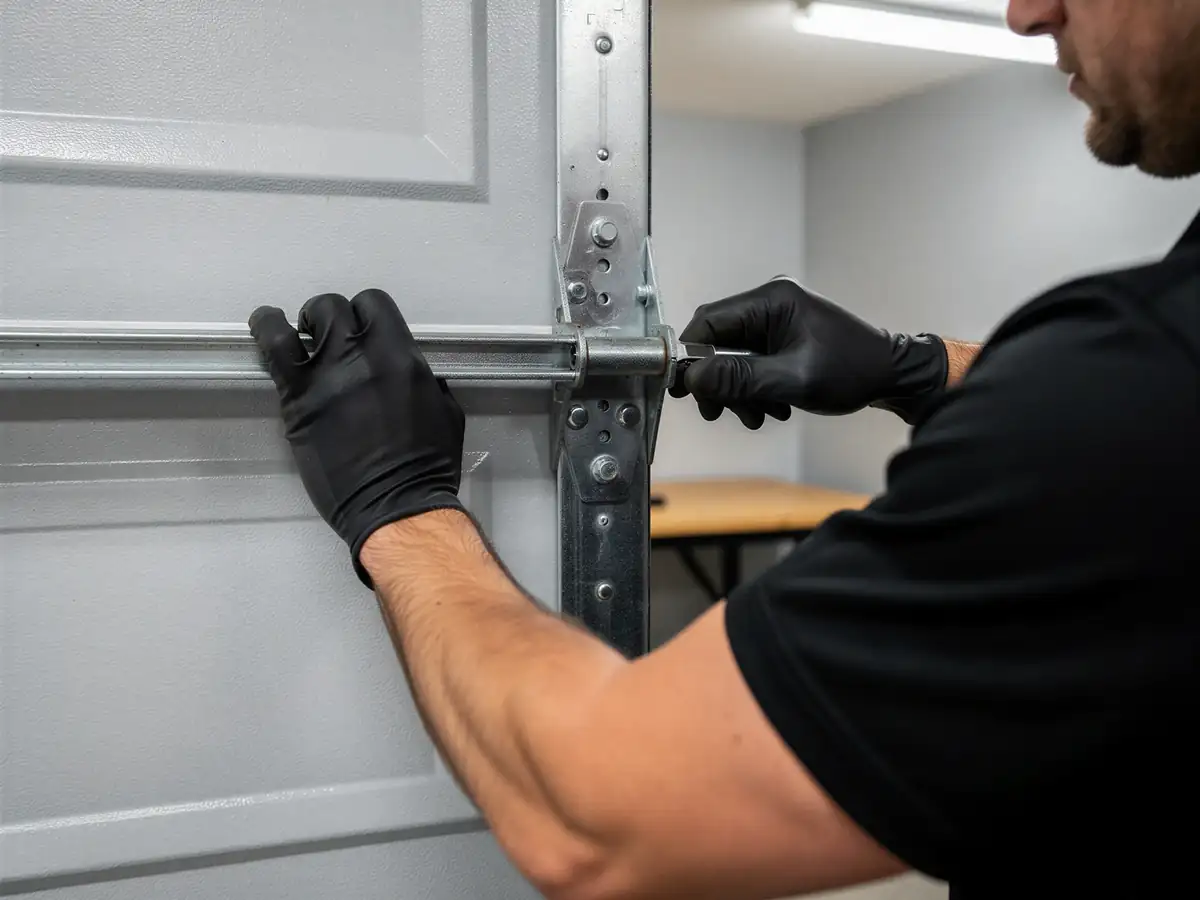
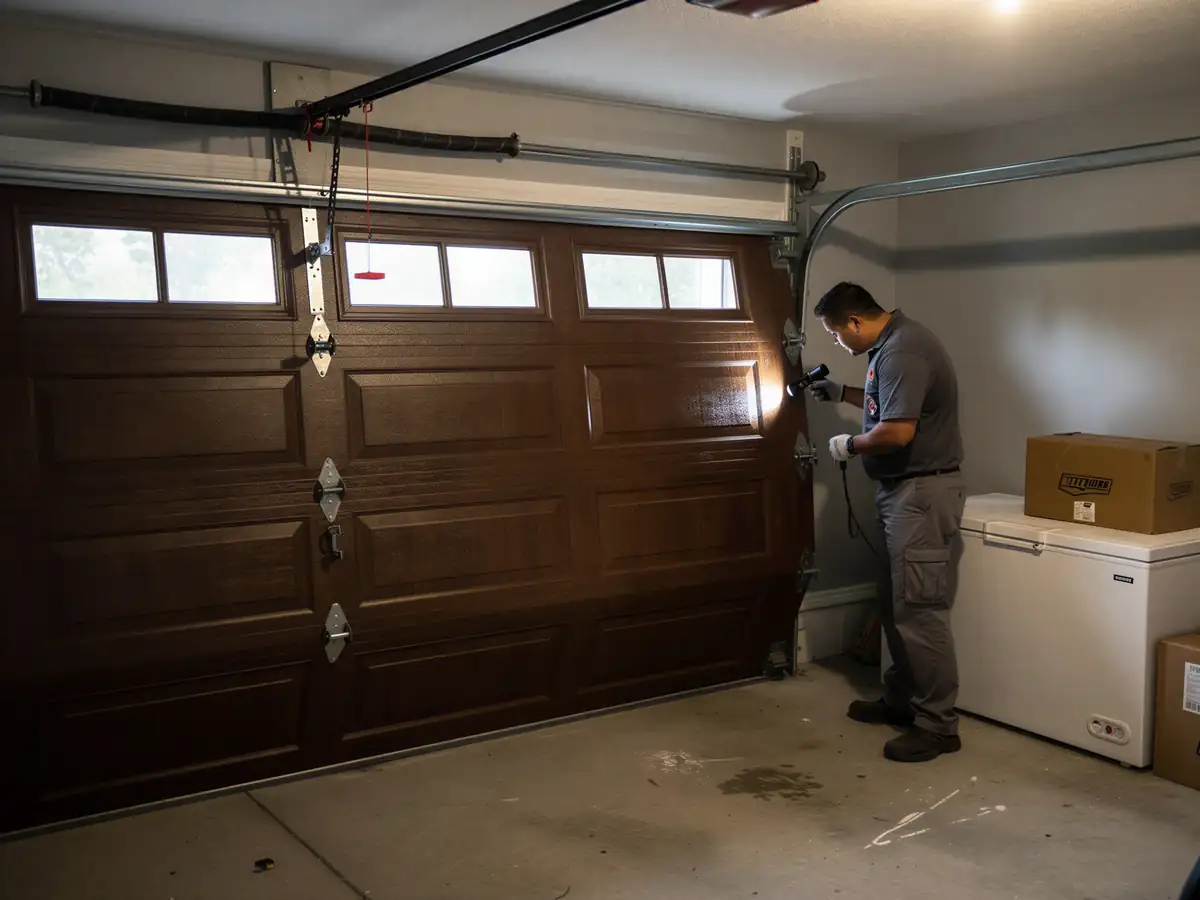
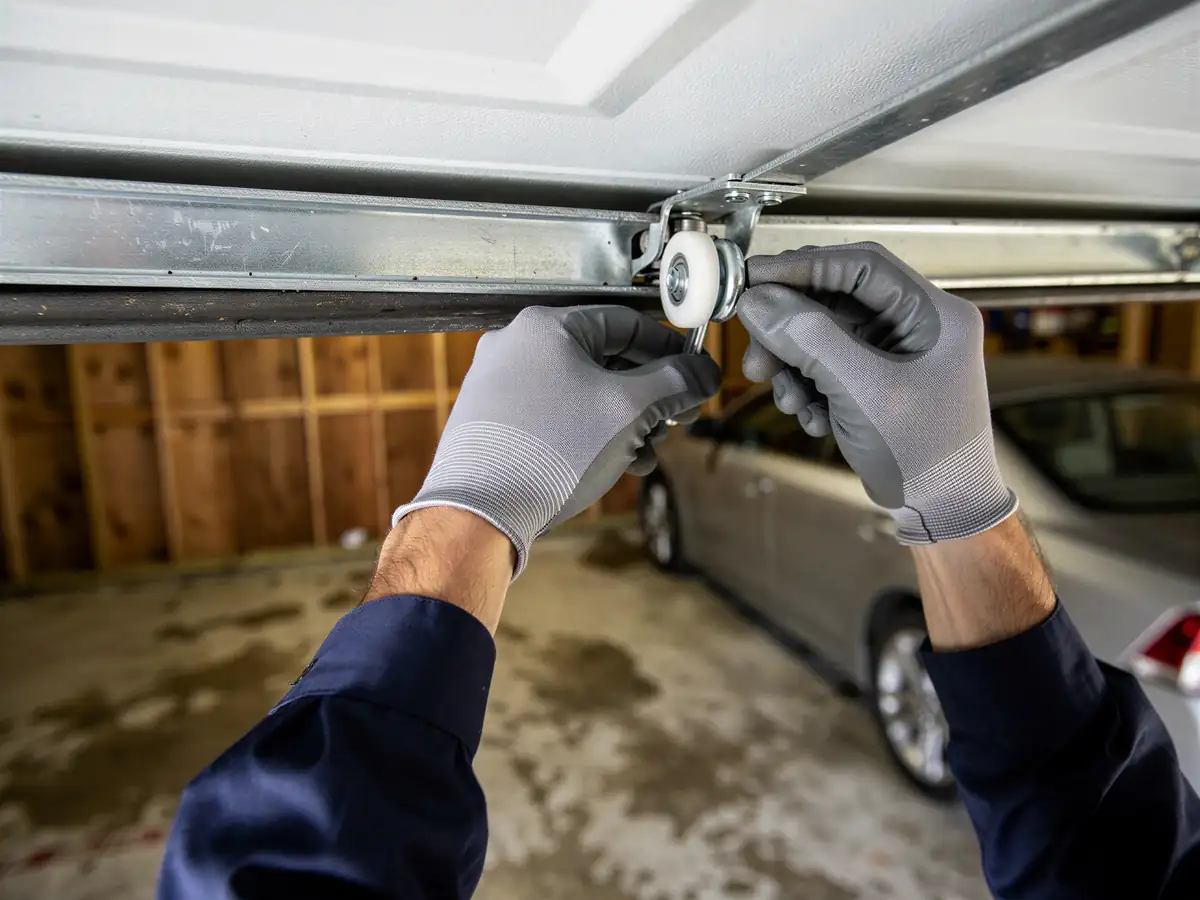
The whole service area sits in a climate band the federal data classes as cold and severe, and that doesn't change house to house - it changes what the cold does to a given setup. Steel sectional doors from the mid-80s typically run less insulated than what's sold today, so panels can warp slightly at the seams after a hard winter, which throws off roller alignment even when the spring and cable are fine. That's a slower fix to diagnose because the door still opens - it just doesn't seat right at the bottom, and a bad seal at the bottom is often blamed on the weatherstrip when the actual cause is a slightly bowed panel. We also have to be upfront about travel: Olney sits about eleven miles out from Bethesda, near the outer edge of where we run calls, so a same-day slot isn't something we can promise over the phone the way we might for a job five minutes from the shop.
Booking a Visit
Olney is part of the territory we cover out of Bethesda, in the same stretch as areas like Aspen Hill, White Oak, Colesville, and Derwood - all of them roughly similar distances out, all of them part of the same run. When you call, tell us what the door is doing (or not doing) and roughly when the house was built if you know it; that one detail often tells us more about what's wrong than a description of the noise does. We'll ask about the door material too - steel, wood, insulated or not - because on a house from this era it's usually steel sectional, but we don't assume. Booking a visit here works the same as anywhere else in the territory: we scope the job over the phone first, then bring the parts that match what you've told us, which cuts down on a second trip.